
Introdução
A escolha entre termoformagem e moldagem por sopro pode ser crucial para a eficiência da sua produção, especialmente quando precisão, custo e prazos de entrega estão em jogo. Embora a termoformagem ofereça rápido e sujo Na prototipagem para startups, a moldagem por sopro oferece consistência incomparável para peças ocas de alto volume, como frascos farmacêuticos e recipientes industriais.
O verdadeiro desafio? Muitos engenheiros subestimam os custos ocultos da termoformagem para geometrias complexas ou simplesmente os ignoram. moldagem por sopro Vantagens da eficiência energética na produção em massa. Este guia simplifica as informações com uma análise técnica detalhada da vida útil dos moldes, limitações de materiais e padrões de tolerância, permitindo que você selecione o processo correto sem custos exorbitantes de tentativas e erros.
Analisaremos as principais diferenças em precisão de superfície, investimentos em ferramentas e aplicações específicas do setor, com base em décadas de experiência. moldagem por sopro Na Lekamachine, você encontra expertise. Seja para ampliar protótipos ou otimizar a produção de contêineres, entender essas compensações garante que sua estratégia de moldagem esteja alinhada com as metas operacionais de longo prazo.

Fundamentos de Termoformagem e Moldagem por Sopro
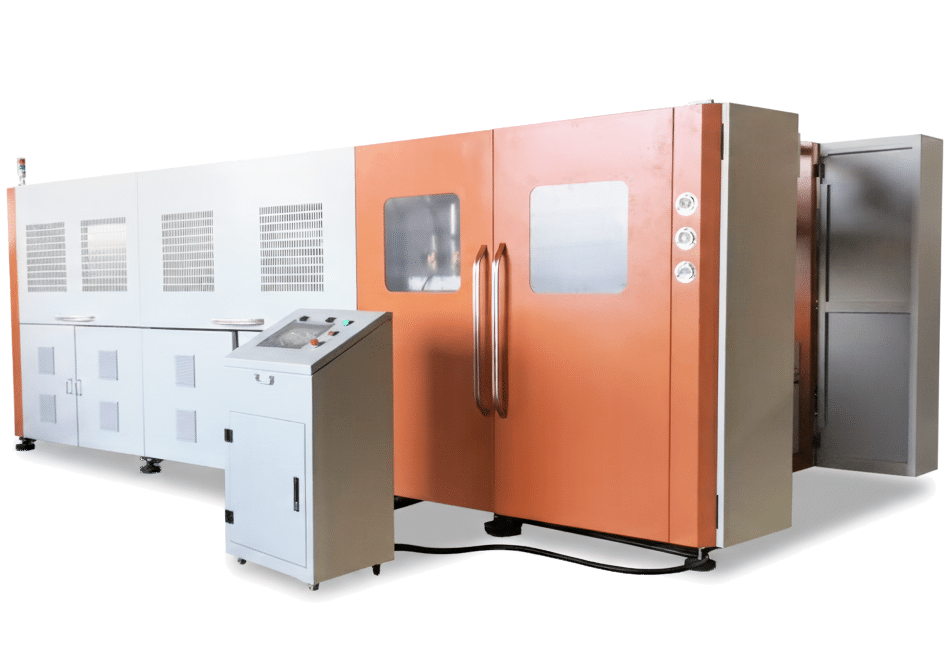
Quando se trata de fabricação de plástico Entre os processos de fabricação, duas das técnicas mais utilizadas são a termoformagem e a moldagem por sopro. Ambos os métodos possuem características únicas que os tornam adequados para diferentes aplicações. Compreender as diferenças entre moldes de termoformagem e moldes de sopro pode ajudar as empresas a escolher o processo mais adequado às suas necessidades.
Thermoforming is ideal for prototyping and short production runs, while blow molding excels in high-volume manufacturing of hollow plastic products.
O que é termoformagem?
A termoformagem é um processo de fabricação de plásticos. Técnica de moldagem onde uma folha de plástico aquecida é moldada sobre um molde. A termoformagem utiliza vácuo, pressão ou força mecânica. Esse processo é conhecido por sua relação custo-benefício e flexibilidade, o que o torna popular para o desenvolvimento de protótipos e aplicações de embalagem. Muitas startups preferem a termoformagem devido ao seu menor investimento inicial em comparação com outras técnicas de moldagem.
O que é moldagem por sopro?
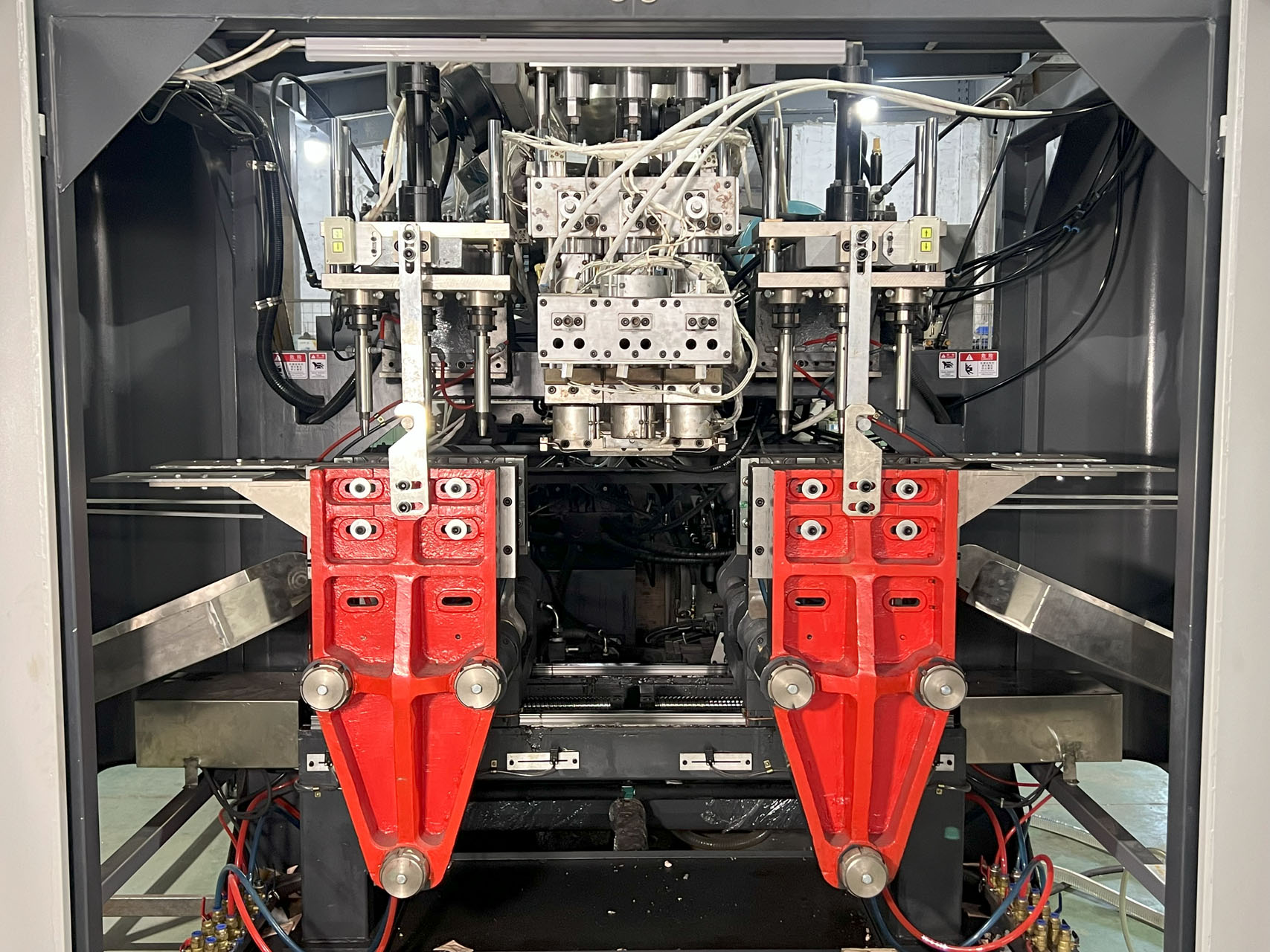
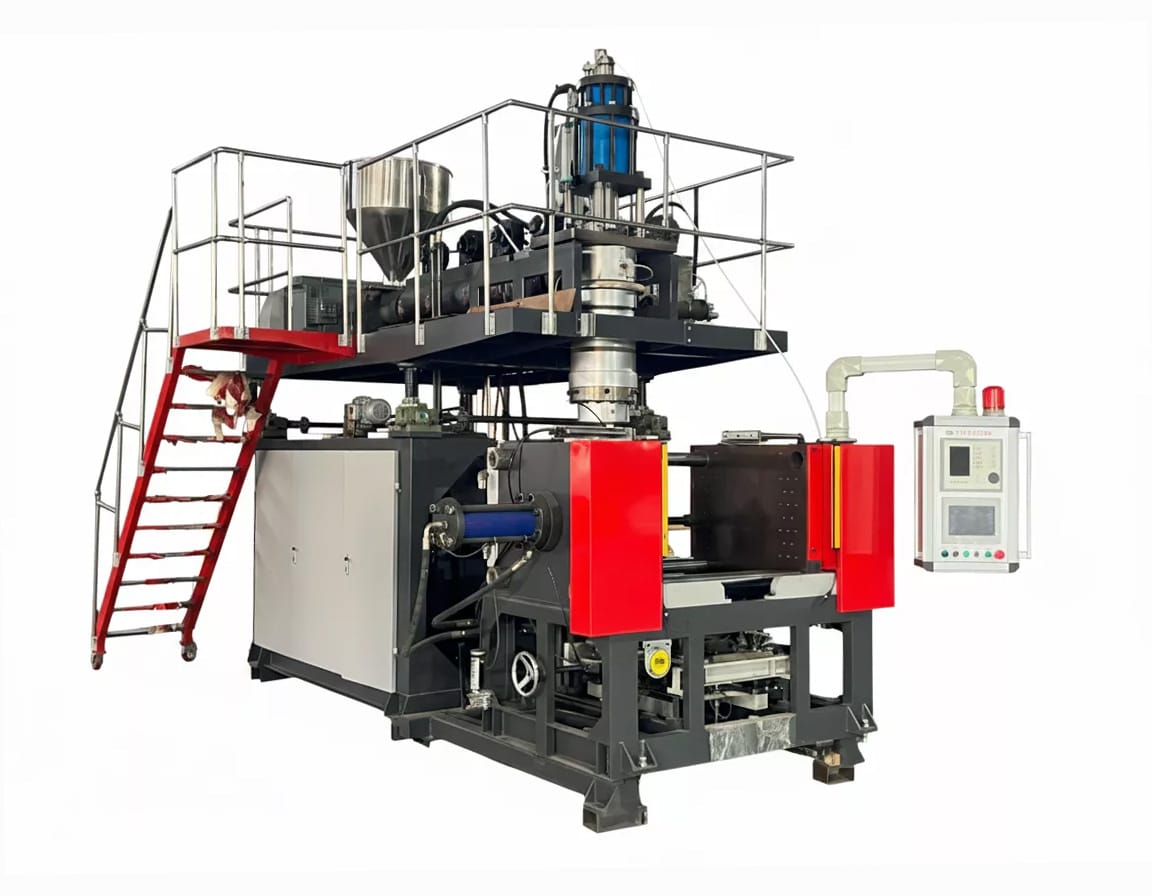
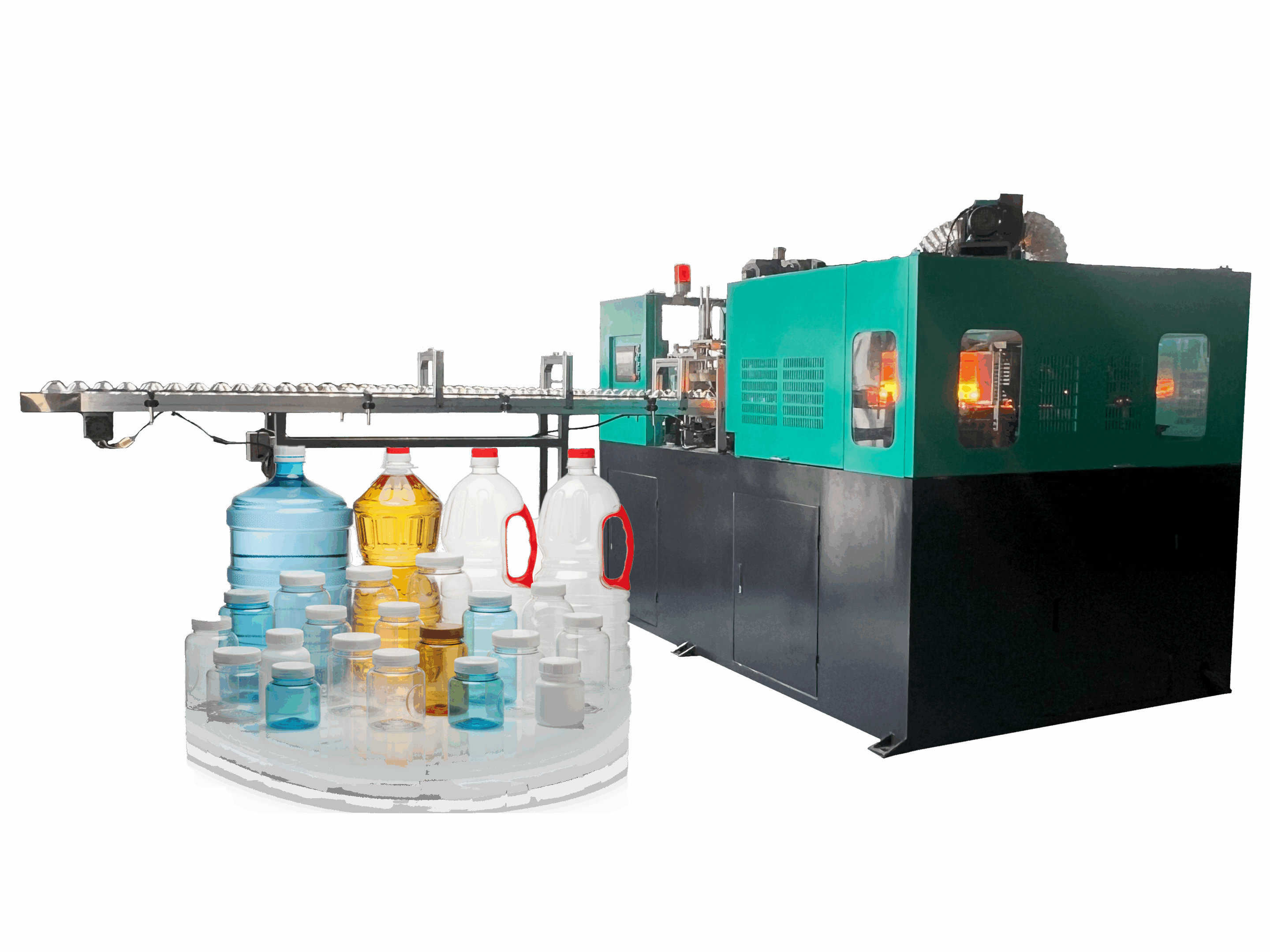
A moldagem por sopro cria peças plásticas ocas. Ao inflar plástico aquecido em uma cavidade de molde. Este método é particularmente eficaz para a produção de garrafas, recipientes e outros produtos ocos. Empresas como a Lekamachine demonstraram como. A moldagem por sopro pode alcançar alta eficiência de volume na embalagem farmacêutica.. O processo oferece excelente consistência e é "ride-or-die" Para necessidades de produção em massa.
Evolução histórica
Tanto a termoformagem quanto a moldagem por sopro evoluíram significativamente desde sua criação. A termoformagem remonta ao início do século XX, enquanto a moldagem por sopro ganhou destaque na década de 1940 com o surgimento das garrafas plásticas. Hoje, esses processos desempenham papéis cruciais em diversos setores, desde o automotivo até o de embalagens para o consumidor final.
Indústrias Primárias
A escolha entre moldes de termoformagem e moldes de sopro geralmente depende da aplicação industrial. A termoformagem é comum em embalagens de alimentos e bandejas para dispositivos médicos, enquanto a moldagem por sopro predomina em recipientes para bebidas e frascos farmacêuticos. Cada método oferece vantagens distintas que atendem a requisitos de produção específicos.
Comparação de desempenho
| Recurso | Termoformagem | Moldagem por sopro | Melhor para | Padrão do setor |
|---|---|---|---|---|
| Velocidade de produção | Médio | Alta | Produção em massa | Moldagem por sopro |
| Custo de ferramentas | Baixa | Alta | Prototipagem | Termoformagem |
| Resíduos de materiais | 15-20% | 5-10% | Sustentabilidade | Moldagem por sopro |
| Complexidade da Peça | De simples a moderado | De moderado a complexo | Partes ocas | Moldagem por sopro |
| Conformidade FDA | Comum | Padrão | Embalagens médicas | Ambos |
Ao decidir entre termoformagem e moldagem por sopro, considere fatores como volume de produção, geometria da peça e requisitos de material. Embora a termoformagem ofereça flexibilidade para alterações de design, a moldagem por sopro proporciona maior eficiência para produções em larga escala. Ambos os processos têm seu lugar na manufatura moderna, e a escolha certa depende das necessidades específicas da sua aplicação.

Comparação técnica: mecânica do processo e produção
Compreender as diferenças operacionais entre termoformagem e moldagem por sopro é crucial para os fabricantes. fabricação de plástico Os processos servem a propósitos distintos no desenvolvimento de produtos com moldes, cada um se destacando em diferentes cenários de produção.
“Embora a termoformagem ofereça vantagens para a prototipagem rápida, a moldagem por sopro proporciona uma consistência superior para a produção de peças ocas em grande volume.”
Termoformagem: Prototipagem rápida e adaptabilidade a baixos volumes
A termoformagem se destaca no desenvolvimento de protótipos e em pequenos lotes de produção. As vantagens da Os moldes de termoformagem para prototipagem oferecem vantagens como trocas rápidas de moldes e custos de ferramental mais baixos., Isso a torna ideal para startups e projetos com orçamentos limitados. Esse processo funciona bem com diversos termoplásticos, permitindo flexibilidade de design durante as fases de desenvolvimento do produto.
Moldagem por sopro: consistência em alto volume para peças ocas
A moldagem por sopro oferece consistência excepcional para a produção em massa de recipientes ocos. Empresas como a Lekamachine demonstram como esse processo atinge precisão de nível farmacêutico com materiais como PET, PP e HDPE. As tolerâncias mais rigorosas em moldagem por sopro Reduzir significativamente os custos de acabamento pós-produção, o que é particularmente valioso para a fabricação de contêineres industriais.
Compatibilidade de materiais
A comparação entre termoformagem e moldagem por sopro também se estende às opções de materiais. Enquanto a termoformagem trabalha com diversos termoplásticos, a moldagem por sopro se especializa em polímeros como PET e PEAD, que mantêm a integridade estrutural durante o processo de sopro. Essa diferença impacta o desenvolvimento de produtos com moldes em diversos setores.
Padrões de acabamento superficial e tolerância
| Recurso | Termoformagem | Moldagem por sopro | Padrão Farmacêutico | Melhor aplicativo |
|---|---|---|---|---|
| Acabamento da superfície | Bom | Excelente | Acabamento espelhado | Embalagens cosméticas |
| Tolerância Dimensional | ±0,5 mm | ±0,1 mm | ±0,05mm | Dispositivos médicos |
| Controle de Espessura das Paredes | Moderado | Preciso | Uniforme | Garrafas de bebidas |
| Taxa de Produção | 100-500/hora | 1000-5000/hora | Certificado GMP | Produção em massa |
| Prazo de entrega das ferramentas | 2 a 4 semanas | 6 a 12 semanas | Validação necessária | Lançamento de novo produto |
Ao comparar a termoformagem com a moldagem por sopro, os fabricantes devem considerar o volume de produção, a geometria da peça e os requisitos de material. A adaptabilidade da termoformagem a torna valiosa para prototipagem, enquanto A precisão da moldagem por sopro beneficia a produção em grande volume.. Ambos os processos apresentam vantagens distintas na fabricação de plásticos, e a escolha ideal depende das necessidades específicas da aplicação.
Análise de Custo e Eficiência
Ao avaliar moldes de termoformagem versus moldes de sopro, as considerações de custo desempenham um papel fundamental na seleção do processo. Ambos os métodos oferecem soluções de moldagem com boa relação custo-benefício, mas suas vantagens financeiras se manifestam de maneiras diferentes em diversos cenários de produção.
Embora a termoformagem proporcione custos iniciais mais baixos para prototipagem, A moldagem por sopro oferece um retorno sobre o investimento (ROI) superior a longo prazo para produção em larga escala, graças à eficiência energética e à redução de custos. custos por unidade.
Fabricação de moldes: diferenças de prazo de entrega e custo
As diferenças na termoformagem e técnicas de moldagem por sopro Isso se torna evidente na fabricação de moldes. Os moldes de termoformagem normalmente custam de 60 a 80% menos do que os moldes de sopro e podem ser produzidos em 2 a 4 semanas, em comparação com 6 a 12 semanas para os moldes de sopro. Isso torna a termoformagem particularmente atraente para startups e projetos que exigem prazos de entrega rápidos.
Custos de produção por unidade
| Volume de Produção | Custo da termoformagem por unidade | Custo da moldagem por sopro por unidade | Ponto de cruzamento | Melhor processo |
|---|---|---|---|---|
| 1.000 unidades | $2.10 | $3.50 | 15.000 unidades | Termoformagem |
| 10.000 unidades | $1.25 | $1.80 | Termoformagem | |
| 50.000 unidades | $0.95 | $0.65 | Moldagem por sopro | |
| Mais de 100.000 unidades | $0.85 | $0.35 | Moldagem por sopro | |
| Custo anual de energia | $18,000 | $9,500 | Moldagem por sopro |
Vantagens do consumo de energia
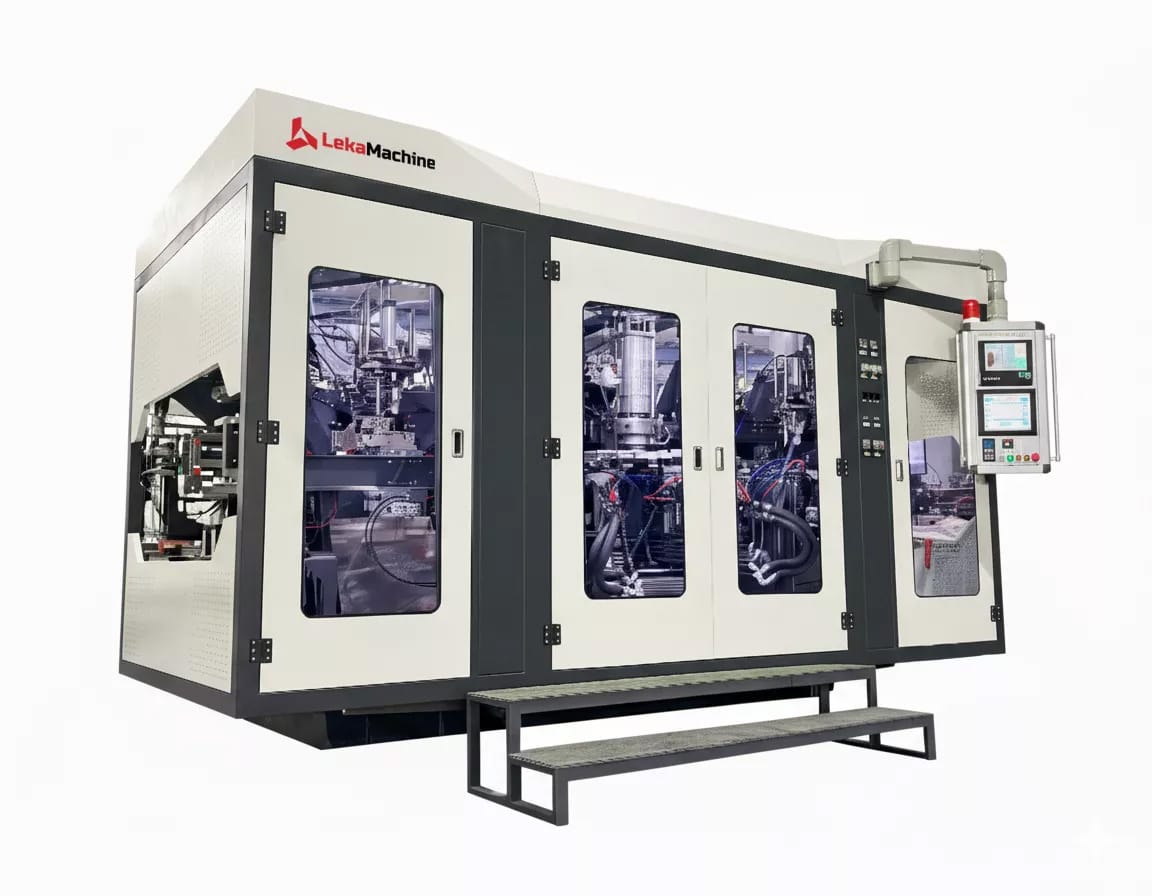
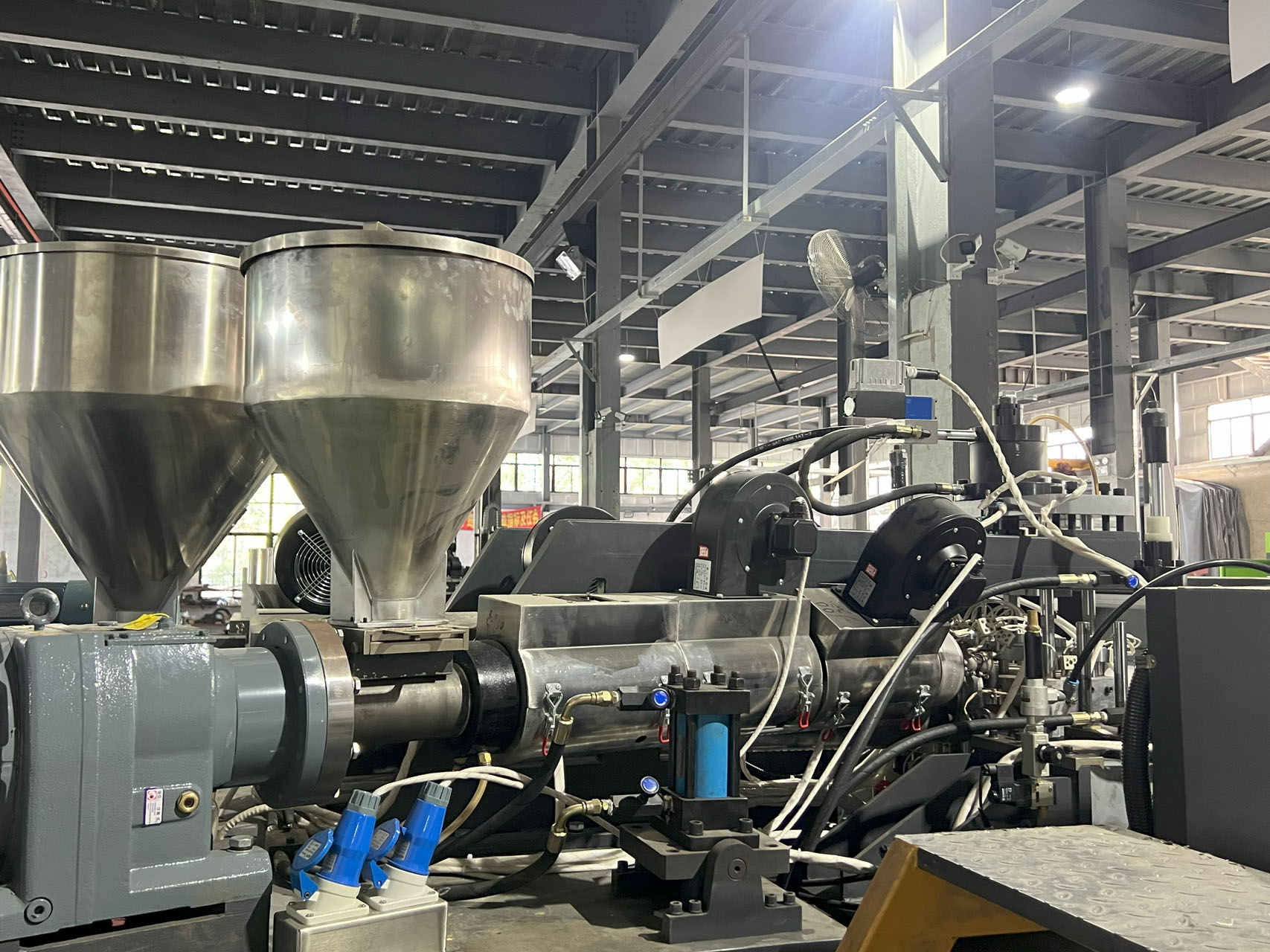
A eficiência energética da Lekamachine máquinas de moldagem por sopro O modelo 30-40% demonstra um menor consumo de energia em comparação com operações de termoformagem em volumes semelhantes. Essa eficiência torna-se cada vez mais significativa na produção em larga escala, contribuindo para economias substanciais a longo prazo.
Custos ocultos de geometrias complexas
Embora a termoformagem pareça inicialmente econômica, geometrias de peças complexas frequentemente exigem operações secundárias que aumentam os custos. A moldagem por sopro, com sua produção em etapa única de peças ocas, elimina muitas dessas despesas ocultas, principalmente para embalagens farmacêuticas e cosméticas.
A escolha entre moldes de termoformagem e moldes de sopro depende, em última análise, do volume de produção, da complexidade da peça e dos objetivos operacionais a longo prazo. A termoformagem oferece acessibilidade para protótipos e baixos volumes, enquanto a moldagem por sopro proporciona maior eficiência para a produção em massa. Compreender essas diferenças entre termoformagem e moldagem por sopro é fundamental para uma melhor compreensão do processo. As técnicas de moldagem por sopro garantem a seleção ideal do processo para soluções de moldagem com boa relação custo-benefício..

Fatores de tomada de decisão para engenheiros
A escolha entre termoformagem e moldagem por sopro exige uma avaliação cuidadosa de diversos fatores técnicos e comerciais. Esta comparação de técnicas de moldagem fornece aos engenheiros critérios práticos para a seleção do processo.
“A termoformagem oferece flexibilidade de design para protótipos, enquanto a moldagem por sopro proporciona integridade estrutural para a produção em massa – a escolha ideal depende dos requisitos específicos do seu projeto.”
Quando escolher a termoformagem
A termoformagem se destaca em cenários de prototipagem e flexibilidade de design. O processo permite iterações e modificações rápidas, tornando-o ideal para as fases de desenvolvimento de produtos. Startups e projetos com orçamentos limitados geralmente se beneficiam dos custos iniciais mais baixos e dos prazos de entrega mais rápidos da termoformagem.
Quando a moldagem por sopro se destaca
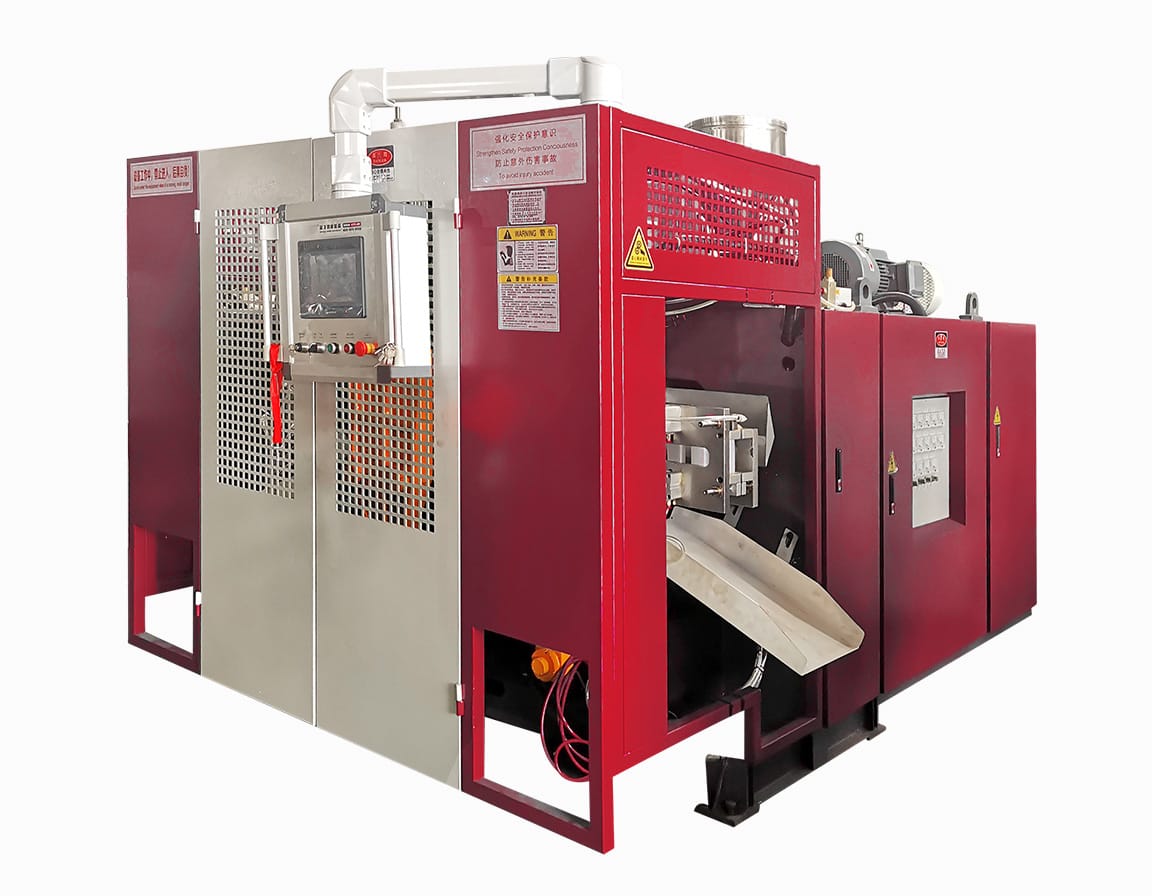
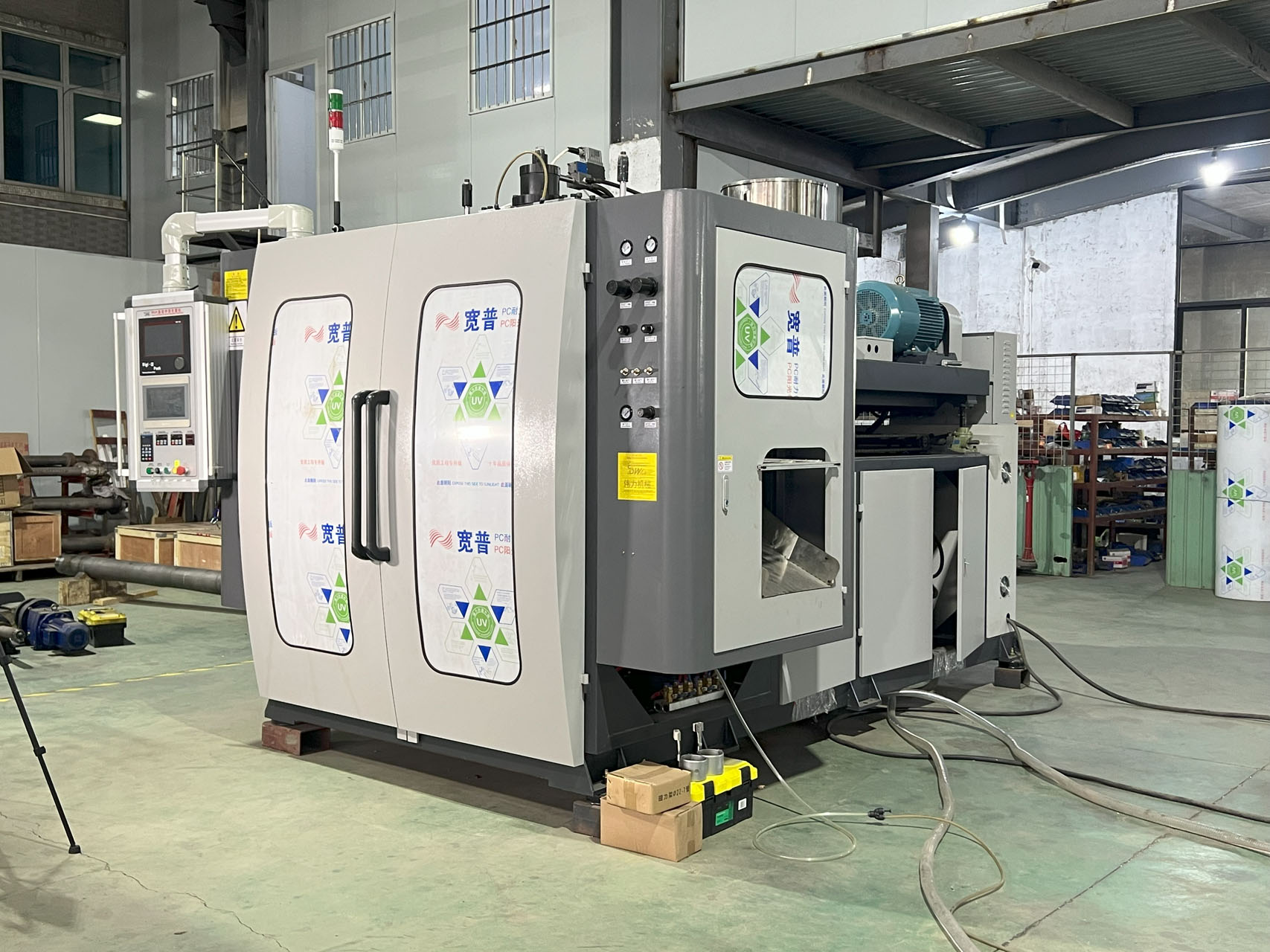
Para a produção em massa de peças ocas que exigem integridade estrutural, a moldagem por sopro costuma ser a melhor opção. A Lekamachine oferece um processo automatizado para esse fim. soluções de moldagem por sopro Demonstrar como esse processo permite obter embalagens em conformidade com as normas da FDA, com qualidade consistente e em grandes volumes.
Vida útil e manutenção do mofo
| Fator | Termoformagem | Moldagem por sopro | Referência do setor | Impacto |
|---|---|---|---|---|
| Vida útil do mofo | 100.000 ciclos | Mais de 1 milhão de ciclos | Farmacêutica: ciclos de 2 milhões de anos | Retorno do investimento a longo prazo |
| Frequência de manutenção | Mensal | Trimestral | Normas GMP | Tempo de Inatividade |
| Requisitos de limpeza | Alta | Baixa | Conformidade FDA | Custos de mão de obra |
| Custo de substituição de ferramentas | $5,000-$15,000 | $25,000-$100,000 | Média do setor | Despesas de capital |
| Manutenção Preventiva | 20 horas/mês | 8 horas/mês | Melhores práticas | Eficiência Operacional |
Conformidade regulatória
Para embalagens de alimentos e produtos farmacêuticos, entender como escolher entre termoformagem e moldagem por sopro inclui avaliar os requisitos regulamentares. A moldagem por sopro geralmente proporciona melhor consistência para aplicações críticas. exigindo conformidade com a FDA ou a UE.
A decisão entre moldes de termoformagem e moldes de sopro deve considerar o volume de produção, a complexidade das peças, as exigências regulatórias e os custos operacionais a longo prazo. Ambos os processos apresentam vantagens distintas, e a escolha ideal depende do alinhamento das capacidades do processo com os requisitos do projeto.
Tendências Futuras e Perspectivas do Setor
Os processos de fabricação de plásticos, como a termoformagem e a moldagem por sopro, estão evoluindo com os avanços tecnológicos e as demandas de sustentabilidade. Compreender as diferenças entre termoformagem e moldagem por sopro para uma produção sustentável será crucial para os fabricantes que se adaptam ao futuro. necessidades da indústria.
Embora a termoformagem se adapte bem a materiais sustentáveis, A moldagem por sopro impulsiona a automação e a eficiência energética – o futuro provavelmente reserva aplicações especializadas. para ambos os processos.
Avanços na automação da moldagem por sopro
A pesquisa e o desenvolvimento da Lekamachine em moldagem por sopro com eficiência energética demonstram como a automação avançada está transformando o setor. Suas soluções totalmente automatizadas agora alcançam tempos de ciclo 30% mais rápidos, mantendo a precisão para embalagens farmacêuticas e cosméticas.
Materiais Sustentáveis na Termoformagem
A termoformagem está se adaptando às tendências de sustentabilidade por meio de materiais de base biológica e reciclados. A flexibilidade do processo em relação aos materiais o torna ideal para testar novos polímeros ecológicos, embora ainda existam desafios na manutenção da integridade estrutural com essas alternativas.
Métricas comparativas de sustentabilidade
| Fator | Termoformagem | Moldagem por sopro | Projeção para 2025 | Industry Impact |
|---|---|---|---|---|
| Eficiência do material | 85% | 92% | 95% | Waste Reduction |
| Consumo de energia | Alta | Médio | Baixa | Carbon Footprint |
| Recycled Content | 30-50% | 20-30% | 50-70% | Economia Circular |
| Materiais de base biológica | Bom | Limitada | Improved | Sustentabilidade |
| End-of-Life Options | Multiple | Single-stream | Universal | Recycling Rates |
Emerging Hybrid Approaches
The future may see more hybrid solutions combining thermoforming’s design flexibility with blow molding’s structural advantages. These integrated plastic manufacturing processes could address complex product requirements while improving sustainability.
As the industry evolves, the choice between thermoforming molds vs blow molds will increasingly consider automation potential, material innovations, and environmental impact alongside traditional cost and production factors.
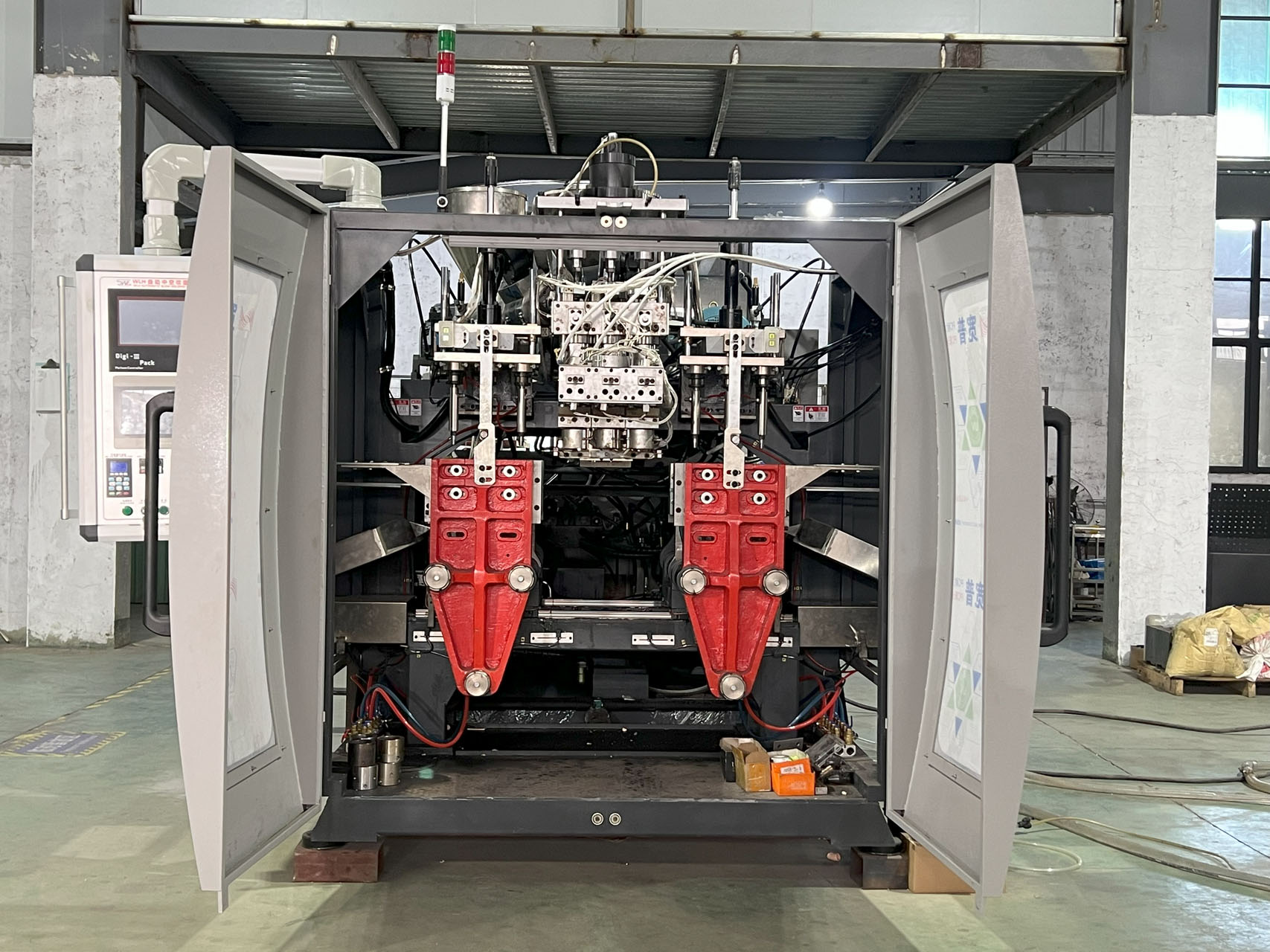
Conclusão
Após anos na indústria de sopro, I’ve seen firsthand how the right process can make or break production efficiency. Thermoforming is your **”quick-and-dirty”** solution for prototyping, but when it comes to high-volume precision—especially for hollow parts like bottles and containers—blow molding is the undisputed champion.
The choice isn’t just about today’s needs; it’s about scaling smartly. Thermoforming might save you upfront, but blow molding’s energy efficiency and consistency pay off when volumes ramp up. Whether you’re in pharma, cosmetics, or industrial packaging, aligning your process with long-term goals is key.
At Lekamachine, we’ve helped countless manufacturers navigate this decision. The bottom line? Don’t just pick a process—future-proof your production.
PERGUNTAS FREQUENTES
Q1: What is the difference between thermoforming molds and blow molds?
A1: Thermoforming molds shape heated plastic sheets using vacuum, while blow molds involve inflating hot plastic to form hollow objects. Thermoforming is typically faster and more cost-effective for flat products, whereas blow molding is ideal for hollow shapes.
Q2: When should I choose thermoforming over blow molding?
A2: Choose thermoforming for products requiring lower tooling costs and faster prototyping. It’s particularly advantageous for shallow, flat shapes. Blow molding is preferred for complex, hollow forms like bottles or containers.
Q3: What are the advantages of thermoforming molds?
A3: Thermoforming molds are generally cheaper and faster to produce than blow molds. They also allow for quick iteration in design, making them suitable for prototypes and short-run production.
Q4: Can thermoforming produce strong and accurate parts compared to blow molding?
A4: Yes, thermoforming can produce strong parts with good surface finishes and tolerances, though blow molding often excels in thin-walled, uniform hollow objects.
Q5: How do the production speeds compare between thermoforming and blow molding?
A5: Thermoforming is usually faster for simpler parts between the two, while blow molding is quicker for high-volume production of hollow items.
Q6: What materials can be used with thermoforming and blow molding?
A6: Both processes can use a variety of thermoplastics. However, blow molding typically requires materials that can withstand higher temperatures and pressures, such as polyethylene and polypropylene, while thermoforming works well with a wider range of plastics.
Q7: What are the cost implications of choosing thermoforming vs. blow molding?
A7: Thermoforming generally has lower initial cost for mold creation, making it more economical for small-scale production. Blow molding may have higher tooling costs but can be more profitable in high-volume production runs.
Q8: What are common applications for thermoforming and blow molding?
A8: Thermoforming is often used for packaging, trays, and clamshells, whereas blow molding is commonly used for bottles, fuel tanks, and various hollow containers.
Links externos
- Qual é a Diferença entre Termoformagem e Sopro?
- Thermoforming vs. Blow Molding Lines – BOMAC
- Sopro vs. Moldação Rotacional: Qual é a Diferença?
- Moldação por Injeção vs. Termoformagem, Qual é a Diferença?
- Thermoforming vs Injection Moulding vs Blow Moulding – Sphere Resources
- A Closer Look at Injection Molding vs. Thermoforming
- Thermoforming vs Blow Molding: Differences Explained
- Sopro e termoformagem – SKZ


0 comentários