
Introdução
Every year, damaged goods cost manufacturers millions—not just in lost products, but in customer trust and brand reputation. When fragile electronics, medical devices, or high-value automotive components arrive compromised, the ripple effects hurt both profits and partnerships.
Foam injection molding solves this cavalgar ou morrer challenge by combining lightweight efficiency with unmatched impact resistance. Unlike rigid plastics or bulky packaging, foam’s cellular structure absorbs shocks while keeping shipments cost-effective. This article explores how industries from healthcare to automotive leverage foam molding to slash breakage rates and streamline protective packaging.
Introduction to Foam Injection Molding
“Foam injection molding is a game-changer in protective packaging, offering unmatched cushioning and cost savings for industries dealing with fragile goods.”
Foam injection molding is a specialized manufacturing process where molten plastic is injected with a blowing agent to create lightweight, cushioned parts. This technique is widely used in protective packaging to prevent product damage during shipping. The foam molding process creates tiny air pockets within the material, giving it excellent shock absorption properties.
In logistics, damaged goods cost businesses billions annually. Foam injection molding directly addresses this by creating custom protective inserts that cradle products securely. Whether it’s delicate electronics or heavy automotive components, foam packaging significantly reduces breakage rates. Many companies find this solution pays for itself through lower return rates and shipping insurance costs.
Industry Applications of Foam Injection Molding
| Setor | Common Uses | Material Types | Impact on Damage Rates | Economia de custos |
|---|---|---|---|---|
| Eletrônicos | Device packaging, component holders | Polyurethane, EPS | Reduces damage by 60-80% | 15-30% lower logistics costs |
| Automotivo | Bumper cores, interior padding | PP, PE | 75% fewer shipping claims | 20% weight reduction savings |
| Médico | Equipment cases, sterile packaging | Medical-grade PE | 90% sterile integrity maintained | 40% less packaging material |
| Bens de consumo | Appliance packaging, luxury item protection | Custom blends | 50% fewer customer returns | 25% faster packaging time |
| Industrial | Machine part cushioning, pallet inserts | High-density foams | 70% impact protection | 30% less void fill needed |
The automotive industry particularly benefits from foam injection molding for both packaging and actual vehicle components. Energy-absorbing foam cores in bumpers and door panels demonstrate how this technology goes beyond simple packaging solutions. Medical device manufacturers rely on sterile foam packaging that maintains cleanliness while providing cavalgar ou morrer protection for expensive equipment during transport.
For electronics manufacturers, foam injection molding allows precise customization to protect sensitive components. The process can create compartments for multiple items in a single package, eliminating the need for additional packing materials. This efficiency makes foam molding an environmentally friendly choice compared to traditional packing peanuts or bubble wrap.
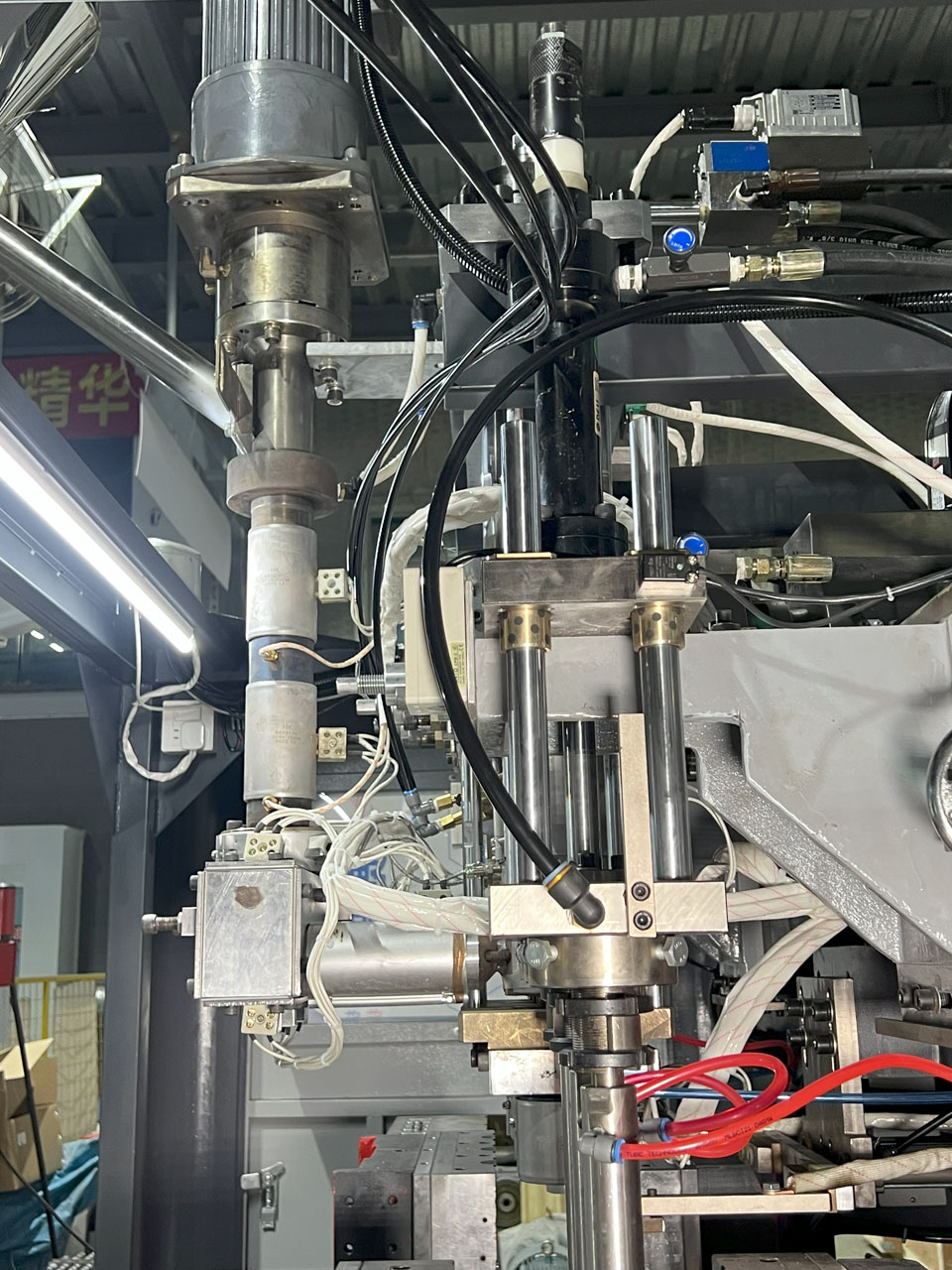
Featured Image Reference: Close-up of foam injection molded protective packaging cradling electronic components.
The Foam Injection Molding Process Explained
“Foam injection molding transforms raw thermoplastics into lightweight, protective components through a precise three-stage process that delivers consistency at scale.”
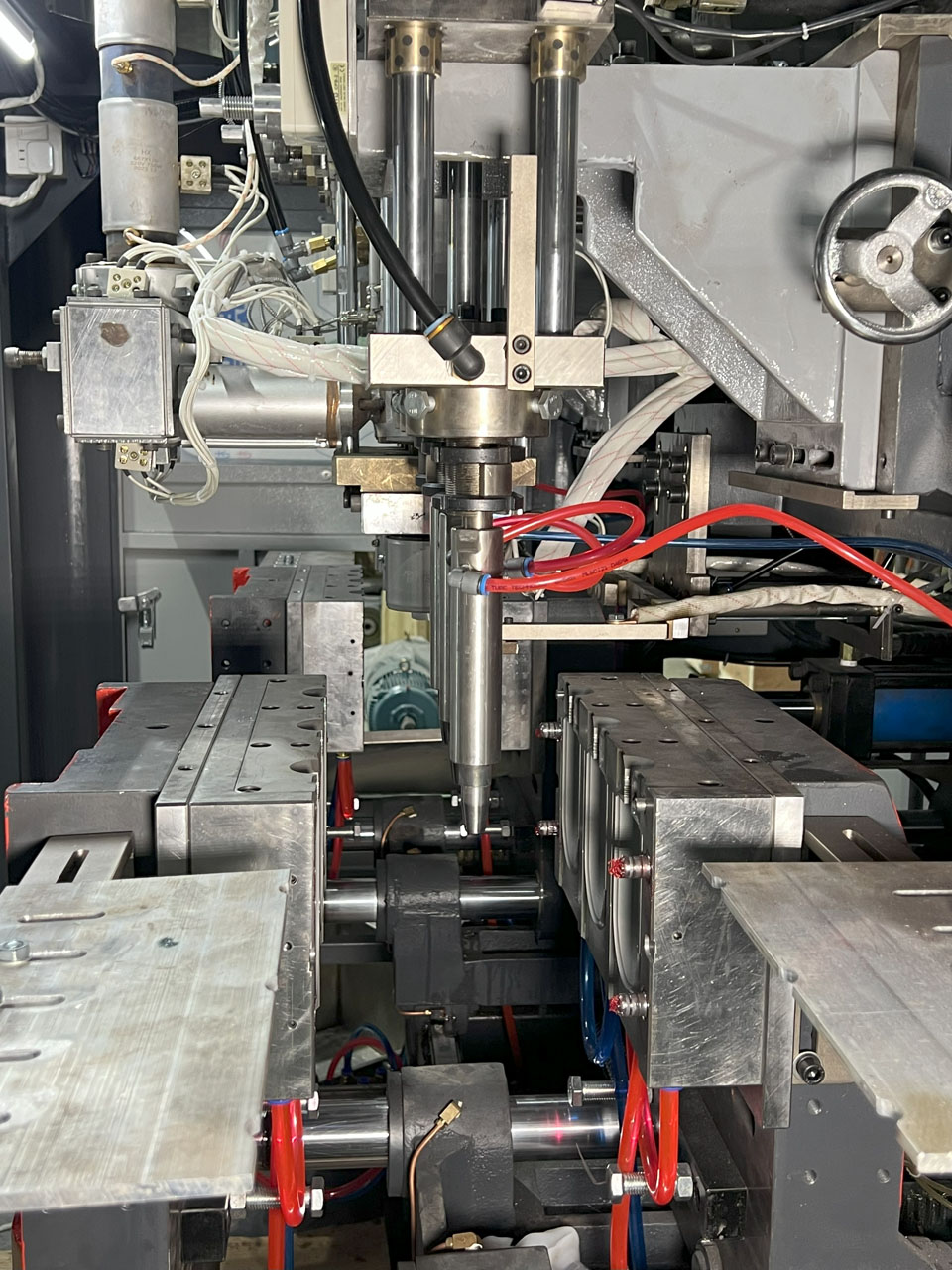
The foam injection molding process begins with material preparation, where thermoplastics like polypropylene or EVA are combined with chemical blowing agents. These specialized additives decompose under heat, creating the gas bubbles that give structural foam molding its distinctive cellular structure. Material selection depends on the final application, with medical-grade polymers requiring stricter certifications than industrial foam products.
Foam Injection Molding Process Parameters
| Process Stage | Temperature Range (°C) | Pressure (MPa) | Cycle Time (sec) | Key Considerations |
|---|---|---|---|---|
| Material Melting | 180-280 | N/A | 30-90 | Precise temp control prevents premature gas release |
| Injeção | 190-260 | 70-140 | 5-15 | High pressure maintains material integrity |
| Foam Expansion | 160-220 | 5-20 | 20-60 | Controlled pressure drop enables even cell formation |
| Resfriamento | 20-40 | 0.1-0.5 | 60-180 | Water channels must prevent warping |
| Ejection | Ambient | Mechanical | 5-10 | Proper draft angles prevent damage |
During injection and expansion, the molten polymer-gas mixture enters the mold cavity under high pressure. As pressure decreases, the blowing agent activates, creating millions of microscopic bubbles that expand to fill the mold. This next-level technology allows for complex geometries with excellent strength-to-weight ratios, making foam injection molding ideal for automotive components and medical device packaging alike.
The cooling phase is critical in thermoplastic foam applications, as improper temperature management can lead to surface defects or dimensional inaccuracies. Modern systems use conformal cooling channels that follow the mold contours, reducing cycle times by up to 40% compared to traditional methods. After sufficient cooling, ejector pins carefully remove the finished part, ready for secondary operations or immediate use.
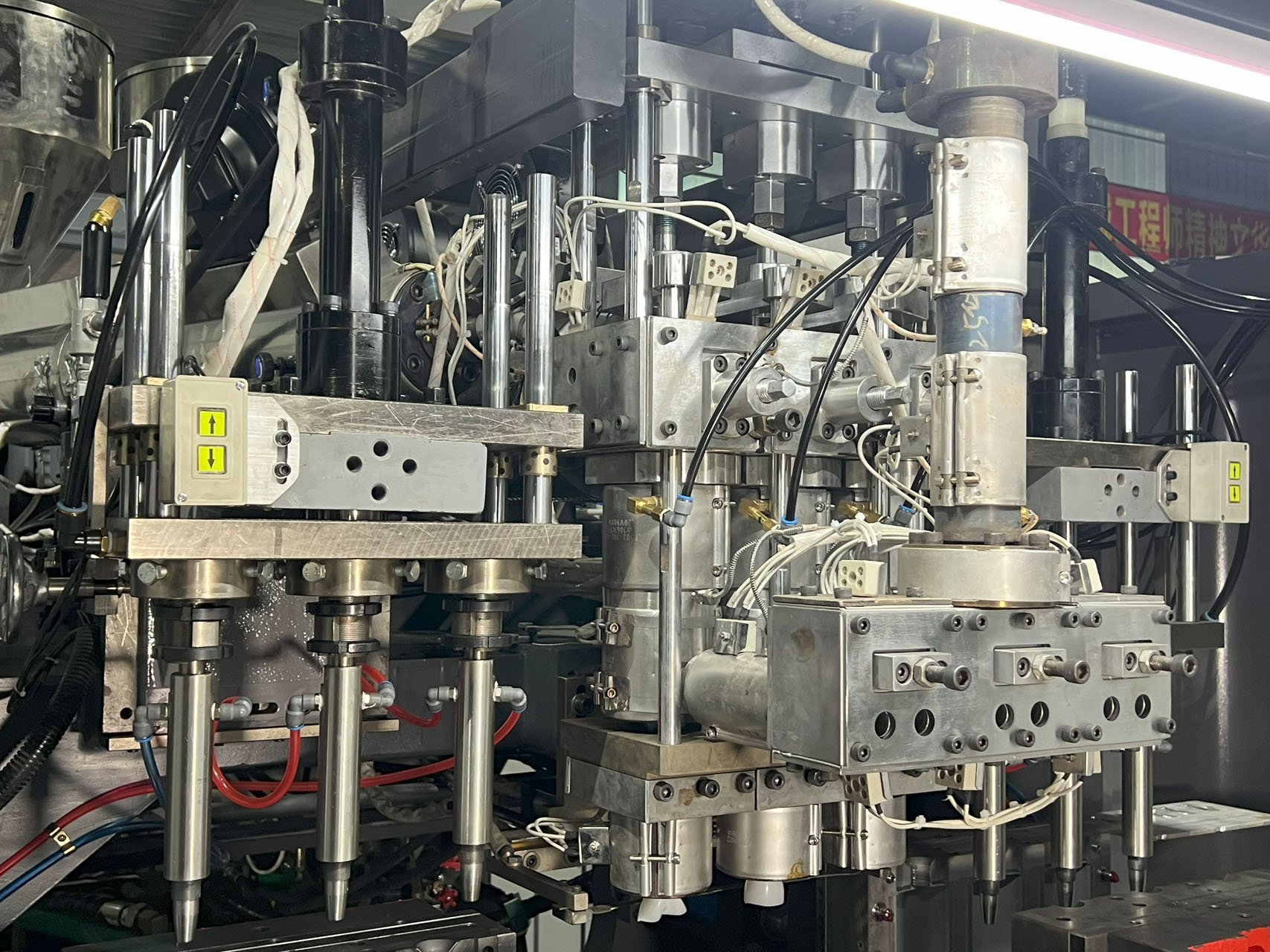
Featured Image Reference: Cross-section diagram showing the foam injection molding process stages from material feed to finished part ejection.
Benefits of Foam Injection Molding for Sensitive Products
“Foam injection molding delivers superior protection for fragile items while reducing shipping costs through lightweight yet durable packaging solutions.”
Foam injection molding provides exceptional cushioning properties that traditional packaging materials can’t match. The cellular structure of molded foam absorbs impact energy, protecting sensitive electronics, medical devices, and automotive components during transit. This lightweight protective packaging significantly reduces shipping weights while maintaining superior protection, leading to substantial logistics cost savings.
Comparative Performance of Foam Injection Molding
| Protection Feature | Foam Molding | Bubble Wrap | Packing Peanuts | Corrugated Only |
|---|---|---|---|---|
| Impact Absorption | 90-95% | 60-70% | 50-60% | 30-40% |
| Redução de peso | 40-60% | 15-20% | 10-15% | 0% |
| Custom Fit Precision | Exact | Pobre | Justo | Nenhum |
| Reciclabilidade | Alta | Baixa | Médio | Alta |
| Breakage Rate Reduction | 80-90% | 40-50% | 30-40% | 20-30% |
The precision of foam injection molding allows for custom geometries that perfectly cradle delicate components. Automotive foam products demonstrate this versatility, with molded solutions protecting everything from fragile sensors to large dashboard assemblies. Medical manufacturers benefit from sterile, form-fitting foam packaging that maintains device integrity while meeting strict hygiene requirements.
Beyond protection, foam injection molding offers environmental advantages. Many foam materials are fully recyclable, and the manufacturing process generates less waste than traditional packaging methods. The revolucionário combination of sustainability and performance makes foam molding an increasingly popular choice for companies looking to reduce both costs and environmental impact.
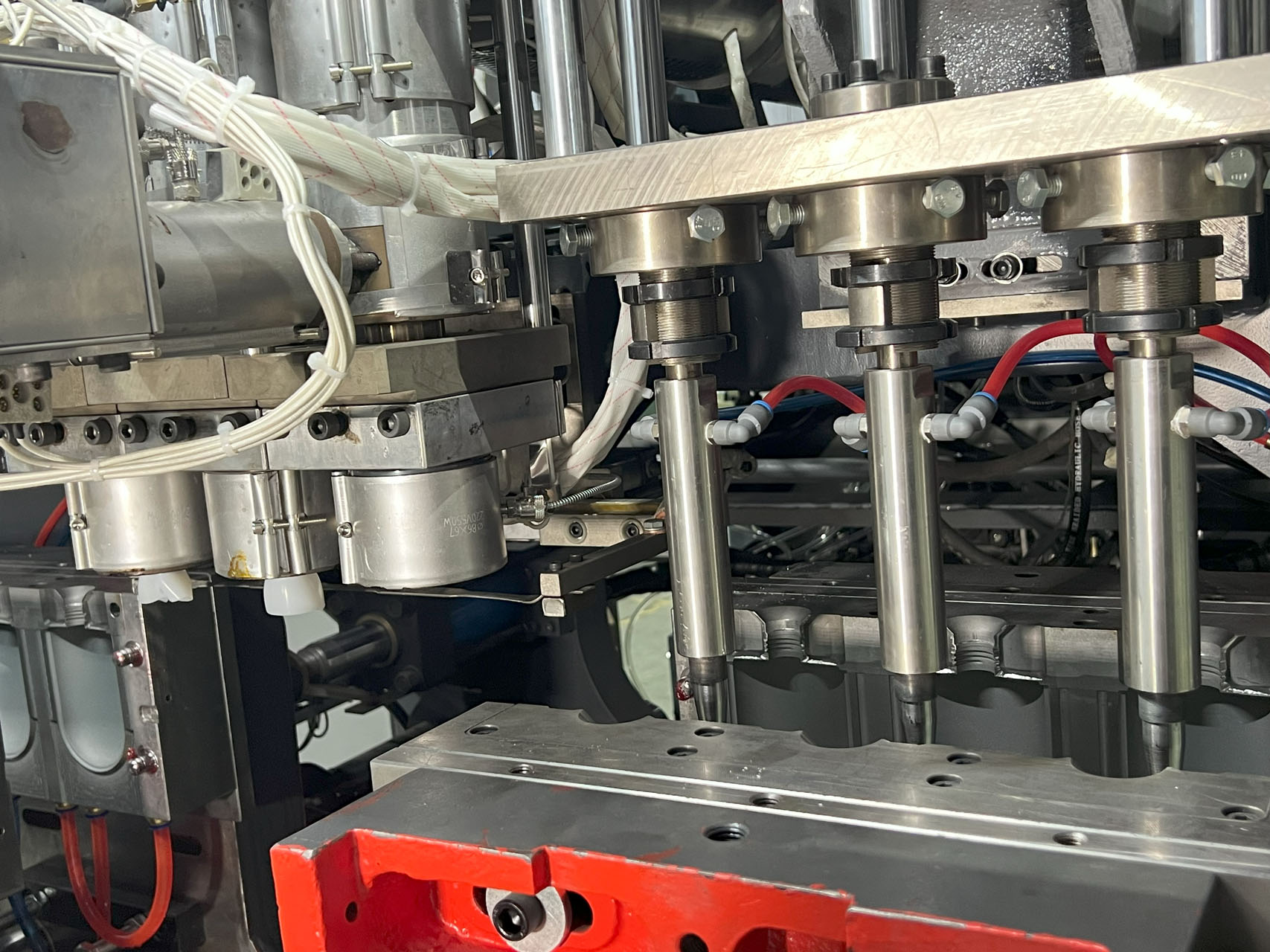
Featured Image Reference: Side-by-side comparison showing fragile items packaged in foam injection molded casing versus traditional packaging methods.
Industry Applications and Case Studies
“Foam injection molding demonstrates remarkable versatility across industries, from protecting delicate electronics to ensuring sterile medical environments.”
The automotive industry extensively uses foam injection molding for vibration-dampening components that improve ride quality and reduce noise. Applications of foam molding in packaging extend to protective door panels and energy-absorbing bumper cores, showcasing how foam molding protects automotive components while reducing vehicle weight. Medical foam products represent another critical application, with molded sterile housings protecting sensitive equipment during transport and storage.
Foam Injection Molding Industry Applications
| Setor | Primary Application | Material utilizado | Principais benefícios | Case Study Results |
|---|---|---|---|---|
| Automotivo | Vibration dampers, interior padding | PP, TPE | Noise reduction up to 40% | 30% lighter than rubber alternatives |
| Médico | Alojamentos de equipamentos, bandejas cirúrgicas | Medical-grade PE | Maintains sterile barrier | 99.9% contamination prevention |
| Eletrônicos | Device packaging, component holders | EVA, PU | Proteção ESD | 85% reduction in shipping damage |
| Aeroespacial | Instrument cushioning | High-performance foams | Extreme temp resistance | Withstands -60°C to 150°C |
| Bens de consumo | Luxury item packaging | Custom blends | Premium appearance | 50% fewer customer complaints |
A notable case study involves a high-value electronics manufacturer that implemented foam injection molding for their fragile components. By switching to custom foam packaging, they achieved a whopping 78% reduction in breakage rates while simultaneously cutting packaging weight by 45%. This dual benefit translated to annual savings exceeding $1.2 million in reduced damages and lower shipping costs.
The medical sector benefits particularly from foam injection molding’s ability to create precision sterile environments. Medical foam products maintain cleanliness while providing impact protection for sensitive instruments. This dual functionality makes foam injection molding indispensable for pharmaceutical companies and hospital supply chains where both protection and sterility are non-negotiable requirements.
Featured Image Reference: Comparative infographic showing foam injection molding applications across automotive, medical, and electronics industries with performance metrics.

Comparing Foam Injection Molding to Traditional Methods
“Foam injection molding offers superior protection and cost-efficiency compared to traditional packaging methods, delivering long-term savings through reduced material waste and product damage.”
When comparing structural foam vs traditional molding methods, foam injection molding consistently outperforms in weight reduction and impact absorption. While rigid plastics provide structural integrity, foam molding reduces material usage by 30-50% while maintaining comparable protection levels. This makes foam injection molding particularly valuable for eco-friendly packaging solutions that don’t compromise on performance.
Foam vs Traditional Packaging: Comparative Analysis
| Comparison Factor | Foam Injection Molding | Rigid Plastics | Cardboard | Principais vantagens |
|---|---|---|---|---|
| Redução de peso | 40-60% | 0% | 10-20% | Lower shipping costs |
| Impact Protection | 90-95% | 85-90% | 30-40% | Reduced breakage |
| Material Cost | $$ | $$$ | $ | Long-term savings |
| Impacto ambiental | Reciclável | Reciclável | Biodegradable | Sustainability options |
| Velocidade de produção | Rápido | Médio | Lento | Higher output |
A comparação de custos entre moldagem de espuma e embalagens tradicionais revela vantagens significativas para a produção em larga escala. Embora a moldagem por injeção de espuma exija um investimento inicial mais elevado em ferramentas, ela proporciona economias sérias no custo por unidade em volume, tipicamente pagando o investimento em 12 a 18 meses. Linhas automatizadas de moldagem de espuma podem produzir até 500% mais unidades por hora do que a montagem manual de embalagens de papelão.
Considerações ambientais fortalecem ainda mais o caso da moldagem por injeção de espuma. Os materiais de espuma modernos oferecem reciclabilidade comparável ao papelão, enquanto proporcionam proteção muito superior. Muitos fabricantes descobrem que as soluções em espuma reduzem seus resíduos gerais de embalagem ao eliminar a necessidade de materiais de proteção secundários, como plástico-bolha ou amendoim de embalagem.
Referência de Imagem em Destaque: Infográfico comparativo mostrando métricas de desempenho lado a lado da moldagem por injeção de espuma versus embalagens de plástico rígido e papelão.

Conclusão
Após anos na indústria de embalagens, testemunhei pessoalmente como a moldagem por injeção de espuma pode ser uma divisor de águas solução revolucionária para proteger bens frágeis. Não se trata apenas de amortecimento — trata-se de precisão, eficiência e a tranquilidade de saber que seus produtos chegarão intactos.
De eletrônicos a dispositivos médicos, a solução de espuma correta não apenas reduz quebras — ela reduz custos, aumenta a sustentabilidade e mantém os clientes satisfeitos. Se você está cansado de lidar com remessas danificadas, atualizar para a moldagem de espuma é uma simples.
jogada de mestre. A melhor parte? Não é apenas uma solução para hoje — é um investimento em embalagens mais suaves e inteligentes para os próximos anos.
PERGUNTAS FREQUENTES
Q1: What is foam injection molding?
A1: A moldagem por injeção de espuma é um processo de fabricação que combina a moldagem por injeção convencional com materiais expansivos, como agentes de expansão, para criar peças leves e resistentes com um núcleo espumado.
Q2: How does the foam injection molding process work?
A2: Na moldagem por injeção de espuma, a resina fundida é injetada em um molde onde um agente de expansão faz com que a resina se expanda, criando uma estrutura celular que preenche a cavidade do molde.
Q3: What are the benefits of using foam molded packaging?
A3: As embalagens moldadas em espuma oferecem resistência superior a danos e desempenho de impacto, tornando-as ideais para proteger bens frágeis durante o transporte e armazenamento.
Q4: What materials are typically used in foam injection molding?
A4: Os materiais comuns incluem termoplásticos como polietileno, polipropileno e poliestireno, frequentemente combinados com agentes de expansão para criar a estrutura de espuma.
Q5: What applications are suitable for foam molded packaging?
A5: As embalagens moldadas em espuma são amplamente utilizadas em indústrias como eletrônicos, automotiva e bens de consumo para embalar itens frágeis como vidro e componentes eletrônicos.
Q6: How does foam injection molding improve product protection?
A6: Ao criar uma camada de espuma de amortecimento ao redor dos produtos, a moldagem por injeção de espuma reduz significativamente o impacto e a vibração, proporcionando proteção aprimorada durante o transporte.
Q7: Is foam molded packaging environmentally friendly?
A7: Muitos materiais de embalagem de espuma são recicláveis ou feitos de conteúdo reciclado, embora o impacto ambiental varie de acordo com o tipo de material e os métodos de descarte.
Q8: What is structural foam molding and how is it different from traditional methods?
A8: A moldagem estrutural de espuma é um processo de injeção de espuma de baixa pressão que cria peças com uma pele externa sólida e um núcleo espumado leve, contrastando com a moldagem por injeção de alta pressão que produz peças sólidas.
Links externos
- Moldagem por Injeção – FoamInsider
- Espuma de Moldagem por Injeção: Um Guia Abrangente para o Processo de Fabricação
- Como Funciona a Moldagem por Injeção de Espuma? – euegypt.com
- Moldagem por Injeção de Espuma – ScienceDirect
- Moldagem por injeção de espuma estrutural: Benefícios e aplicações
- Noções Básicas de Moldagem por Injeção de Espuma – FOW Mould
- Tecnologia MuCell® – Trexel Inc.
- Moldagem por Injeção de Espuma Física, Fundamentos para Aplicações Industriais


0 comentários