





How Should I Determine Whether the Brands of the Key Components in the All-Electric Extrusion Blow Molding Machine Are Reliable?
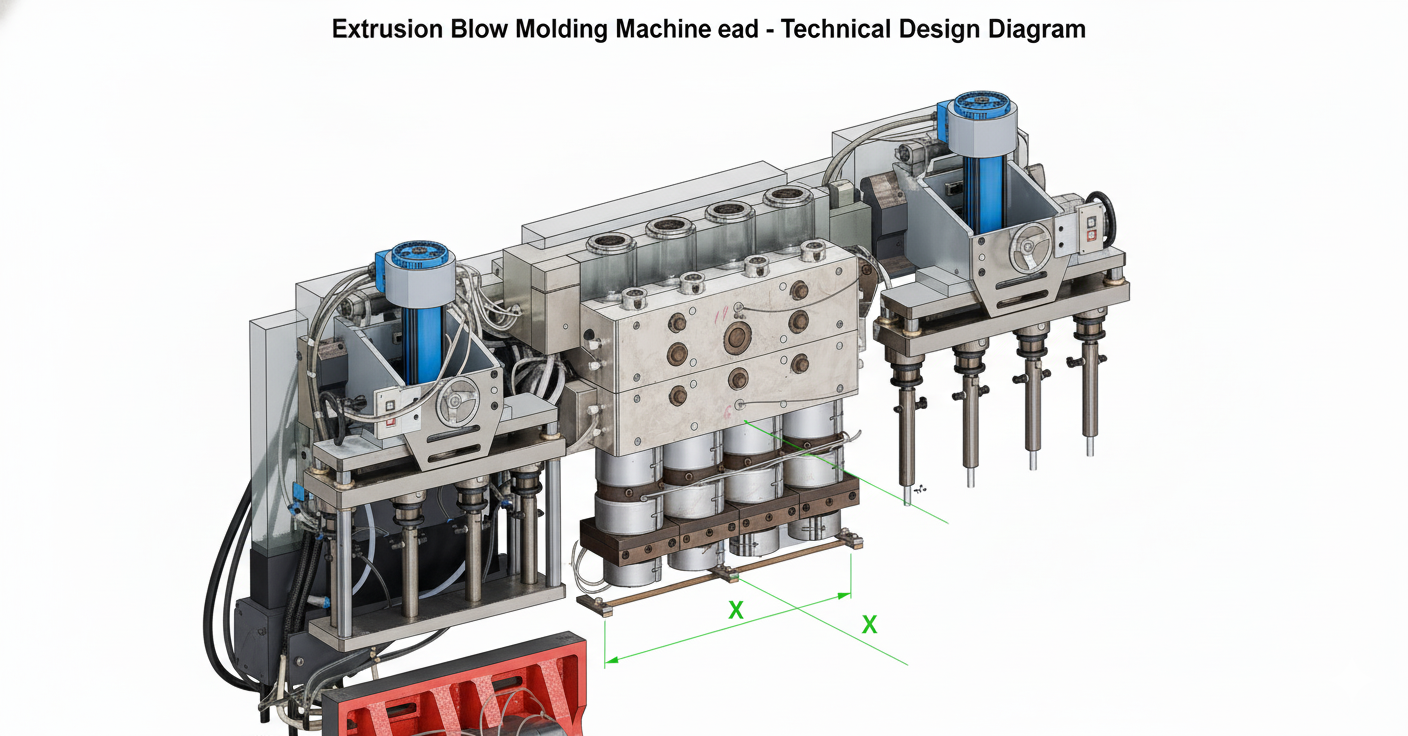
At our factory, we know that a shiny machine exterior means nothing if the internal "organs" fail during a rush order. We have seen production lines stop dead because a single, obscure servo drive overheated. This downtime destroys profit margins.
Reliability in all-electric EBM machines hinges on "plastics-native" ecosystems like B&R or Beckhoff that handle complex multi-axis synchronization. You must prioritize components with explicit "holding torque" ratings for clamping and insist on hard real-time protocols like EtherCAT to prevent packet jitter.
Here is how you can verify the heart of your machine before you pay the deposit.
Which Global Brands for Servo Motors and Drives Offer the Best Local Support in My Region?
We often see clients buy machines that become expensive paperweights because local support is nonexistent when a fault occurs. You need more than just a famous logo; you need engineers who can actually visit your plant.
For the best local support, prioritize brands like Moog, Delta, or Siemens, which employ local application engineers capable of assisting with parison profile smoothing and PID auto-tuning. Avoid brands that only provide sales brochures; you need immediate access to technical experts who understand your specific region’s grid and operational challenges.
Assessing the Depth of Support
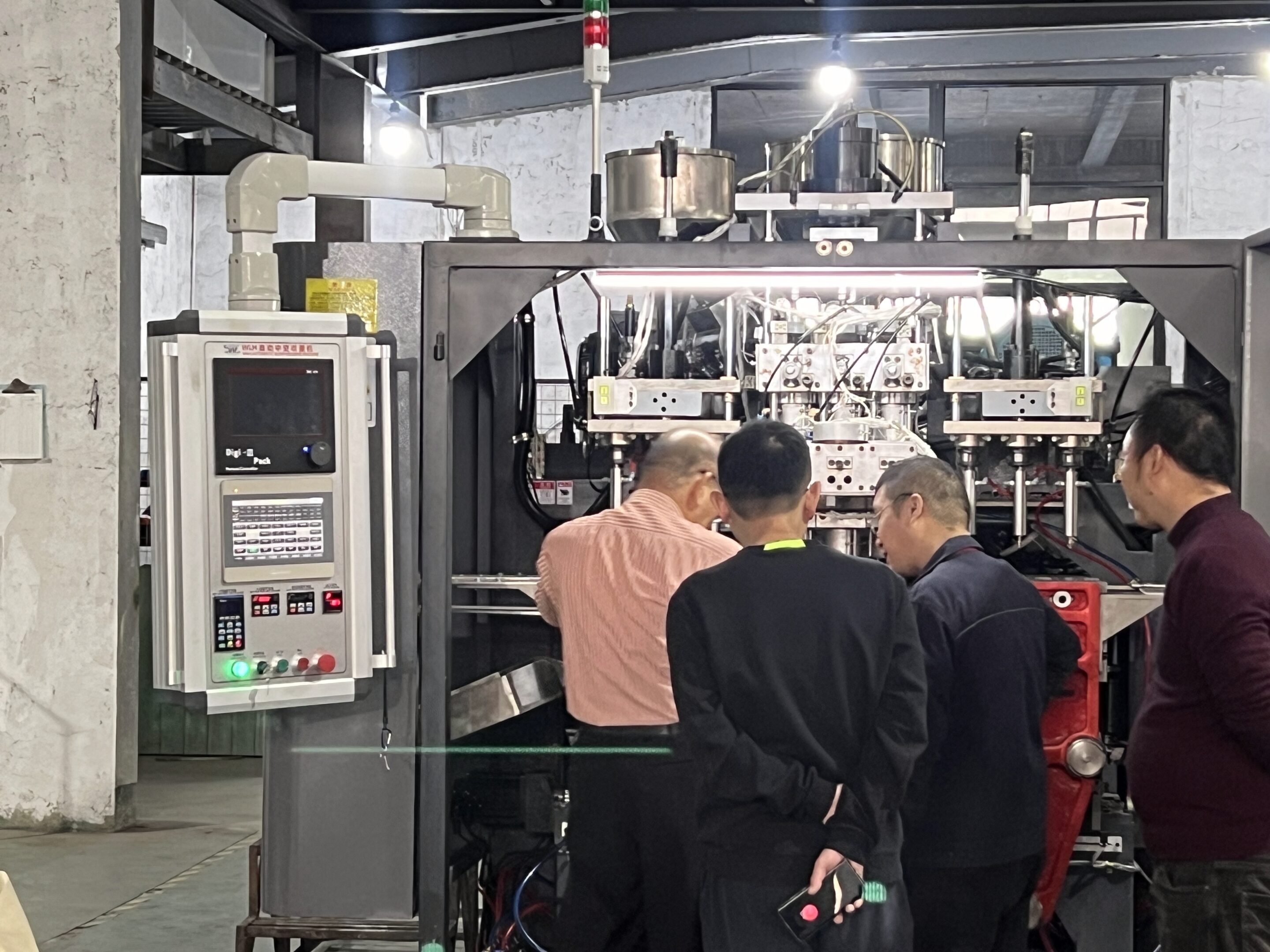
Reliability is useless if you cannot tune the machine to your specific mold. In our assembly process, we find that the hardware is only 50% of the equation; the other 50% is the software tuning. When you evaluate a brand, you must test their "Application Engineering" support. Do not just ask if they have a phone number.
Ask a specific technical question during your vetting process. For example, ask about temperature PID auto-tuning ou parison profile smoothing. Top-tier brands like Moog ou Delta usually have local engineers who can answer this immediately. If the supplier or the local brand representative only sends you a link to a generic manual, that is a red flag. You will be on your own when production issues arise.
The Risk of Region-Locking
Another hidden risk we encounter with "grey market" components is firmware region-locking. A genuine Siemens ou Mitsubishi drive intended for the Asian market may be incompatible with the replacement parts you buy in Europe or North America. This creates "zombie" hardware that you cannot upgrade or repair. You must verify that the component part numbers explicitly match your region’s support codes.
Reliability Through Holding Torque
For EBM specifically, the motor requirements are different from standard conveyors. The clamp servos must maintain high force at zero speed to keep the mold closed. This is punishing for a motor. Reliable brands explicitly rate their motors for this "hold-at-zero" condition. Cheaper alternatives often overheat because they lack the necessary "stall torque" or "holding duty cycle" ratings.
Brand Support Comparison
| Recurso | Tier 1 (e.g., Siemens, Moog) | Tier 2 (Generic Industrial) | Tier 3 (Unsupported Import) |
|---|---|---|---|
| Local Tuning Support | On-site engineers available | Phone support/Manuals only | Sales rep only (No tech) |
| Region Compatibility | Global warranty & firmware | Country-specific firmware | Region-locked (Risk of bricking) |
| EBM Specificity | High Holding Torque ratings | Standard continuous rotation | Undefined stall torque |
| Spare Parts Speed | 24-48 Hours | 1-2 semanas | 3+ Weeks (Import only) |
How Do I Verify That the Components Listed in the Quotation Are Genuine and Not Counterfeits?
In our supply chain experience, we have encountered "new" parts that were actually refurbished scrap polished to look new. Visual inspection is rarely enough to catch these sophisticated fakes.
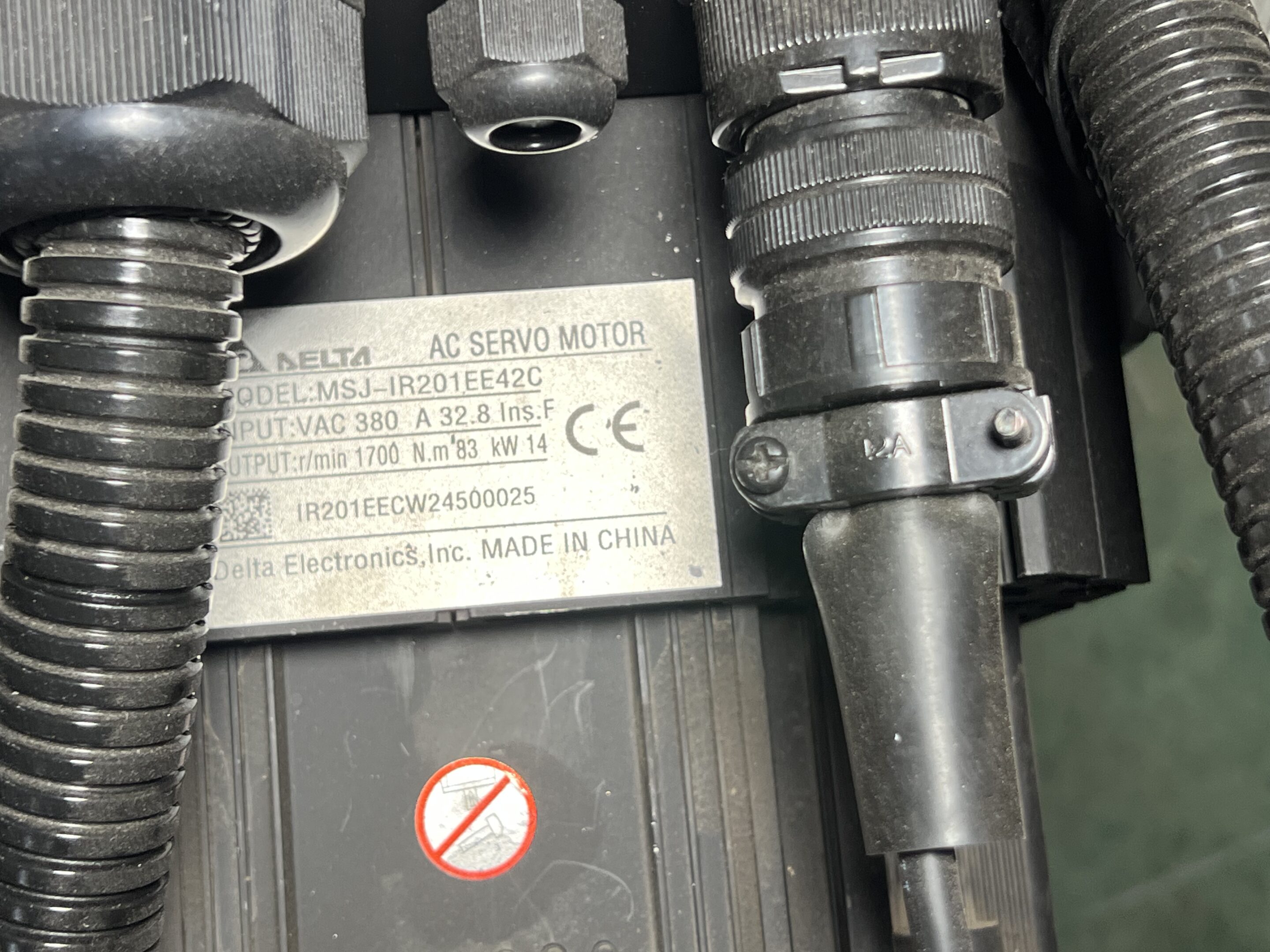
To verify authenticity, request a Certificate of Conformance (CoC) tracing the part to a specific batch and audit the vendor via the manufacturer’s "Partner Locator" page. Perform encoder date cross-referencing; if the internal manufacturing date predates the nameplate by over three years, the component is likely a counterfeit or refurbished unit.
The "Authorized Channel" Audit
To detect counterfeits, never rely solely on physical appearance. Counterfeiters are very good at printing labels. You must request the Certificate of Conformance (CoC). This document traces the part back to the manufacturer’s specific batch.
Additionally, check the vendor’s status on the manufacturer’s official "Partner Locator" webpage. Genuine components from brands like Rockwell Automation ou Omron are rarely sold as "new" on third-party marketplaces without a traceable chain of custody. If your machine supplier buys from unauthorized stockists to save money, you inherit the risk.
Technical Verification Methods
We recommend using encoder date cross-referencing as a primary authentication method. For example, Yaskawa drives have factory-programmed encoder dates that cannot be altered without destroying the device. You can plug into the drive with the manufacturer’s software. If the digital encoder manufacturing date is three years older than the printed nameplate date, the component is likely refurbished.
For high-stakes components, you can reference the SAE AS6171 standard. This includes risk-based testing sequences such as solvent resurfacing tests (to see if the label paint is fresh) or X-ray inspection. While you might not X-ray every part, simply asking your supplier if they follow these protocols often reveals their quality standards.
Component Verification Checklist
| Etapa de verificação | Action Item | Success Indicator |
|---|---|---|
| Rastreabilidade | Request Certificate of Conformance (CoC). | Document links serial # to OEM batch. |
| Vendor Audit | Check "Partner Locator" on OEM website. | Supplier is listed as Authorized Distributor. |
| Digital Audit | Connect via software to read Encoder Date. | Digital date matches Nameplate date (<1 yr gap). |
| Physical Check | Solvent test on label / Visual inspection. | Ink does not smear; no signs of screw wear. |
| Price Check | Compare quote to market average. | Price is not >40% below market rate. |
Are There Specific Brands of PLCs and HMIs That Are Easier to Troubleshoot and Upgrade?
Our engineers prefer control systems that tell us exactly what went wrong, not just a red light indicating "Error." The difference between a 10-minute fix and a 3-day outage is often the quality of the HMI data.
Prioritize "plastics-native" controllers like KEBA or B&R over general-purpose PLCs, as they contain dedicated libraries for parison control. For HMIs, select brands like Siemens Comfort Panel that offer millisecond-level trend logging to visualize "ghost" pressure spikes, ensuring you can diagnose defects that standard 1Hz logging misses.

The Value of "Plastics-Native" Ecosystems
For Extrusion Blow Molding (EBM), general-purpose PLCs often lack specific parison control algorithms. A generic PLC requires the machine builder to write code from scratch, which can be buggy.
We recommend prioritizing brands like B&R (Austrian), Beckhoff (German), ou KEBA (Austrian). These companies offer dedicated plastics libraries (e.g., KePlast). They natively handle the complex multi-axis synchronization required for precise wall thickness control. This "native" capability means smoother machine operation and fewer software glitches during production.
Troubleshooting with High-Frequency Logging
Ease of troubleshooting depends on the HMI’s ability to visualize "ghost" problems. Imagine a bottle that has a thin spot every 500 cycles. This might be caused by a 50ms pressure spike in the hydraulic or servo system.
If your HMI only logs data every second (1Hz), it will miss this spike entirely. You need HMIs that support millisecond-level cycle recording, such as Pro-face or high-end Siemens panels. If you cannot see the data, you cannot fix the machine.
Communication Speed: The "Bus Jitter" Metric
The reliability of the parison controller is defined by communication speed. You should insist on hard real-time communication protocols like EtherCAT ou PROFINET IRT. Avoid systems using standard Modbus or generic Ethernet for motion control.
"Packet jitter"—tiny delays in communication—will cause visible rings on your bottle. If the signal to change the parison thickness arrives 2 milliseconds late, the plastic has already moved. This results in inconsistent weights and high scrap rates.
Lifecycle and Obsolescence
Finally, ask about the "Active Status" of the PLC. Reliable manufacturers publish a clear roadmap guaranteeing part availability for 10+ years. Avoid "cutting edge" components that might be discontinued in two years. You do not want to be forced to retrofit the entire control cabinet because one CPU failed and is no longer made.
What Should I Do If the Supplier Proposes a Domestic Brand Instead of a Well-Known International One?
We build with both domestic and international parts, but we map them to the machine’s critical functions carefully. There is a smart way to save money, and a dangerous way. You must know the difference.
If a supplier proposes domestic brands like Estun or Inovance, accept them only for non-critical axes like carriage movement, while insisting on international brands like Moog for the parison head. Negotiate extended 24-month warranties and request a spare parts "crash kit" at signing to mitigate risk.
Evaluate the "Precision Gap"
Chinese domestic brands like Inovance e Estun have improved significantly and are increasingly reliable. However, there is still a precision gap. For critical components like the parison head actuators, international brands (e.g., Moog, Parker) usually offer superior hysteresis (response lag) specifications.
Use international brands for the parison control loops where micrometer precision defines your bottle weight. You can safely use domestic brands for less critical axes, like the carriage movement or the extrusion screw rotation. This hybrid approach optimizes cost without sacrificing product quality.
Handling Regenerative Energy
All-electric EBM machines generate massive energy when the heavy mold carriage brakes. This is called regenerative energy. A unique reliability indicator is the servo drive’s DC bus sharing ou regenerative resistor capacity.
Lower-tier domestic drives often lack robust over-voltage protection for these braking cycles. This leads to frequent capacitor failures. Ensure the drives are sized specifically for high-inertia braking. If you choose a domestic brand, verify they have sized the braking resistors correctly for your specific cycle time.
Strategic Sourcing for Domestic Brands
If you decide to proceed with domestic brands to save 20-30% on cost, you must protect yourself contractually.
- Extended Warranty: Negotiate a 24-month warranty. Most international brands offer 12-18 months, while domestic brands standardly offer 12. Push for more.
- Peças de reposição: Demand a spare parts package included at contract signing. Domestic brands may have slower international logistics. Having a spare drive on your shelf solves this.
- Treinamento: Request on-site technical training. Since local support might be weak, your team needs to know how to swap these parts.
Component Tiering Strategy
| Machine Function | Recommended Tier | Why? |
|---|---|---|
| Controle de parison | International (Moog/Parker) | Requires zero hysteresis; dictates bottle weight. |
| Mold Clamping | International (High Torque) | Needs "Hold-at-Zero" reliability; safety critical. |
| Carriage Movement | Domestic (Inovance/Estun) | High inertia but lower precision requirement. |
| Extrusion Screw | Domestic (High Power) | Constant speed; less sensitive to micro-delays. |
| Safety Logic | International (Pilz/Sick) | Never compromise on safety compliance (CE/UL). |
Conclusão
Reliability is not just about the brand name; it is about the "fit" for the application. Verify the holding torque, check for plastics-native software, and audit the supply chain for counterfeits. A "trust but verify" approach ensures your machine runs for years, not just months.


0 comentários