
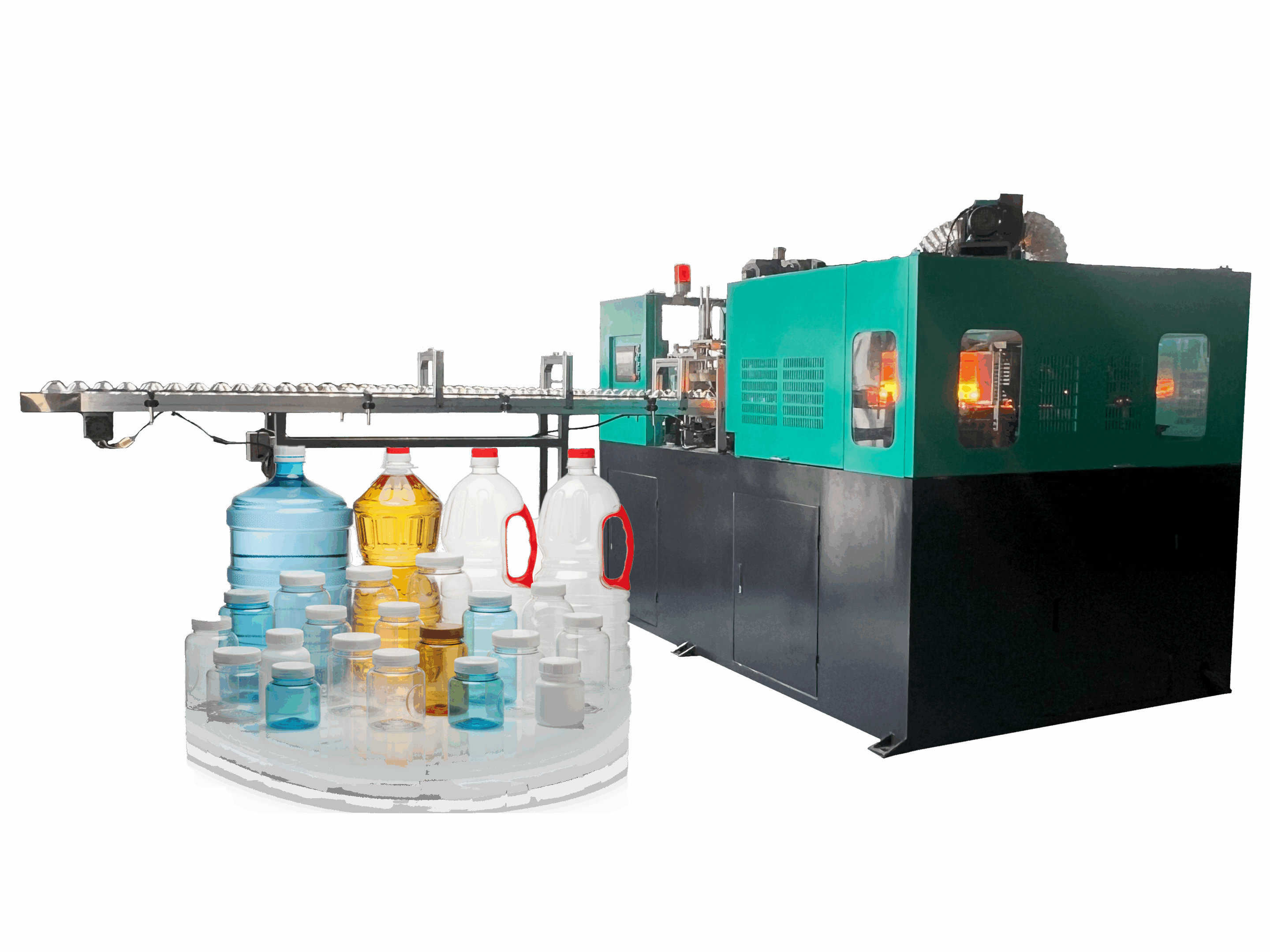
Guia Definitivo para Máquinas de Moldagem por Sopro de Extrusão: Os 10 Melhores Fabricantes na Áustria (2025)
Finding the right Extrusion blow molding machine in Austria means balancing precision, energy costs, and local support. This guide gives you a clear, straightforward look at the top 10 manufacturers for 2025, helping you choose the best partner for your production needs.
Visão geral dos fabricantes (com sites oficiais)
Kautex Maschinenbau — https://kautex-group.com
lekamachine — https://lekamachine.com
Bekum — https://www.bekum.com
SIPA — https://www.sipasolutions.com
Magic MP — https://www.magicmp.it
Uniloy — https://www.uniloy.com
ST Blow Moulding — https://www.st-blowmoulding.com
Plastiblow — https://www.plastiblow.it
Hesta — https://www.hesta.de
Meccanoplastica — https://www.meccanoplastica.com
Por que isso importa em 2025
In Austria, energy prices are a serious factor in your total cost of ownership. The push for efficiency is stronger than ever. An older, hydraulic machine can easily eat into your profits, while a modern all-electric or hybrid machine drastically cuts down on kilowatt-hours per bottle produced.
Beyond energy, it’s about uptime. With Austria’s position as a hub for high-quality goods, you can’t afford production bottlenecks. That means you need fast changeovers for different products and reliable local or regional service that can get you spare parts and a technician without long waits.
Cost and Pricing Signals for 2025
When budgeting for an Máquina de moldagem por sopro com extrusão in Austria, expect a wide range. A simple, single-head continuous shuttle machine might start around €100,000. A high-cavitation, all-electric, multilayer machine for complex packaging can easily exceed €700,000.
Key cost drivers include the machine type (accumulator head for large parts is more expensive than shuttle), clamp force, the number of layers in the extrusion head (e.g., for EVOH barriers), and the level of automation for tasks like deflashing and packaging. Remember to factor in import duties for non-EU machines, freight costs to your facility, and local commissioning and training expenses.
Energy, Utilities, and Sustainability
All-electric machines are becoming the standard for a reason. They often use 20-40% less energy than their hydraulic counterparts. I always advise clients to ask for a specific kWh consumption rate per 1,000 bottles for their main products. This is your true energy benchmark.
Also, look at compressed air usage, as it’s another significant utility cost. Good insulation on heating zones and efficient servo-drives are non-negotiable features. In Austria, where sustainability is a priority, having a machine that can effectively process recycled materials like rHDPE is also a major advantage.
Throughput vs. Flexibility Trade-offs
The right machine depends entirely on your product mix. If you’re making millions of the same milk or juice bottle, a rotary wheel machine offers incredible throughput, but it’s not flexible. For a high mix of products like shampoo bottles, cleaning supplies, or medium-sized jerrycans, a continuous shuttle machine is your workhorse. It offers the best balance of speed and quick changeover capability.
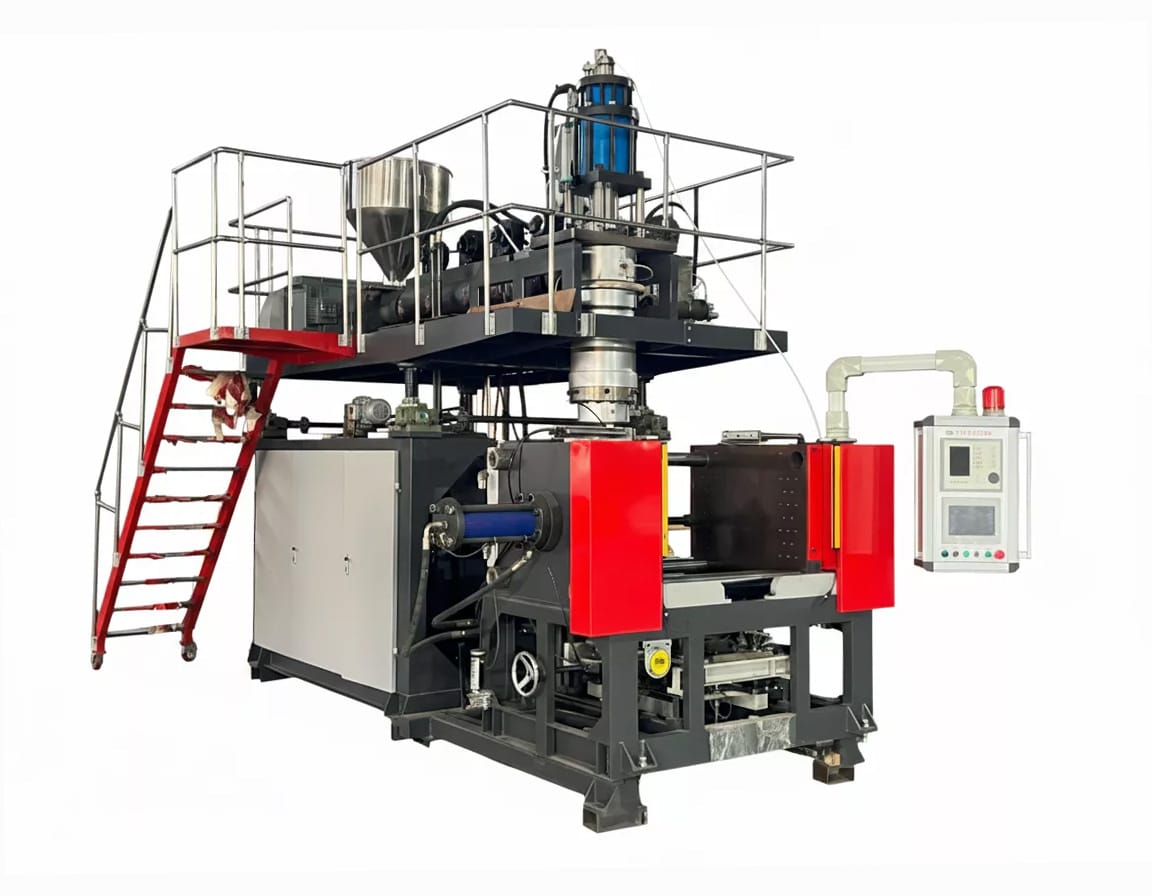
If you need to produce large, thick-walled industrial containers like chemical drums, IBCs, or automotive parts, you need an accumulator head machine. These machines are slower but provide the heavy-duty shot size and control required for large-format molding.
Mold, Tooling, and Quick-Change Strategy
Your machine is only as good as its tooling. When you send out a request for quotation (RFQ), don’t just focus on the machine. Specify the requirements for your mold, including neck tooling, end-of-arm tooling (EOAT) for robotics, and any in-mold labeling or automatic deflashing.
For flexibility, quick-change systems are essential. Ask potential suppliers for a video-verified changeover time. A system with quick-disconnect carts and simplified mold mounting can turn a multi-hour job into something that takes less than 30 minutes, which is a huge gain in a high-mix production environment.
Process Control and Quality
Modern process control is what separates consistent, high-quality bottles from scrap. Look for machines with advanced parison programming, which allows you to control the wall thickness of the plastic tube (the parison) at many different points. This ensures material is placed exactly where it’s needed, saving weight and improving strength.
Stable die heating, precise blow pressure profiles, and effective cooling are also critical. A stable process reduces scrap, improves your process capability (Cp/Cpk), and ensures that bottles made on Monday are identical to those made on Friday, regardless of the operator.
Materials and Multilayer Barriers
Most Máquina de moldagem por sopro com extrusão lines in Austria run HDPE for its durability and cost-effectiveness, or PP for its heat resistance and clarity. Some also use PETG for cosmetic packaging.
If your product is sensitive to oxygen (like some foods, juices, or chemicals), you’ll need a multilayer machine. These machines co-extrude multiple layers of plastic, including a thin barrier layer like EVOH, to protect the contents. Be aware that multilayer technology adds cost and complexity, but it’s essential for certain aplicativos.
Top 10 Extrusion Blow Molding Machine Manufacturers in Austria
Kautex Maschinenbau (German HQ with strong Austrian service)

Kautex is an industry giant, especially in the automotive and industrial packaging sectors. Based in Germany, they have a very strong service and support network covering Austria. They are known for their robust, high-performance machines, particularly accumulator head models for large parts and shuttle machines for consumer packaging. Their technology is top-tier, focusing on precision and reliability.
Principais produtos
Their KBB series is a benchmark for all-electric consumer packaging machines, known for speed and efficiency. For aplicações industriais, the KCS and KBS series offer powerful accumulator head and shuttle solutions for everything from jerrycans to large chemical drums.
Prós
Excellent engineering and build qualidade, strong local service presence from Germany, market leader in automotive and industrial applications, advanced all-electric technology.
Contras
Premium pricing reflects their market position, machines can be complex for entry-level users.
Site oficial: https://kautex-group.com
lekamachine (OEM global com cobertura na Ásia)

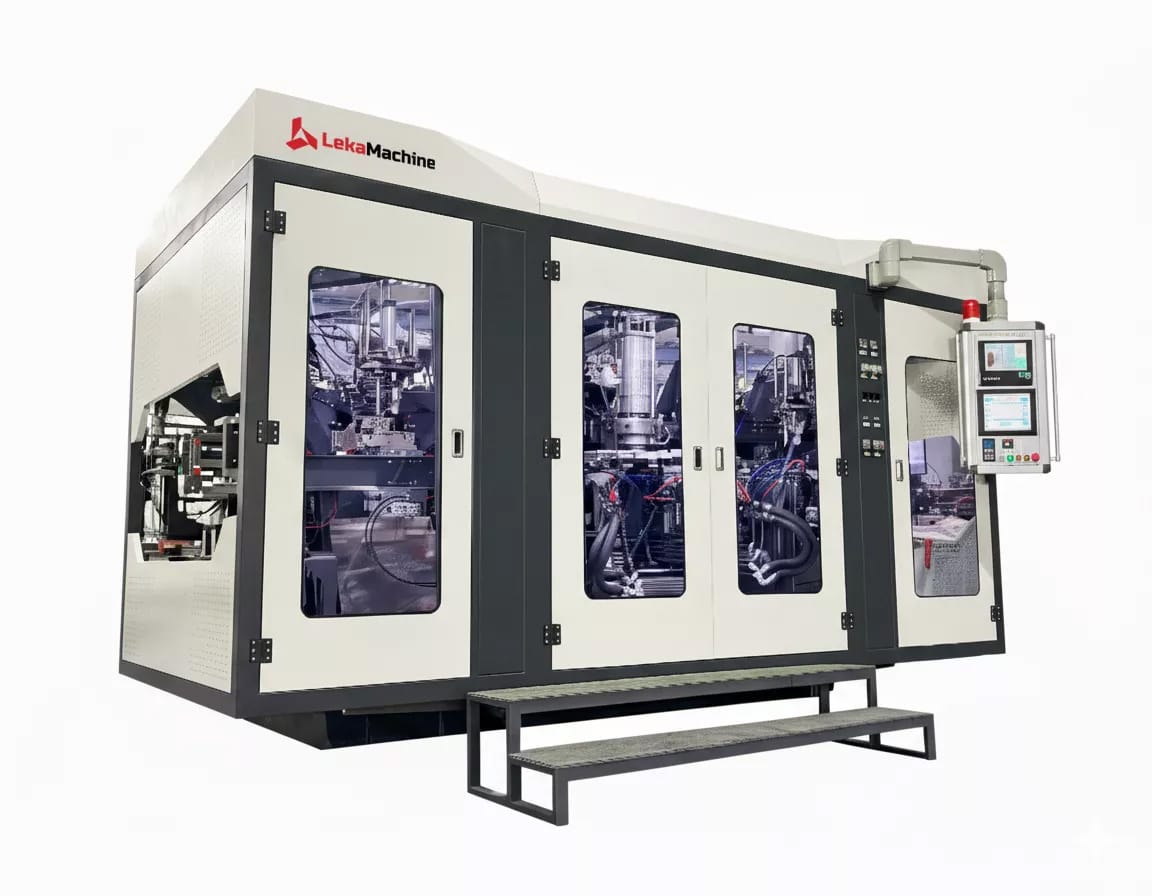
I see lekamachine as a compelling option for Austrian businesses that need customized solutions and want to manage capital costs effectively. They operate on a B2B model, manufacturing their machines in Vietnam and managing the entire supply chain, including qualidade control and door-to-door logistics to Europe. Their strength lies in building machines based on your specific drawings or samples, making them a good fit for unique projects. For Austria, support is handled directly by their technical sales team via remote diagnostics and service dispatch.
Principais produtos
lekamachine’s portfolio covers a wide range. Their FORMA series offers versatile and reliable hybrid machines for general-purpose containers. The AERO series is built for high-speed, high-volume production lines. For heavy-duty applications, the TITAN series is designed to produce large industrial containers like chemical drums and automotive parts.
Prós
Very competitive pricing, custom manufacturing tailored to specific project needs, full supply-chain management service, and a fast 60–90 day delivery time which is an advantage over European competitors with longer waits.
Contras
No physical service center in Austria, reliance on remote and dispatched support, potential time zone differences for communication.
Site oficial: https://lekamachine.com
Bekum (German HQ with Austrian support)

Bekum is another premier German manufacturer with a long history and a stellar reputation, particularly in packaging. Their machines are known as reliable workhorses across Europe, and their service infrastructure for Austria is excellent. They focus on continuous extrusion shuttle machines and have a strong offering in both hydraulic and all-electric platforms.
Principais produtos
Their all-electric Eblow series is highly regarded for its precision and low energy use in producing consumer packaging. The hydraulic Hyblow series remains a popular choice for its power and reliability in a wide range of applications.
Prós
Exceptional reliability and long machine life, strong service and parts network in the DACH region, leaders in packaging technology, proven performance.
Contras
High initial investment, lead times can be long for popular models.
Site oficial: https://www.bekum.com
SIPA (Italian HQ with regional coverage)
While widely known for PET stretch blow molding, SIPA, based in Italy, also has a strong lineup of Máquina de moldagem por sopro com extrusão platforms. Their proximity to Austria makes them a very viable option for service and support. They are particularly strong in producing packaging for food, beverage, and personal care items.
Principais produtos
SIPA’s ECS line includes both intermittent (shuttle) and continuous extrusion (rotary wheel) machines. They offer advanced solutions for lightweighting bottles and integrating recycled materials, which is a key focus in the European market.
Prós
Geographically close to Austria, strong expertise in the beverage and food packaging sectors, innovative technology for lightweighting and sustainability.
Contras
Their primary focus is often seen as PET, so their extrusion blow portfolio might not be as broad as some German competitors.
Site oficial: https://www.sipasolutions.com
Magic MP (Italian HQ with regional coverage)

Magic, based in Italy, is a pioneer in all-electric Extrusion máquina de moldagem por sopro technology. If energy efficiency and cleanroom suitability are your top priorities, they are a must-see. Their machines are compact, precise, and known for their low power consumption. They have good service coverage for Austria from their base in Northern Italy.
Principais produtos
Their core business is all-electric shuttle machines. The ME series is their flagship, covering a wide range of container sizes from small cosmetic bottles to medium-sized jerrycans. They are known for their innovation in control systems and user-friendly HMIs.
Prós
Market leader in all-electric technology, extremely low energy consumption, ideal for cleanroom environments, compact machine footprint.
Contras
Portfolio is focused almost exclusively on all-electric shuttle machines, which may not suit every application (e.g., very large industrial parts).
Site oficial: https://www.magicmp.it
Uniloy (European base with local distributors)

Uniloy is a global brand with a strong European presence, offering a very broad portfolio of machines. They are one of the few manufacturers that can offer shuttle machines, accumulator head machines, and even moldagem por sopro industrial (reciprocating screw) platforms. Their support in Austria is typically handled through a network of regional partners and distributors.
Principais produtos
The UMS series is their line of universal shuttle machines, available in electric, hybrid, and hydraulic versions. For large parts, the UMA series of accumulator head machines is a robust choice. They are also known for their mold-making capabilities.
Prós
Very wide range of machine types and sizes, strong global experience, offer complete turnkey solutions including molds and downstream equipment.
Contras
Local support model can vary depending on the distributor, may not be as specialized as some niche European players.
Site oficial: https://www.uniloy.com
ST Blow Moulding (Italian HQ with regional coverage)

ST Moldagem por sopro, formerly Soffiaggio Tecnica, specializes in machines for technical parts and industrial containers. This Italian company is a leader in accumulator head technology and suction moldagem por sopro, making them a go-to choice for complex automotive components (like ducts and pipes) and large packaging formats. Their proximity to Austria allows for effective service and support.
Principais produtos
Their ASPI series is well-known for suction moldagem por sopro, while their accumulator head machines (models like the ISIT) are used for producing items like jerrycans, drums, and automotive fuel tanks.
Prós
Specialized expertise in accumulator head and suction blow technology, excellent for technical and automotive parts, strong engineering capabilities.
Contras
Less focused on high-volume, thin-walled consumer packaging compared to competitors like Bekum or Magic.
Site oficial: https://www.st-blowmoulding.com
Plastiblow (Italian HQ with direct sales)

Plastiblow is another Italian specialist in Máquina de moldagem por sopro com extrusão technology, with a strong focus on all-electric models. They offer solutions for a variety of markets, including packaging, healthcare, and industrial. They are known for their flexible machine configurations and customer-centric approach, often providing direct sales and service into Austria.
Principais produtos
Their all-electric models feature double-sided shuttle configurations that can improve output. They offer a range of machine sizes suitable for containers from a few milliliters up to 30 liters.
Prós
Strong focus on energy-efficient all-electric machines, flexible configurations, good reputation for reliability.
Contras
Smaller brand presence compared to the German market leaders, direct support model may have longer response times than a dedicated local office.
Site oficial: https://www.plastiblow.it
Hesta (German HQ with direct support)
Hesta is a German manufacturer known for producing smaller-footprint, highly efficient Extrusion máquinas de moldagem por sopro. They are an excellent choice for producing small bottles and containers (up to about 5 liters) in industries like cosmetics, pharmaceuticals, and food. Their direct support model from Germany works well for Austrian customers.
Principais produtos
Their Hesta series of all-electric and hybrid machines are recognized for their speed, precision, and quick changeovers. They often incorporate in-machine deflashing and quality control, providing a compact, all-in-one solution.
Prós
Ideal for small container production, very high speed and precision, compact machine designs save floor space.
Contras
Limited portfolio for large containers or industrial parts.
Site oficial: https://www.hesta.de
Meccanoplastica (Italian HQ with regional partners)

Meccanoplastica, an Italian company, has a unique focus on injection-blow and stretch-blow but also offers a line of all-electric Máquina de moldagem por sopro com extrusão models. They are a good option for companies needing high-precision, smaller containers often found in the pharmaceutical and cosmetic industries. Their support network extends into Austria through regional partners.
Principais produtos
Their all-electric extrusion blow series, JET, is designed for small to medium-sized containers. The focus is on clean, repeatable, and energy-efficient production, making them suitable for high-value applications.
Prós
Expertise in high-precision molding for pharmaceuticals, all-electric technology, strong option for companies also interested in other blow molding processes.
Contras
Extrusion blow molding is not their sole focus, and their range is smaller than dedicated extrusion specialists.
Site oficial: https://www.meccanoplastica.com
Factors to Consider When Choosing a Extrusion blow molding machine Manufacturer for a Startup
If you’re a startup, your priorities are different from an established factory. Predictable total cost of ownership (TCO) is everything. Don’t just look at the purchase price; consider the energy use, maintenance costs, and spare parts availability. Simplicity and ease of use are also key, as your team may be learning the process.
I strongly recommend prioritizing manufacturers with fast delivery times and excellent training programs. Proximity of service is also crucial. Waiting days for a technician to arrive from overseas can be a business killer when you’re trying to fulfill your first big order.
How to Find a Extrusion blow molding machine Manufacturer for Your Startup
Start by shortlisting three to five potential suppliers. The most important step is to conduct a pilot run. Insist on testing your own molds and production resins on their machines. This is non-negotiable. During the test, you should measure everything: cycle time, energy consumption, scrap rate, and a full changeover.
Ask for references and, if possible, visit another one of their customers in Austria or a neighboring country. Seeing the machine in a real production environment and talking to the operators will tell you more than any sales brochure ever could.
Domestic vs. Overseas Extrusion blow molding machine Manufacturers
In Austria, the choice often comes down to nearby European (German, Italian) manufacturers versus overseas Asian suppliers. European machines generally offer faster service response, easier logistics for parts, and a shared business culture. This comes at a higher upfront cost.
Overseas manufacturers, like lekamachine, offer a significant cost advantage on the initial investment. The key is to thoroughly vet their support model. A hybrid approach, where the machine is from a cost-effective overseas supplier but supported by a robust remote diagnostics system and a clear service level agreement (SLA), can provide the best of both worlds.
Maintenance, Spare Parts, and SLAs
Before you sign anything, get a detailed preventive maintenance (PM) schedule and a list of critical spare parts. Ask where their spare parts depot is located. For an Austrian facility, a depot in Germany or Italy is excellent; a depot outside the EU means longer waits and potential customs delays.
Your purchase agreement should include a Service Level Agreement (SLA) with clear targets for technician dispatch time and mean time to repair (MTTR). Modern remote diagnostics, where a technician can log into your machine remotely to troubleshoot, should be a standard feature. It can solve many issues without needing an on-site visit.
Installation, Commissioning, and Ramp-Up
The transition from delivery to full production needs to be managed carefully. Define the checklists for the Factory Acceptance Test (FAT) at the manufacturer’s site and the Site Acceptance Test (SAT) at your facility. These should include specific performance metrics the machine must meet before you sign off.
Also, create a clear training plan for your operators and maintenance staff. Be sure to account for local holidays and schedules in Austria to ensure a smooth commissioning process without unnecessary delays.
Pilot Runs and Acceptance Criteria
A pilot run is your best tool for validation. It should be a time-boxed test using your actual production molds and materials. This is where you verify the promises made during the sales process.
Your acceptance criteria should be written into the contract. These are the key performance indicators (KPIs) the machine must hit during the SAT. This could include achieving a certain Overall Equipment Effectiveness (OEE), maintaining a scrap rate below a specific percentage, and demonstrating the quoted energy consumption and changeover times.
Total Cost of Ownership and ROI Modeling
A simple return on investment (ROI) calculation isn’t enough. You need to model the Total Cost of Ownership (TCO) over the machine’s expected lifespan (e.g., 10 years). This model should include the initial purchase price, installation, energy costs (using current Austrian electricity rates), scheduled maintenance, common spare parts, and labor.
Run a sensitivity analysis. How does your TCO change if energy prices go up by 20%? What if you run more diverse products requiring more frequent changeovers? A good TCO model helps you justify the investment and compare suppliers on a true “apples-to-apples” basis.
Operator Training and Change Management
A new machine means a new way of working. Standardizing the Human-Machine Interface (HMI) across your plant can reduce errors. Build a library of recipes for each product to ensure consistency between shifts. Clear Standard Operating Procedures (SOPs) are a must.
In Austria, training should ideally be available in German. Ensure the manufacturer’s training program covers not just basic operation but also process optimization and troubleshooting for your maintenance team. This investment in your people is just as important as the investment in the machine.
Digital Connectivity and Data
Modern machines should be able to connect to your network. Remote monitoring allows your team (and the manufacturer’s support team) to see the machine’s status from anywhere. Data capture is also critical. You should be able to easily extract data on cycle times, scrap rates, and energy use.
Look for machines that can integrate with your Manufacturing Execution System (MES) or Enterprise Planeamento de Recursos Planning (ERP) system. This connectivity is the foundation for moving towards predictive maintenance, where the machine can alert you to potential issues before they cause a breakdown.
Case Studies and Benchmarks
When evaluating suppliers, ask for estudos de caso relevant to the Austrian or German market. For example, a dairy in Bavaria that reduced its energy consumption by 30% by switching to an all-electric machine is a powerful proof point. A packaging company that cut its changeover time from four hours to 25 minutes demonstrates a real impact on flexibility.
These before-and-after stories, backed by real data, show a manufacturer’s ability to solve problems that are likely similar to your own. Benchmarks on OEE, energy per 1,000 bottles, and scrap rates give you a target to aim for with your own new equipment.
Lista de Verificação de RFQ e Avaliação de Fornecedores
Your Request for Quotation (RFQ) should be highly specific. Don’t just ask for a price. Require suppliers to provide guaranteed kWh consumption at different speeds, a video of a full changeover for a similar mold, and a detailed PM schedule with costs. Ask for a map of their service technician locations and their SLA response targets for Austria.
Use a vendor scorecard to compare the responses objectively. Weight the criteria based on your priorities. For example, TCO might be 40%, local service 30%, technical performance 20%, and delivery time 10%. This removes emotion and helps you make a data-driven decision.
Outras Opções Além de Fabricantes de Máquinas de Sopro por Extrusão
Buying a new machine isn’t your only option. You could use a contract manufacturer (toll blow molder) to produce your parts, which avoids the capital expense entirely. This is a great way to test a market before investing.
You could also consider buying a refurbished machine or retrofitting an existing one with modern controls and electric drives. Finally, for certain applications requiring high clarity and precise necks (like some cosmetic jars or beverage bottles), Injection Blow Molding or Stretch Blow Molding might be more suitable processes than Extrusion Blow Molding.
Conclusão
Escolher a máquina correta Máquina de moldagem por sopro com extrusão in Austria comes down to three things: finding the right machine platform for your products, verifying the manufacturer has a solid service and support plan for your location, and calculating a realistic Total Cost of Ownership.
Use this guide to build your shortlist. Push for real-world data and pilot runs. Negotiate a strong service agreement. By doing your homework, you can find a partner that will help your business thrive for years to come.
Links externos:
Fachverband der Chemischen Industrie Österreichs (FCIO) — Austrian Chemical Industry Association https://www.fcio.at/
VDMA Plastics and Rubber Machinery https://kug.vdma.org/viewer/-/v2article/render/23611380
Plastics News Europe https://www.plasticsnewseurope.com/
K Trade Fair, Düsseldorf https://www.k-online.de/
British Plastics Federation — Extrusion Blow Moulding Process https://www.bpf.co.uk/plastipedia/processes/extrusion-blow-moulding.aspx


0 comentários