
Introdução
Projetar embalagens que equilibrem durabilidade, resistência química e eficiência de produção é um desafio constante para os engenheiros. Quando materiais tradicionais como vidro ou metal não oferecem a flexibilidade necessária, folhas termoplásticas surge como uma solução **óbvia**, oferecendo uma conformabilidade incomparável sem comprometer a integridade estrutural.
Desde frascos farmacêuticos que exigem precisão estéril até embalagens cosméticas que demandam requinte estético, os termoplásticos permitem designs leves e personalizáveis que resistem a ambientes agressivos. Este artigo detalha os quatro tipos principais — PET, PP, PEAD e PVC — e suas aplicações ideais, ajudando você a selecionar o material ideal para suas necessidades de embalagem.

Introdução às chapas termoplásticas em embalagens
“As chapas termoplásticas estão revolucionando as embalagens, oferecendo soluções econômicas e personalizáveis que superam os materiais tradicionais em durabilidade e versatilidade.”
As chapas termoplásticas são materiais à base de polímeros que amolecem quando aquecidas e endurecem quando resfriadas, tornando-as ideais para embalagens modernas. Ao contrário dos plásticos termofixos, os termoplásticos podem ser remodelados diversas vezes sem perder suas propriedades. Essa característica única permite que os fabricantes criem cavalgar ou morrer Soluções de embalagem que se adaptam às diversas necessidades da indústria. De recipientes para alimentos a embalagens blister para produtos farmacêuticos, as chapas termoplásticas oferecem flexibilidade incomparável.
Por que os termoplásticos estão substituindo os materiais tradicionais?
Materiais de embalagem tradicionais, como vidro e metal, são pesados, frágeis e caros de produzir. As chapas termoplásticas, por outro lado, são leves, resistentes a quebras e econômicas. Elas também oferecem propriedades de barreira superiores, protegendo o conteúdo da umidade, do oxigênio e da luz UV. Para indústrias como a de cosméticos e a farmacêutica, isso significa maior prazo de validade e redução de resíduos. Além disso, os termoplásticos são recicláveis, alinhando-se às tendências globais de sustentabilidade.
O processo de termoformagem para embalagens personalizadas
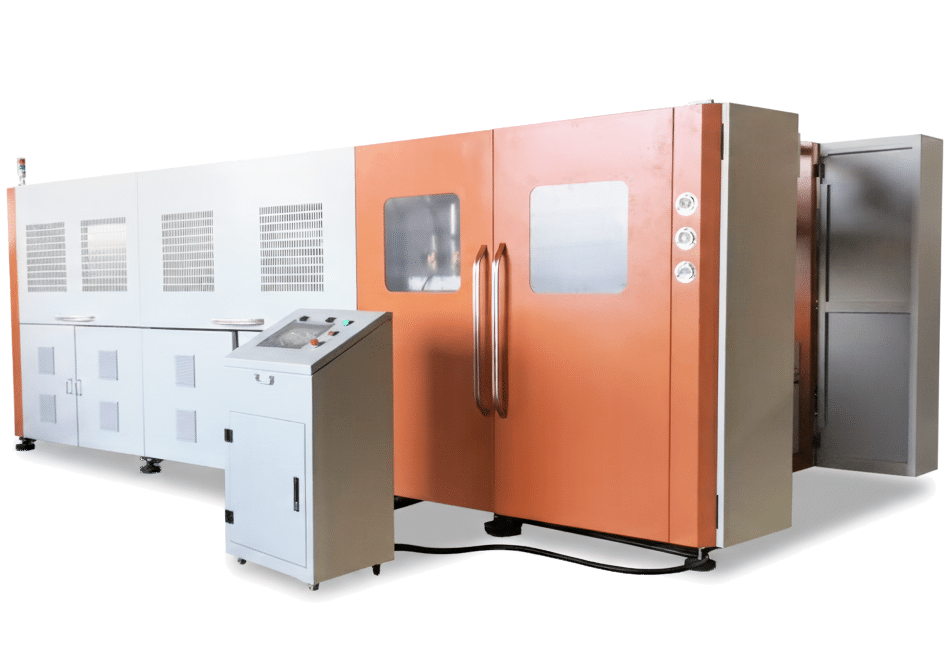
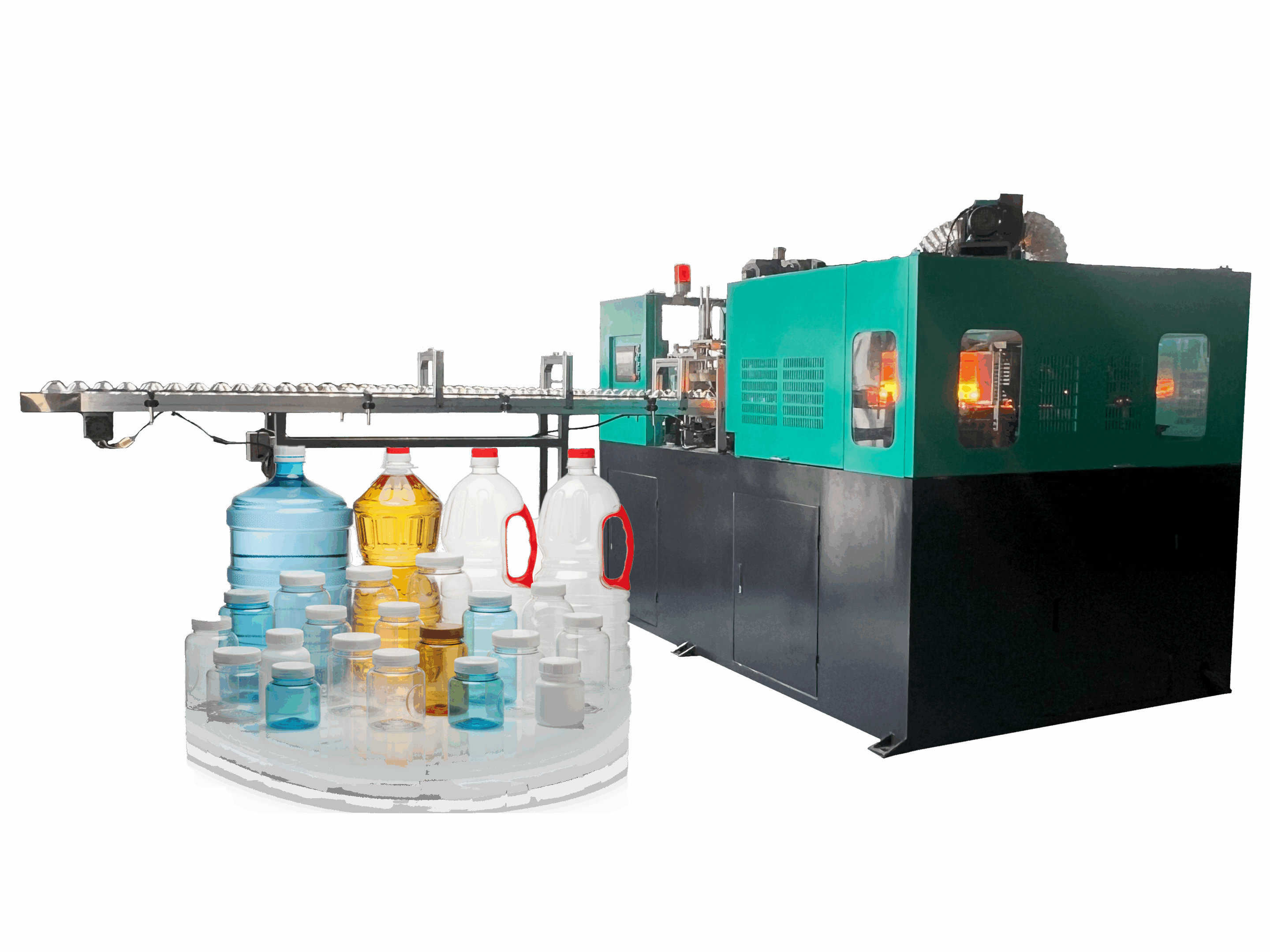
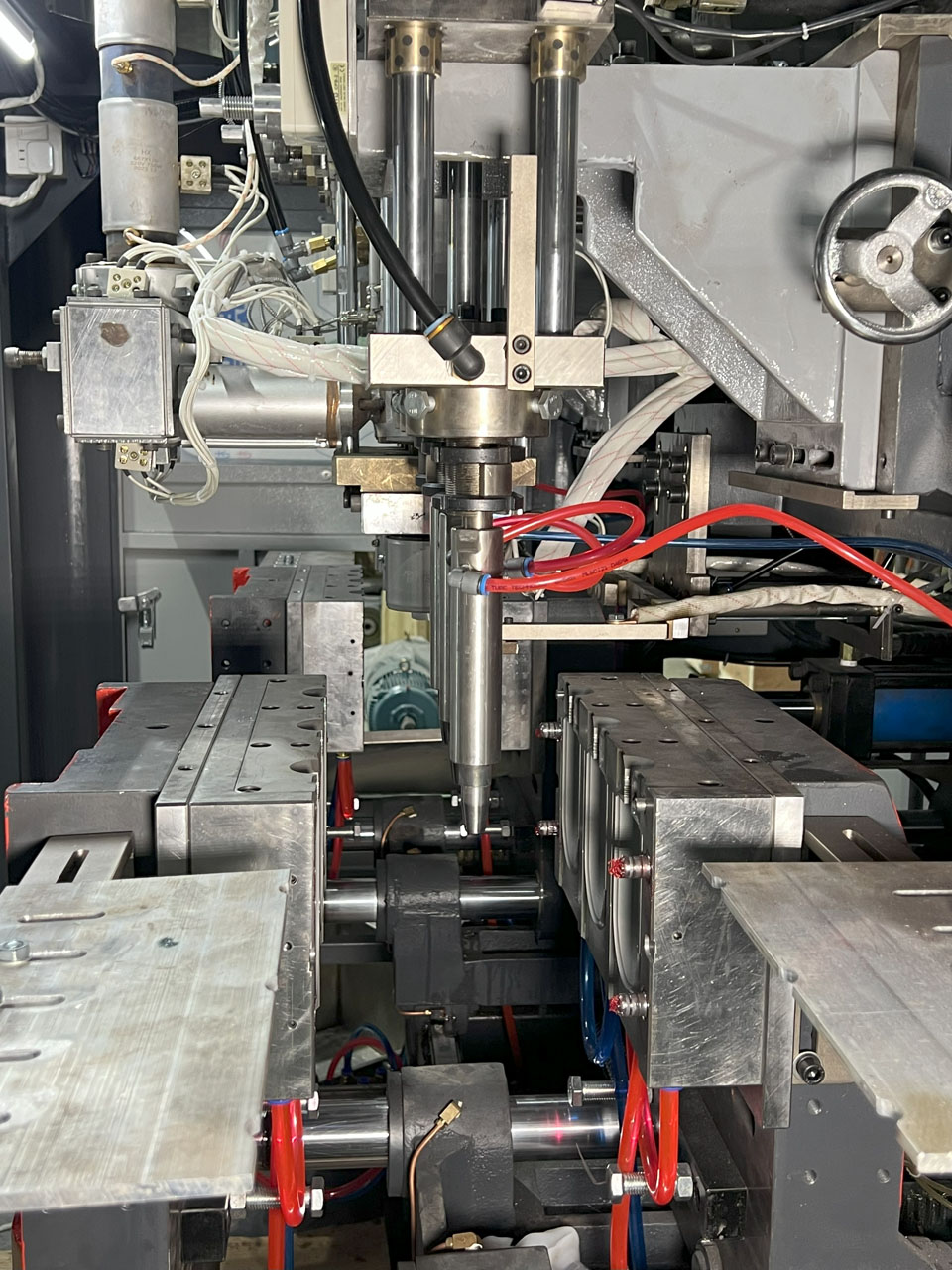
A termoformagem é o processo de aquecimento de folhas termoplásticas e sua moldagem em formatos específicos por meio de vácuo ou pressão. Esse método é altamente eficiente para a produção em larga escala de embalagens moldadas personalizadas. Por exemplo, uma única máquina de termoformagem pode criar milhares de potes cosméticos ou bandejas médicas idênticas por hora. O processo também permite a criação de designs complexos, como logotipos em relevo ou pegas ergonômicas, aprimorando o apelo da marca e a experiência do usuário.
Principais setores que se beneficiam das embalagens termoplásticas
Diversos setores industriais estão utilizando chapas termoplásticas para suas necessidades de embalagem. O setor de alimentos e bebidas as utiliza para embalagens tipo clamshell invioláveis e bandejas próprias para micro-ondas. Na indústria farmacêutica, as embalagens blister termoformadas garantem dosagem precisa e segurança infantil. Até mesmo as montadoras e fabricantes de eletrônicos dependem de embalagens termoplásticas para absorção de impactos e controle de estática. A adaptabilidade dessas chapas as torna uma solução ideal para diversas aplicações.
Comparação de desempenho de chapas termoplásticas
| Propriedade | PET | PP | PEAD | PVC |
|---|---|---|---|---|
| Resistência à tração (MPa) | 55-75 | 25-40 | 20-32 | 40-60 |
| Resistência ao calor (°C) | 70-85 | 100-140 | 90-120 | 60-80 |
| Reciclabilidade | Alta | Alta | Alta | Baixa |
| Barreira contra a umidade | Excelente | Bom | Excelente | Justo |
| Aplicações típicas | Garrafas de bebidas | Recipientes para alimentos | Tambores químicos | Embalagens blister |
Nota: Dados provenientes de referências do setor (2023). PET (Polietileno Tereftalato), PP (Polipropileno), PEAD (Polietileno de Alta Densidade), PVC (Cloreto de Polivinila).
Tipos de chapas termoplásticas para embalagens
“Compreender os quatro tipos principais de chapas termoplásticas ajuda os fabricantes a selecionar o material ideal em termos de durabilidade, custo-benefício e desempenho específico para cada aplicação.”
PET (Polietileno Tereftalato): Clareza e Resistência
As chapas termoplásticas de PET oferecem uma transparência excepcional, tornando-as ideais para embalagens transparentes, como garrafas de bebidas e recipientes de cosméticos. Com alta resistência à tração (55-75 MPa), elas resistem a rachaduras sob pressão, mantendo-se leves. As excelentes propriedades de barreira à umidade do PET prolongam a vida útil do produto, sendo particularmente valiosas para embalagens de alimentos e produtos farmacêuticos, onde a visibilidade e a proteção são essenciais.
PP (Polipropileno): Campeão da Resistência Química
As chapas de PP oferecem resistência superior a ácidos, bases e solventes, superando outros materiais termoplásticos em ambientes agressivos. Sua tolerância ao calor (100-140 °C) permite aplicações de envase a quente e embalagens próprias para micro-ondas. Essas propriedades fazem do PP a escolha preferida para recipientes químicos, dispositivos médicos e embalagens de laboratório, onde a integridade do material sob tensão é fundamental.
PEAD (Polietileno de Alta Densidade): Material Resistente a Impactos
Reconhecidas por sua excepcional resistência a impactos, as chapas termoplásticas de PEAD suportam o manuseio brusco em embalagens industriais e automotivas. Sua alta densidade cria barreiras robustas contra umidade e produtos químicos, mantendo-se recicláveis. O equilíbrio entre durabilidade e flexibilidade do PEAD o torna perfeito para contêineres de transporte, tanques de combustível e soluções de armazenamento de grande volume.
PVC (Cloreto de Polivinila): Versatilidade com Ótima Relação Custo-Benefício
As folhas de PVC oferecem a solução de embalagem termoplástica mais econômica sem sacrificar a funcionalidade. Suas propriedades inerentes de retardamento de chama e isolamento elétrico são ideais para embalagens de componentes eletrônicos. Embora menos resistente ao calor (60-80 °C) do que outras opções, a maleabilidade do PVC permite designs complexos para embalagens blister, embalagens clamshell e displays de ponto de venda.
Chapas termoplásticas: comparação entre custo e desempenho
| Material | Índice de custos | Resistência à tracção | Resistência química | Melhor aplicativo |
|---|---|---|---|---|
| PET | $$$ | Alta | Moderado | Blisters farmacêuticos |
| PP | $$ | Médio | Excelente | recipientes para produtos químicos |
| PEAD | $$ | Alta | Bom | Tambores industriais |
| PVC | $ | Médio | Justo | Embalagem para varejo |
Benefícios das chapas termoplásticas no design de embalagens
“As chapas termoplásticas superam os materiais de embalagem tradicionais, combinando resistência química, flexibilidade de design e sustentabilidade em uma solução econômica.”
Resistência química superior
As chapas termoplásticas mantêm a integridade estrutural quando expostas a ácidos, solventes e temperaturas extremas que degradam os materiais tradicionais. As chapas de PP, por exemplo, resistem a ambientes químicos agressivos melhor do que o metal ou o vidro, tornando-as ideais para embalagens industriais e farmacêuticas onde a falha do material não é uma opção.
Formabilidade incomparável
O processo de termoformagem permite moldar chapas termoplásticas em formatos complexos, impossíveis com materiais rígidos. Isso possibilita designs inovadores de embalagens, como alças ergonômicas, encaixes precisos e compartimentos personalizados, mantendo a espessura da parede consistente para garantir a integridade estrutural.
Eficiência Leve
Pesando até 80% a menos que alternativas de vidro ou metal, as chapas termoplásticas reduzem drasticamente os custos de transporte. Um estudo de caso mostrou que a mudança para embalagens PET diminuiu as despesas logísticas de uma empresa de bebidas em 23%, ao mesmo tempo que melhorou a eficiência do paletização.
Embalagens termoplásticas versus embalagens tradicionais: comparação de desempenho
| Propriedade | Folhas termoplásticas | Vidro | Metal | Cartão |
|---|---|---|---|---|
| Peso (g/cm³) | 0.9-1.4 | 2.4-2.8 | 7.8-8.0 | 0.6-1.2 |
| Resistência química | Excelente | Bom | Variável | Pobre |
| Formabilidade | Alta | Baixa | Médio | Médio |
| Reciclabilidade | Alta | Alta | Alta | Médio |
| Energia de produção (MJ/kg) | 70-85 | 12-25 | 200-250 | 40-55 |
Produção Sustentável
A fabricação moderna de chapas termoplásticas consome de 35 a 50 toneladas a menos de energia do que os processos de conformação de metais. Sua reciclabilidade cria sistemas de ciclo fechado – os resíduos de PET pós-industriais podem ser reutilizados diretamente na produção, reduzindo os custos de materiais em até 15 toneladas e, ao mesmo tempo, atendendo às metas de sustentabilidade.
Aplicações de chapas termoplásticas em setores específicos
“As chapas termoplásticas possibilitam soluções de embalagem específicas para cada setor, que atendem a requisitos regulamentares rigorosos, otimizando a funcionalidade e a relação custo-benefício.”
Indústria Farmacêutica: Soluções para Recipientes Estéreis
As folhas termoplásticas de grau farmacêutico atendem aos padrões USP Classe VI e ISO 10993 para aplicações médicas. As folhas de PET e PP predominam nas embalagens estéreis para blisters e recipientes intravenosos, com barreiras de oxigênio <1 cc/m²/dia para preservar a eficácia do medicamento. As linhas de termoformagem automatizadas atingem a conformidade com a norma ISO 13485, com contagens de partículas abaixo de 100 partículas/ft³ em ambientes de salas limpas.
Cosméticos: Embalagens com Design Estético
As embalagens cosméticas utilizam chapas termoplásticas de 0,5 a 2,0 mm de espessura para acabamentos premium. As chapas de PETG permitem a produção de potes cristalinos que exibem a cor do produto, enquanto o PP com acabamento fosco proporciona um apelo luxuoso. A termoformagem avançada cria relevos precisos para logotipos e texturas que facilitam a pega, com consistência de cor mantida em ΔE < 1,0 em todas as produções.
Especificações de termoplásticos específicas para cada setor
| Setor | Material | Espessura (mm) | Padrão chave | Recurso especial |
|---|---|---|---|---|
| Farmacêutico | PET/PP | 0.3-1.5 | USP Classe VI | garantia de esterilidade |
| Cosméticos | PETG/ABS | 0.5-2.0 | UE 1223/2009 | Acabamento de alto brilho |
| Alimentos e Bebidas | HDPE/PET | 0.4-3.0 | FDA 21 CFR | Pode ser usado no micro-ondas. |
| Industrial | HDPE/PC | 2.0-6.0 | ONU/DOT | Resistência ao impacto |
Alimentos e Bebidas: Recipientes Higiênicos
As chapas de HDPE em conformidade com as normas da FDA produzem recipientes para laticínios com absorção de umidade inferior a 0,5%, enquanto as chapas de PET criam garrafas para bebidas com barreira de oxigênio. Os aditivos antimicrobianos nas chapas termoplásticas reduzem o crescimento bacteriano em 99,9%, atendendo aos padrões NSF/ANSI 51 para superfícies em contato com alimentos.
Industrial: Embalagem de Proteção
Chapas de HDPE de 6 mm de espessura formam tambores químicos com fator de segurança de 8:1 para cargas de 208 litros (55 galões). Chapas termoplásticas moldadas por rotação criam contêineres de transporte do tamanho de paletes que suportam cargas de empilhamento de 680 kg (1.500 lb), sendo 40% mais leves que as alternativas de aço.

Seleção e aquisição de chapas termoplásticas
“A escolha das folhas termoplásticas adequadas exige a avaliação das propriedades do material, das capacidades do fornecedor e das tendências futuras do setor para garantir o desempenho ideal da embalagem.”
Principais especificações a serem avaliadas
Ao selecionar chapas termoplásticas, as especificações críticas incluem tolerância de espessura (±0,05 mm para aplicações de precisão), índice de fluidez (MFI) entre 2 e 50 g/10 min, dependendo dos requisitos do processo, e estabilidade aos raios UV para aplicações externas. Para materiais de grau alimentício, verifique a conformidade com a FDA 21 CFR, enquanto aplicações médicas exigem certificação USP Classe VI.
Fatores de Controle de Qualidade
Fornecedores de boa reputação devem fornecer certificados de materiais com dados específicos do lote, incluindo resistência à tração (normalmente de 20 a 75 MPa), alongamento na ruptura (100 a 600 TP3T) e valores de opacidade (<5 TP3T para aplicações transparentes). Exija relatórios de testes de terceiros para propriedades críticas, como a taxa de transmissão de oxigênio (<0,5 cc/m²/dia para produtos sensíveis).
Lista de verificação para avaliação de fornecedores de chapas termoplásticas
| Critérios de avaliação | Requisito mínimo | Padrão Ideal | Método de verificação |
|---|---|---|---|
| Consistência do material | Variação da propriedade ±5% | Variação da propriedade ±2% | Relatórios de testes em lote |
| Capacidade de produção | 100 toneladas/mês | Mais de 500 toneladas por mês | Auditoria de instalações |
| Certificações | ISO 9001 | ISO 13485, IATF 16949 | Cópias de certificados |
| Suporte técnico | Resposta por e-mail | Engenheiros no local | Verificação de referências |
| Prazo de entrega | 8 semanas | 4 semanas | Histórico de pedidos |
Tendências Futuras de Materiais
Entre os desenvolvimentos emergentes, destacam-se os termoplásticos de base biológica com conteúdo renovável (30-50%), os polímeros autorreparadores para prolongar a vida útil do produto e as embalagens inteligentes com sensores integrados. Os nanocompósitos de alta barreira estão atingindo taxas de transmissão de oxigênio inferiores a 0,1 cc/m²/dia, mantendo a reciclabilidade.

Conclusão
Após anos na indústria de embalagens, vi em primeira mão como as chapas termoplásticas estão revolucionando o setor. Elas não são apenas um material — são uma ferramenta poderosa para o desenvolvimento de novas embalagens. "Mudança de jogo" Para marcas que precisam de durabilidade, flexibilidade e sustentabilidade sem concessões.
Seja para o design de blisters farmacêuticos ou embalagens de cosméticos, o termoplástico certo pode fazer toda a diferença. Trata-se de encontrar o equilíbrio perfeito entre resistência, transparência e custo-benefício — algo que já ajudei inúmeros clientes a alcançar.
O futuro das embalagens chegou e foi moldado para atender às suas necessidades específicas. Se ainda está em dúvida, lembre-se: os termoplásticos não são apenas uma opção — são a escolha inteligente.
PERGUNTAS FREQUENTES
P1: Para que servem as chapas termoplásticas?
A1: As chapas termoplásticas são utilizadas em diversas aplicações, incluindo embalagens, peças automotivas, dispositivos médicos e materiais de construção, devido à sua flexibilidade, durabilidade e facilidade de moldagem.
Q2: Quais são as vantagens de usar chapas termoplásticas em embalagens personalizadas?
A2: As chapas termoplásticas apresentam diversas vantagens em embalagens personalizadas, como maior resistência química, adaptabilidade a formatos complexos, leveza e resistência superior à umidade em comparação com os materiais tradicionais.
P3: Como são fabricadas as chapas termoplásticas?
A3: Thermoplastic sheets are typically manufactured through extrusion or thermoforming processes, allowing them to be shaped and molded into various thicknesses, colors, and finishes.
Q4: As chapas termoplásticas podem ser recicladas?
A4: Sim, muitas chapas termoplásticas são recicláveis. Elas podem ser reprocessadas e remodeladas em novos produtos, o que ajuda a reduzir o desperdício e o impacto ambiental.
Q5: As chapas termoplásticas são adequadas para uso externo?
A5: Sim, as chapas termoplásticas podem ser projetadas para resistir a condições externas e são frequentemente formuladas para resistir à radiação UV, umidade e outros fatores ambientais.
Q6: Qual é a diferença entre termoplásticos e termofixos?
A6: Os termoplásticos podem ser derretidos e remodelados várias vezes, enquanto os termofixos tornam-se permanentemente rígidos após a cura e não podem ser remodelados. Isso confere aos termoplásticos uma vantagem significativa em muitos processos de fabricação.
Q7: Como escolho a folha termoplástica certa para minha aplicação?
A7: A escolha da chapa termoplástica adequada envolve considerar fatores como resistência química, flexibilidade necessária, espessura, cor e as condições específicas às quais será exposta durante o uso.
Q8: Quais indústrias utilizam chapas termoplásticas?
A8: As chapas termoplásticas encontram aplicações em diversas indústrias, incluindo embalagens, automotiva, aeroespacial, saúde e produtos de consumo, devido às suas propriedades versáteis.
Links externos
- O que é Termoplástico? | Informações sobre Chapas Termoplásticas | Marlite
- Aplicações de Chapas Termoplásticas para Fabricação Moderna | Vantage Plastics
- Chapas Termoplásticas | DN Plastics
- Chapa Termoplástica KYDEX® – Curbell Plastics
- Chapa Termoplástica, Soluções em Polímeros e Iluminação | Plaskolite
- Chapas Termoplásticas – McMaster-Carr
- Compreendendo os Termoplásticos | RTP Company
- Termoplásticos – Chapas e Blocos | Röchling


0 comentários