
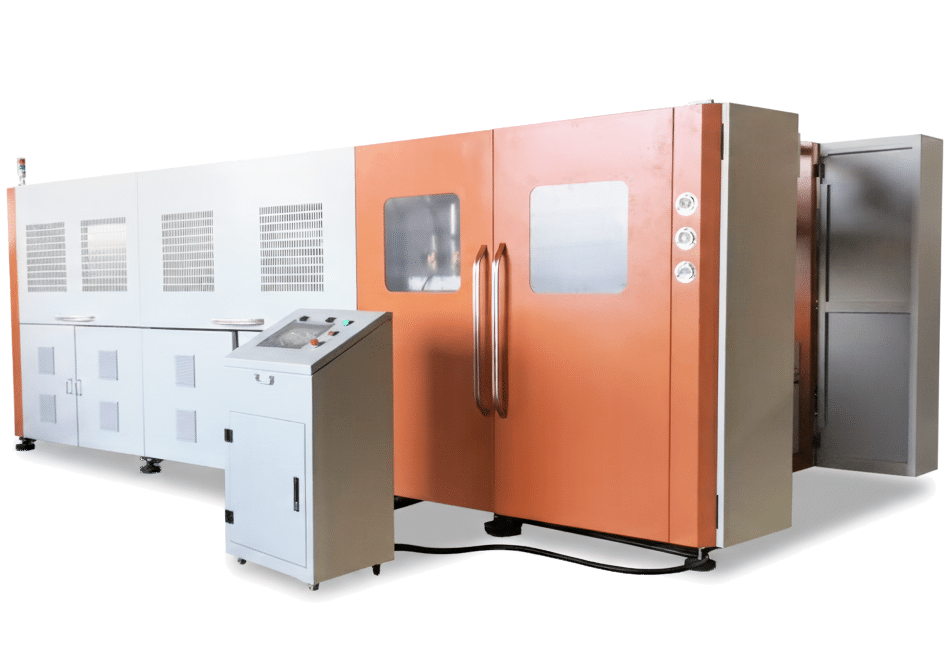
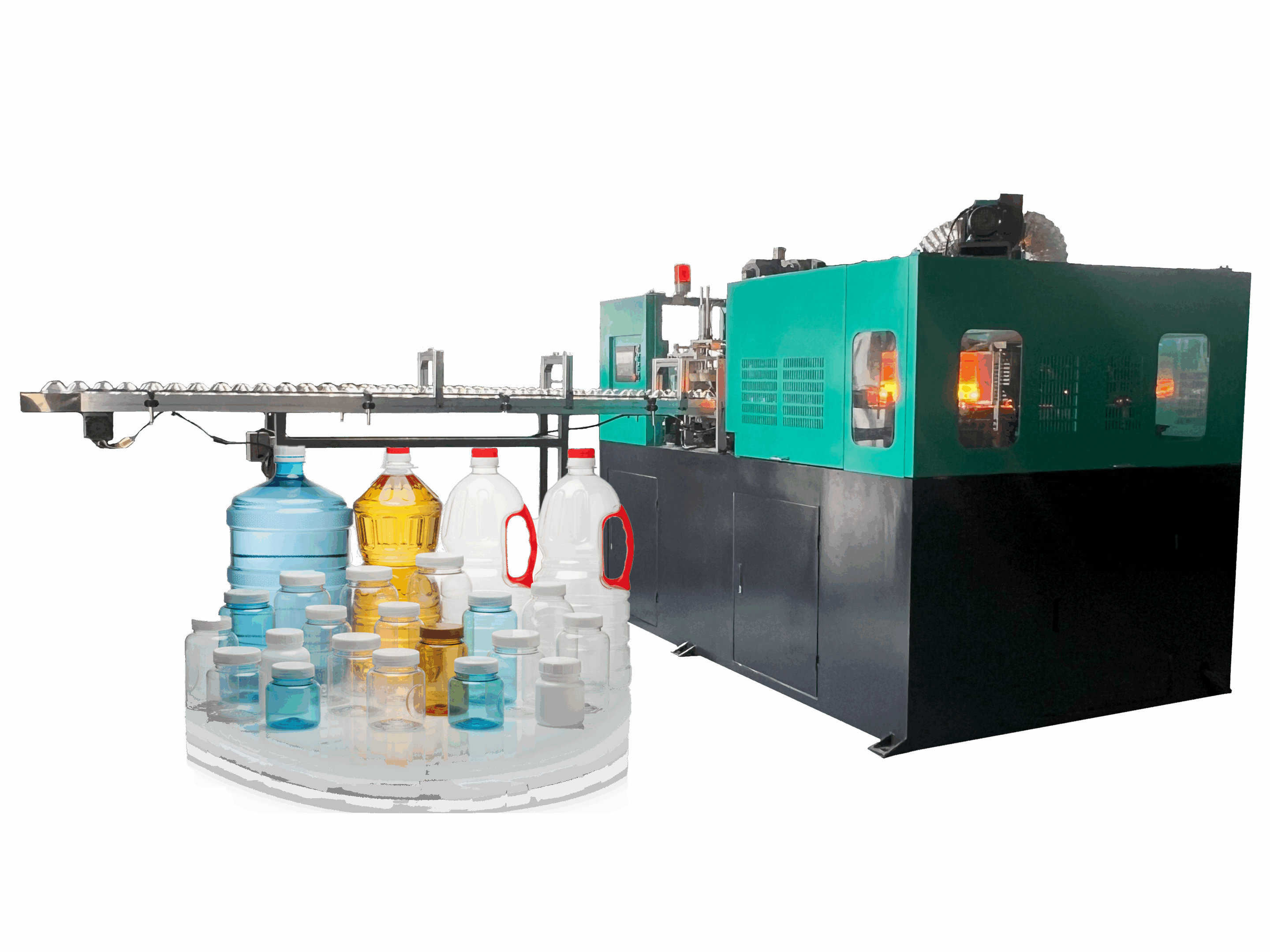
Introdução
When industrial packaging fails, the costs go far beyond replacement containers—downtime, product loss, and safety risks can cripple operations. That’s why manufacturers handling chemicals, pharmaceuticals, and heavy-duty goods increasingly rely on HDPE container production through blow molding. This method delivers unmatched durability while tackling two critical pain points: cost efficiency and sustainability compliance.
HDPE’s unique properties—chemical resistance, impact strength, and 100% recyclability—make it the cavalgar ou morrer material for harsh environments. From European pharmaceutical brands to industrial lubricant suppliers, companies choose blow-molded HDPE containers because they withstand extreme conditions without the weight or expense of metal alternatives. This article breaks down how HDPE outperforms other materials and why modern máquinas de moldagem por sopro are key to maximizing these advantages.
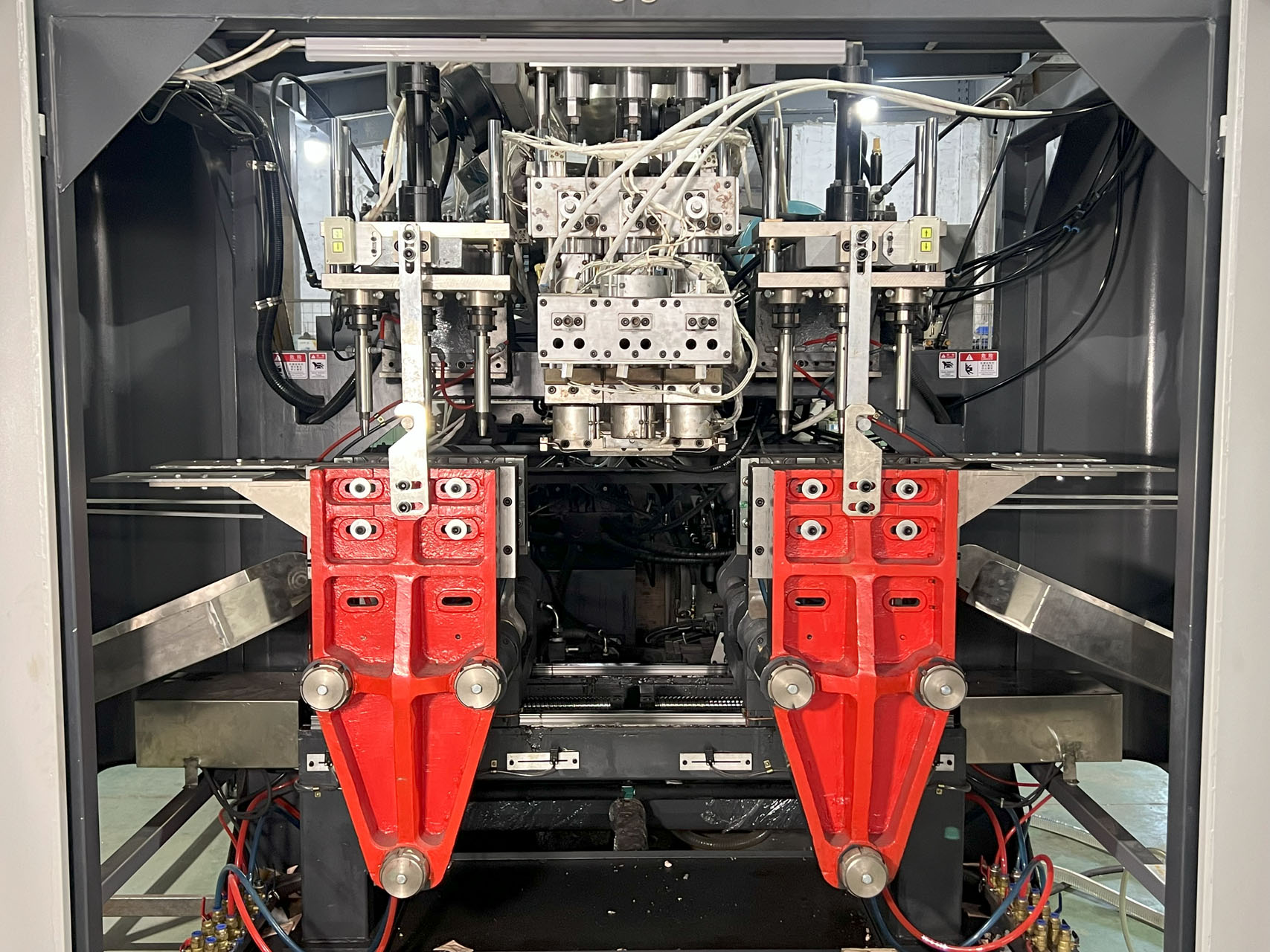
The Fundamentals of HDPE for Industrial Packaging
“HDPE (High-Density Polyethylene) is a versatile plastic widely used in industrial container production due to its durability, chemical resistance, and recyclability.”
HDPE, or High-Density Polyethylene, is a type of plastic known for its strength and flexibility. It is made from petroleum and is commonly used in industrial packaging because of its unique properties. The molecular structure of HDPE gives it high tensile strength, making it ideal for heavy-duty containers.
One of the key reasons HDPE is preferred for industrial containers is its durability. Unlike other materials, HDPE can withstand rough handling and harsh environments. It is also resistant to many chemicals, which makes it perfect for storing industrial liquids like oils, detergents, and acids. Additionally, HDPE can handle extreme temperatures, from freezing cold to boiling hot, without losing its shape or strength.
HDPE vs. Other Materials in Industrial Packaging
| Material | Durabilidade | Resistência química | Temperature Tolerance | Reciclabilidade |
|---|---|---|---|---|
| PEAD | Alta | Excelente | -40°F to 230°F | Totalmente reciclável |
| PET | Médio | Bom | -40°F to 150°F | Reciclável |
| LDPE | Baixa | Justo | -60°F to 180°F | Reciclável |
| Vidro | Brittle | Excelente | Up to 500°F | Reciclável |
| Metal | Muito alta | Varia | Extreme | Reciclável |
When compared to alternatives like PET, LDPE, glass, or metal, HDPE stands out for its balance of strength, weight, and cost-effectiveness. Glass and metal may offer higher temperature resistance, but they are heavier and more expensive. PET and LDPE are lighter but lack the toughness needed for industrial use.
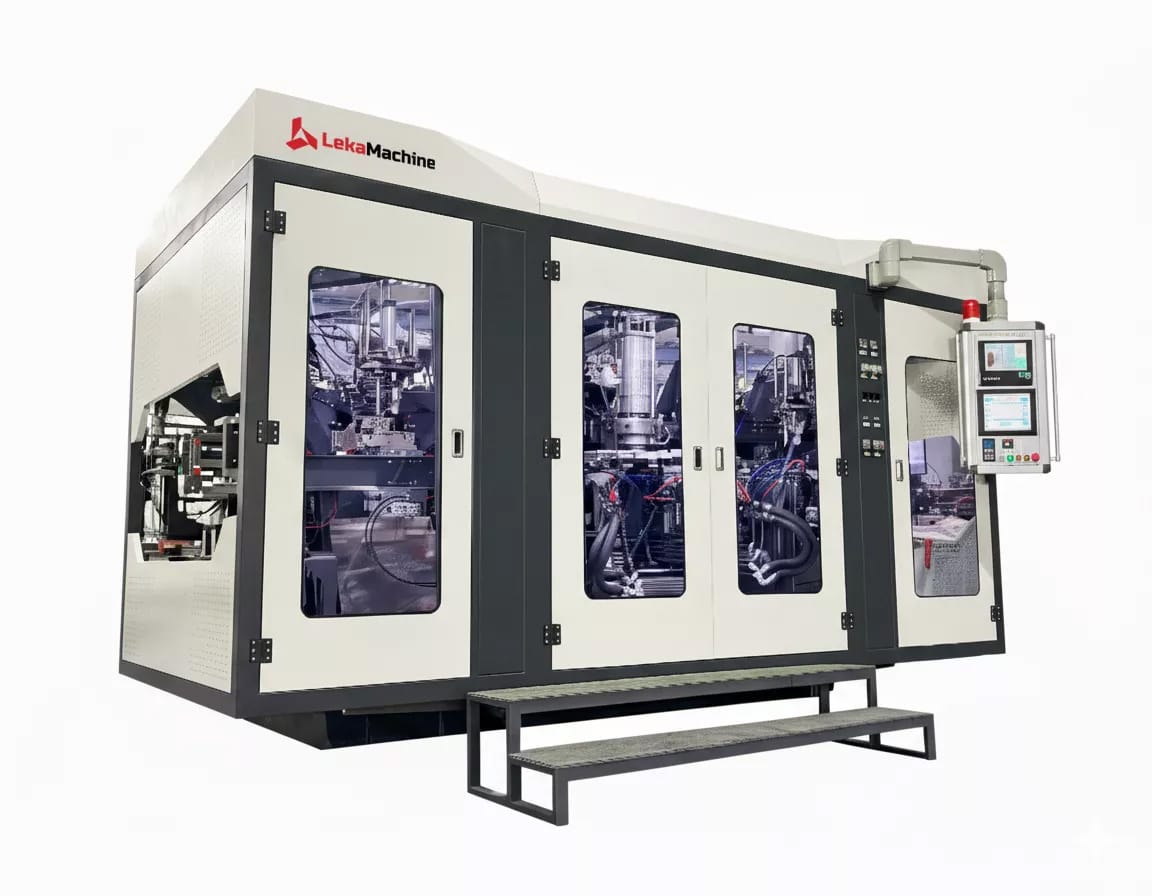
HDPE container production also meets strict industry standards, including FDA and EU certifications for food and pharmaceutical safety. This makes it a cavalgar ou morrer choice for businesses needing reliable packaging. Companies like Lekamachine specialize in HDPE-compatible blow molding machines, using advanced single-stage stretch blow molding technology to produce high-quality containers efficiently.
Another advantage of HDPE is its environmental friendliness. It produces fewer greenhouse gases during manufacturing compared to other plastics and is fully recyclable. Many industries are switching to HDPE to meet sustainability goals without sacrificing performance.
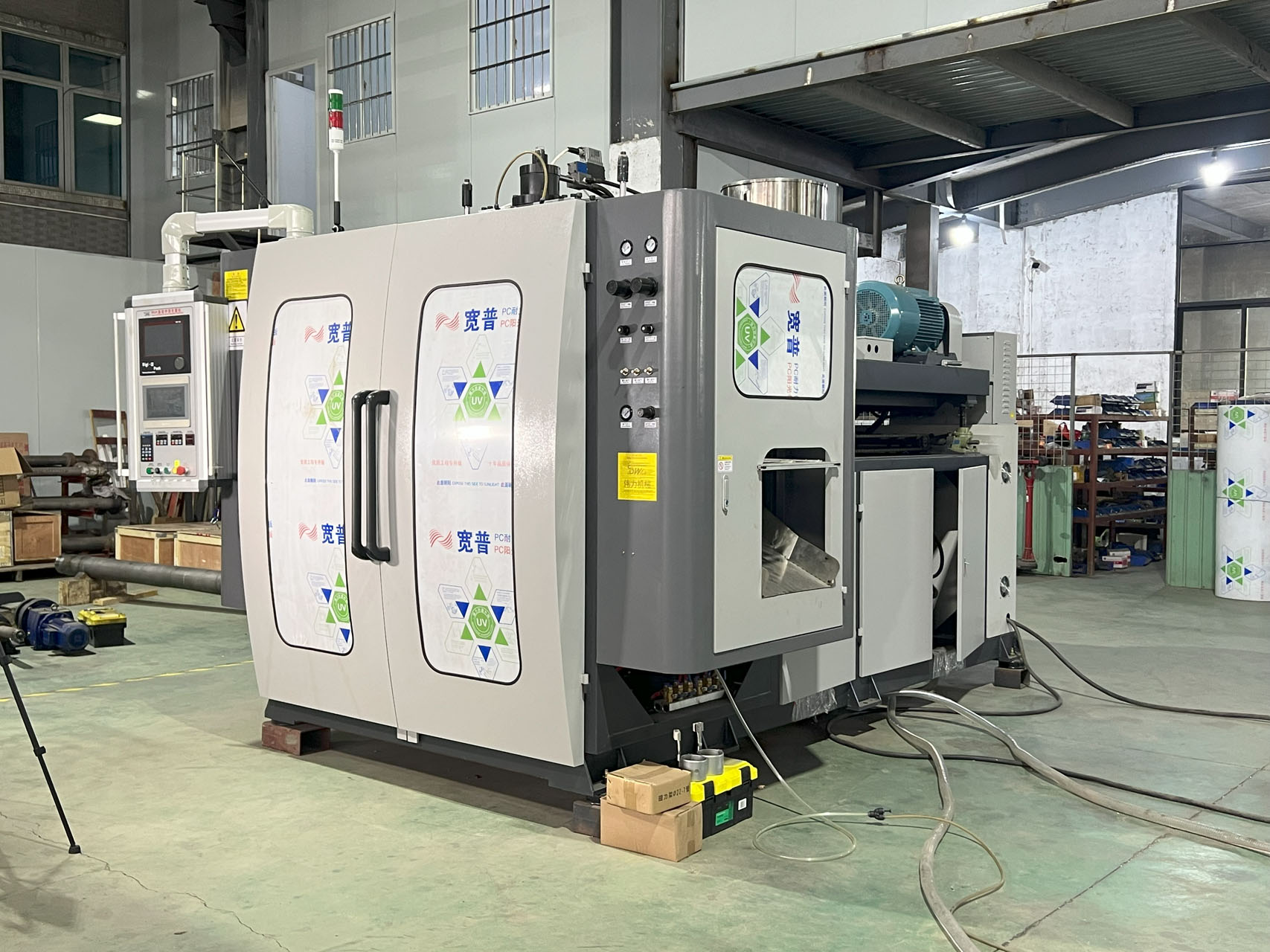
Blow Molding Process for HDPE Container Production
“Blow molding transforms HDPE resin into durable containers through a precise, energy-efficient process that minimizes waste while maximizing output quality.”
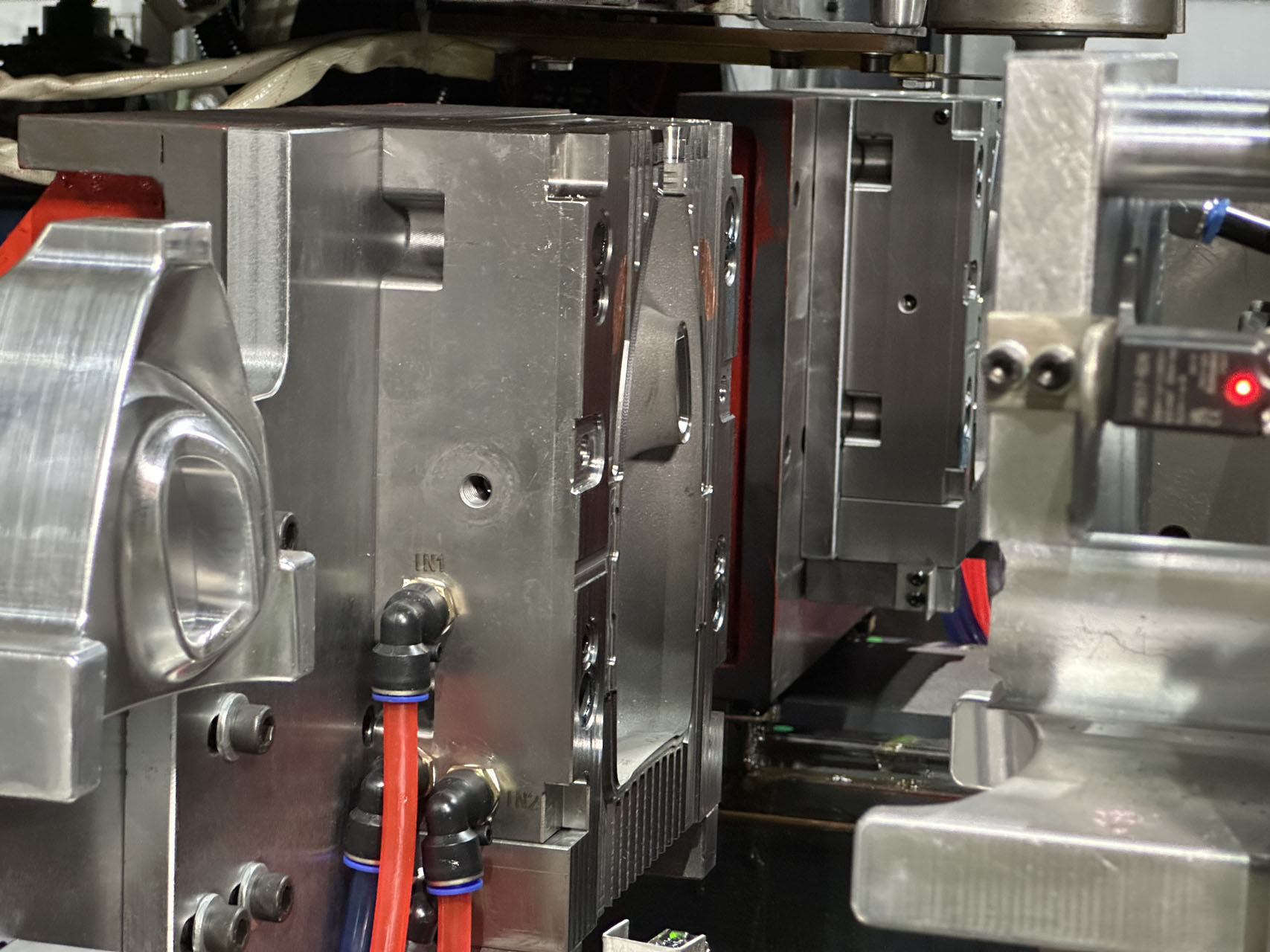
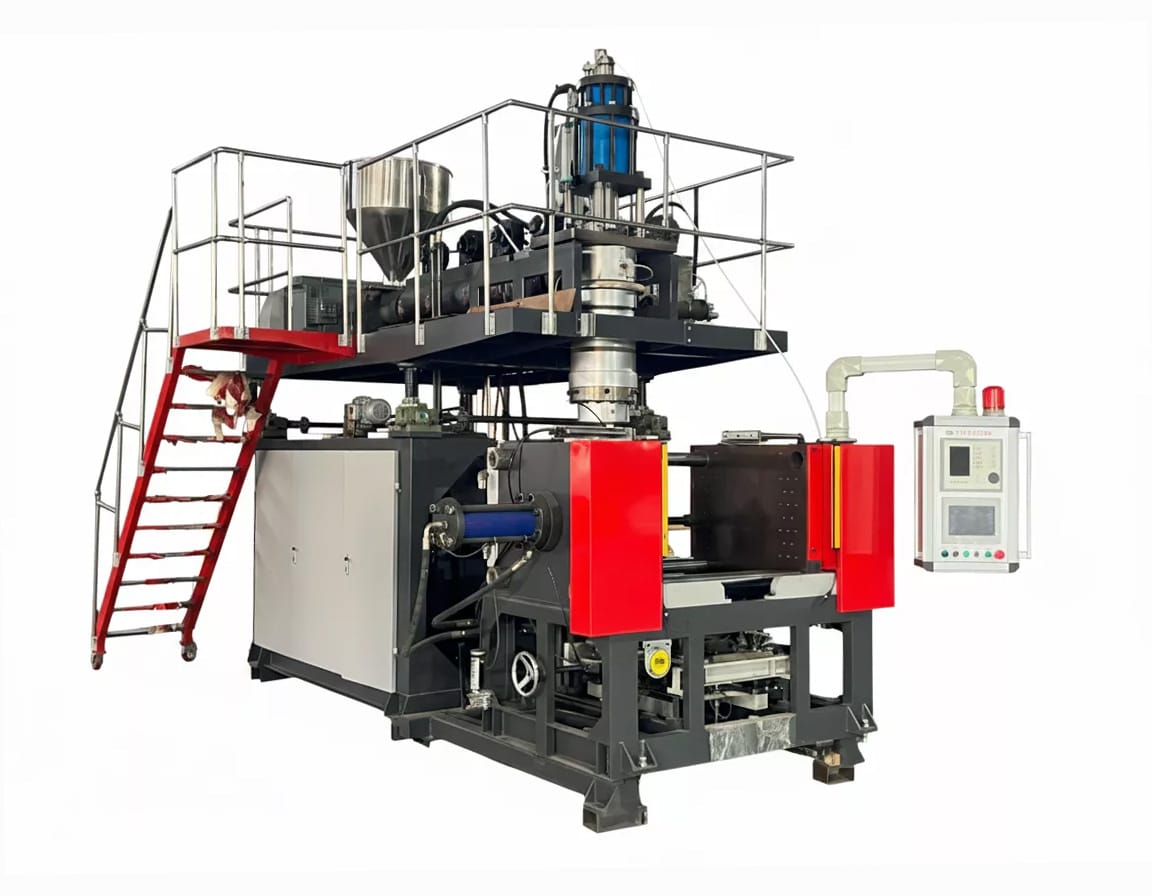
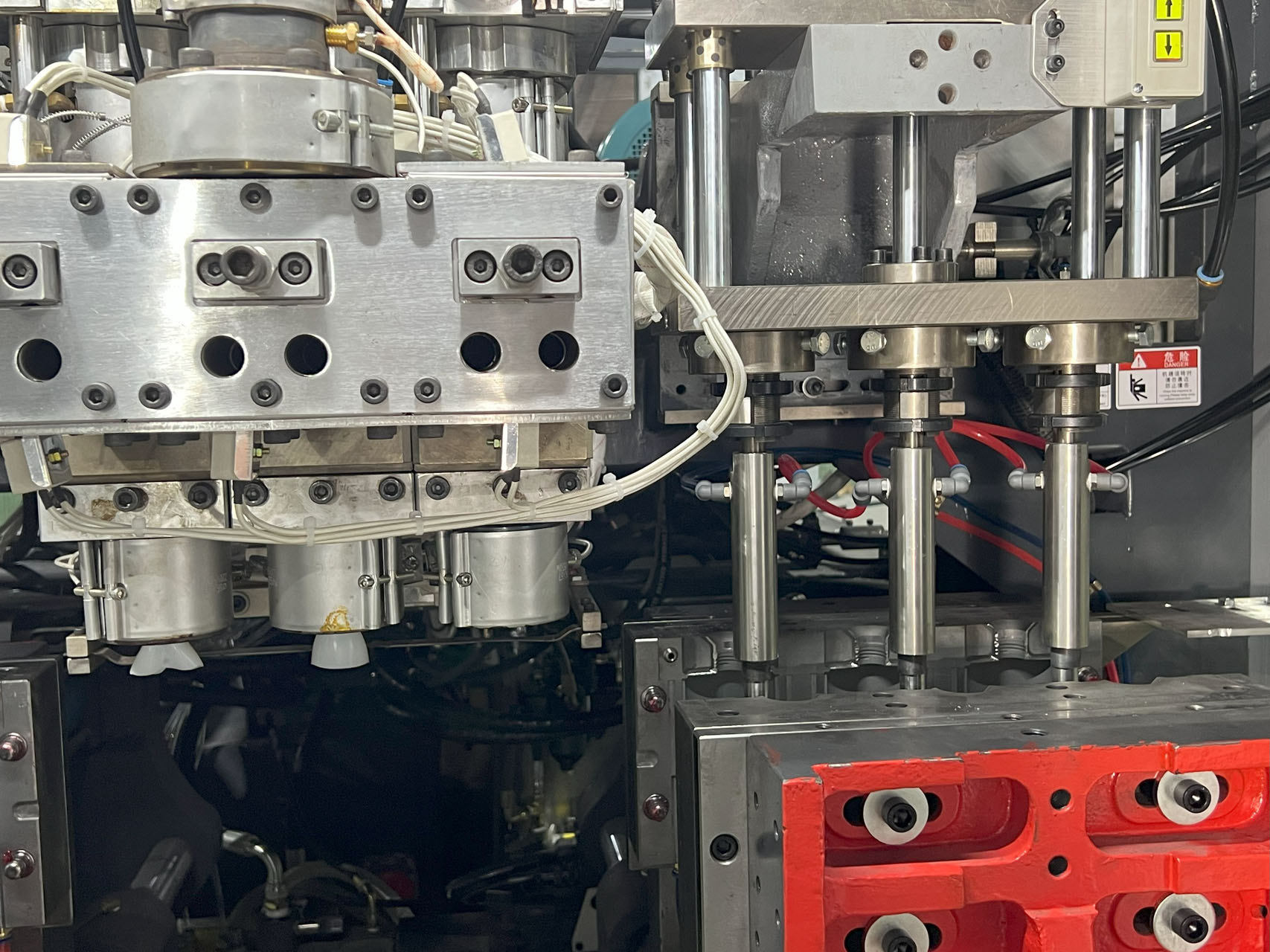
The blow molding process is the backbone of HDPE container production, turning raw plastic resin into sturdy industrial packaging. This manufacturing method begins with HDPE pellets being melted and formed into a parison (a hollow tube of molten plastic). The parison is then clamped into a mold where compressed air inflates it to take the shape of the container.
HDPE Blow Molding Production Steps
| Step | Process | Faixa de temperatura | Time Duration | Quality Checkpoints |
|---|---|---|---|---|
| 1. Resin Preparation | HDPE pellets dried and fed into extruder | 180-230°C | 30-60 minutos | Moisture content < 0.02% |
| 2. Parison Formation | Molten plastic extruded into hollow tube | 190-220°C | 2-5 minutes | Wall thickness consistency |
| 3. Mold Clamping | Parison positioned between mold halves | 20-50°C | 10-30 seconds | Proper alignment |
| 4. Blowing | Compressed air inflates parison | 190-210°C | 5-15 seconds | Air pressure (50-150 psi) |
| 5. Cooling & Ejection | Container cools and is removed | 20-40°C | 20-60 seconds | Dimensional accuracy |
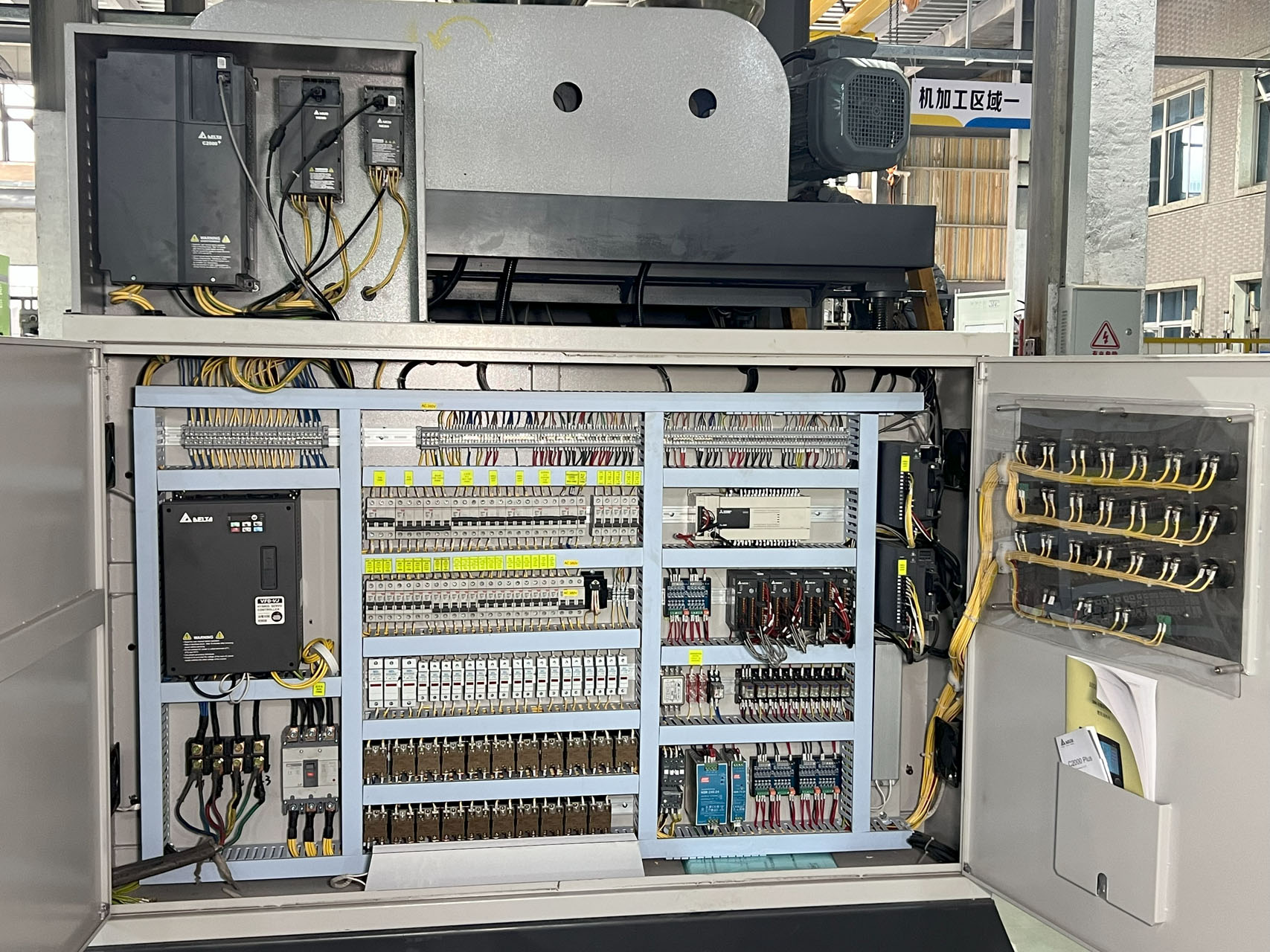
Modern blow molding machines, like those from Lekamachine, incorporate energy-saving features such as servo-electric drives and heat recovery systems. These innovations can reduce energy consumption by up to 40% compared to conventional machines, making HDPE container production more sustainable and cost-effective.
Quality control is integral throughout the process. Automated systems monitor wall thickness, while vision inspection systems check for defects. HDPE’s natural chemical resistance means containers require no additional coatings, reducing production steps and potential failure points.
The environmental advantages of blow molded HDPE containers include material efficiency (near-zero flash waste) and recyclability. Lekamachine’s single-stage stretch blow molding technology further enhances these benefits by combining injection and blowing into one seamless operation.
Industrial Applications of Blow Molded HDPE Containers
“HDPE containers serve diverse industries with their unique combination of durability, chemical resistance, and customization capabilities.”
Blow molded HDPE containers have become indispensable across multiple industries due to their exceptional performance characteristics. In the chemical sector, these containers safely store corrosive substances without degradation, offering superior resistance to acids, alkalis, and solvents. Pharmaceutical companies rely on HDPE for sterile, FDA-compliant packaging that maintains product integrity while meeting stringent regulatory requirements.
Industry-Specific HDPE Container Applications
| Setor | Tipo de Frasco | Principais requisitos | Características Especiais | Capacity Range |
|---|---|---|---|---|
| Chemical | Jerry cans, drums | Chemical resistance, impact strength | UV stabilization, vented caps | 1L-60L |
| Farmacêutico | Frascos de medicamentos | Sterility, tamper evidence | Child-resistant closures | 50ml-1L |
| Alimentos e Bebidas | Juice bottles, dairy containers | Food-grade certification | Barrier layers, wide mouths | 250ml-10L |
| Industrial Lubricants | Oil bottles, grease containers | Puncture resistance | Drip-free spouts | 500ml-20L |
| Agriculture | Pesticide containers | Chemical compatibility | Triple-rinse design | 5L-30L |
Lekamachine’s blow molding technology enables precise HDPE container production for these demanding applications. Their machines can incorporate specialized features like UV inhibitors for outdoor storage, tamper-evident seals for security, and custom closures for specific dispensing needs. A recent implementation for a European lubricant manufacturer demonstrated 30% material savings through optimized wall thickness while maintaining required strength.
The food industry benefits from HDPE’s lightweight properties and food-safe certification. Milk jugs and juice bottles made from HDPE weigh significantly less than glass alternatives, reducing transportation costs. The material’s natural opacity also protects light-sensitive contents without requiring additives.

Sustainability and Cost Benefits of HDPE Containers
“HDPE containers offer both environmental sustainability and economic advantages, making them a smart choice for modern packaging needs.”
HDPE container production delivers significant environmental benefits that align with today’s sustainability goals. As one of the most recyclable plastics, HDPE can be reprocessed multiple times without substantial quality loss, supporting circular economy initiatives. Compared to alternative materials, HDPE production generates 30-40% fewer greenhouse gas emissions than PET and requires less energy than glass or metal alternatives.
Comparative Analysis of Packaging Materials
| Material | Reciclabilidade | Carbon Footprint (kg CO2/kg) | Energia de produção (MJ/kg) | Transport Cost Factor |
|---|---|---|---|---|
| PEAD | High (1-7 cycles) | 1.6 | 76 | 1.0 |
| PET | Medium (2-3 cycles) | 2.2 | 84 | 1.1 |
| Vidro | Infinitos | 1.4 | 14 | 2.5 |
| Alumínio | Infinitos | 8.6 | 211 | 1.8 |
| PP | Medium (3-5 cycles) | 1.9 | 80 | 1.0 |
Lekamachine’s energy-efficient blow molding machines further enhance these sustainability benefits by reducing production energy consumption by up to 35% compared to conventional models. Their single-stage stretch blow molding technology minimizes material waste during HDPE container production, achieving near-zero flash waste rates while maintaining product quality.
From a cost perspective, HDPE containers offer substantial savings throughout their lifecycle. The lightweight nature of HDPE reduces shipping costs by 20-30% compared to glass alternatives. Production efficiency gains from modern blow molding equipment like Lekamachine’s can yield 15-25% lower per-unit costs. These economic advantages, combined with HDPE’s durability and reusability, make it an increasingly popular choice for companies balancing sustainability with profitability.
Selecting the Right HDPE Container Production Solution
“Choosing the optimal HDPE container production system requires careful evaluation of technical specifications, supplier capabilities, and future business needs.”
Selecting the ideal HDPE container production solution begins with understanding your specific industrial requirements. Key specifications to consider include production volume (ranging from small batches to high-output continuous runs), container size and wall thickness requirements, and any special features like UV protection or tamper evidence. Industrial HDPE containers often demand higher durability standards than consumer packaging, particularly for chemical or pharmaceutical applications.
Blow Molding Machine Selection Criteria
| Fator | Considerações | Nível de entrada | Faixa Intermediária | Industrial-Grade |
|---|---|---|---|---|
| Capacidade de produção | Unidades/hora | 500-1,000 | 1,000-3,000 | 3,000-8,000+ |
| Nível de Automação | Labor requirements | Semi-automatic | Mostly automatic | Fully automatic |
| Eficiência energética | kW/hour | 15-25 | 10-20 | 8-15 |
| Tempo de troca | Minutes | 60+ | 30-60 | 15-30 |
| Supplier Support | Response time | 48-72 horas | 24-48 hours | Same day |
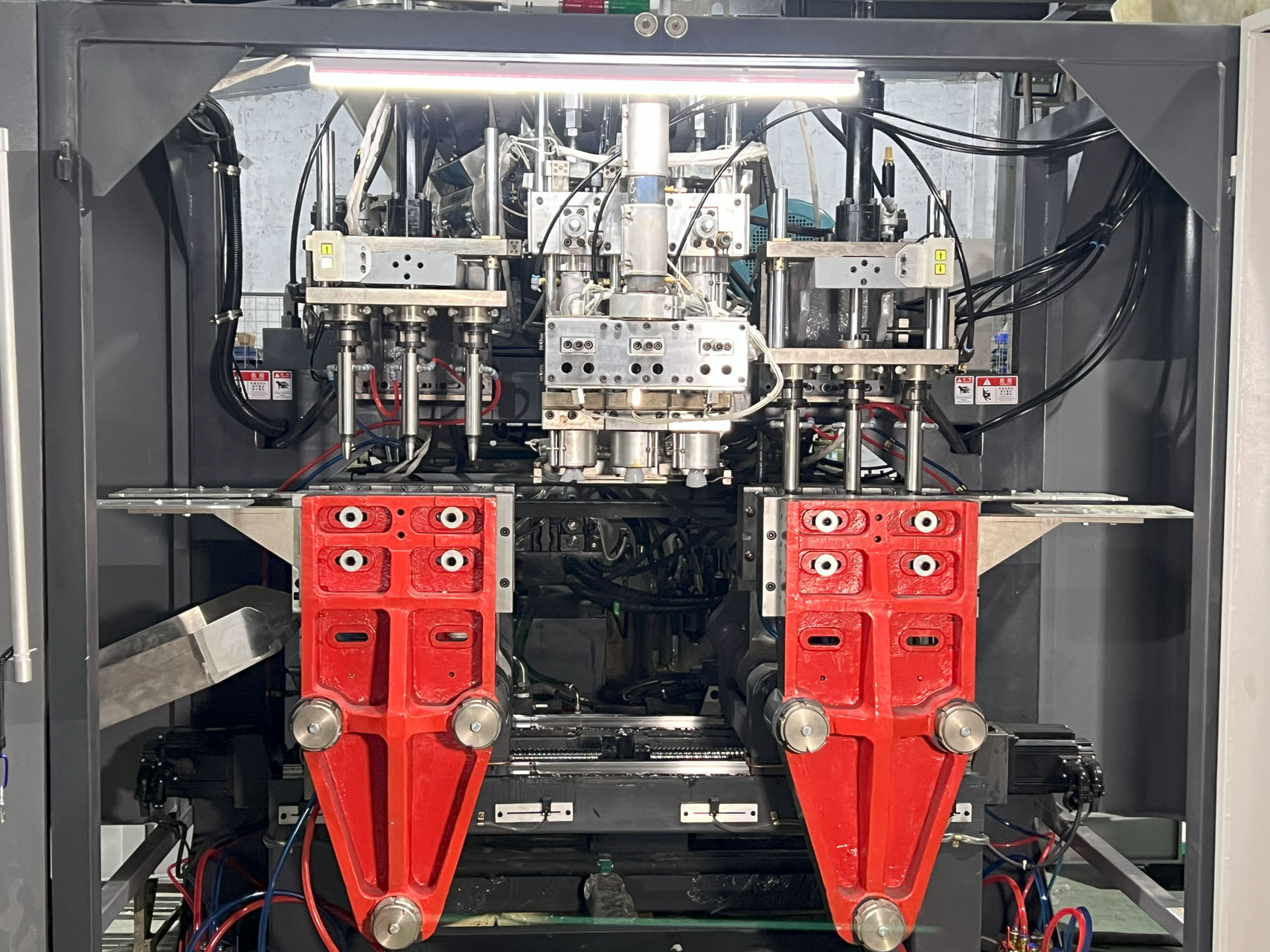
Ao avaliar fornecedores para produção de recipientes em HDPE, priorize fabricantes com comprovada experiência no setor, como a Lekamachine, que oferece 12 anos de especialização em tecnologia de sopro. Suas soluções totalmente automatizadas demonstram como máquinas avançadas podem garantir operações à prova de futuro por meio de recursos como sistemas de troca rápida de moldes e monitoramento de desempenho habilitado para IoT. Uma implementação recente para uma empresa farmacêutica europeia mostrou ciclos de produção 40% mais rápidos, mantendo rigorosos padrões de qualidade.
Além das especificações técnicas, considere o custo total de propriedade, incluindo requisitos de manutenção, consumo de energia e potencial para atualizações futuras. Os projetos energeticamente eficientes da Lekamachine podem reduzir custos operacionais em até 30% em comparação com sistemas convencionais. Seu pacote de suporte abrangente – da instalação ao treinamento de operadores – garante uma implementação tranquila e minimiza o tempo de inatividade durante as transições de produção.
Conclusão
Após anos na indústria de moldagem por sopro, tenho visto como os recipientes de HDPE **”elevam o nível”** da embalagem para ambientes hostis. Eles não são apenas resistentes – são econômicos, sustentáveis e construídos para lidar com tudo, desde produtos químicos até farmacêuticos, sem esforço.
O que se destaca é como a moderna tecnologia de sopro maximiza essas vantagens. A máquina certa não apenas molda o plástico – garante consistência, reduz drasticamente o desperdício e torna suas operações à prova de futuro. Se você está ponderando opções de embalagem, a combinação de durabilidade e reciclabilidade do HDPE o torna uma escolha destacada.
No final das contas, sua embalagem deve trabalhar tanto quanto seu produto. Com o HDPE, você está coberto – sem compromissos.
PERGUNTAS FREQUENTES
Q1: What is HDPE container production?
A1: A produção de recipientes de HDPE envolve a fabricação de recipientes a partir de polietileno de alta densidade, um termoplástico conhecido por sua resistência e durabilidade, adequado para várias aplicações, incluindo armazenamento de alimentos e produtos químicos.
Q2: How are HDPE containers made?
A2: Os recipientes de HDPE são fabricados por um processo de extrusão ou moldagem por sopro, onde a resina de HDPE é aquecida e moldada na forma desejada do recipiente, garantindo durabilidade e resistência a produtos químicos.
Q3: What are the advantages of HDPE containers?
A3: Os recipientes de HDPE oferecem inúmeras vantagens, incluindo alta resistência, resistência a impactos e produtos químicos, natureza leve e a capacidade de serem reciclados, tornando-os uma opção de embalagem ecologicamente correta.
Q4: Is HDPE safe for food storage?
A4: Sim, o HDPE é considerado seguro para armazenamento de alimentos e é aprovado pela FDA para uso em itens em contato com alimentos, desde que atenda a diretrizes específicas do FDA.
Q5: What are the environmental impacts of HDPE production?
A5: A produção de HDPE gera menores emissões de gases de efeito estufa em comparação com outros plásticos, devido a processos de polimerização eficazes, e o HDPE pode ser reciclado, reduzindo o impacto ambiental.
Q6: What industries use HDPE containers?
A6: Os recipientes de HDPE são amplamente utilizados em várias indústrias, incluindo alimentos e bebidas, farmacêuticos, armazenamento de produtos químicos e produtos domésticos, devido à sua durabilidade e resistência química.
Q7: Can HDPE containers be reused?
A7: Sim, os recipientes de HDPE podem ser reutilizados várias vezes, tornando-os uma escolha econômica e sustentável para embalagem e armazenamento.
Q8: How are HDPE containers recycled?
A8: Os recipientes de HDPE podem ser reciclados coletando-os e processando-os em pellets, que são então usados para fabricar novos produtos, reduzindo assim o desperdício e conservando recursos.
Links externos
- Fabricação de Frascos de HDPE para Produtos Químicos – Nos Bastidores – Regent Plast
- HDPE: Um Guia sobre o Polietileno de Alta Densidade e Seus Usos
- Processo de Fabricação do Polietileno de Alta Densidade – Sciencing
- Como os recipientes de HDPE são feitos? – Maxipet
- Compreendendo Como o HDPE é Feito – Estudo de Caso Tangent
- Polietileno de alta densidade – Wikipédia
- Como o HDPE é Feito? – Scranton Products
- Tamanho, Participação, Crescimento e Relatório do Setor do Mercado de HDPE na Índia, 2030 – ChemAnalyst


0 comentários