

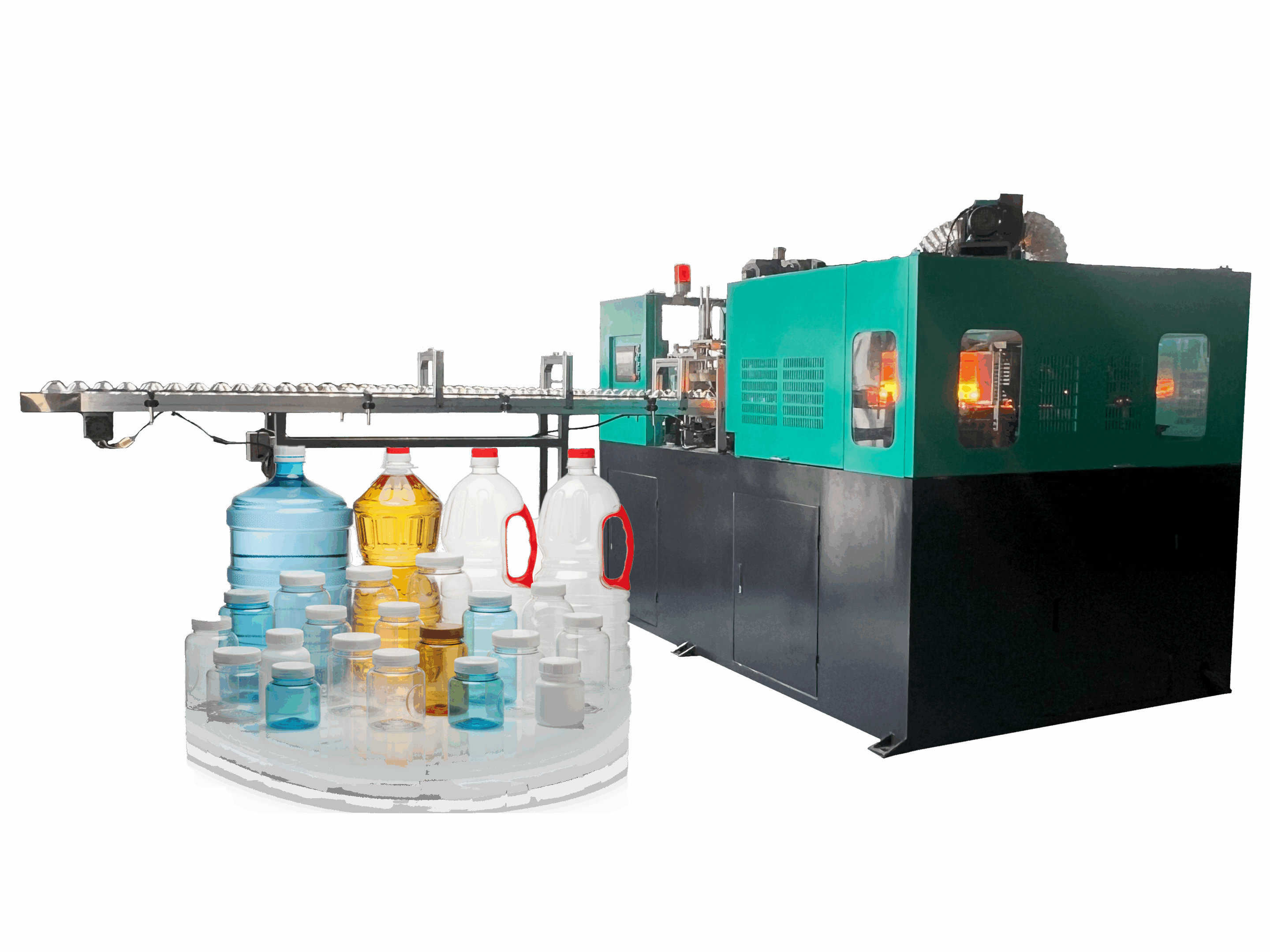
Automatic PET Blowing Machine for Water Bottles: The Real Profit Driver for Your Line
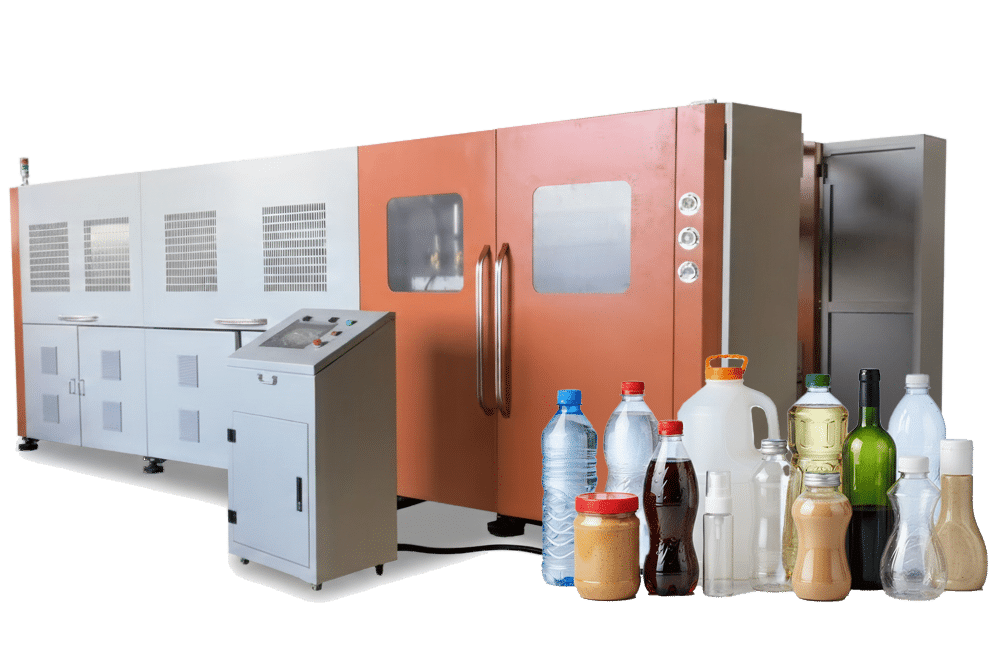
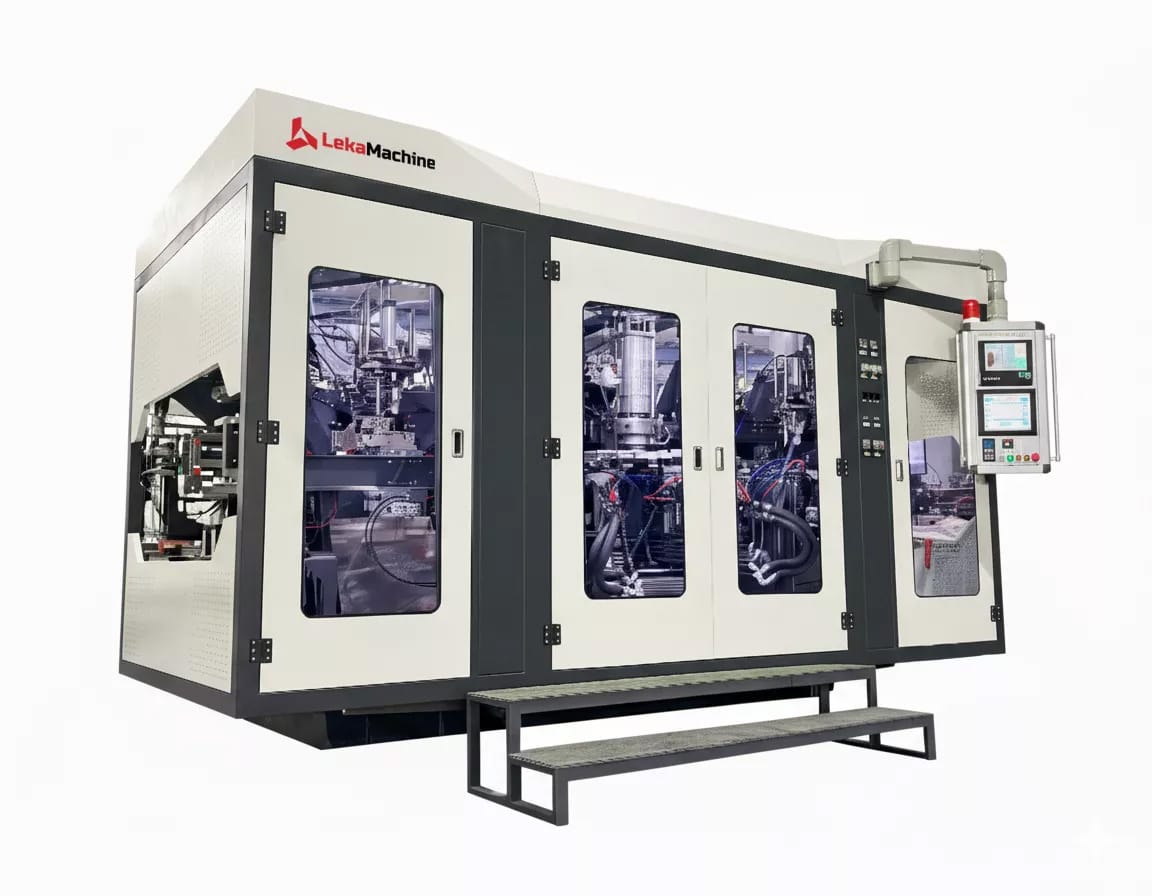
The Leka AQUA Series is designed for high-speed, stable production of water bottles.
If you run a bottled water plant, you know the bottleneck isn’t usually the water source—it’s the packaging. Relying on semi-automatic machines or outside bottle suppliers kills your margins. It creates inconsistent quality, slows down production, and leaves you dependent on manual labor.
Um automatic PET blowing machine is the fix. But not all machines are the same. This guide cuts through the technical jargon to help you understand what actually matters: speed, energy costs, and reliability.
What Does an “Automatic” Machine Actually Do?
In simple terms, an automatic PET stretch blow molding (SBM) machine takes the manual work out of making bottles. It connects directly to your filling line.
Here is the workflow:
- Auto-Loading: It grabs PET preforms from a hopper and sorts them. No human hands touch the preforms.
- Heating: The preforms travel through an infrared oven. This softens the plastic evenly.
- Stretching & Blowing: A rod stretches the plastic while high-pressure air blows it into the mold shape.
- Ejection: The finished bottle is sent straight to the air conveyor and filler.
For modern water lines, machines like our Série AQUA maximize throughput. They are optimized specifically for the high-speed, stable production of PET water and beverage bottles[cite: 104].
Why Upgrade from Semi-Auto to Fully Automatic?
Many factories start with semi-automatic machines. They are cheap to buy but expensive to run. As your daily demand grows, manual handling becomes a hidden trap.
1. Consistency is King
Humans get tired. Machines don’t. A semi-auto operator might vary the cycle time by a few seconds, leading to bottles with uneven wall thickness. An automatic machine keeps the “process window” tight. This means every bottle has the same top-load strength, which is vital for stacking pallets safely[cite: 182].
2. Lower Labor Costs
A semi-auto setup needs 2-3 people per shift just to load preforms and pack bottles. An automatic line like the AQUA F22 (which can hit 18,000-20,000 BPH) runs with just one supervisor monitoring the line. You save on salaries and solve the headache of finding skilled staff[cite: 194].
3. Hygiene and Safety
For water brands, hygiene is non-negotiable. Manual handling increases the risk of contamination at the neck finish. Automatic machines keep the bottle neck untouched until it is capped[cite: 162].
Key Features That Save You Money (TCO)
When buying a machine, don’t just look at the price tag. Look at the Custo Total de Propriedade (TCO). A cheap machine that eats electricity will cost you more in the long run[cite: 17].
Servo vs. Hydraulic
Old machines use hydraulics. They are messy, loud, and energy-hungry. Modern machines, like our AQUA E-Series (Electric), use servo motors. They are precise, clean, and use significantly less power[cite: 119]. If you are looking for a balance of power and cost, the Hybrid (H-Series) offers a strong alternative[cite: 120].
Smart Heating Systems
The oven is the biggest energy consumer. Advanced machines use targeted heating zones. This lets you use lighter preforms (saving plastic resin costs) without the bottle collapsing. Saving just 1 gram of resin per bottle can save you hundreds of thousands of dollars a year[cite: 181].
Trocas rápidas de molde
Time is money. If it takes 4 hours to change a mold from 500ml to 1.5L, you lose half a day of production. Look for machines with “smart” mold designs that allow for tool-free or quick-lock changes. This is crucial if you bottle multiple SKUs[cite: 188].
The Leka AQUA Series: Built for Water
We designed the Série AQUA specifically for the beverage market. It isn’t a generic machine; it’s a specialist.
- High Speed: Built for maximum throughput to match fast filling lines[cite: 104].
- Stability: It combines rapid cycle times with enduring reliability[cite: 105].
- Range: Whether you need the AQUA E600M for small water bottles or the AQUA E2L for large 2-liter formats, the all-electric platform ensures efficiency[cite: 141, 143].
How to Calculate Your ROI
Is the investment worth it? Here is a simple way to check:
- Calculate current cost per bottle: Include preform cost + labor + electricity + scrap rate.
- Estimate automatic cost: Lower labor (minus 2 staff), lower electricity (servo savings), and lower scrap (under 1%).
- Compare: Most water plants see a Return on Investment (ROI) in 12 to 24 months simply by reducing waste and labor[cite: 213].
FAQs: Common Buyer Questions
How much space do I need?
Automatic machines are linear and compact. However, you need to plan space for the auxiliary equipment: the high-pressure air compressor, the chiller, and the preform hopper. Don’t crowd the machine; leave room for maintenance access.
Can I make different bottle shapes?
Yes. The Série BOTTLER, for example, is famous for flexibility with non-standard shapes[cite: 94]. However, for pure water production, sticking to standard round or square shapes maximizes speed.
What about spare parts?
We know that waiting for parts kills your business. That’s why we use standard, high-quality components. We also offer remote engineer guidance to get you back online fast[cite: 113].
Ready to Boost Your Production?
Stopping production to fix an old machine costs you more than just money—it costs you reputation. If you are ready to stabilize your water line and cut per-bottle costs, it’s time to look at automation.
Contact us today to discuss your daily output targets, and we will help you calculate the exact machine configuration you need.


0 comentários