

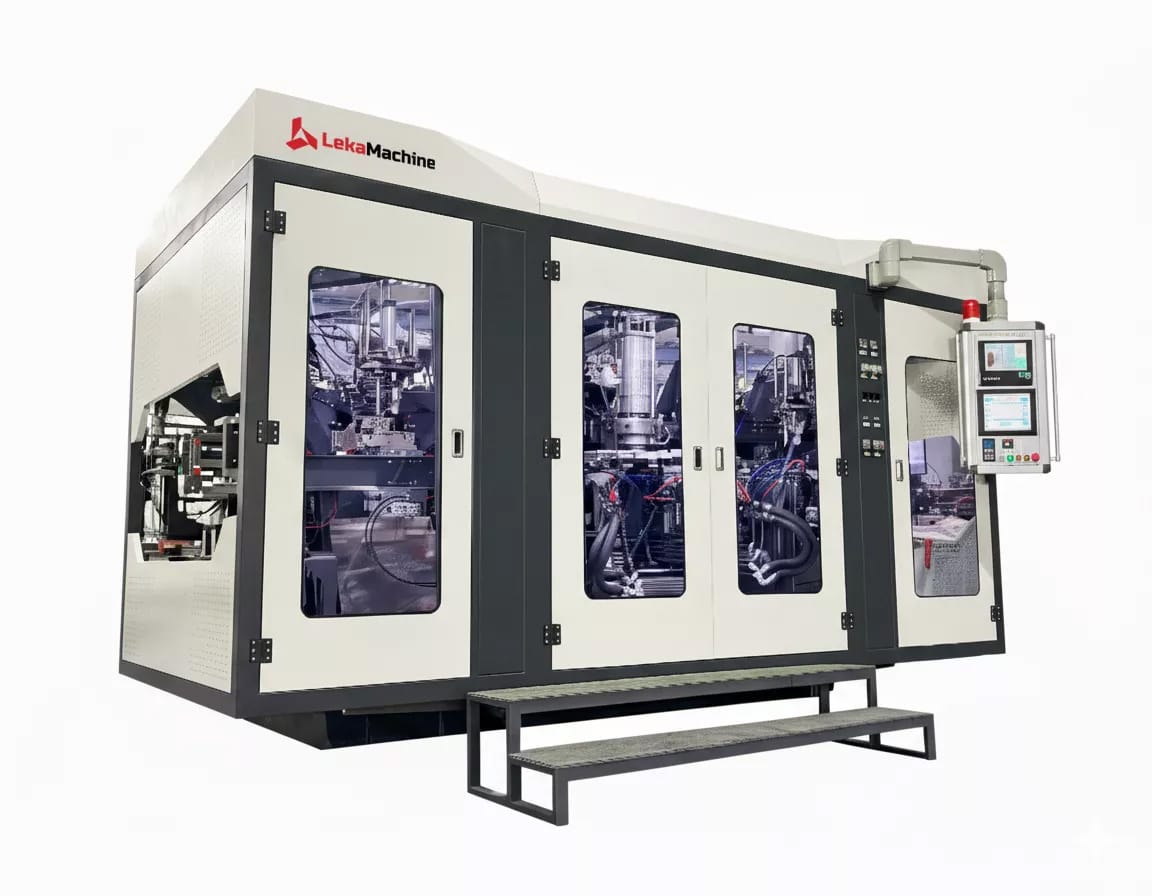
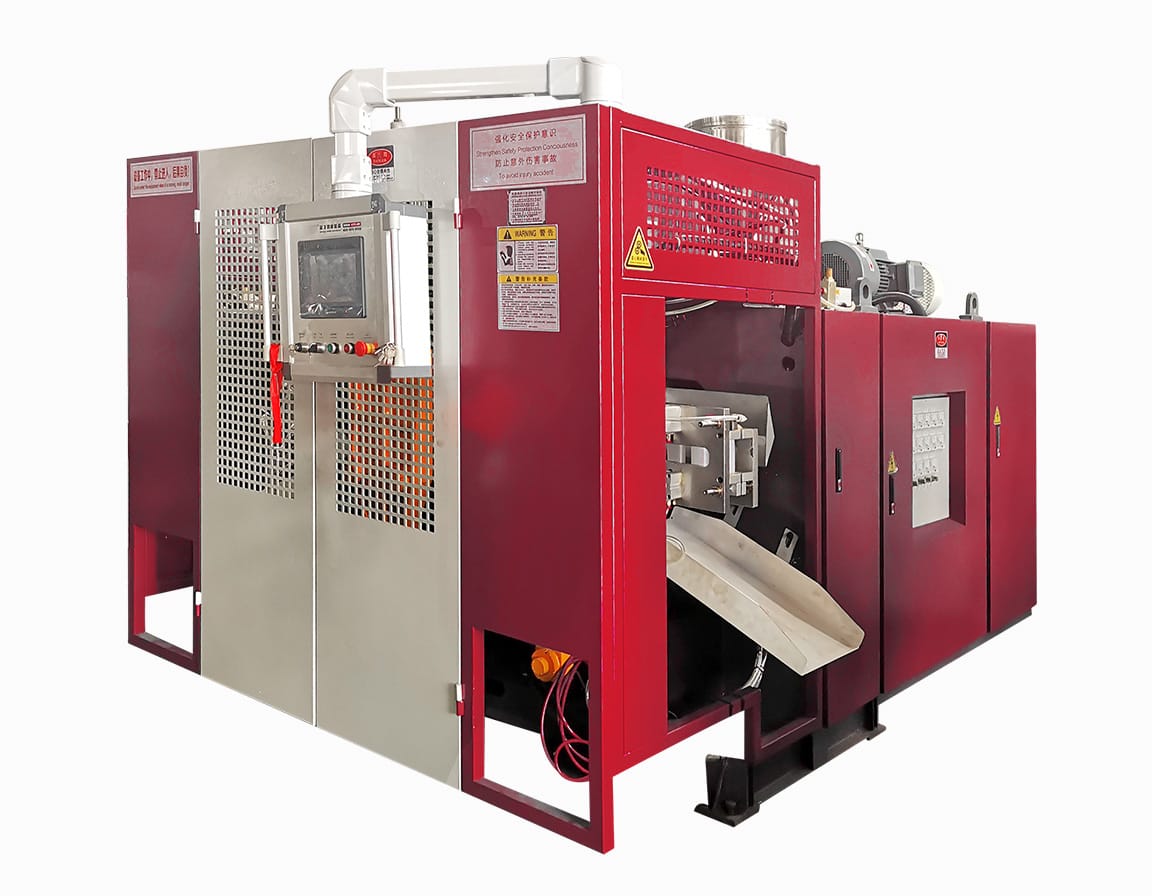
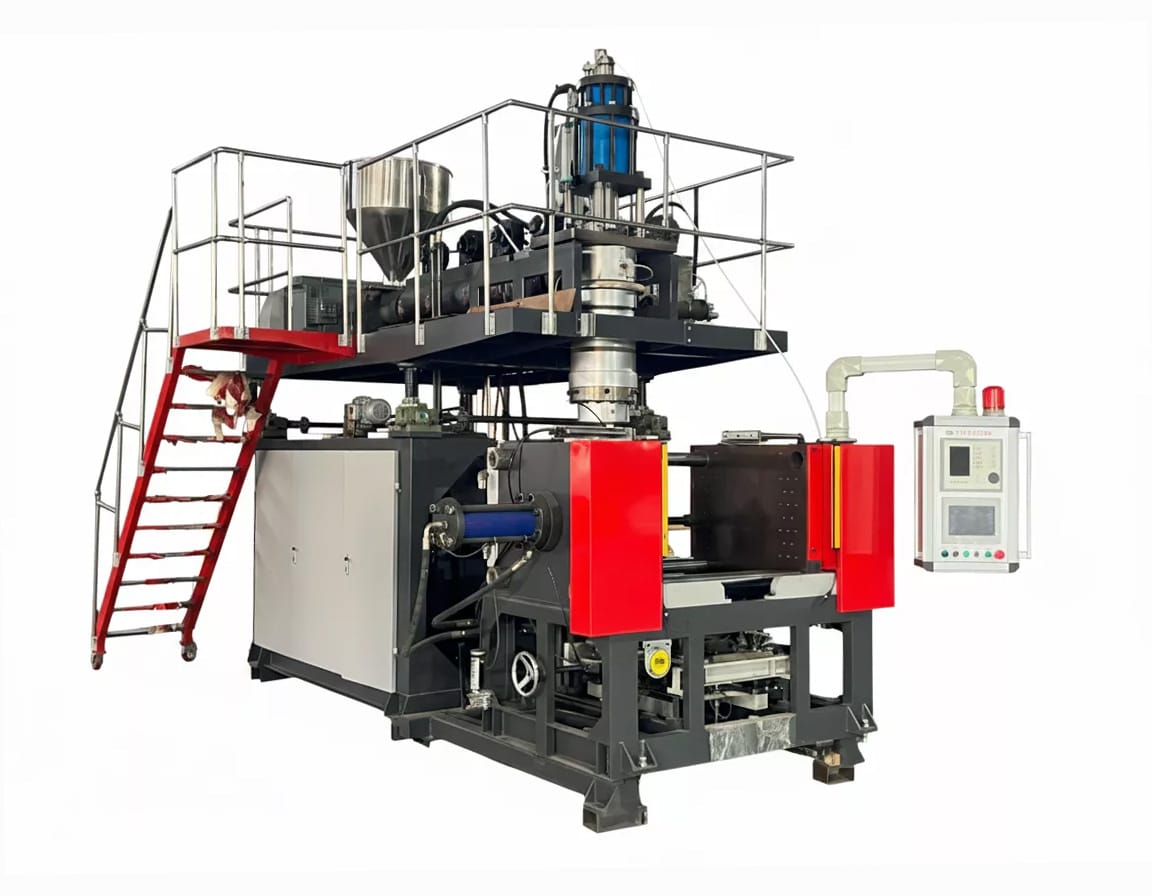
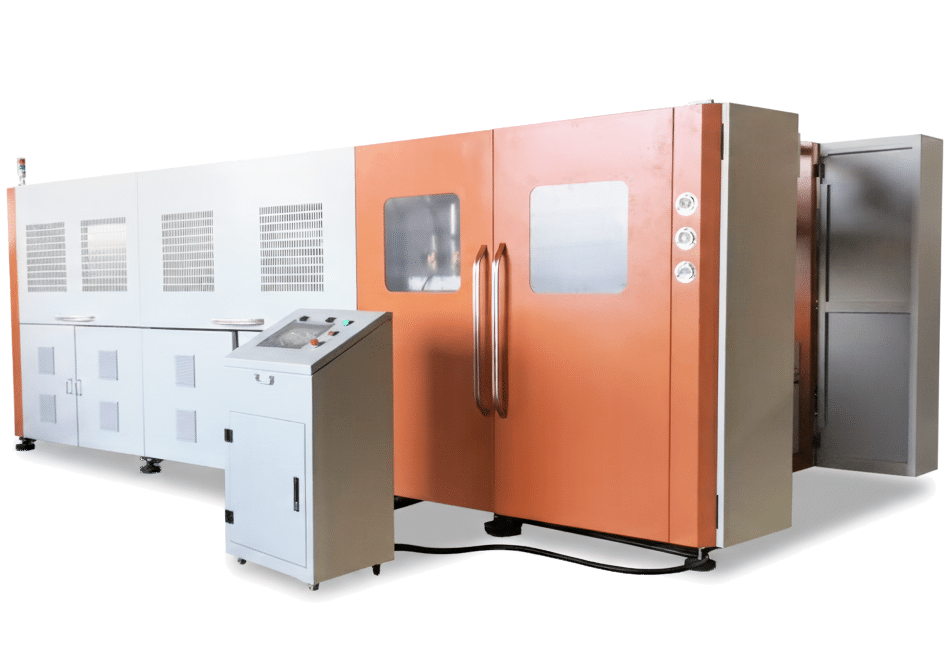
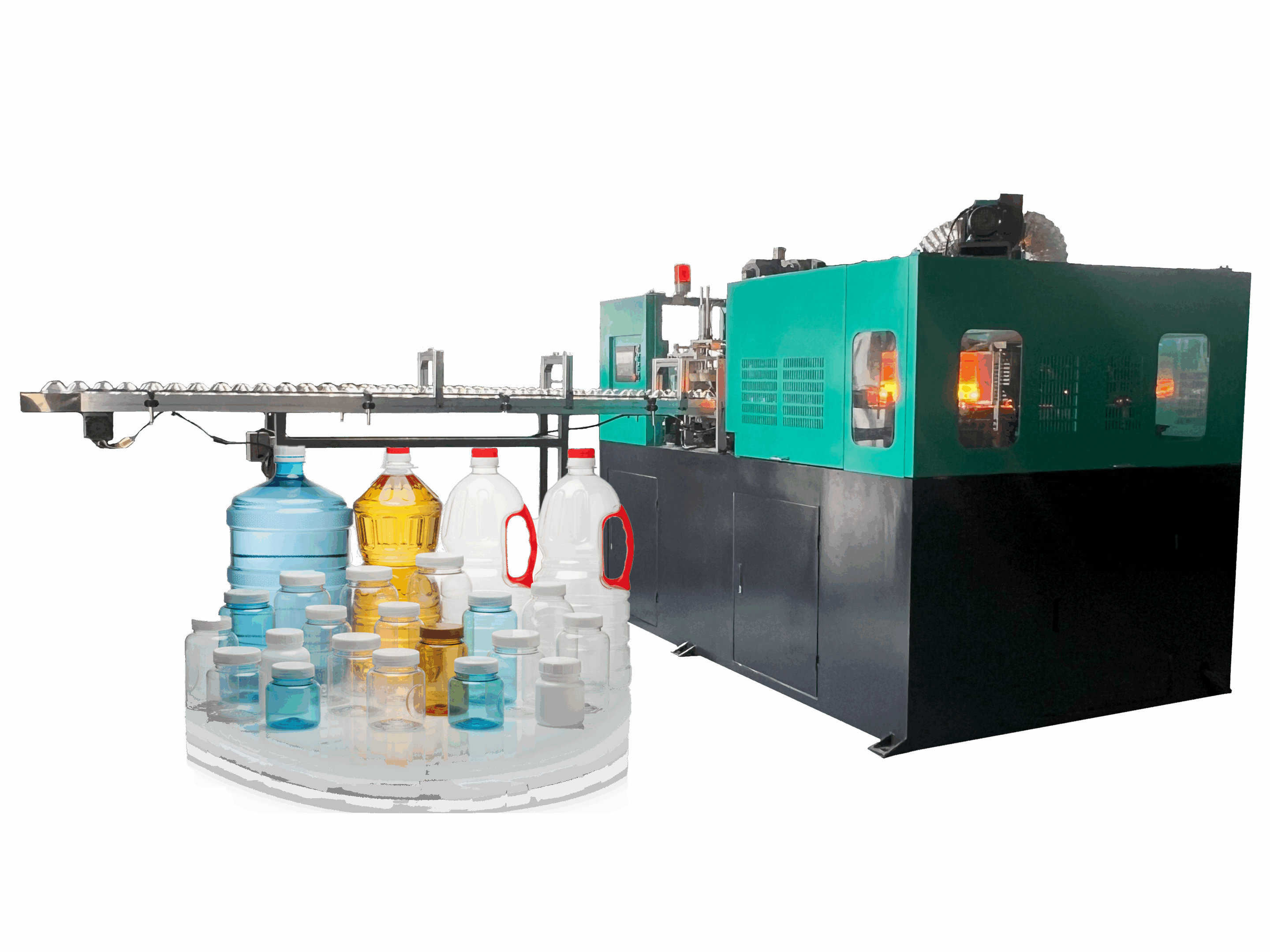
How can I conduct an "apples-to-apples" comparison when facing all-electric extrusion blow molding machine suppliers with significant price differences?
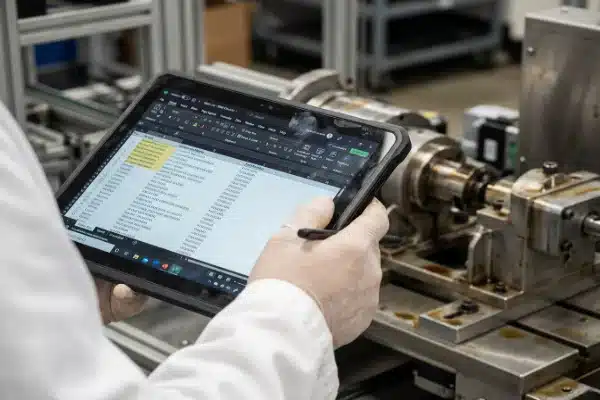
At our factory, we often see clients puzzled by quotes ranging from $100k to $200k for "identical" machines. It is frustrating when you cannot spot the hidden cost-cutting that leads to future breakdowns.
To conduct a true comparison, audit the "Maker List" for specific component brands rather than generic descriptions. Demand a "Production Cycle" guarantee instead of "Dry Cycle" speeds, verify if safety fencing is included, and compare frame weight as a proxy for vibration dampening and long-term stability.
Let’s break down the technical details so you can spot the differences.
How do I verify the brand and quality of the servo systems used?
When we calibrate our flight controllers, we know generic motors fail quickly. A cheap servo system ruins your precision, leading to endless scrap and downtime headaches for your operations team.
flight controllers 1
Request a detailed Bill of Materials listing specific model numbers for all servo motors, not just the controller brand. Verify if the quote includes an Active Front End for energy regeneration and demand the "L10h" life calculation for ball screws to ensure durability exceeds ten years.
The "European System" Trap
One of the most common tricks we see in budget quotes is the phrase "European Servo System." Often, this means the supplier uses a high-quality controller (like a generic European PLC) but pairs it with unbranded, white-label motors. This mismatch causes communication lag and lower precision.
You must demand a BOM "Maker List" Audit. Do not accept vague descriptions. You need to know if the "European" claim applies to the entire drive train or just the screen you touch.
Critical Component Checklist
To ensure you are paying for quality, ask for these specific details in your quote comparison:
Table 1: Servo System Verification Checklist
| Componente | Budget Quote Description (Red Flag) | Premium Quote Requirement (Green Flag) |
|---|---|---|
| Servo Motor | "High-speed Servo" or "European Brand" | Specific Brand & Model (e.g., Siemens 1FK7, B&R 8LS) |
| Drive Technology | "Energy Saving System" | Active Front End (AFE) or Common DC Bus (Recycles braking energy) |
| Ball Screws | "Precision Ball Screw" | Brand + L10h Life Calculation (Proof of 10+ year lifespan) |
| Resfriamento | "Fan Cooling" | Integrated Cabinet A/C (Essential for servo longevity) |
Climate Control Matters
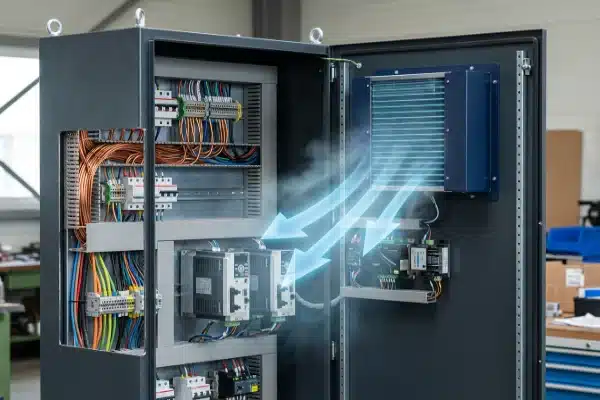
Electric machines generate significant heat inside the electrical cabinet. Simple fans are rarely enough in a hot production environment. We always install Integrated Air Conditioners (A/C) in our cabinets. Without active cooling, the lifespan of sensitive servo drives drops drastically. If a supplier saves $500 here, you might pay $5,000 later to replace a fried drive.
The Regenerative Energy Question
Ask if the machine features Active Front End (AFE) technology. When a heavy mold closes and stops, it generates energy. A cheap machine burns this off as waste heat through braking resistors. A quality machine recycles this energy back into the grid. This difference alone can impact your electricity bill by 10-15%.
Does the quote include necessary safety guarding and CE compliance?
In our experience exporting to Europe, safety isn’t optional. Ignoring compliance risks heavy fines or shut-downs if an operator gets injured by unguarded clamping units.
Explicitly verify if the "CE Compliance" line item covers physical hardware like rear guarding, interlocked gates, and fencing. Budget suppliers often list these as expensive "optional extras." Ensure the machine meets EN 422 standards to prevent liability issues and ensure operator safety during production.

The "Option" Trap
We often review competitor quotes where the price looks incredibly low. However, upon closer inspection, we find that essential safety items are listed as "options."
In the European Union and North America, safety guarding is not a luxury; it is the law. A budget supplier might quote a "bare" machine. This leaves you to pay extra for:
- Rear guarding.
- Interlocked gates.
- Safety fencing around the robot take-out.
CE Compliance vs. Physical Reality
A CE sticker is easy to print. Real compliance is harder to build. You must ask: "Does this quote include physical safety fencing and interlocked gates?"
If a machine does not stop immediately when a gate is opened, it is not compliant. Budget quotes frequently omit the hard fencing or charge it as an extra cost.
Logic and Control Safety
Safety is also about software logic.
- Emergency Stops: These must be hard-wired, not just software signals.
- Gate Logic: The machine must not be able to reset or start if a safety gate is open.
Table 2: Safety Feature Comparison
| Recurso | What to Look For | Why It Matters |
|---|---|---|
| Rear Guarding | Solid metal or heavy mesh fencing. | Prevents access to high-voltage or moving parts from behind. |
| Interlocks | Keyed safety switches (e.g., Euchner, Schmersal). | Ensures machine stops antes a hand can reach danger. |
| Certification | Declaration of Conformity to EN 422. | Specific standard for blow molding machines, not just general machinery. |
If a supplier cannot explain their safety logic or charges extra for basic fencing, they are likely cutting corners that could lead to a lawsuit.
fatigue 2
Am I comparing the same mold cavitation and cycle time guarantees?
We frequently test competitor claims and find "theoretical" speeds misleading. Relying on false output promises destroys your ROI and leaves you missing critical delivery deadlines.
Cast Iron 3
Do not accept "Dry Cycle" times, which only measure machine movement without plastic. Demand a "Production Cycle Time" guarantee that accounts for cooling and parison drop speed. Ensure both suppliers quote the exact same mold cavitation to calculate the true cost per bottle produced.
Dry Cycle vs. Production Reality
Suppliers love to quote "Dry Cycle" time. This is how fast the machine moves when empty. It is a vanity metric.
You need a Process Guarantee. This accounts for:
- Parison Drop Speed: How fast the plastic falls (gravity limits this).
- Cooling Time: The physics of cooling plastic (the longest part of the cycle).
- Mold Movement: The actual open/close time.
If Supplier A quotes a 3-second dry cycle but your bottle needs 12 seconds to cool, the machine speed is irrelevant.
Parison 5
Screw Specific Output
Look at the extruder data. You want to compare "Specific Output" (kg/hr per RPM).
- Superior Machine: Delivers required output at 50-60% of max RPM. This preserves screw life and plastic quality.
- Cheap Machine: Must run at 95% capacity to match that output. This overheats the plastic (shear heat) and wears out the screw quickly.
Tie-Bar Daylight Checks
We often see clients buy a machine based on platen size, only to find their mold does not fit. You must check the Tie-Bar Daylight—the space between the bars.
Ensure the "Maximum Mold Size" in the quote accounts for this clearance. If you plan to run high-cavitation molds (like 8 or 10 cavities), the mold width is often the limiting factor, not the clamping force.
safety fencing 6
Critical Thinking: The Output Formula
Use this formula to normalize quotes:
True Cost = Total Machine Price / (Guaranteed Bottles Per Hour)
Table 3: Output Efficiency Analysis
| Especificação | Supplier A (Budget) | Supplier B (Premium) | Notas |
|---|---|---|---|
| Quote Price | $120,000 | $150,000 | Supplier A looks cheaper. |
| Métrico | "Dry Cycle" (2.5s) | "Production Cycle" (12s) | Supplier A is hiding reality. |
| Real Output | 2400 bph (Theoretical) | 2400 bph (Guaranteed) | |
| RPM Required | 95% (High Wear) | 60% (Low Wear) | Supplier B lasts longer. |
Is the machine frame weight a good indicator of build quality?
When we assemble our machines, we use heavy cast iron for a reason. Lightweight frames flex under pressure, causing mold misalignment and constant product defects.
CE sticker 7
Frame weight is a valid proxy for vibration dampening and structural integrity. Heavy Cast Iron platens resist the snap-action torque of electric servos better than welded steel. A heavier frame prevents fatigue and maintains mold alignment, ensuring consistent wall thickness over years of operation.
Weight Equals Stability
Electric machines are snappy. The servo motors accelerate and stop instantly. This creates high torque forces. If the frame is too light, the whole machine shakes.
- Cast Iron vs. Welded Steel: We prefer Cast Iron platens. They absorb vibration naturally. Welded steel frames are cheaper but tend to "ring" or vibrate like a bell.
- Fatigue: Over millions of cycles, a light frame will fatigue. This leads to cracks and misalignment.
Lubrication Automation Gap
Heavy frames imply heavy duty. But moving heavy metal requires grease.
- Hydraulic Machines: Often self-lubricating (oil is everywhere).
- Electric Machines: Have dozens of dry friction points.
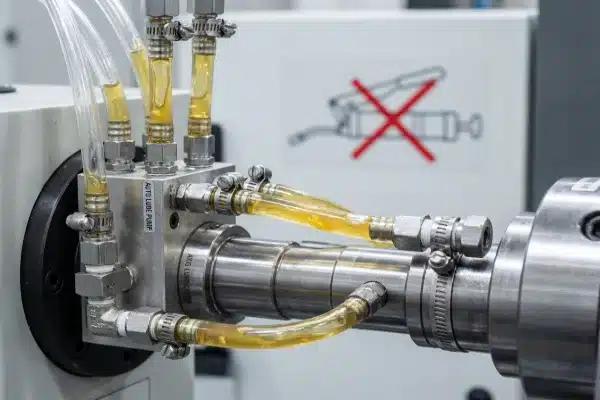
Check the quote for a Centralized Automatic Lubrication System.
- Budget Quote: Often relies on manual grease zerks. Will your operator really climb inside the machine every week to grease 40 points? If they miss one, a ball screw fails.
- Quality Quote: Includes an auto-lube pump that greases all axes automatically.
Evaluating the Frame
Don’t just look at the total weight. Look at where the weight is.
- Are the platens thick?
- Are the linear guide rails sized correctly for the load?
A machine that is 20% lighter is likely missing material in the clamping unit. This results in "platen deflection." When the mold closes, the center bows out. This causes flash on your bottles and forces you to use higher clamping pressure, wasting energy.
servoacionamentos 9
Conclusão
Don’t let price dictate your choice. Verifying specific components, safety features, and production guarantees ensures you invest in long-term reliability rather than a future headache.
PLC 10
Notas de rodapé
- Defines the electronic component used in the introductory analogy. ↩︎
- Explains the structural failure mechanism from repeated stress. ↩︎
- Details the material properties including vibration damping. ↩︎
- Describes the defect caused by mold misalignment or deflection. ↩︎
- Defines the molten plastic tube essential to the process. ↩︎
- Authoritative guidelines on physical barriers for machinery safety. ↩︎
- Official EU resource explaining the conformity marking requirements. ↩︎
- Explains the component used to dissipate excess energy. ↩︎
- Defines the electronic amplifiers that power electric motors. ↩︎
- Explains the industrial computer system used for machine control. ↩︎



0 comentários