

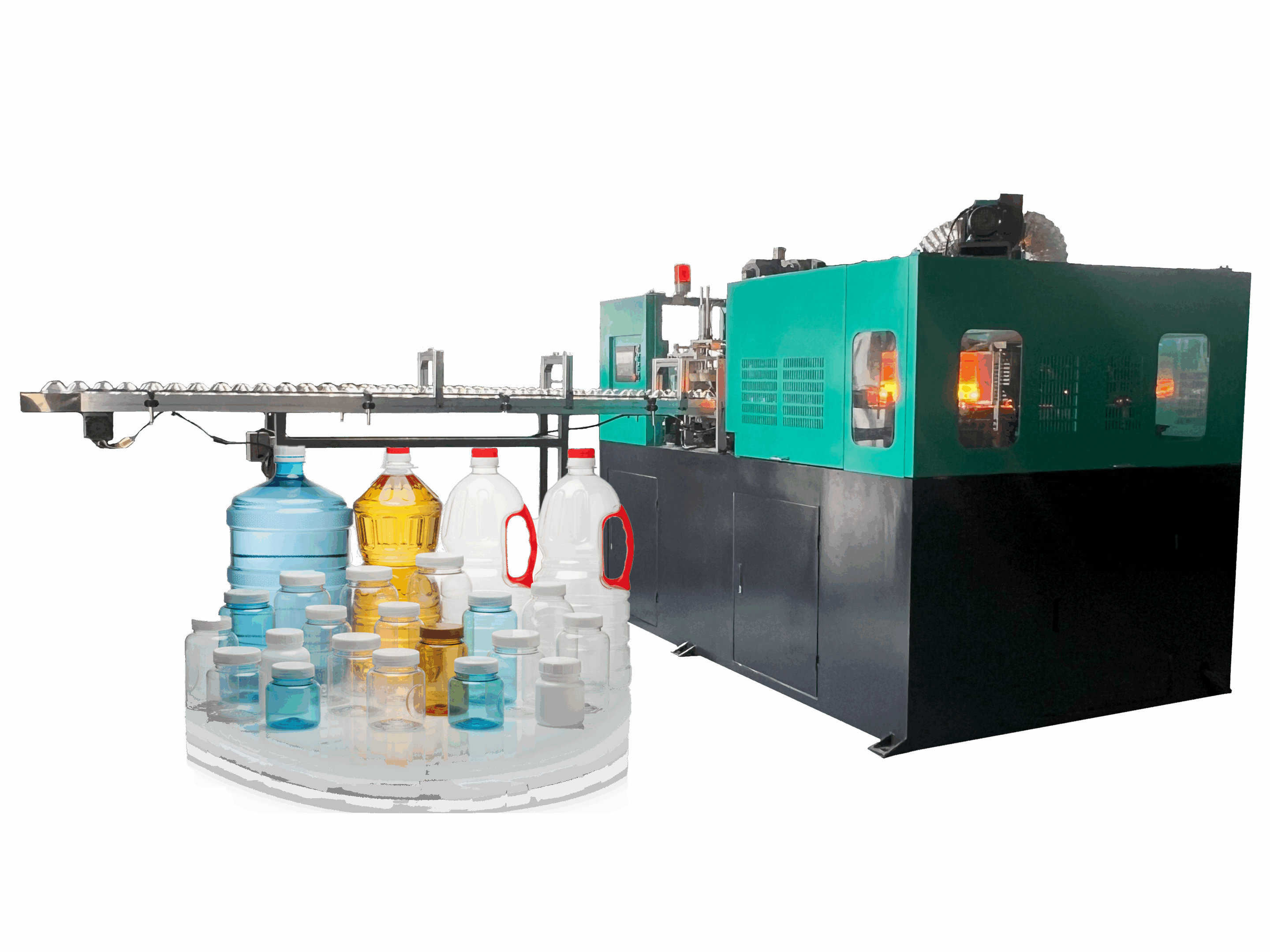
FDA & EFSA Standards: How Do I Ensure My Blow Molding Machine is Compliant?

When we design production lines for our clients in the food sector, the fear of a safety recall is always a primary topic. We know that failing a safety audit can destroy a brand’s reputation overnight.
Food safety compliance does not mean the machine itself is "FDA approved," as regulations focus on the final product. Instead, you must ensure that all contact surfaces are food-grade alloys, lubricants are NSF H1 registered, and compressed air meets ISO 8573-1 standards to prevent physical or chemical contamination.
Navigating the complex web of US and EU regulations can feel overwhelming. Let’s break down exactly what you need to look for in your equipment to sleep soundly at night.
What Are the Critical Machine Requirements for Producing Food-Contact Safe Plastic Bottles?
Our engineering team often spends weeks selecting the right steel alloys to ensure no heavy metals leach into the plastic melt during high-temperature extrusion.
Critical requirements involve using corrosion-resistant alloys for screws and barrels to prevent heavy metal migration. Additionally, the machine design must eliminate "dead spots" in the extruder where polymer can stagnate and degrade, preventing the formation of harmful non-intentionally added substances (NIAS) in your bottles.

Specific Migration Limits (SML) 1
The Danger of "Dead Spots" in Extrusion
When we talk about food safety in blow molding, the geometry of the machine is just as important as the material it is made of. In the European Union, Commission Regulation (EC) No 2023/2006 on Good Manufacturing Practice (GMP) is mandatory. This regulation dictates that equipment must be designed to prevent material stagnation.
Imagine cooking sauce in a pan. If you don’t stir the corners, the sauce burns. In an extruder, these "burnt" areas are called dead spots. If your machine design includes sharp corners or poor flow channels in the extrusion head, polymer will get stuck there. Over time, this trapped plastic degrades and breaks down chemically.
Acetaldehyde (AA) 2
This degradation creates Non-Intentionally Added Substances (NIAS). These are unpredictable chemicals that were not in your original resin recipe but are now in your bottle. If a health inspector finds NIAS in your packaging, you could face a recall. We design our flow channels to be streamlined to ensure the plastic melt is constantly moving and flushing through the system.
Material Selection: It’s Not Just Steel
You cannot use just any metal for the parts that touch the hot plastic. The screw, barrel, and extrusion head are constantly rubbing against abrasive plastic at high temperatures. If the steel is low quality, microscopic particles of heavy metals (like chromium or nickel) can migrate into the plastic.
We use specific corrosion-resistant alloys for these components. This is not just for durability; it is a food safety requirement.
Recycled PET (rPET) 3
Compliance Checklist for Machine Surfaces
To help you evaluate your current or future equipment, here is a breakdown of what to look for regarding machine construction surfaces.
| Machine Component | Fator de risco | Requisito |
|---|---|---|
| Extrusion Screw | Metal migration due to wear. | Must be bimetallic or coated with food-safe hardened alloys. |
| Die Head / Nozzle | Stagnation and NIAS formation. | Streamlined flow design with no sharp corners (Dead Spot Free). |
| Mold Surface | Coating flaking off into bottles. | High-quality chrome plating or stainless steel; no loose coating. |
| Hopper/Loader | Contamination from dust. | Stainless steel construction with easy-clean access doors. |
How Can I Prevent Lubricant and Air Contamination During the Blow Molding Process?
We frequently advise our clients that the air touching the inside of the hot parison is technically a food ingredient and must be treated with the same care as the plastic resin itself.
European Food Safety Authority (EFSA) 4
To prevent contamination, replace standard mineral oils with NSF H1 food-grade lubricants for all incidental contact points. Furthermore, your pneumatic system must utilize multi-stage filtration to achieve ISO 8573-1 Class 1 air quality, ensuring no oil vapor or particulates enter the bottle during the blowing phase.

FDA indirect food additive regulations 5
Compressed Air is a "Hidden" Ingredient
Many factory owners overlook compressed air. In blow molding, high-pressure air forces the plastic against the mold walls. This air comes into direct contact with the inner surface of the bottle—the exact surface that will touch the water, juice, or milk.
If your air compressor leaks oil, or if the air lines are rusty, those contaminants are blasted directly into your food packaging. Regulations define this air as a Food Contact Medium.
To comply with high standards, you generally need to meet ISO 8573-1 Class 1 purity. This usually involves:
- Oil-Free Compressors: Eliminating the source of oil risk entirely.
- Active Carbon Filters: To remove oil vapors.
- Desiccant Dryers: To remove moisture that promotes bacteria growth in the pipes.
The Hydraulic Leak Nightmare
Traditional hydraulic blow molding machines are powerful, but they pose a massive risk for food safety. A burst hose or a weeping seal can spray hydraulic fluid everywhere. If that fluid gets onto the mold or the parison, the product is ruined.
This is a critical control point (CCP). If you are using hydraulic machines, you deve use food-grade hydraulic fluids (NSF H1). However, these fluids are expensive and can have lower performance properties.
Why We Suggest Electric Machines
At our factory, we see a strong shift toward all-electric machines for food packaging. By removing the hydraulics entirely, you remove the risk of oil contamination. It acts as a supreme engineering control. You no longer have to worry about a seal failing and contaminating a batch of baby food bottles.
Lubricant Classifications You Must Know
It is vital to understand the difference between lubricant ratings. Using the wrong grease on a toggle pin could violate safety codes.
| Grade | Definition | Application in Blow Molding |
|---|---|---|
| NSF H1 | Incidental Food Contact. | Lubricants used on mold clamps, toggle systems, and stretching rods where accidental contact might occur. |
| NSF H2 | No Food Contact allowed. | Used in the back of the machine, motors, or areas physically shielded from the production zone. |
| NSF H3 | Soluble Oils. | Used strictly for cleaning or rust prevention on hooks/trolleys, rarely for machine lubrication. |
Do I Need Specific Certifications for My Blow Molding Equipment to Export to the US or EU?
When we prepare documentation for our export machines, we focus on proving "process validation" capability, because regulatory bodies certify the final plastic article, not the machine hardware itself.
heavy metals 6
While the machinery itself does not receive "FDA certification," it must support your ability to produce compliant packaging. This includes adhering to GMP standards for the EU and ensuring all machine components contacting the polymer stream utilize materials that meet FDA indirect food additive regulations.

non-intentionally added substances (NIAS) 7
Understanding the Regulatory Landscape
A common misconception is that you can buy an "FDA Certified Machine." The FDA does not certify machinery. The FDA certifies the materiais (the resin, the colorant) and the process.
However, your machine is the tool that ensures the process stays safe. If you are exporting to the US or EU, your buyer will ask for documentation proving the machine will not "adulterate" the product.
Commission Regulation (EC) No 2023/2006 8
The Role of Traceability and rPET
If you are using Recycled PET (rPET), the rules become much stricter. The European Food Safety Authority (EFSA) requires that the recycling process be validated to remove contaminants.
If your blow molding machine includes the extrusion step (like in single-stage machines), your machine is part of that decontamination process. You must be able to prove:
- Melt Temperature: Was it hot enough to kill bacteria and volatilize chemicals?
- Tempo de permanência: Was the plastic in the extruder long enough to be cleaned?
- Vacuum Level: Was the vacuum strong enough to pull out volatiles?
Modern machines must have Digital Traceability. Our control systems log these parameters for every batch. This data acts like a "Certificate of Analysis." If a problem arises six months later, you can pull the logs and prove that the machine was operating within safe limits.
Acetaldehyde (AA) Control
For water bottle manufacturers, Acetaldehyde (AA) is a major chemical safety hazard. AA is generated when PET is overheated or sheared too hard. It gives water a sweet, plastic taste.
Compliance here requires hardware solutions. We use specialized Low-Shear Screws. These screws melt the plastic gently. If your machine uses a standard aggressive screw, you will generate high levels of AA. This might cause you to exceed the Specific Migration Limits (SML) set by regulations.
Vision Inspection as a Safety Control
Finally, relying on human eyes is not enough for food safety. We integrate automated vision systems not just for quality, but for safety.
These cameras look for "Black Specks." A black speck is usually carbonized plastic that broke off from a dead spot in the extruder. These specks are signs of degraded polymer, which can leach prohibited substances. The vision system must be validated to automatically reject these bottles, ensuring they never reach the filling line.
ISO 8573-1 standards 9
Key Documentation for Auditors
When an auditor visits your factory, they will ask for specific documents regarding your machine. Ensure you have these ready.
| Document Type | Finalidade | Por que isso importa |
|---|---|---|
| Material Certificates | Proof of steel/alloy composition. | Proves screws/barrels won’t leach heavy metals. |
| Lubricant List | List of all greases used. | Proves only NSF H1 lubes are near the mold. |
| FAT Checklist | Factory Acceptance Test records. | Proves the machine met safety specs before shipping. |
| Process Logs | Temp/Pressure/Vacuum history. | Proves rPET decontamination parameters were met. |
Conclusão
To ensure compliance, focus on food-grade alloys, NSF H1 lubricants, ISO 8573-1 air quality, and strict process control. A capable machine protects your product and your business reputation.
Would you like me to review your current machine specifications to identify potential food safety compliance gaps?
NSF H1 registered 10
Notas de rodapé
- EU Commission page explaining migration limits in legislation. ↩︎
- Standard encyclopedic definition of the chemical compound. ↩︎
- Wikipedia entry specifically covering PET bottle recycling. ↩︎
- Official website of the regulatory body mentioned. ↩︎
- Official FDA page on packaging and contact substances. ↩︎
- Wikipedia overview of heavy metals and their toxicity. ↩︎
- Authoritative definition of NIAS in food packaging. ↩︎
- Official legal text of the cited EU regulation. ↩︎
- Official ISO standard page for compressed air purity. ↩︎
- Official NSF page regarding nonfood compound registration. ↩︎


0 comentários