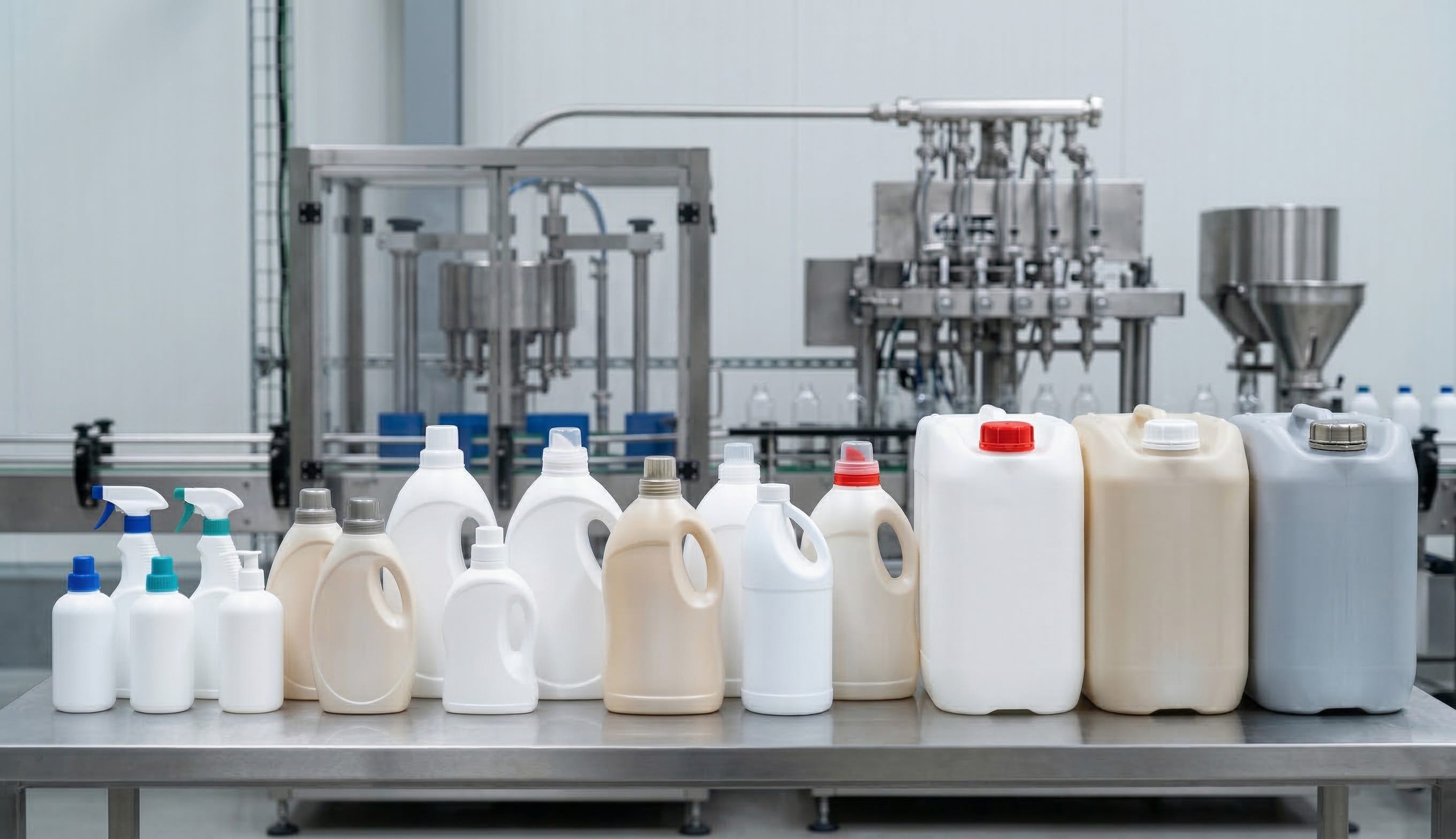
Filling Machines For Daily Chemical, Oil, And Personal Care Packaging Projects
LEKA supports buyers with hot-selling LKFL standard filling models and a practical route for customized projects that need higher output, different bottle types, or broader downstream packaging coordination.
- Built around real LKFL hot-selling mass-production models
- Suitable for detergent, edible oil, lotion, shampoo, and body wash discussion
- Supports standalone filling machines and broader packaging-line planning
- Keeps a clear route open for custom bottle formats and higher-capacity requests
Six Practical Filling Machine Routes for Standard Models and Customized Projects
This section highlights the LKFL hot-selling filling machine routes while also keeping a clear custom project entry for buyers who need different bottle handling, higher output, or broader packaging-line matching.
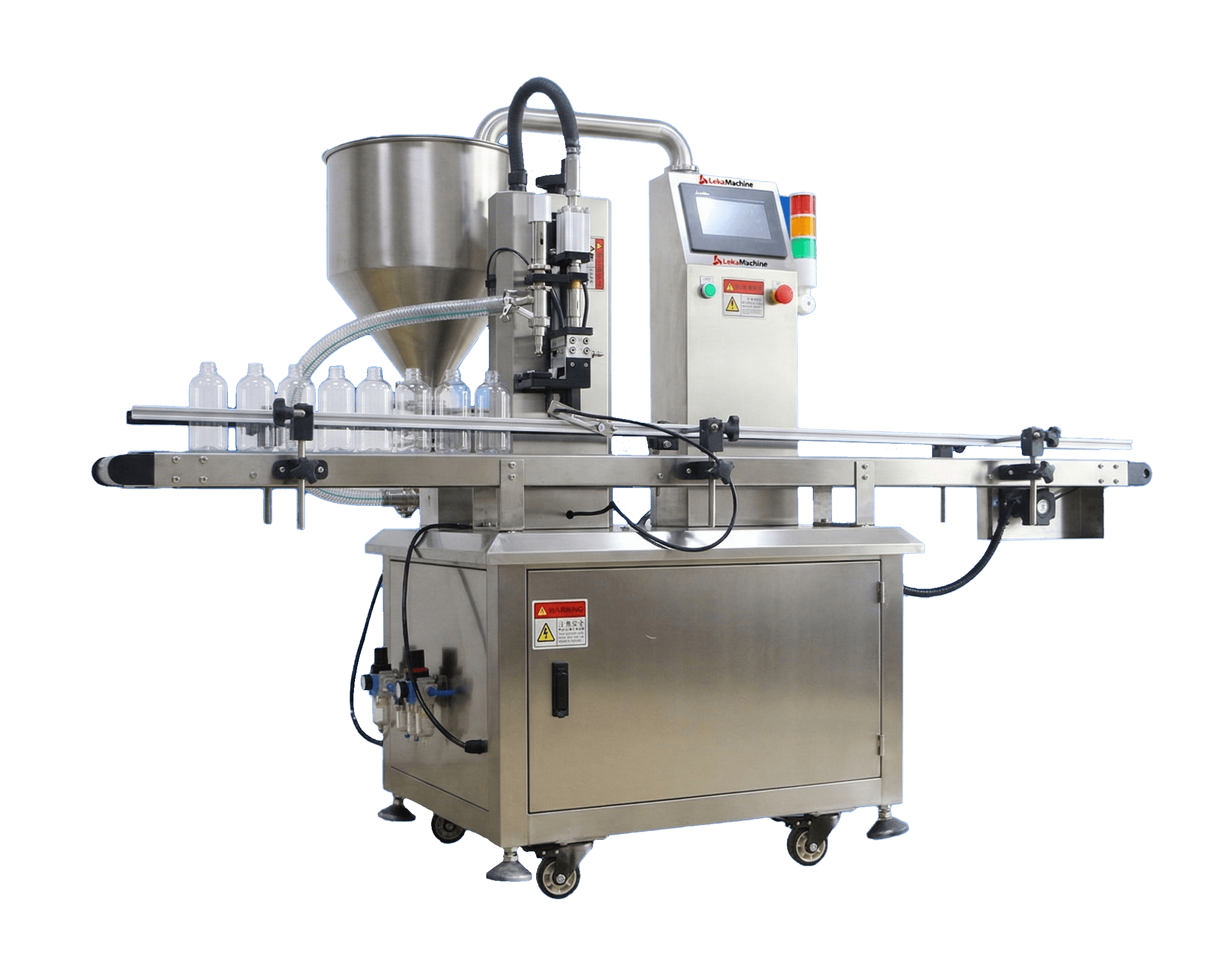
LKFL-1H Single-Head High-Speed Filling Machine
This route is suitable for smaller-volume projects, pilot production, and buyers who want a practical single-head entry machine before expanding into broader automatic filling arrangements.
LKFL-2HF Automatic Double-Head Following Filling Machine
This type is a practical automatic route for buyers who already know the bottle direction and now need a more stable, production-ready filling setup for standard liquid products.
LKFL-4HF Automatic Four-Head Following Filling Machine
This is a strong commercial route for buyers who want a more productive standard automatic filling machine without moving straight into the highest-capacity production range.
LKFL-6HF Automatic Six-Head Following Filling Machine
This direction is better suited to buyers pushing toward faster production and stronger downstream coordination with capping, labeling, packing, and line planning.
LKFL-8HFL Automatic Eight-Head Following Filling Machine
This is the stronger standard route for buyers aiming at faster production, larger output, and a more complete transition into integrated packaging-line planning.
Custom Filling Machine Project Route
Some buyers need more than a standard LKFL hot-selling model. This route is intended for higher output, different bottle shapes, special neck finishes, and broader packaging-line coordination that should be matched around the real project inputs.
Choose the Filling Route by Product and Project Type
After selecting a standard model direction, buyers still need a practical route based on what they are filling, how the bottle behaves on the line, and whether the project is a standalone machine purchase or part of a broader packaging system.
Detergent and Household Chemical Filling
This route is suitable for washing liquid, cleaner, disinfectant, softener, and similar chemical products where bottle handling, anti-drip control, and downstream cap-label matching matter from the start.
- Plastic detergent bottles and household chemical packs
- Projects that need filling plus capping and labeling discussion
- Buyers comparing standard machine entry versus broader packaging-line matching
Edible Oil Bottle Filling
This route is more suitable for edible oil packaging projects where bottle size, cap style, label presentation, and secondary packing all need to stay aligned across the line.
- Retail edible oil bottles and handled pack formats
- Projects where cap and label logic affect the filling machine selection
- Customers who need a clearer route into integrated packaging discussion
Shampoo, Lotion, and Body Wash Filling
This route fits projects that need cleaner bottle presentation, stable cap matching, and practical changeover support across multiple personal care SKUs.
- Lotion, shampoo, body wash, liquid soap, and similar products
- Projects where bottle shape and cap type influence the equipment route
- Buyers comparing standard filling models with more tailored setup needs
Special Bottle, Higher Capacity, or Tailored Filling Project
Not every project should be forced into a standard model. This route keeps space for buyers who need different bottle types, more output, special handling, or integrated downstream planning.
- Different bottle shapes and special neck finishes
- Higher-capacity projects beyond the standard hot-selling comfort zone
- Projects that should start from samples, testing, and technical review first
Build Confidence Before the Buyer Sends an RFQ
A stronger filling machine page should not stop at model names. It should also show that LEKA can support project clarification, test review, delivery preparation, startup discussion, and practical follow-up after shipment.
Use Real Project Logic Instead of Generic Trust Claims
Serious filling machine buyers usually need more than a machine list. They need confidence that the supplier can help confirm bottle fit, filling route, downstream compatibility, startup logic, and practical delivery support before the project moves forward.
- Better suited to buyers comparing suppliers beyond one machine photo
- Helps qualify the inquiry before quotation discussion starts
- Supports standalone machine and broader packaging-line projects
RFQ Review First
Ask for product type, bottle reference, cap style, target output, and packaging requirement before recommending a route.
- Improves quotation quality
- Reduces repeated back-and-forth
- Helps match standard vs custom route faster
FAT Before Shipment
Show that the project should include filling test confirmation, bottle handling review, and practical machine-check logic before delivery.
- Useful for buyer confidence
- Helps reduce launch-stage risk
- Fits stronger B2B industrial positioning
Delivery and Commissioning
Reinforce that filling projects should also consider layout, utilities, line matching, installation sequence, and startup support where agreed.
- Useful for integrated line planning
- Helps set realistic project expectations
- Supports broader packaging coordination
After-Sales Follow-Up
Keep support grounded in troubleshooting, spare parts, operator guidance, and line adjustment instead of vague service language.
- Better for real B2B trust
- Useful for ongoing production support
- More credible than broad generic claims
Questions Buyers Usually Ask Before Sending a Filling Project Inquiry
The page should help buyers move toward a useful conversation, not just leave with a product impression. These FAQs and the final RFQ block are designed to reduce low-context inquiries and make quotation discussion more efficient.
How should I choose the right filling machine route first?
The most practical starting point is to match the route by product type, bottle format, output target, and whether the project is a standalone machine purchase or part of a broader packaging line. A standard LKFL model may fit some projects, while others should start from custom discussion.
Can standard LKFL models handle different bottle shapes?
Standard models can cover part of the demand range, but final suitability still depends on the actual bottle shape, neck finish, cap style, and product behavior. For more difficult bottle formats, sample checking and technical confirmation should come first.
When should I ask for a customized filling solution instead of a standard model?
You should move into a custom route when the target capacity is higher than the common standard range, when bottle handling is more complex, when the cap or label process affects the machine choice, or when the project should be matched as a broader line instead of one isolated machine.
Can LEKA also support capping, labeling, and broader packaging line discussion?
Yes. This page focuses on filling machines, but many buyers also need cap handling, labeling, and wider packaging coordination. That is why the inquiry should include more than just a request for machine price.
Send the Key Project Information First
If the route still feels unclear, the best next step is not to guess the machine. It is to send the main project data first, so LEKA can confirm whether the project fits a standard LKFL model or should move into a more tailored filling discussion.
- Product type and whether it is free-flowing, viscous, or more difficult to fill
- Bottle or container photos, drawings, or current sample reference
- Cap style, label requirement, and whether downstream equipment should be included
- Target output, plant layout limits, and future expansion expectation
If your project involves special bottles, unusual caps, higher output, or broader packaging-line planning, mention that directly in the inquiry so LEKA can route the discussion correctly from the beginning.