
Apa Saja Detail Bea Cukai yang Harus Saya Ketahui Saat Mengimpor Mesin Cetak Tiup Ekstrusi Serba Listrik ke Eropa?

At LEKA Machine, we see many clients struggle with the complexities of EU imports. Without the right preparation, your new high-performance equipment gets stuck at the border, costing you valuable time and money instead of producing bottles.
To clear customs in Europe, you must use the 10-digit TARIC code (usually 8477 30 00 00), ensure CE compliance with the new Machinery Regulation (EU) 2023/1230, and prepare specific documents like the Declaration of Conformity. Additionally, you must verify ISPM 15 packaging and plan for VAT deferment to manage cash flow effectively.
Let’s break down the specific requirements to ensure your equipment arrives safely, legally, and without unexpected costs.
Does your machinery carry the necessary CE certification for legal entry into the European market?
Our engineering team spends months compiling technical files because we know that without a valid CE mark and proper documentation, your machine will be rejected immediately at the port of entry.
Yes, legal entry requires full CE compliance. This involves more than a sticker; it demands a valid Declaration of Conformity listing an Authorized Representative within the EU. You must ensure the machine meets the Machinery Directive 2006/42/EC and anticipates the upcoming Regulation (EU) 2023/1230 regarding cybersecurity safety.
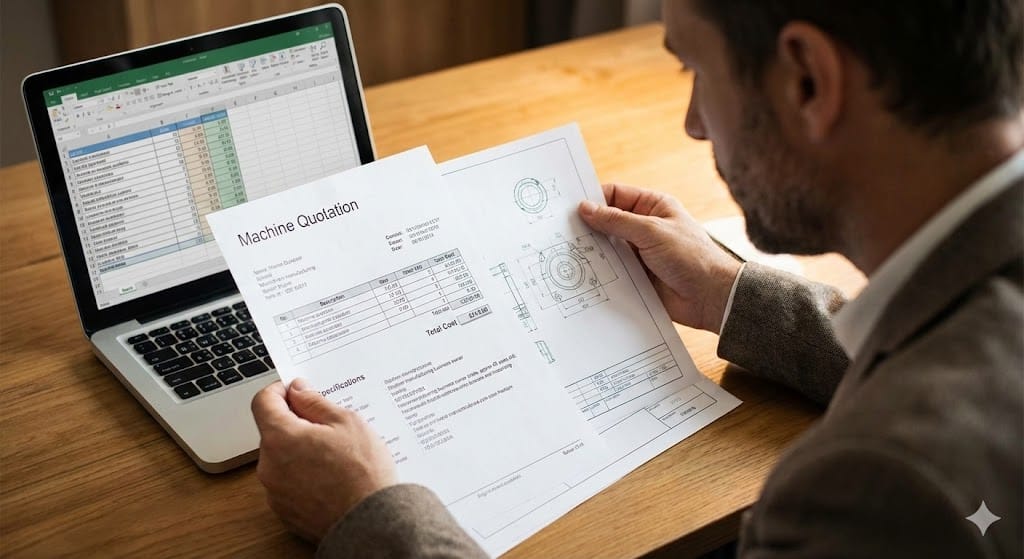
Importing into the European Economic Area (EEA) triggers the "placing on the market" rule. This means the moment our machine touches EU soil, it must be compliant. It is not enough to simply buy a safe machine; you must prove it is safe through rigorous documentation.
European Economic Area 1
The Role of the Authorized Representative
One of the most common pitfalls we see involves the Declaration of Conformity (DoC). A manufacturer outside the EU, whether in the US or China, cannot simply sign this document and ship the goods. We are legally required to appoint an Authorized Representative (AR) established within the EU. The AR’s name and physical address must appear on the DoC. Customs authorities often check for this specific detail first. If the address is missing or is not within the EU, the goods can be detained as "non-compliant."
Cybersecurity is Now a Safety Issue
The regulatory landscape is shifting. While the Machinery Directive 2006/42/EC is the current standard, the new Machinery Regulation (EU) 2023/1230 is already influencing standards. For all-electric machines like ours, which rely on sophisticated servo drives and software, cybersecurity is no longer just an IT concern—it is a safety component. If a cyberattack can manipulate a servo motor to over-pressurize a clamp, the machine is unsafe.
We recommend requesting an "IT/OT Security Declaration" in your technical file. This proves to regulators that the machine’s safety logic is protected against corruption. European authorities are becoming stricter about this "Cyber-Physical" safety nexus.
The Technical File Reality
The CE plate on the machine is just the final step. Behind it lies a massive Technical File containing risk assessments (typically per EN ISO 12100) and electrical schematics. While you do not always need to present the full file at the border, your Authorized Representative must have immediate digital access to it for 10 years.
What specific HS code should I use to calculate import duties and taxes for this equipment?
We often see clients overpay duties because they rely on generic codes provided by inexperienced shippers. In our export department, we emphasize precision to avoid border delays and unnecessary financial losses for your business.
You should use the specific HS code 8477.30 for blow molding machines. However, for EU imports, you must use the full 10-digit TARIC code, typically 8477 30 00 00. Using a truncated 6-digit code will cause your customs declaration to be rejected by automated systems.
Classification is the foundation of your import strategy. While the Harmonized System (HS) code 8477.30 is universal, the European Union requires more granularity through the TARIC system.
Harmonized System (HS) 2
Why Six Digits Aren’t Enough
If you use the standard 6-digit code on your Single Administrative Document (SAD), the automated customs systems (like ATLAS in Germany) will reject the entry. The extra digits in the TARIC code allow the EU to track specific policy measures and calculate Third Country Duty rates accurately.
Comparing Classification Levels
To help you understand the hierarchy, we have broken down the code structure below. This ensures you and your customs broker are speaking the same language.
| System | Format | Example Code | Tujuan |
|---|---|---|---|
| HS (Global) | 6 Digits | 8477.30 | Identifies "Blow Molding Machines" globally. |
| CN (EU) | 8 Digits | 8477 30 00 | Used for EU export/import statistics. |
| TARIC (EU) | 10 Digits | 8477 30 00 00 | Determines specific duties, suspensions, and anti-dumping measures. |
Binding Tariff Information (BTI)
For high-value capital equipment, uncertainty is a risk you cannot afford. If there is any doubt—for example, if you are importing a complex system with auxiliary chillers—we suggest applying for Binding Tariff Information (BTI). This gives you a legal decision from customs on the correct classification, valid for three years. It protects you from retroactive duty demands during an audit.
Accurate Invoice Descriptions
Your Commercial Invoice must be explicit. Do not just write "Machinery." You should specify "All-Electric Extrusion Blow Molding Machine." The term "All-Electric" signals a high-tech asset and distinguishes it from older hydraulic models or different molding processes. This clarity helps customs officers validate the value and classification quickly.
Which documents must be prepared to ensure a smooth customs clearance process at the border?
When we prepare a shipment, our logistics team double-checks every paper. A single missing signature or a vague description on an invoice can leave your machine stranded in a bonded warehouse, racking up storage fees.
ISPM 15 standards 3
The mandatory document packet includes the Commercial Invoice with a precise description, the Packing List, the Bill of Lading, and the Single Administrative Document (SAD). Crucially, you must present the EC Declaration of Conformity signed by an EU Authorized Representative and proof of valid EORI registration.
The physical arrival of the machine is the stress test for all your paperwork. Customs clearance requires a perfect match between your documents and the cargo.
Single Administrative Document 5
The Vital "Three-Way Match"
Customs authorities look for consistency. The gross weight on your Packing List must match the Bill of Lading exactly. The value on the Commercial Invoice must align with your Customs Value Declaration. Any discrepancy leads to delays.
Below is a checklist of the critical documents you must have ready before the ship docks:
TARIC system 6
| Document | Persyaratan Utama | Strategic Value |
|---|---|---|
| Commercial Invoice | Must state "All-Electric Extrusion Blow Molding Machine" & Incoterms. | Basis for duty and VAT calculation. |
| Packing List | Must match Bill of Lading weights exactly. | Used for physical customs inspections. |
| Bill of Lading (B/L) | "Shipped on Board" date and Consignee details. | Proof of ownership and release trigger. |
| Declaration of Conformity | Signed by EU Authorized Representative. | Proves regulatory safety compliance (CE). |
| Single Administrative Document | Box 33 must have the 10-digit TARIC code. | The official legal declaration. |
Managing Import VAT
Importing a machine worth €500,000 can trigger an immediate VAT bill of roughly €100,000 at the port. This is a massive hit to your cash flow. We strongly advise using VAT Deferment schemes, such as Article 23 in the Netherlands or similar mechanisms in France and Belgium. This allows you to account for the VAT on your periodic return rather than paying cash at the border.
The Digital Transition
Be aware that the EU is transitioning from paper-based SAD forms to the digital H1 System. By late 2025, everything will be digital datasets. Ensure your customs broker is fully integrated with these new platforms to prevent technical filing errors.
How do you handle packaging and logistics to meet European import regulations and safety standards?
We build machines to last decades, but salt water and rough handling can ruin them in weeks. That is why we strictly control our crate materials and packing methods to ensure they meet strict EU environmental standards.
EN ISO 12100 7
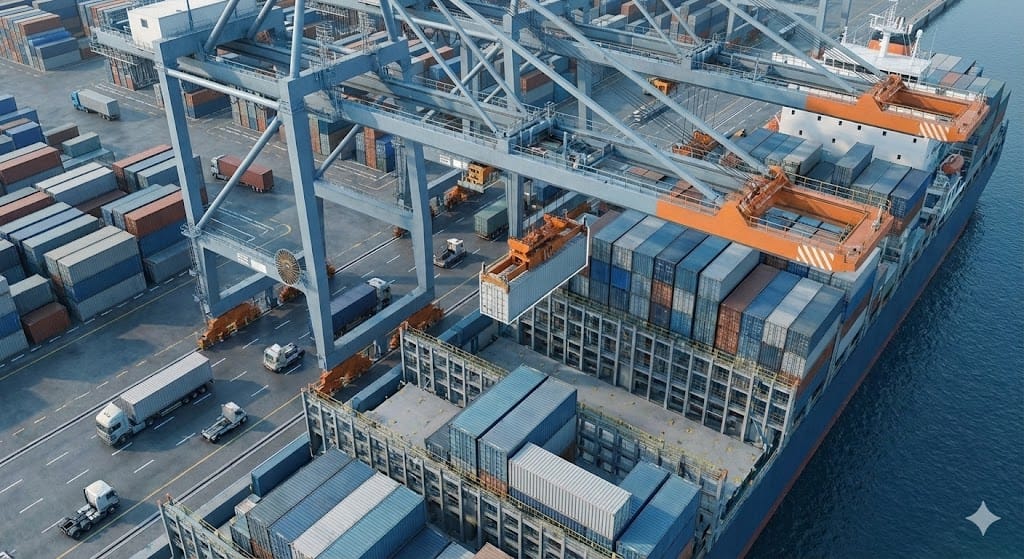
Compliance relies on strictly adhering to ISPM 15 standards for all wooden packaging to prevent pest contamination. Furthermore, we recommend using vacuum-sealed VCI foil to prevent corrosion during ocean transit and confirming that your logistics provider can handle Out of Gauge (OOG) cargo for tall machinery.
Machinery Regulation (EU) 2023/1230 8
Shipping a 20-ton precision machine requires more than just booking a container. The physical packaging is heavily regulated to protect the European ecosystem.
Machinery Directive 2006/42/EC 9
The Wood Packaging Trap (ISPM 15)
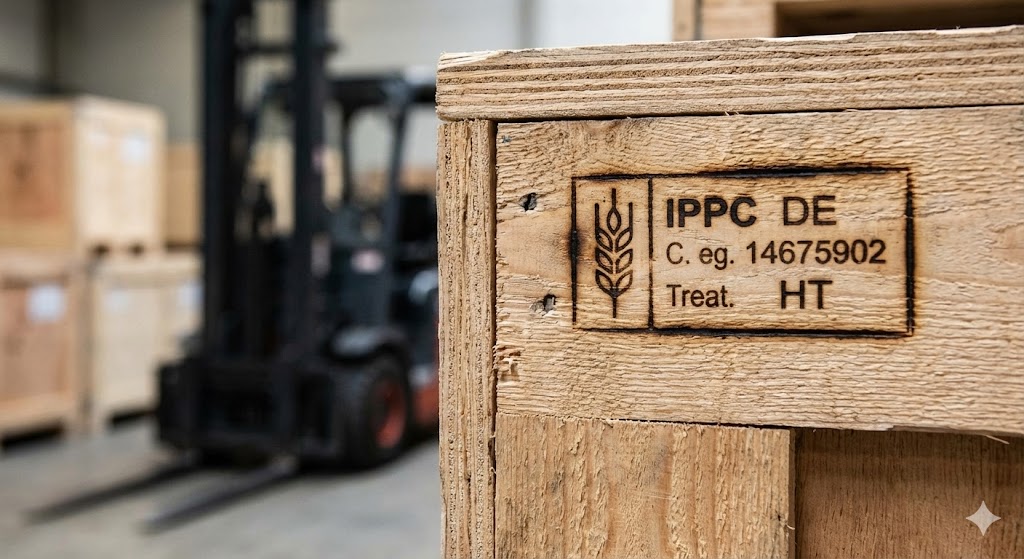
The European Union has zero tolerance for untreated wood. All wooden pallets, crates, and dunnage must comply with ISPM 15 standards. This means the wood must be heat-treated to 56°C for 30 minutes and stamped with the IPPC "Wheat Stamp."
If a single wooden brace lacks this stamp, customs can reject the entire shipment. We have seen cases where containers were ordered to be re-exported or the packaging destroyed at the importer’s expense. To avoid this, we verify every crate in our factory before loading. Alternatively, using plywood or plastic pallets avoids this regulation entirely, as they are exempt.
Protecting Precision Electronics
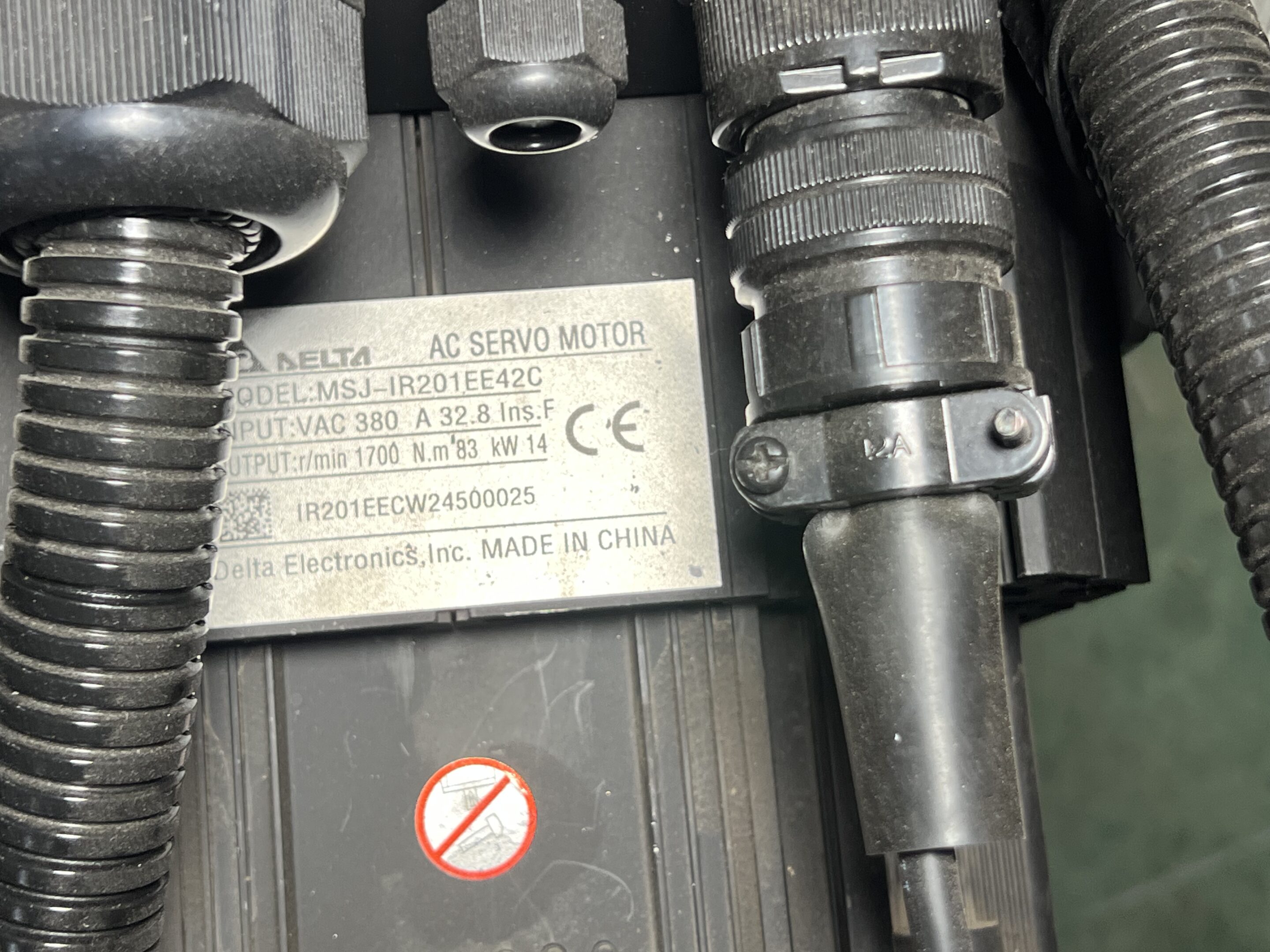
All-electric machines use sensitive servo motors and polished mold platens. The salty, humid air inside a shipping container is corrosive. We use Vacuum Packing with VCI (Volatile Corrosion Inhibitor) foil. This creates a sealed environment that prevents rust. We also place desiccant bags inside the electrical cabinets. When the machine arrives, you should inspect this foil immediately for tears.
Handling Height Restrictions
Blow molding machines are often tall. If the machine cannot be dismantled to fit in a standard 40ft High Cube container, it must be shipped as OOG (Out of Gauge) cargo on a Flat Rack or Open Top container. This increases logistics costs and exposure to the elements. We always aim to design the machine layout so it can fit standard containers, but you must confirm the "Right of Way" dimensions at your factory to ensure the truck can actually deliver the crate to your door.
Kesimpulan
Successful importing requires more than just buying a machine; it demands regulatory strategy. By preparing your TARIC codes, CE documentation, and logistics beforehand, you ensure a profitable start.
Declaration of Conformity 10
Catatan kaki
- Defines the specific economic region where these import rules apply. ↩︎
- Authoritative explanation of the global classification system by the WCO. ↩︎
- Official international standard page regarding wood packaging regulation. ↩︎
- Official EU resource on obtaining legal certainty for tariff classification. ↩︎
- Official EU page explaining the standard import declaration form. ↩︎
- Official EU database for the integrated tariff of the European Union. ↩︎
- Official standard page for the risk assessment methodology cited. ↩︎
- Official text of the new EU regulation mentioned in the article. ↩︎
- Direct link to the legal text of the current machinery safety directive. ↩︎
- Official EU guidance on the required document for CE compliance. ↩︎


0 Komentar