
Pressure Forming vs Vacuum Forming: Perbedaan Utama untuk Manufaktur

Waktu membaca: (Jumlah kata: )

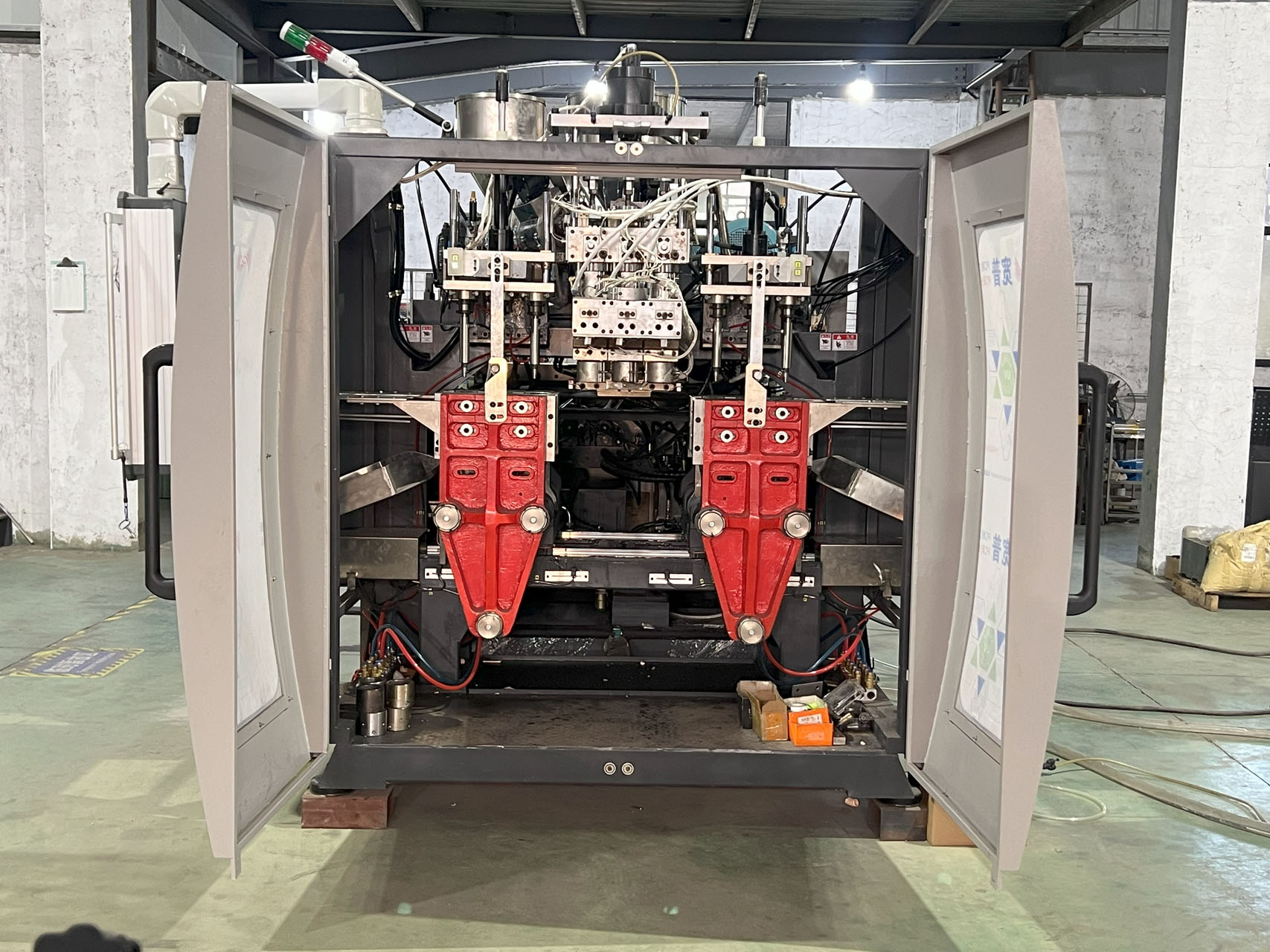
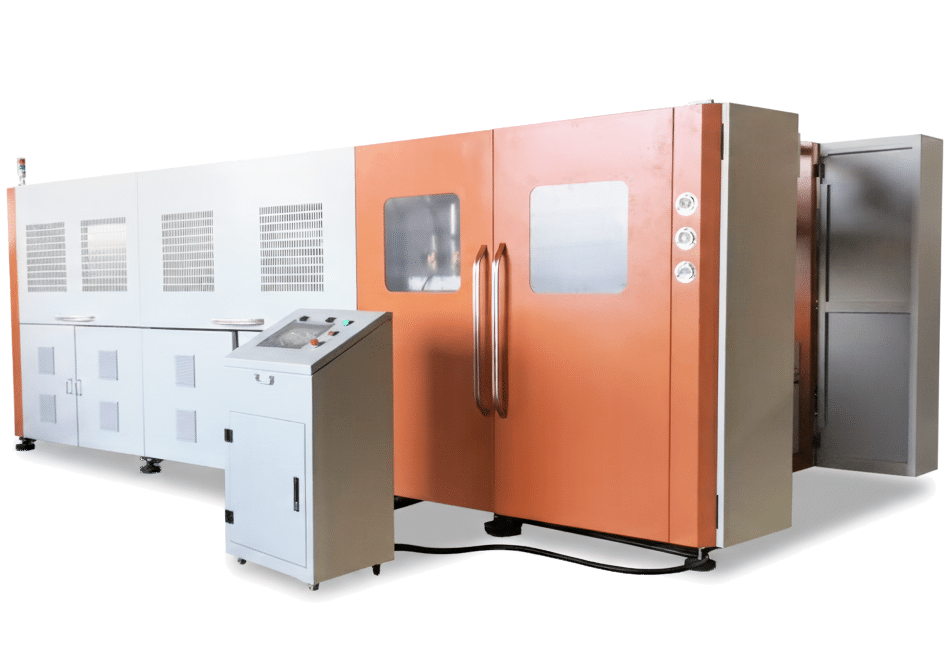
Inside LEKA Machinery direct-clamp extrusion blow molding machine forming station.

Januari 31, 2025

Pendahuluan

Choosing between pressure forming and vacuum forming can make or break your product quality and budget. While vacuum forming offers a "tidak perlu banyak berpikir" solution for simple, high-volume parts, pressure forming delivers unmatched precision for demanding applications like automotive panels and medical equipment – but at what cost?

As manufacturers specializing in plastic forming solutions, we’ve seen how this critical decision impacts everything from surface finish quality to long-term tooling expenses. This guide breaks down the key differences in tolerances, material options, and cost structures to help you select the optimal thermoforming process for your specific needs.

HDL-1L1S

Introduction to Thermoforming: Pressure vs. Vacuum Forming

Thermoforming is a popular manufacturing process where plastic sheets are heated to a pliable temperature, formed into a specific shape, and trimmed to create usable products. It’s widely used in industries like packaging, automotive, and consumer goods. Two of the most common thermoforming techniques are pressure forming and vacuum forming. Understanding the differences between these methods helps manufacturers choose the best option for their needs.

“Pressure forming offers superior detail and finish compared to vacuum forming, making it ideal for high-end applications where aesthetics matter.”

What is Thermoforming?

Thermoforming involves heating a plastic sheet until it becomes flexible, then shaping it using a mold. The process is efficient and cost-effective, making it a go-to for producing items like food containers, medical packaging, and automotive parts. The two main methods—pressure forming and vacuum forming—differ in how they shape the plastic, impacting the final product’s quality and cost.

Defining Pressure Forming: Key Characteristics and Advantages

Pressure forming uses compressed air to push the heated plastic sheet into the mold, creating sharper details and smoother finishes. This method is perfect for products requiring high precision, like electronic housings or medical devices. Pressure forming also allows for textured surfaces and undercuts, giving designers more creative freedom. While it’s more expensive than vacuum forming, the improved quality often justifies the cost.

Understanding Vacuum Forming: Basic Principles and Use Cases

Vacuum forming relies on suction to pull the plastic sheet onto the mold. It’s simpler and cheaper than pressure forming, making it a naik-atau-mati choice for large-scale production of items like disposable cups or packaging trays. However, it lacks the fine detail and finish of pressure forming, which can be a dealbreaker for high-end applications.

Why Compare These Two Methods?

Choosing between pressure forming and vacuum forming depends on your project’s needs. If budget and speed are priorities, vacuum forming is the way to go. But if quality and detail matter more, pressure forming is worth the investment. Manufacturers must weigh these factors to optimize production efficiency and product quality.

Thermoforming Methods Comparison

FiturPembentukan TekananPembentukan VakumTerbaik untukBiaya
Tingkat DetailTinggiSedangPremium productsLebih tinggi
Hasil Akhir PermukaanHalusStandarAesthetic-focused itemsLebih tinggi
Kecepatan ProduksiSedangCepatHigh-volume ordersLebih rendah
Biaya PerkakasTinggiRendahProyek dengan anggaran terbatasLebih rendah
Limbah MaterialRendahSedangSustainable manufacturingLebih tinggi

Featured Image Reference: A side-by-side comparison of pressure-formed and vacuum-formed plastic parts, highlighting differences in detail and finish.

Process Comparison: How Pressure and Vacuum Forming Work

Understanding the technical processes behind pressure forming and vacuum forming is crucial for manufacturers choosing between these thermoforming techniques. Both methods create high-quality plastic parts, but their operational differences significantly impact production outcomes.

“While vacuum forming excels in speed, the pressure forming process delivers superior detail and finish for premium applications.”

Step-by-Step Pressure Forming Process

The pressure forming process begins with heating a plastic sheet until pliable. Compressed air (typically 50-100 psi) then forces the material into the mold cavity, creating sharp details and smooth surfaces. This method allows for complex geometries and textured finishes, making it ideal for visible components like automotive interiors or electronic enclosures.

Step-by-Step Vacuum Forming Process

Vacuum forming follows similar initial steps but uses suction (about 14-28 psi) to draw the heated plastic onto the mold. This simpler approach works well for basic shapes like packaging trays or disposable containers. While faster and more economical, it can’t match the precision of pressure forming for intricate designs.

Key Differences in Pressure Application

The fundamental distinction lies in force application. Pressure forming’s compressed air creates 3-5 times greater forming force than vacuum forming, enabling:

  • Thinner material walls (down to 0.020″)
  • Sharper corner radii (as tight as 0.030″)
  • Consistent material distribution

Production Speed Comparison

MetrikPembentukan TekananPembentukan VakumDampak
Waktu Siklus45-90 seconds20-40 secondsHigher throughput
Mold Cost$5,000-$50,000$1,000-$10,000Lower startup cost
Part Detail±0.005″ tolerance±0.030″ tolerancePrecision applications
Annual Volume10,000-100,00050,000-500,000+Produksi massal

When deciding how to choose between pressure and vacuum forming, consider both technical requirements and business factors. Pressure forming justifies its higher cost for premium products, while vacuum forming dominates high-volume commodity production.

Featured Image Reference: Diagram comparing pressure forming (left) and vacuum forming (right) processes with callouts highlighting key operational differences.

Material and Tooling Considerations

Choosing between pressure forming and vacuum forming requires careful evaluation of material compatibility and tooling requirements. These factors significantly impact both production quality and long-term operational costs for custom thermoforming solutions.

“While vacuum forming works with economical materials, pressure forming unlocks premium plastic options for demanding applications.”

Best Materials for Pressure Forming

The pressure forming process excels with engineering-grade thermoplastics like ABS, polycarbonate, and acrylic. These materials withstand the higher pressures (50-100 psi) while delivering exceptional detail reproduction. Common applications for pressure forming in manufacturing include automotive components, medical device housings, and consumer electronics – all benefiting from these materials’ strength and finish quality.

Materials Suitable for Vacuum Forming

Vacuum forming typically uses more economical materials like PETG, HIPS, and PVC. While these plastics work well for packaging and disposable items, they can’t match the structural integrity or surface finish possible with pressure forming. The naik-atau-mati advantage here is lower material costs for high-volume production.

Tooling Cost and Durability Comparison

FaktorPembentukan TekananPembentukan VakumPertimbangan
Mold MaterialMachined aluminum/steelAluminum/compositeDurability vs. cost
Biaya Awal$5,000-$50,000$1,000-$10,000ROI calculation
Tool Life100,000+ cycles50,000 cyclesLong-term savings
PemeliharaanAnnual refurbishmentReplacement commonDowntime impact

Featured Image Reference: Side-by-side comparison of pressure forming (left) and vacuum forming (right) tooling with callouts highlighting material and construction differences.

Quality and Application Differences

When comparing pressure forming and vacuum forming, the quality outcomes and ideal applications differ significantly. Pressure forming delivers superior molded details in pressure forming applications, while vacuum forming excels in high-volume production of simpler components.

“Pressure forming achieves surface finishes comparable to injection molding, making it ideal for visible components where aesthetics matter.”

Surface Finish and Detail Precision

The pressure forming process creates high-quality plastic parts with exceptional detail reproduction (down to ±0.005″ tolerances) and Class A surface finishes. This makes it perfect for automotive interior panels, medical device housings, and consumer electronics where appearance and precision are critical.

Structural Integrity Comparison

Pressure formed parts demonstrate:

  • 30-50% greater impact resistance
  • More consistent wall thickness
  • Better dimensional stability

These advantages justify the higher cost for demanding applications.

Industry Applications Comparison

IndustriPembentukan TekananPembentukan Vakum
OtomotifPanel interior, konsolUnderbody shields
MedisDevice housings, surgical traysDisposable packaging
ElektronikEnclosures, control panelsProtective covers
PengemasanPremium retail displaysBlister packs, clamshells

The difference between pressure forming and vacuum forming becomes most apparent in these real-world applications. While vacuum forming dominates high-volume, low-detail production, pressure forming creates premium components where quality justifies the investment.

Featured Image Reference: Side-by-side comparison of pressure formed (left) and vacuum formed (right) automotive components highlighting surface finish differences.

Decision-Making Guide: Choosing the Right Method

Selecting between pressure forming and vacuum forming requires careful evaluation of your project requirements. This guide helps manufacturers navigate thermoforming techniques to make informed decisions that balance quality and cost.

“Pressure forming delivers superior results for premium applications, while vacuum forming excels in high-volume production of simpler components.”

Cost-Benefit Analysis

The pressure forming process justifies its higher cost when projects demand:

  • Exceptional surface finishes
  • Tight tolerances (±0.005″)
  • Complex geometries

For automotive interiors or medical devices, these benefits often outweigh the additional expense.

When Vacuum Forming Wins

Vacuum forming proves more economical for:

  • High-volume production (50,000+ units)
  • Simple part geometries
  • Disposable or short-lifecycle products

Its faster cycle times and lower tooling costs make it ideal for packaging applications.

Decision Checklist

FaktorPembentukan TekananPembentukan Vakum
Annual Volume10,000-100,00050,000+
Part ComplexityTinggiLow-Medium
Hasil Akhir PermukaanClass AStandar
BudgetLebih tinggiLebih rendah

Understanding how to choose between pressure and vacuum forming ensures optimal results for your specific application. As thermoforming technology evolves, new hybrid solutions may offer additional options for manufacturers seeking the perfect balance of quality and efficiency.

Featured Image Reference: Flowchart diagram showing decision points between pressure forming and vacuum forming with key criteria.

Mesin cetak tiup lekamachine

Kesimpulan

After years in the thermoforming industry, I’ve learned that choosing between pressure and vacuum forming isn’t just about specs—it’s about matching the process to your product’s **”make-or-break”** requirements. Pressure forming delivers the precision and finish that premium applications demand, while vacuum forming keeps high-volume production lean and cost-effective.

The right choice boils down to your priorities: Is it flawless aesthetics and tight tolerances, or speed and scalability? There’s no one-size-fits-all answer, but understanding these trade-offs ensures you invest wisely—whether you’re molding medical devices or snack trays.

At the end of the day, the best thermoforming method is the one that aligns with your product’s purpose and your bottom line. Get that balance right, and you’re golden.

PERTANYAAN YANG SERING DIAJUKAN


  • Q1: What is pressure forming?

    A1: Pressure forming adalah proses thermoforming yang memanfaatkan tekanan udara dan vakum untuk membentuk lembaran termoplastik yang dipanaskan menjadi komponen detail dengan kualitas permukaan tinggi. Metode ini memungkinkan pembuatan bagian yang sering menyerupai hasil produksi injection molding.

  • Q2: How does pressure forming differ from vacuum forming?

    A2: Dalam pressure forming, tekanan udara positif diterapkan untuk mendorong plastik yang dipanaskan ke cetakan, memastikan detail dan tekstur permukaan yang lebih baik. Sebaliknya, vacuum forming hanya mengandalkan hisapan vakum untuk menarik lembaran ke cetakan, yang dapat membatasi detail pada bentuk kompleks.

  • Q3: What applications are best suited for pressure forming?

    A3: Pressure forming sangat ideal untuk memproduksi bagian plastik berkualitas tinggi, terutama ketika desain rumit dan estetika sangat penting, seperti pada produk konsumen, prototipe, dan komponen industri berdetail tinggi.

  • Q4: What are the advantages of using pressure forming over other techniques?

    A4: Keunggulan utama pressure forming meliputi kemampuannya menghasilkan bagian berdetail tinggi dengan fitur khusus, biaya perkakas yang lebih rendah dibandingkan injection molding, dan waktu produksi lebih cepat untuk volume produksi kecil hingga menengah.

  • Q5: What materials are used in pressure forming?

    A5: Pressure forming biasanya menggunakan termoplastik seperti ABS, polikarbonat, dan akrilik. Material ini dipanaskan hingga lentur kemudian dibentuk menjadi bentuk kompleks menggunakan cetakan.

  • Q6: Is pressure forming more cost-effective than vacuum forming?

    A6: Meskipun vacuum forming dapat lebih hemat untuk bentuk sederhana dan produksi besar, pressure forming lebih cost-effective ketika detail tinggi diperlukan, karena mengurangi kebutuhan proses finishing sekunder.

  • Q7: What factors influence the choice between pressure forming and vacuum forming?

    A7: Faktor-faktor yang perlu dipertimbangkan meliputi tingkat detail yang diinginkan pada produk akhir, kompleksitas bentuk, volume produksi, dan batasan anggaran. Pressure forming lebih disukai untuk aplikasi detail, sementara vacuum forming cocok untuk pekerjaan kurang rumit dan lebih cepat.

  • Q8: What equipment is required for pressure forming?

    A8: Pressure forming memerlukan peralatan khusus yang dapat memanaskan lembaran termoplastik, menerapkan tekanan udara positif, dan menahan cetakan dengan aman. Ini termasuk oven termal, ruang bertekanan, dan desain cetakan khusus.


Tautan Eksternal


Buka Proses Pengadaan Mesin Blow Molding Profesional Sekarang!

    Slany Cheung

    Slany Cheung

    Penulis

    Halo, saya Slany Cheung, Manajer Penjualan di Lekamachine. Dengan pengalaman 12 tahun di industri mesin blow moulding, saya memiliki pemahaman yang mendalam tentang tantangan dan peluang yang dihadapi bisnis dalam mengoptimalkan produksi dan meningkatkan efisiensi. Di Lekamachine, kami berspesialisasi dalam menyediakan solusi blow moulding yang terintegrasi dan sepenuhnya otomatis, melayani industri mulai dari kosmetik dan farmasi hingga wadah industri besar.

    Melalui platform ini, saya bertujuan untuk berbagi wawasan berharga tentang teknologi blow moulding, tren pasar, dan praktik terbaik. Tujuan saya adalah untuk membantu bisnis membuat keputusan yang tepat, meningkatkan proses produksi mereka, dan tetap kompetitif dalam industri yang terus berkembang. Bergabunglah dengan saya saat kita mengeksplorasi inovasi dan strategi terbaru yang membentuk masa depan blow molding.

    Anda mungkin juga menyukai...

    0 Komentar

    Kirim Komentar

    Alamat email Anda tidak akan dipublikasikan. Ruas yang wajib ditandai *