
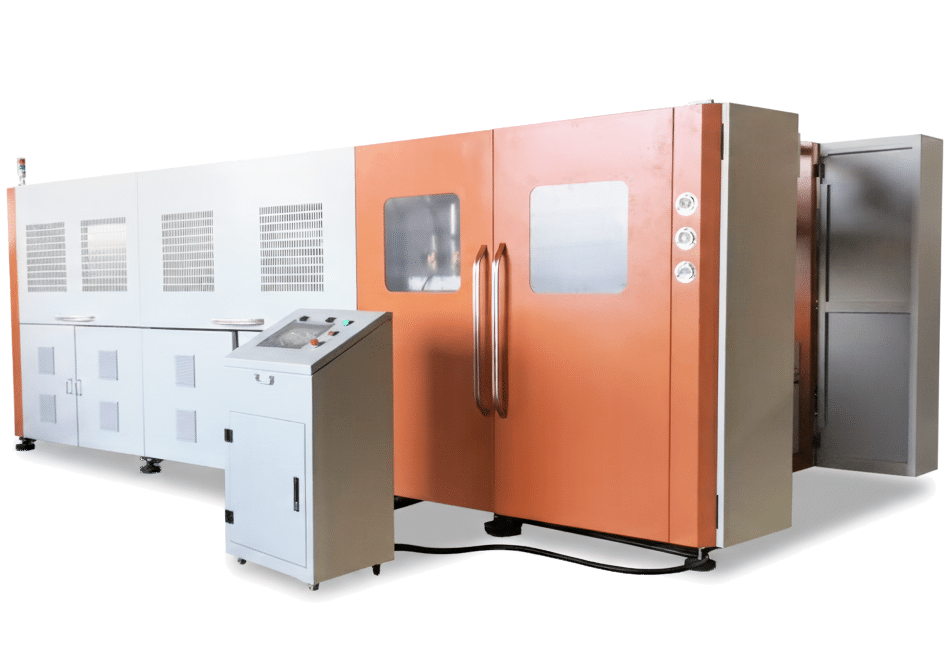
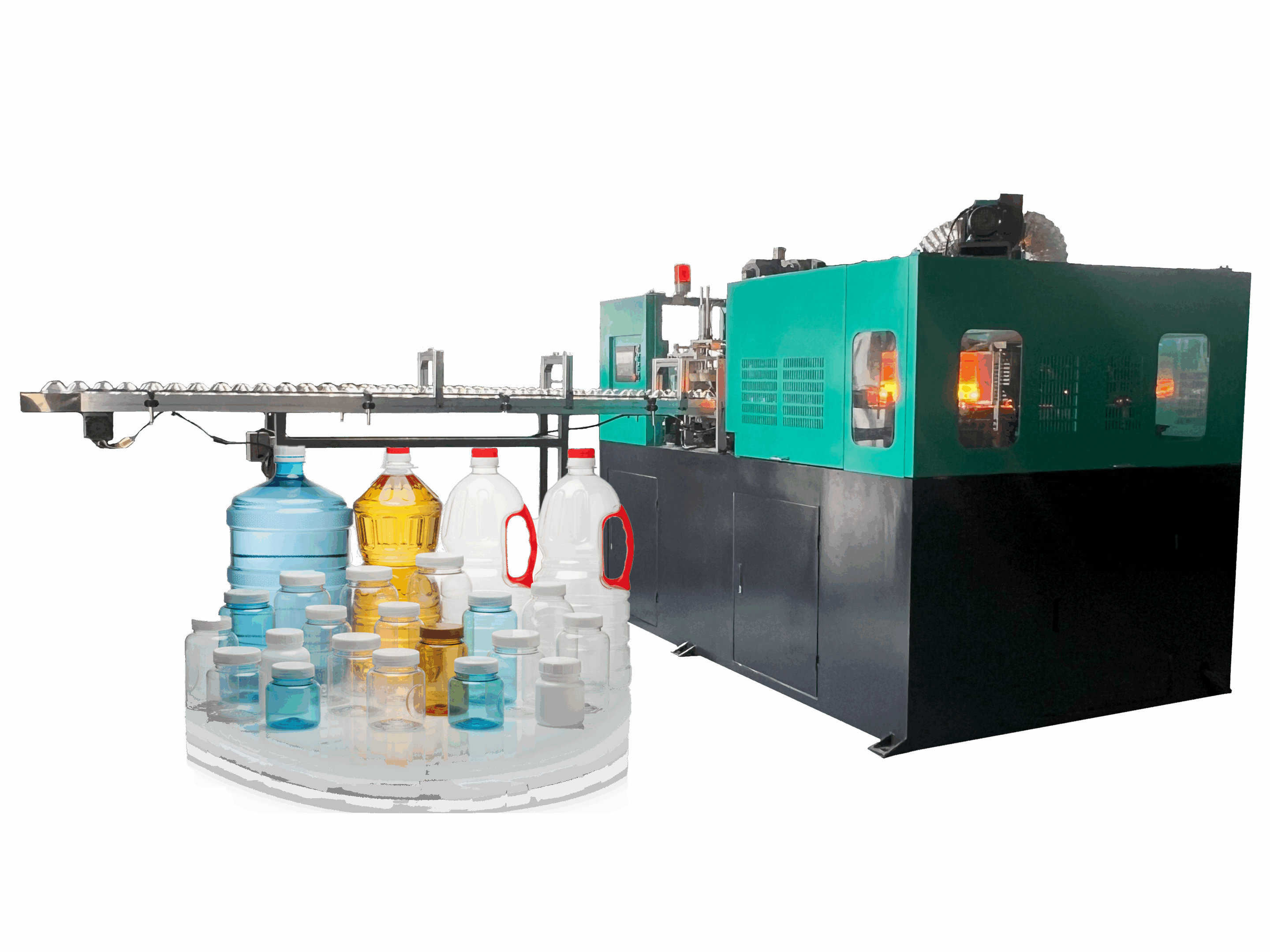
Pendahuluan
Choosing between thermoforming and blow molding can make or break your production efficiency—especially when precision, cost, and lead times are on the line. While thermoforming offers quick-and-dirty prototyping for startups, blow molding delivers unmatched consistency for high-volume hollow parts like pharmaceutical bottles and industrial containers.
The real challenge? Many engineers underestimate thermoforming’s hidden costs for complex geometries or overlook blow molding’s energy-efficient advantages in mass production. This guide cuts through the noise with a technical breakdown of mold lifespans, material limitations, and tolerance standards—so you can select the right process without costly trial-and-error.
We’ll analyze key differences in surface accuracy, tooling investments, and industry-specific applications, drawing on decades of cetakan tiup expertise at Lekamachine. Whether you’re scaling prototypes or optimizing container production, understanding these trade-offs ensures your molding strategy aligns with long-term operational goals.

Fundamentals of Thermoforming and Blow Molding
Dalam hal plastic manufacturing processes, two of the most widely used techniques are thermoforming and blow molding. Both methods have unique characteristics that make them suitable for different applications. Understanding the differences between thermoforming molds vs blow molds can help businesses choose the right process for their needs.
Thermoforming is ideal for prototyping and short production runs, while blow molding excels in high-volume manufacturing of hollow plastic products.
What is Thermoforming?
Thermoforming is a plastic molding technique where a heated plastic sheet is formed over a mold using vacuum, pressure, or mechanical force. This process is known for its cost-effectiveness and flexibility, making it popular for prototype development and packaging applications. Many startups prefer thermoforming because of its lower initial investment compared to other molding techniques.
Apa yang dimaksud dengan Blow Molding?
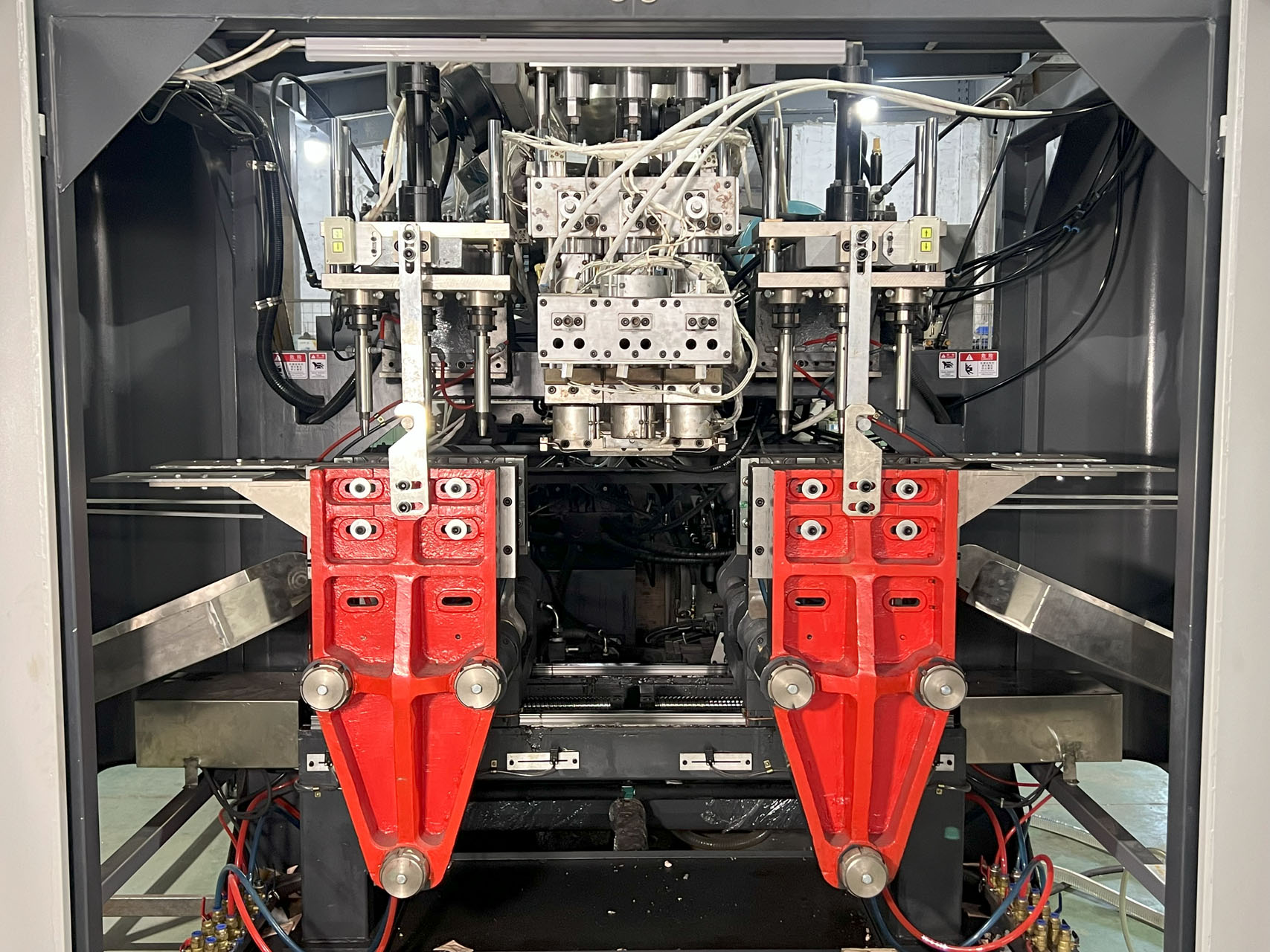
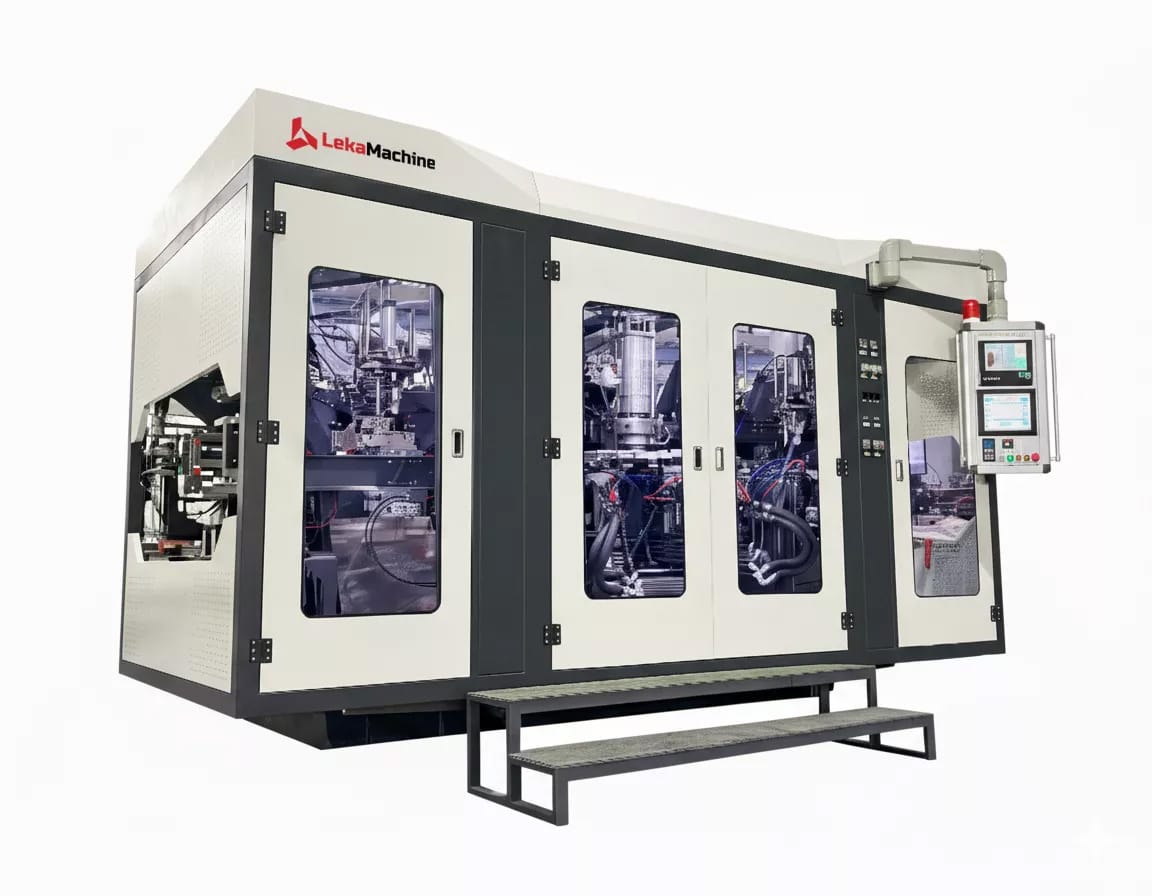
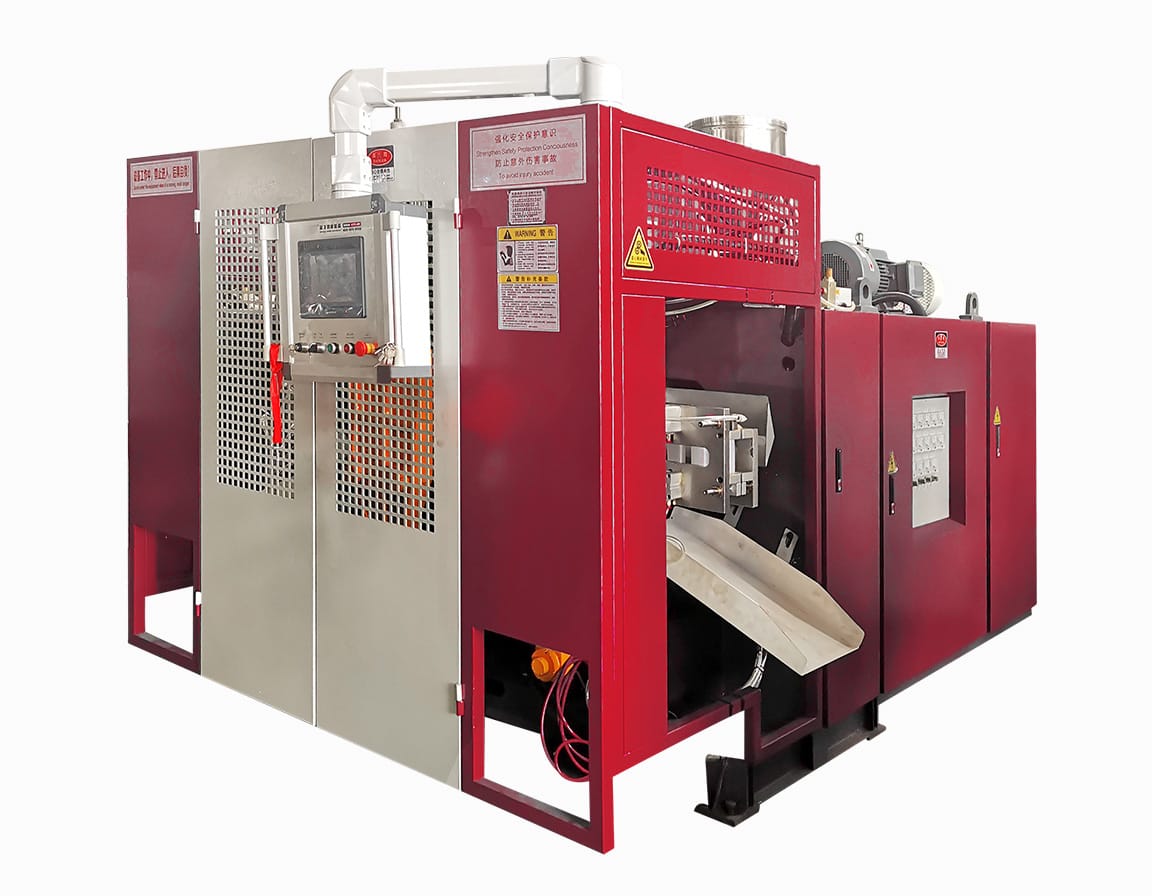
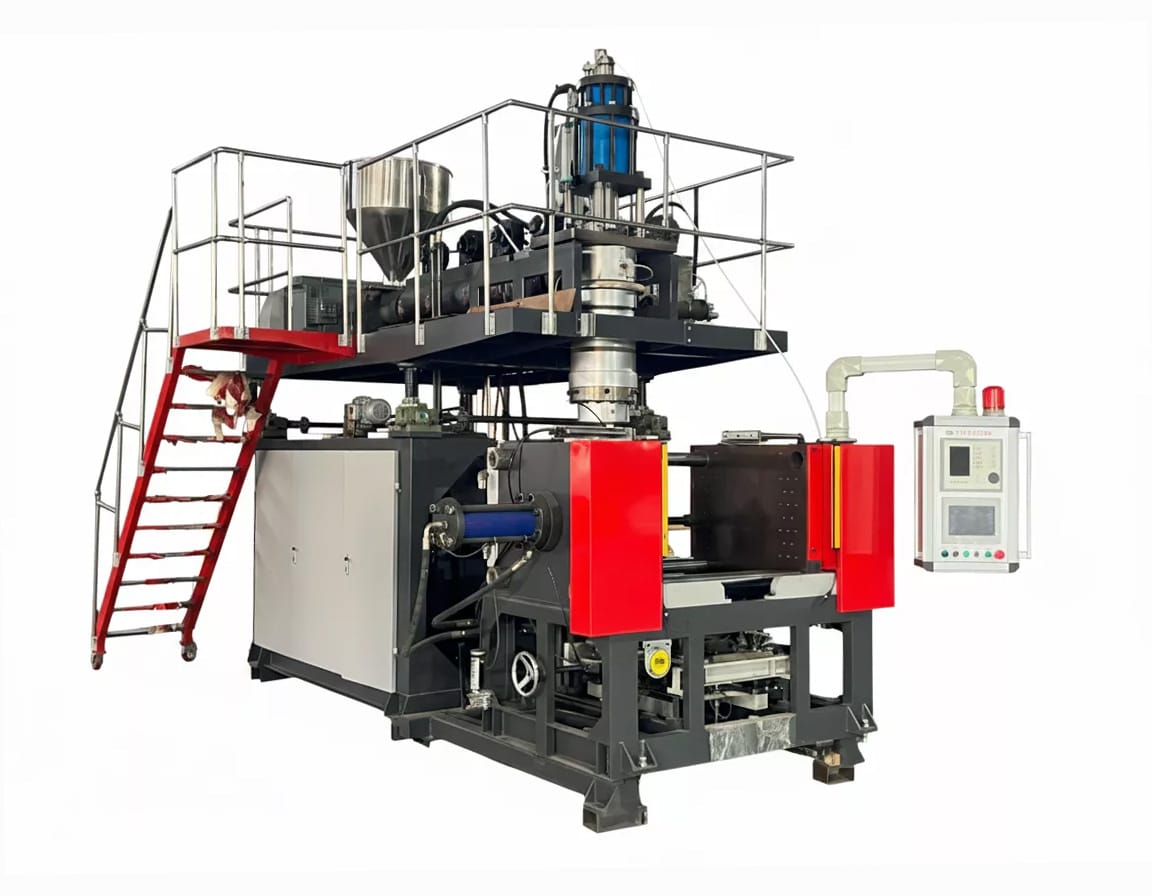
Blow molding creates hollow plastic parts by inflating heated plastic into a mold cavity. This method is particularly effective for producing bottles, containers, and other hollow products. Companies like Lekamachine have demonstrated how blow molding can achieve high-volume efficiency in pharmaceutical packaging. The process offers excellent consistency and is "naik-atau-mati" for mass production needs.
Evolusi Sejarah
Both thermoforming and blow molding have evolved significantly since their inception. Thermoforming dates back to the early 20th century, while blow molding became prominent in the 1940s with the rise of plastic bottles. Today, these processes serve critical roles in industries ranging from automotive to consumer packaging.
Primary Industries
The choice between thermoforming molds vs blow molds often depends on the industry application. Thermoforming is common in food packaging and medical device trays, while blow molding dominates in beverage containers and pharmaceutical bottles. Each method offers distinct advantages that cater to specific production requirements.
Performance Comparison
| Fitur | Thermoforming | Cetakan tiup | Terbaik untuk | Standar Industri |
|---|---|---|---|---|
| Kecepatan Produksi | Sedang | Tinggi | Produksi massal | Cetakan tiup |
| Biaya Perkakas | Rendah | Tinggi | Pembuatan prototipe | Thermoforming |
| Limbah Material | 15-20% | 5-10% | Keberlanjutan | Cetakan tiup |
| Part Complexity | Simple to Moderate | Moderate to Complex | Hollow parts | Cetakan tiup |
| Kepatuhan FDA | Common | Standar | Medical Packaging | Both |
When deciding how to choose between thermoforming and blow molding, consider factors like production volume, part geometry, and material requirements. While thermoforming offers flexibility for design changes, blow molding provides superior efficiency for high-volume runs. Both processes have their place in modern manufacturing, and the right choice depends on your specific application needs.

Technical Comparison: Process Mechanics and Output
Understanding the operational differences between thermoforming vs blow molding is crucial for manufacturers. These plastic manufacturing processes serve distinct purposes in product development with molds, each excelling in different production scenarios.
“While thermoforming offers rapid prototyping advantages, blow molding provides superior consistency for high-volume hollow part production.”
Thermoforming: Rapid Prototyping and Low-Volume Adaptability
Thermoforming shines in prototype development and short production runs. The advantages of thermoforming molds for prototyping include quick mold changes and lower tooling costs, making it ideal for startups and projects with tight budgets. This process works well with various thermoplastics, allowing for design flexibility during product development phases.
Blow Molding: High-Volume Consistency for Hollow Parts
Blow molding delivers exceptional consistency for mass production of hollow containers. Companies like Lekamachine demonstrate how this process achieves pharmaceutical-grade precision with materials like PET, PP, and HDPE. The tighter tolerances in cetakan tiup significantly reduce post-production finishing costs, particularly valuable for industrial container manufacturing.
Kompatibilitas Bahan
The thermoforming vs blow molding comparison extends to material options. While thermoforming handles various thermoplastics, blow molding specializes in polymers like PET and HDPE that maintain structural integrity during the blowing process. This difference impacts product development with molds across industries.
Surface Finish and Tolerance Standards
| Fitur | Thermoforming | Cetakan tiup | Pharma Standard | Aplikasi Terbaik |
|---|---|---|---|---|
| Hasil Akhir Permukaan | Bagus. | Luar biasa | Finishing Cermin | Kemasan Kosmetik |
| Toleransi Dimensi | ± 0.5mm | ±0,1mm | ± 0,05mm | Perangkat Medis |
| Kontrol Ketebalan Dinding | Sedang | Presisi | Seragam | Botol Minuman |
| Tingkat Produksi | 100-500/jam | 1000-5000/jam | Bersertifikat GMP | Produksi Massal |
| Waktu Pengerjaan Peralatan | 2-4 minggu | 6-12 minggu | Validasi Diperlukan | Peluncuran Produk Baru |
Ketika membandingkan thermoforming vs blow molding, produsen harus mempertimbangkan volume produksi, geometri bagian, dan persyaratan material. Daya adaptasi thermoforming menjadikannya berharga untuk pembuatan prototipe, sementara presisi blow molding menguntungkan produksi volume tinggi. Kedua proses memiliki keunggulan tersendiri dalam proses manufaktur plastik, dan pilihan optimal tergantung pada kebutuhan aplikasi spesifik.
Analisis Biaya dan Efisiensi
Ketika mengevaluasi cetakan thermoforming vs cetakan blow molding, pertimbangan biaya memainkan peran pivotal dalam pemilihan proses. Kedua metode menawarkan solusi molding yang hemat biaya, tetapi keunggulan finansialnya termanifestasi secara berbeda di berbagai skenario produksi.
Sementara thermoforming memberikan biaya awal yang lebih rendah untuk pembuatan prototipe, blow molding memberikan ROI jangka panjang yang superior untuk produksi volume tinggi melalui efisiensi energi dan pengurangan biaya per unit.
Fabrikasi Cetakan: Perbedaan Waktu Pengerjaan dan Biaya
Perbedaan dalam teknik thermoforming dan blow molding menjadi jelas dalam fabrikasi cetakan. Cetakan thermoforming biasanya berbiaya 60-80% lebih rendah daripada cetakan blow molding dan dapat diproduksi dalam 2-4 minggu versus 6-12 minggu untuk cetakan blow molding. Hal ini membuat thermoforming sangat menarik bagi startup dan proyek yang memerlukan penyelesaian cepat.
Biaya Produksi Per Unit
| Volume Produksi | Biaya/Unit Thermoforming | Biaya/Unit Blow Molding | Titik Persilangan | Proses Terbaik |
|---|---|---|---|---|
| 1.000 unit | $2.10 | $3.50 | 15.000 unit | Thermoforming |
| 10.000 unit | $1.25 | $1.80 | Thermoforming | |
| 50.000 unit | $0.95 | $0.65 | Cetakan tiup | |
| 100.000+ unit | $0.85 | $0.35 | Cetakan tiup | |
| Biaya Energi Tahunan | $18,000 | $9,500 | Cetakan tiup |
Energy Consumption Advantages
Mesin Lekamachine yang hemat energi mesin cetak tiup menunjukkan konsumsi energi 30-40% lebih rendah dibandingkan dengan operasi thermoforming pada volume yang sama. Efisiensi ini menjadi semakin signifikan dalam produksi skala besar, berkontribusi pada penghematan jangka panjang yang substansial.
Hidden Costs of Complex Geometries
Sementara thermoforming terlihat hemat biaya pada awalnya, geometri bagian yang kompleks seringkali memerlukan operasi sekunder yang meningkatkan biaya. Produksi satu langkah bagian hollow blow molding menghilangkan banyak dari biaya tersembunyi ini, khususnya untuk wadah farmasi dan kosmetik.
Pilihan antara cetakan thermoforming vs cetakan blow molding pada akhirnya tergantung pada volume produksi, kompleksitas bagian, dan tujuan operasional jangka panjang. Thermoforming menawarkan aksesibilitas untuk prototipe dan volume rendah, sementara blow molding memberikan efisiensi superior untuk produksi massal. Memahami perbedaan-perbedaan dalam teknik thermoforming dan blow molding ini memastikan pemilihan proses yang optimal untuk solusi molding yang hemat biaya..

Faktor Pengambilan Keputusan untuk Insinyur
Memilih antara thermoforming dan blow molding memerlukan evaluasi cermat terhadap berbagai faktor teknis dan komersial. Perbandingan teknik molding ini memberikan para insinyur kriteria yang dapat ditindaklanjuti untuk pemilihan proses.
"Thermoforming menawarkan fleksibilitas desain untuk prototipe, sementara blow molding memberikan integritas struktural untuk produksi massal – pilihan optimal tergantung pada kebutuhan proyek spesifik Anda."
Kapan Memilih Thermoforming
Thermoforming unggul dalam skenario prototipe dan fleksibilitas desain. Proses ini memungkinkan iterasi dan modifikasi cepat, menjadikannya ideal untuk fase pengembangan produk. Startup dan proyek dengan anggaran ketat sering kali diuntungkan dari biaya awal thermoforming yang lebih rendah dan waktu penyelesaian yang lebih cepat.
Kapan Blow Molding Unggul
Untuk produksi massal bagian hollow yang memerlukan integritas struktural, blow molding sering kali menjadi pilihan superior. Solusi blow molding terotomasi Lekamachine menunjukkan bagaimana proses ini mencapai kemasan yang mematuhi standar FDA dengan kualitas yang konsisten dalam volume tinggi.
Mold Lifespan and Maintenance
| Faktor | Thermoforming | Cetakan tiup | Tolok Ukur Industri | Dampak |
|---|---|---|---|---|
| Masa Pakai Cetakan | 100.000 siklus | 1Juta+ siklus | Farmasi: 2Juta siklus | ROI Jangka Panjang |
| Frekuensi Perawatan | Bulanan | Triwulanan | Standar GMP | Waktu Henti |
| Persyaratan Pembersihan | Tinggi | Rendah | Kepatuhan FDA | Biaya Tenaga Kerja |
| Tooling Replacement Cost | $5,000-$15,000 | $25,000-$100,000 | Rata-rata Industri | Capital Expenditure |
| Perawatan Preventif | 20 hrs/month | 8 hrs/month | Best Practices | Operational Efficiency |
Kepatuhan terhadap Peraturan
For food and pharmaceutical packaging, understanding how to choose between thermoforming and blow molding includes evaluating regulatory requirements. Blow molding often provides better consistency for critical applications requiring FDA or EU compliance.
The decision framework for thermoforming molds vs blow molds should consider production volume, part complexity, regulatory needs, and long-term operational costs. Both processes have distinct advantages, and the optimal choice depends on aligning process capabilities with project requirements.
Tren Masa Depan dan Outlook Industri
The plastic manufacturing processes of thermoforming and blow molding are evolving with technological advancements and sustainability demands. Understanding thermoforming vs blow molding for sustainable production will be crucial for manufacturers adapting to future industry needs.
While thermoforming adapts well to sustainable materials, blow molding leads in automation and energy efficiency – the future likely holds specialized applications for both processes.
Automation Advancements in Blow Molding
Lekamachine’s R&D in energy-efficient blow molding demonstrates how advanced automation is transforming the industry. Their fully automated solutions now achieve 30% faster cycle times while maintaining precision for pharmaceutical and cosmetic containers.
Sustainable Materials in Thermoforming
Thermoforming is adapting to sustainability trends through bio-based and recycled materials. The process’s material flexibility makes it ideal for testing new eco-friendly polymers, though challenges remain in maintaining structural integrity with these alternatives.
Comparative Sustainability Metrics
| Faktor | Thermoforming | Cetakan tiup | Proyeksi 2025 | Dampak Industri |
|---|---|---|---|---|
| Efisiensi Material | 85% | 92% | 95% | Pengurangan Limbah |
| Konsumsi Energi | Tinggi | Sedang | Rendah | Jejak Karbon |
| Recycled Content | 30-50% | 20-30% | 50-70% | Ekonomi Sirkular |
| Material Berbasis Bio | Bagus. | Terbatas | Improved | Keberlanjutan |
| End-of-Life Options | Multiple | Single-stream | Universal | Recycling Rates |
Emerging Hybrid Approaches
The future may see more hybrid solutions combining thermoforming’s design flexibility with blow molding’s structural advantages. These integrated plastic manufacturing processes could address complex product requirements while improving sustainability.
As the industry evolves, the choice between thermoforming molds vs blow molds will increasingly consider automation potential, material innovations, and environmental impact alongside traditional cost and production factors.
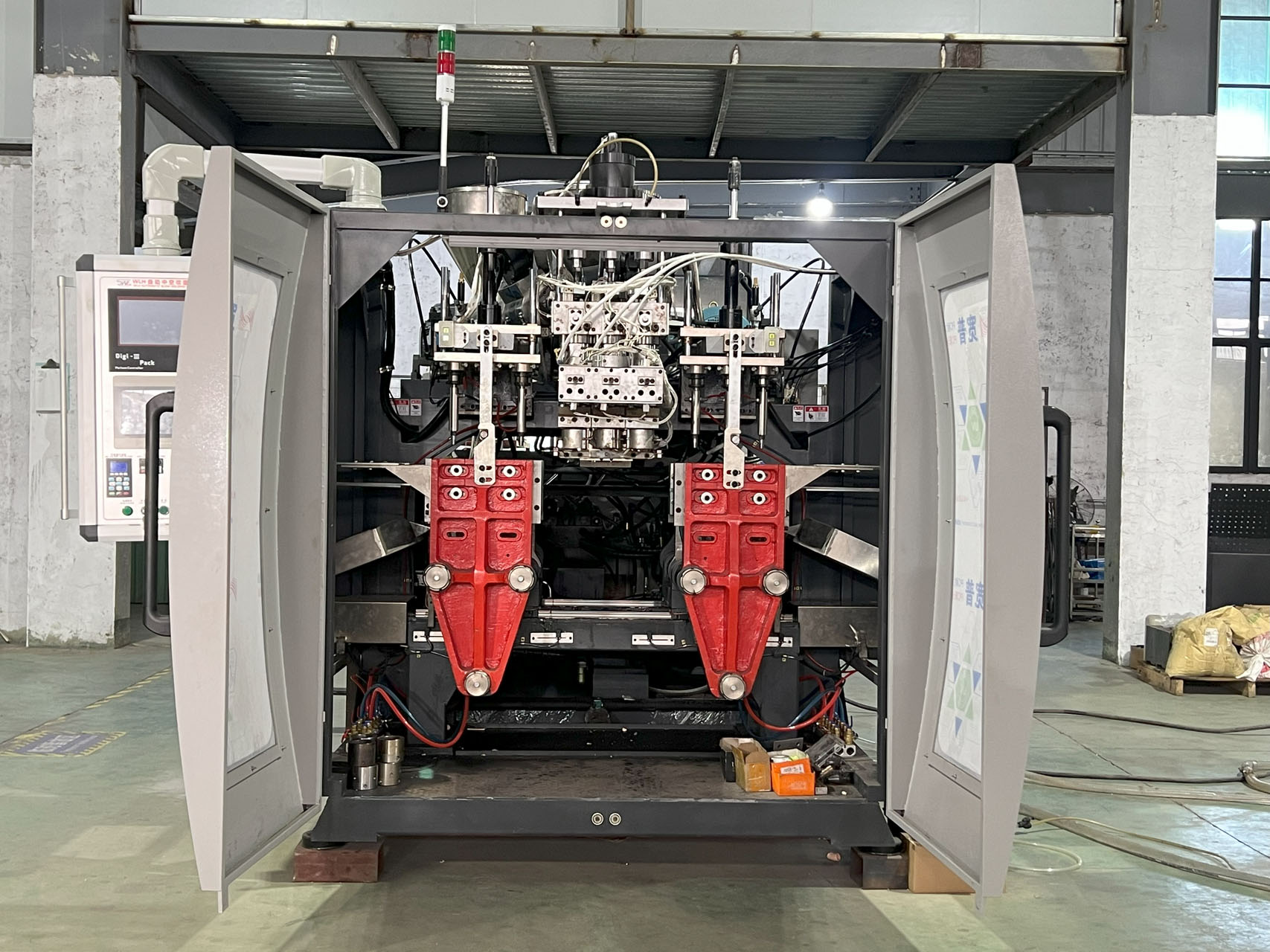
Kesimpulan
Setelah bertahun-tahun di industri blow molding, I’ve seen firsthand how the right process can make or break production efficiency. Thermoforming is your **”quick-and-dirty”** solution for prototyping, but when it comes to high-volume precision—especially for hollow parts like bottles and containers—blow molding is the undisputed champion.
The choice isn’t just about today’s needs; it’s about scaling smartly. Thermoforming might save you upfront, but blow molding’s energy efficiency and consistency pay off when volumes ramp up. Whether you’re in pharma, cosmetics, or industrial packaging, aligning your process with long-term goals is key.
At Lekamachine, we’ve helped countless manufacturers navigate this decision. The bottom line? Don’t just pick a process—future-proof your production.
PERTANYAAN YANG SERING DIAJUKAN
Q1: What is the difference between thermoforming molds and blow molds?
A1: Thermoforming molds shape heated plastic sheets using vacuum, while blow molds involve inflating hot plastic to form hollow objects. Thermoforming is typically faster and more cost-effective for flat products, whereas blow molding is ideal for hollow shapes.
Q2: When should I choose thermoforming over blow molding?
A2: Choose thermoforming for products requiring lower tooling costs and faster prototyping. It’s particularly advantageous for shallow, flat shapes. Blow molding is preferred for complex, hollow forms like bottles or containers.
Q3: What are the advantages of thermoforming molds?
A3: Thermoforming molds are generally cheaper and faster to produce than blow molds. They also allow for quick iteration in design, making them suitable for prototypes and short-run production.
Q4: Can thermoforming produce strong and accurate parts compared to blow molding?
A4: Yes, thermoforming can produce strong parts with good surface finishes and tolerances, though blow molding often excels in thin-walled, uniform hollow objects.
Q5: How do the production speeds compare between thermoforming and blow molding?
A5: Thermoforming is usually faster for simpler parts between the two, while blow molding is quicker for high-volume production of hollow items.
Q6: What materials can be used with thermoforming and blow molding?
A6: Both processes can use a variety of thermoplastics. However, blow molding typically requires materials that can withstand higher temperatures and pressures, such as polyethylene and polypropylene, while thermoforming works well with a wider range of plastics.
Q7: What are the cost implications of choosing thermoforming vs. blow molding?
A7: Thermoforming generally has lower initial cost for mold creation, making it more economical for small-scale production. Blow molding may have higher tooling costs but can be more profitable in high-volume production runs.
Q8: What are common applications for thermoforming and blow molding?
A8: Thermoforming is often used for packaging, trays, and clamshells, whereas blow molding is commonly used for bottles, fuel tanks, and various hollow containers.
Tautan Eksternal
- What is the Difference between Thermoforming and Blow Molding?
- Thermoforming vs. Blow Molding Lines – BOMAC
- Blow Molding vs. Rotational Molding: What’s the Difference?
- Injection Molding vs. Thermoforming, What’s the Difference?
- Thermoforming vs Injection Moulding vs Blow Moulding – Sphere Resources
- A Closer Look at Injection Molding vs. Thermoforming
- Thermoforming vs Blow Molding: Differences Explained
- Blow molding and thermoforming – SKZ


0 Komentar