
Pendahuluan
When industrial packaging fails, the costs go far beyond replacement containers—downtime, product loss, and safety risks can cripple operations. That’s why manufacturers handling chemicals, pharmaceuticals, and heavy-duty goods increasingly rely on HDPE container production through blow molding. This method delivers unmatched durability while tackling two critical pain points: cost efficiency and sustainability compliance.
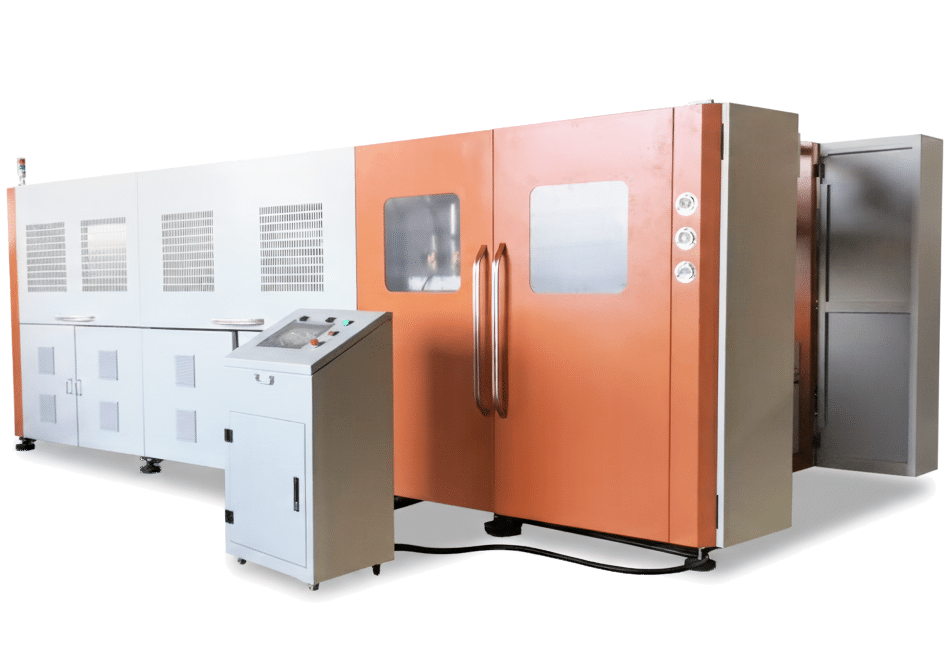
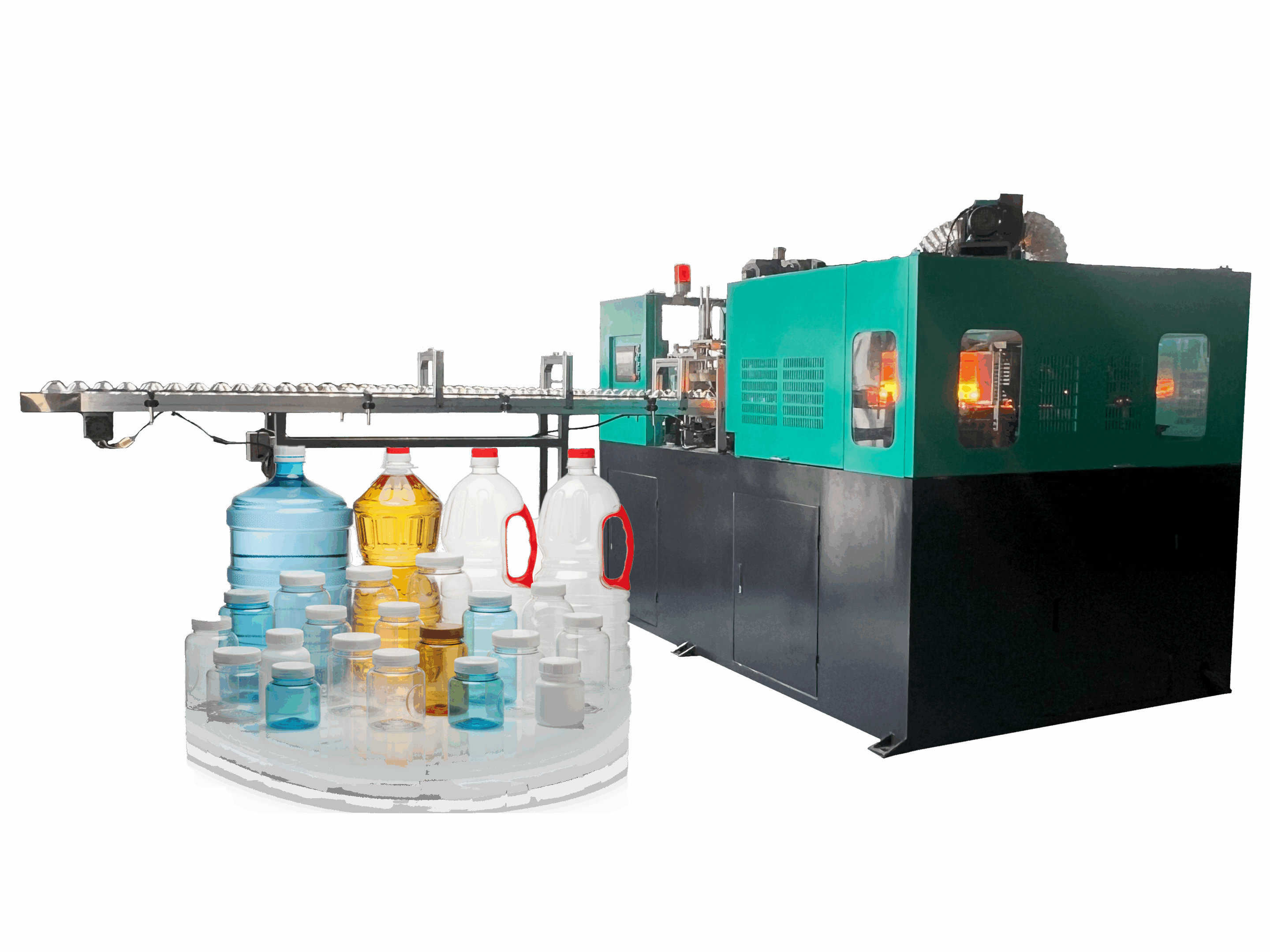
HDPE’s unique properties—chemical resistance, impact strength, and 100% recyclability—make it the naik-atau-mati material for harsh environments. From European pharmaceutical brands to industrial lubricant suppliers, companies choose blow-molded HDPE containers because they withstand extreme conditions without the weight or expense of metal alternatives. This article breaks down how HDPE outperforms other materials and why modern mesin cetak tiup are key to maximizing these advantages.
The Fundamentals of HDPE for Industrial Packaging
“HDPE (High-Density Polyethylene) is a versatile plastic widely used in industrial container production due to its durability, chemical resistance, and recyclability.”
HDPE, or High-Density Polyethylene, is a type of plastic known for its strength and flexibility. It is made from petroleum and is commonly used in industrial packaging because of its unique properties. The molecular structure of HDPE gives it high tensile strength, making it ideal for heavy-duty containers.
One of the key reasons HDPE is preferred for industrial containers is its durability. Unlike other materials, HDPE can withstand rough handling and harsh environments. It is also resistant to many chemicals, which makes it perfect for storing industrial liquids like oils, detergents, and acids. Additionally, HDPE can handle extreme temperatures, from freezing cold to boiling hot, without losing its shape or strength.
HDPE vs. Other Materials in Industrial Packaging
| Bahan | Daya tahan | Resistensi Kimia | Temperature Tolerance | Dapat didaur ulang |
|---|---|---|---|---|
| HDPE | Tinggi | Luar biasa | -40°F to 230°F | Sepenuhnya Dapat Didaur Ulang |
| PET | Sedang | Bagus. | -40°F to 150°F | Dapat didaur ulang |
| LDPE | Rendah | Adil | -60°F to 180°F | Dapat didaur ulang |
| Glass | Brittle | Luar biasa | Up to 500°F | Dapat didaur ulang |
| Metal | Sangat Tinggi | Bervariasi | Extreme | Dapat didaur ulang |
When compared to alternatives like PET, LDPE, glass, or metal, HDPE stands out for its balance of strength, weight, and cost-effectiveness. Glass and metal may offer higher temperature resistance, but they are heavier and more expensive. PET and LDPE are lighter but lack the toughness needed for industrial use.
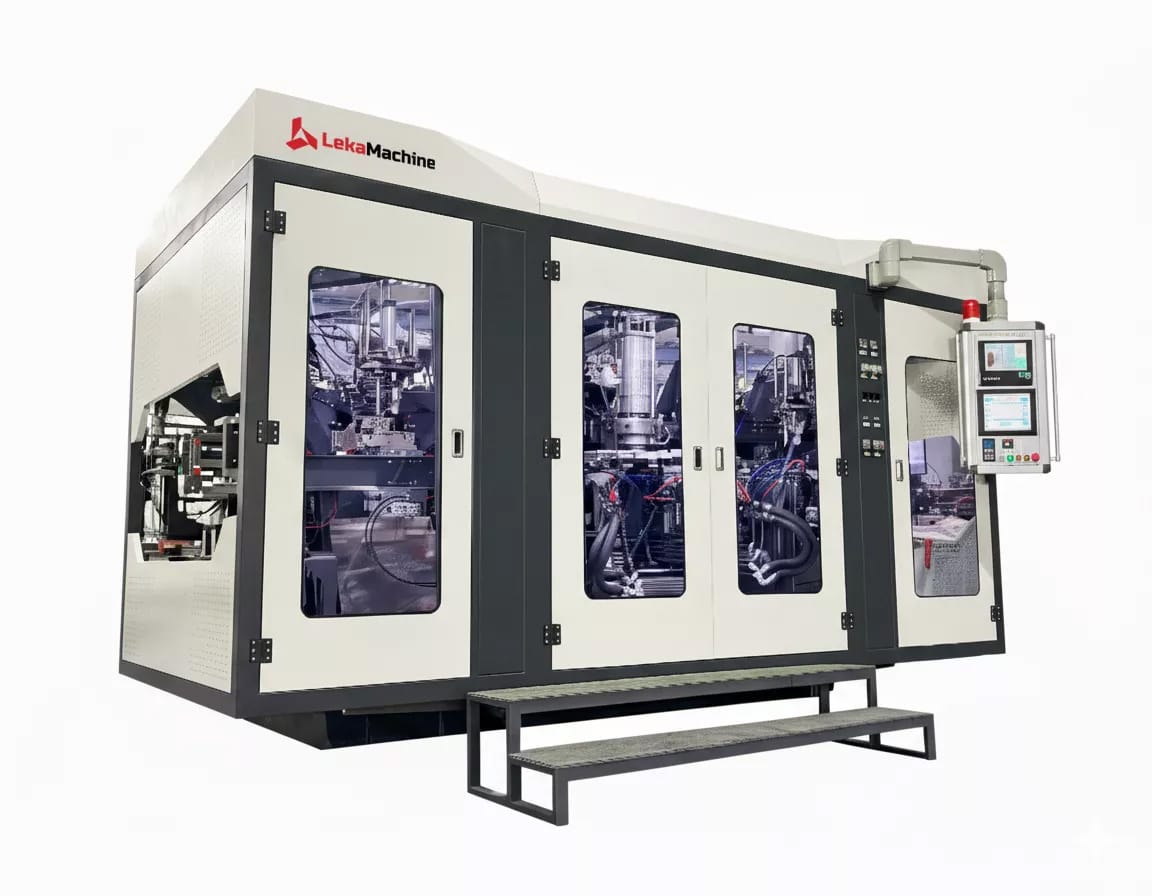
HDPE container production also meets strict industry standards, including FDA and EU certifications for food and pharmaceutical safety. This makes it a naik-atau-mati choice for businesses needing reliable packaging. Companies like Lekamachine specialize in HDPE-compatible blow molding machines, using advanced single-stage stretch blow molding technology to produce high-quality containers efficiently.
Another advantage of HDPE is its environmental friendliness. It produces fewer greenhouse gases during manufacturing compared to other plastics and is fully recyclable. Many industries are switching to HDPE to meet sustainability goals without sacrificing performance.
Blow Molding Process for HDPE Container Production
“Blow molding transforms HDPE resin into durable containers through a precise, energy-efficient process that minimizes waste while maximizing output quality.”
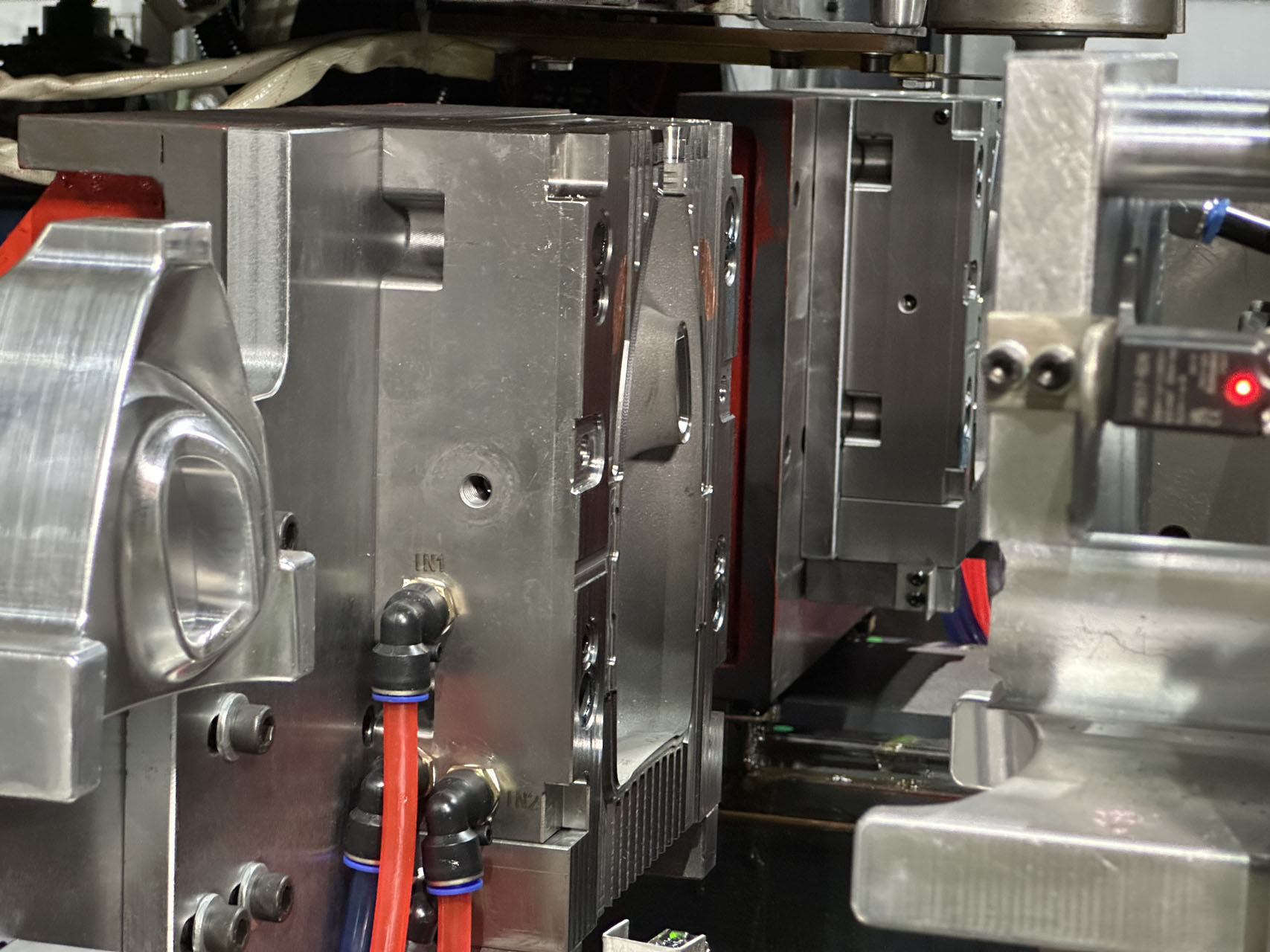
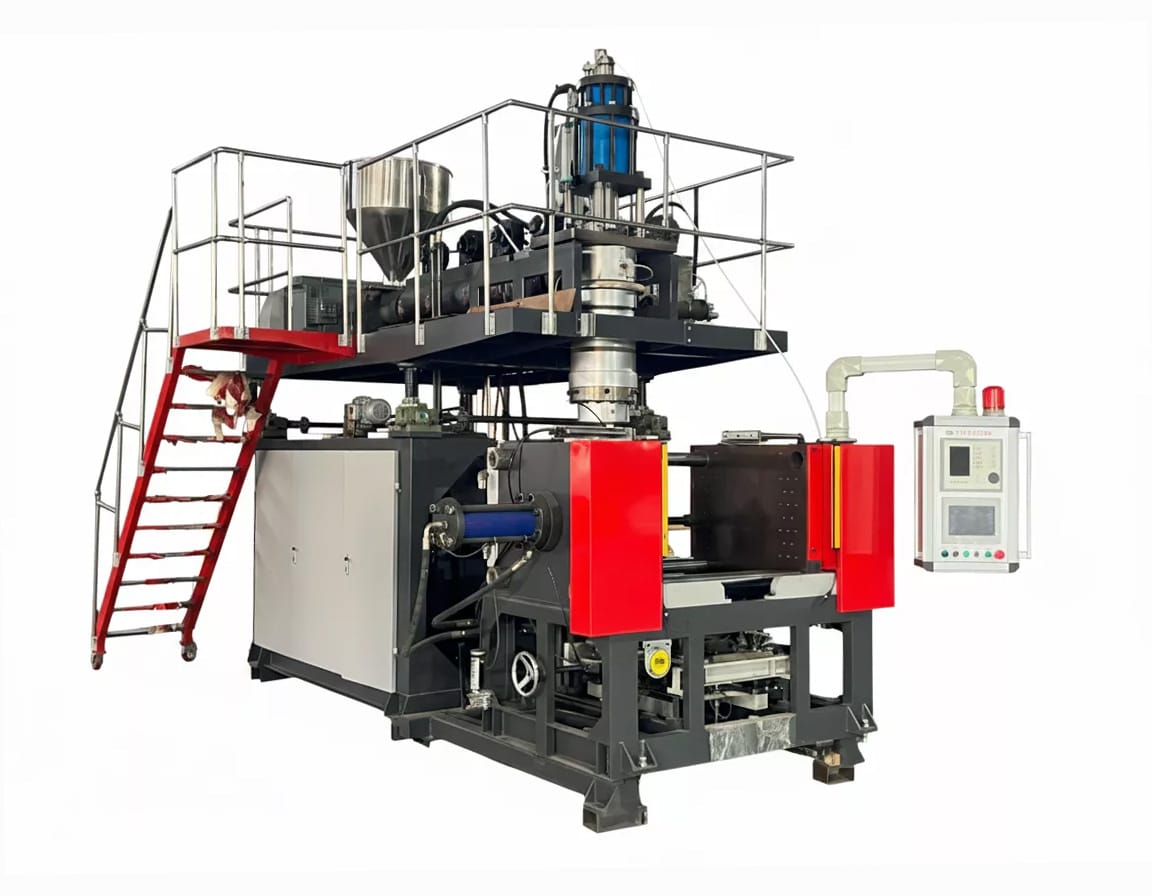
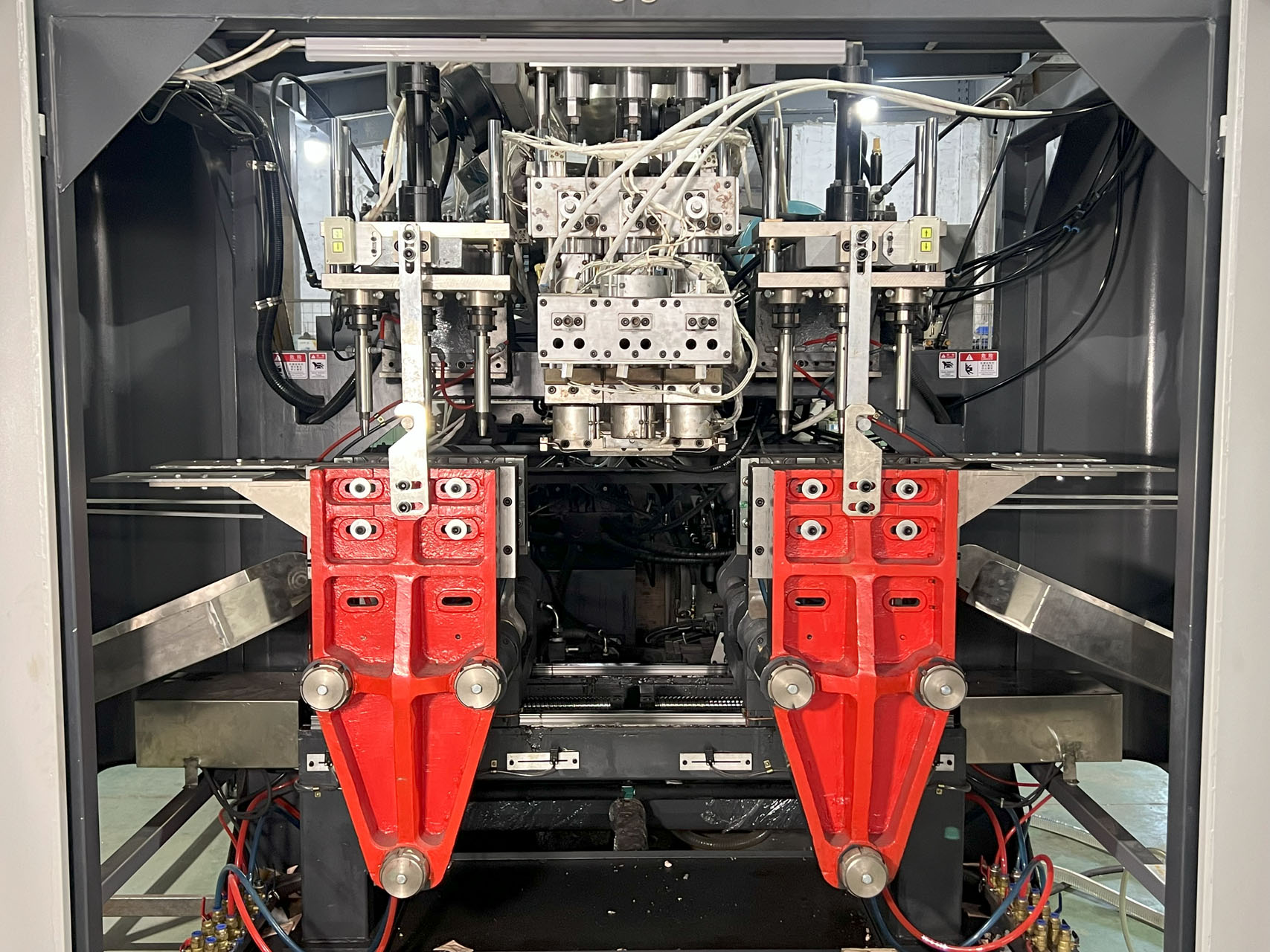
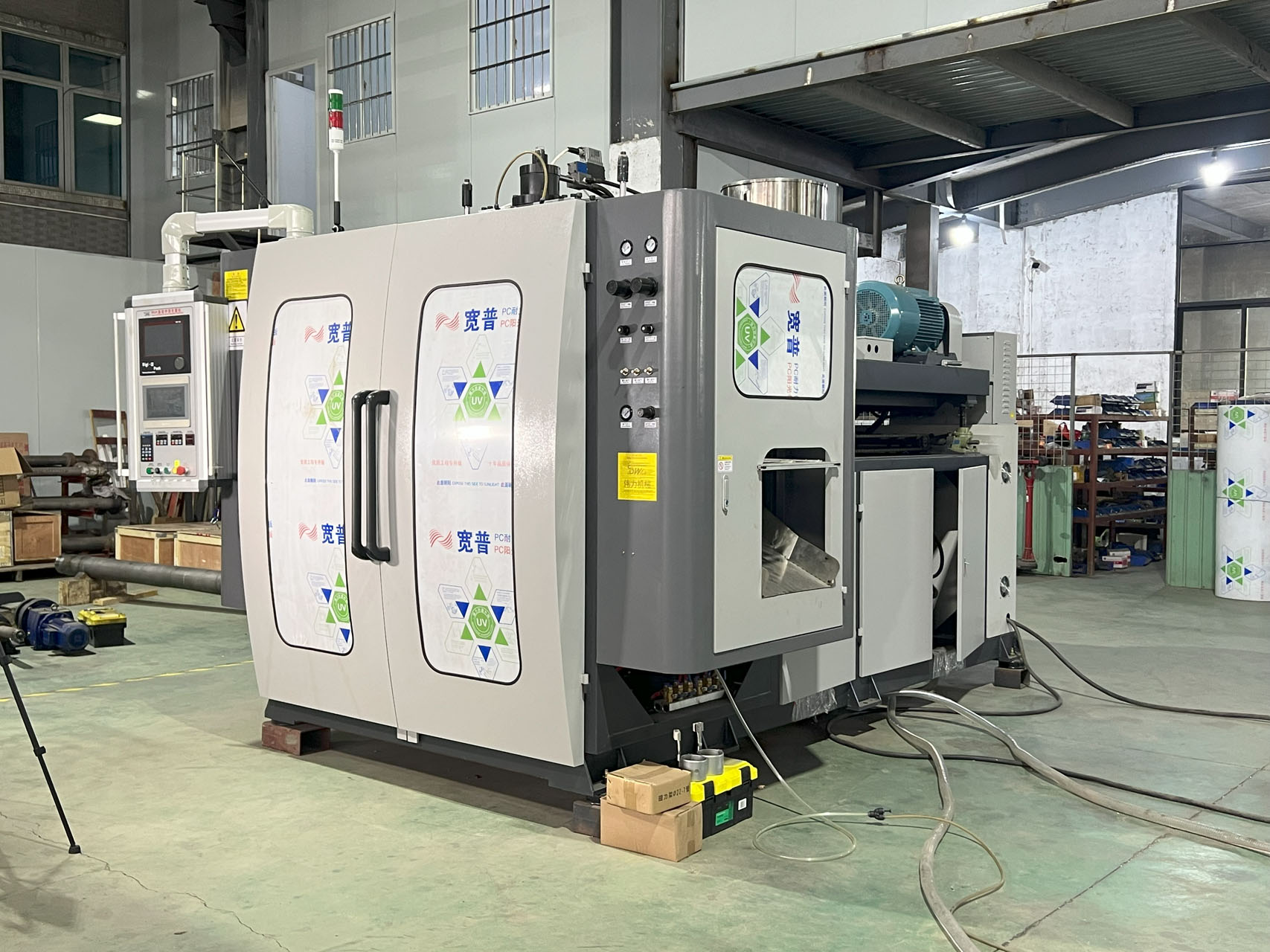
The blow molding process is the backbone of HDPE container production, turning raw plastic resin into sturdy industrial packaging. This manufacturing method begins with HDPE pellets being melted and formed into a parison (a hollow tube of molten plastic). The parison is then clamped into a mold where compressed air inflates it to take the shape of the container.
HDPE Blow Molding Production Steps
| Step | Process | Kisaran Suhu | Time Duration | Quality Checkpoints |
|---|---|---|---|---|
| 1. Resin Preparation | HDPE pellets dried and fed into extruder | 180-230°C | 30-60 menit | Moisture content < 0.02% |
| 2. Parison Formation | Molten plastic extruded into hollow tube | 190-220°C | 2-5 minutes | Wall thickness consistency |
| 3. Mold Clamping | Parison positioned between mold halves | 20-50°C | 10-30 seconds | Proper alignment |
| 4. Blowing | Compressed air inflates parison | 190-210°C | 5-15 seconds | Air pressure (50-150 psi) |
| 5. Cooling & Ejection | Container cools and is removed | 20-40°C | 20-60 seconds | Dimensional accuracy |
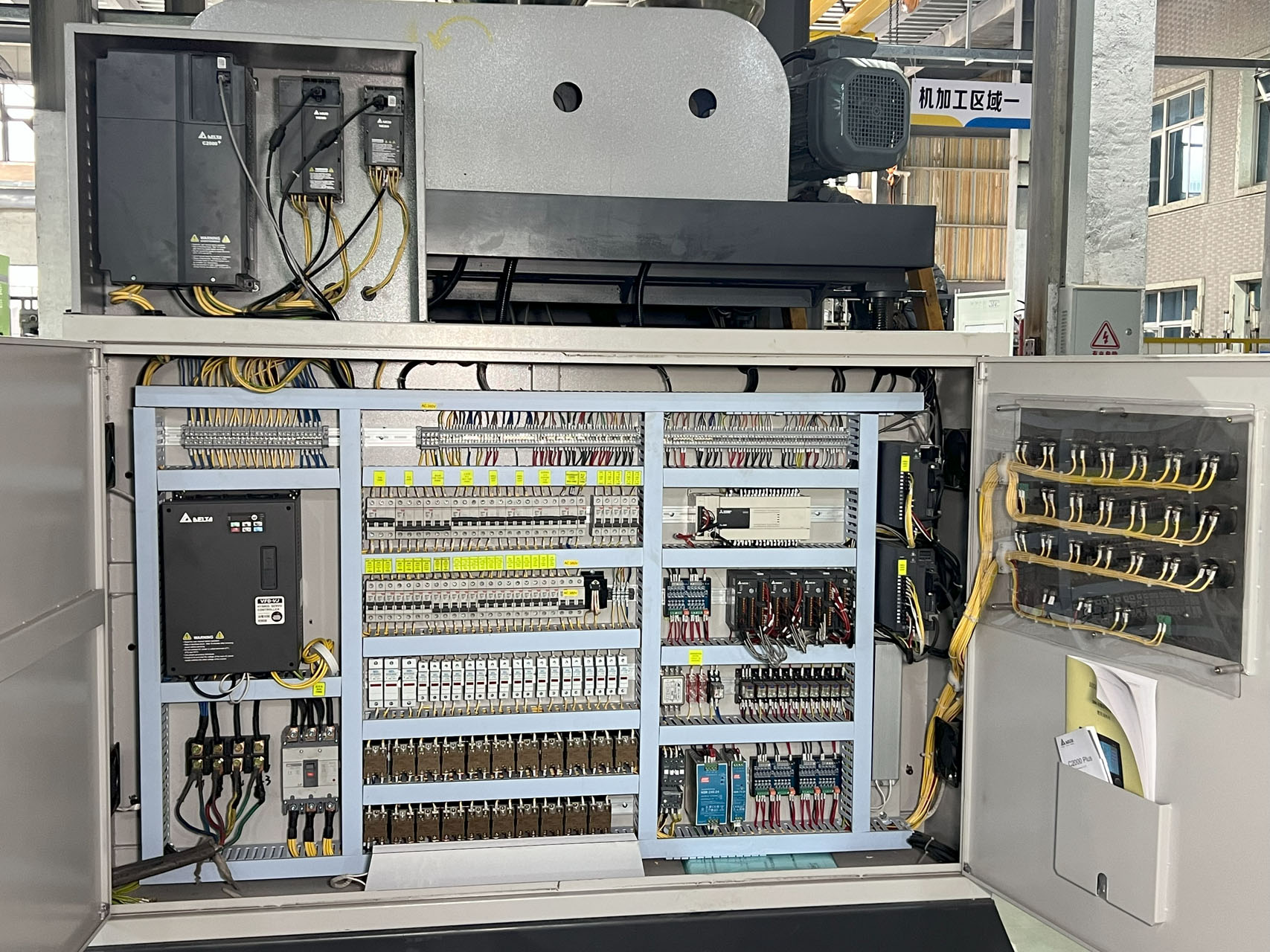
Modern blow molding machines, like those from Lekamachine, incorporate energy-saving features such as servo-electric drives and heat recovery systems. These innovations can reduce energy consumption by up to 40% compared to conventional machines, making HDPE container production more sustainable and cost-effective.
Quality control is integral throughout the process. Automated systems monitor wall thickness, while vision inspection systems check for defects. HDPE’s natural chemical resistance means containers require no additional coatings, reducing production steps and potential failure points.
The environmental advantages of blow molded HDPE containers include material efficiency (near-zero flash waste) and recyclability. Lekamachine’s single-stage stretch blow molding technology further enhances these benefits by combining injection and blowing into one seamless operation.
Industrial Applications of Blow Molded HDPE Containers
“HDPE containers serve diverse industries with their unique combination of durability, chemical resistance, and customization capabilities.”
Blow molded HDPE containers have become indispensable across multiple industries due to their exceptional performance characteristics. In the chemical sector, these containers safely store corrosive substances without degradation, offering superior resistance to acids, alkalis, and solvents. Pharmaceutical companies rely on HDPE for sterile, FDA-compliant packaging that maintains product integrity while meeting stringent regulatory requirements.
Industry-Specific HDPE Container Applications
| Industri | Jenis Kontainer | Persyaratan Utama | Fitur Khusus | Capacity Range |
|---|---|---|---|---|
| Chemical | Jerry cans, drums | Chemical resistance, impact strength | UV stabilization, vented caps | 1L-60L |
| Farmasi | Botol obat | Sterility, tamper evidence | Child-resistant closures | 50ml-1L |
| Makanan & Minuman | Juice bottles, dairy containers | Food-grade certification | Barrier layers, wide mouths | 250ml-10L |
| Industrial Lubricants | Oil bottles, grease containers | Puncture resistance | Drip-free spouts | 500ml-20L |
| Agriculture | Pesticide containers | Chemical compatibility | Triple-rinse design | 5L-30L |
Lekamachine’s blow molding technology enables precise HDPE container production for these demanding applications. Their machines can incorporate specialized features like UV inhibitors for outdoor storage, tamper-evident seals for security, and custom closures for specific dispensing needs. A recent implementation for a European lubricant manufacturer demonstrated 30% material savings through optimized wall thickness while maintaining required strength.
The food industry benefits from HDPE’s lightweight properties and food-safe certification. Milk jugs and juice bottles made from HDPE weigh significantly less than glass alternatives, reducing transportation costs. The material’s natural opacity also protects light-sensitive contents without requiring additives.

Sustainability and Cost Benefits of HDPE Containers
“HDPE containers offer both environmental sustainability and economic advantages, making them a smart choice for modern packaging needs.”
HDPE container production delivers significant environmental benefits that align with today’s sustainability goals. As one of the most recyclable plastics, HDPE can be reprocessed multiple times without substantial quality loss, supporting circular economy initiatives. Compared to alternative materials, HDPE production generates 30-40% fewer greenhouse gas emissions than PET and requires less energy than glass or metal alternatives.
Comparative Analysis of Packaging Materials
| Bahan | Dapat didaur ulang | Carbon Footprint (kg CO2/kg) | Production Energy (MJ/kg) | Transport Cost Factor |
|---|---|---|---|---|
| HDPE | High (1-7 cycles) | 1.6 | 76 | 1.0 |
| PET | Medium (2-3 cycles) | 2.2 | 84 | 1.1 |
| Glass | Tak Terbatas | 1.4 | 14 | 2.5 |
| Aluminium | Tak Terbatas | 8.6 | 211 | 1.8 |
| PP | Medium (3-5 cycles) | 1.9 | 80 | 1.0 |
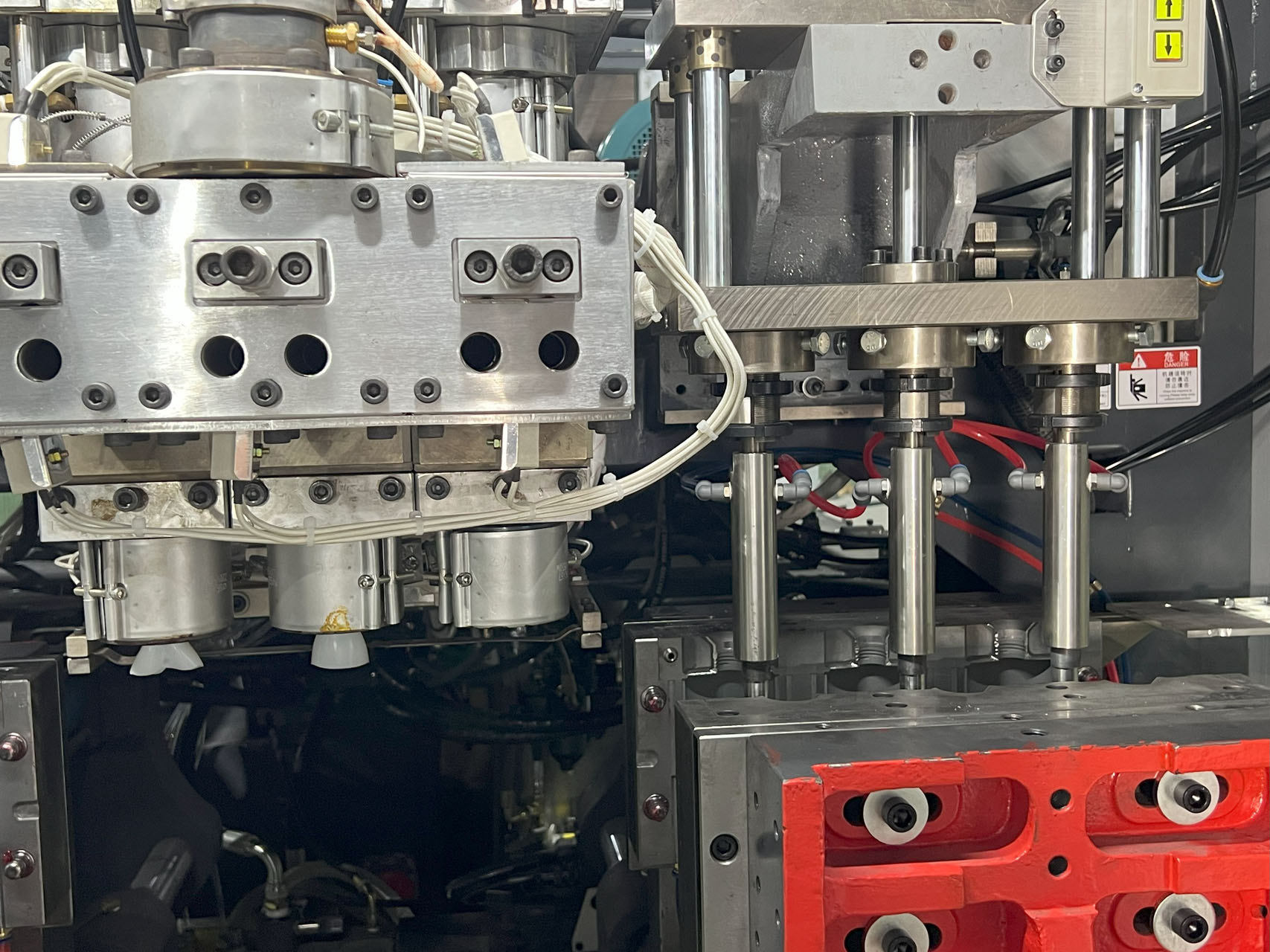
Lekamachine’s energy-efficient blow molding machines further enhance these sustainability benefits by reducing production energy consumption by up to 35% compared to conventional models. Their single-stage stretch blow molding technology minimizes material waste during HDPE container production, achieving near-zero flash waste rates while maintaining product quality.
From a cost perspective, HDPE containers offer substantial savings throughout their lifecycle. The lightweight nature of HDPE reduces shipping costs by 20-30% compared to glass alternatives. Production efficiency gains from modern blow molding equipment like Lekamachine’s can yield 15-25% lower per-unit costs. These economic advantages, combined with HDPE’s durability and reusability, make it an increasingly popular choice for companies balancing sustainability with profitability.
Selecting the Right HDPE Container Production Solution
“Choosing the optimal HDPE container production system requires careful evaluation of technical specifications, supplier capabilities, and future business needs.”
Selecting the ideal HDPE container production solution begins with understanding your specific industrial requirements. Key specifications to consider include production volume (ranging from small batches to high-output continuous runs), container size and wall thickness requirements, and any special features like UV protection or tamper evidence. Industrial HDPE containers often demand higher durability standards than consumer packaging, particularly for chemical or pharmaceutical applications.
Blow Molding Machine Selection Criteria
| Faktor | Consideration | Tingkat Pemula | Menengah | Industrial-Grade |
|---|---|---|---|---|
| Production Capacity | Unit/jam | 500-1,000 | 1,000-3,000 | 3,000-8,000+ |
| Tingkat Otomasi | Labor requirements | Semi-automatic | Mostly automatic | Fully automatic |
| Efisiensi Energi | kW/hour | 15-25 | 10-20 | 8-15 |
| Waktu Pergantian | Minutes | 60+ | 30-60 | 15-30 |
| Supplier Support | Response time | 48-72 jam | 24-48 jam | Hari yang sama |
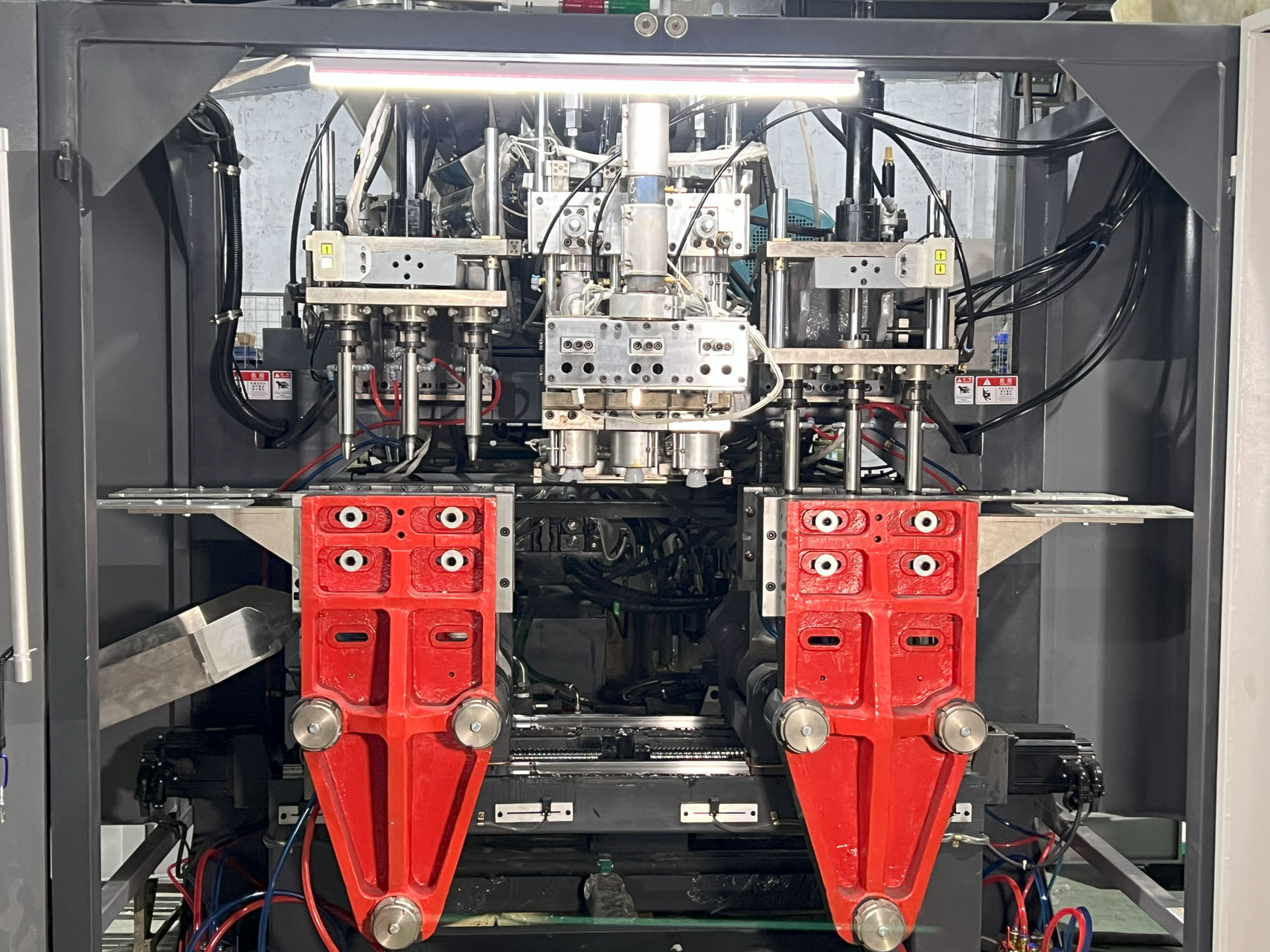
Saat mengevaluasi pemasok untuk produksi wadah HDPE, prioritaskan produsen dengan pengalaman industri yang terbukti seperti Lekamachine, yang menawarkan keahlian khusus 12 tahun dalam teknologi blow molding. Solusi sepenuhnya otomatis mereka menunjukkan bagaimana mesin canggih dapat memfuture-proof operasi melalui fitur-fitur seperti sistem penggantian cetakan yang cepat dan pemantauan kinerja berbasis IoT. Implementasi terbaru untuk sebuah perusahaan farmasi Eropa menunjukkan siklus produksi 40% lebih cepat sambil mempertahankan standar kualitas yang ketat.
Di luar spesifikasi teknis, pertimbangkan total biaya kepemilikan termasuk kebutuhan perawatan, konsumsi energi, dan potensi untuk upgrade di masa depan. Desain Lekamachine yang hemat energi dapat mengurangi biaya operasional hingga 30% dibandingkan dengan sistem konvensional. Paket dukungan komprehensif mereka – dari instalasi hingga pelatihan operator – memastikan implementasi yang lancar dan meminimalkan downtime selama transisi produksi.
Kesimpulan
Setelah bertahun-tahun di industri blow molding, saya telah melihat bagaimana wadah HDPE **"meningkatkan level"** kemasan untuk lingkungan yang keras. Mereka tidak hanya tangguh—tetapi juga hemat biaya, berkelanjutan, dan dibangun untuk menangani segalanya mulai dari bahan kimia hingga produk farmasi tanpa kesulitan.
Yang menonjol adalah bagaimana teknologi blow molding modern memaksimalkan keunggulan-keunggulan ini. Mesin yang tepat tidak hanya membentuk plastik—tetapi juga memastikan konsistensi, mengurangi limbah, dan memfuture-proof operasi Anda. Jika Anda mempertimbangkan opsi kemasan, perpaduan daya tahan dan kemampuan daur ulang HDPE menjadikannya pilihan yang unggul.
Pada akhirnya, kemasan Anda harus bekerja sekeras produk Anda. Dengan HDPE, Anda terlindungi—tanpa kompromi.
PERTANYAAN YANG SERING DIAJUKAN
Q1: What is HDPE container production?
A1: Produksi wadah HDPE melibatkan pembuatan wadah dari polietilen densitas tinggi, sebuah termoplastik yang dikenal karena kekuatan dan daya tahannya, cocok untuk berbagai aplikasi termasuk penyimpanan makanan dan bahan kimia.
Q2: How are HDPE containers made?
A2: Wadah HDPE dibuat melalui proses ekstrusi atau blow molding, di mana resin HDPE dipanaskan dan dibentuk menjadi bentuk wadah yang diinginkan, memastikan daya tahan dan ketahanan terhadap bahan kimia.
Q3: What are the advantages of HDPE containers?
A3: Wadah HDPE menawarkan banyak keunggulan, termasuk kekuatan tinggi, ketahanan terhadap benturan dan bahan kimia, sifat ringan, dan kemampuan untuk didaur ulang, menjadikannya pilihan kemasan yang ramah lingkungan.
Q4: Is HDPE safe for food storage?
A4: Ya, HDPE dianggap aman untuk penyimpanan makanan dan disetujui FDA untuk digunakan pada barang-barang yang bersentuhan dengan makanan, asalkan memenuhi pedoman FDA tertentu.
Q5: What are the environmental impacts of HDPE production?
A5: Produksi HDPE menghasilkan emisi gas rumah kaca yang lebih rendah dibandingkan plastik lain karena proses polimerisasi yang efektif, dan HDPE dapat didaur ulang, mengurangi dampak lingkungan.
Q6: What industries use HDPE containers?
A6: Wadah HDPE banyak digunakan di berbagai industri, termasuk makanan dan minuman, farmasi, penyimpanan bahan kimia, dan produk rumah tangga, karena daya tahan dan ketahanan kimianya.
Q7: Can HDPE containers be reused?
A7: Ya, wadah HDPE dapat digunakan kembali beberapa kali, menjadikannya pilihan yang hemat biaya dan berkelanjutan untuk kemasan dan penyimpanan.
Q8: How are HDPE containers recycled?
A8: Wadah HDPE dapat didaur ulang dengan mengumpulkan dan memprosesnya menjadi pelet, yang kemudian digunakan untuk memproduksi produk baru, sehingga mengurangi limbah dan menghemat sumber daya.
Tautan Eksternal
- Pembuatan Botol HDPE Kimia - Di Balik Layar – Regent Plast
- HDPE: Panduan Mengenai Polietilen Densitas Tinggi dan Penggunaannya
- Proses Manufaktur Polietilen Densitas Tinggi – Sciencing
- Bagaimana wadah HDPE dibuat? – Maxipet
- Memahami Bagaimana HDPE Dibuat – Studi Kasus Tangent
- Polietilen densitas tinggi – Wikipedia
- Bagaimana HDPE Dibuat? – Scranton Products
- Ukuran Pasar HDPE India, Bagian, Pertumbuhan & Laporan Industri, 2030 – ChemAnalyst


0 Komentar