






Pendahuluan
Manufacturers face a constant tug-of-war: how to create durable plastic parts without adding unnecessary weight or cost. Traditional injection molding often forces compromises—either sacrificing strength for lightness or over-engineering components that drive up material expenses. This is where structural foam injection molding changes the game.
By integrating a foaming agent into the molding process, manufacturers achieve parts that are up to 30% lighter yet maintain exceptional rigidity—perfect for automotive panels, industrial containers, and medical equipment. Beyond weight savings, this method reduces sink marks, cuts material usage, and lowers energy consumption compared to conventional techniques.
In this guide, we’ll break down how structural foam works, its advantages over traditional molding, and why industries from aerospace to consumer goods are adopting it for high-performance applications.

What is Structural Foam Injection Molding?
Structural foam injection molding is a specialized plastic manufacturing process that creates lightweight yet strong parts with a unique cellular core structure, offering distinct advantages over traditional injection molding.
Structural foam injection molding is an advanced manufacturing technique that produces plastic parts with a distinctive cellular core. Unlike traditional injection molding which creates solid parts, this process introduces a foaming agent into the molten plastic, creating a sandwich-like structure with a solid outer skin and a foamed inner core. This unique composition gives structural foam its naik-atau-mati combination of strength and lightweight properties that manufacturers love.
The science behind structural foam injection revolves around the controlled expansion of gas bubbles within the plastic material. When the foaming agent activates, it creates millions of tiny cells throughout the core of the part while maintaining a solid outer surface. This cellular structure significantly reduces material usage while maintaining structural integrity, making it particularly valuable for large parts where weight reduction is critical.
Key Differences From Traditional Injection Molding
While both processes involve injecting molten plastic into a mold, structural foam injection differs in several important ways. First, it operates at much lower pressures – typically 10-20% of conventional injection molding pressures. This allows for the production of larger parts with less stress on molds and equipment. Second, the cooling process differs significantly due to the insulating properties of the foam core.
Historical Evolution and Industry Adoption
Developed in the 1960s as a solution for producing large plastic components, structural foam injection molding gained traction in industries requiring lightweight yet durable parts. Today, it’s widely used in automotive, construction, and material handling applications where the strength-to-weight ratio is paramount. Companies like Lekamachine have refined these technologies to help businesses transition smoothly to structural foam solutions.
Performance Comparison: Structural Foam vs. Traditional Molding
| Fitur | Structural Foam | Traditional Injection | Pengurangan Berat Badan | Penghematan Material | Aplikasi Industri |
|---|---|---|---|---|---|
| Internal Structure | Cellular core with solid skin | Solid throughout | Up to 30% lighter | 15-25% less material | Large automotive panels |
| Injection Pressure | 200-500 psi | 2,000-20,000 psi | N/A | N/A | Industrial enclosures |
| Part Size Capability | Very large parts possible | Limited by clamp force | N/A | N/A | Bahan konstruksi |
| Hasil Akhir Permukaan | May require secondary ops | High-quality finish | N/A | N/A | Consumer products |
| Biaya Perkakas | Lower due to reduced pressure | Higher for large parts | N/A | N/A | Material handling equipment |
Note: Measurements based on industry averages for comparable part geometries. Actual performance may vary based on material selection and part design.
The commercial benefits of structural foam injection molding are particularly evident when considering total production costs. While the per-part material cost is reduced through material savings, the real value comes from the ability to produce large, complex parts that would be impractical or prohibitively expensive with traditional methods. This makes structural foam injection an attractive option for businesses looking to optimize their plastic part production.
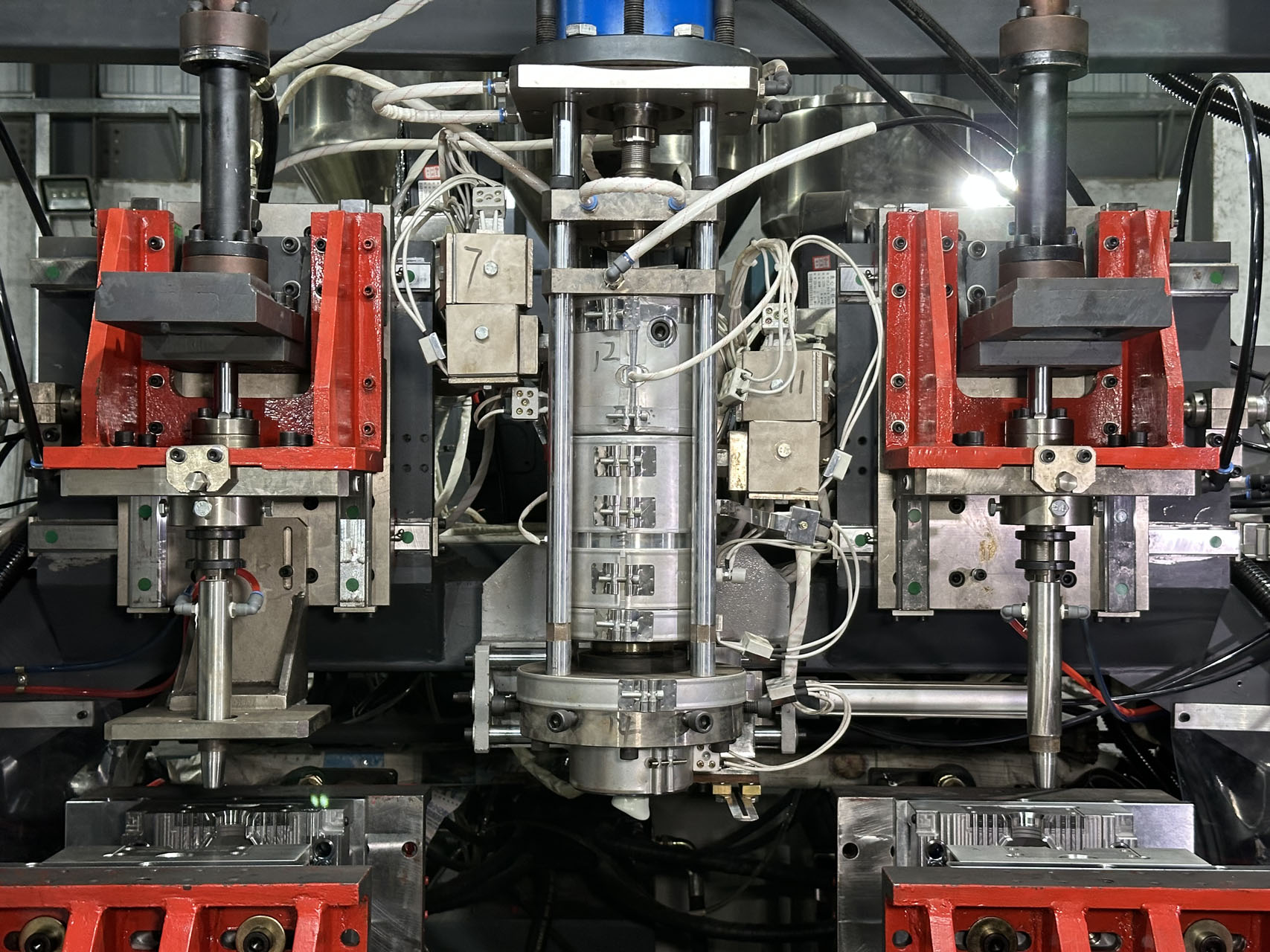
Key Benefits of Structural Foam Molding
Structural foam injection molding delivers up to 30% weight reduction while maintaining strength, offering industries facing weight mandates a cost-effective solution for large, complex parts.
Structural foam injection molding provides distinct advantages that make it ideal for specific manufacturing applications. The most notable benefit is its ability to reduce part weight by up to 30% without compromising structural integrity. This weight reduction comes from the cellular core structure that replaces solid plastic with a foamed interior while maintaining a solid outer skin for strength.
Cost-Effectiveness for Large Parts
The low-pressure nature of structural foam injection molding makes it particularly cost-effective for producing large and complex parts. Unlike traditional injection molding which requires expensive high-pressure equipment, structural foam can produce sizable components with less expensive tooling and machinery. This translates to lower capital investment and operational costs.
Superior Dimensional Stability
Structural foam parts exhibit excellent dimensional stability with significantly reduced warping compared to conventional molded parts. The cellular core structure minimizes internal stresses during cooling, resulting in parts that maintain their shape and dimensions more consistently. This makes structural foam injection ideal for applications requiring tight tolerances.
Performance Comparison: Structural Foam vs Traditional Molding
| Manfaat | Structural Foam | Traditional Molding | Dampak | Key Industries |
|---|---|---|---|---|
| Pengurangan Berat Badan | Up to 30% lighter | No reduction | Lower shipping costs | Automotive, Aerospace |
| Material Usage | 15-25% less material | Material 100% | Penghematan biaya | Produk Konsumen |
| Konsumsi Energi | Tekanan lebih rendah = energi lebih sedikit | Penggunaan energi tinggi | Pengurangan biaya operasional | Peralatan Industri |
| Peredam Kebisingan | Luar biasa | Minimal | Peningkatan kinerja produk | Peralatan Rumah Tangga, Elektronik |
| Insulasi Termal | Bagus. | Buruk | Efisiensi energi | Material Bangunan |
Efisiensi energi dari cetakan injeksi busa struktural berasal dari suhu dan tekanan pemrosesan yang lebih rendah. Hal ini tidak hanya mengurangi konsumsi energi selama produksi, tetapi juga memungkinkan penggunaan mesin yang lebih kecil dan lebih murah dibandingkan dengan peralatan cetakan injeksi konvensional. Penghematan operasional ini dapat signifikan bagi produsen yang menjalankan produksi volume tinggi.

Proses Cetakan Injeksi Busa Struktural
Cetakan injeksi busa struktural menggabungkan ilmu material dengan rekayasa presisi untuk menciptakan komponen plastik yang ringan dan kuat melalui proses bertekanan rendah yang unik.
Proses cetakan injeksi busa struktural dimulai dengan persiapan material yang cermat. Butiran resin plastik dicampur dengan agen pembusa kimia yang aktif under panas. Campuran ini kemudian dimasukkan ke dalam laras mesin cetakan injeksi dimana material dipanaskan hingga suhu tepat yang melelehkan plastik tetapi tidak mengaktifkan agen pembusa secara prematur.
Teknik Injeksi Bertekanan Rendah
Berbeda dengan cetakan injeksi tradisional yang menggunakan tekanan tinggi, cetakan injeksi busa struktural beroperasi pada tekanan yang jauh lebih rendah (biasanya 200-500 psi). Material cair disuntikkan ke dalam rongga cetakan dimana tekanan yang berkurang memungkinkan agen pembusa mengembang, menciptakan struktur inti seluler yang khas sambil mempertahankan kulit luar yang padat.
Process Flow Comparison
| Tahap Proses | Structural Foam | Traditional Molding | Perbedaan Utama | Dampak pada Kualitas |
|---|---|---|---|---|
| Persiapan Material | Resin + agen pembusa | Resin murni | Pencampuran khusus diperlukan | Memengaruhi struktur sel |
| Injection Pressure | 200-500 psi | 2000-20000 psi | Biaya peralatan lebih rendah | Stres pada komponen berkurang |
| Waktu Pendinginan | Lebih lama | Lebih singkat | Inti busa mengisolasi | Lengkungan lebih sedikit |
| Persyaratan Perkakas | Lebih sederhana | Lebih kokoh | Biaya cetakan lebih rendah | Prototipe lebih cepat |
| Konsumsi Energi | Lebih rendah | Lebih tinggi | Pengurangan biaya operasional | Lebih berkelanjutan |
Fase pendinginan dalam cetakan injeksi busa struktural sangat kritis dan biasanya lebih lama daripada cetakan tradisional. Inti seluler berfungsi sebagai insulator, memerlukan kontrol suhu yang hati-hati untuk memastikan solidifikasi yang tepat di seluruh bagian. Pendinginan yang diperpanjang ini berkontribusi pada stabilitas dimensi yang sangat baik dari komponen busa struktural.

Opsi Material dan Kriteria Seleksi
Memilih material yang tepat untuk cetakan injeksi busa struktural sangat memengaruhi kinerja produk, daya tahan, dan total biaya kepemilikan selama siklus hidup produk.
Cetakan injeksi busa struktural dapat bekerja dengan berbagai termoplastik, masing-masing menawarkan properti unik untuk aplikasi berbeda. Material yang paling umum digunakan termasuk ABS (Acrylonitrile Butadiene Styrene), polikarbonat, dan PPE (Polyphenylene Ether), yang semuanya dikenal dengan rasio kekuatan-terhadap-berat yang sangat baik ketika diproses dengan teknik injeksi busa.
Sifat Material Kelas Rekayasa
Termoplastik rekayasa untuk injeksi busa struktural dipilih berdasarkan sifat mekanik, ketahanan kimia, dan stabilitas termalnya. ABS memberikan ketahanan benturan dan penyelesaian permukaan yang baik, sementara polikarbonat menawarkan transparansi dan ketahanan panas yang unggul. PPE unggul dalam stabilitas dimensi dan sifat isolasi listriknya, menjadikannya ideal untuk aplikasi otomotif dan elektronik.
Material Selection Guide
| Bahan | Kekuatan Tarik | Ketahanan Panas | Resistensi Kimia | Aplikasi Khas |
|---|---|---|---|---|
| ABS | 30-50 MPa | 80-100°C | Sedang | Interior otomotif, selubung |
| Polikarbonat | 55-75 MPa | 120-140°C | Bagus. | Perangkat medis, penutup transparan |
| PPE | 45-65 MPa | 100-120°C | Luar biasa | Komponen listrik, penanganan fluida |
| Polipropilena | 25-40 MPa | 90-110°C | Luar biasa | Packaging, containers |
| Nylon | 60-80 MPa | 150-180°C | Bagus. | Industrial components, gears |
When selecting materials for structural foam injection, engineers must consider several factors including mechanical requirements, environmental exposure, regulatory compliance, and cost-effectiveness. The cellular structure created during the foaming process enhances certain material properties while reducing overall weight and material usage.

Industry Applications and Future Trends
Structural foam injection molding is revolutionizing multiple industries by providing lightweight yet durable solutions that meet modern sustainability and efficiency demands.
The automotive industry has embraced structural foam injection for critical components like battery housings and interior panels. These applications benefit from the material’s excellent strength-to-weight ratio, which helps improve vehicle efficiency while maintaining structural integrity. The low-pressure nature of structural foam injection also allows for cost-effective production of large, complex parts that would be challenging with traditional methods.
Diverse Industrial Applications
Beyond automotive, structural foam injection molding serves numerous industrial applications. Material handling equipment like pallets and containers benefit from the combination of reduced weight and maintained durability. In medical device manufacturing, the process creates components with excellent dimensional stability and chemical resistance, crucial for precision instruments and diagnostic equipment.
Industry Application Comparison
| Industri | Aplikasi Umum | Manfaat Utama | Material Preferences | Tren Masa Depan |
|---|---|---|---|---|
| Otomotif | Battery housings, panels | Weight reduction, impact resistance | ABS, Polypropylene | EV-specific solutions |
| Industri | Pallets, containers | Durability, cost-efficiency | HDPE, Polyethylene | Smart tracking integration |
| Medis | Device housings, components | Chemical resistance, precision | Polycarbonate, PPE | Antimicrobial materials |
| Penerbangan | Interior components | Lightweighting, flame retardancy | PEEK, PEI | Advanced composites |
| Konsumen | Appliances, electronics | Aesthetics, noise reduction | ABS, ASA | Sustainable materials |
The aerospace and defense sectors utilize structural foam injection for interior components where weight savings directly translate to improved fuel efficiency and payload capacity. The ability to create large, complex parts with consistent quality makes structural foam injection particularly valuable for these high-performance applications.

Kesimpulan
After years in the blow molding industry, I’ve seen firsthand how structural foam injection molding changes the game—delivering strength without the weight, and efficiency without the cost. It’s not just a process; it’s a "pengubah permainan" for industries where performance and sustainability matter.
From automotive to aerospace, the right molding technology doesn’t just meet specs—it redefines what’s possible. If you’re weighing options for large, lightweight parts, structural foam isn’t just an alternative—it’s often the smartest solution on the table.
The future of manufacturing isn’t about doing more with more—it’s about doing more with less. And that’s exactly where structural foam shines.
PERTANYAAN YANG SERING DIAJUKAN
Q1: What is structural foam injection molding?
A1: Structural foam injection molding is a manufacturing process that combines traditional injection molding with a foaming agent to create parts with a foamed core and solid outer skin, resulting in lightweight, strong plastic components.
Q2: What are the benefits of structural foam over traditional molding?
A2: The main benefits include weight savings, increased strength due to the honeycomb structure, higher stiffness-to-weight ratios, and the ability to produce larger, more intricate parts more economically.
Q3: What materials are used in structural foam injection molding?
A3: Common materials include thermoplastics like High-Density Polyethylene (HDPE), Polypropylene, and Acrylonitrile Butadiene Styrene (ABS), often combined with a blowing agent for foaming.
Q4: How does structural foam injection differ from standard injection molding?
A4: Structural foam injection operates at lower pressures and incorporates a blowing agent to produce a cellular structure, whereas standard injection molding does not create this foamed core.
Q5: What applications benefit from structural foam injection molding?
A5: Applications include automotive parts, consumer products, and large manufacturing components where lightweight and durable designs are essential.
Q6: Is structural foam injection molding cost-effective?
A6: Yes, it is considered cost-effective especially for large parts, as it optimizes material usage and manufacturing processes, reducing overall production costs.
Q7: What industries commonly use structural foam injection molding?
A7: Industries such as automotive, aerospace, packaging, and consumer goods utilize structural foam due to its lightweight and strong materials for various applications.
Q8: What design considerations are important for structural foam molding?
A8: Key design considerations include draft angles, wall thickness, and ensuring adequate flow of materials to create desired shapes and maintain structural integrity.
Tautan Eksternal
- Pencetakan Injeksi Busa Struktural: Manfaat dan Aplikasi
- What is Engineering Structural Foam?
- Molding Struktural Busa – Proses, keunggulan, dan aplikasi
- Structural Foam Molding vs Injection Molding: Which is Right for You?
- Structural Foam: A Viable Option in Injection Molding
- High Density Polyurethane Foam Injection
- Advantages of Structural Foam Injection Molding
- Pencetakan Injeksi Busa – ScienceDirect


0 Komentar