
Pendahuluan
Every year, damaged goods cost manufacturers millions—not just in lost products, but in customer trust and brand reputation. When fragile electronics, medical devices, or high-value automotive components arrive compromised, the ripple effects hurt both profits and partnerships.
Foam injection molding solves this naik-atau-mati challenge by combining lightweight efficiency with unmatched impact resistance. Unlike rigid plastics or bulky packaging, foam’s cellular structure absorbs shocks while keeping shipments cost-effective. This article explores how industries from healthcare to automotive leverage foam molding to slash breakage rates and streamline protective packaging.
Introduction to Foam Injection Molding
“Foam injection molding is a game-changer in protective packaging, offering unmatched cushioning and cost savings for industries dealing with fragile goods.”
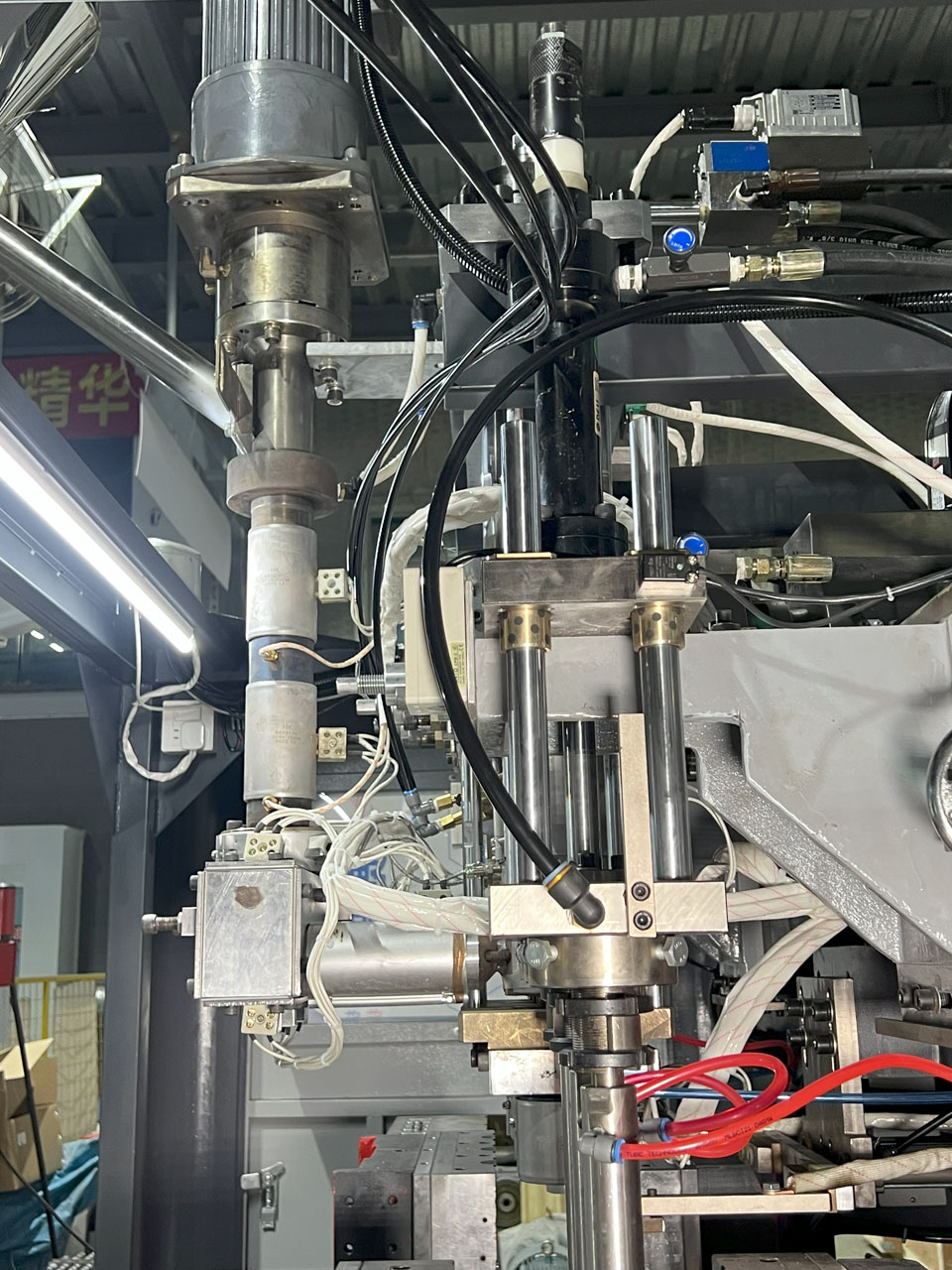
Foam injection molding is a specialized manufacturing process where molten plastic is injected with a blowing agent to create lightweight, cushioned parts. This technique is widely used in protective packaging to prevent product damage during shipping. The foam molding process creates tiny air pockets within the material, giving it excellent shock absorption properties.
In logistics, damaged goods cost businesses billions annually. Foam injection molding directly addresses this by creating custom protective inserts that cradle products securely. Whether it’s delicate electronics or heavy automotive components, foam packaging significantly reduces breakage rates. Many companies find this solution pays for itself through lower return rates and shipping insurance costs.
Industry Applications of Foam Injection Molding
| Industri | Penggunaan Umum | Material Types | Impact on Damage Rates | Penghematan Biaya |
|---|---|---|---|---|
| Elektronik | Device packaging, component holders | Polyurethane, EPS | Reduces damage by 60-80% | 15-30% lower logistics costs |
| Otomotif | Bumper cores, interior padding | PP, PE | 75% fewer shipping claims | 20% weight reduction savings |
| Medis | Equipment cases, sterile packaging | Medical-grade PE | 90% sterile integrity maintained | 40% less packaging material |
| Barang Konsumsi | Appliance packaging, luxury item protection | Custom blends | 50% fewer customer returns | 25% faster packaging time |
| Industri | Machine part cushioning, pallet inserts | High-density foams | 70% impact protection | 30% less void fill needed |
The automotive industry particularly benefits from foam injection molding for both packaging and actual vehicle components. Energy-absorbing foam cores in bumpers and door panels demonstrate how this technology goes beyond simple packaging solutions. Medical device manufacturers rely on sterile foam packaging that maintains cleanliness while providing naik-atau-mati protection for expensive equipment during transport.
For electronics manufacturers, foam injection molding allows precise customization to protect sensitive components. The process can create compartments for multiple items in a single package, eliminating the need for additional packing materials. This efficiency makes foam molding an environmentally friendly choice compared to traditional packing peanuts or bubble wrap.
Featured Image Reference: Close-up of foam injection molded protective packaging cradling electronic components.
The Foam Injection Molding Process Explained
“Foam injection molding transforms raw thermoplastics into lightweight, protective components through a precise three-stage process that delivers consistency at scale.”
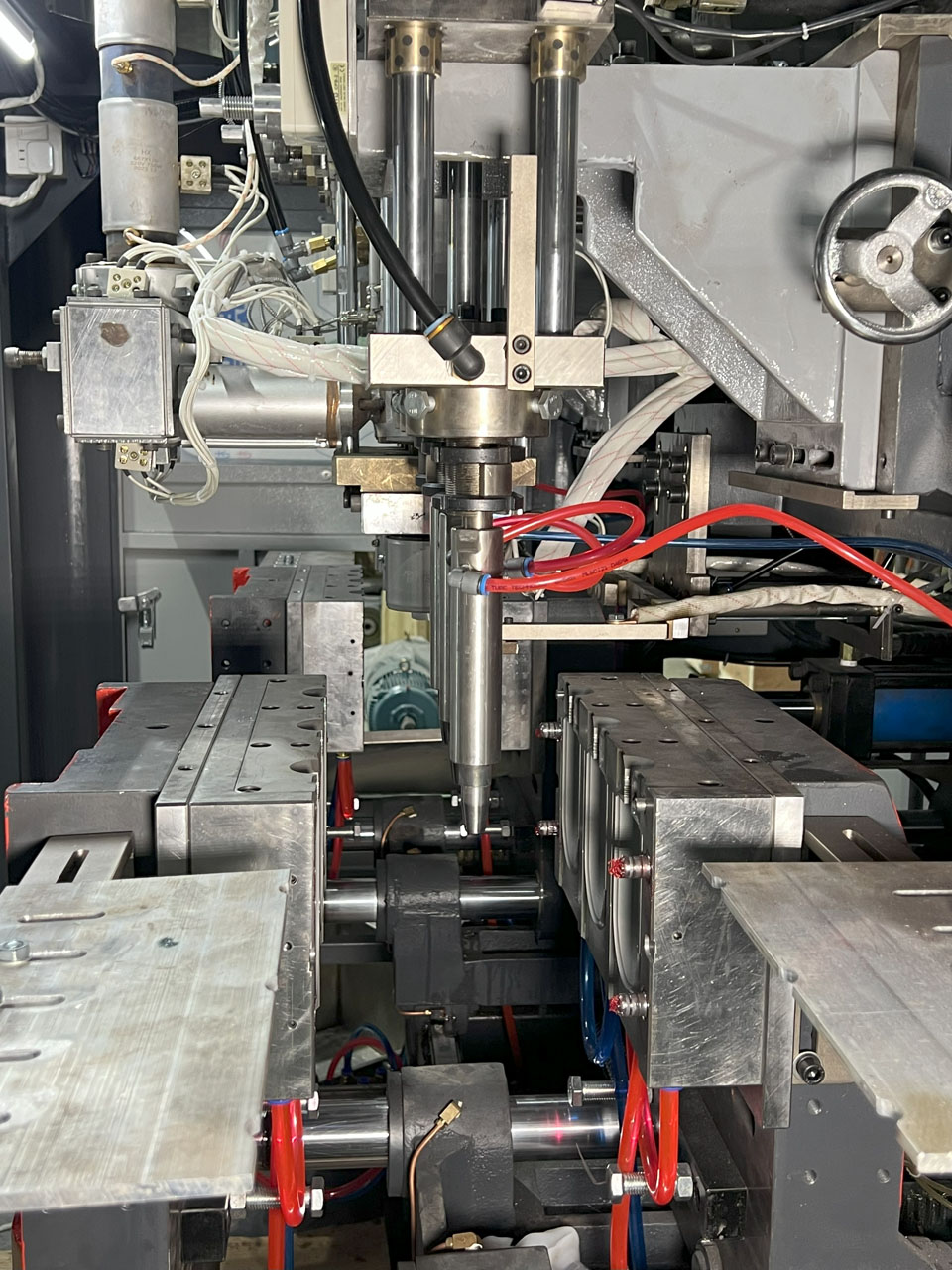
The foam injection molding process begins with material preparation, where thermoplastics like polypropylene or EVA are combined with chemical blowing agents. These specialized additives decompose under heat, creating the gas bubbles that give structural foam molding its distinctive cellular structure. Material selection depends on the final application, with medical-grade polymers requiring stricter certifications than industrial foam products.
Foam Injection Molding Process Parameters
| Tahap Proses | Temperature Range (°C) | Pressure (MPa) | Cycle Time (sec) | Key Considerations |
|---|---|---|---|---|
| Material Melting | 180-280 | N/A | 30-90 | Precise temp control prevents premature gas release |
| Injeksi | 190-260 | 70-140 | 5-15 | High pressure maintains material integrity |
| Foam Expansion | 160-220 | 5-20 | 20-60 | Controlled pressure drop enables even cell formation |
| Pendinginan | 20-40 | 0.1-0.5 | 60-180 | Water channels must prevent warping |
| Ejection | Ambient | Mechanical | 5-10 | Proper draft angles prevent damage |
During injection and expansion, the molten polymer-gas mixture enters the mold cavity under high pressure. As pressure decreases, the blowing agent activates, creating millions of microscopic bubbles that expand to fill the mold. This next-level technology allows for complex geometries with excellent strength-to-weight ratios, making foam injection molding ideal for automotive components and medical device packaging alike.
The cooling phase is critical in thermoplastic foam applications, as improper temperature management can lead to surface defects or dimensional inaccuracies. Modern systems use conformal cooling channels that follow the mold contours, reducing cycle times by up to 40% compared to traditional methods. After sufficient cooling, ejector pins carefully remove the finished part, ready for secondary operations or immediate use.
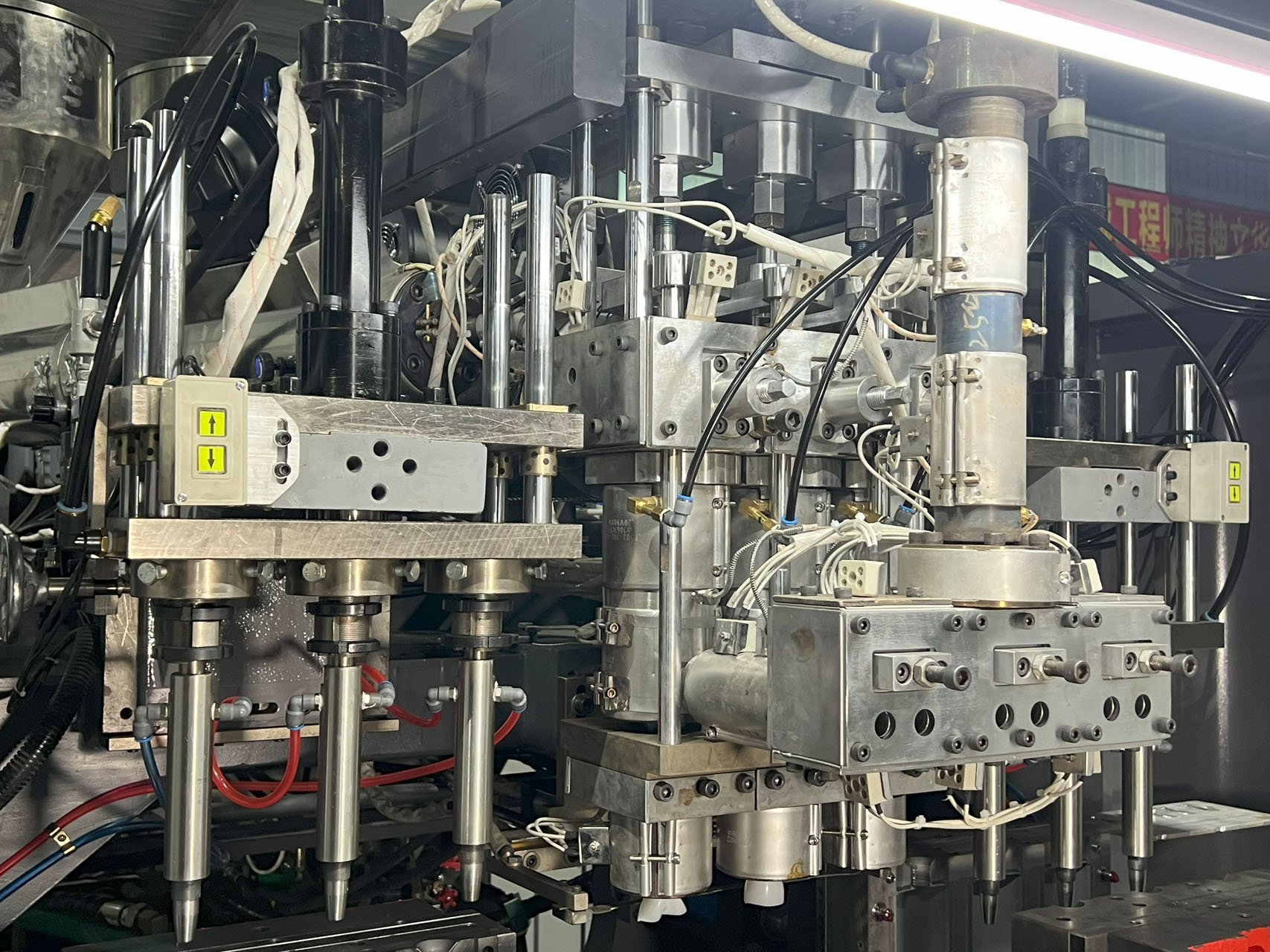
Featured Image Reference: Cross-section diagram showing the foam injection molding process stages from material feed to finished part ejection.
Benefits of Foam Injection Molding for Sensitive Products
“Foam injection molding delivers superior protection for fragile items while reducing shipping costs through lightweight yet durable packaging solutions.”
Foam injection molding provides exceptional cushioning properties that traditional packaging materials can’t match. The cellular structure of molded foam absorbs impact energy, protecting sensitive electronics, medical devices, and automotive components during transit. This lightweight protective packaging significantly reduces shipping weights while maintaining superior protection, leading to substantial logistics cost savings.
Comparative Performance of Foam Injection Molding
| Protection Feature | Foam Molding | Bubble Wrap | Packing Peanuts | Corrugated Only |
|---|---|---|---|---|
| Impact Absorption | 90-95% | 60-70% | 50-60% | 30-40% |
| Pengurangan Berat Badan | 40-60% | 15-20% | 10-15% | 0% |
| Custom Fit Precision | Exact | Buruk | Adil | Tidak ada |
| Dapat didaur ulang | Tinggi | Rendah | Sedang | Tinggi |
| Breakage Rate Reduction | 80-90% | 40-50% | 30-40% | 20-30% |
The precision of foam injection molding allows for custom geometries that perfectly cradle delicate components. Automotive foam products demonstrate this versatility, with molded solutions protecting everything from fragile sensors to large dashboard assemblies. Medical manufacturers benefit from sterile, form-fitting foam packaging that maintains device integrity while meeting strict hygiene requirements.
Beyond protection, foam injection molding offers environmental advantages. Many foam materials are fully recyclable, and the manufacturing process generates less waste than traditional packaging methods. The mengubah permainan combination of sustainability and performance makes foam molding an increasingly popular choice for companies looking to reduce both costs and environmental impact.
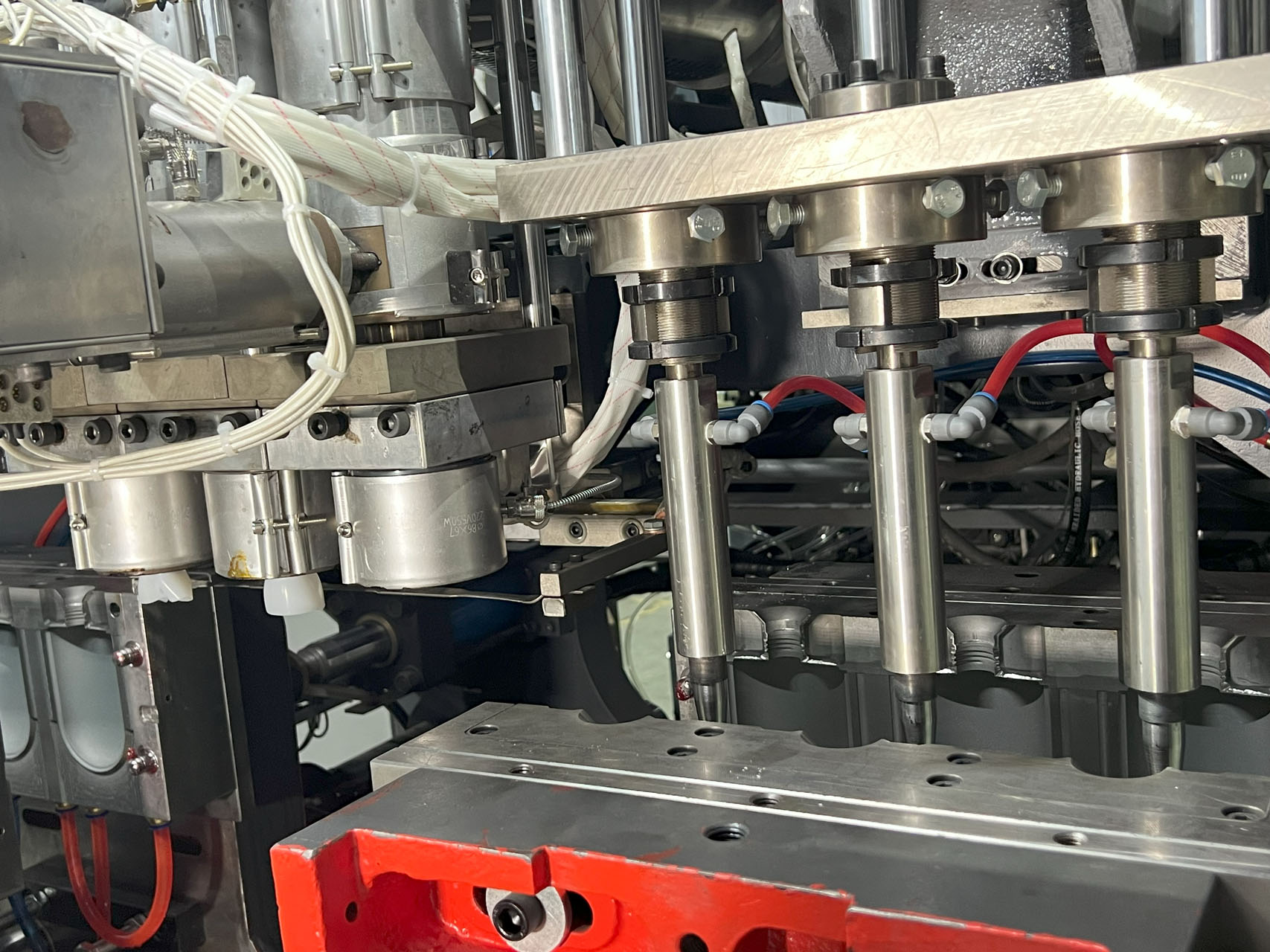
Featured Image Reference: Side-by-side comparison showing fragile items packaged in foam injection molded casing versus traditional packaging methods.
Industry Applications and Case Studies
“Foam injection molding demonstrates remarkable versatility across industries, from protecting delicate electronics to ensuring sterile medical environments.”
The automotive industry extensively uses foam injection molding for vibration-dampening components that improve ride quality and reduce noise. Applications of foam molding in packaging extend to protective door panels and energy-absorbing bumper cores, showcasing how foam molding protects automotive components while reducing vehicle weight. Medical foam products represent another critical application, with molded sterile housings protecting sensitive equipment during transport and storage.
Foam Injection Molding Industry Applications
| Industri | Primary Application | Bahan yang Digunakan | Manfaat Utama | Case Study Results |
|---|---|---|---|---|
| Otomotif | Vibration dampers, interior padding | PP, TPE | Noise reduction up to 40% | 30% lighter than rubber alternatives |
| Medis | Equipment housings, surgical trays | Medical-grade PE | Maintains sterile barrier | 99.9% contamination prevention |
| Elektronik | Device packaging, component holders | EVA, PU | Perlindungan ESD | 85% reduction in shipping damage |
| Penerbangan | Instrument cushioning | High-performance foams | Extreme temp resistance | Withstands -60°C to 150°C |
| Barang Konsumsi | Luxury item packaging | Custom blends | Premium appearance | 50% fewer customer complaints |
A notable case study involves a high-value electronics manufacturer that implemented foam injection molding for their fragile components. By switching to custom foam packaging, they achieved a whopping 78% reduction in breakage rates while simultaneously cutting packaging weight by 45%. This dual benefit translated to annual savings exceeding $1.2 million in reduced damages and lower shipping costs.
The medical sector benefits particularly from foam injection molding’s ability to create precision sterile environments. Medical foam products maintain cleanliness while providing impact protection for sensitive instruments. This dual functionality makes foam injection molding indispensable for pharmaceutical companies and hospital supply chains where both protection and sterility are non-negotiable requirements.
Featured Image Reference: Comparative infographic showing foam injection molding applications across automotive, medical, and electronics industries with performance metrics.

Comparing Foam Injection Molding to Traditional Methods
“Foam injection molding offers superior protection and cost-efficiency compared to traditional packaging methods, delivering long-term savings through reduced material waste and product damage.”
When comparing structural foam vs traditional molding methods, foam injection molding consistently outperforms in weight reduction and impact absorption. While rigid plastics provide structural integrity, foam molding reduces material usage by 30-50% while maintaining comparable protection levels. This makes foam injection molding particularly valuable for eco-friendly packaging solutions that don’t compromise on performance.
Foam vs Traditional Packaging: Comparative Analysis
| Comparison Factor | Foam Injection Molding | Rigid Plastics | Cardboard | Key Advantage |
|---|---|---|---|---|
| Pengurangan Berat Badan | 40-60% | 0% | 10-20% | Lower shipping costs |
| Impact Protection | 90-95% | 85-90% | 30-40% | Reduced breakage |
| Material Cost | $$ | $$$ | $ | Long-term savings |
| Dampak Lingkungan | Dapat didaur ulang | Dapat didaur ulang | Dapat terurai secara hayati | Opsi keberlanjutan |
| Kecepatan Produksi | Cepat | Sedang | Lambat | Output lebih tinggi |
Perbandingan biaya antara pencetakan busa dan kemasan tradisional mengungkapkan keunggulan signifikan untuk produksi skala besar. Meskipun pencetakan injeksi busa memerlukan investasi perkakas awal yang lebih tinggi, proses ini memberikan signifikan penghematan biaya per unit dalam volume produksi besar, biasanya mengembalikan investasi dalam 12-18 bulan. Lini produksi pencetakan busa otomatis dapat menghasilkan hingga 500% lebih banyak unit per jam dibandingkan perakitan kemasan karton manual.
Pertimbangan lingkungan semakin memperkuat kasus untuk pencetakan injeksi busa. Material busa modern menawarkan kemampuan daur ulang yang setara dengan karton sambil memberikan perlindungan yang jauh lebih unggul. Banyak produsen menemukan solusi busa mengurangi limbah kemasan keseluruhan dengan menghilangkan kebutuhan material pelindung sekunder seperti gelembung udara atau kacang kemasan.
Referensi Gambar Unggulan: Infografis komparatif yang menampilkan metrik kinerja berdampingan antara pencetakan injeksi busa versus plastik keras dan kemasan karton.

Kesimpulan
Setelah bertahun-tahun di industri kemasan, saya telah menyaksikan langsung bagaimana pencetakan injeksi busa dapat menjadi pengubah permainan solusi unggul untuk melindungi barang-barang rapuh. Ini bukan hanya tentang peredam guncangan—ini tentang presisi, efisiensi, dan ketenangan pikiran mengetahui produk Anda akan tiba dalam kondisi utuh.
Dari elektronik hingga perangkat medis, solusi busa yang tepat tidak hanya mengurangi kerusakan—solusi ini memotong biaya, meningkatkan keberlanjutan, dan membuat pelanggan senang. Jika Anda lelah menangani pengiriman yang rusak, beralih ke pencetakan busa adalah tidak perlu dipikirkan lagi.
langkah cerdas. Bagian terbaiknya? Ini bukan hanya perbaikan untuk hari ini—ini adalah investasi untuk kemasan yang lebih lancar dan lebih cerdas untuk tahun-tahun mendatang.
PERTANYAAN YANG SERING DIAJUKAN
Q1: What is foam injection molding?
A1: Foam pencetakan injeksi is a manufacturing process that combines conventional injection molding with expanding materials like blowing agents to create lightweight, strong parts with a foamed core.
Q2: How does the foam injection molding process work?
A2: Dalam pencetakan injeksi busa, resin leleh disuntikkan ke dalam cetakan di mana agen peniup menyebabkan resin mengembang, menciptakan struktur seluler yang mengisi rongga cetakan.
Q3: What are the benefits of using foam molded packaging?
A3: Kemasan cetakan busa menawarkan ketahanan kerusakan dan kinerja benturan yang unggul, menjadikannya ideal untuk melindungi barang rapuh selama transportasi dan penyimpanan.
Q4: What materials are typically used in foam injection molding?
A4: Material umum termasuk termoplastik seperti polietilen, polipropilen, dan polistiren, sering dikombinasikan dengan agen peniup untuk menciptakan struktur busa.
Q5: What applications are suitable for foam molded packaging?
A5: Kemasan cetakan busa banyak digunakan dalam industri seperti elektronik, otomotif, dan barang konsumen untuk mengemas barang-barang rapuh seperti kaca dan komponen elektronik.
Q6: How does foam injection molding improve product protection?
A6: Dengan menciptakan lapisan busa peredam di sekitar produk, pencetakan injeksi busa secara signifikan mengurangi benturan dan getaran, memberikan perlindungan yang ditingkatkan selama pengiriman.
Q7: Is foam molded packaging environmentally friendly?
A7: Banyak material kemasan busa dapat didaur ulang atau dibuat dari konten daur ulang, meskipun dampak lingkungannya bervariasi berdasarkan jenis material dan metode pembuangan.
Q8: What is structural foam molding and how is it different from traditional methods?
A8: Pencetakan busa struktural adalah proses injeksi busa bertekanan rendah yang menciptakan bagian dengan kulit luar padat dan inti berbusa ringan, berbeda dengan pencetakan injeksi bertekanan tinggi yang menghasilkan bagian padat.
Tautan Eksternal
- Pencetakan Injeksi – FoamInsider
- Pencetakan Injeksi Busa: Panduan Komprehensif untuk Proses Manufaktur
- Bagaimana Cara Kerja Pencetakan Injeksi Busa? – euegypt.com
- Pencetakan Injeksi Busa – ScienceDirect
- Pencetakan Injeksi Busa Struktural: Manfaat dan Aplikasi
- Dasar-Dasar Pencetakan Injeksi Busa – FOW Mould
- Teknologi MuCell® – Trexel Inc.
- Pencetakan Injeksi Busa Fisik, Dasar-Dasar untuk Aplikasi Industri


0 Komentar