
How Should I Request Pre-Shipment Mold Trial Verification for All-Electric EBM Machines?
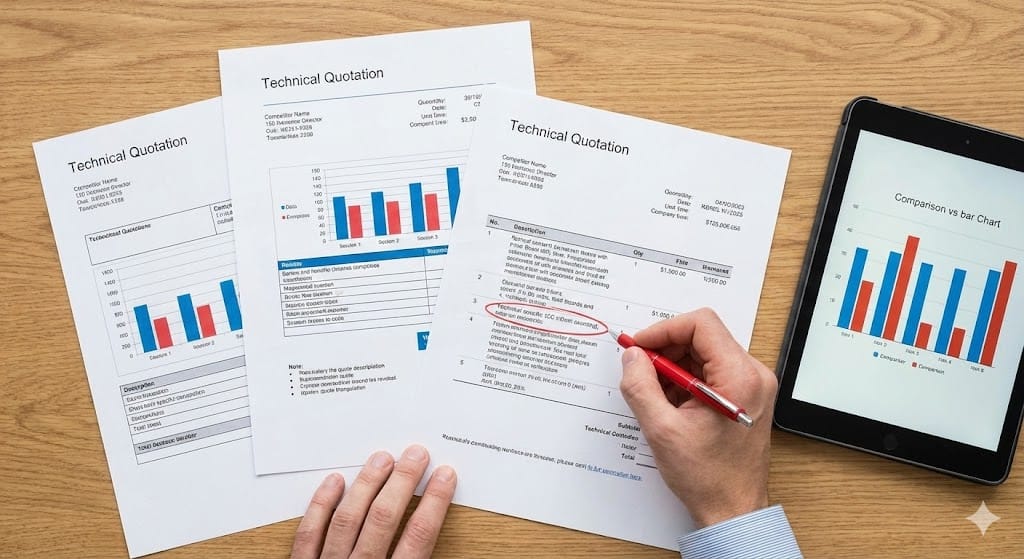
At our factory, we often see buyers anxious about whether their new investment will work immediately upon arrival or become a troubleshooting nightmare. We know that waiting for a machine only to find it needs weeks of debugging is a costly disaster you cannot afford.
A robust pre-shipment verification request must formally define the Factory Acceptance Test (FAT) as a mandatory "Hold Point" in your purchase contract. You should require an 8-hour continuous wet trial using your specific resin and molds to validate stability, ensuring the machine meets Cmk capability indices before leaving the supplier’s floor.
To help you secure your investment, let’s break down the specific protocols and checklists you need to enforce before giving the green light for shipment.
What Specific Items Should Be Included in the Factory Acceptance Test (FAT) Checklist?
When we prepare machines for export, we find that standard checklists often overlook the digital nuances of modern equipment. Relying on a simple visual check leaves you exposed to hidden software bugs and servo tuning issues that only appear under stress.
Your FAT checklist for all-electric EBM machines must verify servo motor "following error" profiles, regenerative braking efficiency (DC bus stability), and specific energy consumption according to Euromap 46.1. It should also include a dry cycle kinematic check followed by a wet trial to confirm parison control accuracy and weight consistency.
The Shift from Mechanical to Digital Verification
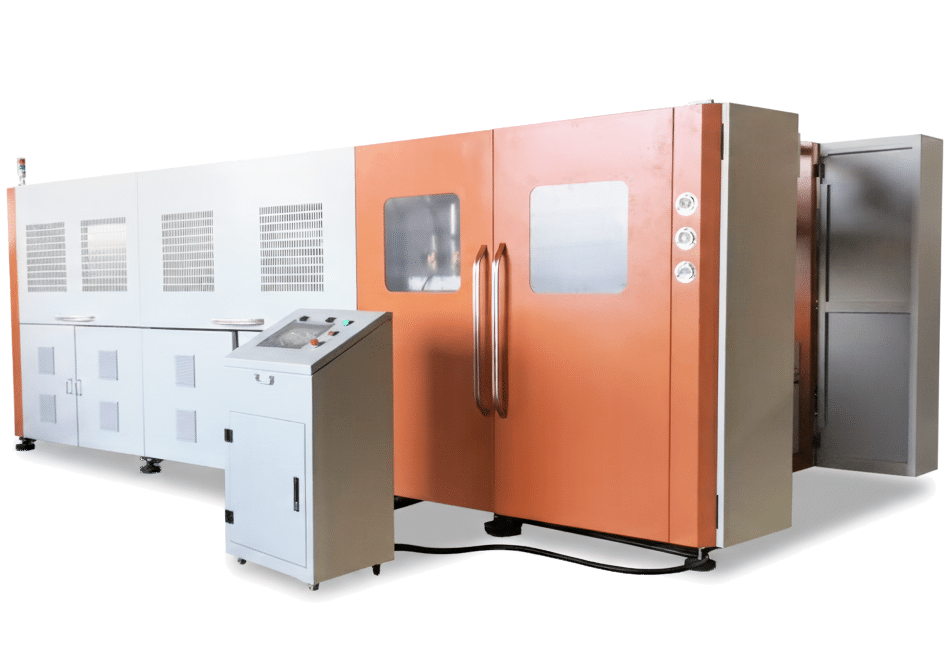
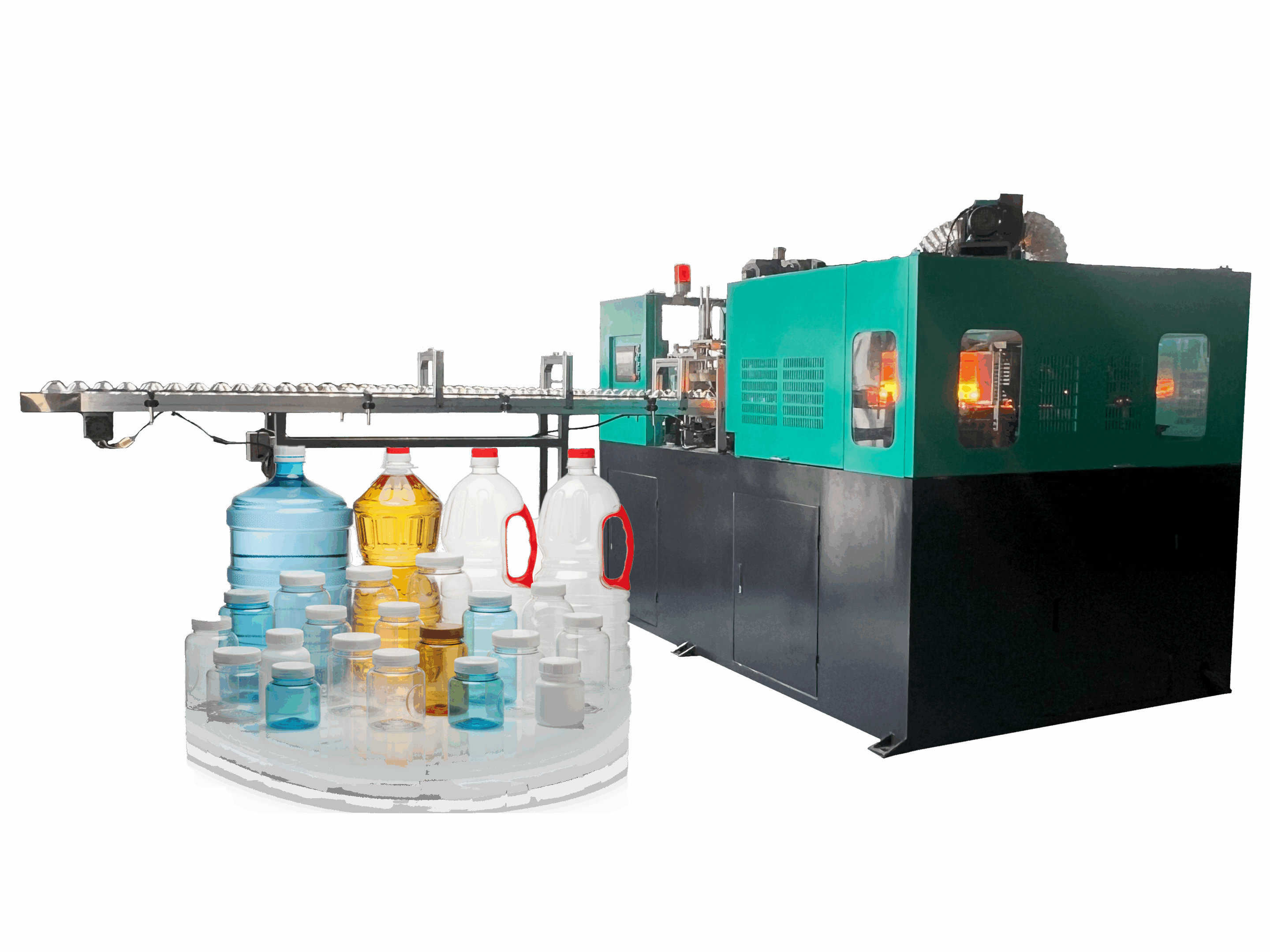
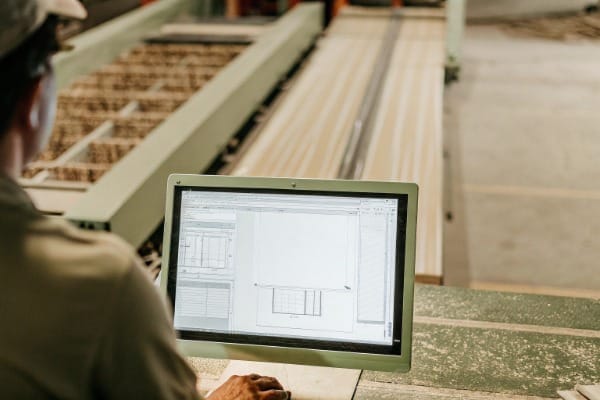
An all-electric Extrusion Blow Molding (EBM) machine is fundamentally different from a hydraulic one. In our experience, buyers often bring a "hydraulic mindset" to an electric inspection, looking for oil leaks when they should be looking for data packets. An electric machine is a computer with a servo-driven body. Therefore, your checklist must dig into the software logic and power electronics.
Extrusion Blow Molding 1
You need to verify the "heartbeat" of the machine. For instance, instead of checking hydraulic valve response times, we recommend you check the Servo Following Error. This is the difference between where the computer tells the motor to be and where it actually is. If this error is high during the carriage movement, your mold closing will be imprecise, leading to poor bottle necks or crushed blow pins.
Key Inspection Categories
Your checklist should be divided into static (power off), dry cycle (moving without plastic), and wet trial (production).
Critical FAT Checklist Items
| Inspection Category | Specific Check Item | Why It Matters for All-Electric Machines |
|---|---|---|
| Servo Dynamics | Following Error Scope Trace | Verifies that the servo drive tuning (PID) is tight. Sloppy tuning causes vibration and inconsistent cycle times. |
| Power Quality | Regenerative Energy (DC Bus) | Electric machines generate power when braking. You must verify this energy goes back to the grid and isn’t wasted as heat in resistors. |
| Energy Audit | Euromap 46.1 Test | Measures actual kWh per kg of plastic processed. This confirms the energy savings promised in the sales pitch. |
| Safety Logic | Safe Torque Off (STO) | Verifies that opening a gate cuts power to the motor coils immediately, not just the control signal. |
| Parison Control | 30-Point Profile Response | Change the profile points on the screen and verify the die gap servo responds instantly without lag. |
H3 – Validating the "Brain" of the Machine
Don’t forget the connectivity. We always advise clients to plug a laptop into the machine to test the remote connection module. Can the supplier actually log in remotely? If this fails during the FAT, it will definitely fail when you have an emergency six months later. Also, check the alarm history log. If the log is full of "Overcurrent" or "Position Error" alarms from the test run, the machine is struggling, even if it looks fine on the outside.
Can I Require a Continuous Production Run to Verify Machine Stability?
Our engineering team knows that a machine can behave perfectly for 30 minutes but start drifting once the heat soaks into the frame. A short demonstration hides these thermal instability issues, leaving you to deal with fluctuating bottle weights later.
You absolutely can and should mandate a continuous production run of at least 4 to 8 hours under full load. This duration allows the extruder and mold to reach thermal equilibrium, revealing issues like screw shear heat buildup, parison sagging, or servo drive overheating that 30-minute test runs often miss.

The Physics of Thermal Equilibrium
Why do we insist on 4 to 8 hours? It comes down to thermodynamics. An EBM machine is a massive heat sink. When we start a machine cold, the heaters do the work. But after two hours of running, the shear heat (friction from the screw) takes over. This is the danger zone.
If the screw design is poor, the plastic will get too hot, and the parison will stretch (sag) under its own weight. Suddenly, your bottles are too heavy at the bottom and too thin at the top. A 30-minute test will never show this because the barrel hasn’t saturated with heat yet. By demanding a continuous run, you force the machine to prove it can cool itself and maintain stable melt temperatures.
Measuring Process Capability (Cmk)
Don’t just watch the machine run; measure the output. We recommend applying Statistical Process Control (SPC) during this continuous run. You should take a sample of 50 consecutive bottles without pausing the machine.
Measure the weight and critical dimensions (like the neck finish) of these 50 bottles. Then, calculate the Cmk index (Machine Capability Index).
Cmk Target Values
| Metric | Target Cmk | What It Indicates |
|---|---|---|
| Bottle Weight | ≥ 1.67 | The machine controls parison thickness and length with high precision. |
| Cycle Time | ≥ 2.0 | The servo movements are perfectly repeatable with zero deviation. |
| Defect Rate | 0% | During the FAT sample run, zero bottles should be rejected by the leak tester or visual check. |
If the Cmk is below 1.33, the machine is not "stable." It means the natural variation of the machine is too wide, and you will have constant scrap in your factory.
H3 – The "Hands-Off" Rule
During this stability run, enforce a strict "Hands-Off" rule. The supplier’s technicians should not be allowed to touch the screen or adjust settings. If they have to constantly tweak the temperatures or parison profile to keep the bottles good, the machine is not stable. It is drifting. You want a machine that you can set and forget.
Do I Need to Provide My Own Raw Material and Molds for the Pre-Shipment Trial?
We see many buyers try to save money by using the supplier’s "test mold" or whatever resin is available locally. This is a false economy. It hides exactly how the machine will handle the unique challenges of your specific product design.
To guarantee accurate results, you must provide your own production molds and specific raw materials for the trial. Generic "pilot molds" cannot simulate your unique cooling constraints or ejection geometry, and local resin substitutes often mask extruder rheology issues, leading to false confidence in the machine’s actual process capability.
 (https://lekamachine.com/wp-content/uploads/2026/01/ISPM-15-Heat-Treatment-Stamp.jpg")
The Trap of the "Pilot Mold"
Suppliers love using their own pilot molds (usually a simple round bottle). Why? Because they are easy to run. They have wide processing windows and simple ejection.
Your mold is likely different. Maybe you have a sharp corner, an off-center neck, or a handle that requires complex "punching" (deflashing). At our facility, we have seen machines run perfectly with a round bottle but fail miserably with a handle bottle because the platen opening stroke wasn’t quite optimized for the deeper part, or the deflashing station wasn’t rigid enough to cut the thick flash.
Material Rheology Matters
Plastic is not just plastic. A High-Density Polyethylene (HDPE) with a Melt Index (MI) of 0.3 behaves differently than one with an MI of 0.7.
High-Density Polyethylene 2
- Swell Ratio: How much the plastic expands when it leaves the die.
- Melt Strength: How much it sags.
If you test with a "stiff" material at the supplier’s factory, the parison might look stable. But when you get the machine home and use your "softer" material, the parison might swing wildly or tear. By shipping your specific resin (or paying the supplier to buy the exact same grade locally), you eliminate this variable.
ATA Carnet 3
Responsibility Matrix for FAT Logistics
To avoid arguments, clarify who provides what before the FAT begins.
| Item | Best Practice Responsibility | Reason |
|---|---|---|
| Production Mold | Buyer (Ship to Supplier) | Validates specific cooling, cycle time, and mechanical compatibility. |
| Raw Material | Buyer (Specify or Ship) | Ensures the extruder screw matches the resin’s melt characteristics. |
| Auxiliary Equipment | Supplier | Chiller, air compressor, and loader should be provided by the supplier unless you bought a full turnkey system. |
| Mold Shipping Cost | Buyer | Use an ATA Carnet to avoid paying import taxes on the mold (it enters as "temporary test equipment"). |
| Scrap Material Cost | Negotiable | Usually, the buyer pays for the material, but the supplier handles the regrinding/disposal. |
H3 – Managing the Logistics
Shipping a mold to China takes time. You need to plan for this about 2 months before the machine is finished. Use an ATA Carnet (a passport for goods). This allows you to ship the mold to the supplier for testing and bring it back without paying customs duties or VAT. It is a bit of paperwork, but it saves thousands of dollars in taxes.
How Will You Document the Trial Results If I Cannot Be Physically Present?
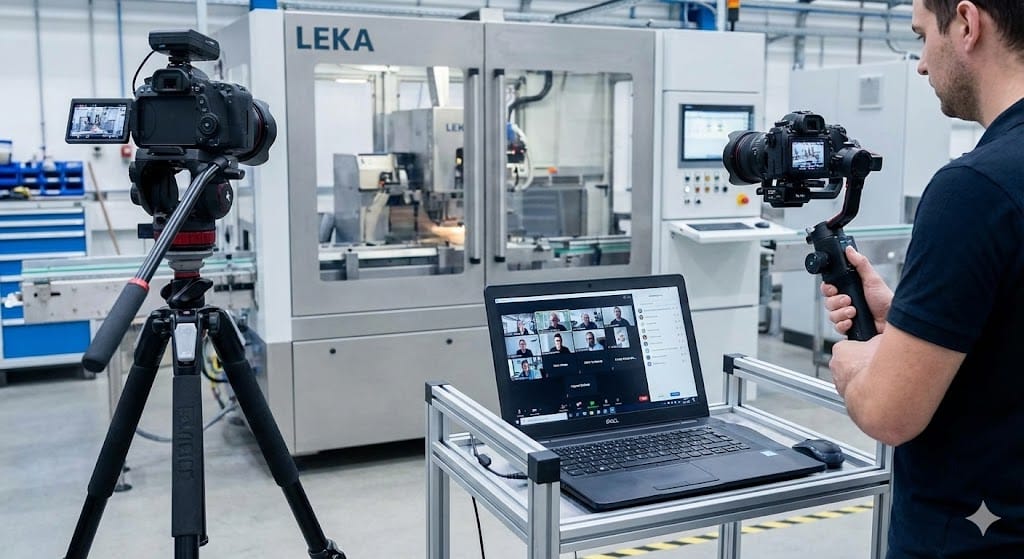
We understand that travel budgets and visa issues sometimes make a physical visit impossible. However, accepting a machine based on a simple video clip sent via WhatsApp is dangerous. You need a structured, data-driven "Virtual FAT" (vFAT).
Statistical Process Control 4
For remote inspections, demand a "Virtual FAT" (vFAT) protocol utilizing multi-camera live streaming and direct HMI screen sharing. Require unedited raw data logs (CSV files) of process parameters, timestamped videos of the continuous run, and a digital punch list of non-conformities that must be resolved prior to the final shipment release.
The vFAT Technology Stack
A proper remote inspection requires more than a guy holding a phone. You should request a specific setup:
regenerative braking efficiency 6
- Overview Camera: A tripod camera showing the whole machine.
- Roving Camera: A mobile camera (gimbal) to look at details like welds, wiring, and bottle quality.
- Direct Screen Share: This is the most important. The supplier must install software (like TeamViewer or VNC) or use a direct HDMI capture card to share the machine’s HMI screen directly into the Zoom/Teams meeting.
Why Screen Share?
When you look at a camera pointed at a screen, you see glare. You can’t read the numbers. With direct screen sharing, you can see the cycle time counter ticking down to the millisecond. You can see the servo load percentage. You can see if the temperature is fluctuating by 1 degree. This data is your truth.
The Power of Data Logging
Since you aren’t there to feel the bottles, you need data. Modern electric machines can export data. Ask the supplier to insert a USB drive and log the following for the entire 8-hour run:
- Melt Temperature
- Extruder Load (Amps or %)
- Cycle Time
- Bottle Weight (if an automatic scale is connected)
servo drive tuning (PID) 7
After the test, they must email you this CSV file. You can open it in Excel and create a graph. If the line is flat, the machine is stable. If it looks like a rollercoaster, the machine has issues.
Euromap 46.1 8
H3 – The Conditional Release
Never sign a "Final Acceptance" if there are open issues. Instead, use a Conditional Release document. This states: "The machine is approved for shipment PENDING the correction of items A, B, and C."
Require photo or video evidence that these items have been fixed before the crate is nailed shut. For example, if a safety guard was loose, demand a video of it being shaken to prove it is tight. This maintains your leverage until the very last moment.
Cmk capability indices 9
Conclusion
Requesting a proper pre-shipment trial is not about being difficult; it is about being professional. By demanding a comprehensive FAT with a continuous wet trial, using your own molds, and analyzing the data (physically or remotely), you transform the machine from a risky purchase into a guaranteed asset.
Factory Acceptance Test (FAT) 10
Ensure your contract treats the FAT as a binding gatekeeper, not a ceremonial event. This diligence protects your capital and ensures that when the machine arrives at your dock, it is ready to produce profit, not problems.
Footnotes
- Provides technical context for the specific manufacturing process. ↩︎
- Defines the specific thermoplastic polymer referenced in the text. ↩︎
- Explains the international customs document for temporary exports. ↩︎
- Describes the quality control methodology for monitoring process stability. ↩︎
- Defines the safety function standard for industrial motor drives. ↩︎
- Details the energy recovery technology used in electric machines. ↩︎
- Explains the control loop mechanism used for motor precision. ↩︎
- Official standard for energy efficiency testing in plastics machinery. ↩︎
- Explains the statistical metric used to measure stable machine output. ↩︎
- Defines the standard engineering validation process discussed in the article. ↩︎


0 Comments