
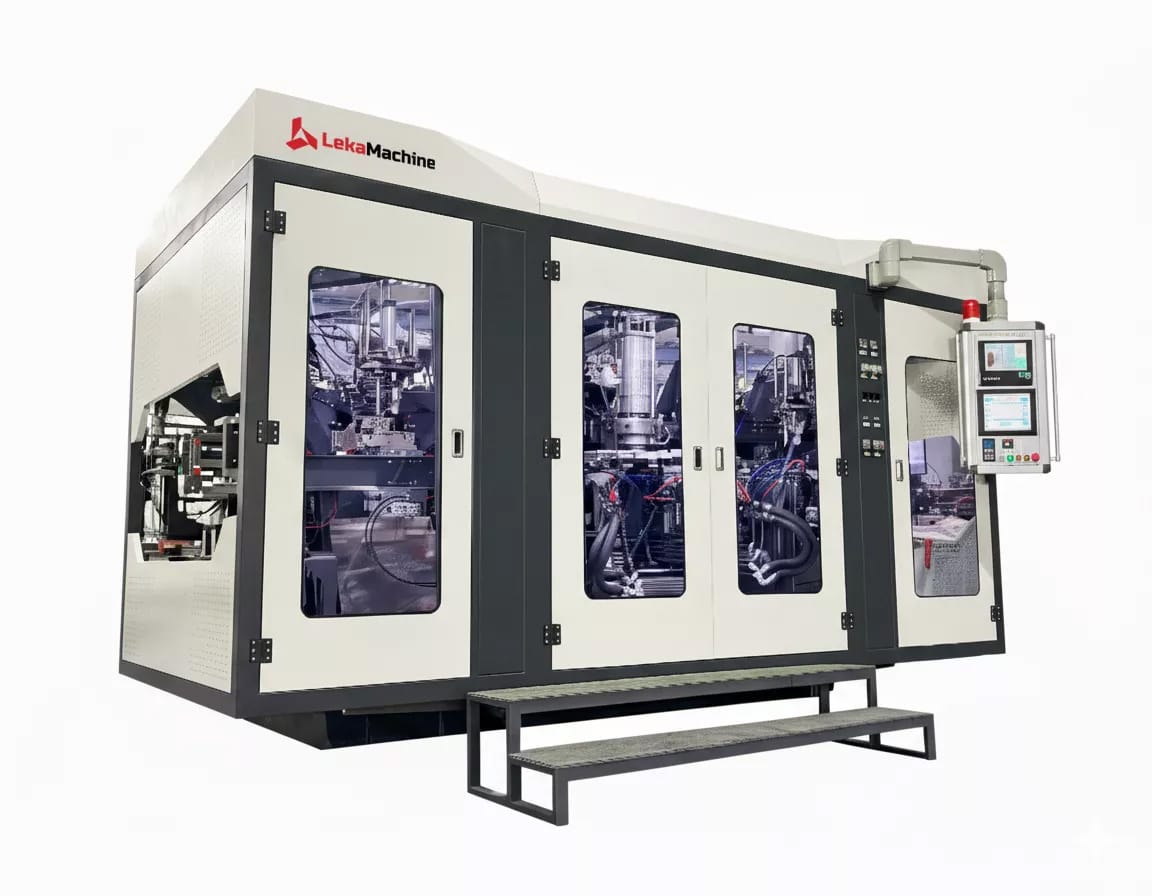
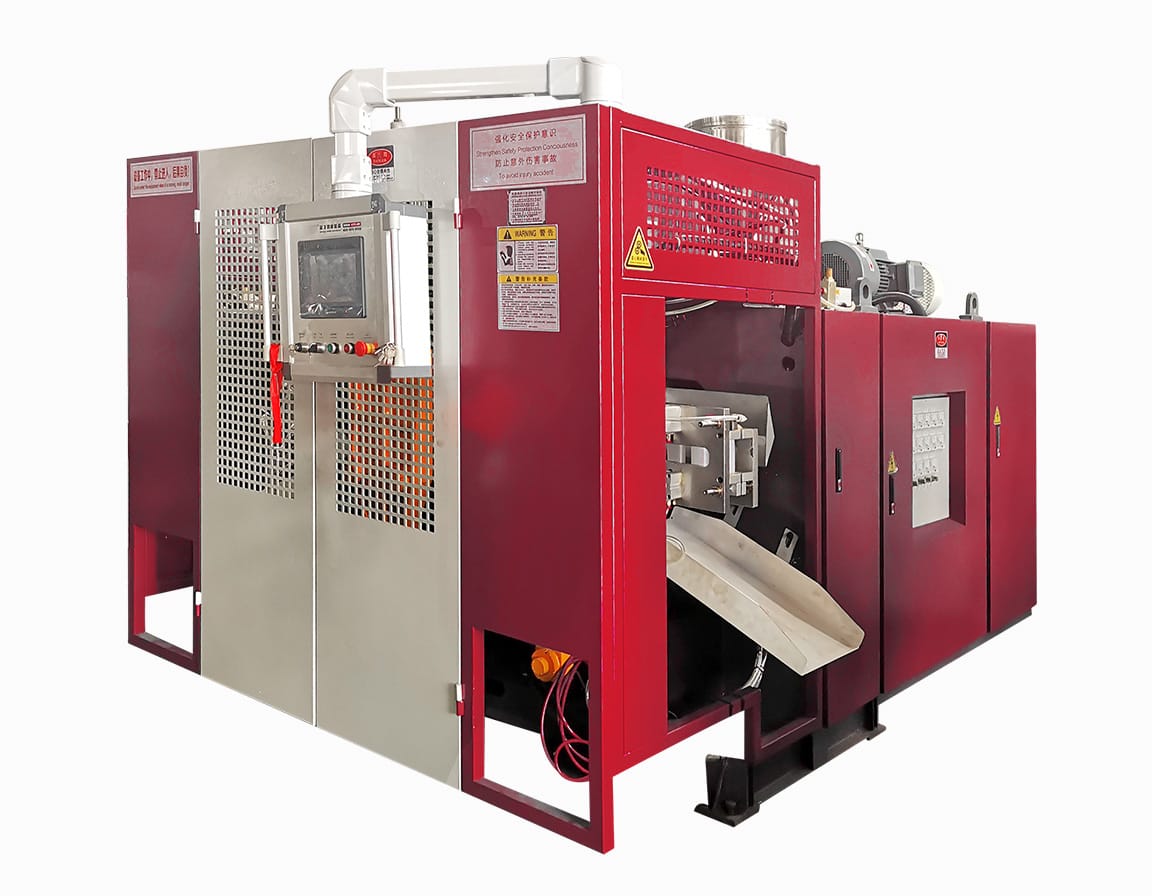
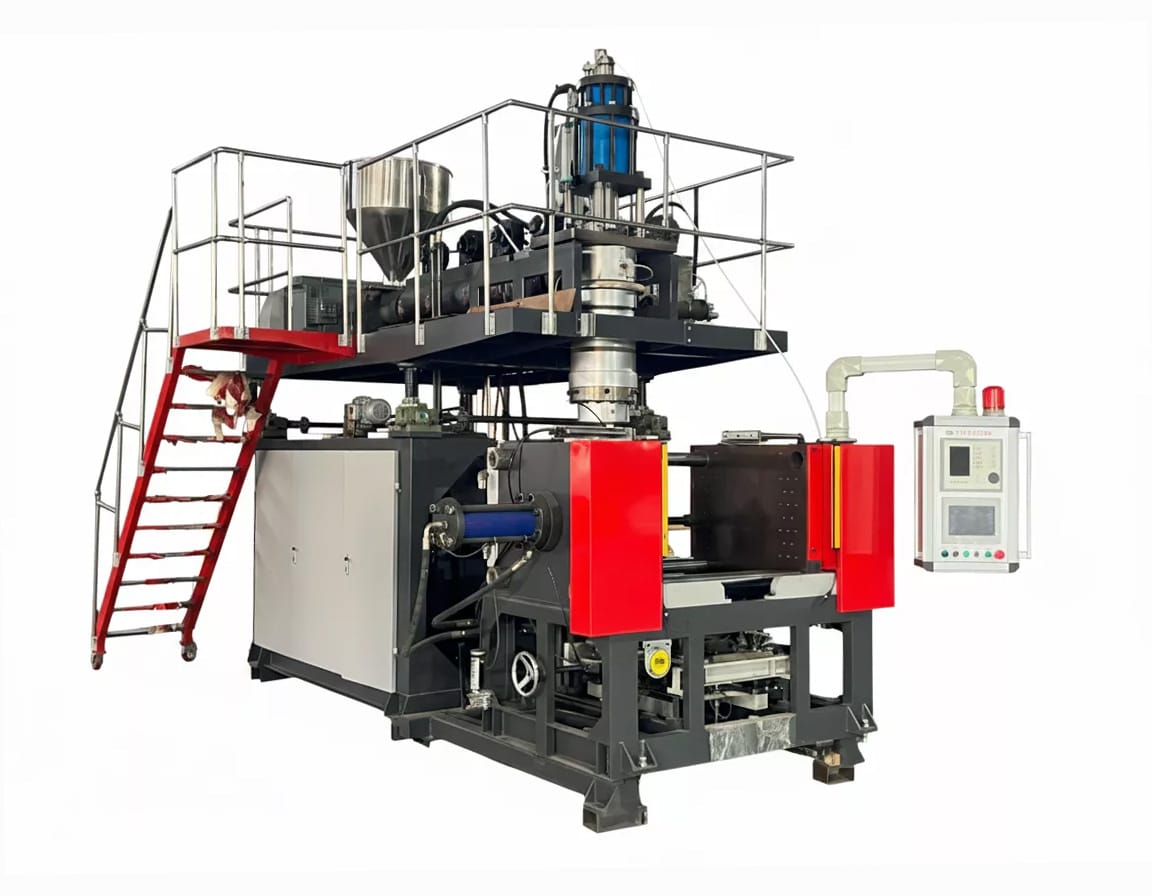
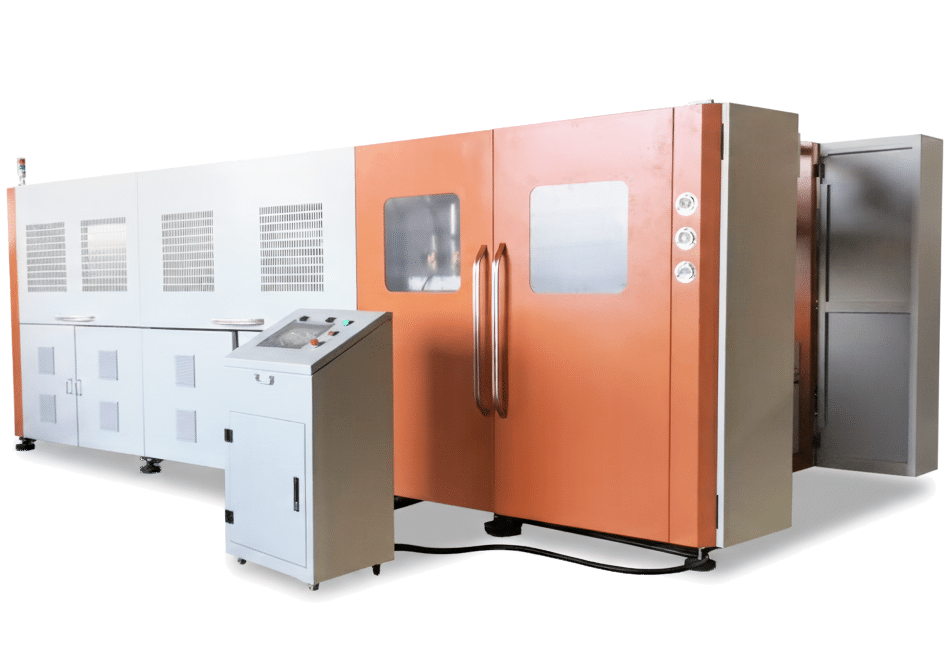
At our factory, we often see clients transition from hydraulic to electric EBMs for efficiency, yet they underestimate the precision maintenance required incidental food contact 1. Neglecting specific lubrication points quickly leads to costly component seizure.
All-electric extrusion blow molding machines require a hybrid maintenance strategy. While the main drive train uses an automatic lubrication system (ALS), you must manually grease mold guide pins and auxiliary units. Intervals are usage-based, typically requiring automatic pulses every 30 minutes for ball screws and manual checks daily.
Let’s break down the specific requirements for your team to ensure your new electric machinery maintains peak performance without unexpected downtime.
Is the lubrication system fully automatic or will my team need to manually grease specific points?
We design our machines with centralized systems to reduce workload, yet we frequently warn operators that "automatic automatic lubrication system (ALS) 2" does not mean "hands-off." Relying solely on the pump often causes oversight of critical areas.
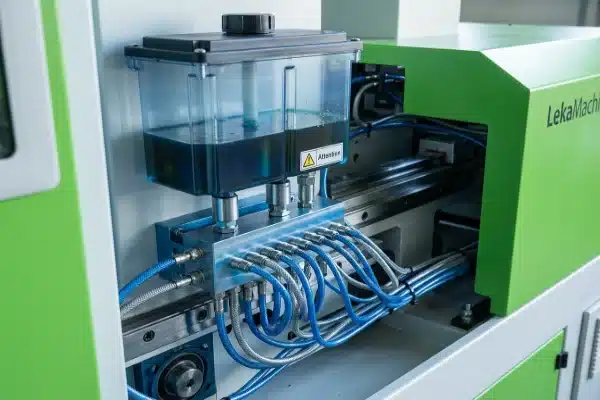
Most all-electric EBM systems feature Centralized Automatic Lubrication Systems (ALS) for core components like clamping ball screws. However, your team must manually grease mold guide pins, blow pins, and deflashing units daily, as these changeable parts cannot connect to the central reservoir without contamination risks.
While marketing materials often claim "fully automatic operation," the reality on the production floor is nuanced. An all-electric EBM machine operates with a bifurcated lubrication architecture.
The Role of the Centralized System (ALS)
For the primary drive train—specifically the high-load clamping ball screws and the fast-moving shuttle linear guides—we utilize an automatic pump. These components are buried deep within the machine guarding. It is unsafe and impractical to grease them manually while the machine is running. The ALS is integrated into the PLC, delivering a precise volumetric dose (e.g., 0.2 cm³) to these friction friction increases 3 points.
However, the ALS has limitations:
- Reservoir Dependency: The system cannot generate grease. If the tank runs dry, the machine stops.
- Line Integrity: Flexible hoses moving with the carriage can fatigue over time.
- Soap Separation: If the machine sits idle for weeks, the thickener in the grease can separate, blocking the lines.
Critical Manual Intervention Zones
Your team must physically intervene for components that change frequently or exist in the "hot zone." The mold is changed based on your production schedule, meaning it cannot cannot connect to 4 be plumbed into a permanent central line.
- Mold Guide Pins: These align your mold halves. They need high-temperature paste applied during every mold change or daily startup.
- Blow Pins and Neck Rings: These sit directly above the hot plastic. Standard chassis grease will melt and carbonize here, ruining your bottles. You must apply ceramic or copper-based anti-seize pastes manually.
- Peralatan Bantu: Deflashing units and take-out grippers often operate outside the main loop and require manual oiling of their pneumatic rods.
Lubrication Responsibility Matrix
| Zone | Metode | Tingkat Otomasi | Frequency Trigger |
|---|---|---|---|
| Clamping Ball Screw | Central Grease | High (Auto-Pump) | Cycle Count / Distance |
| Shuttle Linear Guides | Central Grease | High (Auto-Pump) | Distance Traveled |
| Mold Guide Pins | Manual Application | Tidak ada | Daily / Mold Change |
| Blow Pin Bearings | Manual / Local | Rendah | Shift-based |
| Deflashing Unit | Manual / FRL | Rendah | Weekly Check |
How often do the ball screws and linear guides require re-greasing during continuous operation?
When we calculate machine lifespan, we know that calendar-based maintenance is dangerous for high-speed production. A machine running a 6-second cycle accumulates wear five times faster than one running a 30-second cycle.
Lubrication intervals for ball screws and linear guides must rely on cycle counts or distance traveled, not time. For continuous 24/7 operation, clamping screws need automatic grease pulses every 30–60 minutes, while linear guides typically require re-greasing every 100 to 300 kilometers of carriage travel.
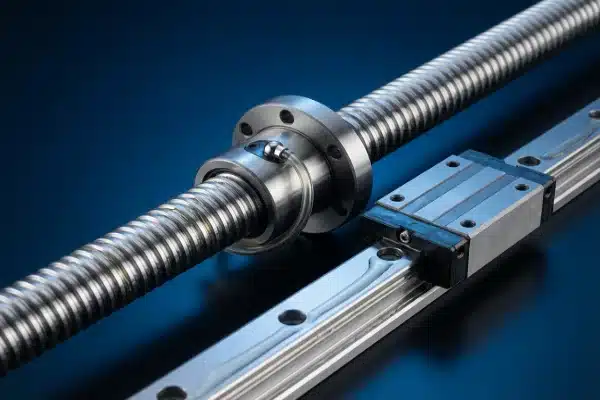
In the era of hydraulic machines, you could change the oil once a year. With electric machines, that mindset causes failure. The lubrication film on a ball screw is less than one micron thick. Under the high tonnage of the "lock-up" phase, this film is squeezed out rapidly.
Why "Six Months" is a Myth
General maintenance literature often suggests re-greasing every six months. For an EBM machine, this is inadequate. Let’s look at the math for a standard shuttle machine:
- Waktu Siklus: 12 seconds
- Shuttle Stroke: 600mm (1.2 meters per round trip)
- Cycles per Minute: 5
- Travel per Month: Approximately 260 kilometers.
Standard linear guide manufacturers recommend re-greasing every 100 to 500 km. linear guide manufacturers recommend 5 In this scenario, the "6-month" interval is reached in just under two months. If you wait six months, your machine runs dry for four months, destroying the rails.
Environmental De-Rating Factors
We also advise our clients to adjust intervals based on their factory environment. The theoretical numbers assume a clean room at 25°C. A blow molding factory is hot and dusty.
- Temperature: Grease oxidizes faster in heat. If your clamp area is 80°C due to the adjacent extruder, you must double the lubrication frequency compared to a standard environment.
- Short Stroke Wear: If your parison controller makes tiny movements (less than the ball circumference), the bearings slide instead of roll. This prevents grease replenishment. You must program a "maintenance cycle" to run a full stroke once per shift to redistribute the grease.
Interval Calculation Guide
| Komponen | Standard Interval | EBM High-Heat Adjustment | Vertical Axis Adjustment |
|---|---|---|---|
| Linear Guide | Every 500 km | Every 250 km | Every 200 km |
| Ball Screw | 1 million revs | 500,000 revs | 300,000 revs |
| Toggle Pins | Every 5000 cycles | Every 2500 cycles | N/A |
What specific type of grease is required and is it easily available in my local market? Will the interface alert me when maintenance is due?
Our engineers carefully select lubricants to prevent reaction with plastic dust and ensure food safety compliance. Using the wrong grease—or ignoring HMI warnings—is a recipe for expensive repairs and contaminated products.
You must use Synthetic Lithium Complex or Polyurea grease, specifically NLGI Grade 2 with Extreme Pressure (EP) additives. If producing food containers, NSF H1 certification is mandatory. Modern HMI systems will alert you on low grease levels, pressure faults, or torque spikes indicating friction issues.
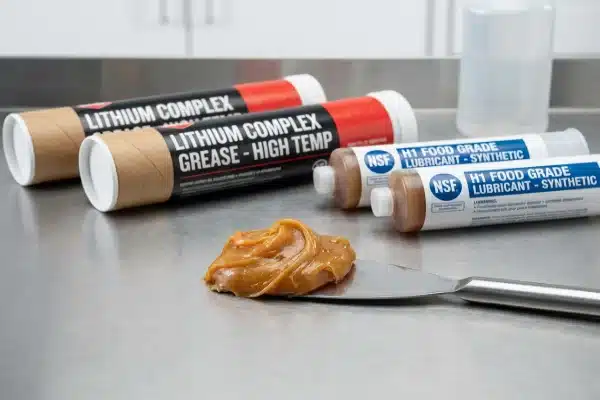
Choosing the wrong "red grease" from an auto parts store can destroy an electric drive in weeks. The grease acts as a structural component of the bearing, separating metal surfaces under extreme pressure.
The Chemistry Matters
For high-load ball screws, the grease must withstand the "lock-up" force without bleeding out.
- Thickener: We recommend Lithium Complex. It handles heat better than standard Lithium soap.
- Konsistensi: NLGI Grade 2 is the standard (peanut butter consistency). However, some central systems use semi-fluid NLGI 00. Always check your manual.
- Aditif: You need "EP" (Extreme Pressure) additives. Avoid greases with solid Molybdenum (Moly) or Graphite for high-speed ball screws, as solids can jam the recirculation tubes.
Food Grade Requirements (NSF H1)
Since many of our clients produce food and beverage bottles, using industrial grease poses a contamination risk. You need NSF H1 registered lubricants (incidental food contact).
- Old Tech: Aluminum Complex (often poor performance).
- New Tech: Synthetic PAO-based H1 grease. These perform just as well as industrial greases. Look for brands like Klüber, Mobil SHC, or equivalents in your local market. They are widely available via industrial distributors, though not at general hardware stores.
HMI Alerts and Monitoring
Your machine is smart enough to protect itself, provided you listen to it.
- Reactive Alerts: The PLC monitors the grease reservoir level. A "Low Lube Level" alarm will appear on the HMI. If ignored, the machine will eventually inhibit the cycle to prevent damage.
- Pressure Faults: If a line is blocked or a hose bursts, the pressure switch at the distribution block will fail to signal. The HMI will flag a "Lube Pressure Fault."
- Predictive Torque Monitoring: This is the most advanced feature. As lubrication fails, friction increases. The servo motor draws more current. You can set a "Soft Alarm" on the HMI if the torque required to move the clamp rises by 10%. This warns you sebelum the bearing seizes.
Grease Compatibility Reference
| Grease Base | Compatible With | Incompatible With (Do Not Mix) |
|---|---|---|
| Lithium Soap | Lithium Complex | Polyurea, Calcium, Aluminum |
| Lithium Complex | Lithium Soap | Polyurea, Clay (Bentonite) |
| Polyurea | None (Safest) | Almost all others |
| Synthetic PAO | Mineral Oils | Polyglycol Oils |
Kesimpulan
Managing lubrication on an all-electric EBM machine requires shifting from a calendar-based mindset to a usage-based one. By combining automatic pulses for the drive train with disciplined manual checks for the mold, and utilizing the correct synthetic H1 grease, you ensure your production line remains efficient and profitable.
Catatan kaki
1. This is the FDA’s Code of Federal Regulations Title 21 Section 178.3570, defining safe use of lubricants with incidental food contact. ↩︎
2. Provides background on automatic lubrication systems and their function in machinery. ↩︎
3. Provides general information on machinery lubrication and friction monitoring. ↩︎
4. Addresses contamination control standards relevant to lubrication systems. ↩︎
5. Offers technical documents from a linear guide manufacturer about lubrication. ↩︎


0 Komentar