
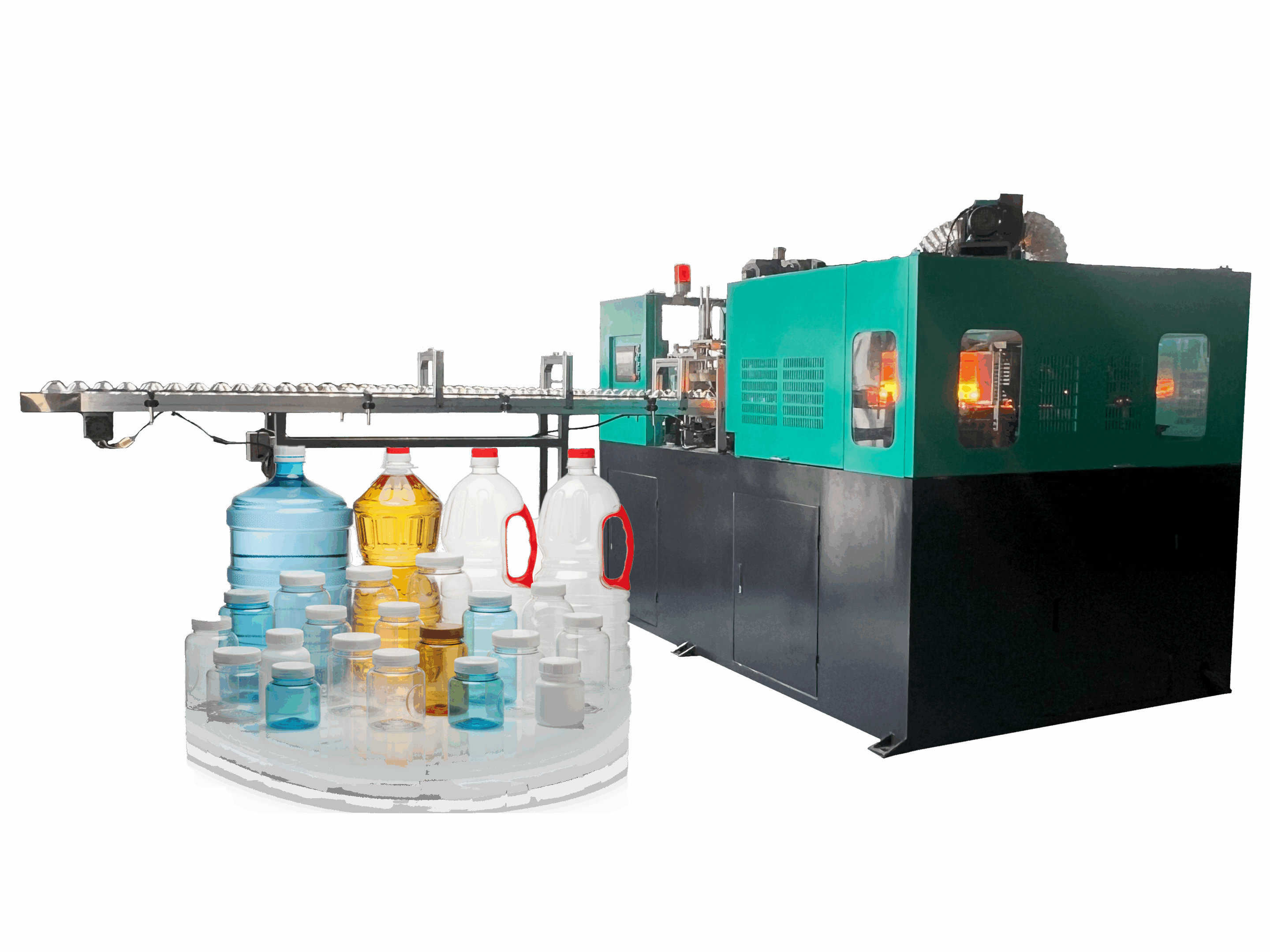
HDPE Blow Molding Bottle Production Line: Practical Guide for Factory Owners
Running your own HDPE blow molding bottle production line sounds big and complex.
In reality, it is just a series of simple steps joined together in a smart way. Resin in, bottles out, profit in between.
This guide walks through that journey in plain language, with enough technical depth for engineers, and enough clarity for owners and purchasing. It also reflects what a focused manufacturer of mesin cetak tiup ekstrusi for HDPE and PP and stretch blow molding machines for PET pays attention to every day.
Who Needs an HDPE Blow Molding Bottle Production Line
You usually reach this topic when one of three things happens:
- Bottle prices from suppliers keep creeping up
- Deliveries are unstable and your filling line stands still
- You want tighter control over quality, shape, or weight
Typical users who consider an in-house HDPE blow molding bottle line are:
- OEM plastic bottle manufacturers serving detergents, oils, dairy, agro-chemicals
- Brand owners and contract packers who want more control over packaging and margin
- Plant managers and engineers who are asked to “do the math” on investing in a line
- Purchasing teams tired of negotiating bottle prices every quarter
If any of this feels familiar, this kind of line is worth a closer look.
What Is an HDPE Blow Molding Bottle Production Line?
In simple terms, an HDPE blow molding bottle production line is the whole chain that turns HDPE pellets into ready-to-fill bottles or jerrycans.
It is more than just a machine. A complete line typically includes:
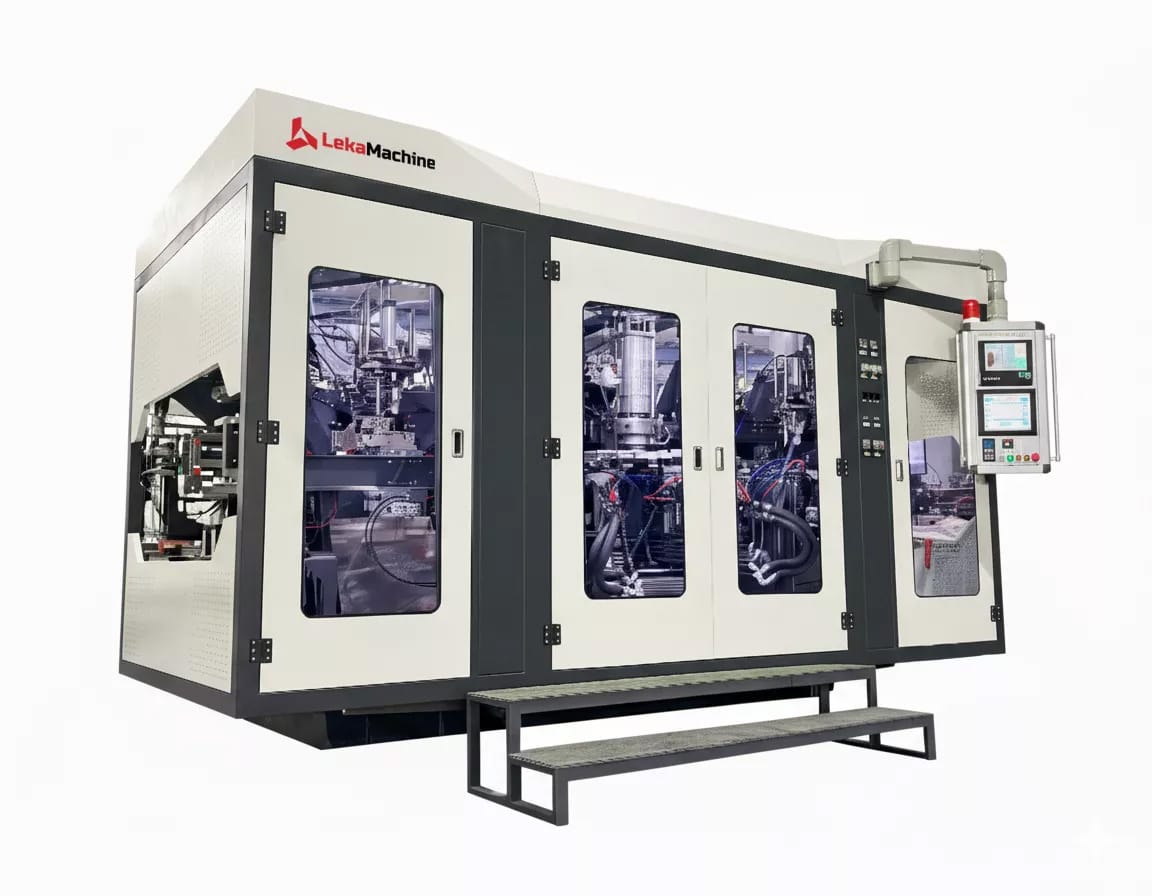
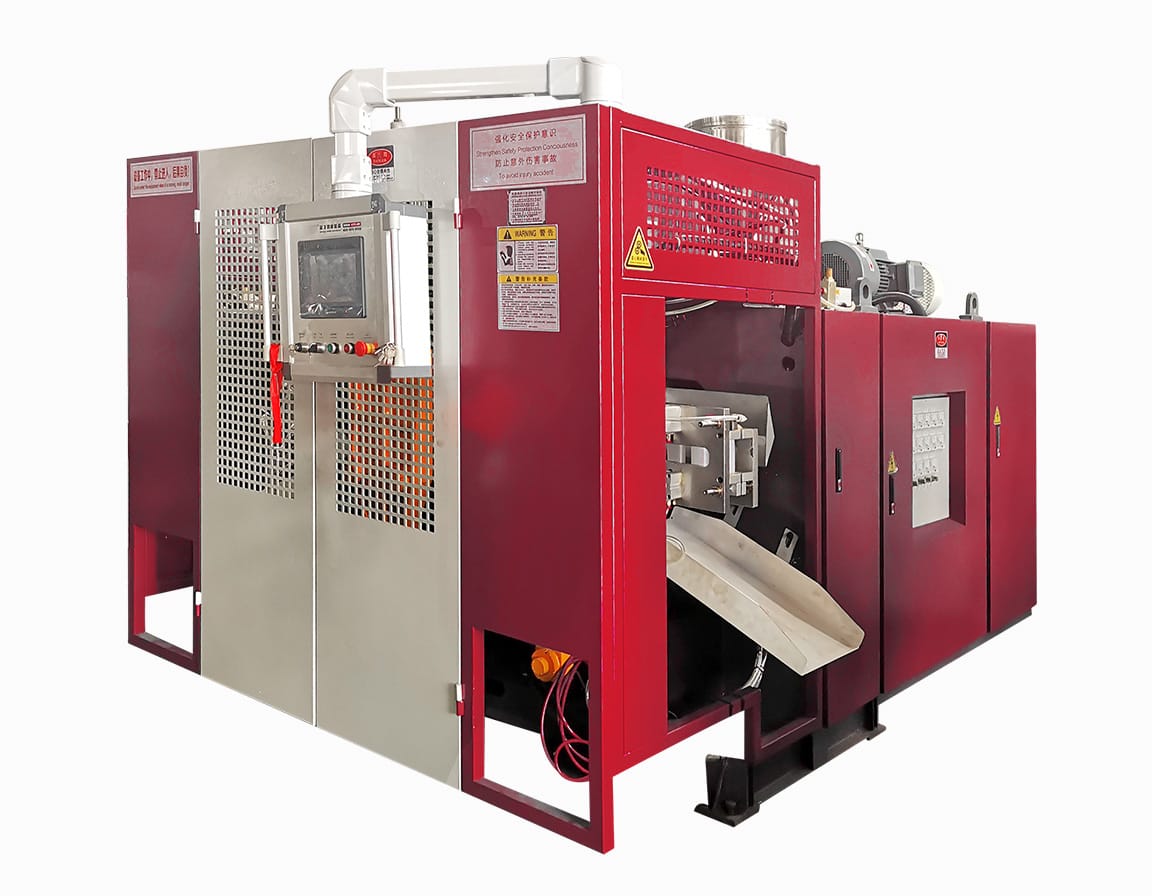
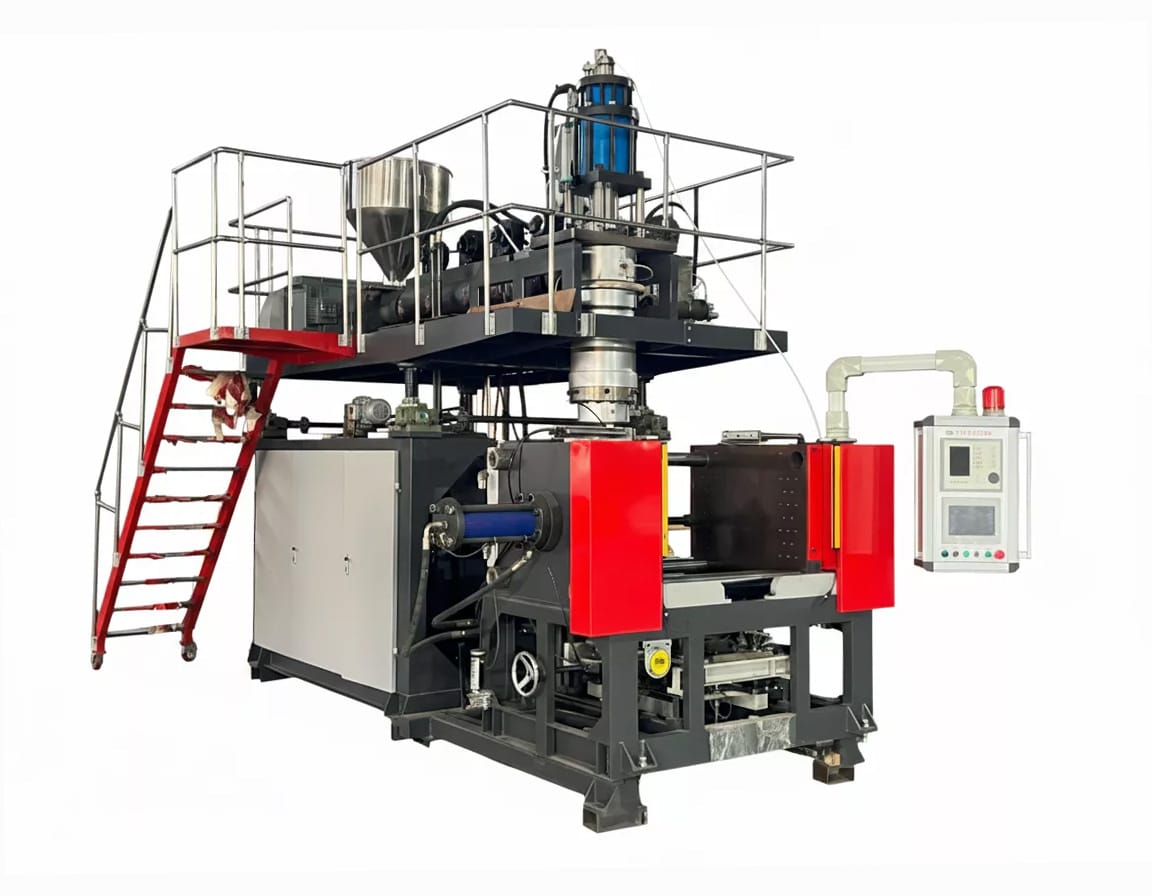
- Extrusion blow molding (EBM) machine – where the bottle is formed
- Blow molds and neck tooling – define your bottle shape and finish
- Utilities – air compressor, chiller, cooling tower, grinder, mixer
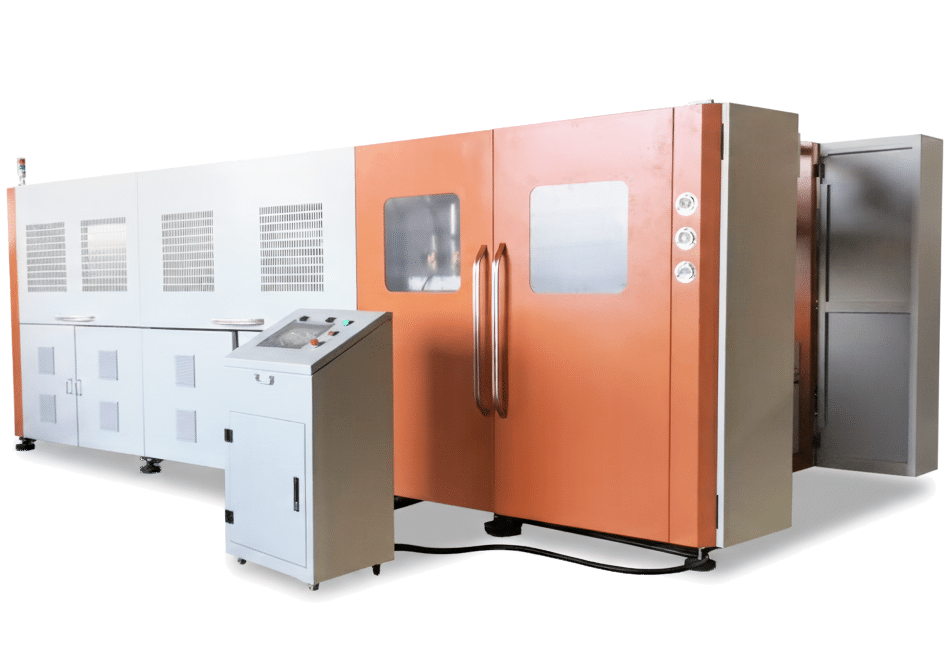
- Downstream equipment – deflashing, trimming, leak testing, visual inspection
- Packing – bagging, boxing, palletizing and labeling
When you design a line, you are really designing how all these pieces work together around your bottle and filling needs.
HDPE vs PET: Why HDPE Lines Use Extrusion Blow Molding
Most hollow plastic bottles you see are either HDPE or PET. Both have their place and their own behavior in processing.
HDPE (High Density Polyethylene) is:
- Tough, impact-resistant, and chemically inert
- Great for detergents, motor oil, agro-chemicals, bleach, and also milk
- Naturally opaque or translucent, easy to color
- The most commonly blow-molded plastic in many packaging sectors
PET (Polietilen Tereftalat) is:
- High clarity with a glossy appearance
- Used heavily for water, soft drinks, juices, and edible oils
Because of the way each resin behaves when heated and blown:
- HDPE bottles and jerrycans are almost always made on *ekstrusi blow molding* (EBM) machines
- PET bottles are made on stretch blow molding (SBM) machines, usually in two stages (preform plus blowing)
If your main products are 1–5 L detergent, disinfectant, shampoo, lube oil bottles, or 10–30 L jerrycans, an HDPE blow molding bottle production line based on EBM is the right tool. If you also run PET water or juice bottles, that is usually a separate PET SBM line, not the same equipment.
How an HDPE Bottle Extrusion Blow Molding Line Works (Step by Step)
Think of the line as three zones: material in, bottle forming, and inspection and packing.
Raw Material Handling
Everything starts with HDPE pellets. Sometimes you blend in:
- Post-consumer recycled (PCR) HDPE to hit sustainability targets
- Masterbatch for color, UV resistance, or anti-static performance
From there:
- Pellets are stored in big bags or silos
- A loader or vacuum conveying system moves resin to the hopper
- A mixer can combine virgin, regrind, and masterbatch in controlled ratios
Drying is usually not required for HDPE unless your environment is very humid or you use special additives.
On the Extrusion Blow Molding Machine
Inside the Mesin EBM, three things matter most.
Extrusion and parison programming
- The screw melts and conveys the HDPE
- The die head extrudes a hollow tube of molten plastic called a parison
- Parison programming adjusts wall thickness along the length so the final bottle is even, not heavy at the bottom and thin at the shoulder
Mold closing, blowing, and cooling
- The mold halves close around the parison
- Air is blown in to push material against the mold walls
- Cooling channels inside the mold remove heat so the bottle keeps its shape
Bottle take-out
- The mold opens and the bottle is taken out automatically
- Flash, the extra material along the edges or handle, stays attached for now or is trimmed later
You can run single-station or double-station shuttle machines, with multi-cavity molds like 2×4 or 2×6 to boost output. The right setup depends on bottle size and daily demand.
Downstream and Packing
After the machine, a good line continues to add value and control.
- Deflashing and trimming remove flash from neck, handle, and bottom
- Leak testing uses low-pressure air to check every bottle or jerrycan
- Visual or camera inspection looks for short shots, burn marks, deformation, and heavy flash
Well-designed lines also integrate:
- Weighing for statistical checks on bottle weight
- Top-load tests for stack strength
- Drop tests for impact resistance
Finally, bottles are bagged, boxed, or directly palletized, depending on how you feed the filling line or send products to a customer.
Core Equipment in an HDPE Blow Molding Bottle Production Line
Extrusion Blow Molding Machine – The Heart of the Line
Komitmen mesin blow molding ekstrusi defines what your line can actually do.
- How big your bottles can be (for example 1 L, 5 L, or 30 L)
- How many cavities you can run for each mold
- How much energy you consume per kilogram of plastic
- How flexible you are with SKUs and mold changes
A modern EBM platform for 1–30 L containers is usually built with stable clamping, closed-loop parison control, and energy consumption in a competitive kWh/kg range. Options may include full-electric configuration, co-extrusion for multi-layer bottles, and view stripe heads for level lines on jerrycans.
Blow Molds and Neck Tooling
Blow molds are where your design becomes reality.
- Cavity count defines how many bottles you get each cycle
- Bottle families such as 1 L and 2 L can sometimes share mold bases with different inserts
- Good cooling channel design and venting reduce cycle time and warpage
Neck tooling ensures your thread, tamper-evident band, and sealing surface match your cap and filling equipment. Quick-change mold and neck systems help you switch SKUs faster and reduce downtime.
Utilities and Supporting Equipment
No line runs alone. You need the right utilities to support the Mesin EBM and downstream equipment.
- Air compressor and air treatment for blowing and leak testing
- Chiller and cooling tower for mold and hydraulic cooling
- Crusher and scrap conveying for flash and rejected bottles
- Mixer if you re-use regrind with virgin material
You also need a compact quality station with scales, gauges, and simple test fixtures.
Line Design: Matching Your Bottles and Daily Demand
You do not start with the machine. You start with your bottle list.
Start from Bottles and SKUs
Key questions to clarify the right line design include:
- What sizes do you need: 500 ml, 1 L, 2 L, 5 L, 20 L?
- For each size, what is your daily and yearly demand?
- Are the necks similar or all different?
- Will you run many colors or just one or two?
This tells you whether you should use one flexible line for multiple SKUs or separate lines for high-volume workhorse bottles and low-volume specialty shapes.
Volume and Output Planning
A simple way to think about output is:
Bottles per hour = (Cavities per mold × Number of stations) ÷ Cycle time in hours
For example:
- Two stations with four cavities each give 8 bottles per cycle
- Cycle time of 18 seconds equals 0.005 hours
- 8 ÷ 0.005 = 1,600 bottles per hour
With realistic stops and minor issues, you may design around 75–85% of that number for planning.
Layout Basics Inside the Plant
Good layout keeps:
- Material coming in from one side
- Pallets going out from the other side
- People moving in straight, safe paths
Leave space for:
- Mold change and maintenance
- A second line later, if your volume grows
- Access to utilities for service and upgrades
Quality Control in HDPE Bottle Production
Poor quality can quickly destroy the savings of in-house production. A smart line design always includes simple, repeatable checks.
What to Check Every Shift
Most factories track several basic indicators:
- Bottle weight to control resin cost and wall thickness
- Wall thickness distribution using cut-open samples if needed
- Top-load strength, how much vertical force a bottle can take in a stack
- Drop tests from defined heights at different fill levels and temperatures
- Leak tests, ideally 100% inline for critical products
Visual defects to watch include:
- Heavy or sharp flash
- Short shots with incomplete corners or handles
- Burn marks or black specks
- Warped bottoms or necks
Factors That Drive Scrap Rate
High scrap usually comes from a few root causes:
- Poor parison programming and thickness control
- Inadequate cooling or uneven mold temperature
- Unstable resin, moisture, or uncontrolled regrind ratio
- Weak mold design with bad venting or poor cooling channel layout
Good molds plus stable process parameters produce more good bottles and fewer surprises.
Food vs Chemical Bottles
For dairy and juice bottles, you add extra layers of care:
- Food-grade resin and additives
- Stricter housekeeping and hygiene around the line
- Traceability and documentation for audits
For corrosive or hazardous chemicals, you may need:
- Special resins or barrier layers
- Specific test protocols for leakage and stress cracking
- Separate storage and handling rules
Energy, Scrap, and Sustainability on an HDPE Line
Energy and material are your two biggest running costs. Managing them well also supports your sustainability goals.
Where the Energy Goes
Most of the energy goes into:
- Heating the extruder and die head
- Running the air compressor
- Driving the hydraulic or servo system
- Removing heat via the chiller and cooling tower
Simple Steps to Reduce kWh/kg
You do not need exotic technology to improve efficiency. Simple steps help:
- Keep process parameters stable instead of constantly changing settings
- Maintain insulation on barrels and heads
- Use energy-efficient compressors and avoid leaks in the air system
- Run chillers and cooling systems at the correct setpoints, not colder than needed
Scrap Management
Scrap comes from start-up and shutdown, color and product changes, and process drifts.
Set clear rules for:
- How much regrind you allow back into each product
- How to separate scrap from food and non-food lines
- When to purge and clean the system
Running Recycled HDPE (PCR)
Recycled HDPE is a good way to improve sustainability, but it behaves differently from pure virgin material.
- Melt viscosity and color can vary more
- You may see more gels or small contaminants
Usually you will:
- Adjust the temperature profile and back pressure
- Reduce the PCR percentage in food-contact bottles, or keep virgin inside a multilayer structure
- Tighten filtration and incoming material checks
How Much Does an HDPE Blow Molding Bottle Production Line Cost?
There is no single price, but you can understand the main cost blocks and how they move.
Main Cost Blocks
The largest pieces of the investment are usually:
- Komitmen mesin blow molding ekstrusi
- Blow molds and neck tooling for each bottle or bottle family
- Downstream automation such as leak testers, deflashers, conveyors, and packing systems
- Utilities including compressor, chiller, cooling tower, and electrics
- Engineering and installation covering shipping, commissioning, training, and local works
What Makes the Price Go Up or Down
Price changes significantly with:
- Bottle size range, such as 500 ml versus 30 L jerrycans
- Cavity count and number of stations
- Whether you choose multi-layer heads or special features
- Automation level on downstream and packing
- Extra digital options such as data logging and connectivity
Simple ROI Thinking
When you compare buying bottles versus making bottles, include the full picture.
On the purchase side:
- Bottle purchase price
- Transport and pallets from the supplier
- Safety stock you need to hold
- Cost of production stoppages when bottles arrive late
On the in-house side:
- Depreciation of the line
- Resin and masterbatch cost
- Energy, labor, maintenance, and scrap
A simple spreadsheet with three to five years horizon usually shows clearly if an HDPE blow molding bottle production line is worth it for your plant.
Automation and Smart Features: When Do They Pay Off?
Automation is not about gadgets. It is about stable output with fewer hands and fewer surprises.
You might consider:
- Automatic deflashing to remove manual trimming
- Inline leak testing to protect your brand and reduce re-work
- Robotic or mechanical take-out to keep bottles in perfect orientation for packing
- Quick mold change systems to cut changeover from hours to under one hour
On the digital side, helpful tools include:
- Recipe storage and recall for each SKU
- Shift reports with bottles produced, scrap rate, and downtime reasons
- Remote support and data logging to help your supplier diagnose issues faster
The right level depends on your labor cost, volume, and the skill level of your team.
Real-World HDPE Line Configurations (Examples)
Every project is different, but some patterns appear again and again.
5 L Detergent Bottle Line
- Bottle: 5 L HDPE with handle and screw neck
- Typical setup: double-station EBM with two or three cavities per station
- Downstream: deflashing, leak test, manual or semi-automatic packing
- Focus: stable weight, strong handle, consistent neck for capping
1 L Lube Oil Bottle Line
- Bottle: 1 L narrow-neck, often with a complex shoulder shape
- Typical setup: double-station machine with higher cavity count
- Quality focus: wall thickness on corners, clean threads, no flash in the neck area
- Automation: strong benefit from intensive leak testing and good vision checks
1 L Dairy Bottle Line
- Bottle: 1 L or 1.5 L HDPE milk bottle with a simple shoulder
- Typical setup: high-speed EBM with more cavities and shorter cycle time
- Hygiene: stricter cleaning routine, traceability, and packaging area control
In each case, a common extrusion blow molding platform can be tailored with different molds and options to match the exact application.
Checklist Before You Order an HDPE Blow Molding Bottle Production Line
Before you ask for quotes, have these points clear. It saves a lot of time for everyone involved.
Bottles and volume
- Two-dimensional drawings or samples of each bottle
- Neck specifications and closure type
- Daily and yearly demand for each SKU
- Expected growth in the next three to five years
Site readiness
- Available power and voltage
- Cooling water source and quality
- Compressed air capacity and quality
- Floor space, ceiling height, and access for machine delivery
Team readiness
- Who will run the line and how many shifts you plan
- Who will handle molds and maintenance
- Training needs and language preferences
Supplier documentation and tests
- Layout drawings of the full line
- Utility list for power, air, and water
- Factory Acceptance Test and Site Acceptance Test plan
- Training scope and spare parts recommendation
This checklist helps you compare suppliers based on real content, not just a single price number.
How to Choose the Right Supplier for Your HDPE Bottle Line
Technical Evaluation
Check if the proposed line can realistically hit your targets:
- Bottle size range and cavity count
- Output per hour at reasonable cycle times
- Energy consumption per kilogram and air demand
- Mold change time and flexibility for future SKUs
Service and Support
A good supplier should offer:
- Installation and commissioning on site
- Operator and maintenance training
- Fast spare parts and remote support
- Clear warranty and after-sales terms
Red Flags
Be careful if you see:
- Very high quoted output without clear test conditions
- No plan for acceptance tests or unclear test bottles
- No real references in your bottle size or industry
Soft Factors
Also pay attention to:
- How clearly they answer your technical questions
- How fast they respond during the pre-sale phase
- Whether they are focused on blow molding, or just sell many unrelated machines
At the end, you are not only buying steel and electrics. You are choosing a long-term technical partner for your factory.
FAQ: HDPE Blow Molding Bottle Production Lines
What is an HDPE blow molding bottle production line?
It is the full set of equipment and processes that turns HDPE pellets into finished bottles or jerrycans, including the mesin blow molding ekstrusi, molds, utilities, downstream inspection, and packing.
How many bottles per hour can one HDPE line produce?
It depends on bottle size, cavities, and cycle time. A multi-cavity line for 1 L bottles can often run in the low thousands of bottles per hour under stable conditions. Larger jerrycans will have lower output due to longer cooling times and fewer cavities.
Can one line handle multiple bottle sizes and shapes?
Yes. With the right machine window and mold design, you can run several SKUs on one platform. Quick-change concepts for molds and neck parts make this much easier and reduce downtime.
How much space do I need for a standard 5 L HDPE bottle line?
You should plan enough room for the machine, utilities, downstream equipment, pallets, and safe operator movement. Many 5 L lines fit into one regular production bay, but the exact layout depends on your plant and your chosen level of automation.
Can I run recycled HDPE (PCR) on the same line?
In most cases, yes. You may need to adjust process settings and define how much PCR you allow in each product, especially for food-contact bottles, and you should pay attention to material consistency and filtration.
About LEKA Machine and Our Experience with HDPE Bottle Lines
LEKA Machine focuses on two technologies only: mesin cetak tiup ekstrusi for HDPE and PP, and stretch blow molding machines for PET bottles. There is no injection blow molding and no unrelated machinery.
Its extrusion blow molding platforms are designed as stable, versatile workhorses for plastic bottles and jerrycans, from small household containers to medium-sized industrial packs.
If you are thinking about bringing HDPE bottle production in-house, you can share your bottle drawings, volume plan, and current challenges with a technical sales team. They can help you size the right HDPE blow molding bottle production line, discuss mold and auxiliary equipment options, and design a layout that fits your plant and your future growth.
From there, a well-designed line turns resin pellets into reliable, cost-controlled bottles, shift after shift.
::contentReference[oaicite:0]{index=0}


0 Komentar