

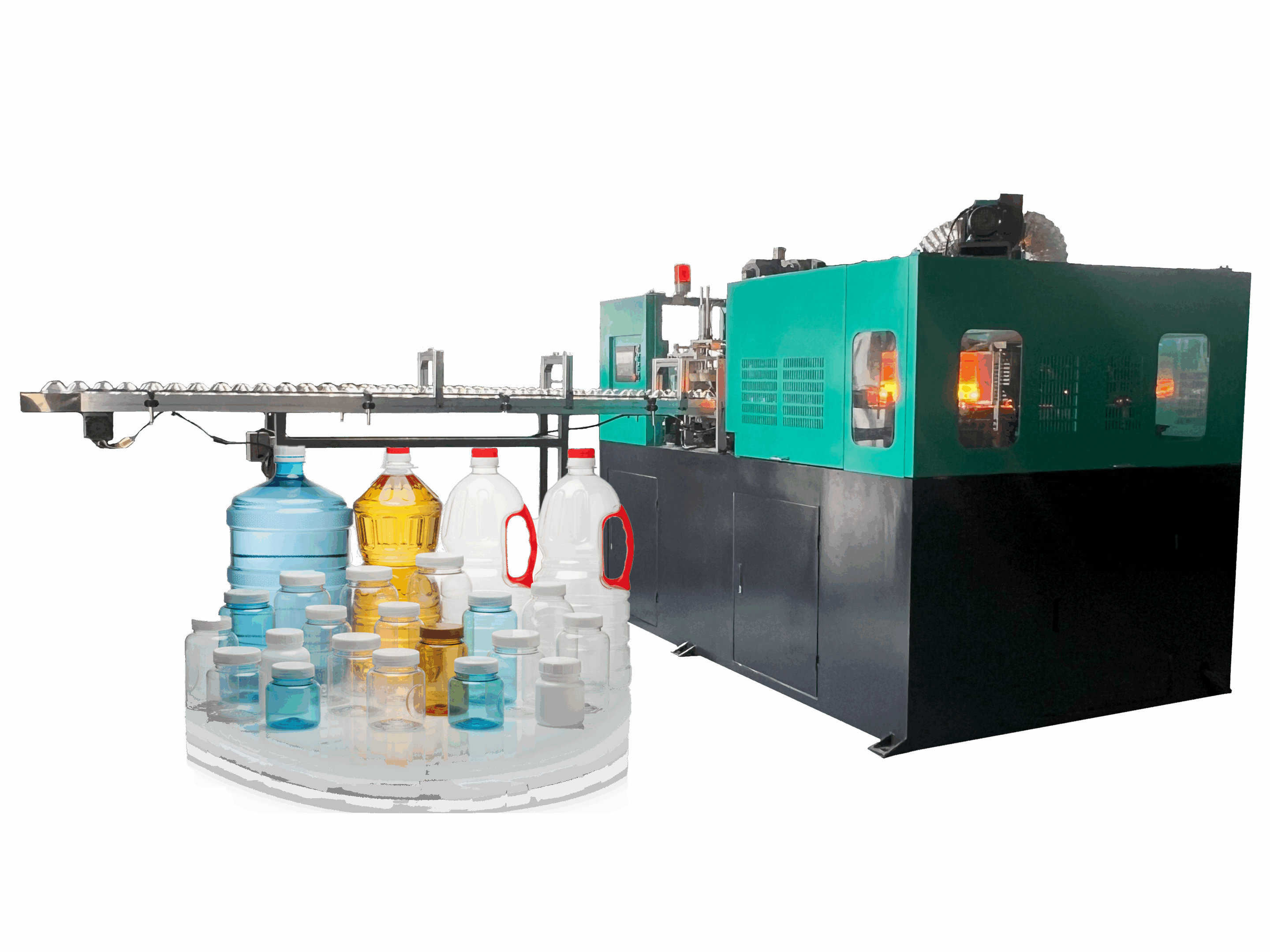
Pendahuluan
Every extra pound in military transport burns fuel, drains budgets, and slows mission readiness. Traditional metal components—while durable—create staggering logistical burdens, with some defense projects reporting up to 50% higher transport costs. That’s why forward-thinking manufacturers are turning to defense thermoforming, where high-impact plastics slash weight without compromising battlefield reliability.
From drone housings that survive extreme G-forces to aircraft panels engineered for thermal resilience, thermoformed plastics are redefining military and aerospace standards. This guide explores how advanced materials like PET and PP meet stringent defense requirements while cutting costs and production timelines—proving lightweight doesn’t mean lightweight protection.
The Strategic Advantages of Thermoforming in Defense
“Defense thermoforming offers unmatched weight reduction and durability, making it a game-changer for modern military logistics and battlefield performance.”
The military industry is constantly evolving, and one of the most significant advancements in recent years is the adoption of thermoformed plastics. Defense thermoforming provides critical advantages over traditional materials like metal, particularly in weight reduction, durability, and cost efficiency. This technology is transforming how military components are designed and manufactured.
Weight Reduction: How 50% Lighter Components Transform Logistics
One of the biggest challenges in military operations is transporting heavy equipment. Thermoformed plastics are up to 50% lighter than metal alternatives, drastically reducing fuel consumption and improving mobility. For example, lighter vehicle parts mean faster deployment and longer operational ranges. This weight savings is a naik-atau-mati factor for modern defense strategies.
Battlefield Durability: PET/PP Performance Under Extreme Conditions
Thermoformed plastics like PET and PP are engineered to withstand harsh environments. They resist corrosion, chemicals, and extreme temperatures—common challenges in military applications. Unlike metals, these materials don’t rust, ensuring long-term reliability in the field.
Cost Efficiency: Comparing Thermoforming vs Metal Fabrication
Metal fabrication involves high material and labor costs, whereas defense thermoforming is more economical. The process requires fewer steps, less energy, and lower tooling expenses. Over time, these savings add up, allowing defense budgets to stretch further without compromising quality.
Regulatory Compliance: Meeting Military Material Standards
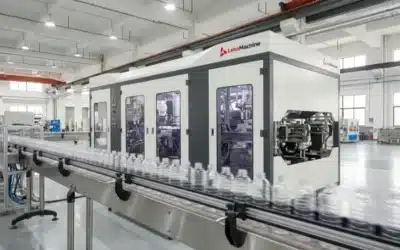
Thermoformed plastics meet stringent military standards for strength, fire resistance, and environmental impact. Manufacturers like Lekamachine, with expertise in cetakan tiup, complement this by ensuring precision and consistency in production—key factors for defense contracts.
Defense Thermoforming vs Traditional Materials
| Fitur | Thermoformed Plastics | Metal | Tolok Ukur Industri | Manfaat Utama |
|---|---|---|---|---|
| Berat | 50% lighter | Berat | 40-60% reduction | Improved mobility |
| Daya tahan | High (corrosion-resistant) | Prone to rust | MIL-STD-810G compliant | Longer lifespan |
| Biaya Produksi | 30-50% lower | Tinggi | Industry average: 40% | Budget efficiency |
| Waktu Pimpin | 2-4 minggu | 6-8 minggu | 50% lebih cepat | Rapid deployment |
| Kustomisasi | High (flexible molds) | Terbatas | Widely adaptable | Solusi yang disesuaikan |
The shift toward defense thermoforming is driven by the need for lightweight military materials that don’t sacrifice strength. As the aerospace and defense sectors continue to innovate, thermoforming will play an even bigger role in shaping the future of military technology.

Mission-Critical Applications of Thermoformed Plastics
“Thermoformed defense components are revolutionizing military and aerospace applications through superior weight savings and durability in mission-critical systems.”
Thermoforming technology has become indispensable for modern military and aerospace applications. These thermoformed defense components offer unique advantages that traditional materials simply can’t match, particularly in weight-sensitive and high-performance environments.
Aircraft Interior Panels: Weight Savings Without Sacrificing Safety
Modern aircraft utilize thermoformed panels for cabin interiors, providing 40-60% weight reduction compared to metal alternatives. These components maintain strict fire safety ratings while significantly improving fuel efficiency. The advanced manufacturing processes ensure consistent quality across large production runs.
Ballistic Protection Systems: Lightweight Armor Solutions
Thermoformed composites are now used in vehicle armor and personal protection equipment. These solutions offer comparable ballistic protection to steel at a fraction of the weight, dramatically improving soldier mobility and vehicle performance in combat situations.
UAV/Drone Components: Impact-Resistant Housings
Unmanned systems benefit from thermoformed housings that protect sensitive electronics while minimizing weight. The material’s impact resistance ensures survival in rough landings, and its radio frequency transparency doesn’t interfere with communications systems.
Military Equipment Enclosures: Custom Environmental Shielding
Field equipment requires protection from sand, moisture, and extreme temperatures. Thermoformed enclosures provide complete environmental sealing while allowing for rapid prototyping to meet urgent defense project timelines.
Military Applications of Thermoforming
| Aplikasi | Bahan | Pengurangan Berat Badan | Manfaat Utama | Tingkat Perlindungan |
|---|---|---|---|---|
| Aircraft Panels | Fire-Retardant PET | 55% | Fuel efficiency | FAR 25.853 compliant |
| Vehicle Armor | Composite PP | 70% | Mobility | STANAG 4569 Level 2 |
| Drone Housings | Impact ABS | 60% | Daya tahan | MIL-STD-810G |
| Equipment Cases | Weatherproof HDPE | 50% | Environmental sealing | IP67 |
| Medical Kits | Sterilizable PP | 45% | Portability | FDA Class II |
The military’s shift toward thermoformed defense components reflects the growing need for materials that combine lightweight properties with exceptional performance. As defense requirements evolve, thermoforming will continue to enable new capabilities across all branches of service.

Material Science Behind Military-Grade Thermoforming
“Impact-resistant plastics are engineered to meet the rigorous demands of military applications while offering substantial weight savings and environmental advantages.”
The selection of materials for military thermoforming requires careful consideration of performance characteristics and mission requirements. Defense applications demand plastics that can withstand extreme conditions while maintaining structural integrity.
PET vs PP: Selecting Materials for Specific Military Needs
Polyethylene terephthalate (PET) offers superior clarity and stiffness for transparent armor applications, while polypropylene (PP) provides better chemical resistance for fuel system components. Both materials serve critical roles in thermoforming in aerospace and ground vehicle systems.
Additives for Enhanced Performance: UV Stabilizers, Flame Retardants
Military-grade formulations incorporate specialized additives to meet stringent specifications. UV stabilizers prevent degradation in desert environments, while flame retardants ensure compliance with MIL-STD-1623 for aircraft interiors. These impact-resistant plastics maintain performance through years of service.
Temperature Resistance: From Arctic Cold to Desert Heat
Advanced polymer blends remain functional across extreme temperature ranges (-60°F to 300°F), making them ideal for military equipment enclosures in diverse climates. Material selection directly affects operational readiness in challenging environments.
Recyclability and Sustainability in Defense Contracts
Modern defense procurement increasingly considers lifecycle impacts. Many thermoformed components now incorporate recycled content without compromising performance, aligning with DoD sustainability initiatives.
Military Thermoforming Material Properties
| Bahan | Tensile Strength (psi) | Kisaran Suhu | Key Military Application | Dapat didaur ulang |
|---|---|---|---|---|
| PET-G | 8,000 | -40°F to 180°F | Transparent armor | 100% |
| PP Copolymer | 4,500 | -60°F to 250°F | Fuel containers | 80% |
| Flame-Retardant ABS | 6,500 | -20°F to 200°F | Aircraft interiors | 70% |
| HDPE | 3,200 | -100°F to 180°F | Equipment cases | 100% |
| PC/ABS Blend | 7,000 | -40°F to 240°F | Electronics housings | 60% |
Understanding these material properties helps defense OEMs make informed procurement decisions that balance performance, cost, and sustainability requirements for critical applications.

Case Studies: Thermoforming Successes in Defense
“Defense thermoforming has proven its battlefield reliability through multiple successful military applications, delivering weight reduction and cost savings without compromising performance.”
Real-world implementations demonstrate how thermoformed defense components are transforming military operations. These case studies highlight the tangible benefits of adopting advanced lightweight military materials in critical applications.
30% Weight Reduction in Armored Vehicle Components
A major defense contractor achieved 30% weight savings in infantry carrier armor panels by switching to thermoformed composites. This reduction improved fuel efficiency by 15% while maintaining required ballistic protection levels.
Aircraft Interior Panel Production Timelines Cut by 40%
An aerospace manufacturer reduced production time for helicopter interior panels from 6 weeks to 3.5 weeks through thermoforming. The streamlined process maintained all safety certifications while enabling faster aircraft turnaround.
UAV Housing Surviving Extreme G-Force Testing
Thermoformed drone housings withstood 25G impact tests during military qualification, outperforming traditional materials. The impact-resistant plastics protected sensitive electronics while reducing overall UAV weight by 22%.
Cost Savings in Large-Scale Military Equipment Production
Defense thermoforming reduced per-unit costs by 35% in a 10,000-unit production run of equipment cases. The savings came from lower material costs, reduced labor requirements, and decreased shipping expenses due to lighter weight.
Thermoforming Performance in Military Applications
| Aplikasi | Pengurangan Berat Badan | Penghematan Waktu | Pengurangan Biaya | Performance Improvement |
|---|---|---|---|---|
| Armored Vehicle Panels | 30% | N/A | 20% | 15% better fuel efficiency |
| Aircraft Interiors | 25% | 40% | 30% | Faster deployment |
| UAV Housings | 22% | 25% | 18% | 25G impact resistance |
| Equipment Cases | 35% | 30% | 35% | IP67 environmental sealing |
| Medical Kits | 28% | 20% | 25% | Improved portability |
These case studies demonstrate how defense thermoforming provides measurable advantages across multiple military applications. The technology continues to evolve, offering even greater potential for future defense systems.

Implementing Thermoforming in Defense Procurement
“Defense thermoforming adoption requires careful evaluation of partners, design considerations, and quality protocols to meet stringent military requirements.”
Transitioning to thermoformed solutions in defense procurement involves multiple critical considerations. Defense contractors must navigate complex requirements while leveraging the benefits of advanced manufacturing processes in aerospace and military applications.
Evaluating Thermoforming Partners: ITAR Compliance Checklist
Selecting the right thermoforming partner begins with verifying ITAR compliance and security clearances. Contractors should assess facilities for controlled material handling capabilities and document traceability systems that meet defense contract requirements.
Design Considerations for Military Applications
Successful defense thermoforming projects account for material selection, wall thickness optimization, and reinforcement needs. Designs must balance weight reduction with structural requirements while accommodating integration with existing military systems.
Quality Assurance Protocols for Defense Contracts
Military-grade thermoforming demands rigorous quality control, including material certification, dimensional verification, and environmental testing. Defense contractors should implement statistical process control methods that align with MIL-STD-1916 requirements.
Future Trends: Smart Materials and Integrated Electronics
Emerging technologies in conductive polymers and embedded sensors are creating new possibilities for defense thermoforming. These innovations enable smart armor systems and condition-monitoring components without compromising weight savings.
Defense Thermoforming Implementation Checklist
| Consideration | Persyaratan Utama | Verification Method | Standar Industri | Dampak Biaya |
|---|---|---|---|---|
| ITAR Compliance | Prosedur yang terdokumentasi | Third-party audit | 22 CFR 120-130 | Sedang |
| Pemilihan Bahan | Military specifications | Certification testing | MIL-PRF-xxx | Tinggi |
| Quality Systems | Statistical controls | Validasi proses | MIL-STD-1916 | Sedang |
| Environmental Testing | Extreme condition | Lab certification | MIL-STD-810 | Tinggi |
| Ketertelusuran | Dokumentasi lengkap | System audit | AS9100 | Rendah |
Proper implementation of defense thermoforming requires balancing technical requirements with procurement realities. By addressing these key areas, contractors can successfully integrate thermoformed solutions while meeting defense specifications.

Kesimpulan
After years in the defense manufacturing space, I’ve seen firsthand how thermoforming isn’t just about cutting weight—it’s about redefining what’s possible on the battlefield. When every ounce impacts fuel efficiency, mobility, and mission success, switching to advanced plastics isn’t just smart—it’s a "pengubah permainan".
The numbers don’t lie: 50% lighter components, 40% faster production, and cost savings that let budgets stretch further without sacrificing durability. Whether it’s armor that shrugs off ballistic impacts or drone housings surviving 25G landings, thermoforming proves lightweight doesn’t mean lightweight protection.
For defense teams tired of logistical headaches, the path forward is clear. The right material innovation doesn’t just meet standards—it sets new ones.
PERTANYAAN YANG SERING DIAJUKAN
Q1: How is thermoforming used in military applications?
A1: Thermoforming is used in military applications to manufacture protective cases and equipment enclosures that safeguard sensitive electronic devices and weapon systems from harsh environmental conditions and physical damage.
Q2: What are the advantages of thermoformed plastics in defense?
A2: Thermoformed plastics provide lightweight, impact-resistant materials that reduce transportation costs and improve fuel efficiency, making them advantageous in military logistics and equipment design.
T3: Bagaimana proses thermoforming?
A3: Thermoforming involves heating a plastic sheet until it becomes pliable, then shaping it around a mold to create various parts, commonly used in producing enclosures and components for defense applications.
Q4: What materials are typically used in thermoforming for defense applications?
A4: Common materials include high-performance thermoplastics that offer durability, impact resistance, and lightweight properties, essential for military use.
Q5: Are thermoformed components compliant with military standards?
A5: Yes, thermoformed components can be designed to comply with military standards and regulations, including ITAR compliance for specific defense applications.
Q6: What are some applications of thermoforming in the aerospace sector?
A6: In aerospace, thermoforming is used to create lightweight components, panels, and protective housings that meet stringent performance and regulatory requirements.
Q7: Can thermoforming reduce production costs for defense components?
A7: Yes, thermoforming can lower production and material costs compared to traditional manufacturing methods, particularly for high-volume production of lightweight parts.
Q8: What role does thermoforming play in advanced military manufacturing processes?
A8: Thermoforming is integral to advanced military processes, enabling the rapid production of customized components that meet specific operational needs while maintaining compliance and quality.
Tautan Eksternal
- Thermoforming | Proto Technologies
- Custom Defense Thermoforming | Tru-Form Plastics
- Thermoforming For The Military Industry
- Thermoforming – PMT – Plastic Molding Technology
- Thermoformed Plastics: A Lightweight Replacement For Metal Defense
- Thermoforming Dirgantara & Militer - Associated Thermoforming, Inc.
- ThermoFab – Aerospace & Defense
- Thermoplastic Composites In Defense & Aerospace – SAT Plating


0 Komentar