





Pendahuluan
When metal components fail under extreme loads, the ripple effect hits your bottom line—downtime, replacement costs, and compromised safety. Industrial plastic parts are quietly revolutionizing heavy machinery by solving these exact pain points with superior wear resistance, corrosion-proof durability, and precision fits that off-the-shelf metal parts can’t match.
At Lekamachine, we’ve seen how custom-molded PET, PP, and HDPE components outperform traditional materials in high-stress environments—from pharmaceutical packaging lines to industrial chemical containers. This article breaks down why leading OEMs are switching to engineered plastics, with real-world examples of how they reduce maintenance costs while boosting equipment lifespan.
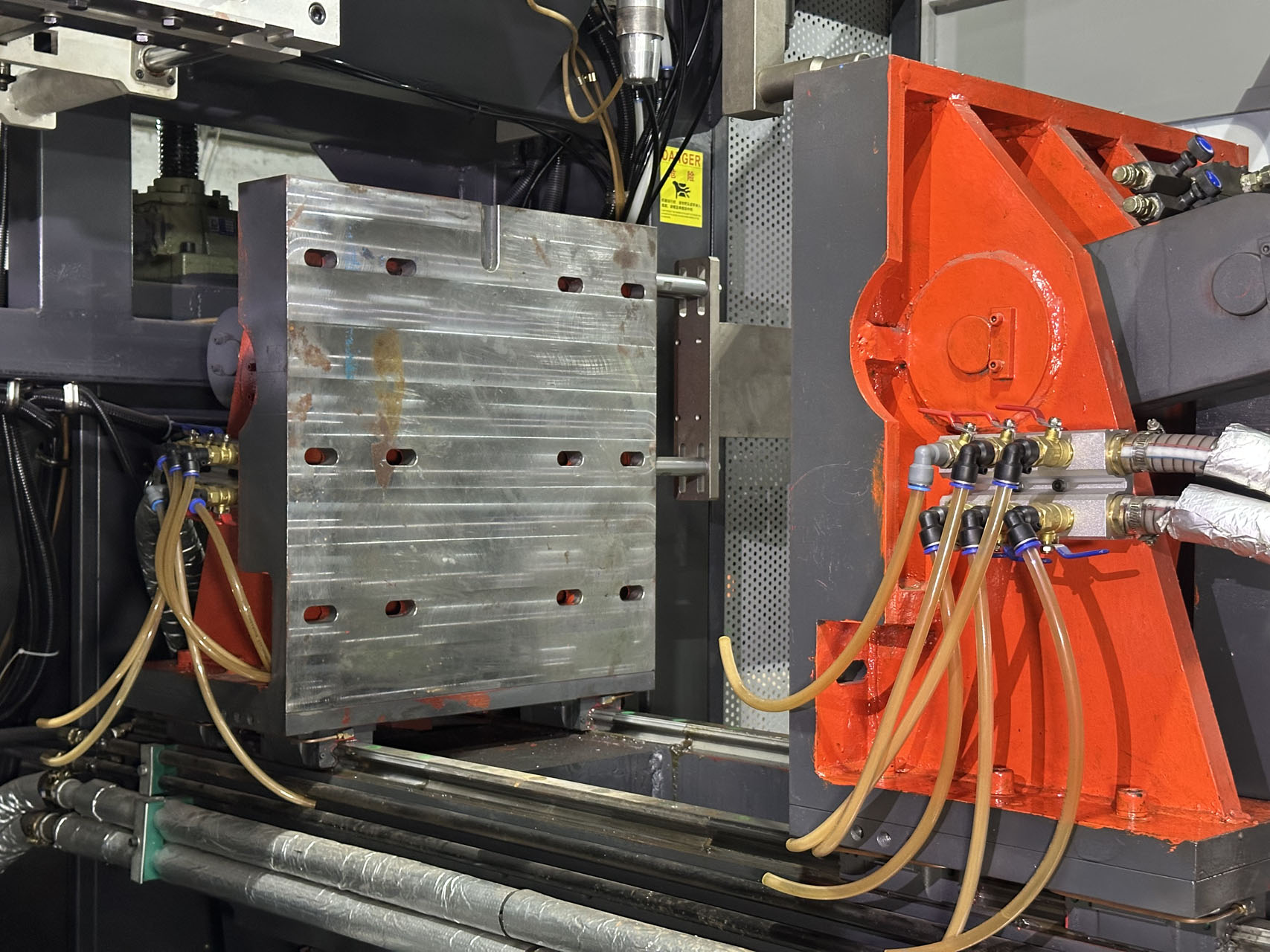
Why Industrial Plastic Parts Outperform Metal in Heavy Machinery
“Industrial plastic parts offer superior corrosion resistance, noise reduction, and cost savings compared to traditional metal components in heavy machinery applications.”
When it comes to heavy machinery, the choice of materials can make or break performance. While metal has long been the go-to option, custom molded plastic components are proving to be the better choice in many industrial applications. From pharmaceuticals to automotive manufacturing, industrial plastic parts are delivering unmatched benefits that metal simply can’t match.
Corrosion Resistance and Longevity in Harsh Conditions
One of the biggest advantages of industrial plastic parts is their ability to resist corrosion. Unlike metal, which can rust and degrade when exposed to moisture, chemicals, or extreme temperatures, high-performance plastics remain stable. This makes them ideal for industries like pharmaceuticals, where sterile conditions are a must. A well-designed plastic part can last years longer than its metal counterpart, reducing downtime and replacement costs.
Noise Reduction and Vibration Dampening Benefits
Heavy machinery is loud, but plastic components can help quiet things down. Plastics naturally absorb vibrations and reduce noise, making them perfect for applications where worker comfort and safety are priorities. In industries like food processing or packaging, where machinery runs continuously, this can lead to a more productive and comfortable work environment.
Case Study: Pharmaceutical Industry Adoption
The pharmaceutical sector has been quick to adopt industrial plastic parts for critical applications. Plastic components don’t just resist corrosion from harsh cleaning chemicals – they also eliminate the risk of metal particles contaminating sensitive products. Many leading drug manufacturers now use plastic gears, housings, and fittings in their production lines to maintain ultra-clean environments.
Cost Comparison: Total Ownership Savings
While the upfront cost of industrial plastic parts might be comparable to metal, the long-term savings are significant. Plastics require less maintenance, don’t need protective coatings, and often outlast metal components in tough conditions. When you factor in reduced downtime and longer service life, plastic parts typically offer a 20-30% lower total cost of ownership over five years.
Performance Comparison: Plastic vs. Metal Components
| Fitur | Industrial Plastic Parts | Metal Components | Standar Industri | Catatan |
|---|---|---|---|---|
| Corrosion Resistance | Luar biasa | Poor (without treatment) | Bagus. | Plastic maintains integrity in wet/chemical environments |
| Noise Reduction | High (5-8 dB reduction) | Rendah | Sedang | Plastic absorbs vibration better than most metals |
| Berat | Light (30-50% lighter) | Berat | Sedang | Lighter parts reduce energy consumption in moving machinery |
| Maintenance Cost | Low ($50/year avg.) | High ($200/year avg.) | $100/year | Plastic requires less lubrication and no rust prevention |
| Service Life | 5-7 years | 3-5 years | 4 years | High-quality plastics often outlast treated metals |
At Lekamachine, we’ve seen firsthand how switching to the best materials for industrial plastic parts can transform operations. Our blow molding expertise allows us to create custom solutions that meet exact specifications while delivering all these performance benefits. Whether you need components for packaging machinery, conveyor systems, or specialized industrial equipment, plastic parts offer advantages that metal simply can’t match.
Featured Image Reference: Close-up of industrial plastic gears in machinery, showing smooth operation and durability in harsh conditions.
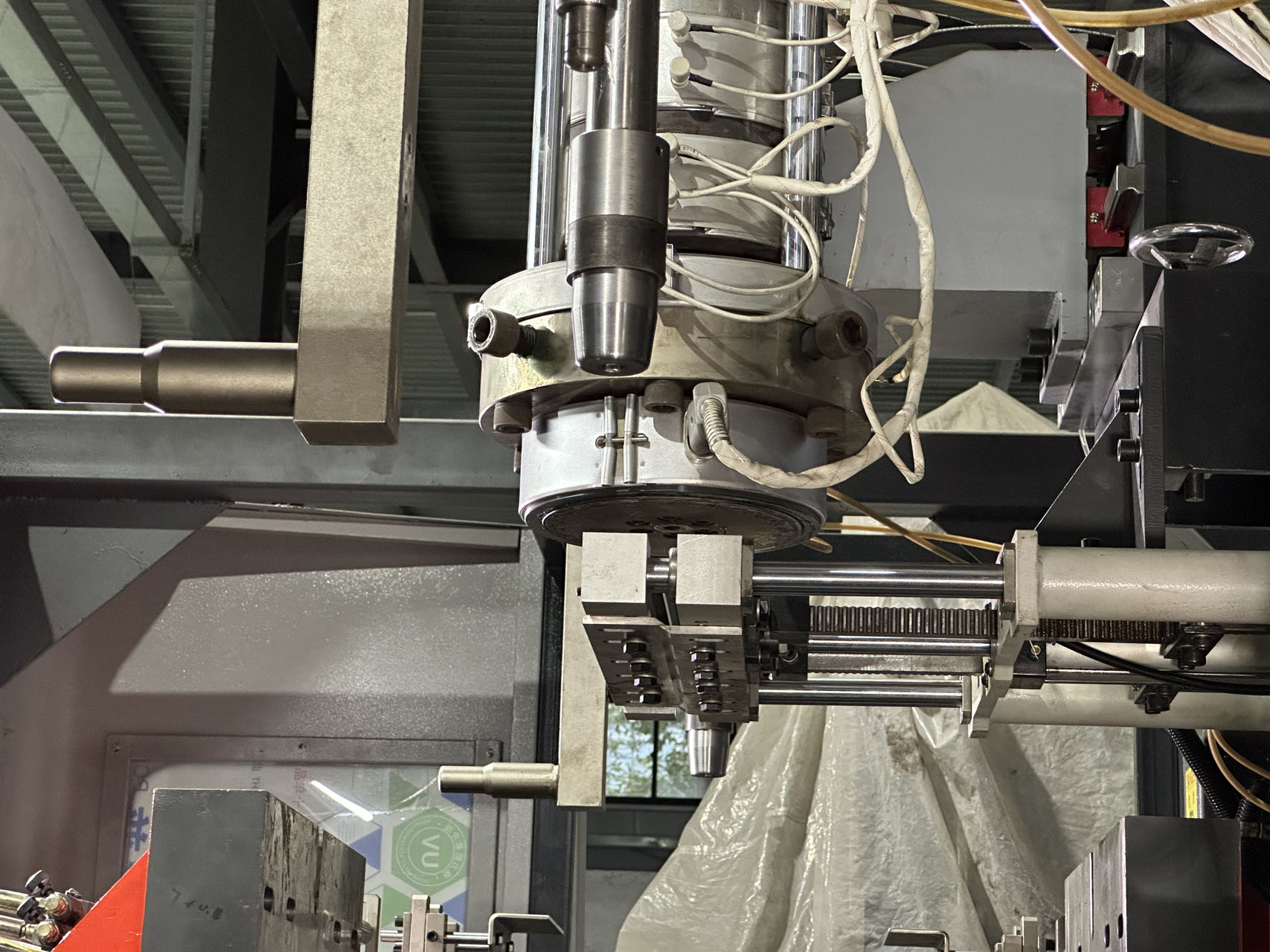
Material Selection Guide for Industrial Applications
“Choosing the right plastic material (PET, PP, or HDPE) can significantly impact performance, durability, and cost-efficiency in industrial applications.”
Selecting the optimal material for industrial plastic parts requires careful consideration of application requirements. At Lekamachine, we help manufacturers navigate these decisions through our extensive material testing and custom formulation services. This guide compares PET, PP, and HDPE – the three most common plastics used in industrial components.
PET: Chemical Resistance for Pharmaceutical Applications
Polyethylene terephthalate (PET) excels in environments requiring chemical resistance and clarity. Its non-reactive properties make it ideal for pharmaceutical containers and medical device components. PET maintains integrity when exposed to alcohols, oils, and mild acids, while providing excellent barrier properties against moisture and gases.
PP: Impact Strength for Heavy Equipment Components
Polypropylene (PP) offers exceptional impact resistance, making it perfect for industrial plastic components in heavy machinery. Its fatigue resistance allows for repeated stress cycles in gears, hinges, and protective covers. PP also handles higher temperature ranges (up to 135°C) than many other plastics.
HDPE: Daya Tahan Ringan untuk Komponen Bergerak
Polietilen berkepadatan tinggi (HDPE) menggabungkan sifat ringan dengan daya tahan yang luar biasa. Hal ini menjadikannya bahan unggulan untuk bagian sistem konveyor, komponen lengan robot, dan elemen mesin bergerak lainnya di mana pengurangan berat meningkatkan efisiensi energi tanpa mengorbankan kekuatan.
Industrial Plastic Material Comparison
| Properti | PET | PP | HDPE | Terbaik untuk |
|---|---|---|---|---|
| Resistensi Kimia | Luar biasa | Bagus. | Sangat baik | Wadah farmasi |
| Kekuatan Dampak | Bagus. | Luar biasa | Sangat baik | Komponen peralatan berat |
| Berat | Sedang | Ringan | Teringan | Komponen bergerak |
| Kisaran Suhu | -40°C hingga 70°C | -20°C hingga 135°C | -100°C hingga 80°C | Lingkungan bersuhu tinggi |
| Efisiensi Biaya | Sedang | Tinggi | Tertinggi | Proyek dengan anggaran terbatas |
Daftar Periksa Pemilihan Material untuk OEM
Saat memilih material untuk wadah plastik khusus atau komponen, pertimbangkan: 1. Persyaratan paparan kimia 2. Ekspektasi tekanan mekanis 3. Batasan berat 4. Fluktuasi suhu 5. Kebutuhan kepatuhan regulasi 6. Total biaya kepemilikan Para insinyur kami di Lekamachine berspesialisasi dalam membantu produsen menavigasi proses manufaktur komponen plastik khusus, dari pemilihan material hingga produksi akhir. Kami menawarkan pengujian material komprehensif untuk memastikan komponen Anda memenuhi spesifikasi kinerja yang tepat.
Referensi Gambar Unggulan: Perbandingan sampel material PET, PP, dan HDPE dengan contoh aplikasi industri.

Proses Manufaktur Presisi untuk Komponen Khusus
“Teknologi molding proprietary Lekamachine menghadirkan komponen plastik industri dengan presisi tingkat mikron untuk integrasi peralatan yang mulus.”
Dalam aplikasi industri, manufaktur presisi membedakan antara komponen yang sekadar pas dengan yang berkinerja optimal. industrial plastic parts dirancang melalui proses molding canggih yang memastikan toleransi ketat dan kualitas konsisten – faktor kritis untuk keandalan dan umur panjang mesin.
Molding Toleransi Ketat untuk Presisi Pas
Manufaktur modern menuntut komponen yang pas sempurna sejak percobaan pertama. Proses molding kami mencapai toleransi hingga ±0,05mm, menghilangkan kebutuhan pengerjaan pasca-produksi. Presisi ini sangat berharga untuk selubung plastik cetakan dan rumah pelindung di mana dimensi tepat mencegah masuknya kelembapan atau kontaminan.
Keunggulan Molding Tiup Tarik Satu Tahap
Proses satu tahap proprietary kami menggabungkan injection molding dan blow molding dalam satu operasi yang mulus. Ini menghilangkan penanganan material antar tahap, mengurangi cacat potensial sekaligus meningkatkan integritas struktural. Hasilnya? Baki plastik untuk penggunaan industri dengan ketebalan dinding seragam dan daya tahan yang ditingkatkan.
Quality Control Protocols Comparison
| Parameter Kualitas | Proses Standar | Proses Lekamachine | Metode Pengukuran | Dampak Industri |
|---|---|---|---|---|
| Akurasi Dimensi | ± 0.15mm | ± 0,05mm | Pemindaian Laser | Kesesuaian peralatan lebih baik |
| Variasi Ketebalan Dinding | ±12% | ±5% | Pengujian Ultrasonik | Kinerja lebih konsisten |
| Hasil Akhir Permukaan | Ra 0,8μm | Ra 0,4μm | Pengukuran Profil | Gesekan berkurang |
| Kepadatan Material | 98% seragam | 99,5% seragam | Analisis Sinar-X | Kekuatan lebih tinggi |
| Konsistensi Produksi | 95% | 99.8% | Kendali Proses Statistik | Penolakan lebih sedikit |
Produksi Otomatis untuk Konsistensi
Sistem fully-automated kami mempertahankan kendali tepat atas setiap variabel – suhu, tekanan, waktu siklus – melintasi ribuan siklus produksi. Otomasi ini sangat berharga untuk aplikasi plastik cetakan di sektor industri di mana konsistensi antar batch tidak dapat ditawar.
Referensi Gambar Unggulan: Close-up komponen plastik cetakan presisi dengan alat pengukur dimensi yang menunjukkan toleransi eksak.

Solusi dan Studi Kasus Spesifik Industri
“Komponen plastik industri Lekamachine telah berhasil diimplementasikan di 70+ negara, memecahkan tantangan unik di sektor farmasi, kemasan industri, dan pengolahan kimia.”
Dalam hal industrial plastic components, solusi satu-untuk-semua jarang memberikan hasil optimal. Pengalaman global kami menunjukkan bagaimana aplikasi khusus membutuhkan pendekatan yang disesuaikan. Mari kita kaji bagaimana komponen plastik untuk mesin mentransformasi industri utama.
Pharmaceutical: Sterile Container Solutions
In pharmaceutical applications, our PET containers maintain sterility while withstanding aggressive sterilization processes. One European client achieved 99.99% particulate reduction after switching to our custom-molded vials, crucial for injectable medications.
Industrial Packaging: High-Load Bearing Components
Our HDPE pallets and crates support up to 1,500kg loads while being 40% lighter than metal alternatives. A German automotive parts supplier reduced workplace injuries by 25% after adopting our custom plastic parts for heavy equipment.
Client Implementation Success Metrics
| Industri | Solusi | Bahan | Peningkatan | Client Location |
|---|---|---|---|---|
| Farmasi | Sterile Vials | PET | 99.99% purity | France |
| Industri | Heavy-Duty Pallets | HDPE | 25% injury reduction | Jerman |
| Chemical | Corrosion-Resistant Tanks | PP | 5-year lifespan | USA |
| Pengolahan Makanan | Conveyor Components | FDA-grade PP | 30% energy savings | Japan |
| Kosmetik | Precision Bottles | PETG | 0.02mm tolerance | Italia |
Chemical Processing: Corrosion-Resistant Parts
Our PP components withstand harsh acids and solvents that would degrade metal alternatives. A US chemical plant extended equipment lifespan from 2 to 5 years by replacing stainless steel with our engineered plastic solutions.
Featured Image Reference: Global map highlighting Lekamachine installations across 70+ countries with inset photos of industry-specific applications.
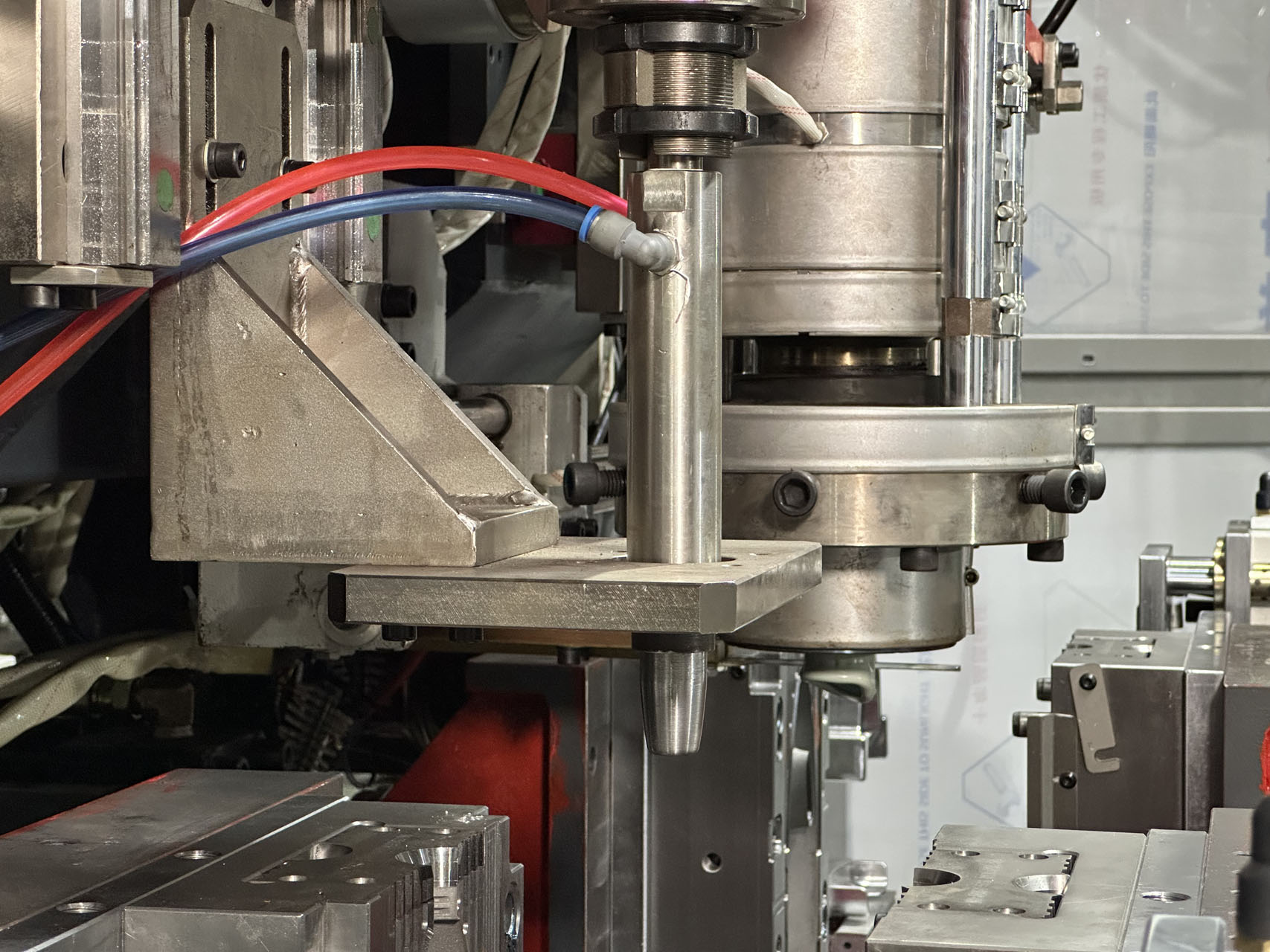
The Future of Industrial Plastics: Sustainability and Innovation
“Lekamachine’s R&D in sustainable industrial plastic components is helping manufacturers reduce environmental impact while maintaining performance standards.”
The industrial plastics sector is undergoing a green revolution, with industrial plastic parts leading the charge in sustainable manufacturing. At Lekamachine, we’re investing heavily in technologies that will define the next decade of plastic production.
Recyclable Material Advancements
Our new generation of wadah plastik khusus uses 100% recyclable polymers without compromising durability. We’ve developed proprietary blends that maintain structural integrity through multiple recycling cycles.
Energy-Efficient Production Methods
Our SmartMold™ technology reduces energy consumption by 40% compared to traditional blow molding. This breakthrough is particularly impactful for selubung plastik cetakan production, where energy costs typically account for 30% of operating expenses.
Perbandingan Kinerja Material Berkelanjutan
| Bahan | Dapat didaur ulang | Penghematan Energi | Daya tahan | Aplikasi |
|---|---|---|---|---|
| Bio-PET | 5 cycles | 25% | Luar biasa | Wadah |
| rHDPE | 7 cycles | 30% | Bagus. | Pallets |
| Campuran PLA | 3 cycles | 40% | Adil | Disposables |
| Ocean Plastic | 4 cycles | 15% | Bagus. | Non-critical parts |
| Our EcoBlend™ | 8 cycles | 35% | Luar biasa | All applications |
Smart Plastics with Embedded Sensors
Our IoT-enabled components can monitor stress, temperature, and wear in real-time. This innovation helps OEMs transition from scheduled maintenance to predictive maintenance models.
Featured Image Reference: Futuristic manufacturing facility showing sustainable plastic production with solar panels and recycling systems.
Kesimpulan
After years in the blow molding industry, I’ve seen how the right plastic components can transform heavy machinery—reducing downtime, cutting costs, and boosting performance. It’s not just about swapping metal for plastic; it’s about choosing materials engineered for your specific challenges.
The data speaks for itself: from 30% lighter parts to corrosion-proof durability, industrial plastics are changing the game. Whether it’s PET for sterile pharmaceutical containers or HDPE for rugged industrial use, the key is precision molding that fits your operation like a “glove.”
If your equipment faces harsh conditions, noise issues, or frequent maintenance, it might be time to rethink materials. The future of industrial machinery isn’t just metal—it’s smarter, lighter, and built to last.
PERTANYAAN YANG SERING DIAJUKAN
Q1: What are industrial plastic parts?
A1: Industrial plastic parts are components made from plastic materials designed for various applications in industries such as manufacturing, automotive, and machinery. They offer benefits like durability, lightweight, and resistance to corrosion.
Q2: What materials are commonly used for industrial plastic parts?
A2: Common materials include polypropylene, polyethylene, polycarbonate, and nylon. These materials are selected for their specific properties such as strength, flexibility, and thermal resistance.
Q3: How are industrial plastic parts manufactured?
A3: Industrial plastic parts are typically manufactured through processes such as injection molding, extrusion, 3D printing, and CNC machining. Each method allows for different designs and volumes of production.
Q4: What is the advantage of using custom molded plastic components?
A4: Custom molded plastic components are tailored to meet specific design requirements, ensuring optimal fit and functionality for industrial applications. This customizability can enhance performance and reduce waste.
Q5: How do plastic parts compare to metal parts in industrial applications?
A5: Plastic parts are generally lighter and more resistant to corrosion than metal parts. Additionally, they can be molded into complex shapes that might be impossible with metals, but they may not handle extreme temperatures as effectively.
Q6: What industries utilize industrial plastic components?
A6: Industri seperti otomotif, dirgantara, kesehatan, dan barang konsumen memanfaatkan komponen plastik industri untuk berbagai aplikasi, termasuk perumahan, insulasi, dan penyangga struktural.
Q7: What factors should be considered when selecting plastic parts for machinery?
A7: Faktor-faktor meliputi daya tahan, ketahanan suhu, ketahanan aus, kompatibilitas kimia, dan sifat mekanis spesifik yang diperlukan untuk aplikasi guna memastikan kinerja optimal.
Q8: What are the applications of molded plastics in industrial settings?
A8: Plastik cetak digunakan dalam beragam aplikasi seperti perumahan mesin, pelindung, pipa, dan perlengkapan khusus, memberikan solusi ringan dan tahan lama di berbagai lingkungan industri.
Tautan Eksternal
- Pemesinan Komponen Plastik Industri: Proses dan Polimer yang Digunakan
- Produk Industri | Manufaktur Plastik untuk Barang Komersial | EVCO
- Ekstruder Produk Plastik Kustom – Komponen Ekstrusi Plastik Industri
- Perusahaan Fabrikasi Plastik | Emco Industrial Plastics
- Komponen Plastik Hasil CNC | Advanced Industrial
- Komponen Plastik Industri – Premium Plast Ltd.
- Komponen & Suku Cadang Plastik Industri
- Komponen plastik presisi – suku cadang presisi bubut & frais – Roechling


0 Komentar