
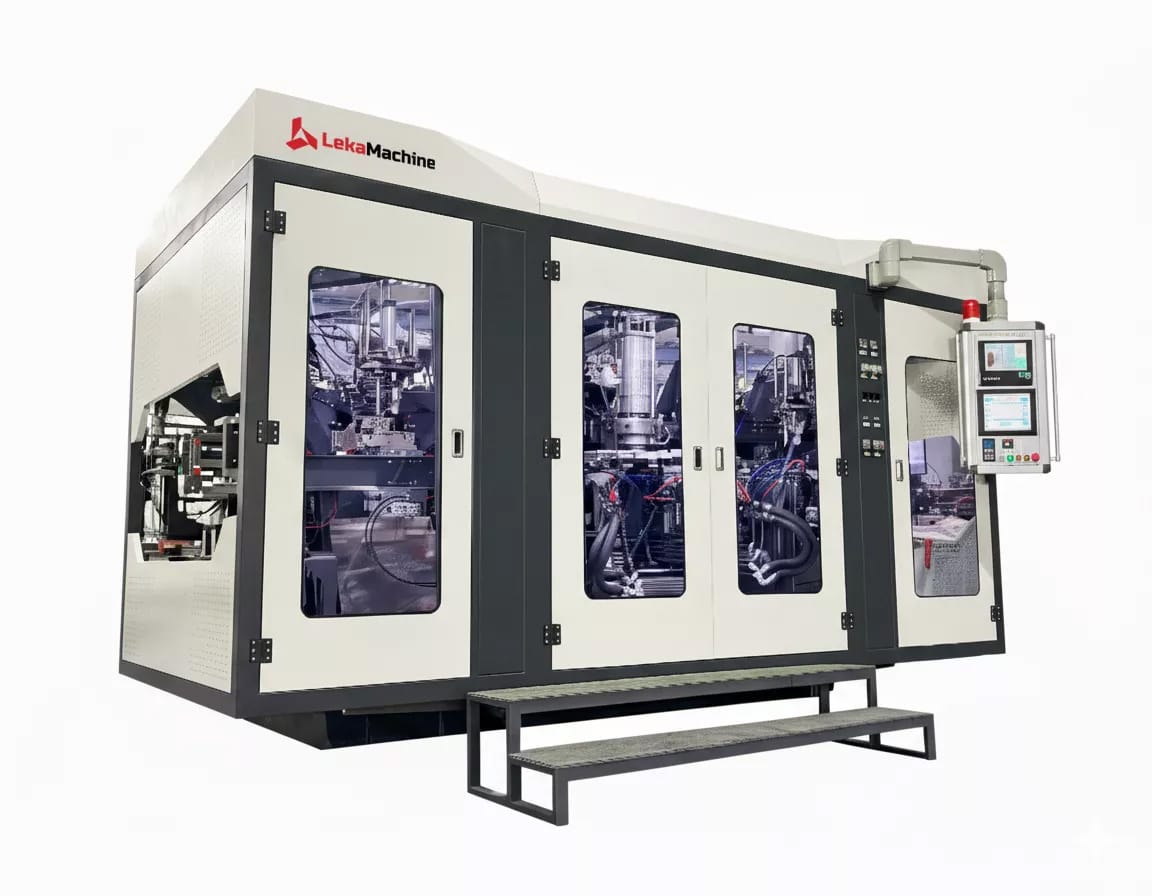
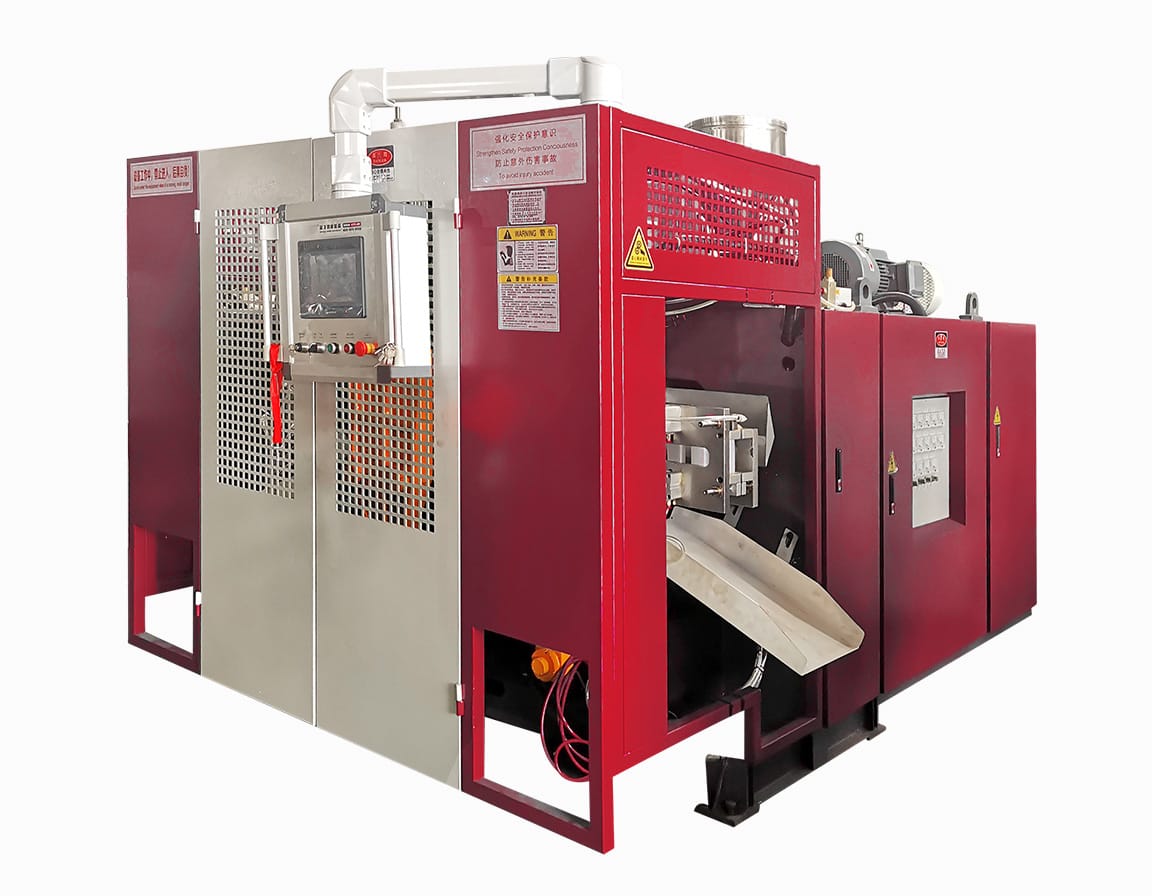
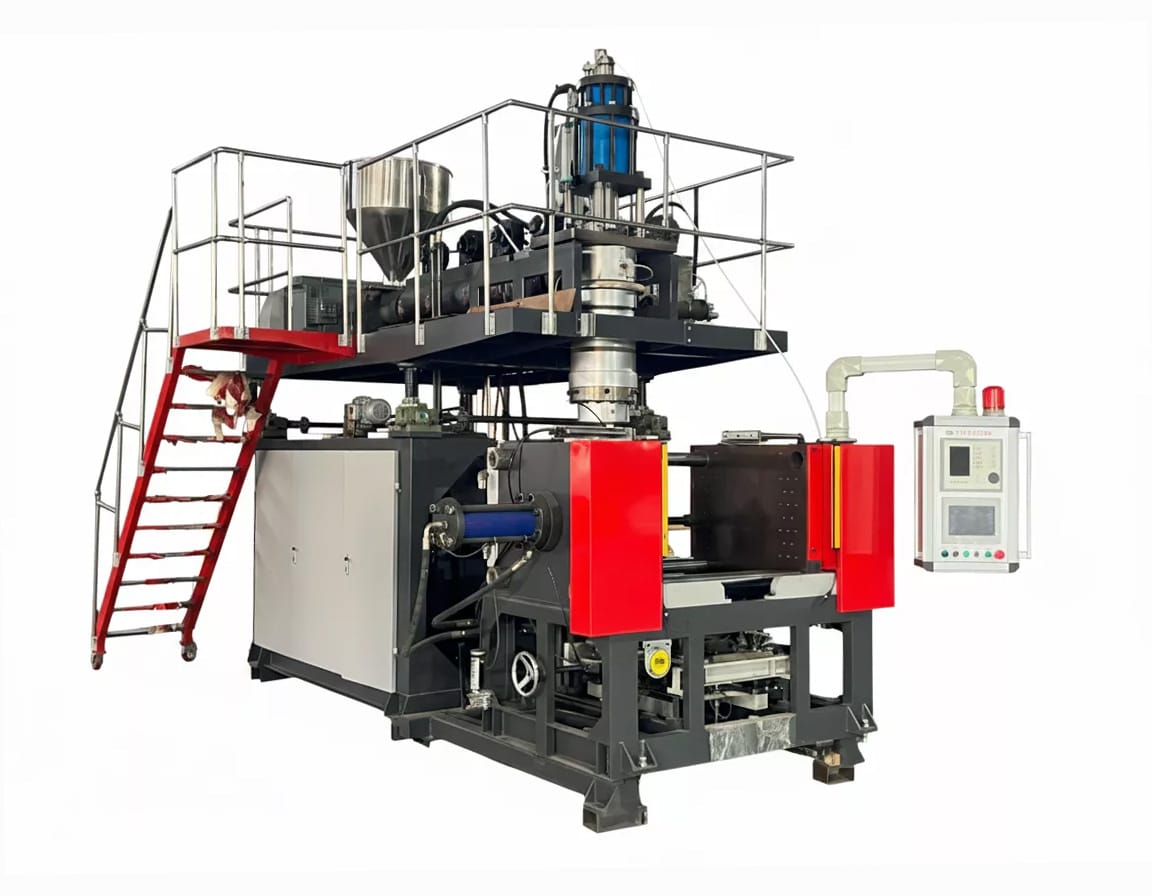
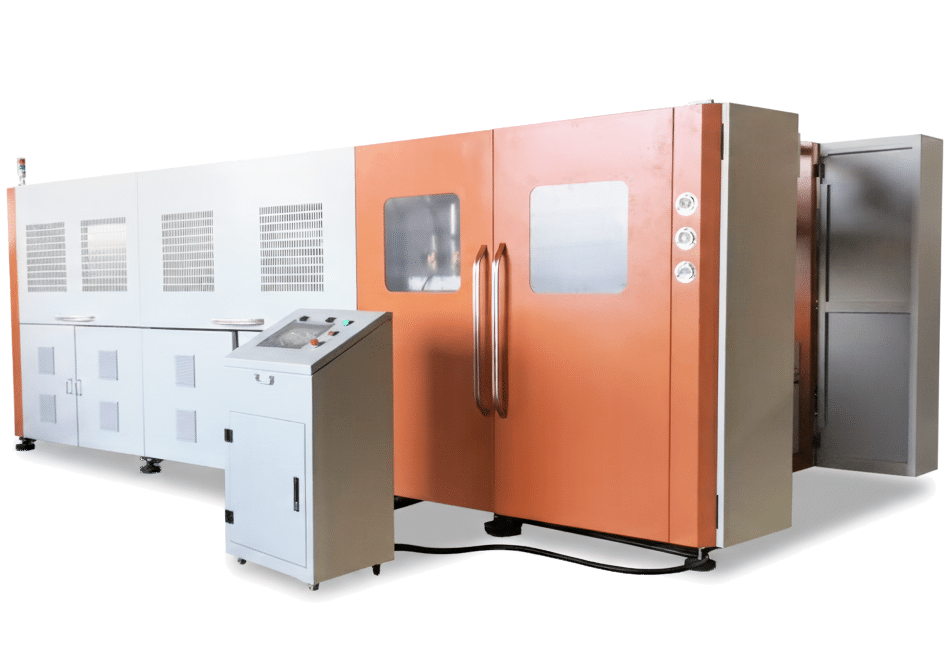
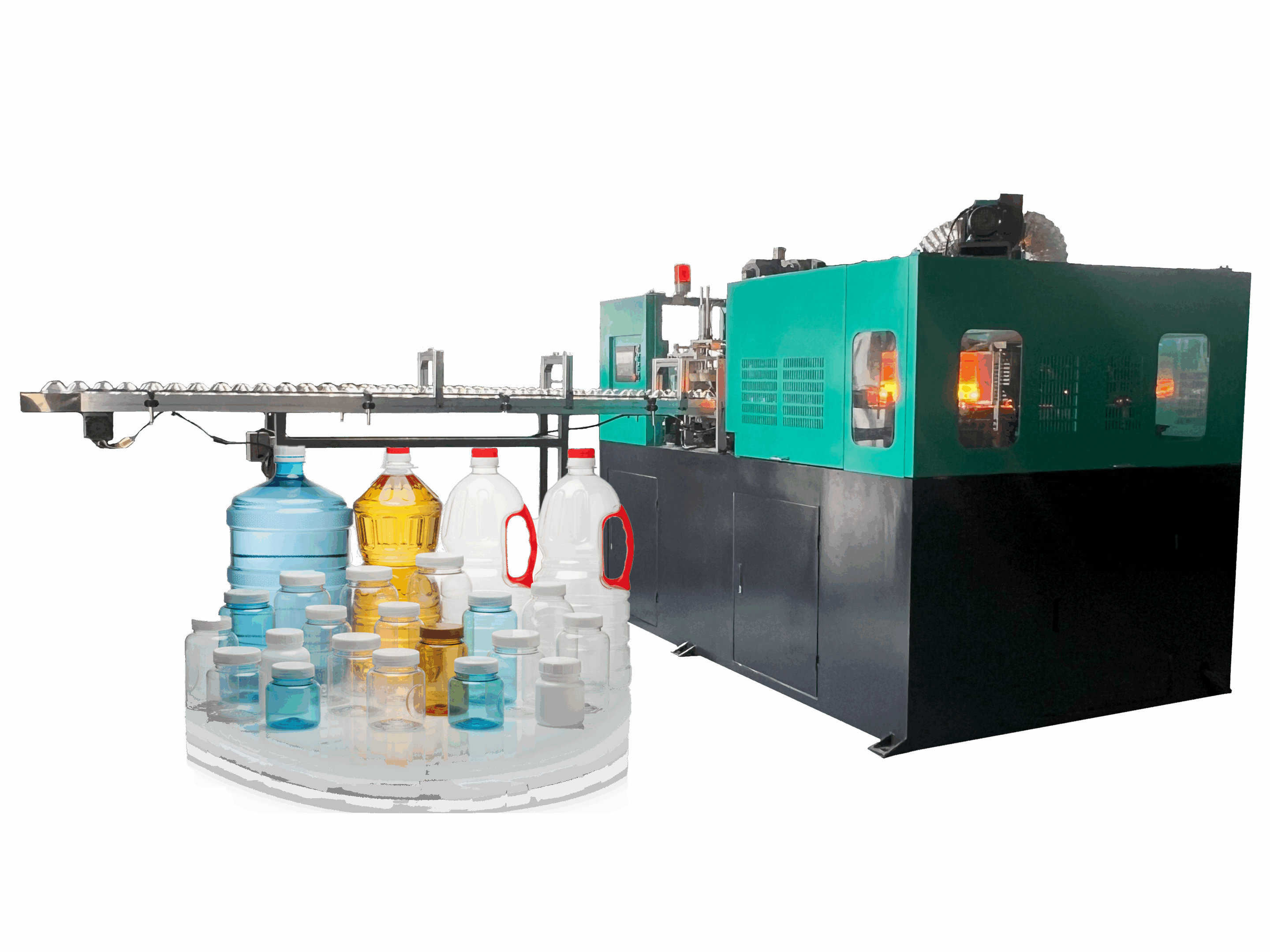

At our factory, we know that when an all-electric machine stops, profits vanish instantly mesin Extrusion Blow Molding kami 1. Waiting for a slow email reply isn't an option when your production line is down and customers are waiting.
To effectively utilize supplier resources, immediately deploy edge-computing gateways for real-time telemetry and negotiate Service Level Agreements (SLAs) that guarantee direct access to Tier 3 engineers. These strategies allow remote experts to diagnose servo-motor faults and software anomalies instantly, bypassing slow helpdesk queues and minimizing costly downtime.
Let’s look at the specific tools and strategies we use to keep machines running edge-computing gateways 2.
What remote diagnostic tools does the supplier provide for immediate troubleshooting?
We have found that relying on phone descriptions for complex servo faults is frustrating and inaccurate real-time telemetry 3. Without visual data, fixing a stopped machine becomes a guessing game that wastes hours of production time.
Leading suppliers provide encrypted edge-computing gateways that establish secure VPN tunnels between your machine’s PLC and their diagnostic center. This allows engineers to monitor real-time servo torque, heater profiles, and error codes remotely, resolving up to 70 percent of technical issues without requiring an on-site technician.
The Power of Real-Time Telemetry
Moving from hydraulic to all-electric Extrusion Blow Molding (EBM) machines changes everything kinematic alignment 4. You are no longer just dealing with oil and valves; you are managing a complex software network. When we build machines at LEKA Machine, we integrate systems that allow us to see exactly what the machine is doing, even if it is on the other side of the world Joint Development Agreements (JDAs) 5.
To use this, you need an edge gateway. This is a piece of hardware in the control cabinet. It connects the machine’s internal network to the supplier's support center via a secure internet connection. It is not just about screen sharing. It is about deep data access.
When you have a problem, the supplier’s team can see millisecond-level data. They can look at:
- Servo torque output.
- Heater band temperatures.
- Internal air pressures.
- Parison wall thickness data.
If a parison is coming out wrong, we can often see that a specific parameter has drifted. We can fix this remotely by pushing a configuration patch. This turns a potential multi-day shutdown into a 30-minute fix.
Diagnostic Gateway Functions
Here is a breakdown of how these specific components help us solve problems faster.
| Komponen | Function | Manfaat |
|---|---|---|
| Real-Time PLC Interface | Extracts data from the machine's control system. | Allows remote engineers to see logic states exactly as they are happening. |
| Encrypted Edge Router | Creates a secure tunnel through your factory firewall. | Bypasses IT delays while keeping your network safe from outside threats. |
| Write Access | Allows the supplier to change settings remotely. | We can clear faults or update software without sending a person to your site. |
Visualizing the Problem with AR
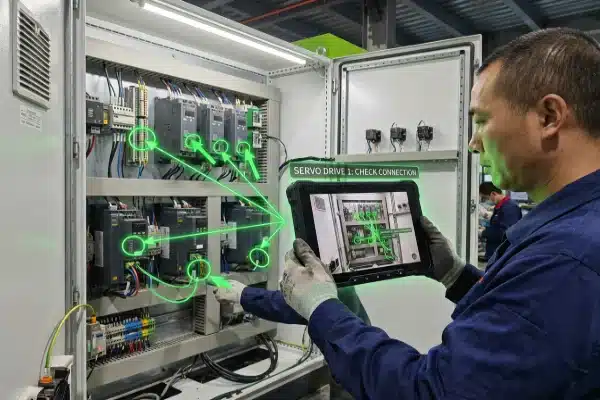
Sometimes, data isn't enough. You might have a loose wire or a mechanical jam. In our experience exporting to the US and Europe, we find that Augmented Reality (AR) tools 6 are lifesavers.
Suppliers can provide AR headsets or apps for your phone. Your operator points the camera at the machine. The remote expert sees what they see. The expert can then draw circles on the screen, pointing out exactly which bolt to tighten or which cable to check. It is like having a senior engineer standing right next to you.
How do I ensure I have direct access to senior engineers rather than just sales support?
Getting stuck with a scripted helpdesk agent while your orders pile up is a nightmare. We understand that speaking to a salesperson won't fix a complex EtherCAT synchronization error on your production floor.
You must negotiate a Service Level Agreement (SLA) that explicitly defines support tiers and mandates direct routing to Tier 3 engineers for critical faults. Additionally, integrating collaborative platforms like Slack or Microsoft Teams creates a shared workspace, allowing your team to swarm issues with the supplier’s experts immediately.
Structuring the SLA
The best diagnostic tools are useless if you cannot reach the person who knows how to use them. Often, when you call support, you get "Tier 1" staff. They read from a script. They ask if the machine is plugged in. For a complex all-electric EBM machine, this is a waste of time.
When you buy the machine, you must focus on the Service Level Agreement (SLA) 7. This is your contract for support. Do not just accept the standard terms. You need to demand access to "Tier 3" support. These are the senior engineers who designed the system.
You should push for a clause that says: "If a critical production fault occurs, we skip the helpdesk and go straight to advanced engineering." This is vital for high-value machinery.
| SLA Parameter | Standard Policy | What You Should Negotiate |
|---|---|---|
| Waktu Respons | 24 to 48 hours via email. | 4 hours for critical production stops. |
| Routing | Mandatory Tier 1 triage. | Direct routing to Tier 3 for specific error codes. |
| Root Cause Analysis | Only if requested by executives. | Mandatory report within 7 days of fixing the issue. |
Moving Beyond Email
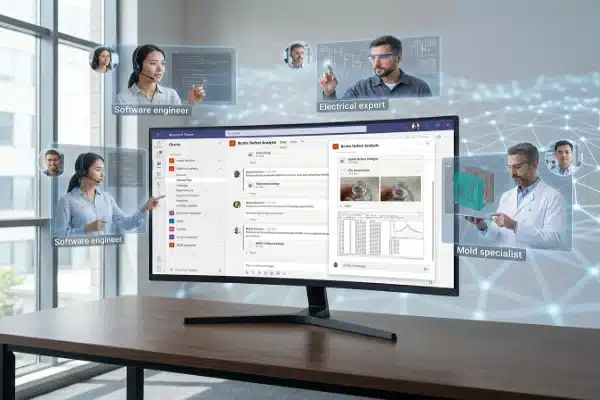
Email is too slow for modern manufacturing. At our factory, we encourage clients to use platforms like Slack or Microsoft Teams. We create a shared channel between our engineers and the client's maintenance team.
This changes the dynamic completely.
- Instant Alerts: We can set the machine to post an alert directly to the chat channel if it overheats.
- Swarming: If a problem is complex, we can add our software guy, our electrical guy, and our mold expert to the chat instantly.
- File Sharing: You can drop photos of defective bottles or data logs right into the chat.
This "swarming" method solves problems much faster than waiting for email replies across different time zones.
Can I schedule regular technical reviews with the supplier's team during the warranty period?
Many buyers treat the warranty as just an insurance policy, which is a wasted opportunity. Ignoring the warranty period often leads to unoptimized machines and hidden software bugs that surface later.
Yes, you should utilize the 12-month warranty period for mandatory, scheduled technical reviews rather than just passive protection. These sessions allow supplier engineers to audit kinematic alignment, verify thermal systems, and refine process parameters, ensuring your machine operates at its theoretical peak before the coverage expires.
Treating Warranty as Optimization
We often see clients who only call us when something breaks. This is a mistake. The warranty period is the best time to fine-tune your asset. You have already paid for this support, so you should use it.
We recommend scheduling a review every three months during the first year. This is not just a repair visit. It is a health check. We look at the data to see if the machine is performing as promised.
What to Cover in Reviews
During these reviews, we look for specific things:
- Alignment: Precision is key in EBM. We check if the mold clamping is still perfectly aligned.
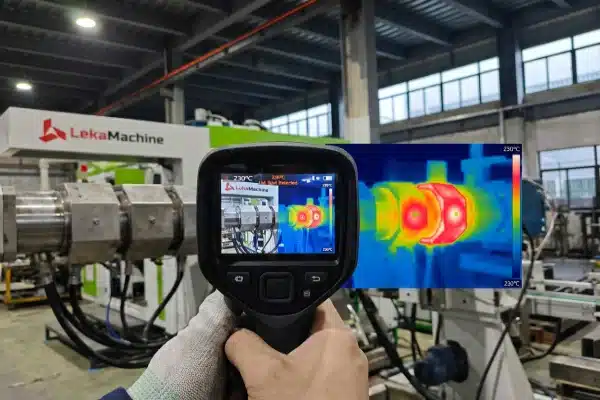
- Heat: We check the heater bands. Are there hot spots? Is the temperature uniform?
- Software Logs: Modern machines record thousands of minor errors that don't stop production. However, these errors can warn us of a future failure. We clear these up before they become real problems.
Disambiguating Material vs. Machine
One big challenge we face is telling the difference between a machine fault and a material issue. Plastic is sensitive. If your material is wet, it will bubble. To an untrained eye, this looks like a machine failure.
During technical reviews, we use a matrix to figure this out quickly. This saves everyone time.
| Symptom | Potential Machine Fault | Potential Material Fault | Action |
|---|---|---|---|
| Erratic Torque | Gear pump failure or drive error. | Inconsistent pellet density. | Check motor current vs. melt flow index. |
| Bubbles in Parison | Air leaks in the blow pin. | Wet material (saturated desiccant). | Check the dryer before checking the machine. |
| Discoloration | Heater runaway. | Old material left in the extruder. | Check thermal imaging logs. |
By using this logic, we stop chasing ghosts. We don't tear apart a perfectly good motor when the real problem is a clogged material dryer.
What is the protocol for escalating complex software issues to the R&D department?
Sometimes a local fix isn't enough, and a core software bug halts production. Without a clear path to R&D, your machine could remain idle for weeks while support teams scratch their heads.
Establish an "Enterprise Down" protocol that classifies systemic failures as Severity 1 events, triggering immediate notification to R&D leadership. This process requires your team to isolate network variables first, proving the issue lies within the proprietary code, which forces the manufacturer to engineer a custom firmware solution.
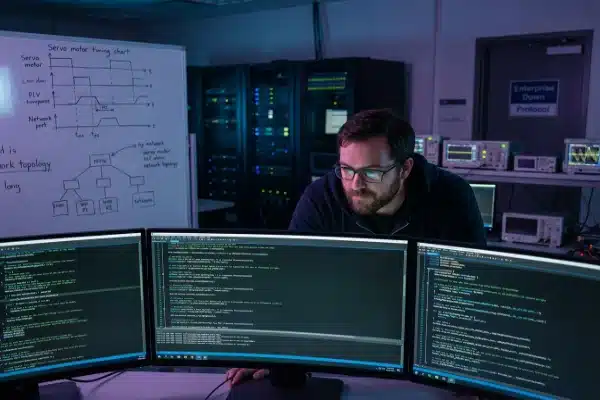
The "Enterprise Down" Approach
In rare cases, the problem is deep in the code. Maybe the servo timing is off by a millisecond, causing a crash. Tier 1 and Tier 2 support cannot fix this. You need the R&D team who wrote the code.
To get their attention, you need to declare an "Enterprise Down" situation. This is formal language that means "we are dead in the water." It triggers alerts to higher management.
Preparing for Escalation
R&D engineers are busy. They will not accept a ticket if they think it is a simple wiring issue. To get them to work on your problem, you must prove it is their software.
- Check the Network: Prove that your internet and internal network are fast and stable.
- Audit Settings: Show that nobody changed a setting locally.
- Isolate Variables: Eliminate mechanical causes.
When you hand them a package of evidence proving it is a code bug, they have to act.
Advanced Solutions: Deep Learning and JDAs
For the hardest problems, we are seeing new solutions.
Deep Learning for Noise:
All-electric machines are noisy in terms of electrical signals. It is hard to tell if a spike is normal or a sign of failure. R&D teams now use AI models to read these signals. They can tell you weeks in advance if a bearing is going to fail, just by analyzing the electrical noise.
Joint Development Agreements (JDAs):
If you find a major flaw, don't just ask for a patch. Ask for a partnership. A JDA allows your team and the supplier's R&D team to work together. You provide the machine for testing; they provide the coding power. You get the fix first, often with new features that give you an edge over competitors.
Kesimpulan
To get the most out of your supplier, stop treating them as just a vendor. Use the tools available—gateways, AR, and collaborative apps—to bridge the gap. Enforce your SLA and use your warranty to optimize, not just repair. When you actively manage these resources, your supplier becomes a partner in your success.
Catatan kaki
1. Explains the manufacturing process for hollow plastic parts. ↩︎
2. Defines edge computing gateways and their role in industrial networking. ↩︎
3. Replaced with an authoritative definition and explanation of telemetry, including real-time aspects, from IBM. ↩︎
4. Explains a customized method for precise positioning and alignment in engineering. ↩︎
5. Defines Joint Development Agreements as legal contracts for collaborative development. ↩︎
6. Describes how AR tools are used to enhance industrial maintenance and repair. ↩︎
7. Defines Service Level Agreements as contracts between service providers and customers. ↩︎


0 Komentar