
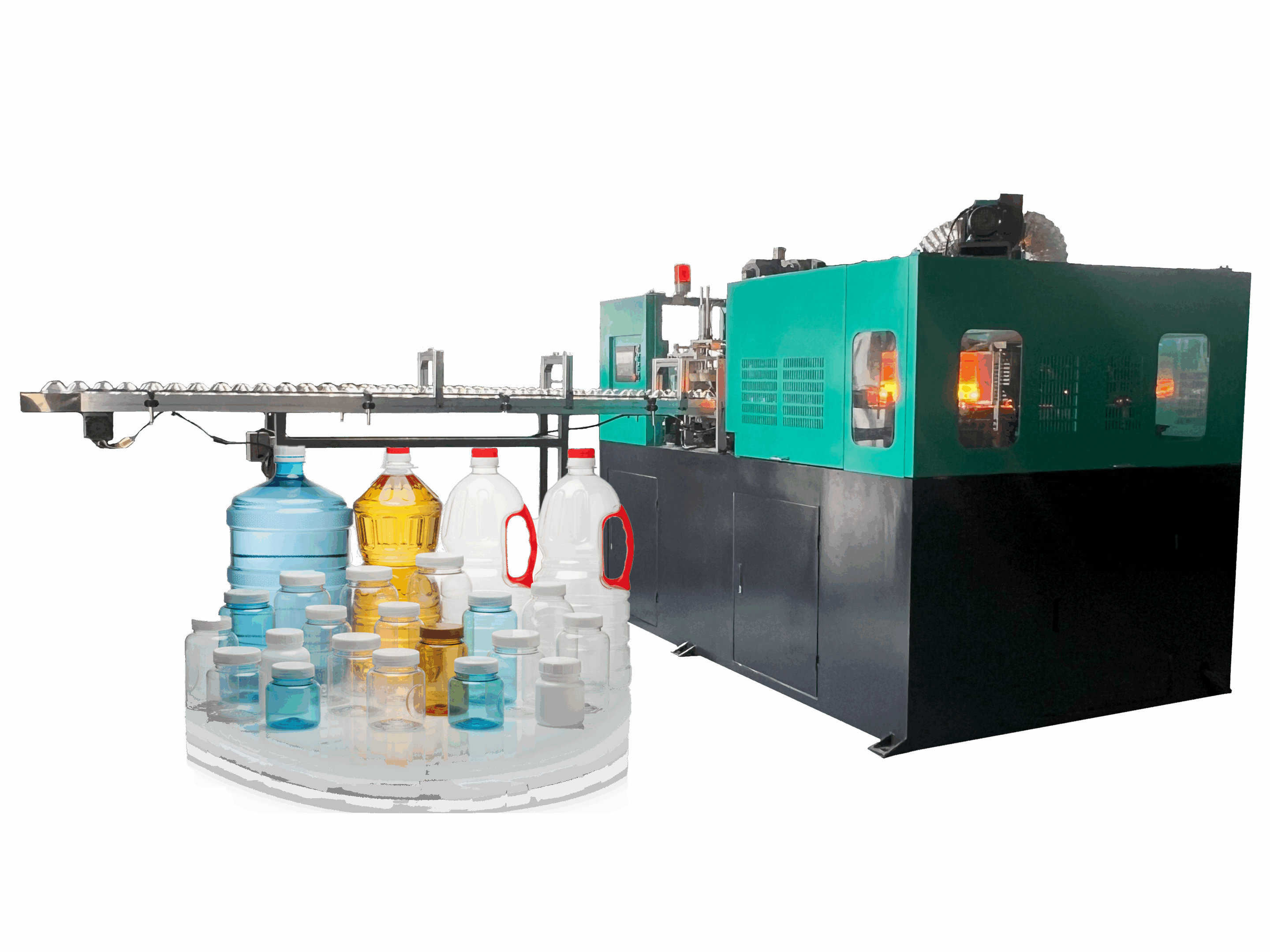
Is the Anti-Rust Treatment on Your All-Electric Blow Molding Machine Frame Adequate?
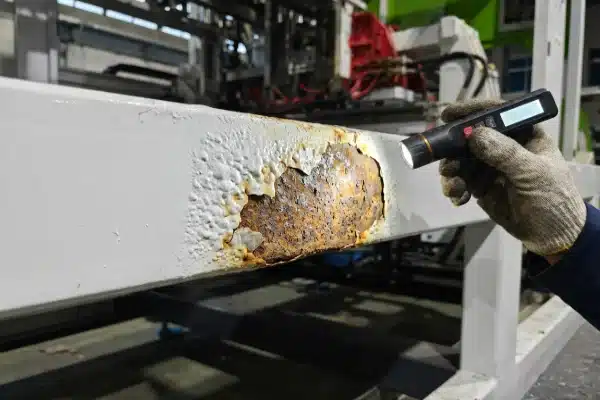
At our factory, we have seen high-precision machines ruined by coastal humidity because the buyer ignored the frame coating specs ISO 12944 C4 or C5 standards 1. Rust is a silent killer for all-electric platforms. You must identify these risks before shipping.
To determine adequacy, verify the frame coating meets ISO 12944 C4 or C5 standards, typically requiring abrasive blasting to Sa 2.5 and a zinc-rich epoxy primer. Standard indoor treatments fail in coastal humidity, leading to structural pitting, linear guide failure, and voided warranties due to environmental exclusions.
Let’s examine the specific technical standards and hidden risks you must check to ensure your machine survives in your factory environment abrasive blasting to Sa 2.5 2.
What specific painting or powder coating process is used on the machine frame?
When we calibrate our flight controllers or assemble heavy machinery, we know that a simple spray paint job is never enough Zinc-Rich Epoxy Primer 3. Poor surface preparation leads to peeling paint, which causes contamination and expensive downtime in your clean production room.
The frame must undergo abrasive blasting to Sa 2.5 to create a surface profile for adhesion, followed by a three-coat system: Zinc-Rich Epoxy primer for cathodic protection, an MIO intermediate barrier, and a Polyurethane topcoat. Total dry film thickness should exceed 240 microns for long-term durability.
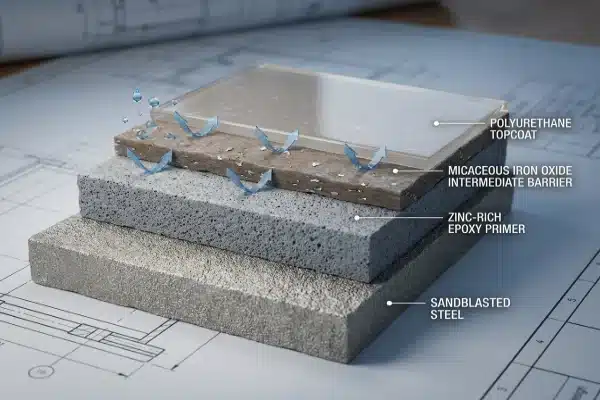
To truly understand if the process is adequate, you must look beyond the color and gloss galvanic corrosion 4. The longevity of any coating on an extrusion blow molding (EBM) machine depends overwhelmingly on two factors: surface preparation and primer chemistry. In our experience, many mid-tier manufacturers save costs by using manual wire brushing (St 2 standard) or simple solvent wiping to remove oil. This leaves microscopic contaminants on the steel. When we build frames for harsh environments, we insist on Abrasive Blast Cleaning to Sa 2.5 (ISO 8501-1). This process uses steel grit to strip the metal to a "near-white" condition and creates a rough surface profile of 50–75 microns. This mechanical "keying" allows the primer to grip the steel securely, resisting the vibration and thermal expansion inherent in EBM operation.
Primer Chemistry: The Barrier vs. The Sacrifice
The type of primer used is just as critical as the preparation. Standard machinery often uses alkyd-based primers because they are cheap and easy to apply. However, alkyds are permeable to water vapor. In a humid factory, moisture passes right through the paint and rusts the steel from underneath.
For adequate protection, you must specify a Zinc-Rich Epoxy Primer. These primers contain high loadings of metallic zinc dust. They function through cathodic protection 5. If the paint is scratched during a mold change—which happens frequently—the zinc corrodes sacrificially to protect the steel frame, preventing the rust from spreading.
The Three-Coat Architecture
A single coat of paint is never sufficient for industrial protection. We recommend a specific three-layer architecture for long-term durability:
Table 1: Recommended Coating System for Durability
| Layer | Product Type | Dry Film Thickness (DFT) | Function |
|---|---|---|---|
| 1. Primer | 2-Pack Zinc-Rich Epoxy | 60–80 µm | Provides cathodic protection and strong adhesion to the blasted steel. |
| 2. Intermediate | Micaceous Iron Oxide (MIO) Epoxy 6 | 100–150 µm | Acts as a barrier. Platelets overlap like roof tiles to block moisture. |
| 3. Topcoat | 2-Pack Acrylic Polyurethane (PU) | 60–80 µm | Provides UV resistance, gloss retention, and chemical resistance. |
| Total System | ISO 12944 System | > 240 µm | Required for Coastal/High Humidity Areas. |
Is the standard frame treatment sufficient for high-humidity or coastal factory environments?
In our experience exporting to Southeast Asia and coastal Europe, we find that "standard" specifications often lead to disaster. Salt air acts differently than normal air, and standard treatments are simply not designed to handle the chemical attack of airborne chlorides.
Standard manufacturer treatments usually meet only ISO 12944 C2 (low corrosion) standards, which are mathematically inadequate for coastal areas. High-humidity zones require C4 or C5-I classification to prevent chloride-induced pitting, delamination, and the rapid degradation of sensitive all-electric components like ball screws.

To determine if a machine’s anti-rust treatment is "adequate," you must first quantitatively define the aggression of your operating environment. The "adequacy" of a coating system is not an absolute property; it is relative to where the machine lives. Most EBM manufacturers default to a C2 (Low) atau C3 (Medium) specification for their standard machines. This is designed for heated buildings with clean atmospheres, like a medical cleanroom or a dry warehouse.
However, if your factory is within 5km of the coast, or if you process corrosive polymers like PVC in a non-climate-controlled hall, your environment is likely Category C4 (High). In these zones, airborne salt particles settle on horizontal machine surfaces. These salts absorb moisture from the air even when the humidity is below 100%, creating a concentrated brine solution on the paint surface. If the paint has any microscopic defects, this brine penetrates to the steel and causes deep pitting.
The Vulnerability of All-Electric Drive Trains
The shift from hydraulic to all-electric actuation fundamentally alters the corrosion risk. Hydraulic machines are veritable "oil baths." Minor leaks often coat the lower frame in a protective oil film, unintentionally preventing rust. All-electric machines are designed to be clean and dry. This exposes high-precision components to the air.
- Tribocorrosion: The core movements—mold clamping and carriage shuttling—are driven by ball screws and linear guide rails 7 with super-finished surfaces.
- The Failure Mode: In high humidity, microscopic corrosion pits form on the raceways. When ball bearings pass over these pits under tons of clamping force, the contact stress causes rapid spalling and catastrophic failure.
- Solusinya: Standard "black oxide" treatment is useless here. You must specify advanced surface treatments like Raydent® atau Armoloy® (thin dense chrome) for all linear motion components.
Table 2: ISO 12944 Environmental Classification
| Corrosivity Category | Typical Environment | Risk to EBM Frame | Required Durability |
|---|---|---|---|
| C1 (Very Low) | Heated, clean buildings. | Negligible. Standard paint is fine. | >15 Years |
| C2 (Low) | Unheated buildings, possible condensation. | Low. Surface rust on machined parts. | 5–15 Years |
| C3 (Medium) | Production rooms with high humidity. | Moderate. Paint blisters after 5-7 years. | 5–15 Years |
| C4 (High) | Coastal areas, chemical plants. | High. Standard paint fails in 2-3 years. | 15–25 Years |
| C5 (Very High) | Aggressive coastal/offshore zones. | Critical. Rapid structural degradation. | >25 Years |
Can I request stainless steel covers for areas prone to water condensation?
We frequently help clients upgrade their guarding, but simply bolting stainless steel panels to a carbon steel frame is a dangerous mistake. Without proper engineering, this upgrade can actually accelerate corrosion through a hidden electrochemical reaction.
You can request stainless steel covers, but they require strict dielectric isolation using nylon washers and sleeves to prevent galvanic corrosion. Without isolation, the noble stainless steel acts as a cathode, accelerating rust on the carbon steel frame, especially when condensation acts as an electrolyte.

Requesting stainless steel (AISI 304 or 316) covers is a logical step to prevent rust on the guarding itself, but it introduces the insidious risk of galvanic corrosion. When two dissimilar metals are electrically connected in the presence of an electrolyte (like saltwater or condensation), they form a battery.
The Mechanics of the Attack
In this scenario, the Stainless Steel cover acts as the Cathode (Noble), and the Carbon Steel frame acts as the Anode (Active). The carbon steel frame will corrode sacrificially to protect the stainless steel cover. The rate of this corrosion is determined by the area ratio. A large stainless steel cover connected to the frame by a small bolt creates a large driving force focused on a small area. This causes rapid, intense attack on the frame threads and mounting points. The bolt holes will rot out, leading to structural looseness.
Engineering the Solution: Dielectric Isolation
To prevent this, you must demand Galvanic Isolation Kits. This involves three specific components:
- Isolation Washers: Nylon or PTFE washers to separate the bolt head from the cover.
- Shoulder Sleeves: Plastic sleeves to isolate the bolt shank from the hole walls.
- Interface Sealants: A bead of non-conductive sealant between the cover and the frame to prevent moisture bridging.
Active Condensation Management (MAP)
Instead of just armoring the machine, we suggest solving the root cause: condensation. In EBM, the mold is chilled (6°C–10°C) while the air is warm. This causes the machine to "sweat" profusely. A superior solution to stainless covers is a Mold Area Protection (MAP) system. This system encloses the mold area and pumps in dehumidified air, keeping the dew point lower than the mold temperature. This keeps the machine dry, eliminating the electrolyte needed for corrosion.
Table 3: Galvanic Series Risks in Machine Assembly
| Metal A (Cover) | Metal B (Frame) | Electrolyte Present? | Risk Level | Strategi Mitigasi |
|---|---|---|---|---|
| Stainless Steel 304 | Carbon Steel | Yes (Condensate) | Severe | Must use Dielectric Washers & Sleeves. |
| Aluminium | Carbon Steel | Ya | Sedang | Anodizing or painting both mating surfaces. |
| Zinc (Galvanized) | Carbon Steel | Ya | Rendah | Zinc acts as a sacrificial anode (protects the frame). |
| Brass / Bronze | Carbon Steel | Ya | Severe | Complete electrical isolation required. |
Does the warranty cover structural corrosion issues for a specific period?
When we review competitor contracts, we notice they often hide behind vague language to avoid liability. Most warranties are designed for ideal conditions, not the messy reality of a humid manufacturing floor, leaving you exposed to repair costs.
Standard warranties typically exclude damage from "improper storage or environment," voiding coverage for rust in high-humidity plants. You must negotiate a specific structural addendum covering frame perforation for 5–10 years and ensure your coastal location is explicitly listed as an accepted operating condition.
The legal reality of rust is often disappointing for buyers who assume "warranty" means total protection. Based on standard industry contracts, the "standard" warranty typically covers "defects in materials and workmanship" for 12 to 24 months. However, the fine print is where the risk lies.
The "Improper Environment" Trap
Almost all OEM warranties contain exclusion clauses for damage resulting from "operation in environments outside of specified limits." If the machine’s technical manual specifies an operating environment of "Max 70% Relative Humidity, Non-Condensing"—which is common for electronics—and you install it in a coastal plant with 85% RH, the manufacturer can legally void the warranty. They can claim that any failure, even a snapped structural beam, is a result of your environment, not their quality.
Structural vs. Cosmetic Rust
It is vital to distinguish between cosmetic and structural issues during negotiation.
- Cosmetic Rust: Surface oxidation, peeling paint, or rusty fasteners. Manufacturers almost never cover this. They classify it as "normal wear and tear" or a maintenance failure (i.e., you didn’t touch up the paint).
- Structural Failure: This refers to perforation (rust-through) or section loss that compromises the machine’s ability to hold clamping force.
Negotiating Real Protection
To ensure your investment is safe, do not accept the standard text. You should propose an addendum during the purchasing phase. Request a clause that explicitly accepts your factory’s location (e.g., "Coastal environment at [City] is an accepted operating condition"). Furthermore, push for a "Structural Integrity Warranty" of 5 to 10 years. This aligns the manufacturer’s incentives with yours: if they know they are liable for the frame for a decade, they will apply the correct Sa 2.5 blasting and Zinc-Rich primer at the factory, because it is cheaper for them to paint it right once than to replace a frame later.
Kesimpulan
Don’t let rust destroy your ROI. By specifying C5-certified coatings, galvanic isolation, and clear warranty terms, you ensure your all-electric machine delivers peak performance for decades.
Catatan kaki
- Replaced HTTP 404 link with an authoritative source explaining ISO 12944 C4 and C5 corrosion categories. ↩︎
- Details the international standard (ISO 8501-1) for surface preparation by abrasive blasting. ↩︎
- Describes the composition and benefits of zinc-rich epoxy primers for corrosion protection. ↩︎
- Defines the electrochemical process where dissimilar metals corrode when in electrical contact. ↩︎
- Explains the electrochemical principle of cathodic protection used to prevent metal corrosion. ↩︎
- Clarifies the barrier function and properties of Micaceous Iron Oxide (MIO) in epoxy coatings. ↩︎
- Explains the distinct functions and cooperative roles of ball screws and linear guide rails in motion systems. ↩︎


0 Komentar