
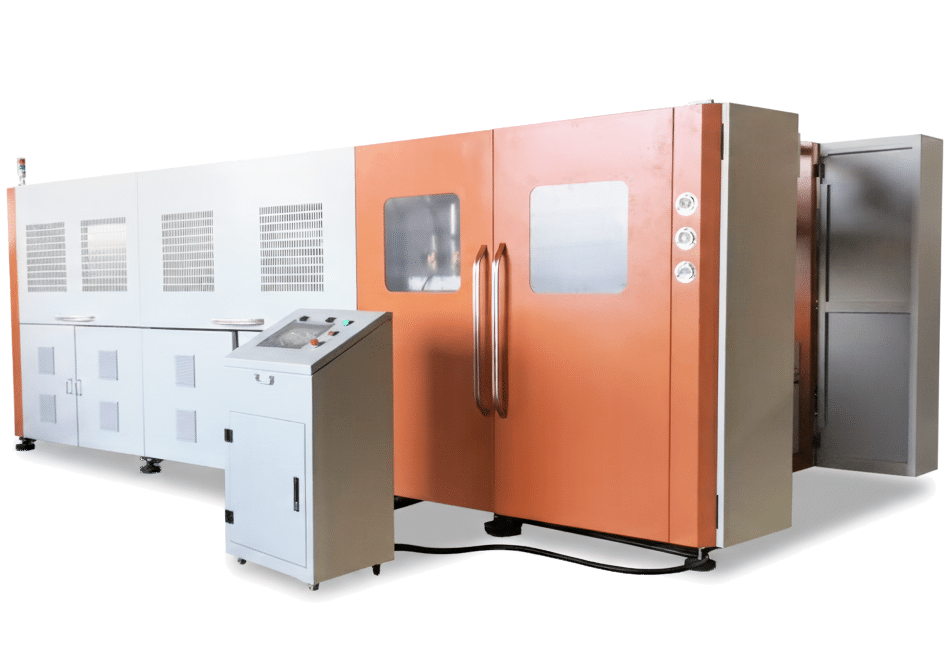
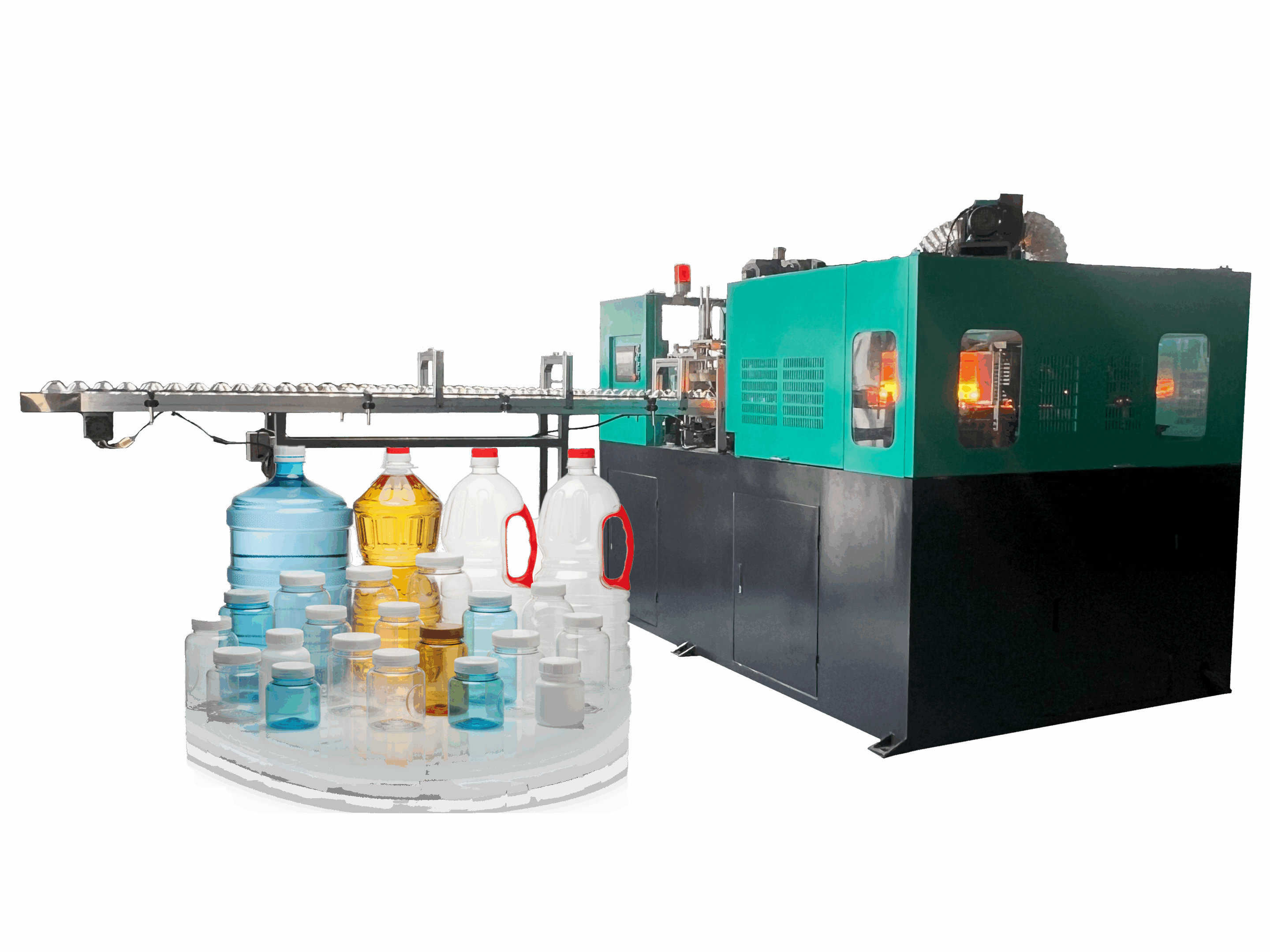
Bagaimana cara saya mengatur pelatihan teknis untuk operator setelah membeli mesin cetak tiup ekstrusi serba listrik?

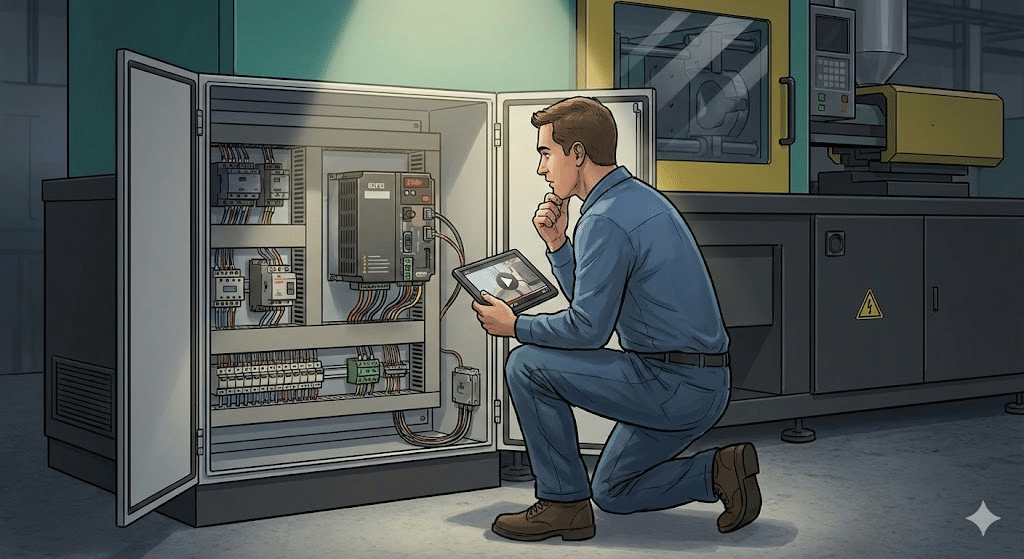
At our factory, we have observed that clients who treat all-electric machines exactly like hydraulic ones often face unexpected downtime. This technology shift requires a fundamental change in mindset, moving from mechanical intuition to digital precision, or you risk missing the efficiency targets you invested in.
Arranging technical training for all-electric extrusion blow molding machines requires a phased approach: pre-arrival documentation study, followed by 5 to 10 days of on-site instruction. Focus the curriculum on HMI navigation, servo parameter tuning, and "clean" maintenance habits like battery management, rather than traditional hydraulic repair.
To ensure your team is ready for this technological leap, let’s break down the specific preparation steps and training modules required.
mechatronic skills 1
What specific documentation and manuals should I request before the machine arrives?
When we prepare a machine for shipment, we strongly advise our clients to review the technical packets weeks in advance. Waiting until the installation technicians arrive to open the manual often results in a steep learning curve that slows down commissioning.
VPN routers 2
Request a comprehensive documentation package containing the Control System Functional Specification, HMI navigation maps, and full IEC/NEMA wiring diagrams. Crucially, ask for a Servo Parameter List and an Absolute Encoder Battery location guide, as these are specific to electric platforms and essential for minimizing future downtime.
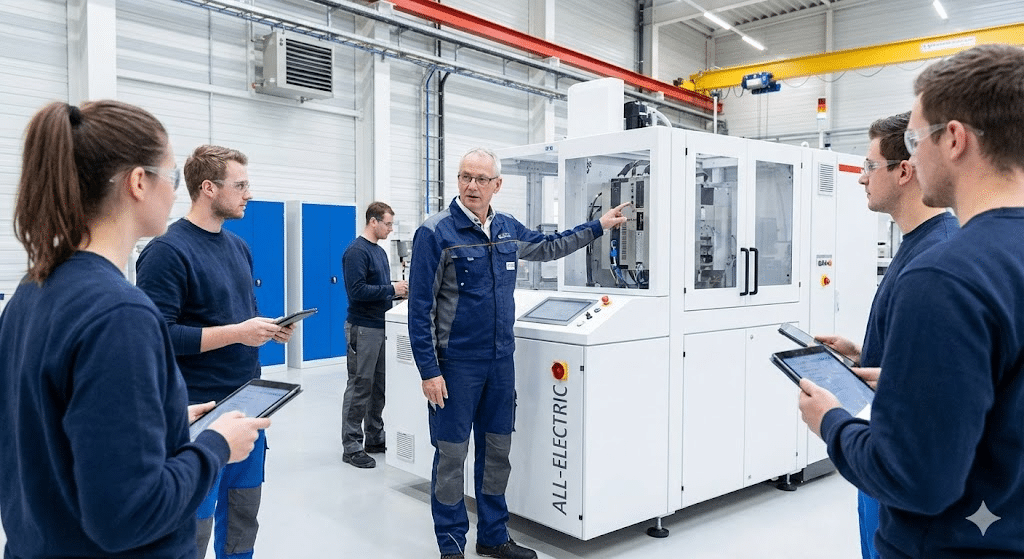
The Shift from Fluid to Firmware
The documentation for an all-electric machine differs radically from its hydraulic predecessor. You are no longer managing fluid dynamics; you are managing data. Therefore, the "User Manual" is insufficient. You need the engineering DNA of the machine.
Critical Documentation Hierarchy
To effectively prepare, you must secure a tiered documentation package that serves three distinct audiences: the process engineer, the maintenance technician, and the facility manager.
1. The Servo Parameter List
On a hydraulic machine, if a valve fails, you replace it. On an electric machine, if a servo drive fails and you replace it with a generic unit, it is a "blank slate." Without a backup of the factory configuration—specifically the PID gains, current limits, and motor model codes—the machine cannot function. We always provide a digital and hard-copy record of these values. You must request this list to catalog these values into your maintenance system immediately.
2. Absolute Encoder Battery Map
Unlike incremental encoders, absolute encoders know their position at all times—provided their backup battery is functional. If this battery dies while the power is off, the machine loses its "home" position, requiring a complex mastering procedure. Your documentation must map exactly where these batteries are located (often hidden inside the drive) and specify the battery chemistry (usually Lithium Thionyl Chloride).
3. Electrical Schematics vs. Hydraulic Circuits
For an all-electric machine, the electrical schematic is your primary troubleshooting tool. Ensure the diagrams clearly delineate the separation between the low-voltage control bus (24V DC) and the high-voltage power bus (480V AC) used for the servo drives.
Documentation Comparison Table
Use the table below to verify you have the correct documents compared to what you might be used to with hydraulic systems.
| Documentation Type | Hydraulic Requirement | All-Electric Requirement | Reason for Difference |
|---|---|---|---|
| Circuit Diagrams | Hydraulic Flow Schematics | Servo Network Topology | Focus shifts from oil flow to digital communication (EtherCAT/Powerlink). |
| Tuning Data | Valve Ramps & Pressures | Servo PID Gains & Inertia Ratios | Motion is controlled by algorithms, not flow restrictors. |
| Safety Specs | High Pressure Fluid Safety | Arc Flash / High Voltage Safety | Hazard shifts from injection injury to electrocution/arc blast. |
| Pemeliharaan | Oil Analysis & Seal Kits | Ball Screw Grease & Battery List | Wear points are mechanical (screws) and chemical (batteries). |
How many days of on-site training are typically required for my team to master all-electric controls?
In our experience commissioning machines across Europe and North America, a standard "three-day startup" is rarely sufficient for a full technology transfer. Your team needs time to unlearn hydraulic habits and understand the deterministic nature of servo motors.
ball screws 4
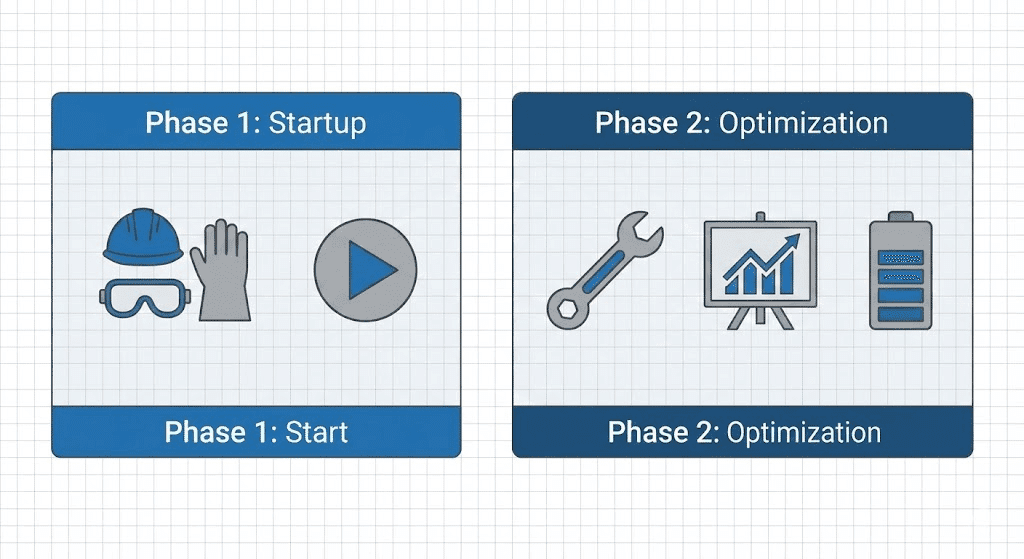
For a team transitioning from hydraulic to electric systems, plan for a split training schedule totaling 8 to 10 days. Phase one covers operation and safety during startup, while phase two, conducted weeks later, focuses on advanced troubleshooting, cycle optimization, and reinforcing new maintenance protocols.

The "Crawl, Walk, Run" Methodology
Relying solely on the machine startup technician to "show the operators the ropes" in one go is a recipe for failure. Information overload usually sets in by day three. We recommend a split approach that allows knowledge to settle.
Phase 1: Operational Competency (Days 1–5)
The first week focuses on getting the machine running safely.
- Days 1-2: Classroom theory on electrical safety (Arc Flash awareness) and basic HMI navigation. Operators must learn to interpret Motor Torque (%) rather than hydraulic pressure.
- Days 3-4: Practical setup. This includes parison programming (profile control) and understanding how servo acceleration impacts cycle time.
- Day 5: Alarm recovery. Operators simulate jams or heating errors to practice safe restarts.
Phase 2: Maintenance & Optimization (Days 6–8)
This phase should occur 30 days after startup. By then, your team will have real-world questions.
- Mechatronic Maintenance: Reviewing lubrication for ball screws (grease, not oil) and checking belt tension.
- Advanced Diagnostics: Teaching the electrical team how to read servo load factors to predict failure before it happens.
Recommended Training Schedule
This schedule ensures that both operators and maintenance staff receive targeted instruction.
| Fase | Content Focus | Target Audience | Durasi |
|---|---|---|---|
| Startup Phase | Safety, HMI Navigation, Recipe Loading, Basic Alarms | Operators & Shift Leads | 5 Days |
| Gap Period | Operators run the machine and log questions | N/A | 30 Days |
| Return Phase | Cycle Time Optimization, Servo Tuning, Battery Changes | Process Engineers & Maintenance | 3 Days |
| Total | Comprehensive Technology Transfer | All Staff | 8 Days |
Does the supplier offer video tutorials for troubleshooting common servo motor alarms?
We know that panic sets in when a cryptic error code appears on the screen at 2 AM. While we provide detailed manuals, modern support relies on more dynamic tools than a static PDF.
Lithium Thionyl Chloride 6
Most premium suppliers provide access to an online portal with video tutorials for routine tasks, but video alone is insufficient for complex servo alarms. Ensure your package includes remote diagnostics capability, allowing engineers to view real-time oscilloscope data and PLC logic to solve specific motion faults.
The Limits of Video Tutorials
Video tutorials are excellent for repeatable, physical tasks. We often suggest them for things like "How to calibrate the blow pin," "How to change the extruder screen," or "How to grease the linear guides." However, videos are static. They cannot diagnose why a machine is vibrating at 40Hz or why a servo is overheating only on the opening stroke.
The Power of Remote Diagnostics
For "common servo motor alarms," the most powerful tool is Remote Access. Modern electric machines are equipped with VPN routers that allow the OEM’s engineers to tunnel into the machine’s control network.
- Real-Time Scope: We can view the oscilloscope traces of the servo drives in real-time, seeing the current draw, velocity error, and bus voltage.
- Distinguishing Faults: This allows us to distinguish between a mechanical bind (high current, low speed) and an electrical noise issue (erratic signal).
Decoding Common Servo Alarms
Training must demystify the codes produced by servo drives. Your team should be able to recognize these three common categories without calling us:
- Overload (I2t): Usually mechanical. The motor is trying to push harder than its limit. Check for cold plastic, a jammed mechanism, or lack of grease.
- Following Error (Deviation): The motor is lagging behind the commanded position. This often implies a loose belt or overly aggressive acceleration settings.
- Regenerative Error (High Voltage): Occurs during deceleration. The energy from braking is not being dissipated fast enough.
Common Servo Alarms & Responses Table
| Alarm Type | Probable Cause | Operator Action | Technician Action |
|---|---|---|---|
| Overload | Mechanical jam, cold material. | Check heater temps; look for physical obstructions. | Inspect linear guides for binding; check lubrication. |
| Following Error | Speed too high, load too heavy. | Reduce speed/acceleration in HMI. | Check belt tension; tune servo gains. |
| Encoder Error | Cable loose, battery dead. | Reset machine power. | Check battery voltage; inspect cable shielding. |
How can I verify that the training covers both operation and preventive maintenance?
We often see operators who can run the machine perfectly but are unable to perform basic preservation tasks. A successful handover requires objective proof that your staff is competent in both production and "clean machine" maintenance.
PID gains 8
Verify training efficacy by implementing a specific Competency Matrix that requires operators to demonstrate tasks like recipe management and safe shutdown. For maintenance, test technicians on mechatronic skills, such as changing absolute encoder batteries without losing position data and properly checking belt tension on servo drives.
The Competency Matrix
Verification must be objective and documented, moving beyond simple attendance sheets. You should request a "Skills Matrix" where your employees must demonstrate specific tasks to the trainer to be considered certified.
Operational Verification
For the operations team, the exam should be practical. Do not just ask them to describe the process; ask them to fix it.
- The "Bug" Hunt: The trainer introduces a safe fault (e.g., covering a photo-eye, loosening a sensor cable, changing a temperature limit) and the trainee must diagnose and fix it using the HMI.
- Recipe Management: Creating, saving, and loading mold recipes. Electric machines allow for the storage of hundreds of parameters. Operators must verify that the loaded recipe matches the physical mold installed.
Maintenance Verification: The "Clean Machine" Philosophy
The maintenance manual for an electric machine differs radically from its hydraulic predecessor. Instead of hydraulic schematics and seal kits, the focus is on Linear Motion Components. Verification must cover:
1. Cabinet Hygiene
The electrical cabinet is the heart of the machine. Servo drives generate heat and rely on forced air cooling. If conductive dust enters the drive, it can cause catastrophic failure. Verify that your team knows how to replace filters and vacuum (never blow) the cabinet.
2. Lubrication Discipline
Electric machines use ball screws and linear rails that require grease, not oil. Over-greasing can cause heat and attract dirt; under-greasing causes rapid failure. The technician must demonstrate the specific quantity (in grams) and frequency for each zerk fitting.
3. Battery Management
A critical, often overlooked topic. The technician must demonstrate the procedure for changing encoder batteries. Crucially, this is often done with the control power on to prevent the loss of position data. If they pull the battery with power off, the machine loses its mind. Verifying they know this rule is vital for preventing self-inflicted downtime.
Kesimpulan
The transition to all-electric extrusion blow molding represents a significant advancement in efficiency and precision. However, this hardware is only as good as the team operating it. By securing the correct documentation upfront, planning for an 8-10 day split training schedule, and verifying that your maintenance team understands the unique needs of servo systems, you ensure your investment delivers returns for years to come.
HMI navigation 10
Catatan kaki
- Defines the multidisciplinary field combining mechanics and electronics. ↩︎
- Explains the secure network technology used for remote access. ↩︎
- Describes the diagnostic instrument used to visualize voltage signals. ↩︎
- Explains the mechanical linear actuator replacing hydraulic cylinders. ↩︎
- Defines the high-voltage electrical explosion hazard mentioned. ↩︎
- Details the specific non-rechargeable battery chemistry required for backups. ↩︎
- Describes the sensor technology used for position tracking. ↩︎
- Explains the control loop mechanism used for servo motor precision. ↩︎
- Provides context on the electrical standards organizations mentioned. ↩︎
- Defines the interface system used for machine control and monitoring. ↩︎


0 Komentar