


Saat membeli mesin blow molding ekstrusi serba listrik, bagaimana saya harus menilai siklus produksi dan waktu pengiriman mesin tersebut?

At our Shantou facility, we know the anxiety of waiting for a machine while customer orders pile up. Delays aren’t just annoying; they kill your profitability and damage your reputation.
To accurately assess delivery times, do not rely on verbal estimates. Instead, demand a detailed Gantt chart tracking critical path milestones like servo motor procurement and software debugging. You must also distinguish between mechanical completion (Dry Cycle) and final production readiness (Wet Cycle) to avoid unexpected delays.
Let’s break down exactly how you can verify these schedules and protect your investment with a proactive approach.
How can I verify the supplier’s production schedule and receive regular progress updates?
When we export to clients in the US or Europe, we often see buyers relying on vague promises. Blind trust frequently leads to silent delays that ruin your product launch.
cash flow 1
To verify schedules effectively, enforce a "Bi-Weekly Visual Proof" protocol in your contract. Require video updates showing your specific machine—identified by an order placard—rather than generic factory photos. Furthermore, audit their software engineering capacity, as coding complex servo synchronization is often the true bottleneck in electric machine builds.

The Power of the Gantt Chart
In our experience building blow molding machines, a simple "delivery date" written in a contract is meaningless without a roadmap. You need to demand a critical path schedule, often called a Gantt Chart. This document should not just list "production" as one big block. It must break down the build into specific, trackable phases:
- Frame Welding & Painting: The physical skeleton of the machine.
- Component Procurement: Specifically for long-lead items like servo drives.
- Mechanical Assembly: When the clamping unit and extrusion die head are mounted.
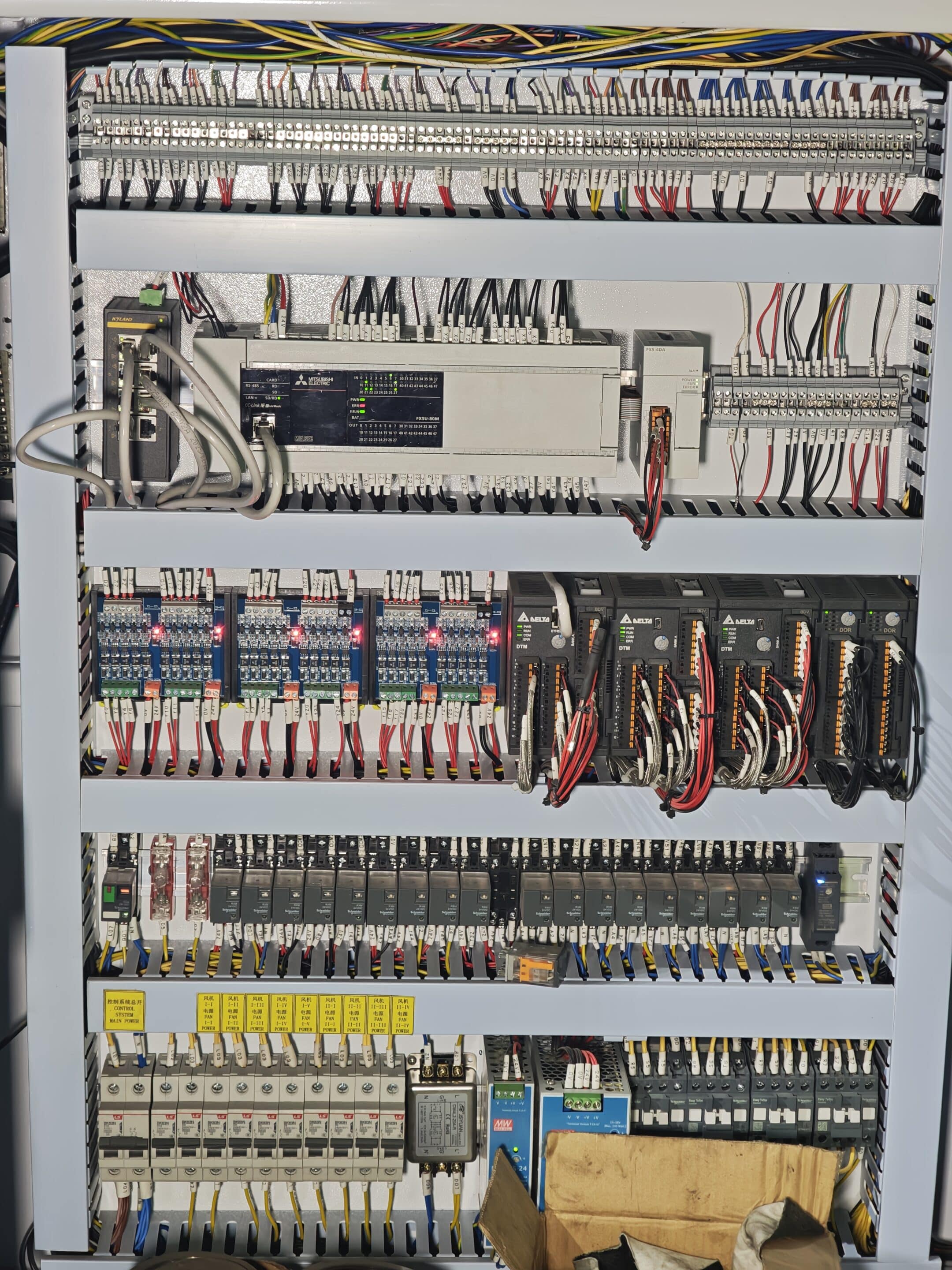
- Electrical Wiring: The most time-consuming manual task.
- Software Debugging & Dry Cycle: Where the machine comes to life.
If a supplier cannot provide this breakdown, they likely do not have a firm grip on their production capacity.
in-mold labeling 3
The "Bi-Weekly Visual Proof" Protocol
We have heard horror stories from clients who received photos of "their machine" from other suppliers, only to find out later it was a stock photo of a different unit. To prevent this, we recommend a strict verification protocol.
You should stipulate in the contract that progress updates must include Visual Proof. This means the photos or videos sent every two weeks must show a placard or piece of paper with your specific Order Number atau Company Name clearly visible on the machine frame. This simple step forces the project manager to physically inspect your machine, ensuring it is actually on the floor and progressing as promised.
Auditing Software Engineering Capacity
For all-electric machines, the steel is rarely the problem; the code is. An electric machine requires complex PLC coding to synchronize servo axes perfectly. If the supplier has a massive factory floor but only one qualified automation engineer, your machine will sit finished but "dumb" for weeks waiting for software tuning.
Before you buy, ask: "How many dedicated automation engineers do you have?" A ratio of one engineer to every 10 machines in production is a danger sign. You need a team that can handle the complex debugging phase without creating a bottleneck.
melt index 4
Comparison of Update Protocols
Here is how we suggest you grade a supplier’s reporting style:
| Fitur | Standard (High Risk) | Verified (Low Risk) |
|---|---|---|
| Frekuensi | Monthly or "when asked" | Bi-weekly (Scheduled) |
| Isi | Text messages or generic emails | Photos/Videos + Updated Gantt Chart |
| Verification | Generic machine photos | Placard with Order # visible in frame |
| Focus | "Everything is fine" | Highlights of completed milestones & next steps |
| Bottleneck Alert | Hidden until the last minute | Flagged 2 weeks in advance with solutions |
What are the common factors that cause delays in the manufacturing of electric machines?
In our assembly hall, we find that electric machines face different risks than hydraulic ones. Ignoring these specific supply chain vulnerabilities can leave your floor empty for months.
PID controllers 5
The most common delays stem from the supply chain of high-torque servo motors and drives, not steel fabrication. Unlike hydraulic systems, specific electronic components often face global shortages. Additionally, complex mold integration and software debugging for synchronized movements frequently take 15-20% longer than mechanical assembly alone.
The "Long-Lead" Component Trap
When we source components, we see a distinct difference between hydraulic and electric builds. Hydraulic valves are generally commoditized and easy to source. However, all-electric extrusion blow molding machines rely on high-performance servo systems (like Siemens, B&R, or Fanuc).
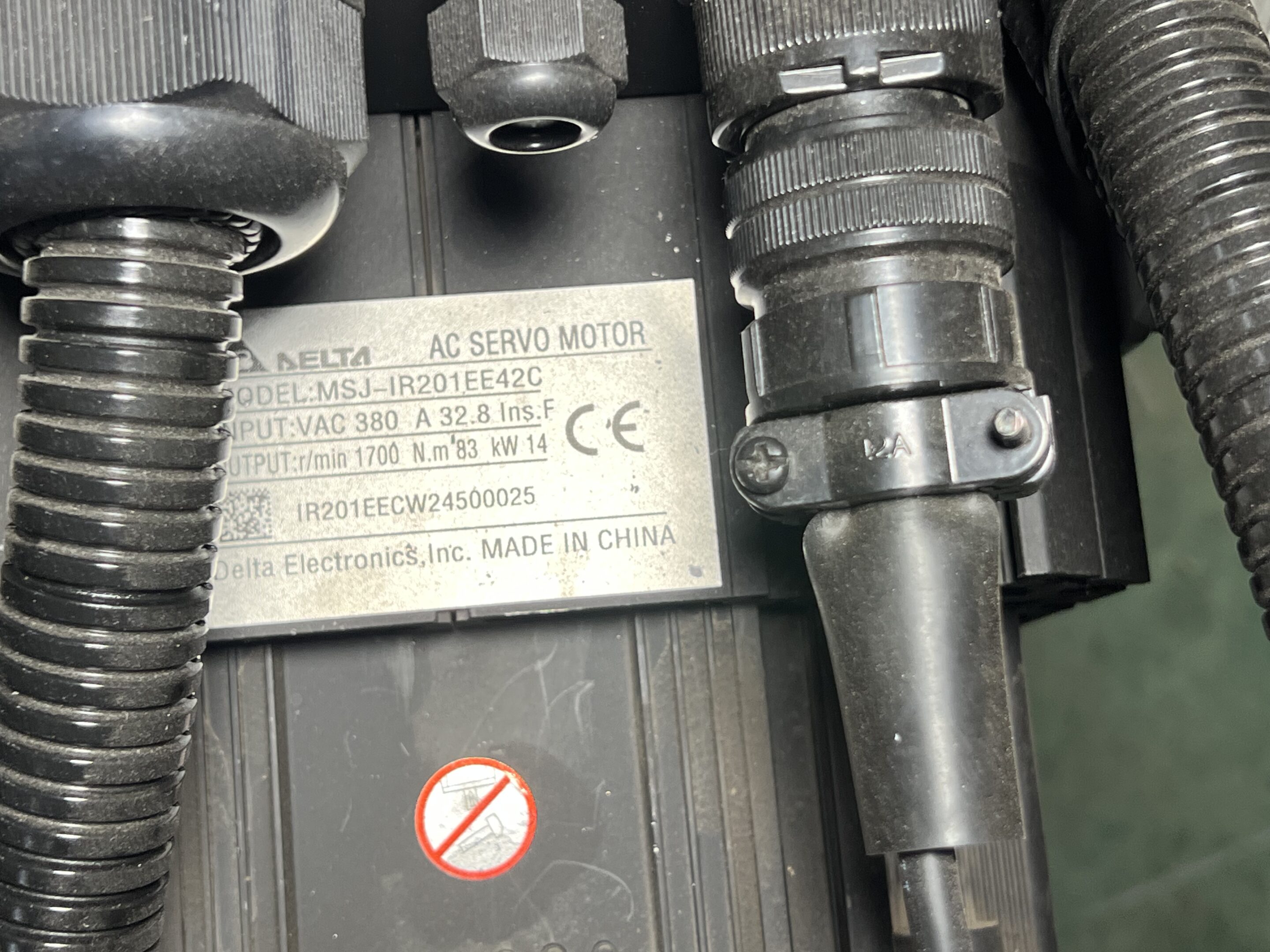
These components—specifically the drives and encoders—are subject to global semiconductor supply chain fluctuations. A delay in receiving one specific servo drive can halt the entire machine assembly. We strongly advise you to ask the supplier to confirm they have the specific make and model of servo drives allocated for your project sebelum you sign the down payment.
PLC coding 7
"Dry Cycle" vs. "Wet Cycle" Reality
Suppliers often quote the lead time based on the "Dry Cycle"—the moment the machine can move without plastic. However, for a manufacturer, a machine that moves but cannot produce bottles is useless.
The "Wet Cycle" (calibration with material) involves heating the screw, stabilizing the parison, and running actual plastic. This phase often reveals issues that the Dry Cycle hides, such as:
- Thermal instability: The PID controllers need auto-tuning.
- Parison sagging: The servo logic needs adjustment for the specific melt index of your resin.
This gap between Dry and Wet readiness can add 2 to 4 weeks to the timeline. Ensure your contract specifies delivery based on a successful Wet Cycle runoff.
Mold Complexity and Software Debugging
If you are ordering a complex mold (e.g., one with auto-deflashing, view stripes, or in-mold labeling), you are not just adding machining time; you are adding programming time.
Complex molds require intricate motion profiles. The clamping unit must synchronize perfectly with the needle blow, the carriage movement, and the deflashing mechanism. Our engineers often spend weeks just fine-tuning these movements to shave off milliseconds from the cycle time. If you have a complex mold, expect the "debugging" phase to extend by 15–20%.
The Digital Twin Solution
Advanced suppliers can mitigate this risk using "Digital Twin" technology. This involves creating a virtual model of the machine to simulate the cycle time and mold movements sebelum the metal is even cut. If your supplier offers this, request a simulation report. It allows us to catch collision risks and cycle time issues early, preventing physical delays during the final testing phase.
Typical Delay Factors: Hydraulic vs. Electric
Understanding where the risks lie helps you ask the right questions.
| Delay Factor | Hydraulic Machine Risk | All-Electric Machine Risk |
|---|---|---|
| Raw Steel/Frame | Rendah | Rendah |
| Power Components | Low (Pumps/Valves are common) | Tinggi (Specific Servo Drives/Inverters) |
| Assembly Labor | Moderate (Pipe fitting is slow) | Low (Clean assembly is faster) |
| Software Debugging | Low (Simple logic) | Tinggi (Complex axis synchronization) |
| Energy Calibration | Rendah | Moderate (Regenerative braking setup) |
Should I include specific penalty clauses for late delivery in the purchase contract?
We always advise clients to have clear contracts, even though we trust our own delivery. Without leverage, you are powerless if a supplier prioritizes other orders over yours.
servo drives 8
You should include a penalty clause standardizing 0.5% to 1% of the contract value per week of delay, typically capped at 5% to 10%. To make this effective, structure your payment terms so a significant percentage is tied to a successful Factory Acceptance Test (FAT) rather than shipment alone.
Structuring Effective Penalty Clauses
A penalty clause is your insurance policy. However, we often see buyers demand uncapped penalties, which reputable manufacturers will rarely accept. The market standard is 0.5% to 1% per week of delay.
Crucially, you must define when the clock starts ticking. Is it from the receipt of the deposit? Or from the approval of the mold drawing? We recommend tying the delivery date to the Approval of Drawings. This prevents disputes where the supplier blames you for taking two weeks to approve a design.
Also, be aware of the "Cap." Most suppliers will limit the total penalty to 5% or 10% of the machine value. While this might seem low, it is usually enough to wipe out the supplier’s net profit margin on that machine, providing a very strong incentive for them to deliver on time.
The Power of the FAT Payment
Penalties are reactive; payment terms are proactive. The best way to ensure timely delivery is to align the supplier’s cash flow with your milestones.
Instead of a standard "30% Deposit / 70% Before Shipment" structure, we suggest a milestone-based approach. Tie a significant portion (e.g., 30-40%) to the Factory Acceptance Test (FAT).
- Why this works: The supplier cannot invoice you for this large chunk of money until the machine is actually running and producing good bottles in their factory. This motivates them to finish the software yang keluar wet cycle quickly, not just the physical assembly.
The "Mold-Machine Decoupling" Strategy
Sometimes, the machine is ready, but the mold is delayed due to design changes or complexity. In a traditional contract, the machine sits on the factory floor waiting for the mold, delaying shipment.
To avoid this, negotiate a "Decoupling" clause. This allows the machine to be validated using a "Master Die Head" or a dummy mold. If the machine passes its dry cycle and parison control tests, you can authorize shipment. You can then finish the specific mold integration at your facility. This strategy can save you 3 to 4 weeks of transit time, allowing your facility to start electrical and pneumatic installation while the mold is being finalized.
Recommended Payment Milestones
Here is a payment structure that balances risk and motivates the supplier:
| Milestone | Percentage | Trigger Event | Benefit to Buyer |
|---|---|---|---|
| Deposit | 30% | Signing Contract & Drawing Approval | Initiates order |
| Progress | 30% | "Dry Cycle" Video Proof | Confirms mechanical build is done |
| FAT | 30% | Successful Wet Trial (Sample Approval) | Ensures machine actually works |
| Final | 10% | Installation & Site Acceptance (SAT) | Ensures support after delivery |
Kesimpulan
Successful delivery requires detailed tracking, specific component verification, and smart contracts. At LEKA Machine, we ensure transparency so your production starts on time, every time.
mesin cetak tiup 10
Catatan kaki
- Defines the financial concept used to align supplier incentives. ↩︎
- Explains the virtual simulation technology used to mitigate risks. ↩︎
- Describes the advanced labeling technique that increases mold complexity. ↩︎
- Defines the polymer viscosity measurement relevant to machine calibration. ↩︎
- Explains the feedback loop mechanism used for temperature stability. ↩︎
- Contextualizes the global industry shortage affecting component delivery. ↩︎
- Describes the industrial computer programming required for machine synchronization. ↩︎
- Details the specific electronic components that are often long-lead items. ↩︎
- Explains the project schedule visualization tool recommended for tracking. ↩︎
- Defines the specific manufacturing process discussed in the article. ↩︎




0 Komentar