

At our factory, we see clients struggling with high energy bills and messy oil leaks daily. These hydraulic headaches drain profits, but there is a cleaner, faster solution available now.
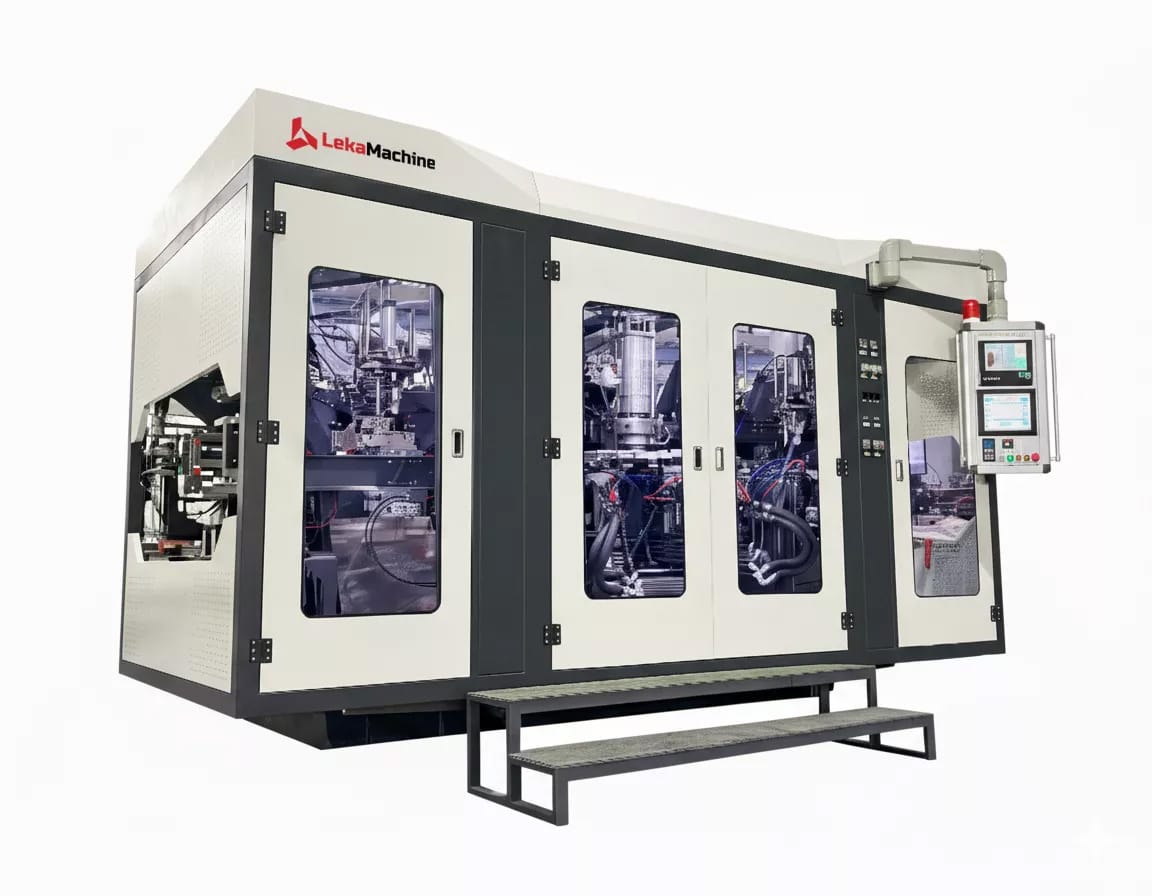
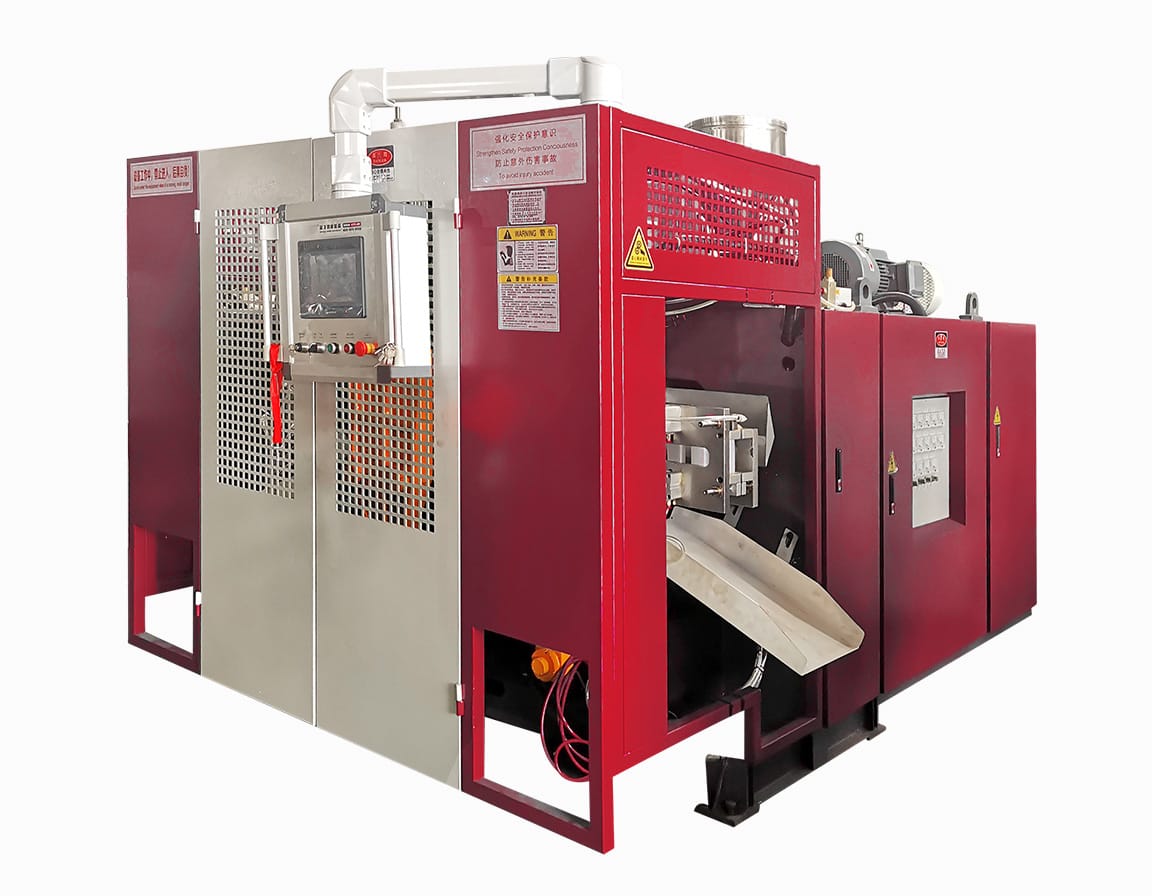
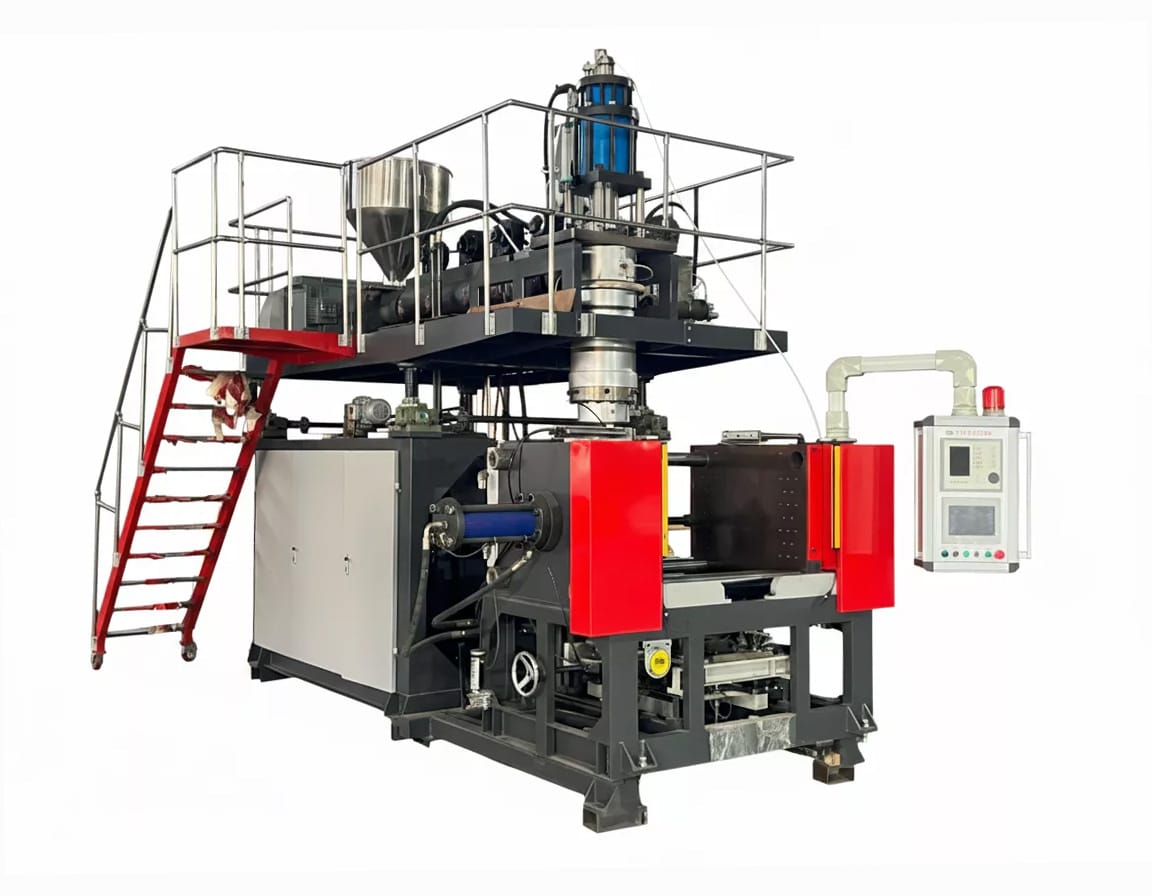
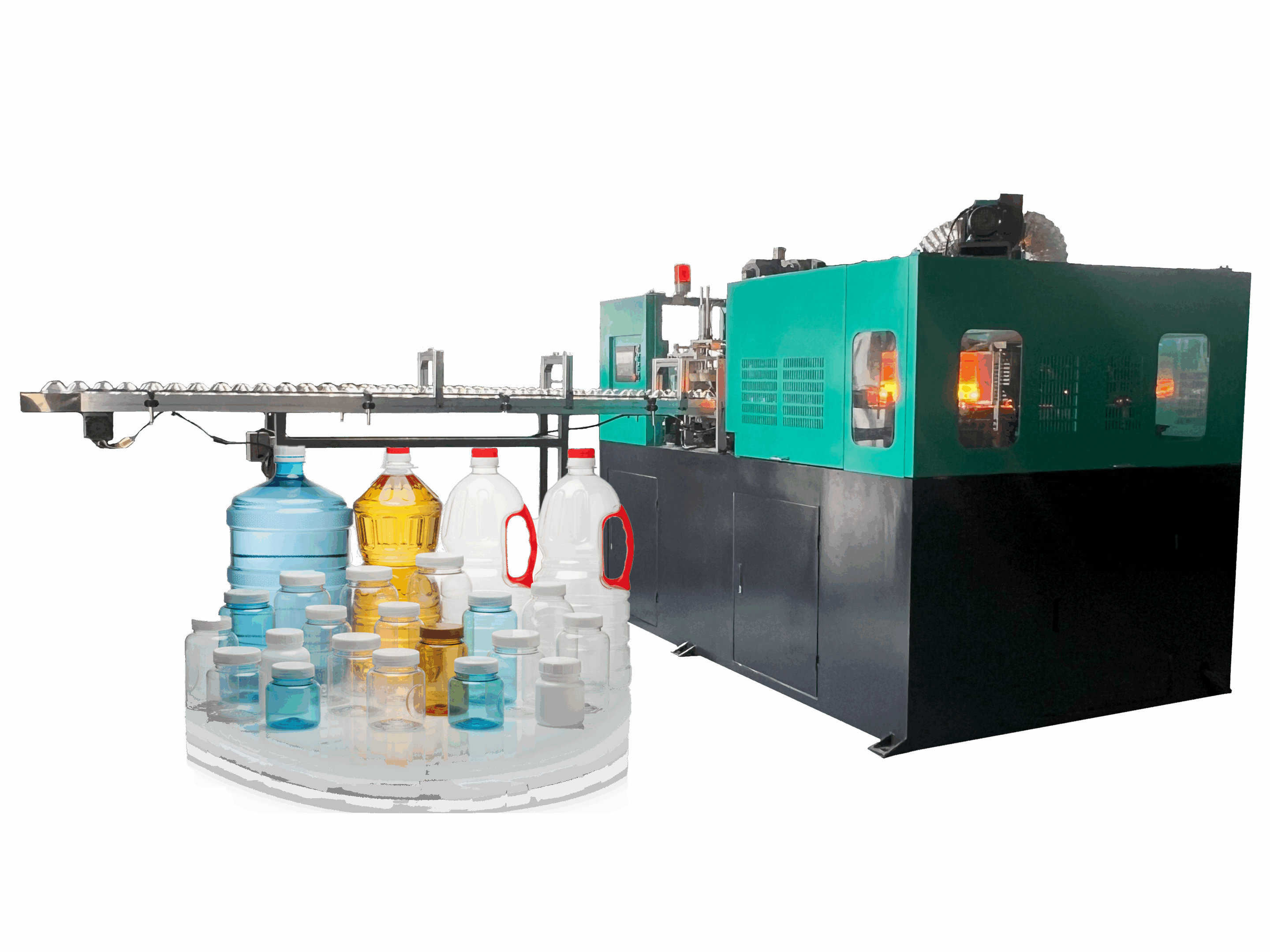
All-electric extrusion blow molding machines offer 30% to 60% energy savings compared to hydraulic models by consuming power only during active movements. They eliminate oil leaks for food-grade compliance, provide superior parison control for consistent wall thickness, and significantly reduce maintenance costs by removing complex hydraulic components.
Let's explore the specific benefits, sizing calculations, supplier evaluation, and safety standards to help you make an informed decision for your production line.
Why should I choose an all-electric extrusion blow molding machine instead of a hydraulic machine?
When we test machines on our floor, the silence of electric drives compared to roaring hydraulic pumps is striking. Are you tired of noise and wasted energy eating your margins?
Choosing an all-electric machine guarantees higher precision and cleanliness, making it ideal for medical and food packaging. The servo-driven technology ensures repeatability within 0.01mm, while the absence of hydraulic oil eliminates contamination risks and reduces cooling requirements, ultimately lowering the total cost of ownership despite a higher initial price.

The Mechanics of Energy Efficiency and Cost Savings
In our experience manufacturing blow molding equipment, the most immediate impact our customers notice after switching to all-electric systems is the drop in electricity consumption. Traditional hydraulic machines rely on a central pump that runs continuously to maintain system pressure, even when the machine is idle during the cooling cycle. This is akin to leaving your car engine revving at a red light.
In contrast, the all-electric machines we build utilize servo motors for every axis of movement—clamping, carriage movement, and extrusion. These motors only consume power when they are moving. During the cooling phase, which can account for a significant portion of the total cycle time, energy consumption drops to near zero. For a facility running 24/7, this difference is massive. We have seen data indicating that an all-electric machine consumes approximately 2.55 kWh per cycle compared to 5.12 kWh for a comparable hydraulic unit.
motor servo 1
Precision and "Clean" Manufacturing
Beyond energy, the "hidden" cost of hydraulic systems often lies in quality control and facility maintenance. Hydraulic fluid is sensitive to temperature changes; as the oil heats up, its viscosity changes, leading to slight variations in machine movement. This results in inconsistent parison wall thickness and higher scrap rates.
Hydraulic fluid 2
All-electric systems use closed-loop servo control. This means the machine constantly verifies its position against the target setting. If you set the mold to close at a specific speed, it does exactly that, regardless of the ambient temperature. This precision allows for tighter tolerances on bottle weight and wall thickness, saving resin on every shot.
Furthermore, for our clients in the food and pharmaceutical sectors (like Marco in Italy), hygiene is non-negotiable. Hydraulic leaks are not just a slip hazard; they are a contamination risk that can cause failed audits. Eliminating oil creates a cleanroom-ready environment instantly.
Maintenance Comparison: Electric vs. Hydraulic
The following table outlines the operational differences we observe between the two technologies:
| Fitur | Sistem Hidrolik | All-Electric System |
|---|---|---|
| Energy Source | Continuous pump operation (high waste) | Servo motors on demand (high efficiency) |
| Pemeliharaan | Frequent oil changes, filter replacements, seal checks | Minimal grease lubrication for mechanical guides |
| Cleanliness | High risk of oil leaks; dirty floors | Zero oil leaks; suitable for cleanrooms |
| Tingkat Kebisingan | High (constant pump hum) | Low (< 70 dB, quiet operation) |
| Start-up | Requires warm-up time for oil viscosity | Instant stability upon power-up |
Addressing the Upfront Cost Barrier
It is true that the initial purchase price of an all-electric machine is higher than a standard hydraulic model. However, when we calculate the Return on Investment (ROI) for our clients, the payback period is often shorter than expected—typically 2 to 3 years. This is driven by three factors: lower electricity bills, reduced raw material waste due to better precision, and the elimination of hydraulic oil and filter costs.
Return on Investment (ROI) 3
When purchasing an all-electric extrusion blow molding machine, how should I determine the appropriate tonnage based on product requirements?
We often receive drawings for large jerry cans where the requested tonnage is far too low. Ignoring proper clamping force calculations leads to flashed parts and damaged molds.
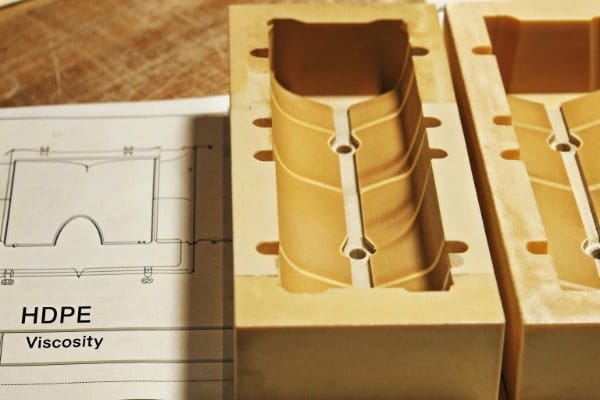
To determine the appropriate tonnage, calculate the projected surface area of your product and multiply it by the internal blow pressure and number of cavities. You must also account for material viscosity, as stiffer resins like HDPE require higher clamping forces to prevent mold separation during the blowing cycle.
The Formula for Clamping Force
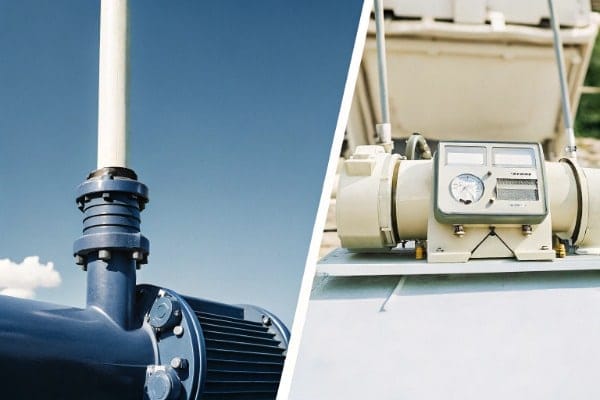
Determining the correct tonnage is not about guessing; it is a physics calculation. If the clamping force is too low, the internal air pressure used to blow the bottle will force the mold halves apart, creating "flash" (excess plastic) along the parting line. If the force is too high, you risk crushing the mold vents, which prevents air from escaping and causes surface defects.
The basic formula we use in our engineering department is:
Clamping Force (Tons) = (Projected Area × Blow Pressure × Safety Factor) / 2000
- Projected Area: This is the shadow the bottle casts if you shine a light from the direction of the clamp. For a rectangular jerry can, it is roughly Width × Height.
- Blow Pressure: Typically, we use 60 to 100 PSI (0.4 to 0.7 MPa) depending on the bottle design.
- Safety Factor: We recommend adding 10-20% to account for pressure spikes and material variations.
Material Viscosity Matters
Not all plastics behave the same way. High-Density Polyethylene (HDPE), which is common for industrial containers, is stiffer and requires more force to "pinch off" the parison effectively compared to softer materials like LDPE. When we configure a machine for a client using recycled material (PCR), we often recommend slightly higher tonnage because the flow properties of recycled plastic can be unpredictable.
Polietilen Densitas Tinggi (HDPE) 4
Multi-Cavity Considerations
The number of cavities is a multiplier. If a single 1-liter bottle requires 10 tons of clamping force, a 4-cavity mold does not just require 40 tons; it requires a machine that can distribute that force evenly across a wider platen. We often see buyers calculate the force correctly but fail to check if the machine's platen size can physically accommodate the wider multi-cavity mold.
Tonnage Guidelines by Material
To help you estimate, here is a general guide we use for initial sizing:
| Jenis Material | Clamping Force Requirement (Tons per square inch of projected area) | Typical Application |
|---|---|---|
| PE / PP (Standard) | 0.25 – 0.35 Tons/in² | Water bottles, food containers |
| HDPE (Industrial) | 0.35 – 0.45 Tons/in² | Jerry cans, detergent bottles |
| Engineering Plastics (PC, ABS) | 0.50 – 0.70 Tons/in² | Automotive parts, durable goods |
The Risk of Oversizing
You might ask, "Why not just buy the biggest machine possible?" While having extra capacity is good for future-proofing, significantly oversizing the machine can be detrimental. An all-electric machine is rigid. If you put a tiny mold in a massive 500-ton press, the excessive force can warp the mold plates over time or damage the parting line. It is crucial to match the machine range to your product mix. We recommend that your typical mold utilizes between 60% and 80% of the machine's maximum rated tonnage.
How should I evaluate the production qualifications of Chinese all-electric extrusion blow molding machine suppliers?
In our experience exporting to Europe, we know that a flashy website does not guarantee quality. You need to verify the factory's actual engineering capabilities and quality control systems.
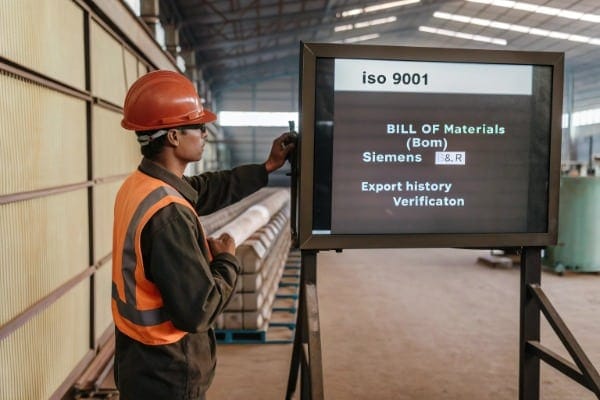
Evaluate suppliers by requesting ISO 9001 certifications and verifying their export history to your region. Assess their engineering capability by asking for specific component brands in the Bill of Materials and conducting a video audit of their assembly line to ensure they actually manufacture the machines they sell.
Distinguishing Manufacturers from Traders
The Chinese machinery market is vast, and many "suppliers" on Alibaba are actually trading companies that do not own a factory. While traders can offer good service, they often lack the technical depth to support an all-electric system when things go wrong.
When we invite clients to visit us (or when we do video tours), we show them the raw materials, the CNC machining centers processing the platens, and the electrical engineers programming the PLCs. You should ask to see the "processing workshop," not just the assembly hall. If a supplier cannot show you where they cut the steel, they might be outsourcing the core production.
The Bill of Materials (BOM) Audit
For all-electric machines, the quality of the components is critical. A hydraulic machine can run (poorly) with cheap valves, but an electric machine will fail completely if the servo drives are subpar.
Machinery Regulation (EU) 2023/1230 5
We recommend asking for a detailed BOM before you sign the contract. Look for globally recognized brands. For example, the motion controller is the brain of the machine. We typically use brands like B&R (Austria) or Beckhoff (Germany) for our European clients because they are reliable and local support is available in Italy or France. If a supplier refuses to list the specific brands of their servo motors, drives, and PLCs, consider that a red flag.
EMC Directive (2014/30/EU) 6
Intellectual Property Protection
We understand the anxiety regarding IP theft. Many of our clients, like Marco, have proprietary bottle designs. To protect your IP when dealing with Chinese suppliers:
- Sign an NNN Agreement: This is stronger than a standard NDA. It prevents the supplier from using your design (Non-use), sharing it (Non-disclosure), or bypassing you to sell directly to your clients (Non-circumvention).
- Separate Mold and Machine: If you are worried, buy the machine from one supplier and the mold from a dedicated mold maker. However, this complicates the testing process.
- Internal Protocols: Ask how the factory handles digital files. At our company, access to customer drawings is restricted to the specific project engineers and is logged.
Supplier Evaluation Checklist
Use this table to score potential partners:
| Kriteria Evaluasi | What to Look For | Warning Sign |
|---|---|---|
| Factory Verification | Live video call showing CNC machining & assembly | Refusal of video call; only shows showroom |
| Component Quality | Tier 1 brands (Siemens, B&R, Delta, Yaskawa) | "Domestic famous brand" (unspecified) |
| Export Experience | References in your specific country/region | No export history to Europe/USA |
| Dukungan Teknis | English-speaking engineers; remote diagnostic capability | Salesperson acts as translator for engineers |
| Certifications | Verified ISO 9001, CE (from a notified body if possible) | Photoshop-looking certificates; expired docs |
In the European market, what specific safety standards must I comply with when importing an all-electric extrusion blow molding machine?
When we ship machines to Italy or Germany, customs documentation is just as critical as the machine itself. Missing safety certificates can leave your equipment stranded at the port.
Low Voltage Directive 2014/35/EU 7
You must ensure the machine complies with the Machinery Directive 2006/42/EC and carries a valid CE marking. Additionally, the electrical system must meet the Low Voltage Directive 2014/35/EU, and the technical file must include a Declaration of Conformity and a user manual translated into the destination country's language.
Machinery Directive 2006/42/EC 8
The Non-Negotiable CE Marking
For our European customers, the CE mark is not just a sticker; it is a legal declaration that the machine meets all EU health, safety, and environmental requirements. Importing a machine without it is illegal and can lead to the equipment being seized by customs or your factory being shut down by local safety inspectors.
ISO 9001 9
The primary regulation is the Machinery Directive 2006/42/EC. This directive mandates that the machine is designed to minimize risks. For blow molding machines, this includes safety gates with interlocks (if you open the door, the machine stops immediately), emergency stop buttons within easy reach, and guarding around high-temperature areas like the extruder head.
Electrical and EMC Compliance
Since we are discussing all-electric machines, two other directives are critical:
- Low Voltage Directive (2014/35/EU): This covers electrical safety. The electrical cabinet must be tidy, wires labeled, and components protected against short circuits.
- EMC Directive (2014/30/EU): Electromagnetic Compatibility is vital. Large servo motors can generate electrical noise that interferes with other electronics in your factory. Conversely, the machine must be immune to external interference. We install specific EMC filters on our drives to meet this standard.
The Technical File and User Manual
A common frustration we hear from clients who bought from lower-tier suppliers is the lack of documentation. To clear customs and comply with local laws (like in Italy), you need a Technical File. This must include:
- EC Declaration of Conformity: A document signed by the manufacturer listing the directives and standards (like EN 60204-1) the machine complies with.
- Risk Assessment: Proof that the manufacturer analyzed potential hazards.
- User Manual: Bagian ini harus be in the official language of the country where the machine is used. If you are in Italy, the manual cannot just be in English or Chinese; it must be in Italian. This is a strict requirement of the Machinery Directive.
Preparing for Future Regulations
The regulatory landscape is changing. The new Machinery Regulation (EU) 2023/1230 will replace the current directive in January 2027. It introduces stricter rules regarding cybersecurity and software safety—crucial for modern all-electric machines with remote access features. When we build machines today, we are already incorporating cybersecurity features to ensure our clients are future-proofed against these upcoming standards.
Summary of Required Documentation for Customs
| Document Name | Tujuan | Critical Detail |
|---|---|---|
| Commercial Invoice | Customs valuation | Must match the HS Code for Blow Molding Machines (8477.30) |
| Packing List | Logistics verification | Details net/gross weight and dimensions |
| Bill of Lading | Title of goods | Telex release or original required |
| EC Declaration of Conformity | Safety compliance | Must reference Directive 2006/42/EC |
| Certificate of Origin | Duty calculation | Form A or generic CO depending on trade agreements |
Kesimpulan
Switching to all-electric technology improves efficiency and precision. By calculating tonnage correctly and vetting suppliers thoroughly, you secure a profitable, compliant production line for your business.
*ekstrusi blow molding* 10
Catatan kaki
1. Explains the specific motor technology that provides energy efficiency. ↩︎
2. Provides technical context on the medium causing maintenance issues. ↩︎
3. Defines the financial metric used to justify the machine purchase. ↩︎
4. Details the properties of the specific plastic material mentioned. ↩︎
5. Official text of the upcoming regulation replacing the current directive. ↩︎
6. Official text of the electromagnetic compatibility standard mentioned. ↩︎
7. Official text of the electrical safety regulation required for import. ↩︎
8. Official text of the mandatory EU safety legislation cited. ↩︎
9. Links to the official quality management standard mentioned. ↩︎
10. Defines the core manufacturing process discussed in the article. ↩︎


0 Komentar