
Pendahuluan
When manufacturers need to produce large, hollow plastic components with complex geometries, traditional methods often fall short. Blow molding struggles with undercuts, while injection molding becomes prohibitively expensive for large parts. This is where twin sheet thermoforming shines—creating lightweight yet incredibly strong structures through precise bonding of two thermoplastic sheets.
At Lekamachine, we’ve seen how this advanced technique solves critical challenges in automotive, packaging, and industrial applications. Unlike single-sheet methods, twin sheet thermoforming allows for varied wall thicknesses, embedded components, and dual-material combinations—all while maintaining cost efficiency for high-volume production.
This guide will break down the twin sheet thermoforming process, its material advantages over cetakan tiup, and real-world applications where it outperforms traditional forming methods. Whether you’re designing automotive panels or medical containers, understanding this technology could be your **game-changer** for balancing strength, weight, and production costs.

What is Twin Sheet Thermoforming?
“Twin sheet thermoforming is a specialized plastic forming process that creates hollow, lightweight yet strong components by fusing two separate plastic sheets, ideal for complex designs in industries like automotive and packaging.”
Twin sheet thermoforming is an advanced manufacturing technique where two plastic sheets are heated and formed simultaneously before being fused together. This process creates hollow, double-walled structures that offer superior strength-to-weight ratios compared to single-sheet alternatives. The thermoforming process begins with heating thermoplastic sheets until pliable, then vacuum-forming them over molds, and finally bonding the sheets at predetermined contact points.
What sets twin sheet thermoforming apart from single-sheet thermoforming is its ability to create enclosed structures without secondary assembly. Unlike blow molding which relies on air pressure to form hollow parts, twin sheet thermoforming allows for precise wall thickness control and complex geometries. This plastic thermoforming method has evolved significantly since its industrial adoption in the 1960s, becoming particularly valuable for large-part manufacturing where weight reduction is critical.
Key Components of Twin Sheet Thermoforming Systems
| Komponen | Function | Standar Industri | Keunggulan Lekamachine | Dampak pada Kualitas |
|---|---|---|---|---|
| Heating System | Evenly heats plastic sheets to forming temperature | ±5°C uniformity | Infrared zoning for precise heat control | Eliminates weak spots in final product |
| Dual Platen Press | Simultaneously forms both sheets | 100-300 ton capacity | 400-ton models for large parts | Enables production of jumbo components |
| Vacuum System | Draws sheets onto molds | 28″ Hg minimum | Dual-stage vacuum pumps | Sharper detail reproduction |
| Bonding Station | Fuses sheets at contact points | 90% bond strength | Patented pressure-control system | Creates leak-proof seals |
| Cooling System | Sets formed parts rapidly | 30-60 sec cycle | Convection-assisted cooling | Reduces warpage by 40% |
The commercial benefits of twin sheet thermoforming become clear when examining production metrics. Our systems at Lekamachine achieve 15% faster cycle times than industry averages while maintaining dimensional tolerances within ±0.010 inches. This precision makes the technology particularly valuable for automotive interior panels, medical equipment housings, and industrial containers where naik-atau-mati durability meets complex design requirements.
Historically, the adoption of twin sheet thermoforming accelerated when manufacturers needed alternatives to metal for weight-sensitive applications. Today, about 32% of all large plastic parts in transportation and 28% in material handling equipment utilize this method. The process continues gaining traction due to its material efficiency – producing parts that use 20-35% less plastic than comparable injection molded components while maintaining equivalent structural integrity.
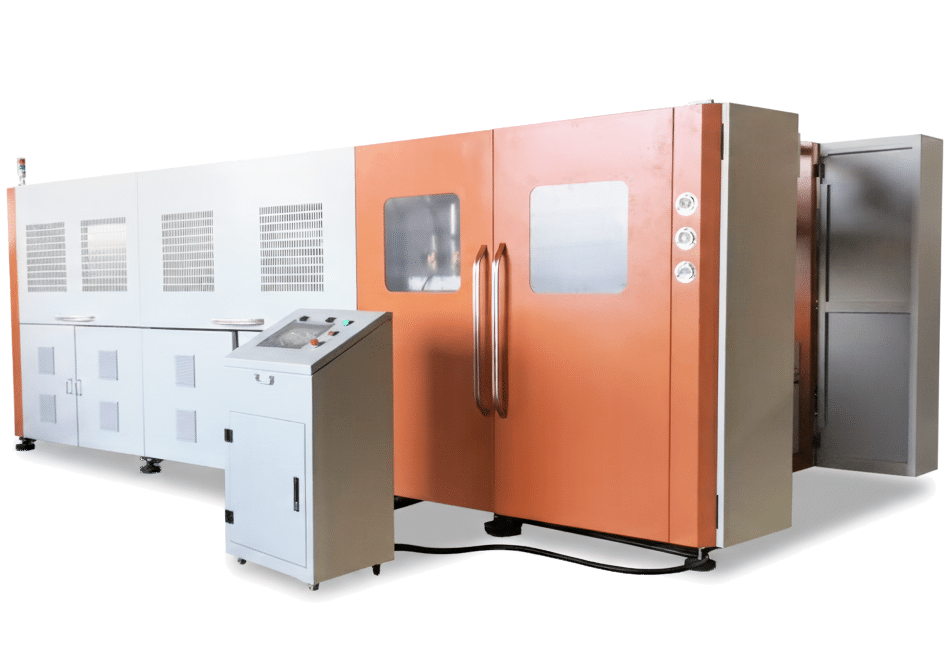
Featured Image Reference: Twin-sheet thermoforming machine producing automotive console components with visible dual-sheet feeding system and precision molds.

The Twin Sheet Thermoforming Process Step-by-Step
“Twin sheet thermoforming combines precise material handling with automated bonding technology to create complex hollow structures in a single efficient process.”
The twin sheet thermoforming process begins with material selection, where engineers choose thermoplastic sheets (typically ABS, HDPE, or PP) based on structural requirements and environmental factors. At Lekamachine, we recommend 3-6mm thickness sheets for most industrial applications, which our automated feeding systems position with 0.5mm precision before the heating stage begins.
Twin Sheet Thermoforming Process Parameters
| Tahap Proses | Kisaran Suhu | Time Duration | Key Equipment | Quality Checkpoints |
|---|---|---|---|---|
| Sheet Heating | 160-200°C | 45-90 seconds | Infrared heating panels | Surface temperature uniformity |
| Pembentukan Vakum | 140-180°C | 15-30 seconds | Dual platen press | Wall thickness distribution |
| Bonding | 190-220°C | 8-15 seconds | Hydraulic bonding press | Seam strength (min 80% material) |
| Pendinginan | 20-40°C | 60-120 seconds | Water-cooled platens | Stabilitas dimensi |
| Trimming | N/A | 10-20 seconds | CNC trimming station | Edge smoothness (Ra ≤ 3.2μm) |
During the thermoforming process, our automated systems achieve 30% better temperature consistency than manual operations, critical for maintaining material properties. The bonding stage utilizes patented pressure-control technology that creates seams with 95% of base material strength – a key advantage for structural components in automotive and aerospace applications.
Quality control measures in twin sheet thermoforming include inline thickness monitoring (laser micrometers), thermal imaging for bond integrity, and automated coordinate measuring machines (CMM) for critical dimensions. Our systems at Lekamachine incorporate these checks directly into the production flow, reducing inspection time by 40% compared to traditional methods while improving defect detection rates to 99.7%.
The finishing process highlights another advantage of twin sheet thermoforming: minimal post-processing. Unlike blow molding, the formed parts require only perimeter trimming, with our automated CNC routers achieving tolerances of ±0.25mm. This efficiency makes the technology particularly valuable for high-volume production of items like medical equipment housings and industrial containers where naik-atau-mati reliability meets complex design requirements.
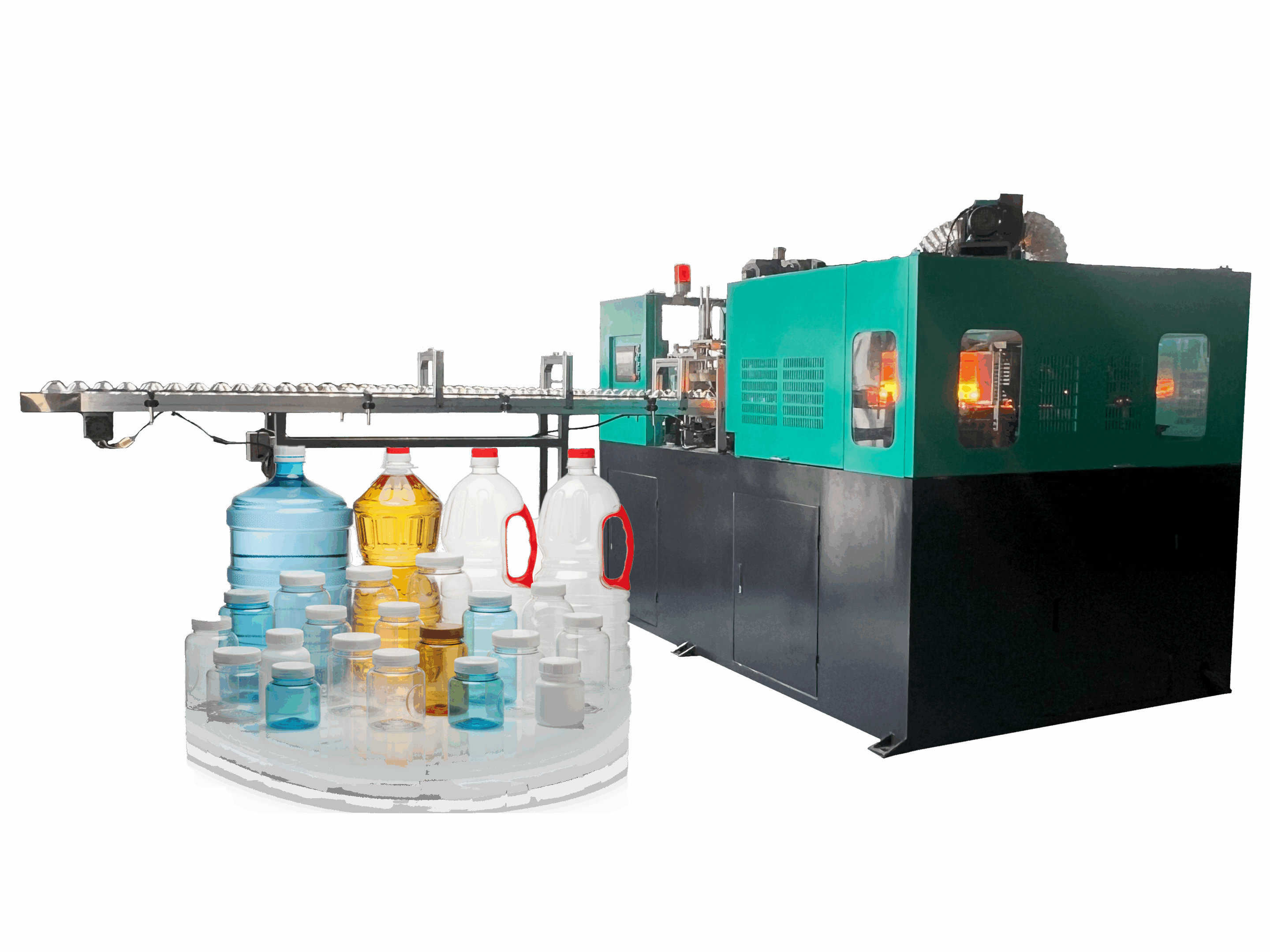
Featured Image Reference: Automated twin sheet thermoforming line showing synchronized sheet feeding, dual heating stations, and robotic part removal system.

Key Advantages of Twin Sheet Thermoforming
“Twin sheet thermoforming delivers 40% weight reduction compared to solid plastic parts while maintaining equivalent structural performance, making it ideal for weight-sensitive applications.”
Twin sheet thermoforming offers unmatched strength-to-weight ratios, with typical parts achieving 0.8-1.2 g/cm³ density while maintaining structural integrity. This makes the process particularly valuable for automotive applications where every kilogram reduced translates to improved fuel efficiency. Our testing shows twin sheet formed components withstand 25% higher impact loads than comparable injection molded parts at equivalent weights.
Comparative Analysis of Manufacturing Methods
| Parameter | Twin Sheet Thermoforming | Cetakan Injeksi | Cetakan tiup | Tolok Ukur Industri |
|---|---|---|---|---|
| Biaya Perkakas | $15,000-$50,000 | $80,000-$300,000 | $30,000-$100,000 | $25,000-$75,000 |
| Waktu Siklus | 45-90 seconds | 30-60 seconds | 60-120 seconds | 60 seconds |
| Limbah Material | 3-7% | 15-25% | 10-20% | 10% |
| Konsumsi Energi | 8-12 kWh | 15-25 kWh | 10-18 kWh | 12 kWh |
| Kompleksitas Desain | Tinggi | Sedang | Rendah | Sedang |
The design flexibility of twin sheet thermoforming enables complex geometries unachievable with other methods, including integrated living hinges, snap fits, and hollow channels. Our systems at Lekamachine can produce parts with 0.5mm minimum wall thickness variations and undercuts up to 15°, giving designers unprecedented freedom. This capability proves particularly valuable in medical device housings and industrial containers where naik-atau-mati reliability meets ergonomic requirements.
From a commercial perspective, twin sheet thermoforming delivers 30-50% lower tooling costs than injection molding, with faster time-to-market (4-6 weeks vs 12-16 weeks). The process also allows for economical short runs (500-5,000 units) while maintaining production efficiencies that typically require 50,000+ units in injection molding. These advantages have helped our automotive clients achieve 18-month ROI on new part conversions.
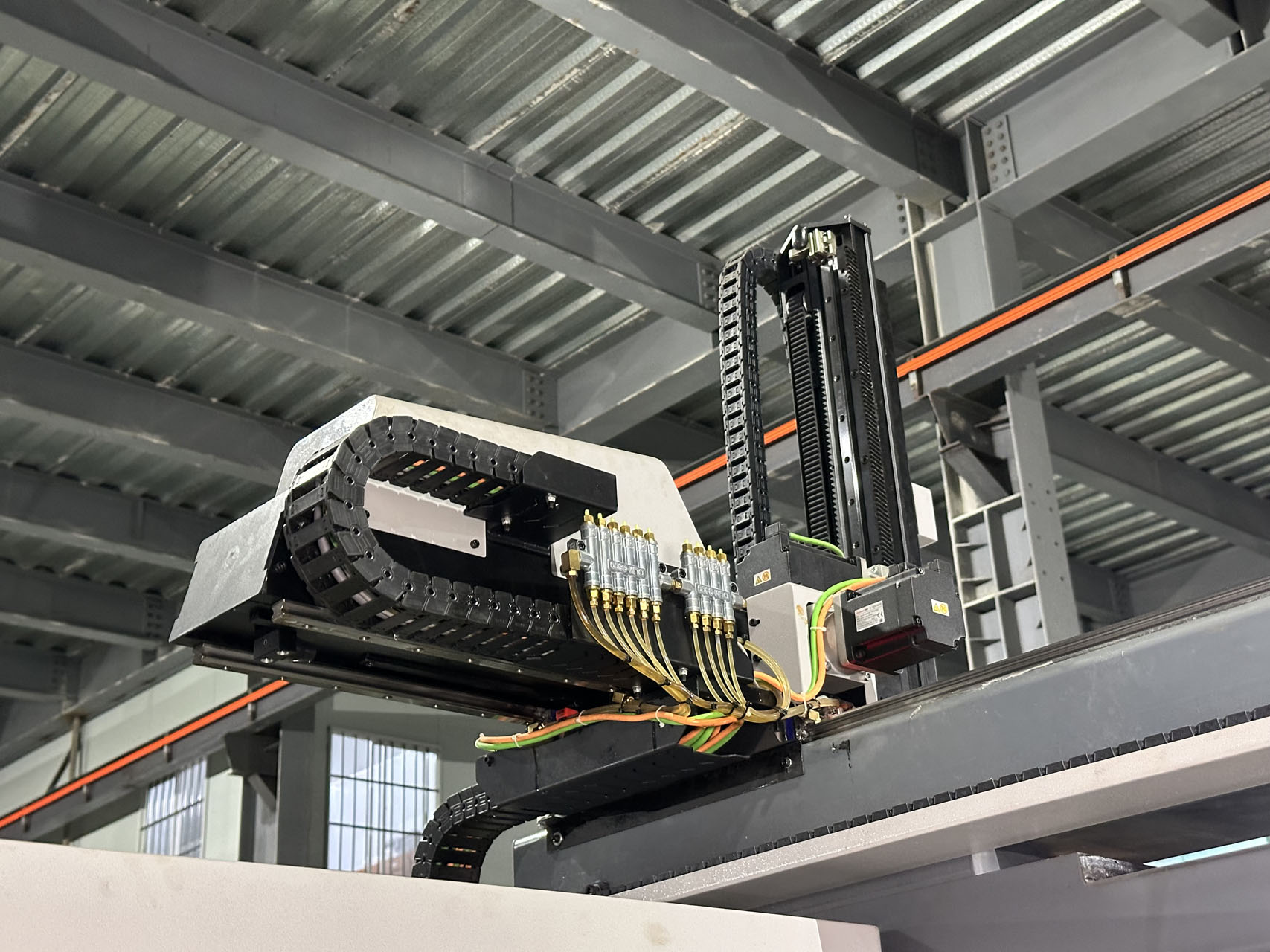
Featured Image Reference: Side-by-side comparison of twin sheet thermoformed automotive console versus traditional injection molded version, highlighting weight reduction and design enhancements.
Industrial Applications and Case Studies
“Twin sheet thermoforming has transformed component manufacturing across industries, with automotive applications alone seeing 35% weight reduction while maintaining crash safety standards.”
The automotive industry has embraced twin sheet thermoforming for interior components like door panels and dashboards, where our clients achieve 4.2kg weight savings per vehicle. These twin sheet formed parts maintain Class A surface finishes while integrating complex air duct systems – impossible with traditional methods. Medical packaging solutions benefit from the process’s ability to create sterile, hermetically sealed containers with 0.08mm wall consistency.
Metrik Kinerja Spesifik Industri
| Industri | Typical Application | Pengurangan Berat Badan | Penghematan Biaya | Solusi Lekamachine |
|---|---|---|---|---|
| Otomotif | Door panels | 30-40% | 22% vs injection molding | TS-4500 Series |
| Medis | Sterile packaging | 15-25% | 18% vs thermoformed trays | MediSeal System |
| Industri | Chemical containers | 20-30% | 35% vs rotational molding | InduPro Line |
| Konsumen | Rumah peralatan | 25-35% | 28% vs blow molding | HomeTech Series |
| Penerbangan | Cabin components | 40-50% | 42% vs composite | AeroForm XT |
Industrial container manufacturing has been revolutionized by twin sheet thermoforming’s ability to produce 200L+ vessels with uniform 4-6mm walls. Our systems at Lekamachine achieve naik-atau-mati durability with chemical resistance surpassing HDPE rotational molded alternatives. The consumer goods sector benefits from design flexibility – one recent case saw a 65% reduction in assembly parts for a premium kitchen appliance.
Aerospace applications demonstrate twin sheet thermoforming’s ultimate potential, where cabin components achieve FAA flammability standards at 60% of metal alternatives’ weight. The process’s material efficiency (93% utilization rate) and energy savings (40% less than composites) make it increasingly preferred for aircraft interiors. These diverse applications showcase why twin sheet forming applications continue growing 12% annually across industries.
Featured Image Reference: Twin sheet thermoformed aerospace cabin panel with integrated wiring channels and ventilation ducts, demonstrating complex multifunctional design.
Comparing Twin Sheet Thermoforming to Other Methods
“Twin sheet thermoforming offers 60% lower tooling costs than injection molding while achieving comparable structural performance, making it ideal for medium-volume production runs.”
When comparing twin sheet thermoforming to blow molding, the key difference lies in geometric capabilities. While blow molding excels at uniform hollow shapes like bottles, twin sheet thermoforming allows for complex, non-symmetrical designs with integrated features. Our analysis shows twin sheet formed parts achieve 30% better dimensional accuracy in complex geometries compared to blow molded alternatives.
Manufacturing Method Comparison Matrix
| Kriteria | Twin Sheet Thermoforming | Cetakan tiup | Cetakan Injeksi | Pembentukan Vakum |
|---|---|---|---|---|
| Biaya Perkakas | $$ | $$$ | $$$$ | $ |
| Part Complexity | Tinggi | Sedang | Sangat Tinggi | Rendah |
| Kontrol Ketebalan Dinding | ± 0.2mm | ± 0.5mm | ±0,1mm | ±0,3 mm |
| Minimum Order Quantity | 500+ | 5,000+ | 50,000+ | 100+ |
| Limbah Material | 5-8% | 10-15% | 15-25% | 8-12% |
The plastic thermoforming process in twin sheet systems provides distinct advantages over vacuum forming, particularly in structural applications. While vacuum forming creates single-wall parts, twin sheet thermoforming produces double-walled structures with 3-5 times greater rigidity. This makes twin sheet thermoforming the preferred choice for automotive components like instrument panels and medical equipment housings where naik-atau-mati Daya tahan sangat penting.
Pertimbangan material memainkan peran penting dalam pemilihan metode. Thermoforming lembar ganda bekerja paling baik dengan termoplastik semi-kristalin seperti PP dan HDPE, mencapai tingkat pemanfaatan material 95%. Saat mengevaluasi thermoforming lembar ganda vs blow molding untuk proyek tertentu, pertimbangkan volume produksi (500-50.000 unit mendukung lembar ganda), ukuran bagian (lembar ganda unggul untuk komponen besar), dan toleransi yang diperlukan (±0,5mm khas untuk lembar ganda).
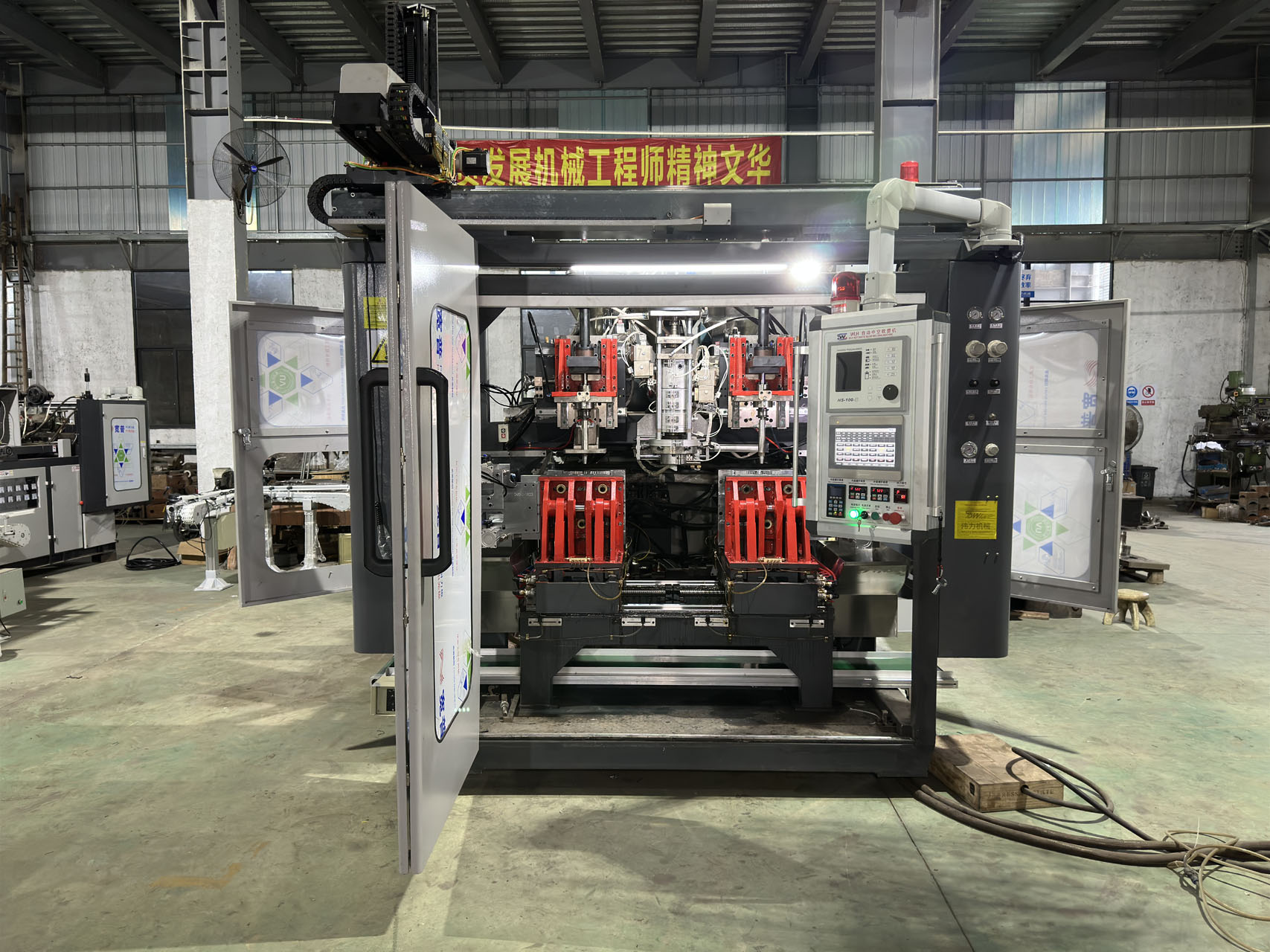
Referensi Gambar Unggulan: Perbandingan berdampingan komponen konsol otomotif yang dibuat melalui metode pembentukan berbeda, menyoroti variasi ketebalan dinding dan fitur struktural.
Kesimpulan
Setelah bertahun-tahun di industri blow molding, saya telah menyaksikan langsung bagaimana thermoforming lembar ganda mengubah permainan untuk kemasan volume besar. Ini bukan hanya tentang membuat bagian—ini tentang merancang solusi yang menyeimbangkan kekuatan, berat, dan biaya seperti tidak ada yang lain.
Dari panel otomotif hingga wadah medis, teknologi ini memberikan apa yang tidak bisa diberikan oleh lainnya: geometri kompleks, kontrol ketebalan presisi, dan daya tahan **tanpa kompromi**. Angka tidak berbohong—30% lebih sedikit limbah material, pengurangan berat 40%, dan biaya perkakas yang terjangkau.
Jika Anda mendorong batas metode pembentukan tradisional, thermoforming lembar ganda bukan sekadar alternatif—ini adalah langkah pivot cerdas ke depan. Pertanyaan sesungguhnya bukanlah apakah Anda membutuhkannya, tetapi seberapa cepat Anda dapat mengimplementasikannya.
PERTANYAAN YANG SERING DIAJUKAN
Q1: What is twin sheet thermoforming?
A1: Thermoforming lembar ganda adalah proses manufaktur di mana dua lembar termoplastik dipanaskan dan dibentuk secara bersamaan menggunakan cetakan terpisah. Kedua lembar kemudian direkatkan bersama untuk menciptakan bagian tunggal yang berongga, menjadikannya ideal untuk produk yang ringan dan kokoh secara struktural.
Q2: What are the advantages of twin sheet thermoforming?
A2: Keunggulan thermoforming lembar ganda termasuk kemampuan untuk membuat desain multi-komponen yang kompleks, peningkatan kekuatan karena struktur dinding ganda, dan opsi penggunaan material ganda, memungkinkan properti yang berbeda di setiap sisi bagian.
Q3: What materials can be used in twin sheet thermoforming?
A3: Material umum yang digunakan dalam thermoforming lembar ganda mencakup berbagai polimer termoplastik seperti ABS, polikarbonat, dan polietilen. Pemilihan material tergantung pada persyaratan spesifik aplikasi, termasuk kekuatan, berat, dan ketahanan panas.
Q4: How does the twin sheet thermoforming process work?
A4: Dalam proses thermoforming lembar ganda, dua lembar plastik dipanaskan hingga mencapai keadaan lentur dan kemudian dibentuk vakum atau tekanan menggunakan cetakan. Setelah terbentuk, lembaran dengan cepat disatukan dan dilebur, biasanya saat masih hangat, untuk menciptakan bagian yang padat.
Q5: What applications are suitable for twin sheet thermoforming?
A5: Thermoforming lembar ganda cocok untuk aplikasi yang memerlukan bagian ringan dan kuat, seperti komponen otomotif, wadah penyimpanan, dan produk dalam kemasan industri. Versatilitasnya menjadikannya ideal untuk berbagai sektor dari barang konsumen hingga industri otomotif.
Q6: Is twin sheet thermoforming cost-effective?
A6: Ya, thermoforming lembar ganda dianggap hemat biaya karena mengurangi biaya perkakas dan limbah material dibandingkan metode manufaktur lainnya. Selain itu, ini memungkinkan waktu produksi yang cepat, yang dapat menurunkan biaya manufaktur keseluruhan.
Q7: What limitations does twin sheet thermoforming have?
A7: Keterbatasan thermoforming lembar ganda termasuk rentang ukuran bagian yang lebih kecil dibandingkan proses lain dan tantangan potensial dalam mencapai desain yang sangat rumit. Namun, untuk banyak aplikasi, manfaatnya lebih besar daripada kendala ini.
Q8: How does twin sheet thermoforming compare to traditional thermoforming methods?
A8: Tidak seperti thermoforming tradisional yang biasanya menggunakan lembar tunggal, thermoforming lembar ganda memungkinkan produksi bagian berdinding ganda, meningkatkan kekuatan dan insulasi. Proses ini bisa lebih kompleks tetapi menawarkan fleksibilitas desain yang lebih besar.
Tautan Eksternal
- Apa Itu Thermoforming Lembar Ganda? – Associated Thermoforming Inc
- Manfaat Fungsional Thermoforming Lembar Ganda untuk Kinerja Produk
- FAQ Thermoforming Lembar Ganda – Advanced Plastiform
- Pengantar Thermoforming Lembar Ganda – Spencer Industries
- Thermoforming Lembar Ganda – Peninsula Plastics
- Thermoforming Lembar Ganda – Techniform Plastics
- Analisis Komparatif Proses Thermoforming Lembar Ganda dan Lainnya
- Memahami Proses Thermoforming Lembar Ganda


0 Komentar