
At our facility, we see clients struggle with customs paperwork daily Harmonized System (HS) code 1. Incorrect coding delays your machine delivery and spikes costs, turning a profitable investment into a logistical nightmare.
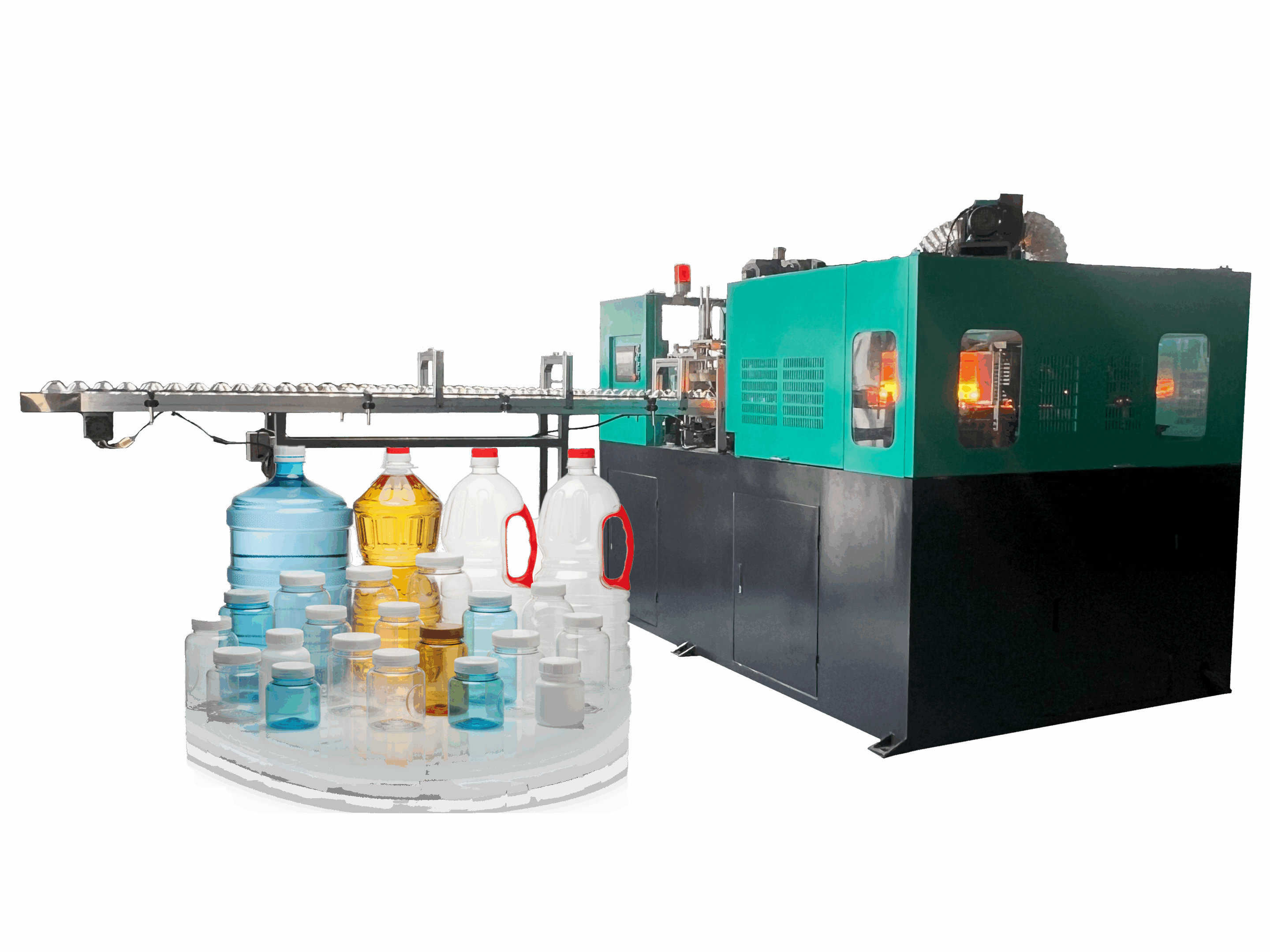
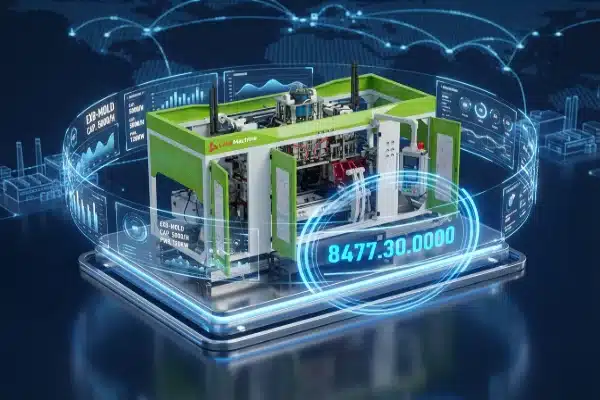
The correct Harmonized System (HS) code for an all-electric extrusion blow molding machine is generally 8477.30. However, for U.S. imports, you must specifically use HTSUS 8477.30.0000. Accurate classification helps you avoid border delays, calculate precise duty rates, and potentially qualify for energy-efficiency tax exemptions.
Let’s break down the specific codes and strategies you need to clear customs smoothly and minimize your financial exposure Heading 8477 2.
Which HS Code Applies Specifically to All-Electric Extrusion Blow Molding Machinery in My Country?
We often help customers correct invoices where generic codes caused shipments to get flagged Binding Ruling 3. Using the wrong digits creates confusion that halts production before it even starts.
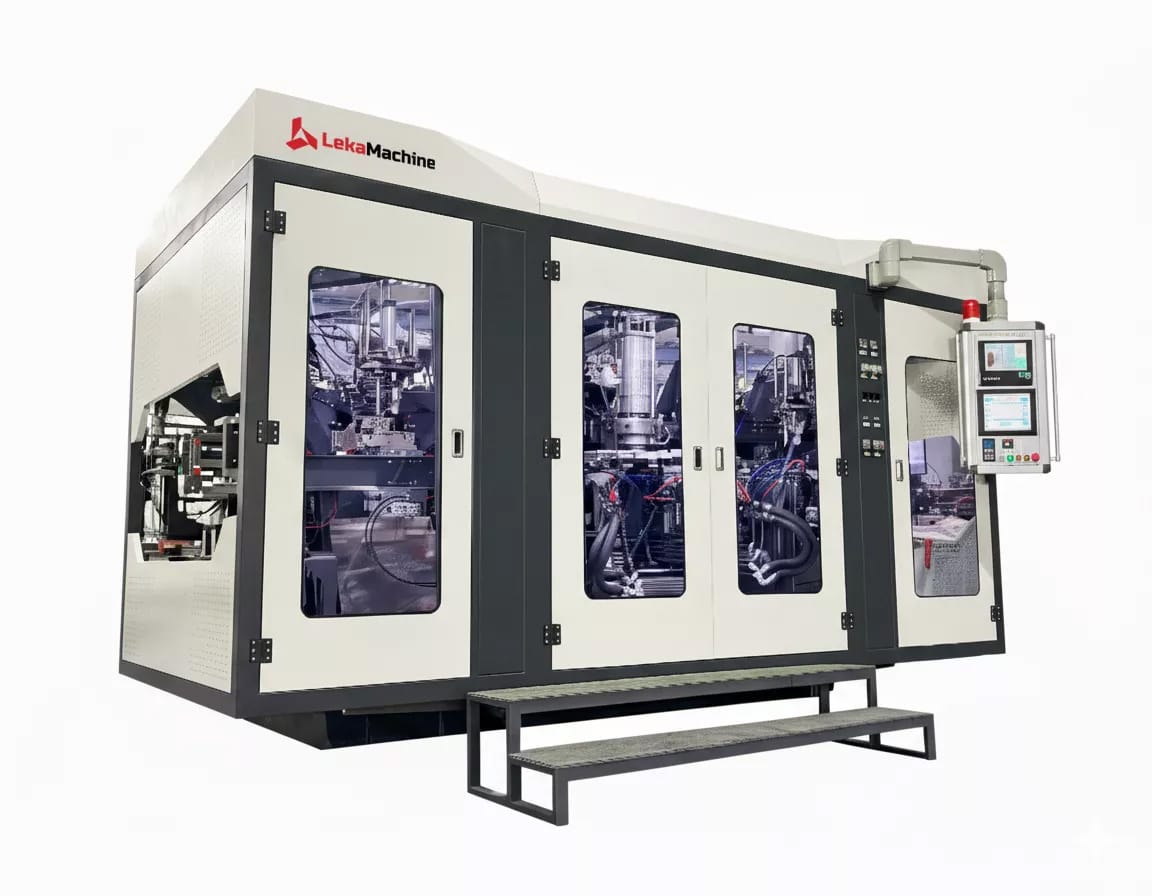
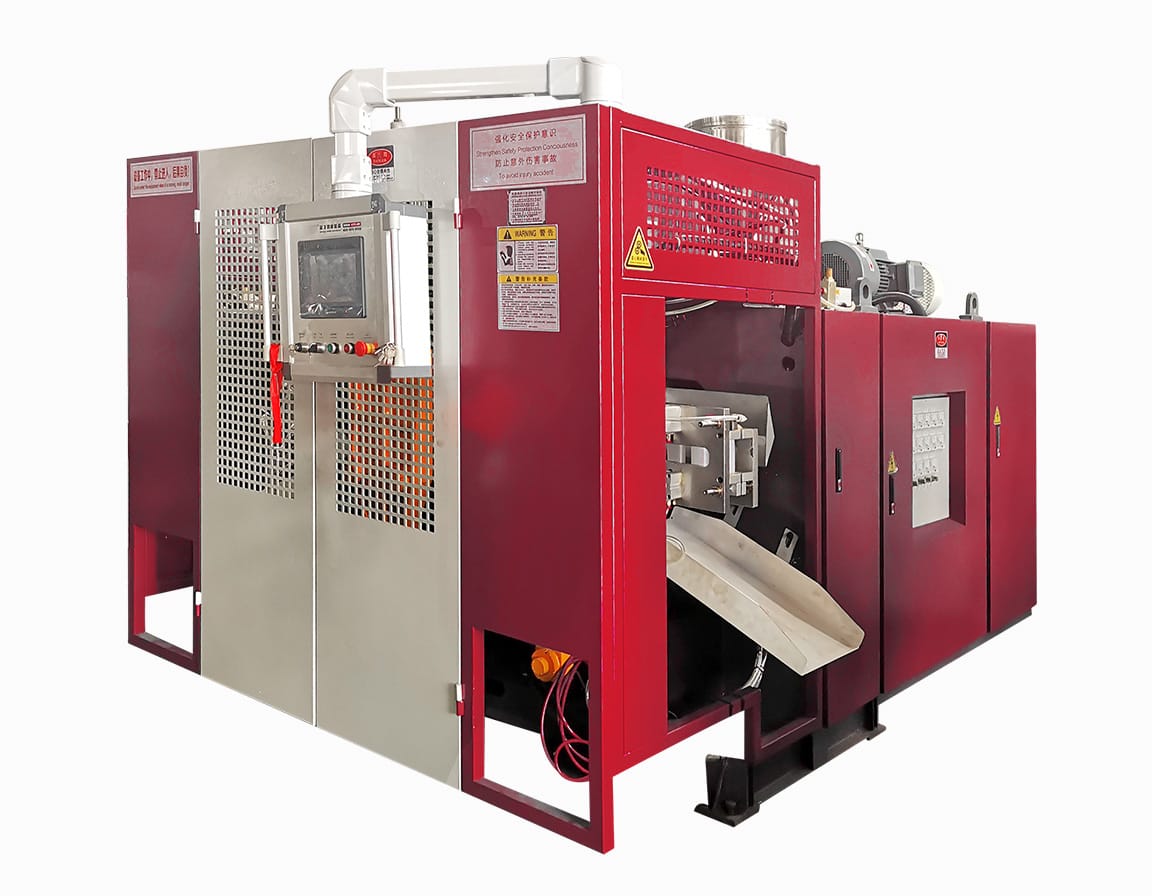
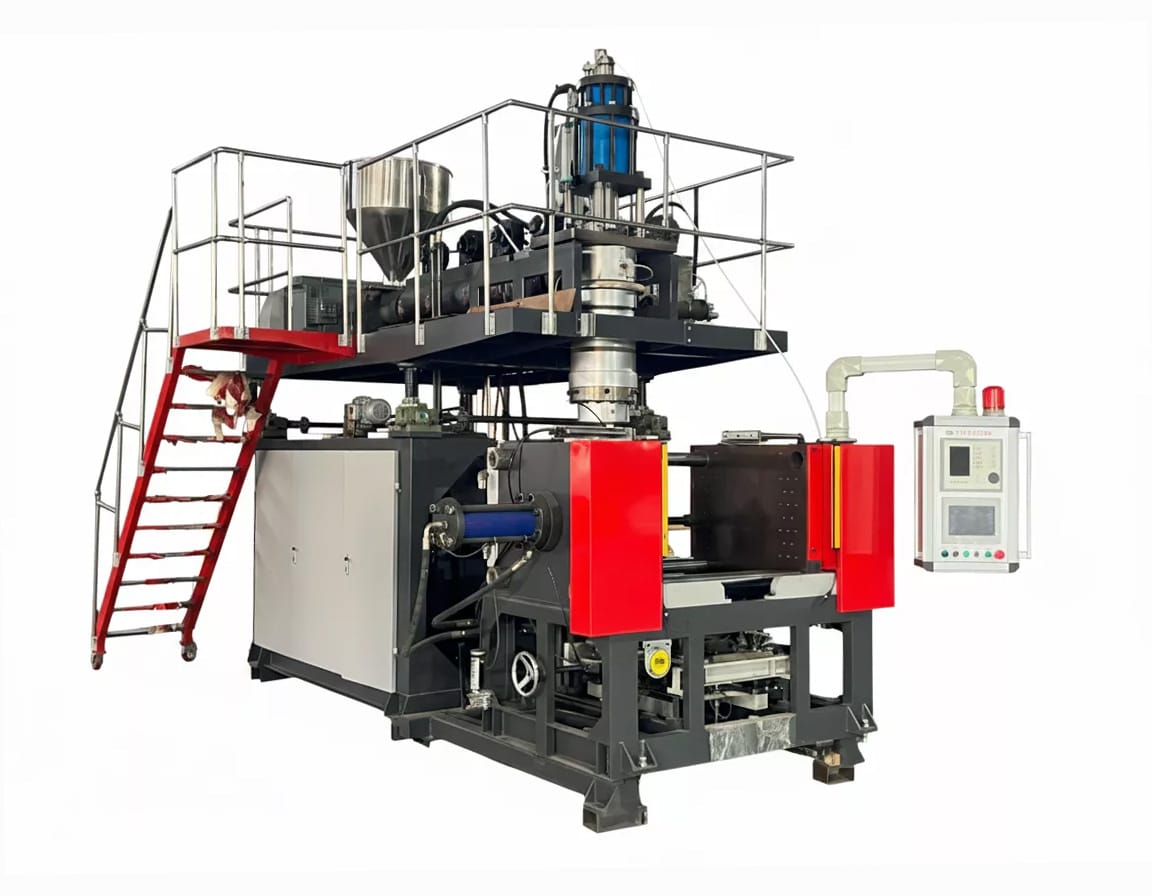
Globally, the standard six-digit HS code is 8477.30, covering blow molding machinery. For the United States, the specific ten-digit code is 8477.30.0000. While the machine is "all-electric," customs law classifies it based on function, not the actuation method, so it remains under the standard plastics machinery heading.
Understanding the Statutory Framework
The first step in a successful import is getting the numbers right Foreign Trade Zone (FTZ) 4. The Harmonized Tariff Schedule (HTSUS) is rigid, and errors here ripple through the entire logistics chain. Extrusion blow molding machines fall under Chapter 84, which governs machinery and mechanical appliances. Specifically, U.S. Customs and Border Protection (CBP) 5 groups polymer processing machinery under Heading 8477. Since these machines melt and shape resin, they definitively belong here.
Many clients ask us if the "all-electric" nature of our modern machines changes the classification. From a customs perspective, the answer is no. The General Rules of Interpretation evaluate machines based on their primary function—molding hollow plastic articles—rather than how they achieve that movement (servomotors vs. hydraulics). Therefore, whether you buy a legacy hydraulic unit or our latest servo-driven model, the core code remains 8477.30.0000.
Segregating Molds and Auxiliary Tooling
A critical mistake we see is bundling everything under one code. While the main machine is 8477.30.0000, the molds are not. If you include the cost of the molds in the machine line item, you might violate customs laws and pay incorrect duties. Molds must be classified separately under 8480.79.90. You need to ensure your commercial invoice clearly separates these items.
Common HS Codes for Blow Molding Projects
To help you organize your paperwork, here is a breakdown of the typical codes used in a full project setup:
| Item Description | HS/HTS Code | Usage Notes |
|---|---|---|
| Blow Molding Machine | 8477.30.0000 | The core machine unit (Base Code). |
| Blow Molds | 8480.79.90 | Must be listed separately from the machine. |
| Spare Parts | 8477.90 | Replacement screws, barrels, or generic parts. |
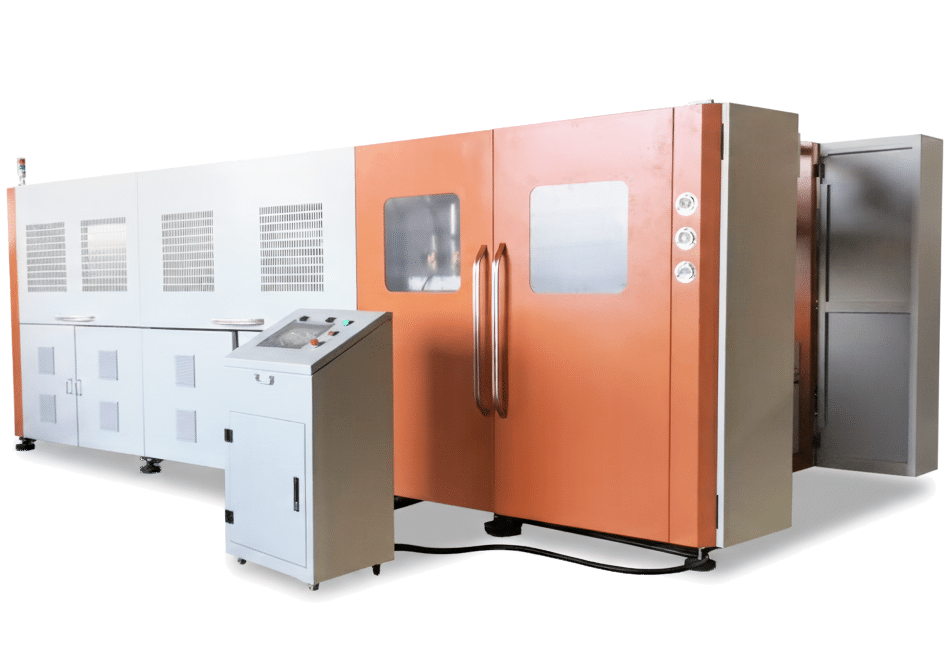
| Auxiliary Chillers | 8418.69 | If shipped as standalone units. |
How Do I Verify the Correct Customs Classification to Avoid Unexpected Import Delays?
When we export machines to Europe or North America, ambiguous paperwork is the enemy. A single vague description can trap your equipment at the port for weeks.
To ensure immediate clearance, secure a Binding Ruling from your local customs authority before shipment. This legal document guarantees your duty rate. Additionally, ensure your commercial invoice explicitly lists the HS code 8477.30 and separates the value of the machine from molds and auxiliary equipment.
The Certainty of Binding Rulings
Classification errors carry severe financial consequences, including overpaid duties and indefinite border holds. We always recommend that our clients eliminate ambiguity by securing a prospective Binding Ruling (19 C.F.R. Part 177 in the US) before the machine leaves our factory. This provides a legally guaranteed classification code and duty rate. If a customs officer at the port questions the machine type, you simply present this ruling, and the dispute is resolved instantly.
Handling Composite Machines
Modern blow molding lines are complex. They often integrate extruders, die heads, molds, chillers, and robotic arms into one system. To prevent customs from splitting the machine's value across multiple codes (which increases paperwork and risk), CBP relies on the "principal function" doctrine.
This rule dictates that machines performing complementary functions are classified by their main purpose. For our equipment, the principal function is creating the bottle or container. Therefore, even if the machine has a robotic arm for takeout, the entire system usually remains under 8477.30.0000. However, this only applies if the equipment is fully integrated. Standalone peripherals must still be coded separately.
Verification Checklist
Before the container is sealed, you should verify the following points to prevent delays:
- Code Consistency: Does the code on the invoice match the code on the Bill of Lading?
- Description Clarity: Does the invoice say "All-Electric Extrusion Blow Molding Machine" rather than just "Machine"?
- Origin Marking: Is the "Made in [Country]" label clearly visible on the machine plate?
- Value Separation: Are molds and spare parts priced individually?
Will the Supplier Assist in Providing the Necessary Technical Descriptions for Customs Clearance?
Our engineering team prepares detailed technical files for every machine we ship. Without this data, you are left guessing at technical specs, risking heavy fines during an audit.
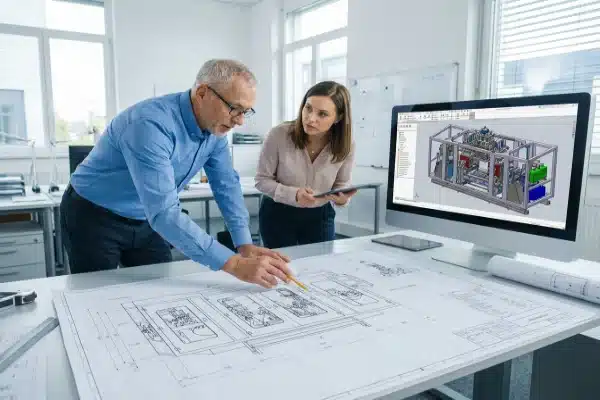
A proactive manufacturer must provide detailed schematics, a comprehensive Bill of Materials (BOM), and process flow diagrams. These documents prove the machine’s principal function to customs officers. You should contractually require your supplier to deconstruct invoices, separating steel structures from high-tech components to optimize tariff calculations.
The Necessity of Forensic BOM Deconstruction
Importing machinery is no longer just about paying a flat rate. With complex tariff structures like Section 232 6 (which applies duties to steel and aluminum), how your supplier writes the invoice matters immensely. We work with clients to perform a "forensic deconstruction" of the commercial invoice.
The Section 232 expansion often applies a 50% tariff to steel and aluminum content in derivative products. If the invoice lists the machine as one lump sum, customs might apply the highest tariff rate to the entire value. By legally isolating the value of the structural steel from the high-value technological components (like servomotors, PLCs, and control systems), your customs broker can often apply standard base rates to the non-metallic parts. This can save substantial capital.
Essential Technical Documentation
To support this level of detail, your supplier must provide more than just a packing list. We provide a full data package to ensure your broker has the ammunition they need to defend your classification.
Required Documents for Smooth Clearance
| Document Type | Purpose for Customs |
|---|---|
| Detailed Schematics | Demonstrates how the machine components integrate to perform the principal function. |
| Comprehensive BOM | Used for valuation and to isolate steel/aluminum content for tariff mitigation. |
| Process Flow Diagrams | Illustrates the thermodynamic process to prove it is a "molding" machine. |
| Itemized Separation Matrix | Distinguishes core machinery from standalone auxiliary equipment like chillers. |
Are There Specific Duty Rates or Tax Exemptions for Energy-Efficient Machinery in My Region?
We design our all-electric models to cut power use, but the financial gain isn't just in utility bills. Ignoring available tax credits means leaving free money on the table.
While customs duties focus on the machine type, domestic tax laws reward efficiency. In the U.S., the Advanced Manufacturing Investment Credit offers up to 35% for qualifying property. Additionally, California offers Sales and Use Tax Exclusions for equipment that demonstrates significant greenhouse gas reductions.

Navigating the Tariff Landscape (2026 Context)
The regulatory environment is volatile. As of early 2026, importers face a mix of tariffs. The Section 301 tariffs on Chinese-origin machinery often add 25% to the cost, though specific exclusions exist. You must rigorously audit your machine’s specifications against active exclusions (many extended through late 2026) to bypass these duties.
Furthermore, recent legal shifts, such as the implementation of Section 122 duties (a temporary 15% tariff effective February 2026), mean you must recalculate your landed costs. Strategies like using a Foreign Trade Zone (FTZ) can delay formal entry until these temporary tariffs expire, saving you 15% straight off the top.
Capitalizing on Green Incentives
The "all-electric" designation of our machines is your key to unlocking domestic subsidies.
- Federal Level: The Advanced Manufacturing Investment Credit has increased to 35% for properties placed in service after late 2025. Since our machines reduce electrical loads significantly compared to hydraulic peers, they are prime candidates.
- State Level (California): The CAEATFA program offers a full exclusion of sales and use tax (approx. 8-10% savings) for manufacturers who can quantify Greenhouse Gas (GHG) reductions. However, you must apply and get approval before you place the equipment into functional use.
Summary of Fiscal Impacts
| Financial Levers | Impact on Cost | Action Required |
|---|---|---|
| Section 301 Exclusions | Potential -25% Duty | Check active exclusion lists for HTS 8477.30. |
| Section 122 Strategy | Avoid 15% Temp Tariff | Use FTZ or Bonded Warehouse for 150 days. |
| Inv. Tax Credit (Fed) | +35% Credit | Claim on annual tax return for energy property. |
| CAEATFA (CA Only) | -10% Sales Tax | Apply before machine operation starts. |
Conclusion
Importing requires precision in both engineering and paperwork. By using the correct HS codes and leveraging tax incentives, you protect your bottom line and ensure a smooth production launch.
Footnotes
1. Explains the international system for classifying traded goods. ↩︎
2. Provides official U.S. Harmonized Tariff Schedule information for machinery. ↩︎
3. Explains the legal document that provides guaranteed customs classification. ↩︎
4. Describes a designated area where goods are exempt from duties until entered into commerce. ↩︎
5. Offers information about the primary agency for customs enforcement in the U.S. ↩︎
6. Details the U.S. trade law imposing tariffs on certain imports. ↩︎


0 Comments