

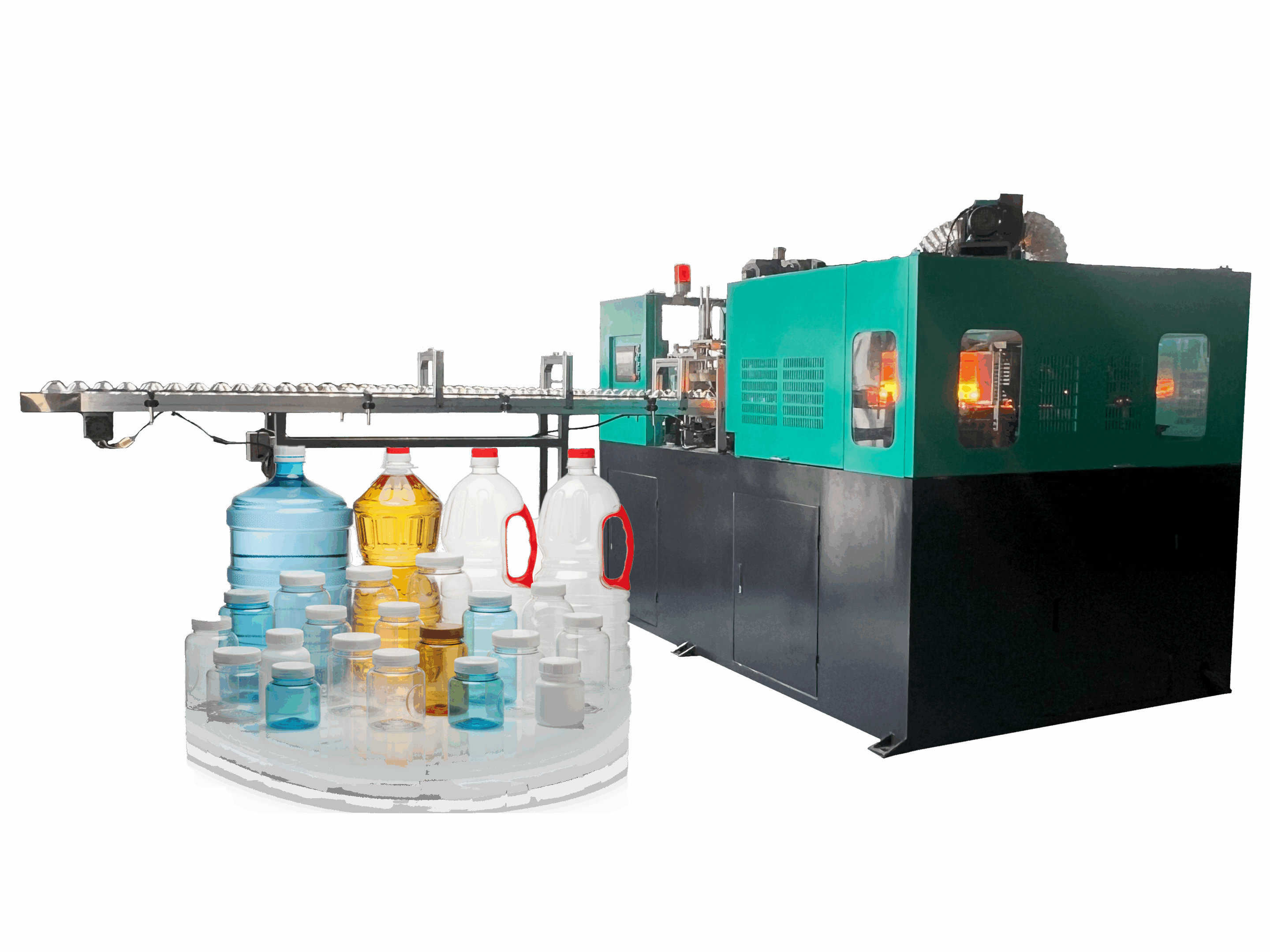
With a limited budget, how should I make trade-offs regarding the configuration of the all-electric extrusion blow molding machine?
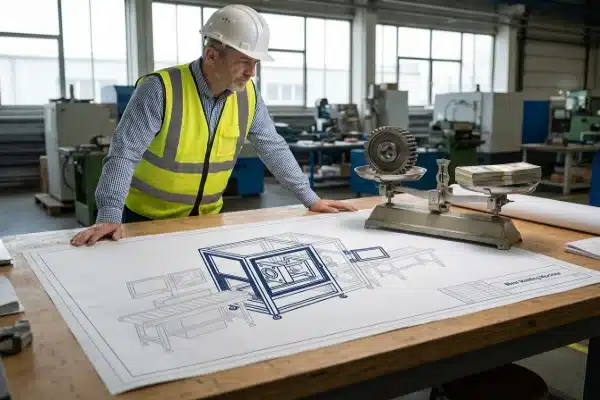
When we consult with clients at our facility, we often see budgets wasted on "nice-to-have" features while critical production specs get cut. You must distinguish between the machine’s permanent "skeleton" and its upgradeable accessories. Confusion here leads to buying a weak machine with fancy screens.
To maximize ROI on a limited budget, prioritize permanent mechanical constraints like cavitation capability and extruder size over upgradeable features like automation or advanced software. Reduce costs by selecting reputable Tier 2 servo brands, sourcing bulky auxiliary equipment locally to save freight, and utilizing manual adjustments for non-cycle settings.
Let’s break down exactly where you should pinch pennies and where you must spend freely.
Is it better to compromise on mold cavitation numbers or automation features?
In our engineering department, we advise clients that production capacity is a fixed physical constraint, whereas automation is a flexible labor trade-off. Choosing the wrong priority limits your future growth.
production capacity 1
Always prioritize maximizing mold cavitation density over purchasing automated downstream equipment. You can manually trim bottles or retrofit a leak tester in year two, but you cannot physically expand the platen size or head spacing of a machine once it is built. Output potential must come first.

The "Skeleton vs. Clothing" Philosophy
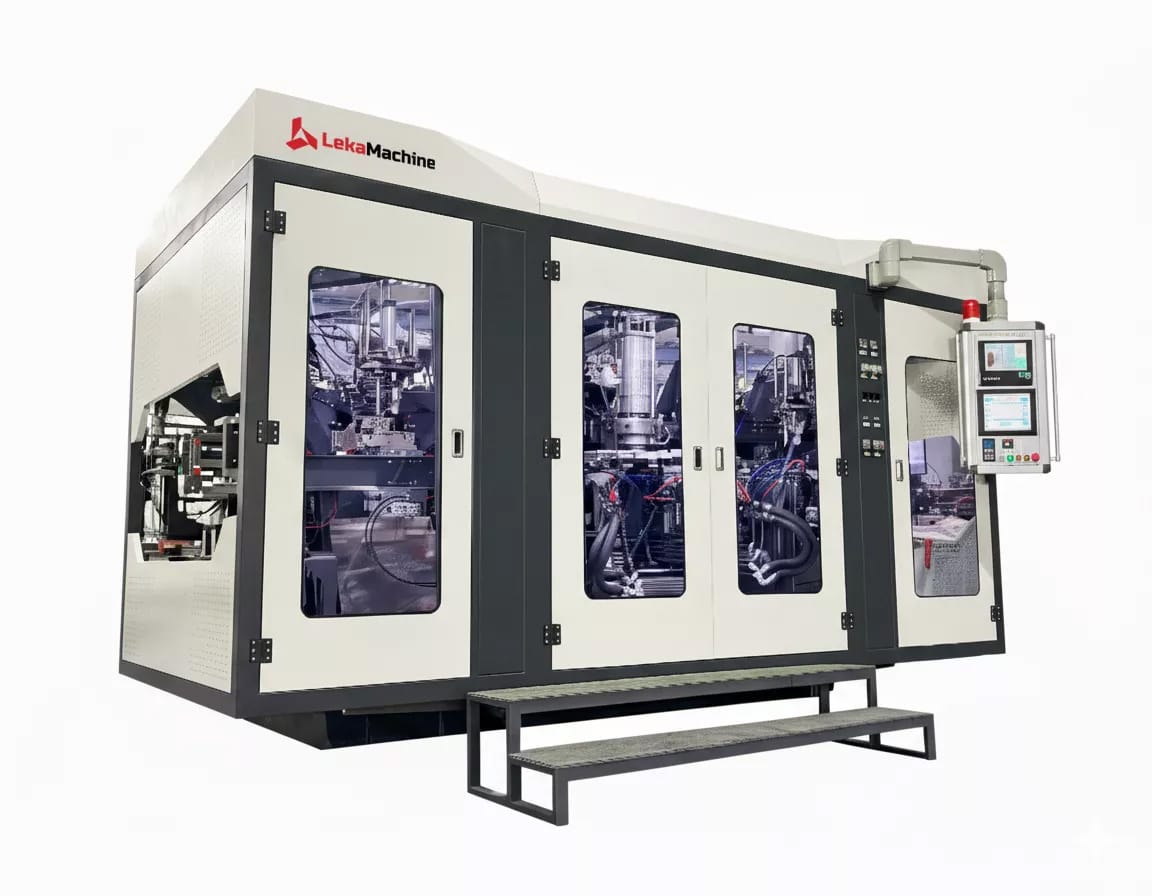
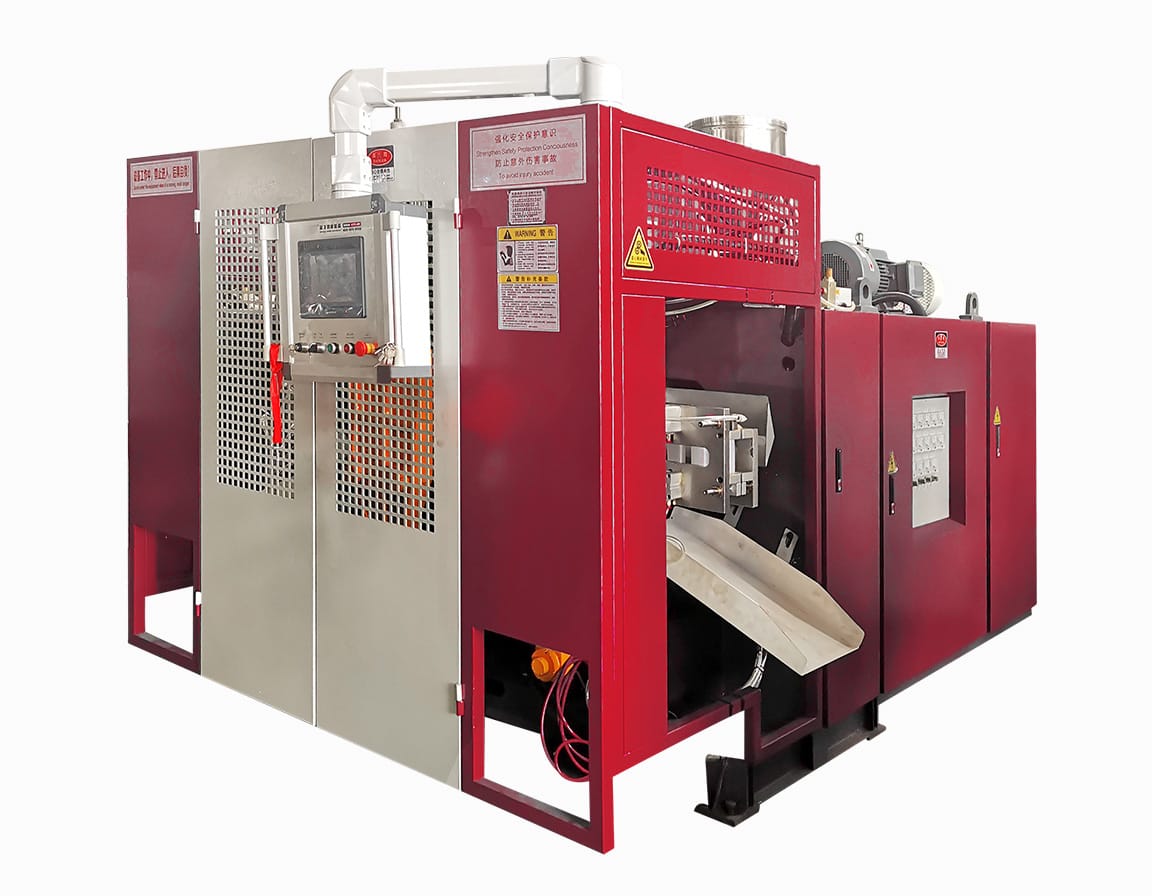
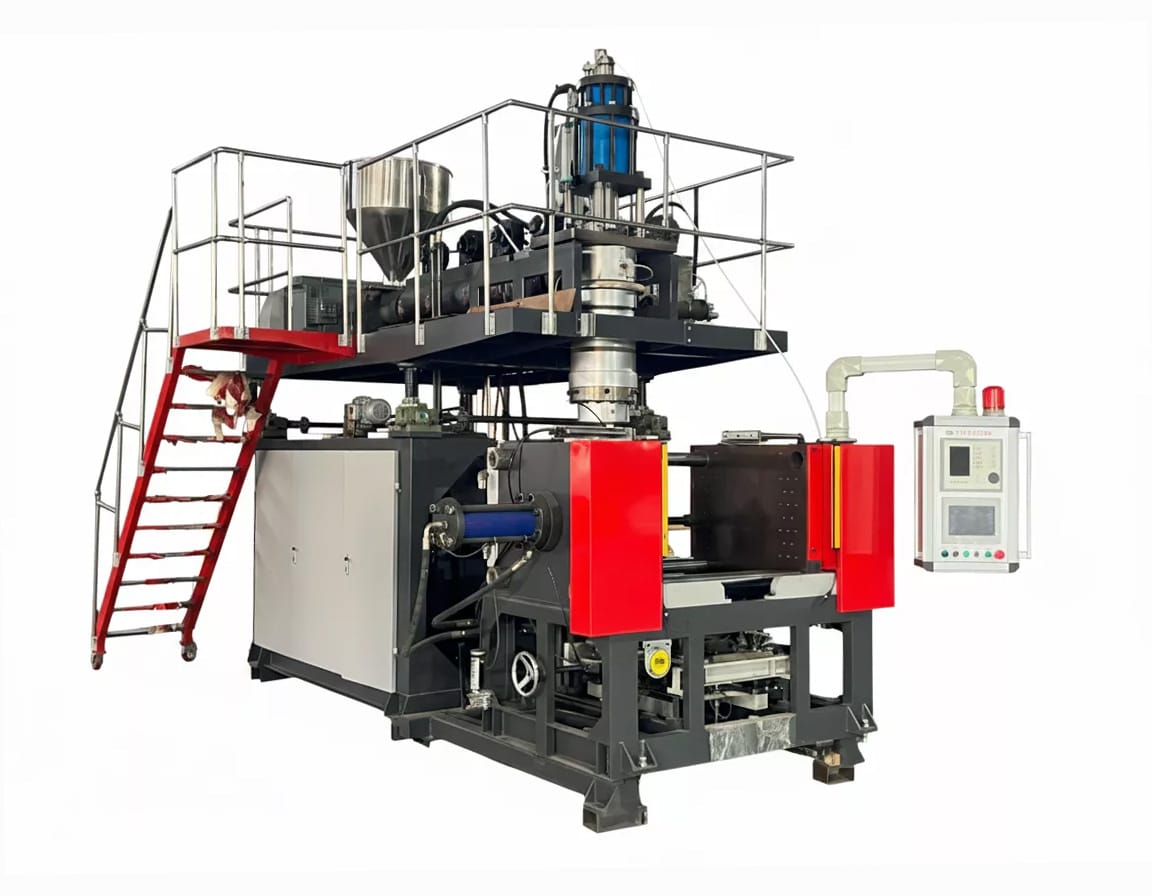
When configuring a machine under financial pressure, view the machine tonnage, platen dimensions, and die-head spacing as the "skeleton." These cannot be changed without buying a completely new machine. Automation, such as de-flashing units, conveyor belts, and auto-loaders, are the "clothing"—they can be changed, upgraded, or added later.
We strongly recommend opting for manual platform adjustments rather than motorized ones. In our factory testing, we found that motorized jacks for extruder height or head centering are only used during mold changes. If you run long production batches, paying thousands of dollars for motors that sit idle 99% of the time is poor capital allocation. A simple hand-crank or hydraulic jack works perfectly fine and saves significant budget.
Analyzing the Trade-off
If you have a fixed budget of $150,000, you might face a choice between a 2-cavity machine with full automation or a 4-cavity machine with manual packing. Here is why the 4-cavity option wins:
- Fixed Throughput: The 4-cavity machine doubles your theoretical output immediately.
- Labor Flexibility: You can hire temporary labor to handle packing until cash flow allows for automation robots.
- Upgrade Path: You can buy a leak tester later. You cannot "buy" two extra die-heads for a machine frame designed for two.
H3 – Investment Priority Matrix
| Fonctionnalité | Category | Recommendation | Raisonnement |
|---|---|---|---|
| Cavitation Count | Production Core | Maximize | Determines ultimate profit ceiling. Hard to change later. |
| Auto-Deflashing | Automatisation | Defer | Can be done manually or retrofitted. |
| Leak Testing | Contrôle qualité | Defer/Manual | Use simple pressure decay fixtures initially. |
| Platen Size | Production Core | Maximize | Dictates maximum mold size and future flexibility. |
By stripping away "Ready-For" logic—such as paying extra for "IML Interface Ready" or "View-Stripe Ready" wiring that you don’t currently use—you free up funds to invest in the steel and iron that actually makes bottles.
Can I save money by choosing a different brand of servo motor without sacrificing reliability?
We frequently test various drive systems on our test bench to ensure torque consistency. We have found that the gap between premium European brands and top-tier Asian brands has narrowed significantly, offering a massive opportunity for cost reduction.
Yes, you can safely reduce costs by selecting Tier 2 servo manufacturers like Delta or Inovance instead of premium European brands. For standard extrusion blow molding applications, these motors offer comparable reliability and precision, reducing your electrical Bill of Materials (BOM) cost by approximately 20% to 30%.

The Reality of Tier 2 Brands
Many buyers fear that not using Siemens or B&R means buying "junk." This is binary thinking. While we respect top-tier brands, manufacturers like Delta, Inovance, or汇川 (Inovance) have matured. For a standard bottle production line (e.g., shampoo bottles, jerry cans) running at standard cycle times, the performance difference is negligible.
Siemens or B&R 2
We recommend saving budget here, but with a caveat: stick to the Standard General Purpose (GP) Screw provided by the supplier. Do not spend extra on custom barrier screws or high-output geometries unless you are processing difficult engineering resins. The combination of a standard reliable servo and a standard screw design creates a robust, low-cost "workhorse" machine.
The "Hybrid" Motion Strategy
Another way we help clients save is through Pneumatic Hybridization. An "All-Electric" machine doesn’t need to be 100% electric to be efficient. The clamping, carriage, and extrusion must be servo-driven for precision and energy savings. However, auxiliary movements do not.
We suggest using pneumatic actuation for:
- Épingles de soufflage
- Cut-Off Knives
- Deflashing Stations
Replacing these linear servo actuators with simple pneumatic cylinders can save over $15,000 on a dual-station machine. You retain the cleanliness and repeatability of the electric process where it counts (the parison and the mold closing) without paying for expensive servo motors on simple "in-and-out" motions.
H3 – Servo Brand Cost vs. Performance
| Fonctionnalité | Premium Brand (e.g., Siemens) | Tier 2 Brand (e.g., Delta/Inovance) | Impact on Production |
|---|---|---|---|
| Coût | High ($$$$) | Moderate ($$) | Significant initial savings. |
| Précision | Ultra-High | Haut | Negligible for standard bottles. |
| Global Support | Excellent | Bon | Ensure local distributors exist in your region. |
| Durabilité | 10+ Years | 7-10 Years | Adequate for ROI cycle. |
Finally, downgrade your HMI request. You do not need a 21-inch multi-touch screen. The processing power of the PLC is what matters, not the size of the tablet on the door. A standard 12-inch or 15-inch screen performs the exact same function and saves nearly $1,000.
Which auxiliary equipment can I source locally to reduce the initial import cost?
When we calculate shipping logistics for overseas clients, we hate seeing them pay ocean freight for "empty air." Bulky auxiliary equipment fills up containers quickly, drastically increasing your landed cost for items that are likely available down the street.
You should source bulky, generic equipment like air compressors, chillers, and scrap grinders locally. Removing these items from the import contract eliminates massive freight volume, lowers import duties, and ensures you have local warranty support for hardware that requires frequent maintenance.

The Logistics of Local Sourcing
A chiller is essentially a large metal box. If we ship it from China to the US or Europe, you are paying to ship the empty space inside that box. Furthermore, if the compressor inside the chiller fails, shipping it back to China is impossible.
electricity is often the second highest cost 4
By buying a chiller or compressor in your home country, you gain:
- Immediate Service: A local technician can fix it same-day.
- Reduced Duties: You aren’t paying import tariffs on generic hardware.
- Freight Savings: You might reduce your shipment from two 40HQ containers to one, saving thousands in logistics.
Simplify the Water System
Inside the machine, we recommend rejecting "Digital Flow Regulators" or electronic water monitoring systems if you are on a budget. These systems are prone to sensor failure and are expensive to replace.
import duties 5
Instead, specify Analog Water Manifolds (standard mechanical brass rotameters). They are robust, visual (you can see the float moving), and cost a fraction of the digital equivalents. If a brass manifold clogs, you can clean it with a wire brush. If a digital sensor scales up, you have to replace the unit.
H3 – Sourcing Strategy Breakdown
| Equipment Type | Source From Manufacturer (China) | Source Locally (Domestic) | Reason |
|---|---|---|---|
| EBM Machine Core | Oui | Non | The core technology and integration. |
| Molds/Die Heads | Oui | Non | Requires precise testing with the machine. |
| Chiller | Non | Oui | High volume, generic technology, needs local service. |
| Air Compressor | Non | Oui | High volume, standard specs available everywhere. |
| Scrap Grinder | Non | Oui | Heavy, loud, simple technology. |
| Convoyeurs | Non | Oui | "Shipping air," easily fabricated locally. |
This strategy ensures your capital is spent on the high-tech molding process, not on shipping heavy steel boxes across the ocean.
servo-driven for precision 6
How do I prioritize energy efficiency features against the upfront capital expenditure?
We build machines for the long haul, and we know that electricity is often the second highest cost after raw materials. However, not all "green" features offer a quick payback. You must distinguish between efficiency that pays for itself in months versus features that take years to recover.
engineering resins 7
Prioritize passive energy efficiency features like ceramic braking resistors over expensive active regeneration modules. While returning power to the grid sounds appealing, the "Active Front End" (AFE) technology is costly; resistive braking is cheaper upfront and still highly effective for smaller tonnage machines.
The Economics of Braking
All-electric machines generate energy when the heavy clamping unit decelerates. You have two choices on how to handle this energy:
- Regenerative (AFE): Pushes power back into your factory grid. Expensive hardware.
- Resistive: Dissipates energy as heat through ceramic resistors. Cheap hardware.
For a massive 50-ton machine running 24/7, regeneration makes sense. But for a limited budget startup running a smaller machine, the ROI on an Active Front End module can exceed 5 years. Resistive braking topology is the smart budget choice. It allows you to have the precision of an electric machine without the premium price tag of grid-tie hardware.
Where NOT to Cut Costs
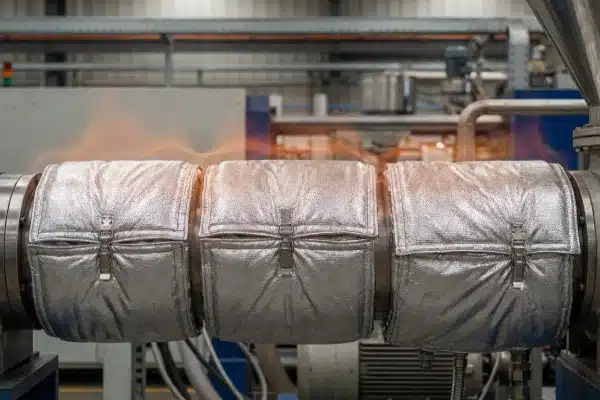
While we suggest skipping the AFE, do not skimp on the insulation. Ensure the barrel and die head have high-quality heater bands and insulation jackets. This is a low-cost addition that prevents heat loss, keeping your factory cooler and your energy bills lower.
H3 – Energy Feature Payback Analysis
| Energy Feature | Coût Initial | ROI Speed | Verdict for Budget Buyer |
|---|---|---|---|
| Servo Motors (vs Hydraulic) | Haut | Fast (< 2 years) | Must Have. The baseline of efficiency. |
| Barrel Insulation Jackets | Faible | Very Fast (< 6 months) | Must Have. Cheap and effective. |
| Active Front End (Regen) | Très élevé | Slow (> 5 years) | Skip. Stick to resistive braking. |
| Energy Monitoring Software | Modéré | Moyen | Skip. Use facility-level metering instead. |
By focusing on the servo drives themselves (which inherently save 40-60% over hydraulics) and skipping the complex grid-regeneration hardware, you strike the perfect balance between low operating costs and low capital investment.
leak tester 9
Conclusion
To succeed with a limited budget, invest in the machine’s unchangeable core—high cavitation and reliable tonnage—while cutting costs on flexible elements like automation, premium brand labels, and digital accessories.
moulage par soufflage-extrusion 10
notes de bas de page
- Educational resource on operations management and capacity planning. ↩︎
- Official site of the premium automation brand mentioned. ↩︎
- Technical product documentation explaining regenerative drive technology. ↩︎
- Government data on industrial energy consumption and efficiency. ↩︎
- Official government source on trade tariffs and import regulations. ↩︎
- Professional organization standard for electrical engineering and motion control. ↩︎
- Educational resource on polymer materials and engineering plastics. ↩︎
- Official site of the specific Tier 2 servo brand mentioned. ↩︎
- Industry standard method for testing rigid container integrity. ↩︎
- General background definition of the manufacturing process. ↩︎


0 commentaires