
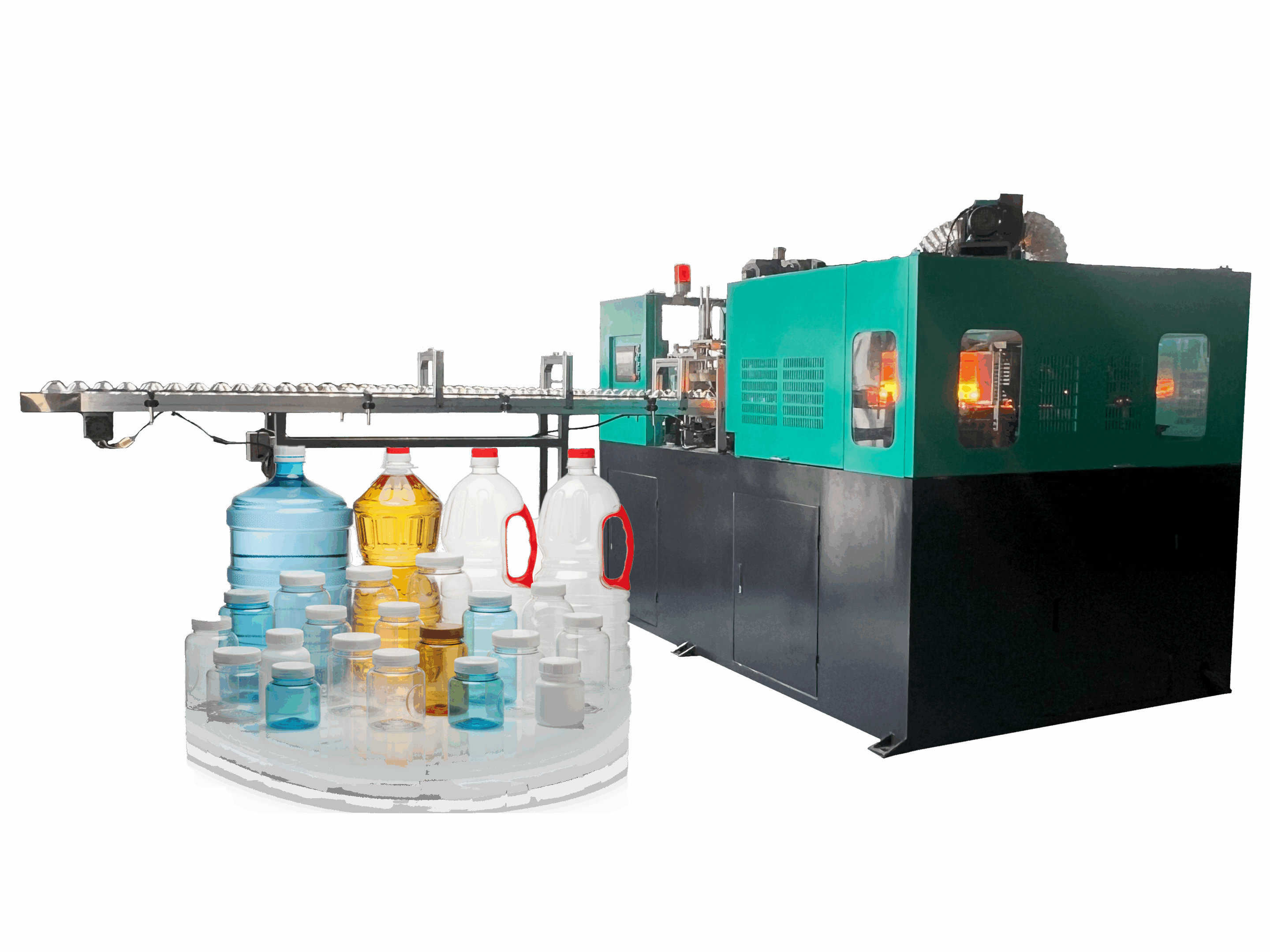
Which after-sales service terms should I focus on when signing a purchase contract for an all-electric extrusion blow molding machine?
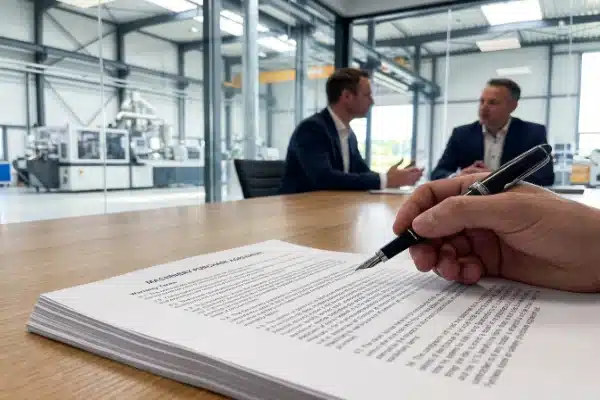
At our factory, we often see clients panic when production stops due to a minor glitch. Without clear terms, a simple servo error becomes a nightmare. You must negotiate safety before signing.
Focus on defining the warranty start date as "Final Acceptance" rather than shipment. Crucially, ensure servo drives are listed as "standard components" instead of "wear parts," demand tiered response times for software issues, and cap travel expenses for technicians to avoid unexpected bills during downtime.
Below, we break down exactly what you need to look for in the fine print to protect your investment.
What specific components are covered under the warranty period?
We design our machines to last, but components eventually fail. If your contract excludes key parts, you face unexpected costs. Don’t let vague "standard warranty" clauses fool you into assuming total coverage.
The warranty must explicitly cover the frame, structural welds, and electrical control systems like the PLC. Crucially, verify that high-cost items like servo motors are not classified as excluded "wear parts." Negotiate for coverage to begin upon commissioning, not the Bill of Lading date.
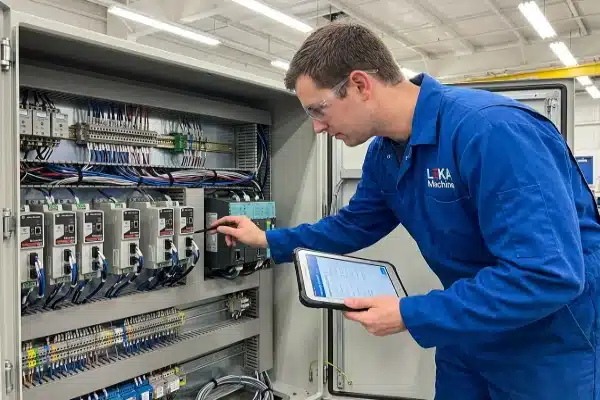
When we discuss warranties with our clients, the first thing we clarify is the "Warranty Gap." Most standard contracts state that the warranty period (typically 12-24 months) begins upon the Connaissement 1 date. However, shipping from China to Europe or North America, followed by customs clearance 2 and installation, can take 3 months. If you accept the standard terms, you lose 25% of your warranty coverage before the machine even blows its first bottle. You must strictly negotiate for the warranty to start upon "Final Acceptance" (commissioning).
All-Electric Specifics: Ball Screws vs. Hydraulics
Since you are buying an all-electric machine, you must pay attention to how mechanical wear is defined. Unlike hydraulic pumps which are rated by operating hours, electric ball screws 3 wear based on travel distance and load. A warranty based purely on "time" might be insufficient if you run high-speed cycles.
We recommend negotiating a warranty based on "Total Cycles" or "Linear Distance" for the clamping unit. Furthermore, verify the exclusion clauses regarding power quality. All-electric servos are highly sensitive to voltage fluctuations. Some manufacturers insert clauses that void the warranty due to "poor power quality." You must identify these and require the manufacturer to specify the exact line reactor 4 or transformer specs needed to maintain valid coverage.
Component Classification Table
It is vital to distinguish between what is covered and what is a "consumable." Ensure your contract reflects the following:
| Component Category | Standard Contract Status (Risky) | Negotiated Contract Status (Safe) |
|---|---|---|
| Servo Drives | Often listed as "Electrical Wear Part" | Standard Component (12-24 Months) |
| Heater Bands | Consumable (No Warranty) | Consumable (No Warranty) |
| Ball Screws | Wear Part (6 Months) | Mechanical Core (Cycles/Distance Rated) |
| PLC/HMI | Covered (12 Months) | Covered (Lifetime Software Patching) |
| Seals & O-rings | Consumable | Consumable |
Do you guarantee a response time for software troubleshooting?
When we troubleshoot remotely, every minute counts for your bottom line. A vague "we will reply soon" promise destroys your production schedule. You need guaranteed mobilization, not just an email receipt.
Demand a tiered Service Level Agreement (SLA) where "Response Time" means active technician mobilization or remote login, not just acknowledgment. Critical "machine down" events should trigger a response within 4 hours, while minor faults can allow 24 hours. Ensure this applies to software patching.
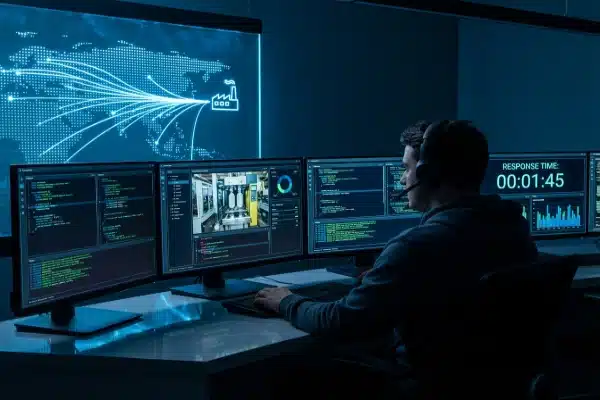
In the era of Industry 4.0 5, an all-electric machine is 100% software-dependent. If the software crashes, the machine is a brick. Many manufacturers offer a "24-hour response," but you must clarify what "response" means. If they define it as "an automated email acknowledging your ticket," you are in trouble. You must demand a contract that defines Response Time as "technician mobilization" or "remote login start."
Defining Severity Tiers
A "one size fits all" response time is impractical. You should push for a tiered Service Level Agreement 6 (SLA). For example:
- Severity 1 (Machine Down): The machine cannot produce. Response required within 4 hours.
- Severity 2 (Quality Issue): Machine runs but produces defects (e.g., uneven wall thickness). Response within 24 hours.
- Severity 3 (Minor): Non-critical alarms or questions. Response within 3 business days.
Source Code and "Escrow" Rights
This is a critical point that many buyers overlook. Since your machine runs on complex code, what happens if the manufacturer goes bankrupt? Or if they cease operations due to unforeseen global events? We always advise clients to insist on a Source Code Escrow 7 clause. This clause states that the PLC source code and administrator passwords will be released to you strictly in the event the manufacturer dissolves. Without this, you risk owning a machine that cannot be repaired or updated if the original vendor disappears.
Additionally, ensure the agreement includes free lifetime updates for "bug fixes" and "safety patches." You should distinguish these from "feature upgrades," which are typically billable. You should not have to pay to fix a bug that was present when the machine was delivered.
Is the cost of replacement servo drives included in the service agreement?
Our engineers know that electric machines rely entirely on servos for precision. If a drive fails and isn’t covered, you face massive bills. You must clarify their status immediately.
Servo drives and inverters must be defined as "standard components" warranting full replacement, rather than "wear parts" or "consumables." Check if the contract distinguishes between machine failure and process tuning, ensuring that re-tuning due to drive drift is included as a free service.
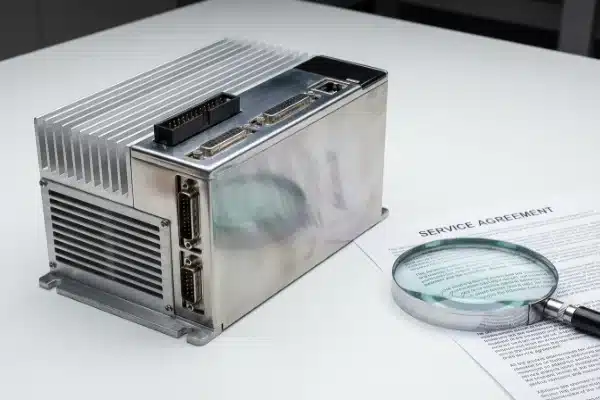
Servo drives are the heart of an all-electric EBM machine, and they are expensive—often costing between $5,000 and $15,000 per unit. A typical machine may have 4 to 8 of these drives. We have seen contracts where manufacturers sneakily classify servo drives 8 as "wear parts" similar to heater bands or thermocouples, offering only a 6-month warranty or excluding them entirely under "normal electrical wear."
The "Consumable" Trap
You must scrutinize the fine print to ensure servo drives and inverters are classified as "standard components." If a drive fails due to a manufacturing defect 9 within the warranty period, it must be replaced free of charge. If the contract is vague, the manufacturer might argue that the failure was due to "unstable power supply" at your factory (refer back to the Clean Power section in the first heading).
Tuning Support vs. Repair
Electric machines require complex servo-tuning to stop mold oscillation or carriage vibration. Over time, mechanical wear can cause the tuning to "drift." You need to clarify if re-tuning the machine is considered a "repair" (free under warranty) or "process optimization" (billable).
- Scenario A: The drive throws an error code and stops. This is a warranty repair.
- Scenario B: The machine works, but the mold closing is 0.2 seconds slower due to drift. This is often considered "tuning."
Ensure your contract explicitly states that re-tuning required to maintain the guaranteed cycle time is a free service during the warranty period.
| Item | Potential Cost (No Warranty) | Contract Requirement |
|---|---|---|
| Servo Drive Unit | $5,000 – $15,000 | 100% Parts & Labor Coverage |
| Tuning Service | $150/hour (Remote) | Included if specs are not met |
| Software Patch | $500 – $1,000 | Free Lifetime Bug Fixes |
How do we handle travel expenses for on-site repairs?
We often fly engineers globally, and travel costs add up incredibly fast. If you aren’t careful, a "free" warranty repair results in a $3,000 travel invoice.
Standard contracts often cover labor but charge for flights, hotels, and meals. Negotiate a "capped" travel cost or a "local service" clause. Ensure the agreement explicitly states who bears the cost of the high-speed internet connection or VPN hardware required for remote diagnostics.
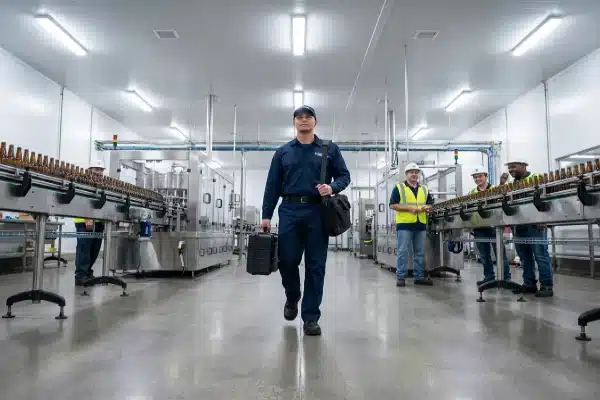
This is the most common source of disputes in after-sales service. A manufacturer might agree to fix a broken part for free, but then send you a bill for their engineer’s round-trip flight from China or Europe, their hotel stay, and their daily meals. For a 3-day repair, this could easily cost you over $3,000.
Negotiating Capped Costs
To protect your budget, you should negotiate a "capped" travel cost or a "local service" clause.
- Capped Cost: State that for warranty repairs, the customer’s contribution to travel expenses shall not exceed a fixed amount (e.g., $500), or that the manufacturer covers all travel expenses for the first 12 months.
- Local Service: Ask if they have local partners. If a technician can drive to your facility in 4 hours, it is much cheaper than flying someone internationally.
Remote Diagnostic Liability
Before an engineer even travels, remote diagnostics usually happen. You need to verify who bears the cost of the required high-speed internet connection or dedicated VPN hardware. Some manufacturers require a specific, expensive hardware router to allow them secure access to the PLC.
Furthermore, check for liability clauses regarding data security. When they remotely access your machine, they theoretically have access to your internal network. The contract should explicitly state that they are liable for any data breaches or viruses introduced during a session of remote diagnostics 10.
Travel Expense Checklist
When reviewing the contract, look for these specific line items:
- Flight Class: Ensure you are only paying for Economy class, not Business.
- Per Diem: Is there a fixed daily rate for food (e.g., $50)?
- Visa Fees: Who pays for the technician’s visa application?
- Waiting Time: If the technician arrives but your factory isn’t ready (e.g., no power), do they charge a "waiting fee"?
Conclusion
Clear contracts prevent future disputes and financial loss. Focus on servo coverage, specific response definitions, and travel caps to protect your investment and ensure continuous production.
notes de bas de page
1. Definition and legal implications of a Bill of Lading. ↩︎
2. Overview of import procedures and duty requirements. ↩︎
3. Technical guide to selecting ball screws for motion systems. ↩︎
4. How line reactors protect VFDs from power surges. ↩︎
5. Explanation of smart manufacturing and digital transformation. ↩︎
6. Best practices for defining service metrics and agreements. ↩︎
7. Protecting software assets through third-party escrow arrangements. ↩︎
8. Understanding the function and components of servo systems. ↩︎
9. Legal definition and liability for product manufacturing flaws. ↩︎
10. Benefits of remote monitoring for industrial maintenance. ↩︎


0 commentaires