

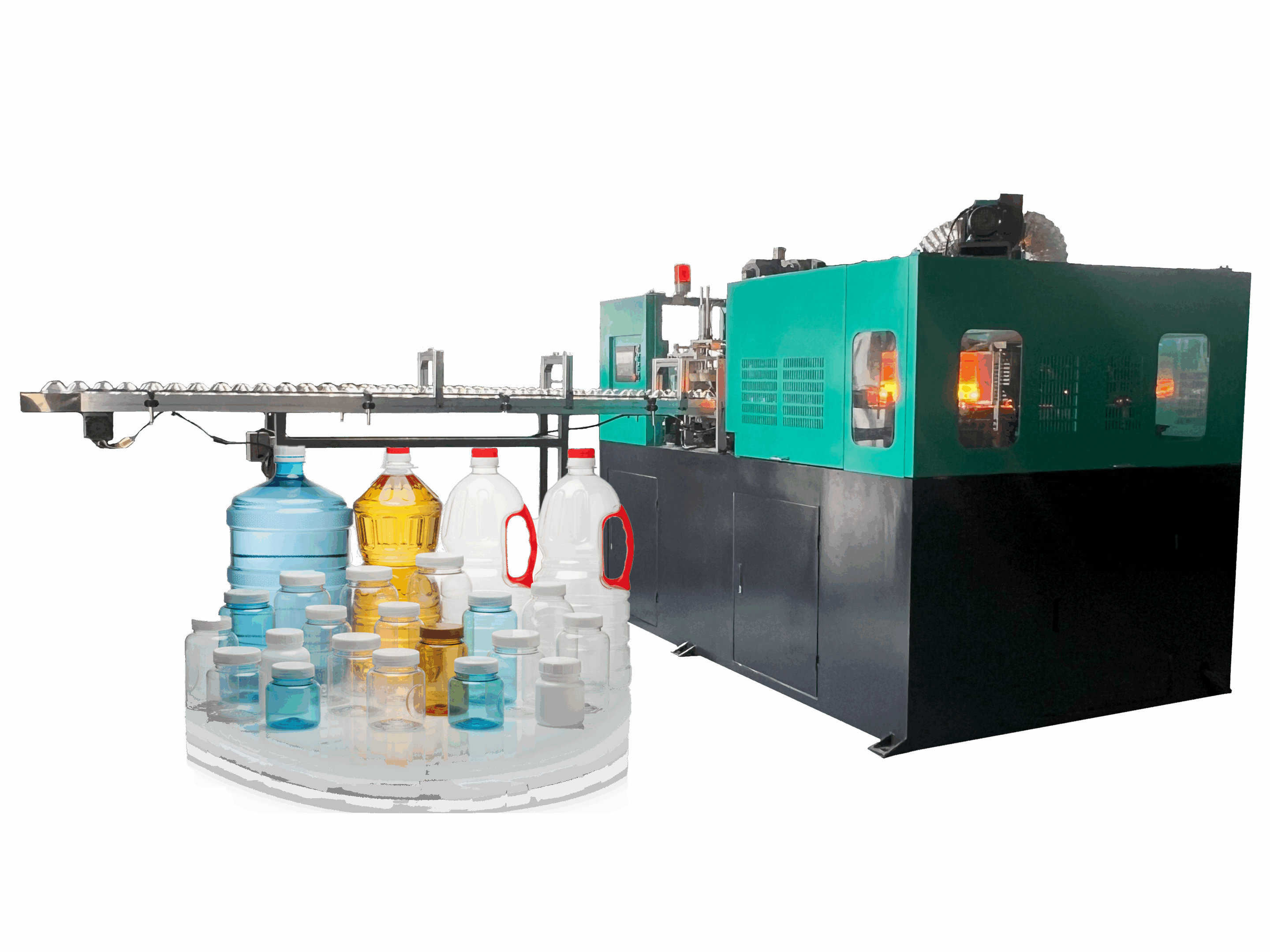
Introduction
Dans le secteur de l'emballage PET de haute précision, un écart de seulement 0,1 mm peut faire la différence entre un flacon cosmétique impeccable et des milliers de dollars de produit gaspillé. Pour les fabricants exigeant une constance absolue, le choix entre le soufflage en une ou deux étapes n'est pas qu'une question technique : c'est une décision commerciale cruciale.
Bien que les deux méthodes permettent de fabriquer des contenants en PET résistants, leurs approches sont radicalement différentes. Le procédé en une seule étape intègre l'injection, l'étirage et le soufflage en un seul processus continu, idéal pour les flacons pharmaceutiques exigeant une précision micrométrique. Le procédé en deux étapes, quant à lui, sépare ces étapes, privilégiant la rapidité pour la production en grande série de bouteilles de boissons. Ce guide vous permettra de faire le tri parmi les différentes options et de choisir la technologie la mieux adaptée à vos besoins de précision et de production.
Forts de plus de vingt ans d'innovation dans le moulage par soufflage, nous avons constaté à quel point un mauvais choix peut impacter tous les aspects, du gaspillage de matériaux à la conformité réglementaire. Nous détaillons ci-dessous les différences essentielles que la plupart des fabricants négligent lors du choix de leurs systèmes d'emballage PET.
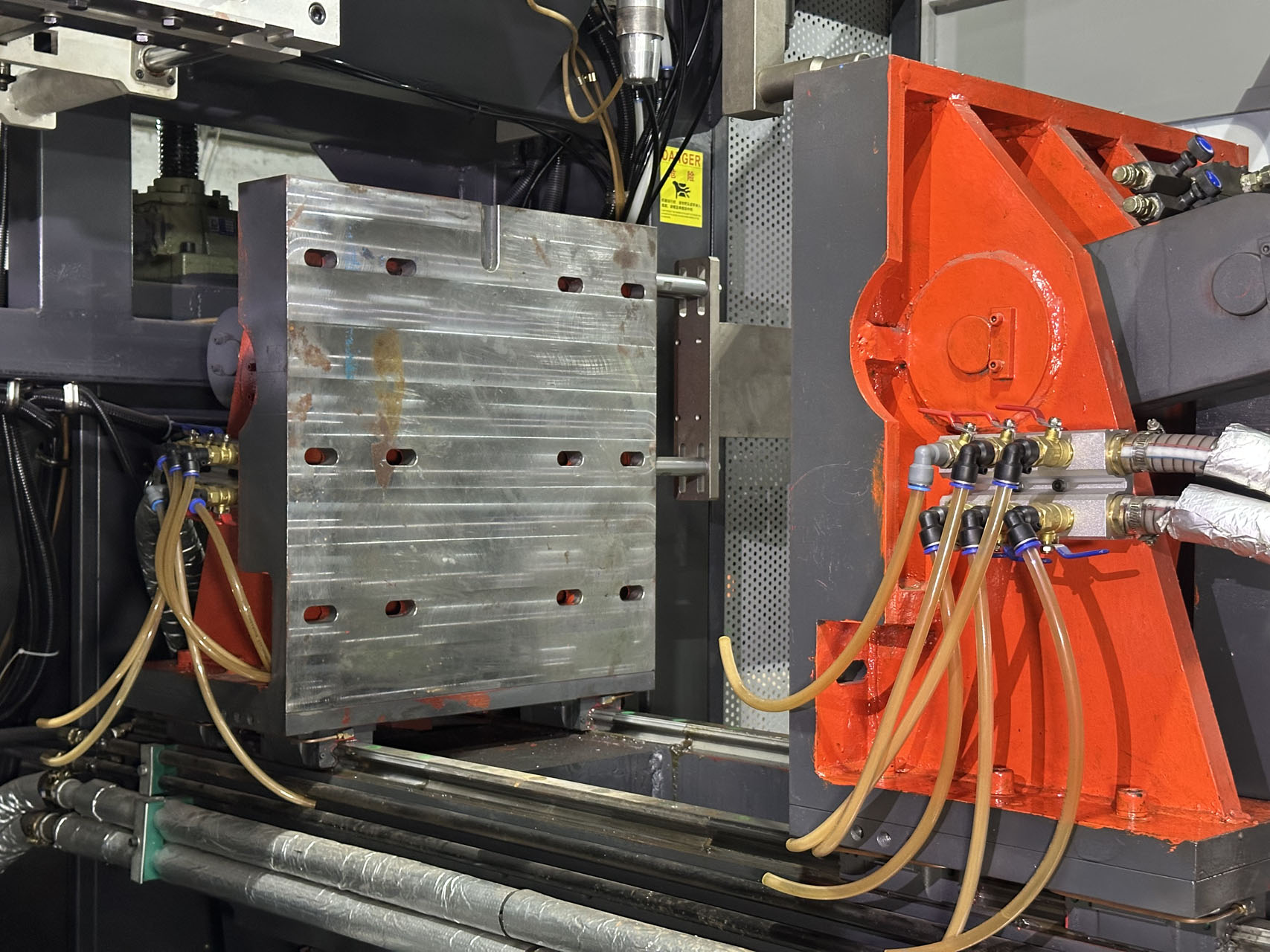
Principes fondamentaux de la technologie de moulage par soufflage du PET
“ Le moulage par soufflage de PET change la donne dans le domaine de l'emballage de haute précision, offrant une clarté, une durabilité et une recyclabilité inégalées pour des industries allant des boissons aux produits pharmaceutiques. ”
PET blow molding is a manufacturing process used to create lightweight, durable, and recyclable plastic containers. It involves heating PET (Polyethylene Terephthalate) resin, forming it into a preform, and then blowing it into a mold to create the final shape. This technology is widely used because PET is strong, clear, and safe for food and medical applications.
Qu’est-ce que le moulage par soufflage du PET ? Définition et principes clés
Le moulage par soufflage du PET transforme la matière PET brute en contenants creux tels que des bouteilles et des bocaux. Le procédé commence par la fusion de granulés de PET, qui sont ensuite injectés dans un moule de préforme. Cette préforme est ensuite chauffée et étirée à l'aide d'air comprimé pour former la forme finale du contenant. Son principal avantage ? L'homogénéité. Chaque bouteille est uniforme, ce qui est essentiel. rouler ou mourir pour les marques qui ont besoin d'emballages fiables.
Propriétés du PET : clarté, durabilité et recyclabilité
Le PET est apprécié pour sa transparence cristalline, ce qui le rend idéal pour les produits où la visibilité est essentielle (comme les bouteilles de boissons). Il est également incassable et léger, réduisant ainsi les coûts d'expédition. De plus, le PET est recyclable à 100 % (100%), ce qui est en phase avec les objectifs de développement durable. Les marques utilisant le moulage par soufflage de PET peuvent ainsi mettre en avant l'aspect écologique de leurs emballages, un atout majeur pour séduire les consommateurs.
Aperçu des procédés de moulage par soufflage : mono-étape vs bi-étape
Le soufflage mono-étape combine la création de la préforme et le soufflage dans une seule machine, idéal pour la production à grande vitesse de petits contenants (comme les flacons cosmétiques). Le soufflage bi-étape sépare ces étapes, permettant des formes plus complexes et des volumes plus importants (par exemple, les contenants industriels). Le choix dépend des besoins de production : rapidité (mono-étape) ou polyvalence (bi-étape).
Applications industrielles : des produits pharmaceutiques aux boissons
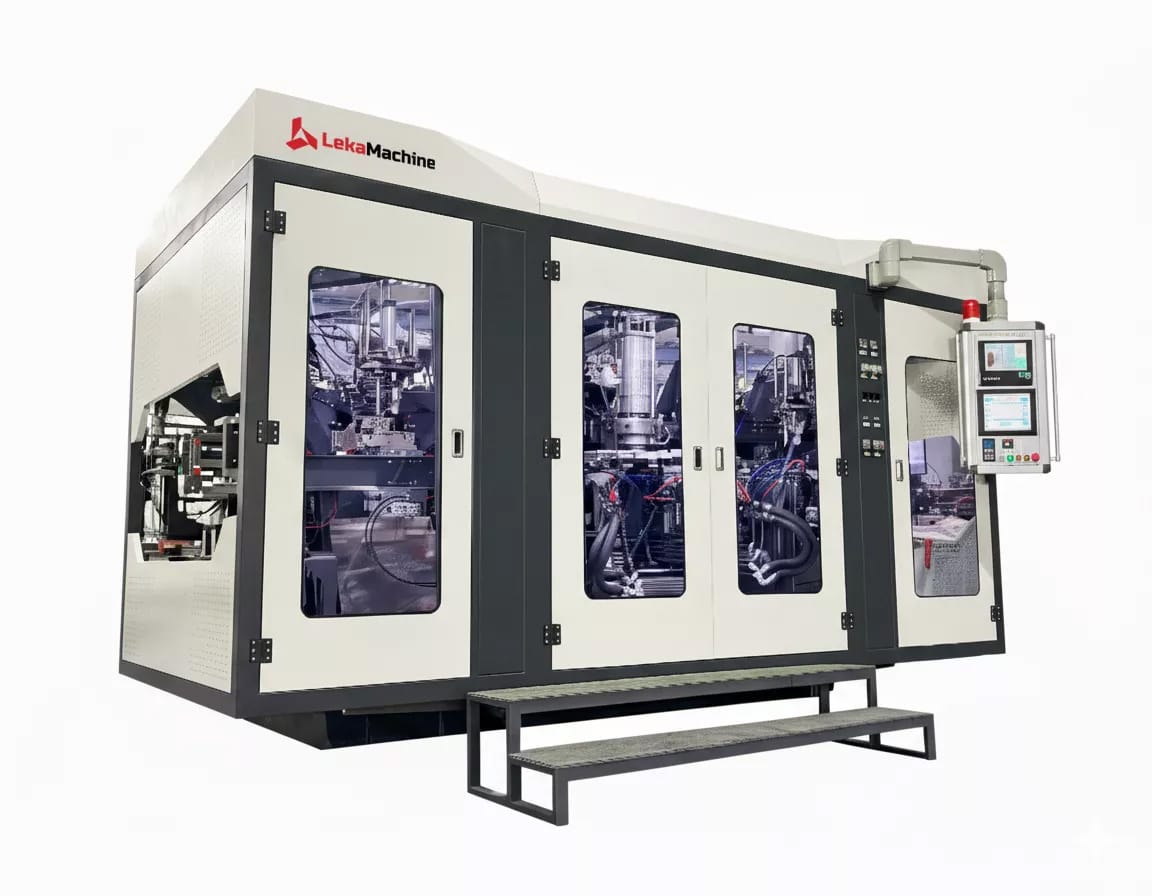
Le soufflage de PET est omniprésent. Les fabricants de boissons l'utilisent pour les bouteilles d'eau et de soda ; l'industrie pharmaceutique mise sur sa précision pour les flacons de pilules stériles. Même les marques de cosmétiques tirent parti de sa transparence pour les emballages de luxe. L'expertise de Lekamachine en matière de soufflage monobloc garantit à ces secteurs des solutions performantes et irréprochables.
Comparaison des performances du moulage par soufflage de PET
| Fonctionnalité | A un étage | En deux étapes | Meilleur pour | Lekamachine Spécialité |
|---|---|---|---|---|
| Vitesse | Élevée (jusqu'à 1 500 bouteilles/heure) | Modéré (800-1 200 bouteilles/heure) | Production de masse | ✓ |
| Précision | Excellent | Bon | Produits pharmaceutiques/cosmétiques | ✓ |
| Économies de matériaux | 5-10% moins de déchets | Standard | Opérations sensibles aux coûts | ✓ |
| Temps de préparation | 30 minutes | 1 à 2 heures | Changements rapides | ✓ |
| Consommation d'énergie | 15% inférieur | Standard | Durabilité | ✓ |
Pour les entreprises privilégiant la rapidité et la précision, le soufflage PET en une seule étape est la solution idéale. Les machines Lekamachine excellent dans ce domaine, grâce à leurs conceptions écoénergétiques qui réduisent les coûts sans compromettre la qualité. Que vous conditionniez des vitamines ou de la vodka, la compréhension de ces principes fondamentaux vous permettra de choisir le procédé le plus adapté.

Moulage par soufflage en une seule étape : précision et répétabilité
“ Le moulage par soufflage en une seule étape offre une précision au micron près pour les emballages PET, ce qui le rend idéal pour les industries où la constance et la qualité sont non négociables. ”
Le moulage par soufflage en une seule étape combine l'injection, l'étirage et le soufflage en un seul procédé continu, créant ainsi des contenants en PET de haute précision et d'une régularité inégalée. Cette méthode est particulièrement précieuse pour les emballages cosmétiques et pharmaceutiques où la précision dimensionnelle est essentielle.
Décomposition du procédé : Injection, étirage et soufflage en une seule étape
Le procédé en une seule étape commence par la fusion de granulés de PET, qui sont ensuite injectés dans un moule de préforme. Toujours dans la même machine, la préforme est chauffée, étirée longitudinalement, puis dilatée radialement à l'aide d'air comprimé pour obtenir la forme finale du contenant. Cette approche intégrée élimine les manipulations entre les étapes, réduisant ainsi les risques de contamination et améliorant l'efficacité.
Principaux avantages : Précision dimensionnelle et homogénéité du moule
Le moulage par soufflage en une seule étape permet d'atteindre des tolérances de ±0,02 mm, essentielles pour les applications pharmaceutiques. Les systèmes Lekamachine maintiennent une température constante à ±0,5 °C près tout au long du processus, garantissant une variation d'épaisseur de paroi inférieure à 51 TP3T – un avantage majeur par rapport aux méthodes en deux étapes qui présentent généralement une variation de 8 à 121 TP3T.
Applications idéales : Emballages cosmétiques et pharmaceutiques
L'industrie cosmétique bénéficie d'une finition de surface impeccable grâce au procédé en une seule étape, tandis que les entreprises pharmaceutiques misent sur sa capacité à maintenir des conditions stériles. Avec des cadences de production de 1 200 à 1 500 flacons par heure, ce procédé est économiquement viable pour les productions de moyennes et grandes séries.
Étude de cas : Les solutions monoblocs de Lekamachine en action
| Métrique | Défi du client | Solution Lekamachine | Résultats obtenus |
|---|---|---|---|
| Flacons compte-gouttes pharmaceutiques | Exigence de tolérance de ±0,03 mm | Machine monobloc personnalisée avec zones de température de précision | Consistance de 0,025 mm, 30% moins de déchets de matière |
| Pots cosmétiques de luxe | Éliminer les lignes de séparation visibles | Conception de moule brevetée avec micro-canaux de refroidissement | Finition impeccable, taux de qualité de première passe de 99,21 % (TP3T). |
| Contenants nutraceutiques | Production conforme aux normes de la FDA | Système intégré prêt pour salle blanche | Aucun cas de contamination en 18 mois |
Pour les fabricants qui hésitent entre le soufflage mono-étape et bi-étape, le choix se résume souvent à un compromis entre les exigences de précision et le volume de production. L'expertise de Lekamachine en matière de technologie mono-étape offre la solution idéale lorsque la précision et la répétabilité au micron près sont primordiales.

Moulage par soufflage en deux étapes : évolutivité et efficacité
“ Le moulage par soufflage en deux étapes offre une efficacité de production inégalée pour les emballages PET à grand volume, permettant des cycles de production plus rapides et des coûts unitaires inférieurs. ”
Le moulage par soufflage en deux étapes sépare les processus de moulage des préformes et de soufflage, créant ainsi un flux de production optimisé pour la production en série. Cette méthode est particulièrement avantageuse pour les fabricants de contenants alimentaires, de boissons et industriels qui privilégient la productivité et la rentabilité.
Décomposition du processus : Moulage et soufflage des préformes séparés
Le procédé en deux étapes commence par le moulage par injection de granulés de PET en préformes, qui sont ensuite refroidies et stockées. Dans une opération distincte, ces préformes sont réchauffées et soufflées pour obtenir la forme finale des contenants. Cette approche découplée permet une optimisation spécifique de chaque étape et une planification de la production flexible.
Principaux avantages : délais de production plus courts et coûts unitaires réduits
Le moulage par soufflage en deux étapes permet d'atteindre des cadences de production de 2 000 à 3 000 bouteilles par heure, soit environ 30 à 40 % plus rapide que les systèmes en une seule étape. Les systèmes en deux étapes personnalisés de Lekamachine permettent de réduire la consommation d'énergie jusqu'à 20 % par rapport aux moyennes du secteur, tout en garantissant une épaisseur de paroi constante à 7 % près.
Applications idéales : Contenants alimentaires, de boissons et industriels
L'industrie des boissons tire particulièrement profit du procédé en deux étapes pour les bouteilles d'eau et de soda, tandis que les fabricants de produits alimentaires apprécient son efficacité pour les contenants de condiments et d'huile. Les applications industrielles exploitent la capacité de cette méthode à produire de grands contenants (jusqu'à 20 litres) avec une qualité constante.
Étude de cas : Production en grande série avec les systèmes à deux étages de Lekamachine
| Client | Défi | Solution | Résultats |
|---|---|---|---|
| embouteilleur de boissons | Augmenter la production à 2 millions de bouteilles par jour | Système personnalisé à 48 cavités avec contrôle de qualité intégré | 2,4 millions de bouteilles/jour, réduction de l'énergie de 15% |
| Emballages alimentaires | Réduisez le poids du conteneur de 10% | Système de contrôle de précision | Économies de matériau grâce au 12%, résistance à l'éclatement maintenue |
| Conteneur chimique | Produire des conteneurs de 10 L avec une variation de poids < 5% | Machine robuste à deux étages avec servocommandes | Variante 3.8%, changements de format plus rapides avec 20% |
Lorsqu'il s'agit de comparer le soufflage en une étape et en deux étapes, les fabricants doivent tenir compte de leurs besoins en volume de production. La technologie en deux étapes de Lekamachine constitue la solution idéale lorsque l'objectif principal est de maximiser le rendement tout en minimisant les coûts unitaires.
Comparaison du moulage par soufflage en une étape et en deux étapes
“ Le choix entre le moulage par soufflage PET en une ou deux étapes dépend de vos priorités de production : précision ou volume. ”
Le soufflage de PET offre aux fabricants deux approches distinctes pour la création de contenants de haute qualité. La méthode en une étape excelle en termes de précision, tandis que la méthode en deux étapes est idéale pour la production en grande série. Comprendre ces différences permet aux entreprises de choisir la technologie optimale.
Précision contre vitesse : principaux compromis
Le soufflage monobloc offre une tolérance de ±0,02 mm, idéale pour les applications pharmaceutiques. Les systèmes biblocs (30-40%) sont plus rapides et produisent de 2 000 à 3 000 flacons par heure. Les machines monoblocs de Lekamachine maintiennent la température à ±0,5 °C près, tandis que leurs systèmes biblocs sont équipés d'outillage à changement rapide pour une production flexible.
Analyse des coûts : Investissement initial vs. Économies à long terme
| Facteur | A un étage | En deux étapes |
|---|---|---|
| Coût initial | Supérieur (20-30%) | Plus bas |
| Coût unitaire | Plus élevé | Inférieur (15-25%) |
| Consommation d'énergie | Standard | Économies 20% |
| Période de retour sur investissement | Plus long (18-24 mois) | Plus court (12-15 mois) |
Efficacité des matériaux et réduction des déchets
Le traitement en une seule étape réduit le gaspillage de matières premières de 5 à 101 TP3T grâce à une régulation intégrée de la température. Les systèmes en deux étapes compensent ce gaspillage par des avantages liés à l'achat de matières premières en vrac. Les services de conseil de Lekamachine aident les clients à optimiser l'utilisation des matières premières pour chaque méthode.
Guide d’aide à la décision : Quelle méthode correspond à vos besoins ?
Choisissez le procédé mono-étape pour les flacons pharmaceutiques, les contenants cosmétiques ou les applications exigeant une précision conforme aux normes FDA. Optez pour le procédé bi-étape pour la production à grande échelle de bouteilles de boissons, de contenants alimentaires ou d'emballages industriels. Les ingénieurs de Lekamachine peuvent analyser vos besoins spécifiques afin de vous recommander la solution de soufflage PET idéale.

Tendances futures et innovations dans le moulage par soufflage du PET
“ L’avenir du moulage par soufflage de PET réside dans les matériaux durables, l’automatisation intelligente et les solutions personnalisées qui répondent aux exigences changeantes de l’industrie. ”
Le moulage par soufflage du PET entre dans une ère d'innovation passionnante, grâce à de nouvelles technologies qui transforment la manière dont nous créons des solutions d'emballage. Ces avancées promettent une production plus durable, plus efficace et mieux adaptée aux divers besoins du marché.
Durabilité : PET recyclable et machines économes en énergie
L'industrie se tourne vers les matériaux PET recyclables et les systèmes en boucle fermée. Les dernières machines de Lekamachine réduisent la consommation d'énergie de 25 % par rapport aux modèles précédents, tout en maintenant des cadences de production de 1 500 à 2 000 bouteilles par heure. De nouveaux composés PET biosourcés font leur apparition, offrant la même transparence et la même durabilité avec une empreinte carbone réduite.
Intégration de l'automatisation et de l'industrie 4.0
| Innovation | Mise en œuvre actuelle | Développement futur | L'approche de Lekamachine |
|---|---|---|---|
| Connectivité IoT | Surveillance de base des machines | Maintenance prédictive | Programme pilote en 2024 |
| Contrôle de Qualité par IA | systèmes d'inspection visuelle | Ajustement en temps réel | En développement |
| Optimisation énergétique | variateurs de vitesse | Intégration au réseau intelligent | Brevet en instance |
Personnalisation et conception de moules avancée
Les technologies de moules de nouvelle génération offrent une flexibilité de conception sans précédent. L'équipe R&D de Lekamachine est pionnière dans le développement de surfaces micro-texturées pour une meilleure adhérence et de systèmes d'étiquetage intégrés qui éliminent les étapes de fabrication secondaires. Ces innovations permettent de réduire la consommation de matériaux de 8 à 12% tout en créant des emballages à l'esthétique unique.
La vision de Lekamachine pour l'avenir du moulage par soufflage
Nous envisageons un avenir où les machines de soufflage de PET seront auto-optimisées, à bilan énergétique positif et capables de changements de production instantanés. Notre feuille de route prévoit le développement de systèmes hybrides alliant la précision des procédés mono-étape à l'efficacité des procédés bi-étape, offrant ainsi aux fabricants le meilleur des deux mondes.

Conclusion
Après des années d'expérience dans l'industrie du soufflage, j'ai constaté à quel point le choix de la technologie d'emballage PET adaptée peut être déterminant pour le succès ou l'échec d'une ligne de production. Que l'on privilégie une précision micrométrique pour les produits pharmaceutiques ou une cadence de production élevée pour les boissons, le choix entre le soufflage en une ou deux étapes n'est pas seulement technique, il est stratégique.
L'essentiel est d'adapter votre machine aux exigences de votre produit. La scellage monobloc est idéal pour des flacons cosmétiques et des ampoules stériles impeccables, tandis que le scellage bibloc est une véritable révolution pour les contenants produits en série. Les deux offrent durabilité et transparence, mais leurs atouts répondent à des besoins différents.
Investir dans le bon système ne se contente pas d'optimiser la production ; cela pérennise vos emballages. Si vous hésitez entre précision et volume, souvenez-vous : le meilleur choix est celui qui correspond aux normes et aux objectifs de croissance de votre marque.
FAQ
Q1 : Qu'est-ce que le moulage par soufflage du PET ?
A1 : Le moulage par soufflage du PET est un procédé de fabrication qui permet de créer des objets creux, tels que des bouteilles et des contenants, à partir de polyéthylène téréphtalate (PET). Cette technique permet de produire efficacement des solutions d'emballage légères et durables.
Q2 : Comment fonctionne le moulage par soufflage du PET ?
A2 : Le procédé de moulage par soufflage du PET commence avec un tube en plastique préformé, qui est chauffé puis gonflé à l'air comprimé pour prendre la forme d'un moule. Ceci permet la fabrication de contenants de formes et de tailles variées.
Q3 : Quels sont les avantages du moulage par soufflage en une seule étape pour le PET ?
A3 : Le moulage par soufflage en une seule étape combine le moulage de la préforme et le soufflage de la bouteille dans une seule machine. Cette méthode offre des avantages tels qu'une cadence de production plus rapide, des coûts réduits et une meilleure précision dimensionnelle.
Q4 : Quelles sont les différences entre le soufflage de PET en une étape et en deux étapes ?
A4 : Dans le soufflage en une étape, la préforme est moulée et soufflée en bouteille dans le même cycle, tandis que dans le soufflage en deux étapes, la préforme est réalisée dans un premier processus puis soufflée en bouteille dans un processus distinct. Le procédé en deux étapes est généralement plus polyvalent mais peut être plus lent.
Q5 : Quelles sont les applications des bouteilles en PET produites par soufflage ?
A5 : Les bouteilles en PET produites par soufflage sont largement utilisées pour l'emballage de boissons telles que l'eau, les jus et les sodas, ainsi que pour divers produits ménagers et articles de soins personnels en raison de leur légèreté et de leur durabilité.
Q6 : Quels facteurs influencent la précision dimensionnelle dans le soufflage de PET ?
A6 : La précision dimensionnelle dans le soufflage de PET est influencée par des facteurs tels que la conception de la préforme, la température du moule, la pression d'air pendant le soufflage et les vitesses de refroidissement. Le contrôle approprié de ces éléments est essentiel pour obtenir des dimensions précises de la bouteille.
Q7 : Quel est l'impact environnemental du soufflage de PET ?
A7 : Le soufflage de PET peut avoir un impact environnemental significatif en raison de l'utilisation du plastique. Cependant, les progrès dans le recyclage du PET et la production de bouteilles à partir de matériaux recyclés (rPET) aident à réduire les déchets et à améliorer la durabilité.
Q8 : Quelles normes de sécurité s'appliquent à la fabrication des bouteilles en PET ?
A8 : La fabrication des bouteilles en PET est soumise à diverses normes de sécurité et de qualité, y compris les réglementations de la FDA pour les matériaux en contact alimentaire, garantissant que les bouteilles sont sûres pour l'emballage de produits consommables.
Liens externes
- Qu'est-ce que le soufflage de PET ?
- Guide complet des machines de soufflage de PET
- Processus de moulage par soufflage de bouteilles PET en une étape ou en deux étapes
- Le moulage par soufflage expliqué – Comment sont fabriqués les pots et les contenants en PET
- Solutions de soufflage efficaces pour bouteilles – Sidel
- Guide expert sur le soufflage de bouteilles en PET
- Aperçu des systèmes de production de bouteilles en PET
- Solutions d'emballage – FlexBlow


0 commentaires