
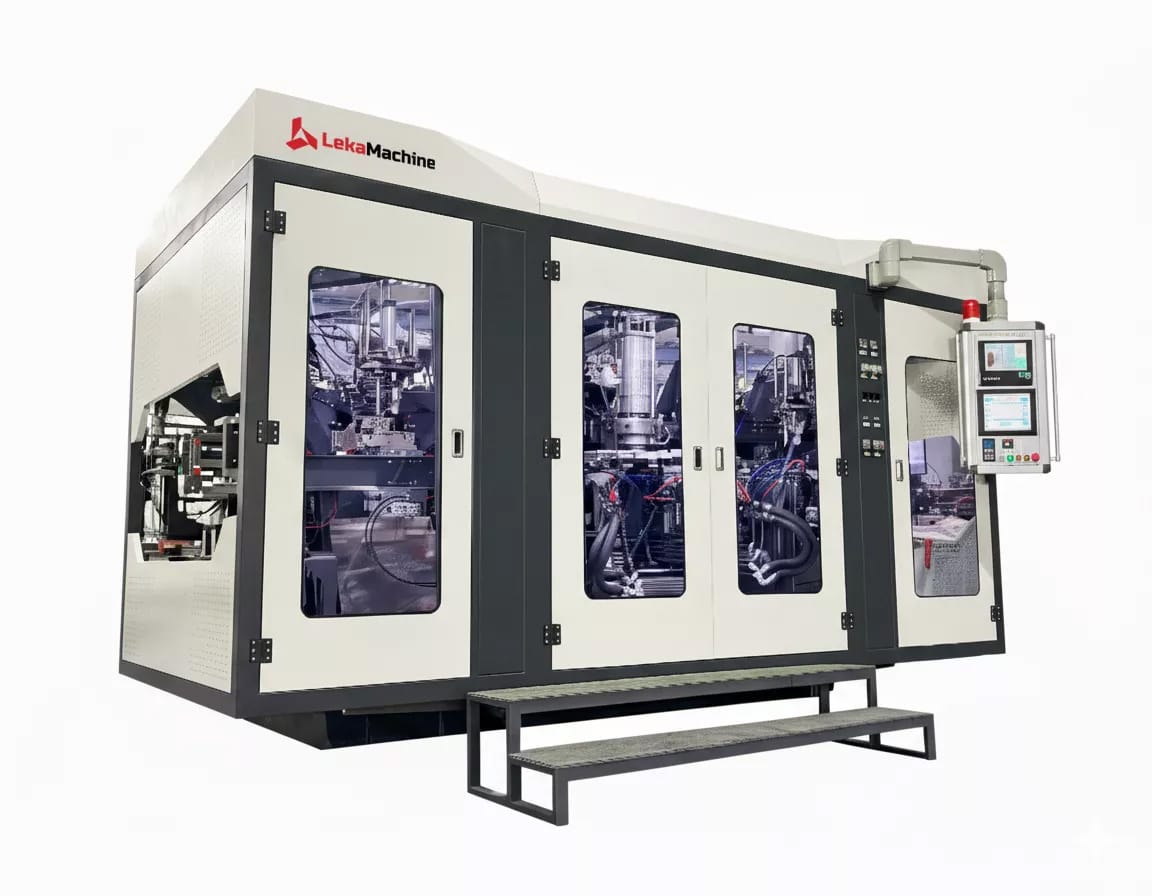
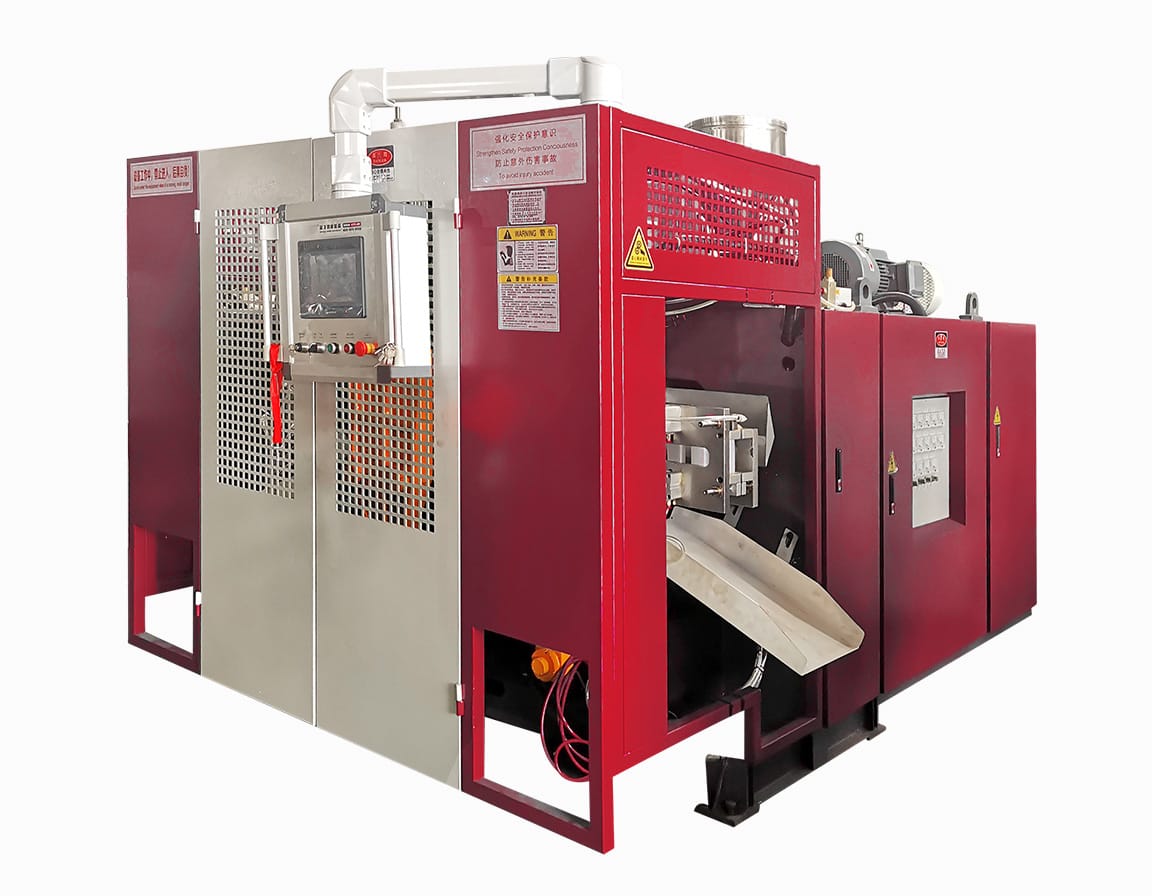
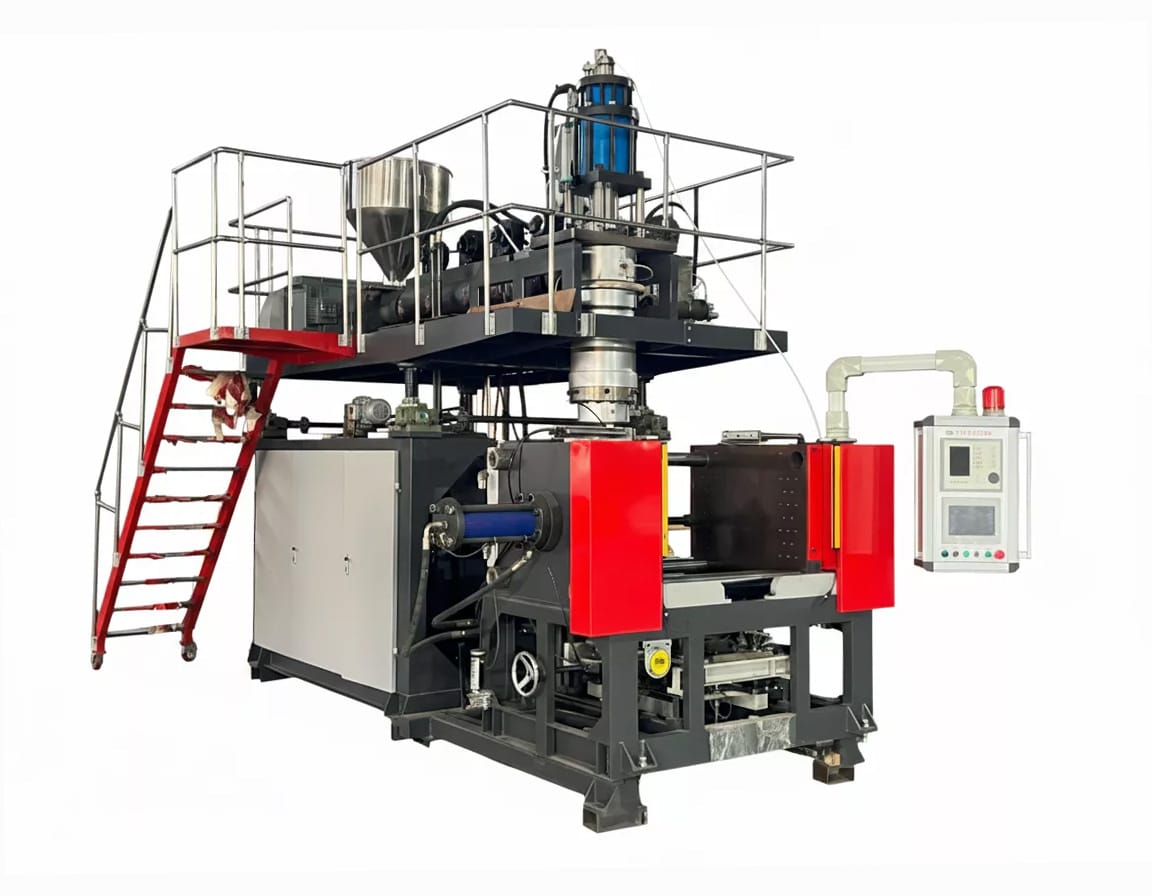
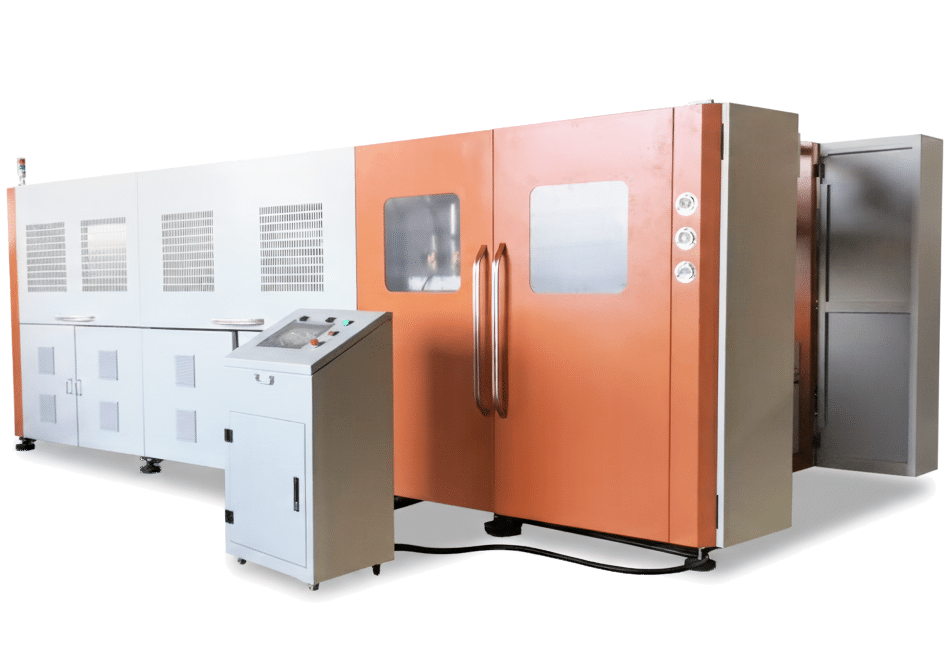
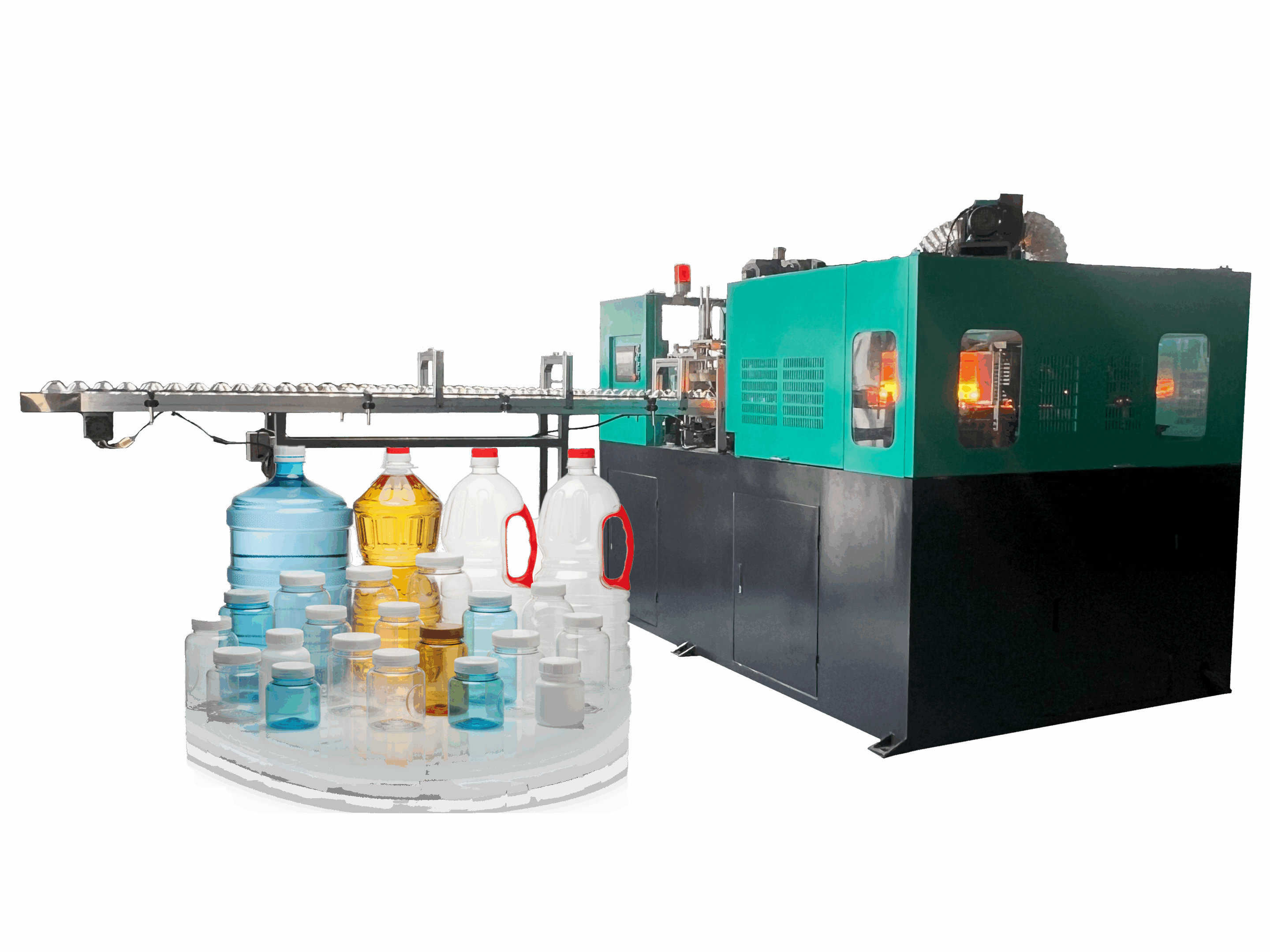
Machine de Soufflage par Extrusion Servo-électrique vs Hydraulique : Quel est le Retour sur Investissement Réel ?

When clients visit our factory floor, they often hesitate at the premium price tag of servo technology compared to traditional models. You might worry if the promised efficiency justifies the upfront cost, or if it is just marketing hype.
The payback is real and measurable. For most 24/7 operations, the Return on Investment (ROI) for a servo machine is between 18 to 36 months. This is driven by 40-60% energy savings, significantly lower maintenance costs, and scrap reduction, making the higher initial investment profitable in the long run.
Let’s break down the real numbers we see in production to help you decide which machine fits your business model.
How much electricity can I actually save with a servo system?
We consistently measure power draw on our test bench to validate savings claims for our customers. Are high electricity bills eating into your profit margins every month?
In our testing, servo-driven systems consistently reduce electricity consumption by 40% to 60% compared to standard hydraulic machines. This occurs because servo motors draw near-zero power during cooling and idle phases, whereas hydraulic pumps must run continuously to maintain line pressure.

To understand why the savings are so dramatic, we need to look at how the machine consumes power during a typical cycle. In a standard hydraulic blow molding machine, an induction motor drives a hydraulic pump. This pump runs at a fixed speed, 100% of the time. Even when the machine is sitting idle—for example, while the plastic bottle is cooling inside the mold—the motor is still spinning and consuming electricity to circulate oil. This is wasted energy.
induction motor 1
In contrast, the servo systems we install operate on a "power-on-demand" principle. The servo motor only spins when the machine needs to move (clamping, carriage movement, or pin adjustment).
servo motor 2
The "Cooling Phase" Factor
The cooling phase is critical for energy calculations. In blow molding, cooling often takes up 50% to 60% of the total cycle time. During this period:
- Hydraulic Machine: The pump continues to draw significant power.
- Servo Machine: The motor essentially stops. Power consumption drops to near zero.
If your electricity rate is high, this difference adds up fast. Below is a typical cost comparison based on a machine running 6,000 hours per year.
Table 1: Estimated Annual Energy Cost Comparison (100-Ton Machine)
| Facteur de coût | Standard Hydraulic | Servo-Hydraulic / All-Electric | Épargne |
|---|---|---|---|
| Average Power Draw | 45 kW | 20 kW | 25 kW reduction |
| Annual Operating Hours | 6,000 hours | 6,000 hours | – |
| Total kWh Consumed | 270,000 kWh | 120,000 kWh | 150,000 kWh |
| Cost @ $0.15/kWh | $40,500 | $18,000 | $22,500 Saved |
| 5-Year Energy Cost | $202,500 | $90,000 | $112,500 Saved |
As you can see, the energy savings alone often pay for the price difference of the machine within the first two years.
Does a servo-driven carriage actually improve cycle times and output?
When we calibrate machines for export, we notice distinct speed differences in carriage movement. Are you frustrated by sluggish cycle times capping your daily production targets?
Yes, servo carriages improve dry cycle times by 0.5 to 1.0 seconds due to faster acceleration curves. However, remember that plastic cooling physics remain unchanged; while the machine moves faster, total output typically increases by about 5–8% rather than the theoretical maximum.

It is important to be realistic about speed. Sales brochures often highlight "Dry Cycle" times, which is how fast the machine moves without plastic. Servo motors are incredibly responsive. They have high torque and can accelerate or decelerate the heavy carriage much faster than hydraulic cylinders. This can shave nearly a second off the mechanical movement time.
However, we always remind our clients of the "Cooling Floor." No matter how fast the carriage moves, the plastic still needs time to harden in the mold. If your bottle needs 15 seconds to cool, a servo motor cannot change that.
The "Monday Morning" Advantage
There is an often-overlooked speed advantage: the Cold Start.
- Hydraulic: Requires 30–60 minutes to warm up the oil. If you run cold, the oil viscosity is wrong, leading to unstable production.
- Servo/Electric: It is ready immediately. You turn it on, and it is ready to produce consistent bottles.
For a factory running 6 days a week, saving one hour of warm-up time every Monday morning adds up to 50 extra hours of production per year.
H3 – Where Servo Wins on Speed
- Carriage Shuttle: Faster movement between the extrusion head and the calibration station.
- Mold Open/Close: Snappier response times reduce dead time.
- Simultaneous Movements: All-electric systems can easily perform multiple actions (e.g., lifting the head while opening the mold) without losing hydraulic pressure.
Will my maintenance costs decrease enough to justify the higher price?
Our service team sends far fewer spare parts to customers who operate all-electric models. Is downtime from leaking valves, ruptured hoses, and mandatory oil changes killing your efficiency?
Maintenance costs for all-electric servo machines drop by approximately 50–60% because they eliminate hydraulic oil changes, filter replacements, and valve cleaning. This effectively removes the most common failure points of traditional blow molders, significantly reducing both parts/labor costs and unplanned downtime.
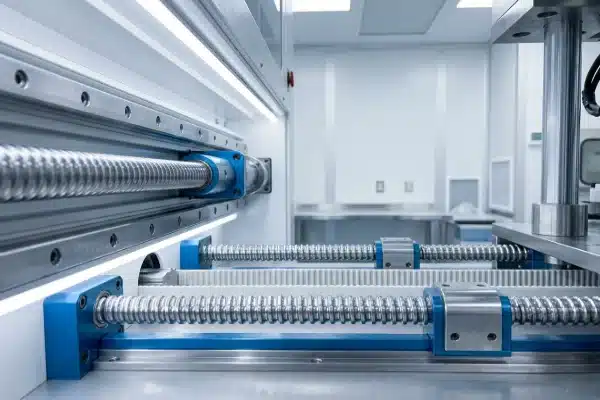
Traditional hydraulic machines are "wet" systems. They rely on oil, pressure, and seals. Over time, heat breaks down the oil, seals crack, and valves get clogged with sludge. This leads to inevitable leaks and messy shop floors.
In our experience, the hidden costs of hydraulic maintenance are high. You aren’t just paying for the oil; you are paying for the disposal of hazardous waste. Eliminating 200+ liters of hydraulic fluid removes the expense of licensed waste oil removal, spill kits, and potential environmental fines.
hydraulic fluid 3
Compliance and Noise Levels
Another maintenance aspect is the working environment. Hydraulic pumps generate a constant hum, typically 80–90 dB. This often requires you to build expensive soundproof enclosures to meet safety regulations. Servo machines are much quieter, usually running at 65–70 dB. Your operators can speak at a normal volume next to the machine.
Below is a breakdown of the maintenance tasks you can eliminate or reduce by switching technologies.
Coût total de possession 4
Table 2: Maintenance Task Comparison
| Maintenance Task | Hydraulic Machine | Servo / All-Electric | Frequency Impact |
|---|---|---|---|
| Oil Changes | Mandatory & Expensive | None (or Minimal Gear Oil) | Eliminated |
| Filter Replacement | Frequent | Aucun | Eliminated |
| Leak Repair | Common (Hoses/Seals) | Aucun | Eliminated |
| Valve Cleaning | Regular requirement | Aucun | Eliminated |
| Greasing | Toggle system | Toggle system | Same |
| Sensor Calibration | Modéré | Faible | Reduced |
Can servo precision really reduce my material scrap rates?
We often troubleshoot wall thickness issues for clients using older hydraulic systems. Do weight fluctuations and high scrap rates constantly drain your raw material budget?
high-resolution encoders 5
Servo motors utilize closed-loop feedback to monitor position and torque in real-time, reducing parison weight variation to under ±0.1g. This precision drastically cuts material scrap rates caused by the "morning warm-up" drift common in temperature-sensitive hydraulic oil systems.

Precision is where servo technology truly shines. In a hydraulic system, the oil viscosity changes as it heats up. This means the machine operates differently at 8:00 AM than it does at 2:00 PM. The "drift" causes bottles to become heavier or lighter, forcing your operators to constantly adjust the settings. If they don’t catch it, you produce scrap.
disposal of hazardous waste 7
Servo motors do not suffer from temperature drift. They use high-resolution encoders to know the exact position of the screw or carriage down to the micron.
oil viscosity 8
Active "Sag" Compensation
One of the most advanced features we test is sag compensation. When extruding a large or long parison, gravity stretches the plastic, making the top thin and the bottom thick.
- Hydraulic: Struggles to react quickly enough to fix this.
- Servo: Can instantly vary the extrusion speed during the drop. It actively fights gravity.
This results in a bottle with perfectly uniform wall thickness. You don’t need to add extra material just to ensure the thinnest point meets the spec. This allows you to "lightweight" your bottle, saving resin on every single cycle.
moulage par soufflage 9
Table 3: Material Savings Potential
| Fonctionnalité | Impact on Production | Estimated Savings |
|---|---|---|
| Start-up Scrap | Reduced "warm-up" rejects | ~2% Material Savings |
| Weight Stability | No drift, tighter tolerances | ~3% Material Savings |
| Allègement | Optimized wall thickness | ~5% Material Savings |
| Total Impact | Consistent, lighter bottles | ~10% Total Resin Reduction |
Conclusion
While servo machines have a higher upfront cost, the payback is rapid. Through 40-60% energy savings, reduced maintenance, and material precision, they offer a lower Total Cost of Ownership for focused manufacturers.
hydraulic pump 10
notes de bas de page
- Defines the specific motor type used in standard hydraulic machines. ↩︎
- Provides technical background on the energy-efficient motor technology. ↩︎
- Details the medium used in hydraulic machinery and its maintenance requirements. ↩︎
- Defines the financial metric used to summarize the machine’s long-term value. ↩︎
- Explains the sensor technology used for precise position control. ↩︎
- Links to OSHA standards regarding occupational noise exposure mentioned in the text. ↩︎
- Official government resource regarding the handling of industrial waste oil. ↩︎
- Explains the fluid property that changes with temperature and affects performance. ↩︎
- General overview of the manufacturing process being discussed. ↩︎
- Explains the component responsible for circulating oil in traditional systems. ↩︎


0 commentaires