

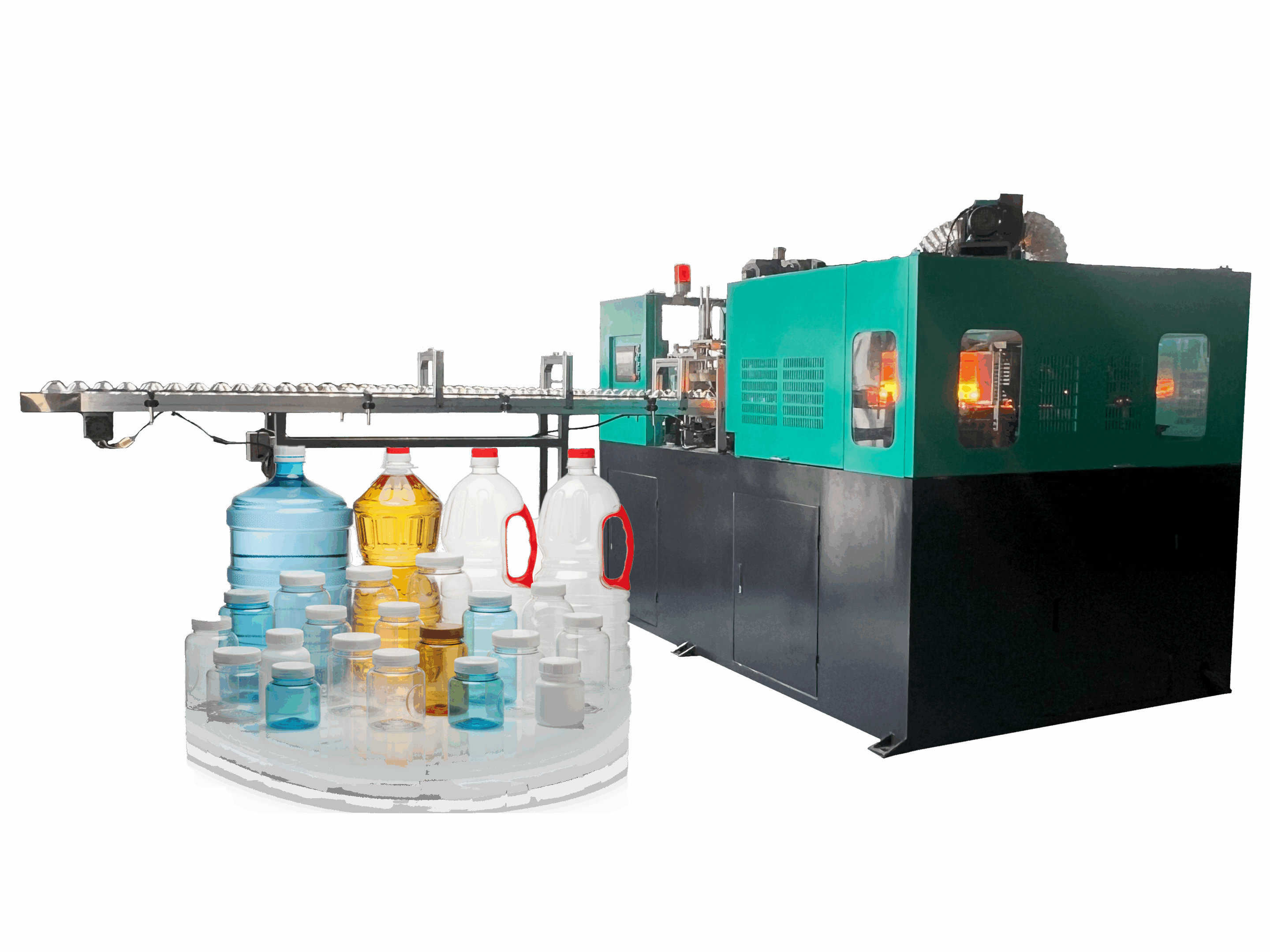
Comment dois-je gérer le certificat de fumigation pour les emballages en bois lors de l'importation d'une machine de moulage par extrusion-soufflage entièrement électrique ?

At our factory, we have seen machines sit idle at ports for weeks simply because the packaging paperwork did not match the physical stamps 1. Don’t let a minor crate detail become a costly logistical nightmare that halts your production launch.
For most international shipments, a paper fumigation certificate is insufficient; you must rely on the physical ISPM 15 IPPC stamp burned onto the wood. To ensure clearance, explicitly request Heat Treated (HT) packaging for electronics and verify that every crate and pallet bears a legible stamp before loading.
Let’s break down exactly what customs officers look for to keep your machine moving.
What specific ISPM 15 markings must be visible on the wooden crates to avoid customs delays?
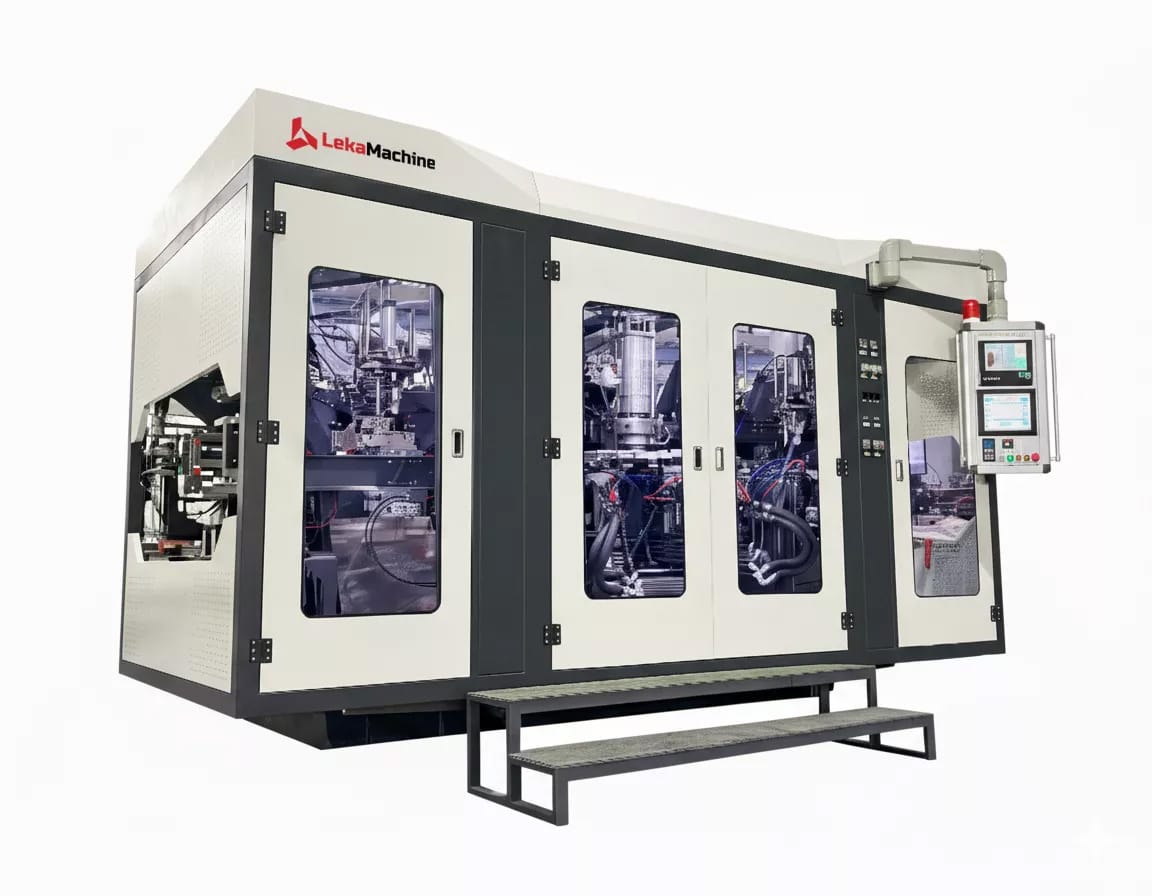
When we prepare our machines d'extrusion-soufflage 2 for export to Europe or the US, our logistics team double-checks every single pallet. A single missing or illegible mark on a wooden skid can cause the rejection of an entire container.
To comply with customs regulations, every wooden crate must display a legible IPPC stamp containing four specific elements: the wheat symbol, the ISO two-letter country code, the unique producer registration number, and the treatment code (HT or MB). These marks must be visible on at least two opposite sides.
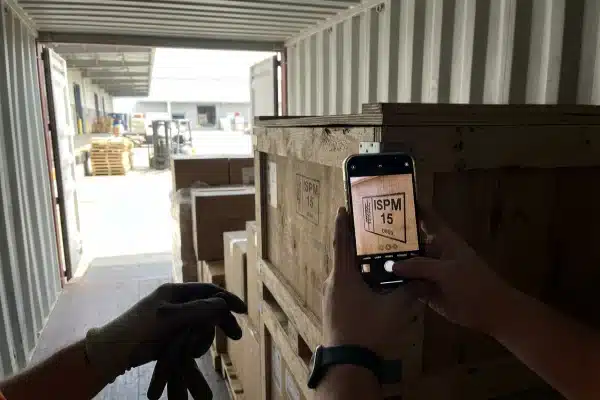
The "Wheat Stamp" is legally more important than any paper document you might hold. Customs officers in the US, Canada, and the EU are trained to look for the physical evidence on the wood itself. If the stamp is missing, the wood is considered untreated, regardless of what your commercial invoice 3 says.
The Anatomy of a Valid Stamp
To protect your investment, you need to know exactly what a compliant stamp looks like. It is not enough for the wood to just have "some ink" on it. We often send our clients a guide so they can verify photos before we ship. The stamp must contain specific data points that trace the wood back to the treatment facility.
| Composant | Example | Fonction |
|---|---|---|
| IPPC Symbol | Wheat Ear Icon | The official logo certifying international compliance 4. |
| Country Code | CN (China), DE (Germany) | Identifies the country where the wood was treated. |
| Producer Code | 000 or 12345 | A unique ID for the specific treatment facility/provider. |
| Treatment Code | HT (Heat) or MB (Methyl Bromide) | Indicates the method used to kill pests. |
The "Hidden Dunnage" Risk
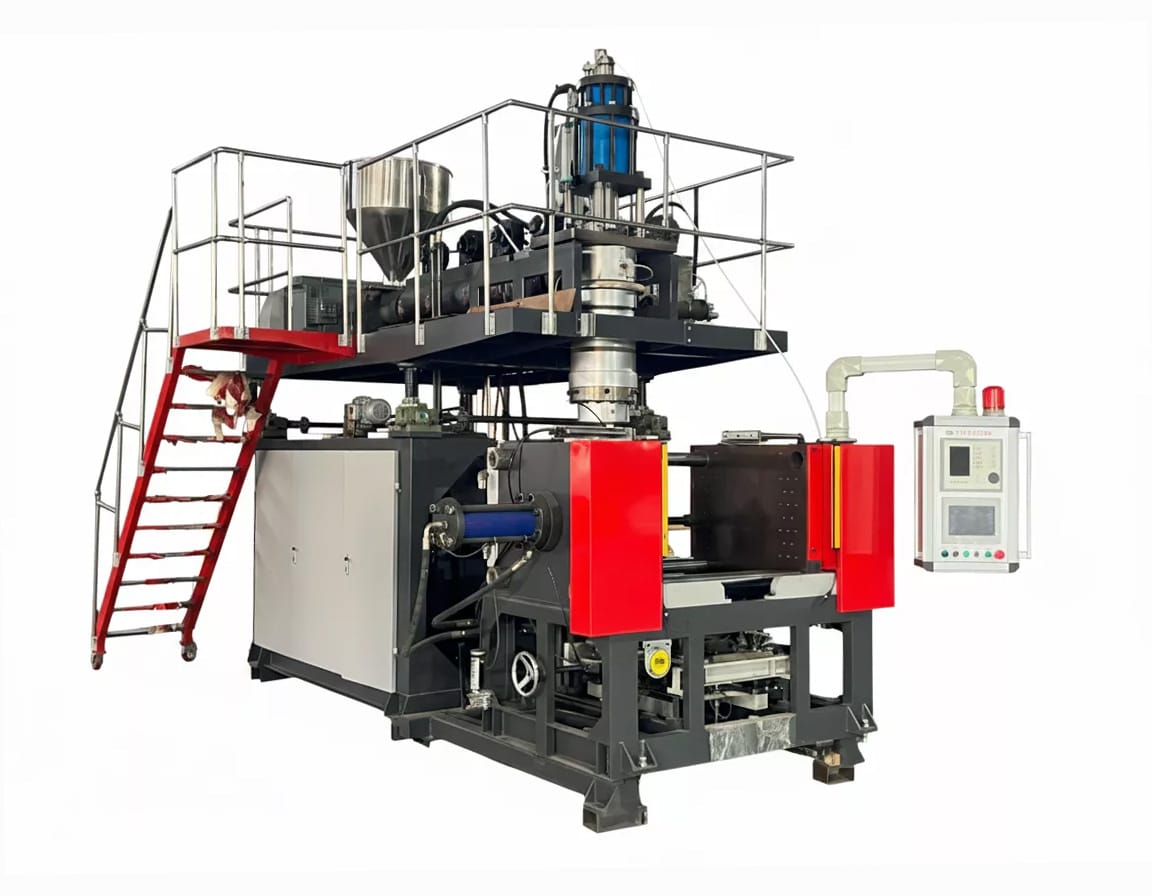
One critical area that many buyers overlook is the internal dunnage 5. When we secure a heavy blow molding machine inside a crate, we use heavy timber beams to block and brace the equipment so it does not shift during ocean transit.
Customs inspectors know this. They frequently open crates specifically to check these internal bracing timbers. If the external box is stamped but the internal blocking wood is not, the shipment is non-compliant. We ensure every piece of solid wood used—whether it is the outer shell or the inner brace—carries the mark. You must demand this level of detail to avoid the "Composite Trap," where a compliant plywood box is rejected because it sits on a solid wood pallet that lacks a stamp.
How early in the shipping process should I request the fumigation certificate from the supplier?
We advise our clients to address packaging requirements during the initial contract negotiation phase. Waiting until the machine is built and ready to ship often leads to rushed, non-compliant crating that puts the whole project at risk.
You must specify ISPM 15 compliance requirements immediately within your initial Purchase Order or contract, not just before shipping. Furthermore, require your supplier to submit high-resolution photos of the stamps on all crates and internal dunnage for your verification before the container is sealed and leaves the factory.
Many buyers assume that requesting a "fumigation certificate" is a standard administrative task done a few days before the ship sails. This is a dangerous misconception. The "certificate" is the stamp, and the stamp is applied when the crate is built. If you wait until the machine is packed to ask for proof, and the wood is untreated, the supplier has to unpack everything, destroy the crate, and build a new one.
The Pre-Loading Verification Protocol
We have established a strict protocol for our exports, and we recommend you enforce a similar one with all your suppliers. Do not rely on trust; rely on visual evidence. Once the container doors are sealed, it is too late to fix a missing stamp.
You should insert a clause in your contract that makes the supplier financially liable for all costs (return shipping, storage, and re-importation) if the shipment is denied entry due to Wood Packaging Material 6 (WPM) non-compliance. This focuses the supplier’s attention on getting it right the first time.
Documentation vs. Physical Marking
While the physical stamp is paramount, some countries (like Australia) may still request a paper certificate to accompany the shipment. However, for the US and EU, the paper is often secondary. The table below outlines when you should take action.
| Phase | Action Required | objective |
|---|---|---|
| Contract Signing | Include "ISPM 15 Compliance" & "Liability Clause" in PO. | Legally bind the supplier to correct packaging. |
| Production End | Confirm type of wood (Solid vs. Plywood) and treatment method. | Ensure no prohibited chemicals (like MB) are used. |
| 3 Days Before Loading | Request photos of stamps on all 4 sides et le internal dunnage. | Visual verification before the goods become inaccessible. |
| Documentation | Review Packing List to ensure it matches the stamp codes. | Ensure paperwork consistency for customs brokers. |
Can I request plywood packaging to completely avoid the need for fumigation and simplify import?
To simplify logistics for our customers who order spare parts or smaller auxiliary equipment, we frequently use plywood crates. This material choice is a strategic move because it eliminates the need for heat treatment paperwork entirely.
Yes, utilizing "processed wood" such as plywood, OSB, or particleboard completely exempts your shipment from ISPM 15 fumigation regulations. Because the manufacturing process involves glue, heat, and pressure, customs authorities do not view these materials as a pest risk, allowing you to bypass strict wood inspections and documentation checks.
If your machine size allows for it, plywood is the safest route for import compliance. The logic is simple: the intense processing required to make plywood makes it impossible for wood-boring insects 7 or larvae to survive. Therefore, ISPM 15 regulations do not apply.
The "Composite" Danger Zone
However, you must be vigilant about "hybrid" packaging. We have seen competitors ship machines in a plywood box, which looks exempt, but the box sits on a base (skid) made of raw, solid natural timber.
In the eyes of customs, if any component is solid wood—even just the corner cleats or the bottom runners—the entire package loses its exemption and must be treated and stamped. If you request plywood packaging to avoid fumigation issues, you must explicitly specify: "100% Processed Wood Packaging, including skids, runners, and internal blocking. No solid timber permitted."
Cost vs. Risk Analysis
Using plywood can sometimes be slightly more expensive than rough-sawn lumber, but the reduction in risk is often worth the premium.
- Speed: No need to wait for fumigation or heat treatment cycles.
- Certainty: Zero risk of fading stamps or illegible markings causing a hold.
- Cleanliness: Plywood generally sheds less dust and debris than raw timber.
If you are importing a massive extrusion blow molding system, a full plywood crate might not be structurally sufficient for the heavy clamping unit. In that case, solid wood is necessary. But for molds, die heads, or spare parts kits, plywood is the superior choice for hassle-free entry.
What happens if the fumigation documentation is missing or incorrect upon arrival at my port?
We have heard horror stories from industry contacts where buyers faced massive fines because of a single unmarked beam. The consequences of non-compliance are severe and, unlike missing commercial invoices, usually cannot be fixed with an email.
If wood packaging lacks a valid IPPC stamp, customs will likely order the immediate re-export of the entire shipment, as separating the machine from the crate is rarely permitted. This results in exorbitant return freight costs, storage fees, and severe project delays, with no option for local fumigation.
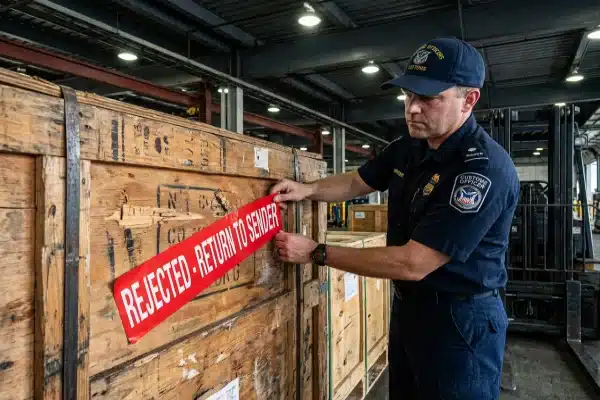
When a port officer identifies non-compliant wood, they view it as a biological threat to their country’s ecosystem (protecting forests from invasive beetles 8). They do not care that there is a valuable machine inside. Their primary goal is to get that wood off their soil immediately.
The Re-Export Nightmare
You might ask, "Can’t we just burn the crate at the port and take the machine?" Usually, the answer is no. Most ports prohibit the separation of cargo from non-compliant packaging due to the risk of pests escaping during the unpacking process.
This means your brand-new machine must be loaded back onto a vessel and shipped back to the country of origin. You will pay for:
- Ocean freight (both ways).
- Port storage fees (demurrage 9) while waiting for a return vessel.
- Administrative fines.
- The loss of production time (often 2 months or more).
Protecting Your Electronics: HT vs. MB
Aside from the stamp, the type of treatment matters for the health of your machine. There are two main treatment codes:
- HT (Heat Treatment): The wood is heated to 56°C for 30 minutes.
- MB (Methyl Bromide): The wood is fumigated with gas.
For an all-electric extrusion blow molding machine, you must insist on Heat Treatment (HT).
Methyl Bromide (MB) is a corrosive gas. If the crate is fumigated while the machine is inside (or if the wood releases residual gas), it can corrode copper connectors, silver contacts in servo drives, and sensitive PLC components. We have seen electronic failures occur weeks after installation due to corrosion started by Methyl Bromide 10 fumigation during transit. Always specify HT to protect your electrical components.
Summary of Risks and Solutions
| Risk Scenario | Consequence | Prevention Strategy |
|---|---|---|
| Missing Stamp | Immediate re-export of machine. | Photo verification before loading. |
| Illegible Stamp | Held for inspection/rejection. | Ensure distinct, burned, or stenciled marks. |
| MB Fumigation | Corrosion of servo drives/PLC. | Mandate HT (Heat Treatment) only. |
| Untreated Dunnage | Entire crate rejected. | Require stamps on internal bracing wood. |
Conclusion
Handling fumigation correctly is about prevention, not paperwork. By insisting on HT-stamped crates and verifying them via photo before shipment, you ensure your LEKA machine arrives safely and clears customs without expensive delays.
notes de bas de page
1. Global standards for phytosanitary measures in trade. ↩︎
2. Overview of the blow molding manufacturing process. ↩︎
3. Essential elements of a compliant commercial invoice. ↩︎
4. USDA guidelines for wood packaging import requirements. ↩︎
5. Definition and function of dunnage in shipping. ↩︎
6. US Customs rules for regulating wood packaging. ↩︎
7. Why processing wood eliminates pest survival risks. ↩︎
8. Profile of the Asian Longhorned Beetle threat. ↩︎
9. Explanation of port fees for cargo delays. ↩︎
10. EPA facts on Methyl Bromide phaseout and risks. ↩︎


0 commentaires