
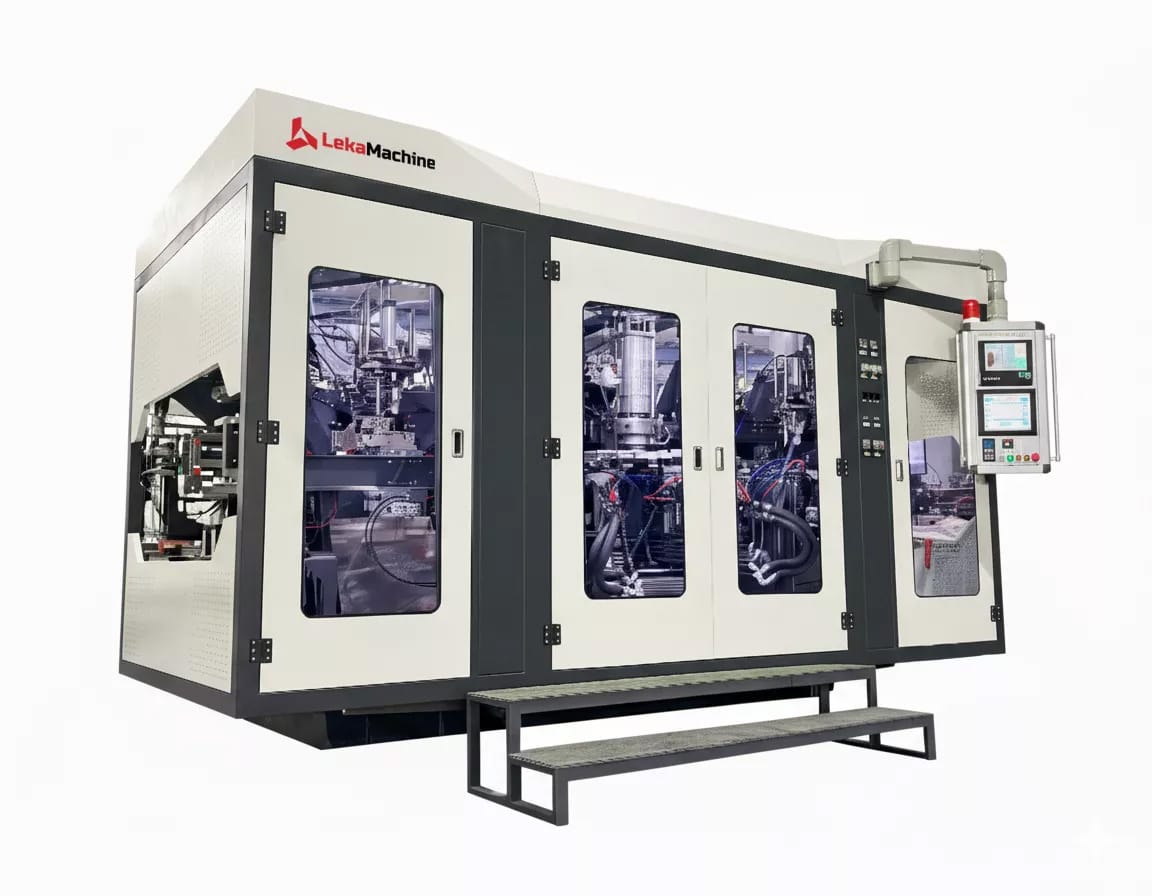
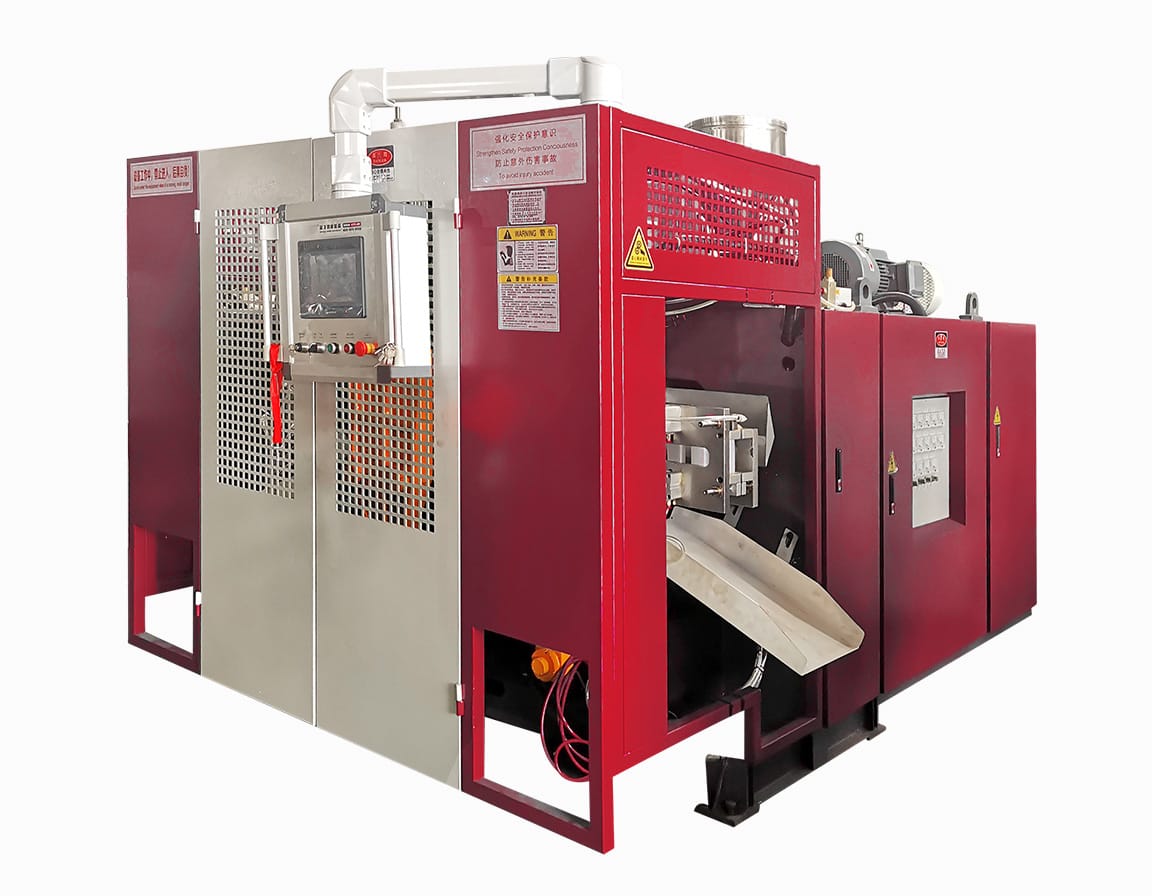
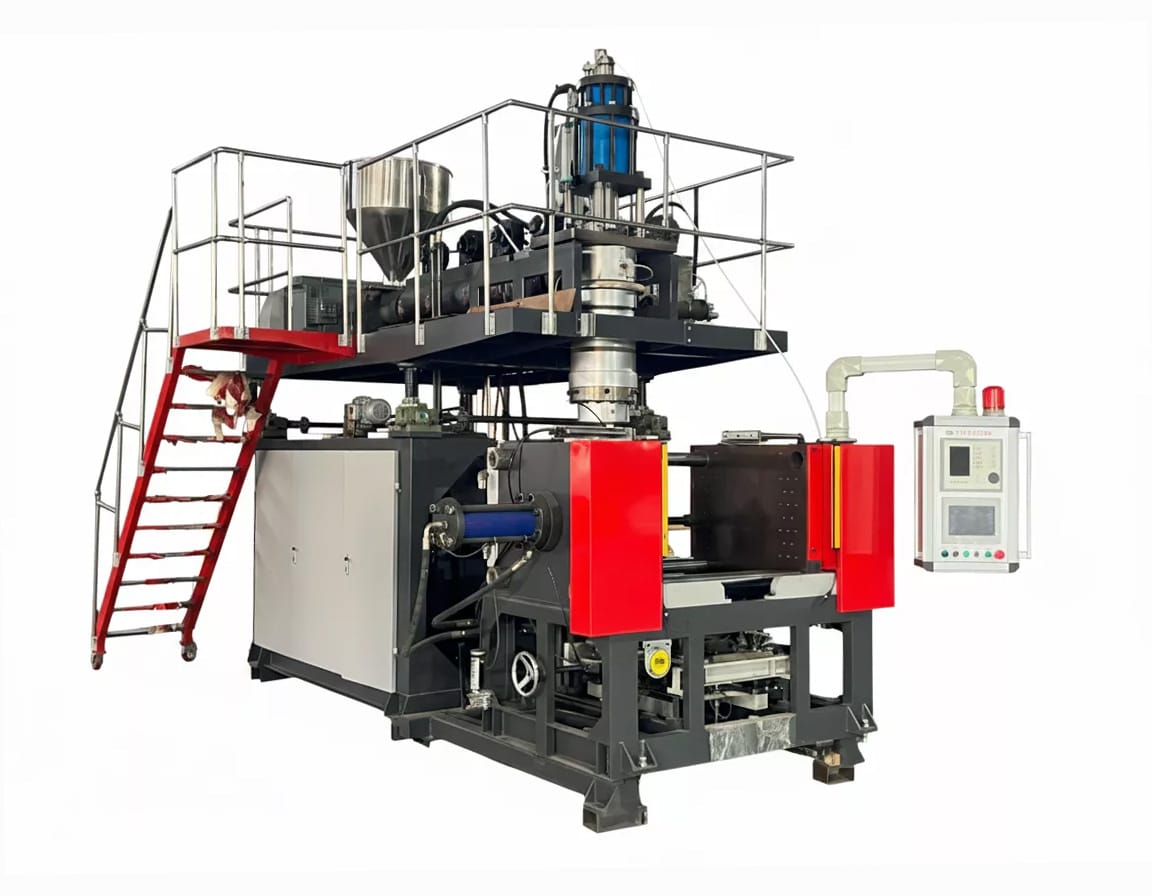
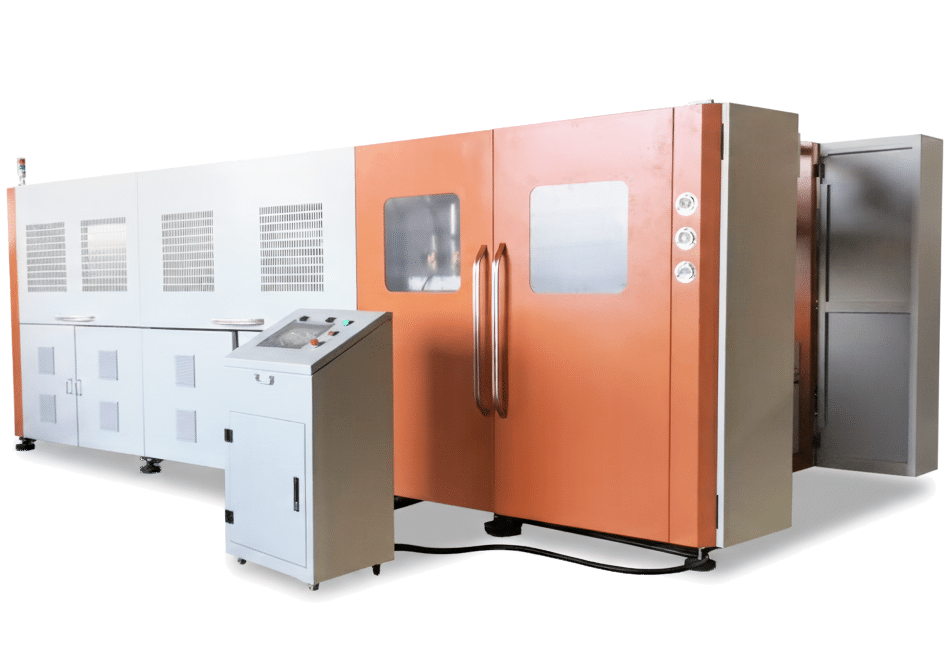
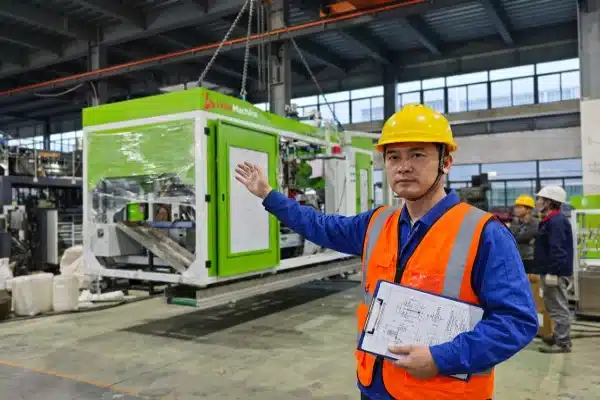
At our facility, we see the anxiety in a customer's eyes when a ten-ton machine hangs mid-air Center of Gravity (CoG) drawing 1. One slip can ruin months of production planning and financial investment. (28 words)
To safely unload an all-electric extrusion blow molding machine, you must first obtain the OEM's center-of-gravity schematics to prevent tipping. Use a spreader beam to avoid crushing the frame, strictly verify lifting equipment capacity, and prioritize overhead cranes over forklifts for stability and precision during placement. (46 words)
Let’s break down the specific engineering documents and equipment choices you need to ensure your new asset lands safely and functionality remains intact.
What lifting diagrams or center-of-gravity drawings must I request before the container arrives?
Before our machines even leave the loading dock, we spend hours calculating load distribution. Without these specific charts, your riggers are essentially guessing blindly, which invites disaster. (27 words)
You must request the detailed Center of Gravity (CoG) drawing and the Slinging Diagram from the manufacturer. These documents pinpoint the exact lifting eyes and required sling lengths to ensure the asymmetric machine remains perfectly level, preventing dangerous tilting or frame twisting during the hoist. (46 words)
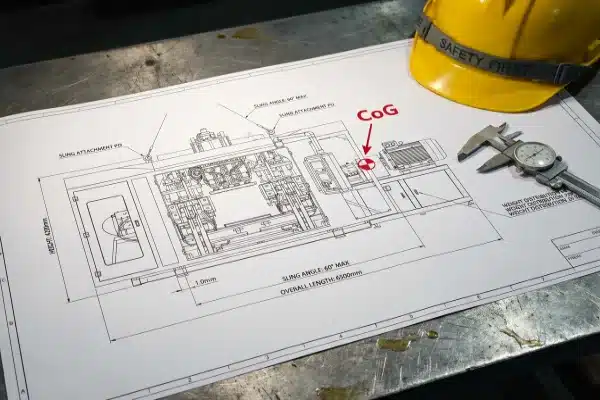
When you purchase an extrusion blow molding (EBM) machine, you are not buying a uniform box. You are buying a complex assembly with uneven weight distribution. Based on our manufacturing design, the extruder unit—which houses the heavy motor, gearbox, and screw barrel—is significantly heavier than the clamping station.
If your riggers assume the geometric center of the machine is the center of weight, the machine will tilt violently the moment it leaves the ground. This "pendulum effect" can snap chains or cause the machine to slide out of the slings.
The Importance of the Rigging Dossier
We provide a "rigging dossier" for a reason. This document guides your team on how to configure the lifting tackle. For our all-electric models, the frame is rigid but can be damaged by torsional stress 2.
- CoG Schematic: Shows the X, Y, and Z coordinates of the mass center.
- Slinging Plan: Specifies if you need shorter chains on the heavy side to keep the lift level.
The table below illustrates the consequences of missing documentation:
Risks of Missing Documentation
| Document Type | Fonction | Consequence of Absence |
|---|---|---|
| CoG Schematic | Identifies the true balance point of the machine. | Machine tips or flips upon lifting; potential injury. |
| Slinging Diagram | Shows attachment points and sling angles. | Frame warping due to improper compression forces. |
| Spreader Beam Spec | Dictates the width of the lifting bar. | Top guarding or cable trays get crushed by slings. |
Always forward these documents to your local rigging company at least one week before delivery. This allows them to bring the correct spreader beam 3s and shackles.
How do I determine if I need a crane or a heavy-duty forklift for unloading?
We often see customers try to save money by using existing factory forklifts, but our engineers strongly advise against this for large, top-heavy electric models. (26 words)
Choose a crane if the machine exceeds 8 tons or lacks dedicated fork pockets. Cranes offer superior stability via self-centering physics, whereas forklifts risk tipping forward due to the extended load center of long extrusion machines. Cranes also provide the millimeter-precision needed for bolt alignment. (47 words)
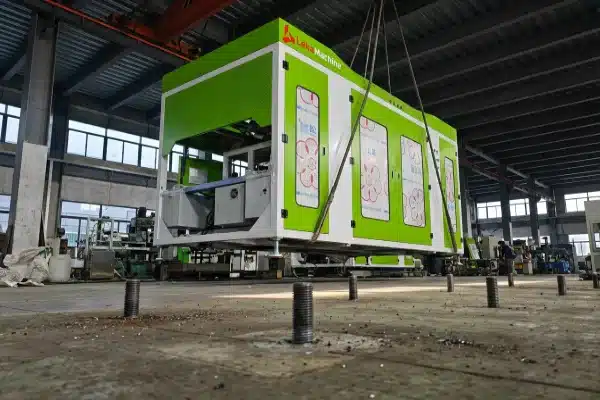
Deciding between a crane and a forklift is not just about lifting capacity; it is about geometry and physics. An Extrusion Blow Molding machine is long and often tall.
The Problem with Forklifts
Forklifts operate on a fulcrum principle 4. The front wheels act as the pivot point. If the load center of our machine is further out than standard pallets, the forklift's capacity drops drastically. Even if a forklift is rated for 10 tons, it might only lift 6 tons if the load center is 1.5 meters out.
Furthermore, forklifts lack finesse. The hydraulic controls can be jerky. When you are trying to place a machine onto foundation bolts that are only 20mm wide, a forklift driver has limited visibility and control.
Why We Prefer Cranes
At our factory, we almost exclusively use overhead cranes for assembly. The rope naturally hangs vertically. This means the load self-centers. It is safer and smoother. If you do not have an overhead crane, renting a mobile boom crane is a worthy investment.
- Stability: Cranes lift from above, eliminating the risk of the machine tipping over.
- Reach: A mobile crane can lift the machine from the truck and place it deep into your factory floor, bypassing obstacles.
Equipment Comparison Matrix
| Fonctionnalité | Mobile/Overhead Crane | Heavy-Duty Forklift |
|---|---|---|
| Stability | High (Self-centering) | Low (Risk of forward tip) |
| Précision | Millimeter accuracy | Rough / Jerky movements |
| Visibility | Excellent (Rigger directs operator) | Poor (Load blocks view) |
| Coût | High (Rental fees) | Low (If owned) |
| Temps de préparation | Slow (Needs outriggers) | Rapide |
If you must use a forklift, ensure the machine has a welded steel skid base designed for forks. Never lift the machine by the chassis frame directly with forks, as you will crush the electrical conduits running underneath.
What are the risks of damaging the servo motors during the lifting process?
When we calibrate our servo systems, we treat them like optical instruments. Rough handling during unloading can destroy this precision instantly, leading to costly downtime. (26 words)
Sudden impacts or vibrations during lifting can shatter the fragile optical encoders mounted on servo motors, causing immediate positioning errors. Additionally, rough handling causes "false brinelling" in the motor bearings, leading to noise and premature failure. Always use soft-start lifting techniques to protect these sensitive components. (47 words)
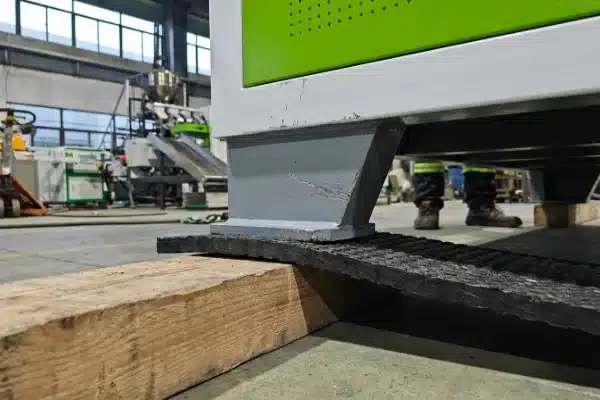
The heart of an all-electric blow molding machine is the servo motor system. Unlike hydraulic machines, which are robust chunks of iron and fluid, electric machines are precision instruments.
The Fragility of Encoders
Attached to the back of every servo motor is an encoder. optical encoders 5 This device tells the computer exactly where the mold is. Inside the encoder is a glass or plastic disc with microscopic lines.
If a crane operator drops the load too hard—even just a few inches—the shockwave travels through the frame and into the motor. This shock can shatter the encoder disc. The machine might look fine on the outside, but when you turn it on, it will not move because the "brain" cannot feel the "muscles."
False Brinelling in Bearings
Another risk is "false brinelling 6." This happens when the machine vibrates during transport or rough unloading while the motors are stationary. The ball bearings tap against the race, creating tiny dents.
When you start the machine, these dents cause:
- Audible whining or grinding noises.
- Overheating of the motor.
- Eventually, complete seizure of the shaft.
Protective Measures
To protect these components, we recommend the following during the lift:
- Soft Landings: Use rubber mats or wood blocks under the machine feet. Never set the machine directly onto concrete with a bang.
- Slow Movements: Avoid sudden starts and stops with the crane.
- Visual Check: Inspect the motor housings for dents. If the fan cover is bent, the encoder behind it might be broken.
Common Servo Damage Symptoms
| Composant | Damage Cause | Symptom on Startup |
|---|---|---|
| Optical Encoder | Impact shock | "Loss of Feedback" Error / Motor won't move |
| Motor Bearings | Vibration / Dropping | Screeching noise / High temperature |
| Power Cables | Crushed by sling | Short circuit / Blown fuses |
How should I inspect the shock indicators on the crate immediately upon arrival?
We attach ShockWatch labels to every crate to hold logistics carriers accountable. You must know how to read them before signing the receipt to protect yourself. (27 words)
Inspect the ShockWatch and TiltWatch indicators immediately for red activation, which signifies excessive impact or tilting. Do not refuse the shipment; instead, document the status on the Bill of Lading, take clear photos, and conduct a thorough internal inspection to preserve your right to insurance claims. (47 words)
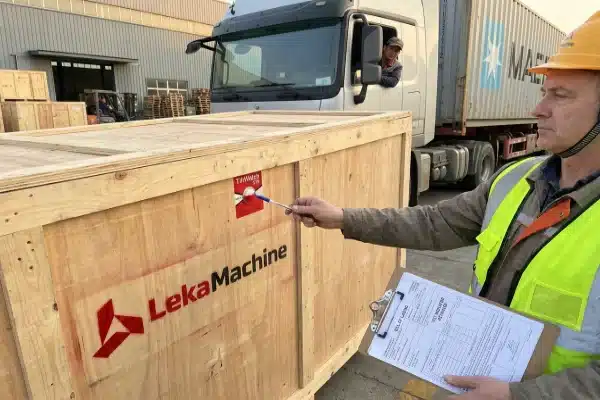
Logistics is a rough business. Your machine travels by truck, ship, and rail. To monitor this journey, we place "ShockWatch" (impact) and "TiltWatch" (tipping) indicators on the exterior packaging.
The Inspection Protocol
Do not just glance at the crate. You need a systematic approach before the driver leaves. Once you sign the Bill of Lading (BOL) without notes, you are accepting the machine "as is."
- Locate the Sensors: We usually place them on the corners of the main crate.
- Check the Color:
- White/Clear: Good. No dangerous impacts.
- Red: Bad. The crate was dropped or hit hard.
- TiltWatch: If the ball bearing has moved into the red zone, the crate was tipped more than 80 degrees. This is critical for electric cabinets, as heavy transformers may have ripped loose.
What to Do If Red?
If you see red, do not panic and do not send the truck away.
- Step 1: Mark the BOL. Write "Shock indicator activated – Possible concealed damage."
- Step 2: Take photos. Get the driver in the photo if possible, or at least the truck license plate.
- Step 3: Open the crate immediately. Look for loose bolts, cracked screens, or oil leaks.
Documentation Checklist
Use this simple checklist to ensure you are covered for insurance:
| Action Item | Timing | Objectif |
|---|---|---|
| Check Indicators | Before unloading | Detect rough handling early. |
| Annotate BOL | Before driver leaves | Legal proof that damage occurred in transit. |
| Photo Evidence | Immediately | Visual proof for the insurance adjuster. |
| Notify Us | Sous 24 heures | We can help diagnose potential internal issues. |
By following these steps, you protect your company from paying for damage caused by the shipping company.
Conclusion
Safe unloading requires preparation, the right equipment, and a keen eye for detail. By securing the correct diagrams, choosing a crane over a forklift, handling servos with care, and inspecting shock sensors, you ensure your LEKA machine is ready to produce from day one. (43 words)
notes de bas de page
1. Explains the importance of center of gravity in object stability and design. ↩︎
2. Provides a clear definition and formula for torsional stress in engineering applications. ↩︎
3. Defines spreader beams and their role in safe heavy lifting operations. ↩︎
4. Authoritative definition of fulcrum as a pivot point in mechanics and physics. ↩︎
5. Details the working principle and components of optical encoders in motion control. ↩︎
6. Explains the mechanism and causes of false brinelling in rolling element bearings. ↩︎


0 commentaires