
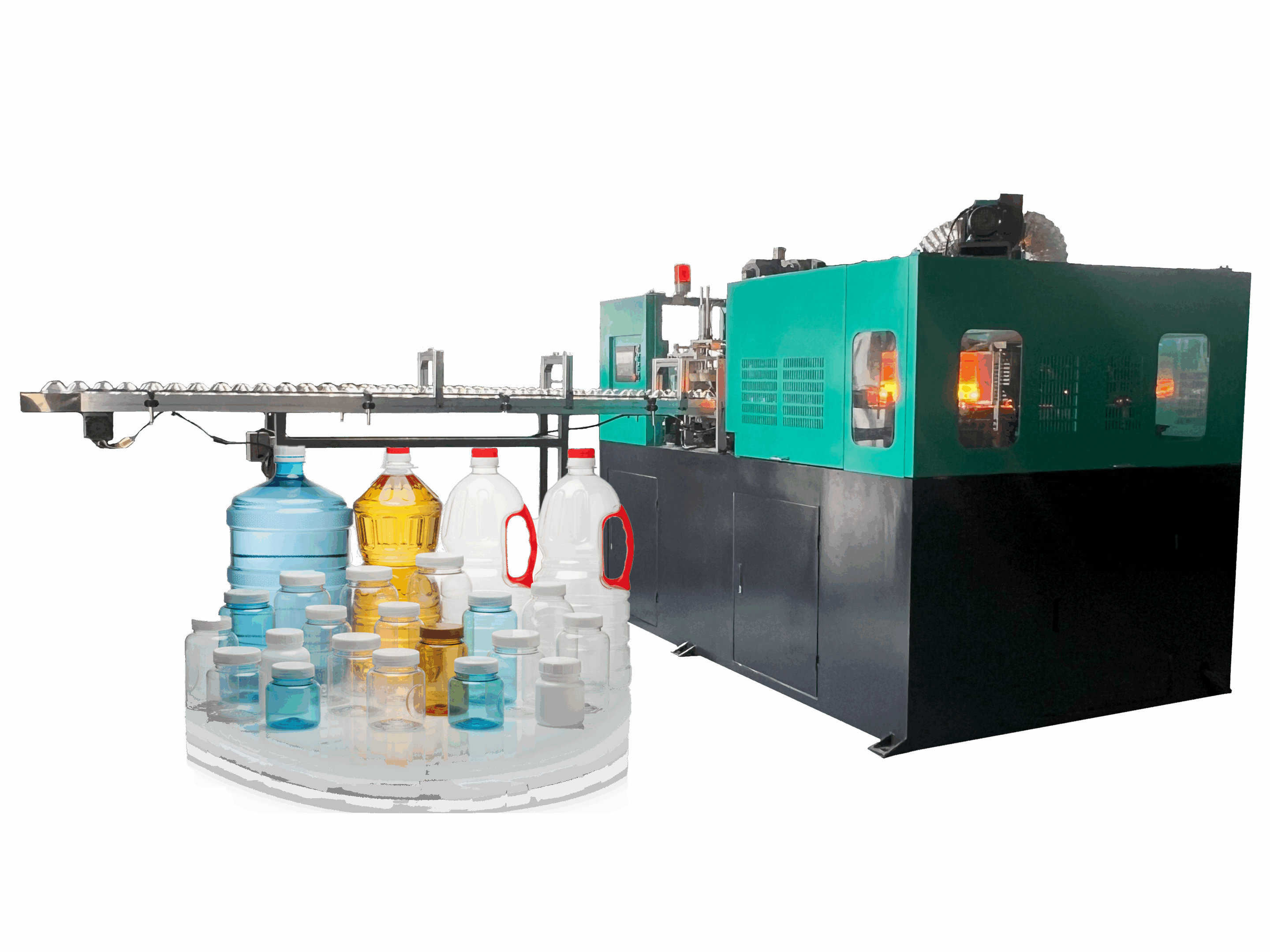
Custom HDPE Blow Molded Parts Supplier: How to Choose the Right Partner or Build Your Own Line
Introduction: Looking for a Custom HDPE Blow Molded Parts Supplier?
If you are searching for a custom HDPE blow molded parts supplier, you are usually in one of two situations.
Either you already buy HDPE bottles or technical parts and want a better supplier, or you are wondering if it is time to stop buying and build your own HDPE blow molding line instead.
In both cases, you are not just buying plastic parts. You are buying capacity, stability, and control over your packaging or components.
This guide is written for:
- OEM bottle makers who supply brands
- Detergent, personal care, food, agrochemical, or lube oil factories
- Industrial manufacturers needing technical HDPE blow molded parts (tanks, housings, ducts, floats, and similar parts)
When we say “custom HDPE blow molded parts”, we are talking about:
- Standard packaging: detergent bottles, home care, cosmetic, agrochemical bottles, jerrycans, drums
- Industrial and technical parts: tanks, reservoirs, ducts, floats, housings, special hollow shapes
You have two main paths:
- Work with a custom HDPE blow molded parts supplier
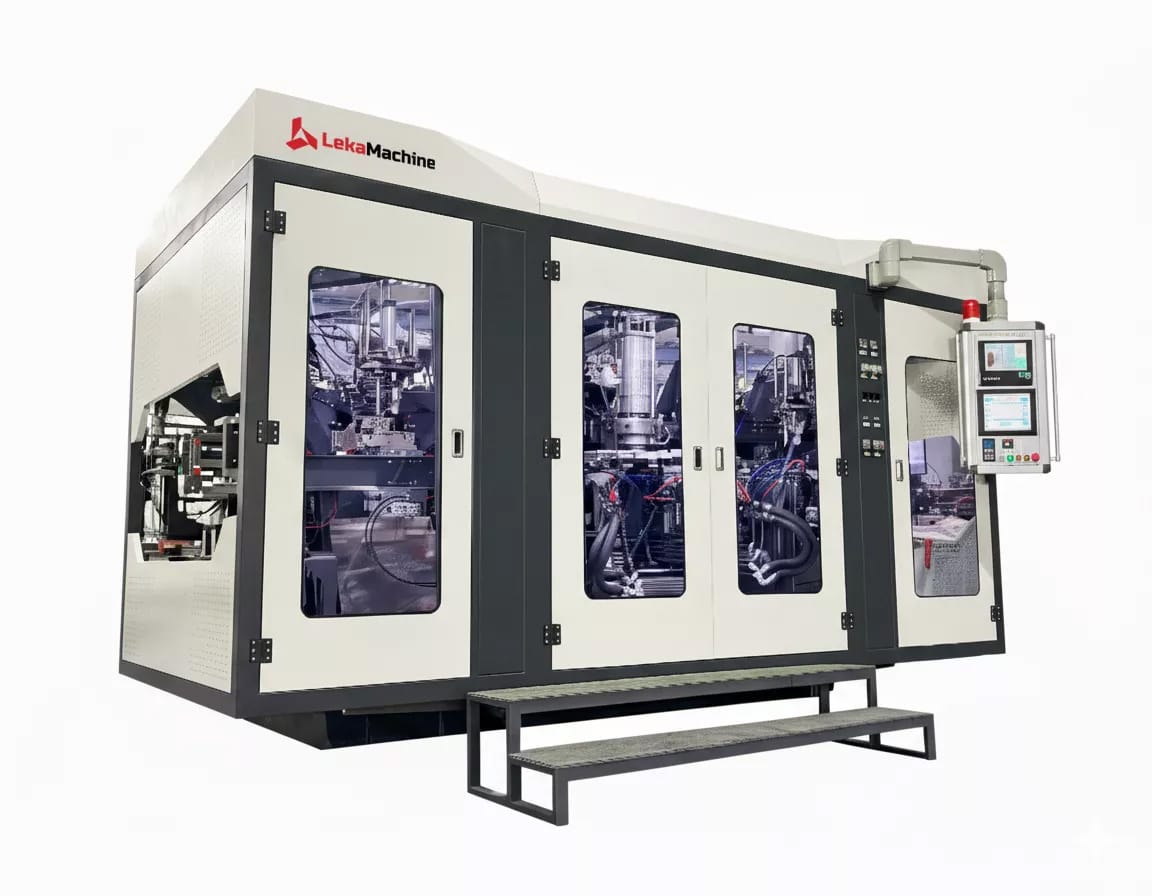
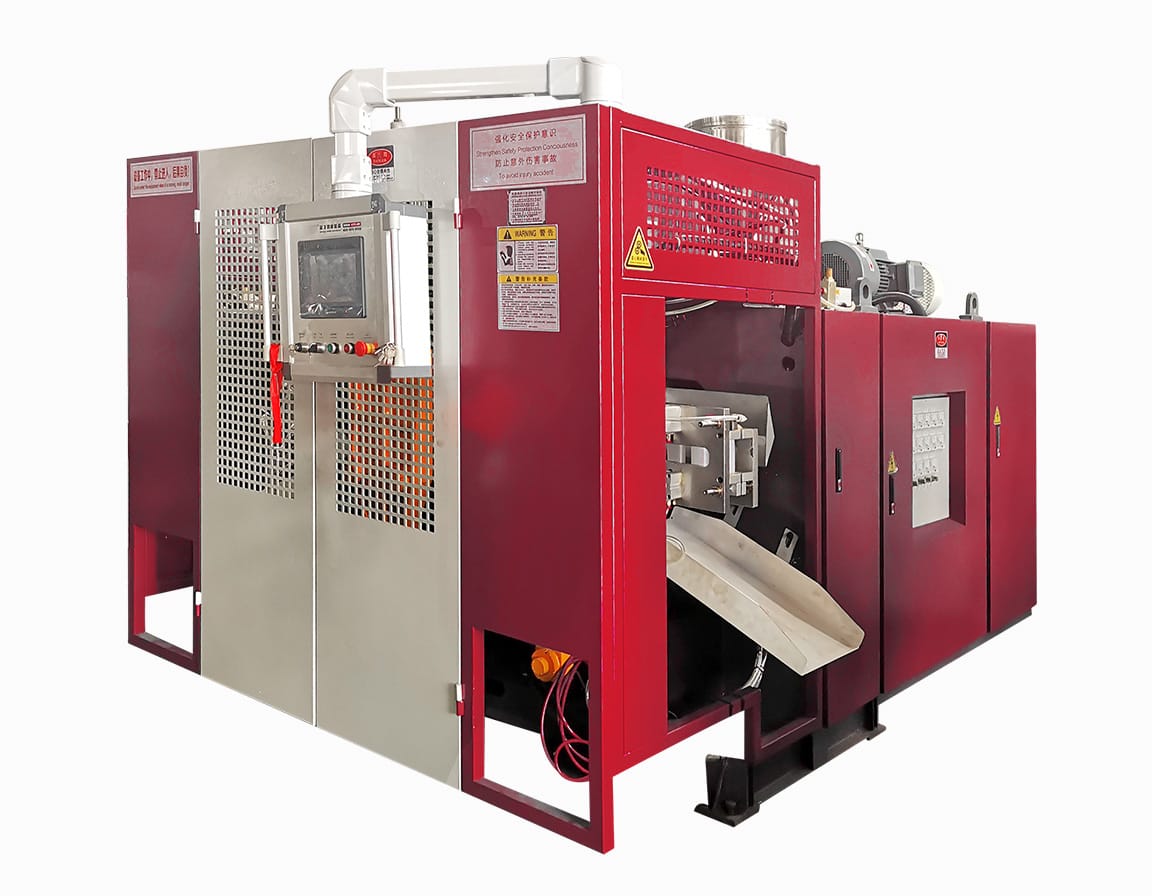
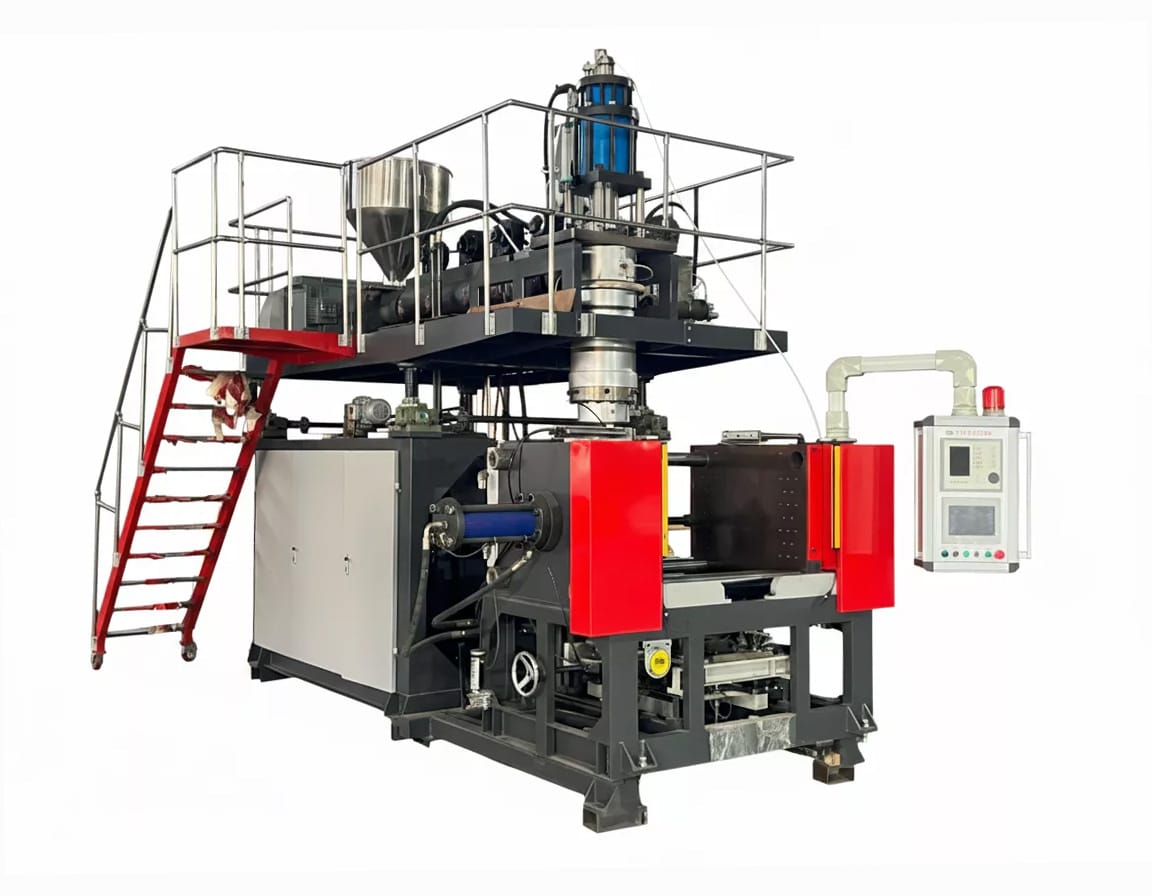
- Invest in your own HDPE extrusion blow molding machine and run parts in-house
This article helps you compare both, step by step, so you can see which path fits your plant better.
Why HDPE Is the Workhorse for Blow Molded Parts
Key HDPE properties in simple language
HDPE (High Density Polyethylene) has become the default “workhorse” resin for blow molded parts because it solves a lot of problems at once:
- Strong but light – Good strength-to-weight ratio, so you can lightweight the part but still keep top-load and drop strength.
- Résistant aux chocs – Survives drops, handling, and transport abuse without cracking easily.
- Résistant aux produits chimiques – Handles detergents, bleach, agrochemicals, oils, and many household and industrial liquids.
- Recyclable and PCR-ready – Can be recycled and reused as rHDPE (recycled HDPE), increasingly required by brands.
In simple terms, HDPE is tough, forgiving, and widely accepted by brands and regulators.
Where HDPE blow molded parts are used every day
You see HDPE blow molded parts everywhere, even if you do not notice them:
- Household and personal care
- Laundry detergent bottles
- Fabric softener and disinfectant bottles
- Shampoo and shower gel bottles
- Food and beverage
- Milk bottles
- Some edible oil, sauces, and condiments
- Agrochemical and industrial
- Pesticide bottles and jerrycans
- Lube oil and engine oil bottles
- Chemical drums and containers
- Technical and industrial parts
- Tanks, reservoirs, floats
- Protective housings and ducts
- Complex hollow parts that benefit from blow molding
Anywhere the liquid is heavy, corrosive, or needs a robust container, HDPE blow molded parts are usually on the shortlist.
When HDPE beats PET or PP for blow molded parts
PET and PP have their own strengths, but HDPE is often a better choice when:
- You need opaque packaging to protect light-sensitive contents
- The part needs to be heavy-duty and resistant to impact
- You need handles (integrated handle bottles are easier in extrusion blow molding with HDPE)
- You are handling strong chemicals or oils
- You need thick-walled technical parts (tanks, ducts, floats)
PET stretch blow molding is excellent for clear, pressure-resistant bottles. PP is good for some hot-fill or special applications. But for robust, practical, chemical-resistant packaging and industrial parts, HDPE is normally the first choice.
Common Types of Custom HDPE Blow Molded Parts You Can Order
Standard packaging parts
Most custom HDPE blow molded parts manufacturers will offer a portfolio like this:
- Detergent bottles – 500 ml up to 5 L, with and without handles
- Home care bottles – Disinfectant, toilet cleaner, surface cleaners
- Personal care bottles – Body wash, shampoo, hair care
- Agrochemical bottles and jerrycans – From small 250 ml up to 25 L
- Industrial jerrycans and drums – Stackable designs for transport and storage
You can usually start from an existing “family” mold (standard shape) or go for a fully custom bottle design.
Technical and industrial HDPE blow molded parts
Many factories do not just make bottles. They also make technical HDPE parts by extrusion blow molding, such as:
- Reservoirs and tanks – Coolant tanks, expansion tanks, small chemical tanks
- Ducts and pipes – Complex, 3D blow molded ducts
- Floats – For water treatment, marine, or industrial applications
- Housings and covers – Protective shells, noise covers, machine covers
- Custom hollow shapes that benefit from blow molding instead of injection molding
These projects need closer engineering support and usually more iterations during development.
Useful design features suppliers can offer
A good HDPE blow molded parts supplier will not just copy your drawing. They will suggest design features to improve performance and cost:
- Poignées intégrées – One-piece handle for easy carrying and better ergonomics
- View stripes / level lines – Thin transparent strip to see the liquid level
- Embossed logos and text – Branding or recycling info directly on the bottle
- Special necks and closures – Child-resistant caps, dosing caps, induction seal-ready necks
- Reinforcement ribs – To increase top-load or stack strength without adding too much weight
Small design changes at this stage can save a lot of resin and problems later.
How Custom HDPE Blow Molded Parts Are Developed with a Supplier
Step 1 – Define your part clearly
Your RFQ or first conversation with a custom HDPE blow molded parts manufacturer should cover:
- Volume (ml / L)
- Shape and footprint (round, square, rectangular, space on shelf or in carton)
- Target weight (grams)
- Wall thickness expectations (especially for technical parts)
- Neck finish and cap type
- Stacking and transport conditions
- Performance needs – drop height, top-load, chemical compatibility, shelf-life
The clearer you are here, the fewer surprises you will have later.
Step 2 – Tooling and HDPE blow molding mold design
Once the concept is clear, the supplier or their toolmaker will design the HDPE blow molding mold:
- Cavity layout – Single, double, or multi-cavity depending on required output
- Cooling design – Water channels to remove heat and stabilise cycle time
- Pinch area and bottom design – For strength and good material distribution
- Handle structure – For handle bottles, to avoid weak points and holes
- Logo and engraving – Embossed brand name, recycling symbols, warning icons
For high-volume parts, mold design has a direct impact on cycle time, part weight, and scrap rate.
Step 3 – Sample runs and functional testing
Before mass production, you should see sample parts and test them:
- First-off samples for visual and dimensional checks
- Drop tests at realistic temperatures
- Leak tests and pressure tests where needed
- Cap fit and torque tests
- Label or sleeve application tests
This is where you fine-tune weight, wall thickness, and small design details.
Step 4 – Ramp up to stable mass production
Once samples are approved, the supplier will:
- Define a process window on the extrusion blow molding machine
- Fix parameters like extruder speed, parison thickness profile, blow pressure, cooling time
- Train operators and QC staff
- Set up quality monitoring routines (weight checks, visual inspection, leak tests)
At this stage, consistency is everything. You want the process stable, not reinvented every shift.
Design Guidelines for Better HDPE Blow Molded Parts
Keeping wall thickness stable
Wall thickness variation is one of the biggest hidden risks.
It is influenced by:
- Parison programming (parison wall thickness control)
- Die head design and temperature profile
- Mold venting and cooling
- Cycle time and blow pressure
Good suppliers use closed-loop parison control and experience to keep thickness within tight tolerance, which means:
- Less weight variation
- Better drop performance
- Lower scrap rate
Handle and grip design that feels good and does not break
Handles need to be:
- Strong enough for full bottles and rough handling
- Comfortable in the hand
- Not too thin in critical areas
- Easy to demold without sticking or tearing
Bad handle design leads to complaints, returns, and sometimes safety issues.
Neck, threads, and closure matching
Leaking caps often come down to neck design.
You should align on:
- Standard neck finishes where possible (easier for cap sourcing)
- Correct thread angle and pitch
- Suitable sealing system (liner, induction seal, plug seal, and others)
Always test the real cap and bottle combination under real transport conditions.
Branding, labels, and view stripes
Your marketing team will care about:
- Flat panels for self-adhesive labels
- Suitable shapes for shrink sleeves
- Areas for embossed logos and key text
- Clean, straight view stripes if you need liquid visibility
Think about branding early. Changing the bottle shape later is expensive.
Quality and Testing: What a Good HDPE Blow Molded Parts Supplier Should Guarantee
Basic performance tests
At a minimum, a professional HDPE blow molded parts supplier should perform:
- Leak testing (100% or by sampling, depending on risk and agreement)
- Drop tests at defined heights and temperatures
- Top-load tests to confirm stacking ability
- Contrôles dimensionnels for key dimensions and neck tolerances
You should receive test results, not just promises.
Process control on the extrusion blow molding line
Stable quality comes from stable process control:
- Closed-loop parison control to manage wall thickness
- In-line weight checks and SPC charts
- Visual or camera inspection for flash, short shots, heavy streaks
- Defined start-up and shut-down procedures to avoid contamination and defects
If the supplier runs modern HDPE extrusion blow molding machines with good automation, your risk is lower and your part cost is often better.
Compliance, documentation, and traceability
Depending on your industry, you may need:
- Food-contact declarations
- UN or dangerous goods certification for certain containers
- Batch and lot traceability
- Material certificates and masterbatch documentation
Ask for sample documents during supplier evaluation, not only after a problem appears.
Cost Drivers for Custom HDPE Blow Molded Parts
What really drives your price per piece
Votre price per piece is not just about resin. Key cost drivers include:
- Material grade and price (virgin HDPE, PCR, additives)
- Part weight – every extra gram is cost
- Temps de cycle – faster cycles mean more parts per hour
- Number of cavities – more cavities can reduce per-piece cost
- Labor and supervision
- Energy consumption (kWh per kg)
- Scrap rate – startup scrap, color change scrap, rejects
When you compare quotations, ask suppliers to explain their assumptions on these points.
Lightweighting without risking failures
Lightweighting is attractive, but risky if you push too far.
A good supplier will:
- Reduce weight in non-critical areas
- Use parison control to put material where it is needed
- Validate with drop and top-load tests
- Increase ribs or geometry strength instead of only cutting plastic
If a supplier agrees to “cut 15% weight” instantly without discussion, you should be careful.
How the supplier’s machine technology affects your cost
The machines d'extrusion-soufflage your supplier uses have a direct impact on your cost:
- Old hydraulic machines:
- Plus élevé kWh per kg
- More oil leaks and downtime
- Slower changeovers
- Modern extrusion blow molding machines:
- Plus bas energy consumption
- Better parison control
- Faster mold change systems
- Higher automation and lower labor need
If they run energy-efficient machines d'extrusion-soufflage with smart controls, you benefit through lower cost and more stable quality.
Hidden and “soft” costs you should watch
Beyond “price per piece”, pay attention to:
- Downtime – frequent breakdowns at the supplier side
- Long mold change time – slow reaction when you change SKUs
- High scrap – you may still pay for it indirectly
- Slow response to quality issues
- Poor logistics – late deliveries, unplanned stock-outs
These “soft” costs often hurt more than one or two percent difference in unit price.
How to Choose a Custom HDPE Blow Molded Parts Supplier
Check their experience in your product category
A supplier strong in bouteilles de détergent is not always strong in agrochemical jerrycans ou technical parts.
Ask for:
- Real sample parts from similar products
- Short case descriptions of similar projects
- Photos or videos of running lines for your type of product
Look at equipment, process, and automation
You do not need to be an engineer to ask simple, powerful questions:
- What machines d'extrusion-soufflage do you use?
- Do you have parison control and weight control?
- Do you run in-line leak testers and camera inspection?
- How automatic is your conveyor, trimming, and packing process?
Better equipment usually means more consistent parts and fewer headaches.
Tooling, design, and engineering support
Strong suppliers act like engineering partners, not just converters.
Check if they:
- Review and optimise your design for manufacturability
- Help with lightweighting and material saving
- Support you with 3D drawings and simulations
- Have in-house or close mold design and manufacturing partners
Quality system, audits, and service
Ask for a short overview of their quality system:
- Certifications (ISO and relevant food-safety schemes if needed)
- Incoming material checks
- In-process QC flow and record keeping
- Complaint handling and corrective actions
Also ask if you can audit the factory on-site or remotely.
Pricing transparency and long-term partnership
A good custom HDPE blow molded parts supplier will be transparent about:
- How price changes with resin cost index
- How often you can review pricing
- What happens if volume goes up or down
- Minimum order quantities and lead time
You are not choosing a one-time supplier. You are choosing a long-term partner.
When It Makes Sense to Bring HDPE Blow Molding In-House Instead
Typical situations where in-house blow molding is smarter
Sometimes it is cheaper and safer to build your own HDPE blow molding line.
This often happens when:
- Bottle supply becomes unstable or lead time is too long
- You pay high logistics costs for shipping empty bottles
- You launch new SKUs frequently and need faster changes
- You handle confidential formulas or packaging and want higher secrecy
- You already run high yearly volume on the same bottle families
In these cases, investing in an HDPE extrusion blow molding machine can make strong financial sense.
Quick checklist: are you ready to run your own HDPE blow molding line?
You might be ready if you can say “yes” to most of these questions:
- Do you have stable or growing demand for the same bottles or parts?
- Do you have enough volume to keep at least one machine busy?
- Do you have floor space for machine, mold storage, and finished goods?
- Is your power and compressed air capacity sufficient?
- Can you assign or hire staff for operation and maintenance?
You do not need to be perfect on day one, but you need a basic foundation to start.
What you need to start an in-house HDPE bottle or parts line
A typical in-house HDPE line includes:
- An de moulage par soufflage par extrusion (single or multi-cavity, depending on output)
- HDPE blow molding molds for your key SKUs
- Downstream equipment – leak tester, trimming, conveyors, packing
- Basic QC tools – weighing scales, gauges, drop test setup, and similar tools
With one well-chosen extrusion blow molding machine, many plants start by bringing in just their main bottles or jerrycans, then expand later.
Hybrid approach
You do not have to choose 100% in-house or 100% outsourcing.
A smart hybrid model is:
- Keep high-volume, core SKUs in-house for control and lower cost
- Continue to outsource low-volume or seasonal SKUs to a custom HDPE blow molded parts supplier
This keeps your investment focused, but your flexibility high.
How LEKA Machine Supports Custom HDPE Blow Molded Parts Projects
What LEKA actually provides
LEKA does not sell finished bottles or parts.
Instead, LEKA provides:
- machines de moulage par extrusion-soufflage for HDPE and other resins
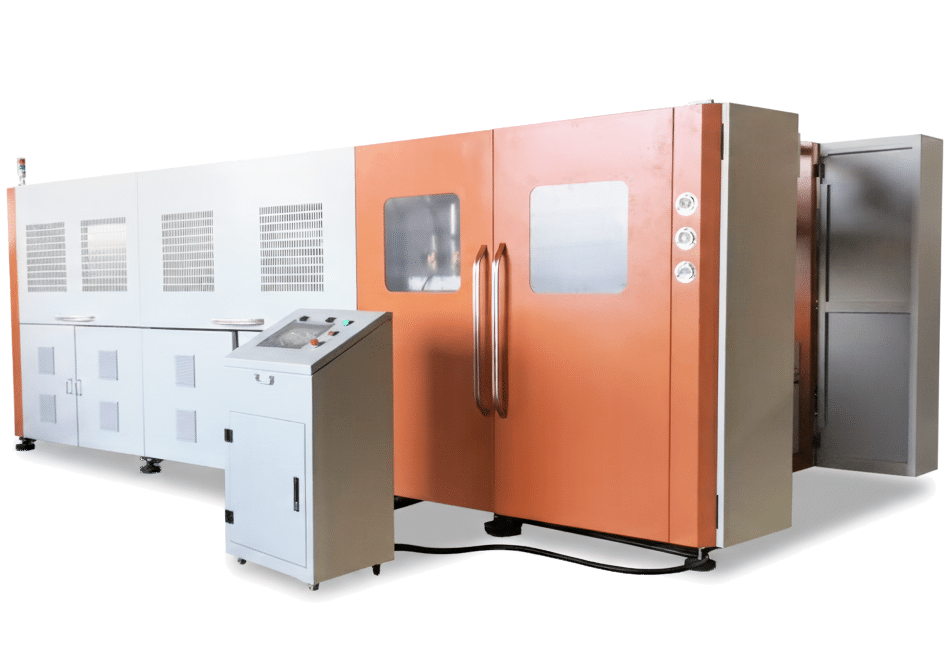
- Stretch blow molding machines for PET bottles
- Support for OEMs, bottle makers, and factories that want to produce their own packaging or parts in-house
This means you can move from just buying bottles to controlling your own HDPE bottle production line.
How we work with OEMs, bottle makers, and factories
Typical support includes:
- Reviewing your part drawings and annual volumes
- Helping you choose the right machine series and configuration
- Estimating output, energy consumption (kWh per kg), and mold cavitation
- Planning the full line: machine, molds, leak test, conveyors, packing layout
The goal is simple: you see clearly if in-house blow molding will pay back for your factory.
Real project stories in simple language
Here are the kinds of projects LEKA supports:
- Detergent plant adding its first in-house HDPE bottle line
- Previously dependent on a bottle supplier with unstable delivery
- Brought three core SKUs in-house
- Cut logistics cost and reduced stock-outs significantly
- OEM bottle maker upgrading from old hydraulic machines
- Replaced legacy machines with modern extrusion blow molding machines
- Reduced kWh per kg and scrap
- Improved wall thickness stability and lightweighting potential
Every project is different, but the pattern is similar: better control, lower total cost, and more flexibility.
Support after installation
After installation, support matters more than the sales brochure.
LEKA stays engaged with:
- Operator and maintenance training
- Process optimisation (cycle time, scrap reduction, energy reduction)
- Remote support and troubleshooting
- Advice on new molds, new SKUs, and possible upgrades
You are not just buying a machine. You are building a capability.
Practical Checklist: Questions to Ask Any Custom HDPE Blow Molded Parts Supplier
Product and design questions
- Have you produced similar bottles or parts before?
- Can you show samples and performance data?
- Can you help us optimise weight and design for manufacturability?
Process and quality questions
- How do you control wall thickness and weight?
- What leak testing and inspection systems do you use?
- How do you track and handle defect rates and complaints?
Cost and logistics questions
- What is your MOQ per SKU?
- What is the typical lead time for new orders and repeat orders?
- Do you offer warehouse or safety stock options?
- How often do you review pricing and on what basis?
Questions to compare supplier vs in-house HDPE blow molding
- What is our total landed cost with you (including logistics)?
- How would this compare to running our own de moulage par soufflage par extrusion at our site?
- What level of flexibility and design control do we lose or gain in each model?
Use this checklist in your next supplier meeting. It will quickly show who is a partner and who is just a converter.
FAQ About Custom HDPE Blow Molded Parts, Suppliers, and In-House Lines
What information do I need before asking for a quote?
At minimum, prepare:
- Bottle or part drawing, or a physical sample
- Volume (ml / L) and estimated annual quantity
- Target weight and material (HDPE / rHDPE)
- Required tests (drop, leak, top-load)
- Any certification needs (food-contact, UN, and others)
How long does it take from drawing to stable mass production?
On average:
- Mold design and manufacturing: 4–8 weeks
- Sample testing and adjustments: 2–4 weeks
- Ramp-up to stable production: 1–4 weeks
So plan for roughly 2–3 months for a new custom HDPE bottle or part, depending on complexity.
Can one factory handle both HDPE packaging and technical blow molded parts?
Yes, but not every factory is good at both.
Packaging is more about speed and cost. Technical parts need deeper engineering and testing.
If you need both, check that the supplier actually has references and experience in both segments.
When is it better to stay with a supplier instead of building my own line?
Staying with a supplier is usually better when:
- Your volumes are low or unstable
- You have many SKUs with small quantities
- You do not have space, power, or manpower for a new line
- You want to keep CapEx low and stay asset-light
How can LEKA help me decide between supplier and in-house extrusion blow molding?
If you are unsure whether to stay with a custom HDPE blow molded parts supplier or move in-house, the next step is simple:
- Put your current bottle or parts cost and volumes on the table
- Model the ROI of an in-house de moulage par soufflage par extrusion
- Compare both paths side by side
From there, the decision becomes much clearer and less emotional. You do not need to guess. You just need the right numbers and a practical plan.


0 commentaires