
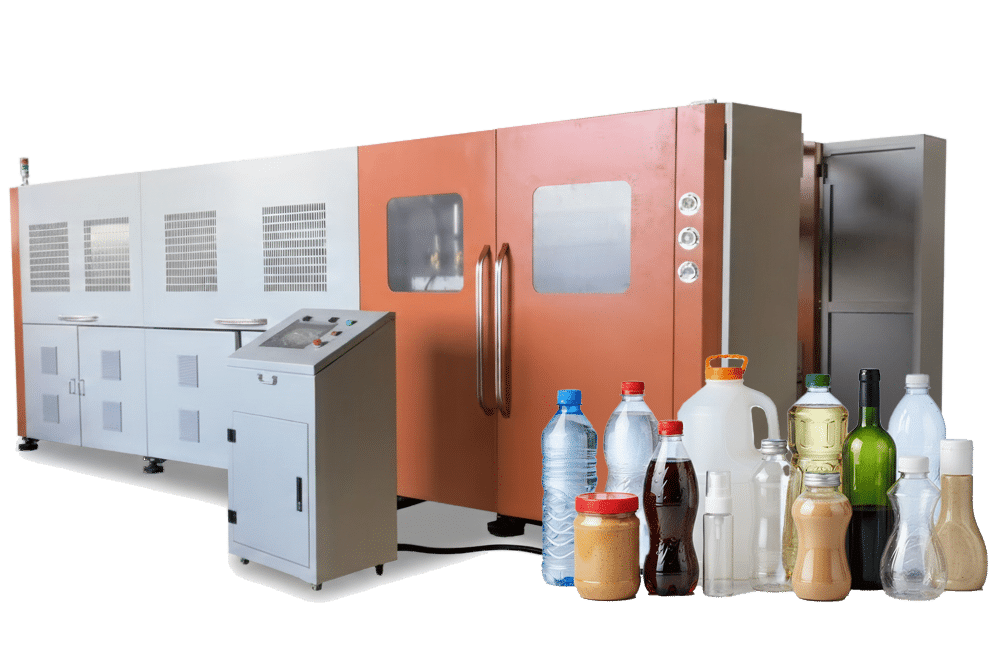
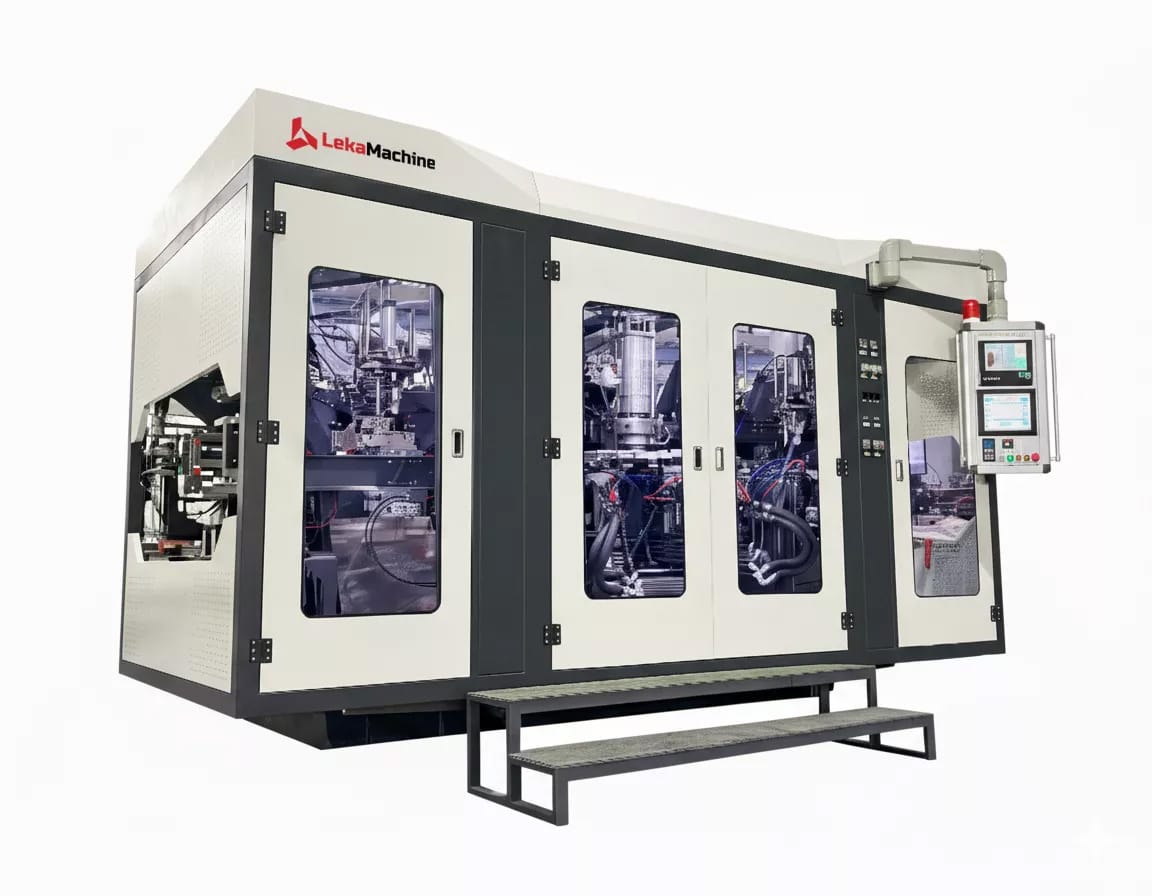
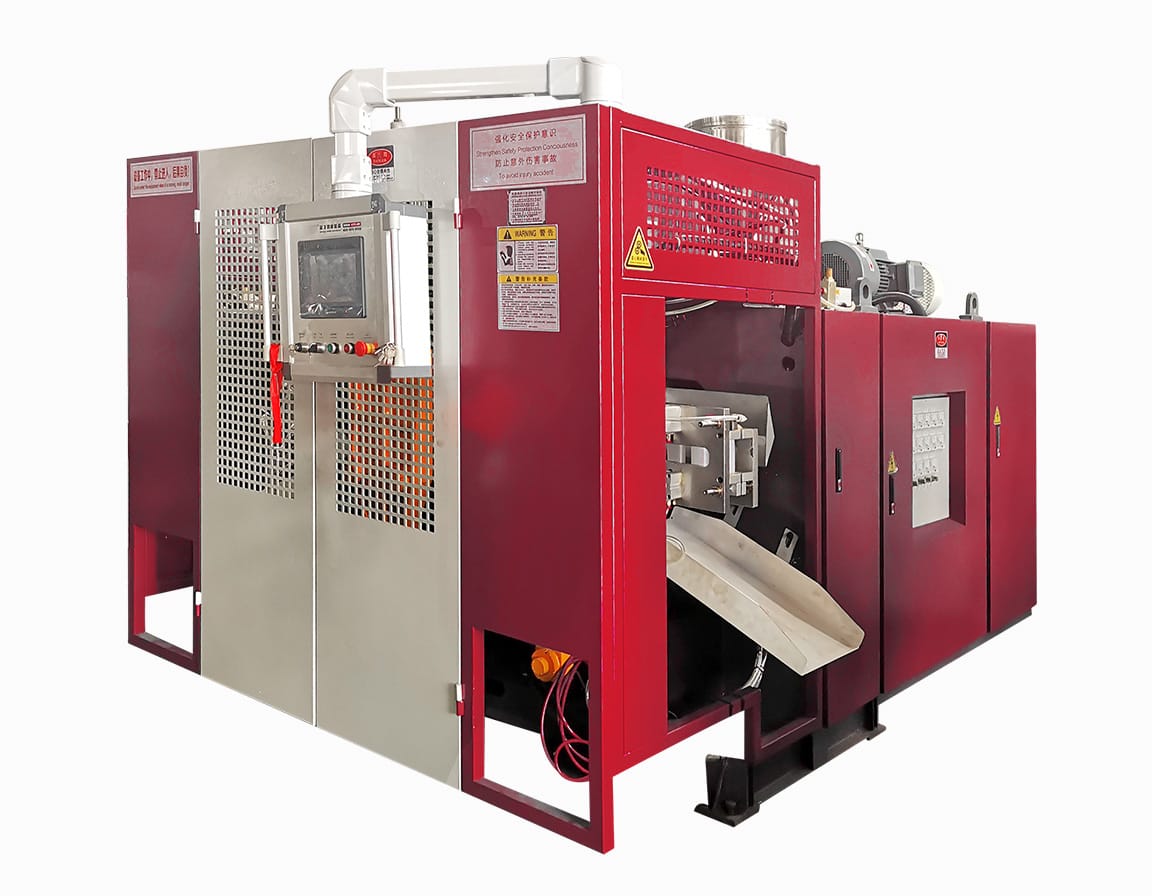
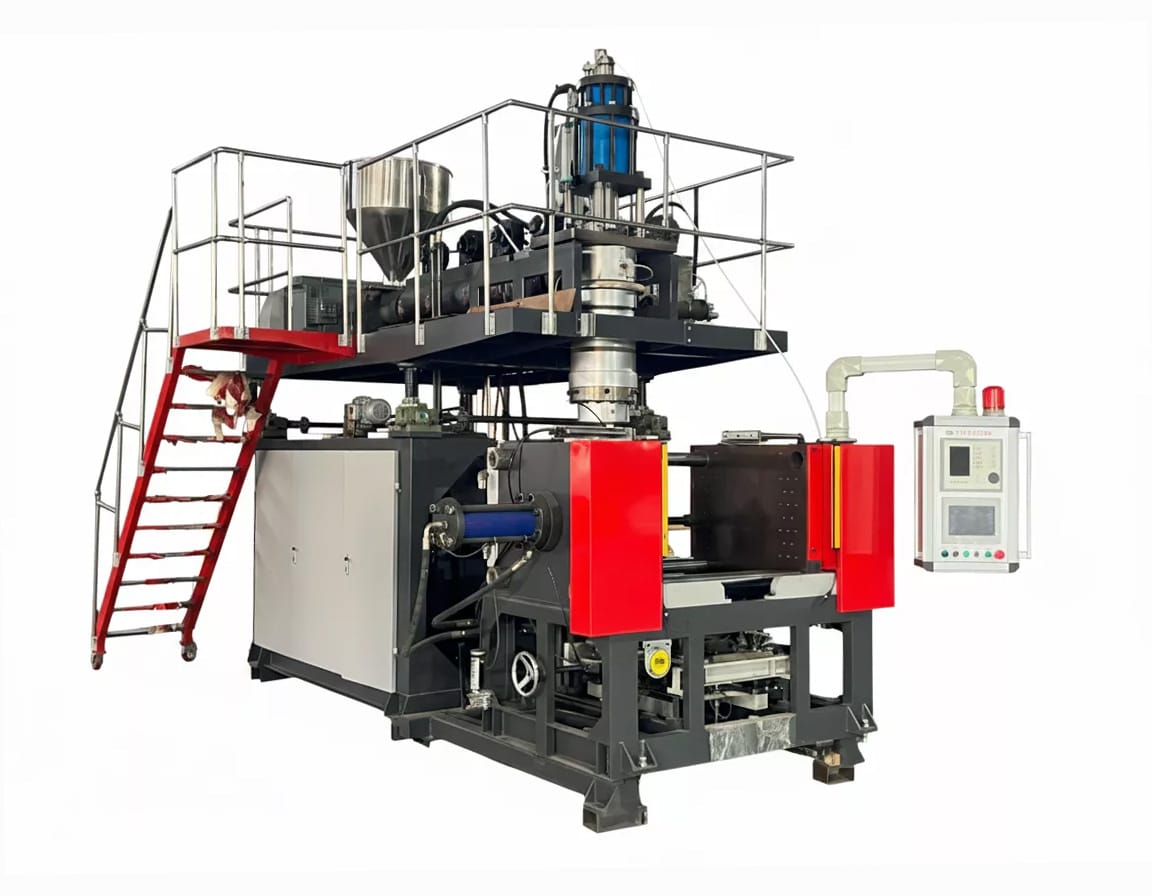
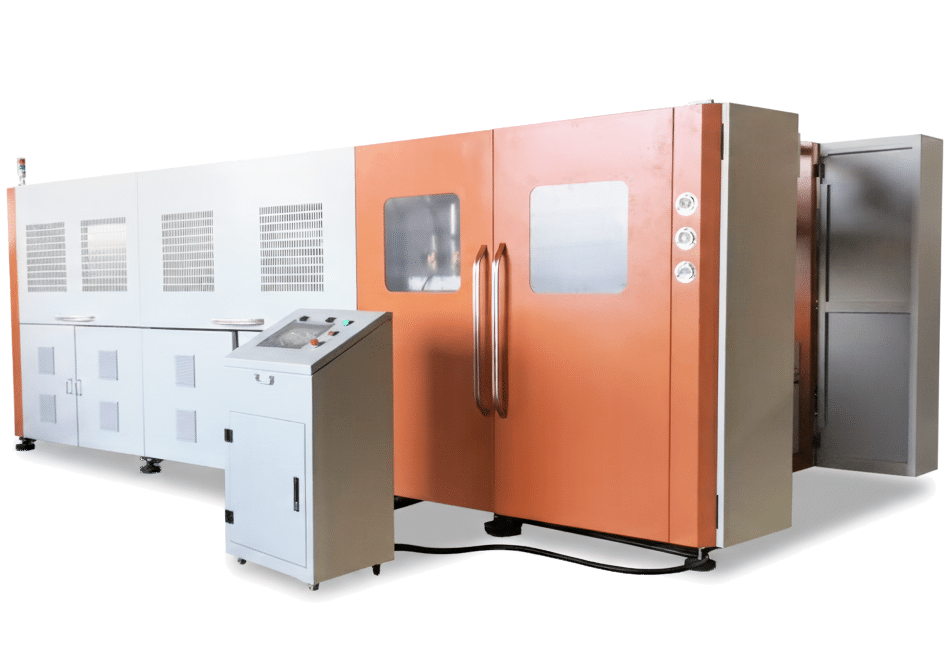
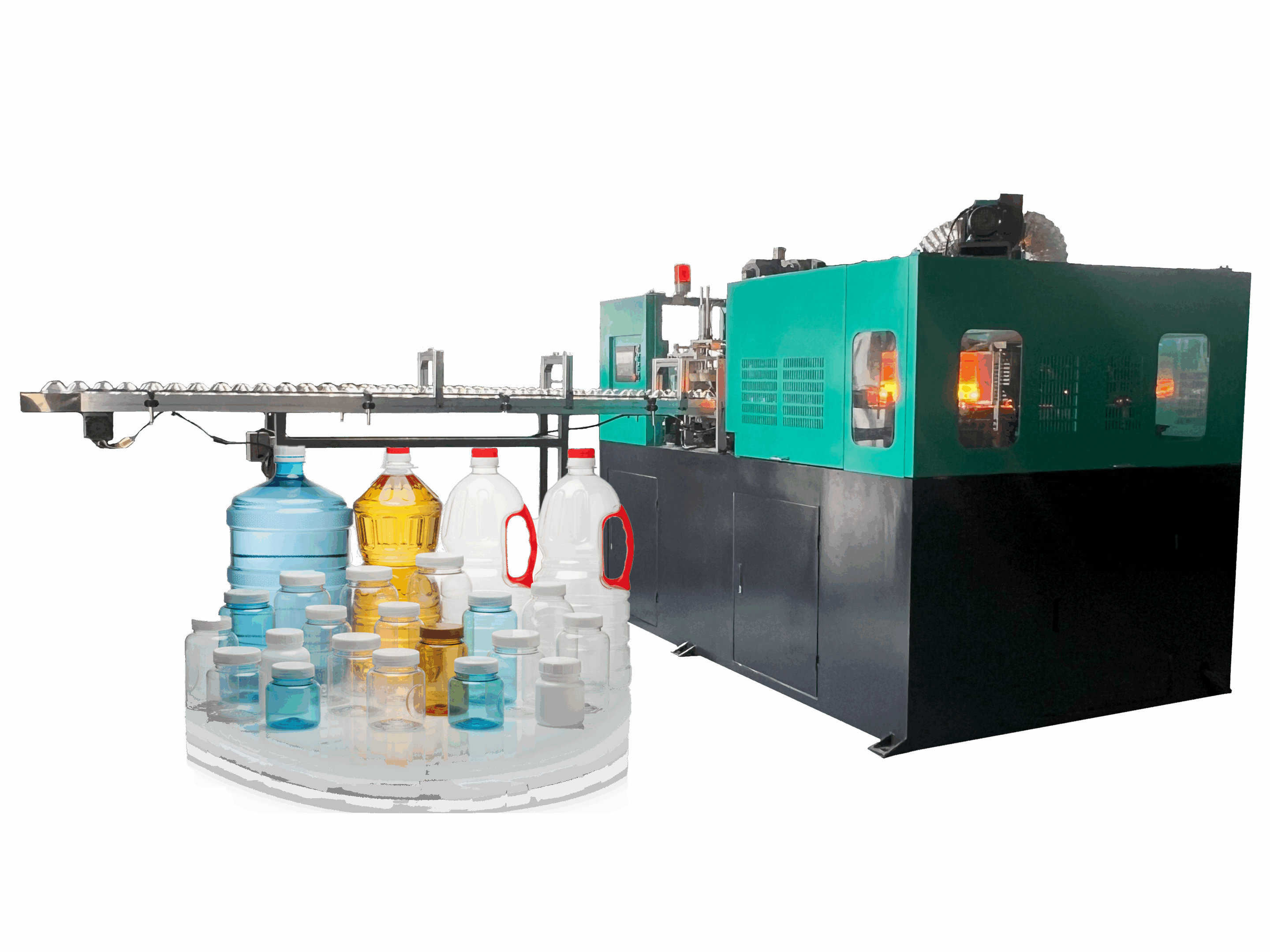
How Do You Choose the Best Plastic Molding Machine for Food Packaging?

At our factory, we see how costly production errors can be when hygiene standards fail. You need equipment that guarantees safety and compliance without sacrificing speed or profitability.
To select the best machine for food-grade bottles, prioritize all-electric or hybrid systems that eliminate hydraulic oil contamination risks. Ensure the equipment supports FDA-approved materials like PET or PP, integrates clean-air designs for hygiene, and offers high-speed precision to maintain consistent wall thickness and reduce material waste.
Let’s explore the critical features that protect your brand and optimize your production line efficiency.
What features ensure high hygiene standards for food packaging production?
Our engineers design every machine knowing that one contamination event can ruin a brand. Ignoring sanitary architecture creates hidden bacterial traps in your production line that are impossible to clean.
Single-Minute Exchange of Dies 1
High hygiene standards require machines with "Clean-by-Design" architecture, featuring stainless steel cladding and sloped surfaces to prevent water pooling. We recommend all-electric systems to remove hydraulic oil leaks entirely, combined with HEPA-filtered enclosed molding areas that maintain ISO Class 7 or 8 cleanroom conditions for sensitive food contact safety.
When we discuss food packaging with our clients, the conversation always starts with safety. However, achieving true "food-grade" status goes beyond just buying the right plastic resin. The machine itself must prevent contamination.
Injection-Compression Molding 3
The Shift to All-Electric and Hybrid Systems
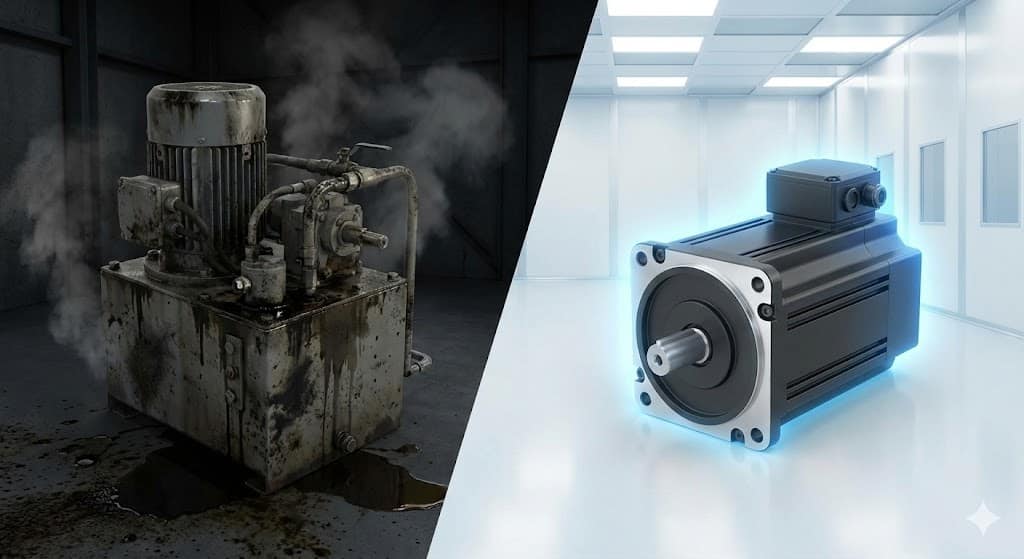
In our experience, old-school hydraulic machines are the biggest risk factor for food packaging. Hydraulic hoses eventually leak. Even a microscopic drop of oil on a preform or inside a mold cavity can contaminate a batch.
We strongly advise moving toward all-electric injection molding machines or hybrid systems for food applications.
- Cleanliness: Electric motors do not use oil for power transmission. This creates a inherently cleaner environment.
- Air Quality: Hydraulic pumps generate heat and burn oil, creating fumes. Electric machines run cooler and cleaner, which helps maintain air quality in your production hall.
"Clean-by-Design" Architecture
You should look for machines that are easy to wash down. At our facility, we emphasize "Clean-by-Design" principles. This means the machine frame uses stainless steel where possible, especially in the mold area. Surfaces should be sloped, not flat, so water and cleaning agents drain away rather than pooling and growing bacteria.
We also recommend Acoustic Monitoring for Sanitary Seals. We have seen systems where non-invasive ultrasonic sensors monitor internal seals. They detect the sound of a failing seal before any grease leaks out. This predictive approach prevents "silent" contamination events that visual inspections might miss.
Material Compatibility and FDA Compliance
Your machine must handle approved resins without degrading them.
- PET & PP: These are standard.
- rPET (Recycled PET): This is tricky. Standard screws often cause yellowing in rPET. You need specialized barrier-flight screws and enhanced degassing venting. This ensures the variable Intrinsic Viscosity (IV) of recycled material doesn’t ruin the melt quality.
Comparison of Drive Systems for Food Safety
| Fonctionnalité | Hydraulic Systems | Hybrid Systems | All-Electric Systems |
|---|---|---|---|
| Oil Contamination Risk | High (Leaks are common) | Low (Sealed systems) | Zero (Best for Food) |
| Cleanroom Suitability | Difficult (ISO Class 9) | Moderate (ISO Class 8) | Excellent (ISO Class 7) |
| Heat Emission | High (affects AC costs) | Modéré | Faible |
| Précision | Variable | Haut | Très élevé |
Can I produce lightweight yet durable food containers to reduce material costs?
We constantly test new parison control methods to help clients save resin. Reducing weight without losing strength is the only way to stay competitive regarding raw material costs.
thin-wall injection molding 4
Yes, you can significantly reduce costs through thin-wall injection molding and advanced parison control. By utilizing high-pressure injection speeds and precision molds with conformal cooling, manufacturers can reduce wall thickness by 15–20% while maintaining structural integrity, lowering raw material usage without compromising the durability required for logistics.
Material cost is usually 60-70% of the total production cost in plastic manufacturing. If you can shave off even 1 gram per bottle, the annual savings are massive. But you cannot sacrifice the bottle’s ability to stack and ship.
Hydraulic pumps 6
Thin-Wall Technology
To go lightweight, you need speed. Thin-wall molding reduces wall thickness from the standard 0.35 mm down to 0.27 mm or less. However, plastic cools instantly when it hits the mold. To fill a thin wall before it freezes, you need machines capable of high injection speeds (often fill times as fast as 0.05 seconds).
We also utilize Injection-Compression Molding (ICM). This technology injects the plastic while the mold is slightly open, then clamps down to "coin" the part. This reduces internal stress. It allows for thinner walls that don’t warp, which is perfect for lightweight margarine tubs or yogurt cups.
Advanced Parison Control in Blow Molding
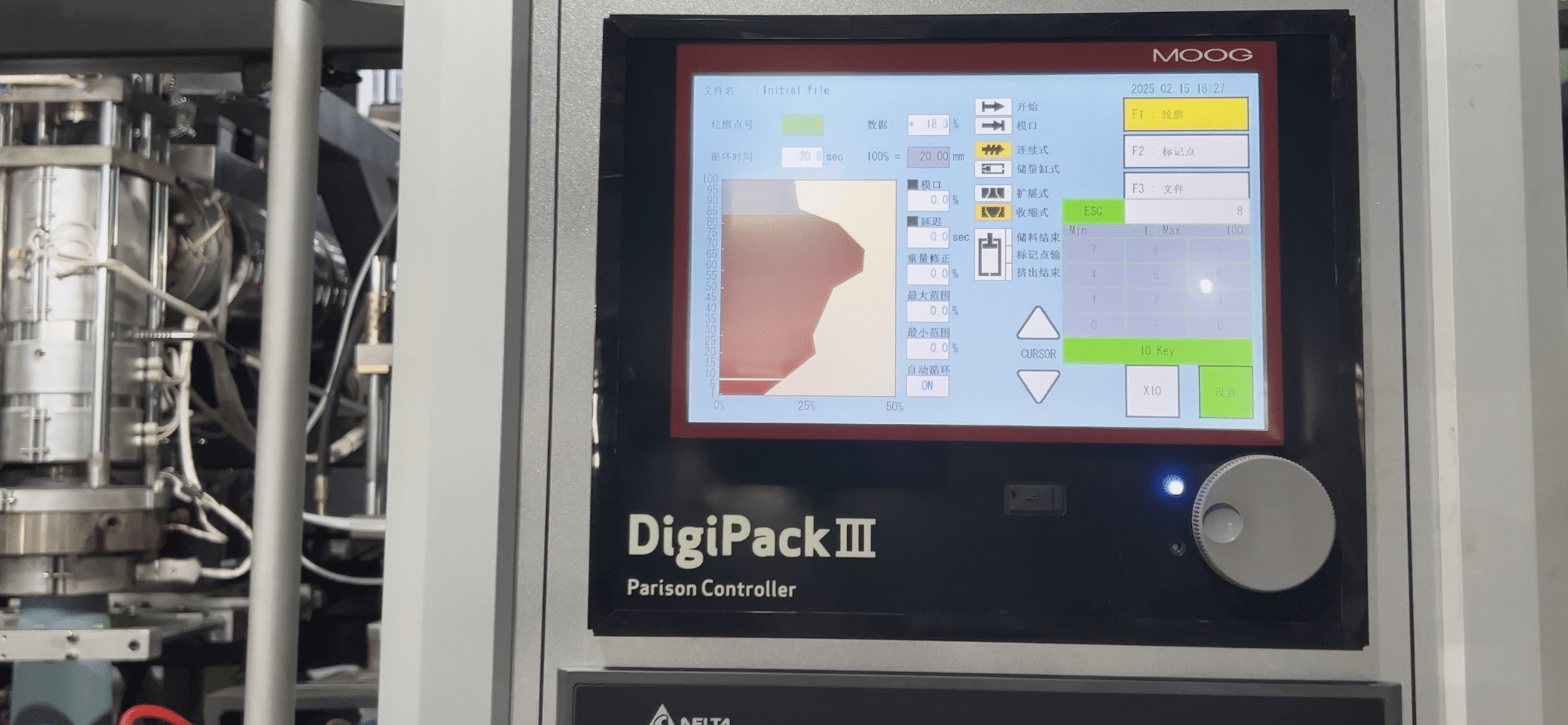
For bottles, it comes down to the parison (the tube of hot plastic). If your machine has poor control, the bottle will be thick in some spots and paper-thin in others. You end up making the whole bottle heavier just to compensate for the thin spots.
We recommend machines with 100-point parison programming. This allows you to thin out the plastic in low-stress areas (like the sidewall) while keeping it thick in high-stress areas (like the neck and base). This "Ultra-Lightweighting" approach can save 1-2 grams per bottle while maintaining top-load strength.
Precision Cooling is Key
You cannot run lightweight products fast if you cannot cool them. Thin parts warp easily. We integrate conformal cooling channels in the molds. Unlike standard straight water lines, these channels curve to follow the shape of the bottle. This ensures uniform cooling.
- Benefit: It reduces cycle times by 30-50%.
- Quality: It prevents the bottle from shrinking unevenly, which ensures the cap still fits tightly—a must for food safety.
Material Savings Analysis (Annual)
| Paramètres | Machine Standard | High-Precision Machine |
|---|---|---|
| Bottle Weight | 20g | 18g (10% reduction) |
| Durée du cycle | 10 seconds | 8 seconds |
| Annual Output | 2.5 Million | 3.1 Million |
| Resin Cost ($1.50/kg) | $75,000 | $83,700 (for more units) |
| Cost Per 1,000 Units | $30.00 | $27.00 |
How do I minimize downtime during mold changes for different product lines?
When we install machines for clients with high SKU counts, slow changeovers are the biggest complaint. Minutes lost here translate directly to lost profit margins and missed delivery dates.
all-electric injection molding machines 7
Minimizing downtime requires implementing Quick Mold Change (QMC) systems and Single-Minute Exchange of Dies (SMED) protocols. By using magnetic clamping plates and quick-coupling utilities for water and air, operators can reduce changeover times from several hours to under 15 minutes, drastically improving machine uptime and overall plant efficiency.
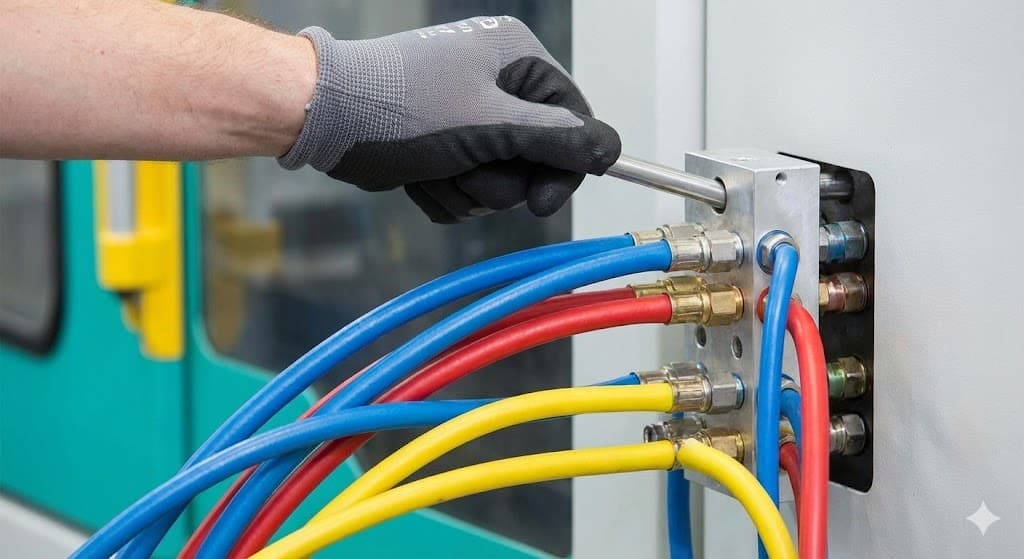
In the food industry, marketing trends change fast. You might run 500ml juice bottles in the morning and 1L milk jugs in the afternoon. If your machine sits idle for 4 hours during that switch, you are losing money.
HEPA-filtered enclosed molding 9
The SMED Philosophy
We encourage all our clients to adopt Single-Minute Exchange of Dies (SMED). Ideally, a changeover should take less than 10 minutes. This is impossible with manual bolts and wrenches.
Magnetic Clamping Systems
The biggest time-saver is magnetic clamping. Instead of an operator manually tightening 20 bolts on the mold, a magnetic plate energizes and clamps the mold instantly.
- Speed: Clamping takes seconds, not hours.
- Safety: It removes the risk of a bolt stripping or an operator slipping with a wrench.
- Uniformity: The magnetic force is applied evenly across the whole mold face, which actually extends the life of your mold.
Connection Logic
The second biggest delay is water and air lines. We see operators confused about which hose goes where. This leads to cooling errors later.
We recommend multi-coupling systems. This is a single block that connects all water, air, and hydraulic lines in one motion. It is "poka-yoke" (mistake-proof). You physically cannot plug it in wrong.
Digital Recipe Management
Finally, the machine controller (HMI) plays a huge role. In the past, operators had to manually re-enter temperatures, speeds, and pressures from a notebook.
Modern machines save these "Recipes." When you load the "1L Juice Bottle" mold, you select the corresponding file on the screen. The machine automatically sets:
- Barrel temperatures.
- Injection speeds.
- Clamp tonnage.
- Ejection strokes.
This eliminates the "tweaking" time usually required to get the first good bottle.
FDA-approved materials 10
Time Savings Breakdown
| Changeover Step | Traditional Method | QMC / SMED Method | Temps gagné |
|---|---|---|---|
| Mold Unclamping | Manual Bolts (45 mins) | Magnetic/Hydraulic (2 mins) | 43 mins |
| Utility Connections | Individual Hoses (30 mins) | Multi-Coupler block (2 mins) | 28 mins |
| Machine Setup | Manual Data Entry (30 mins) | Digital Recipe Load (1 min) | 29 mins |
| Total Downtime | ~1 hour 45 mins | ~5 minutes | ~100 mins |
Conclusion
Selecting the right machinery is about balancing hygiene with economics. By choosing electric drives for safety, thin-wall technology for cost reduction, and QMC systems for agility, you build a future-proof production line.
notes de bas de page
- Explains the lean manufacturing methodology. ↩︎
- Explains the advanced cooling technology. ↩︎
- Detailed explanation of the specific molding process. ↩︎
- Explains the specialized molding technique for lightweighting. ↩︎
- Explains the polymer property relevant to rPET quality. ↩︎
- Defines the mechanical component responsible for oil risks. ↩︎
- Overview of injection molding machine types. ↩︎
- Explains cleanroom classification standards. ↩︎
- EPA definition of HEPA filtration standards. ↩︎
- Official FDA guidance on food contact substances. ↩︎


0 commentaires