
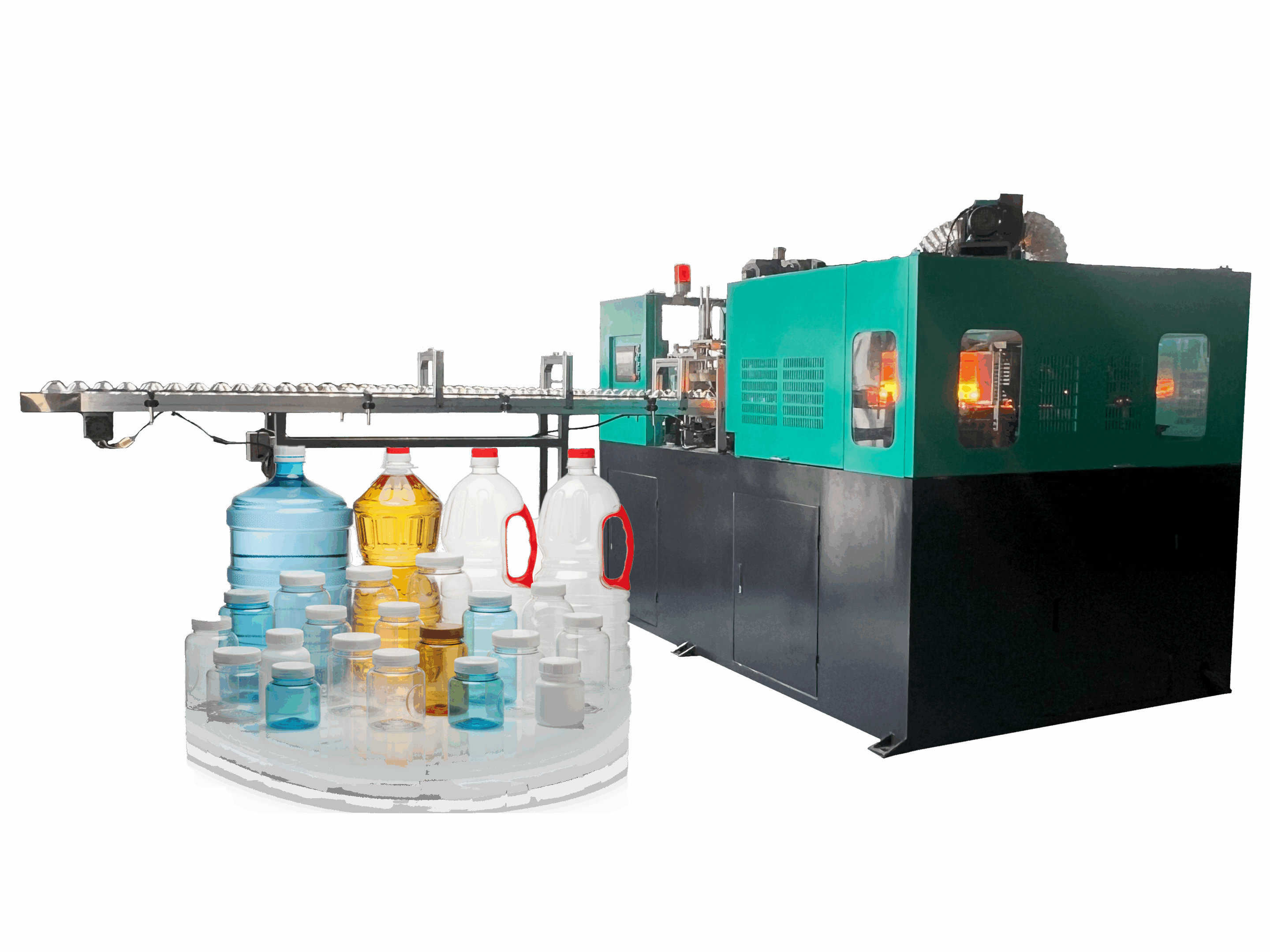
How should I discuss customized colors and appearance with the supplier when purchasing an all-electric extrusion blow molding machine?
At our factory, we know that machine aesthetics often take a backseat to performance, yet neglecting them can lead to significant operational headaches. Poor color choices can mask hydraulic leaks or violate safety codes 1. We help you navigate these specifications to ensure your machine is safe, compliant, and durable.
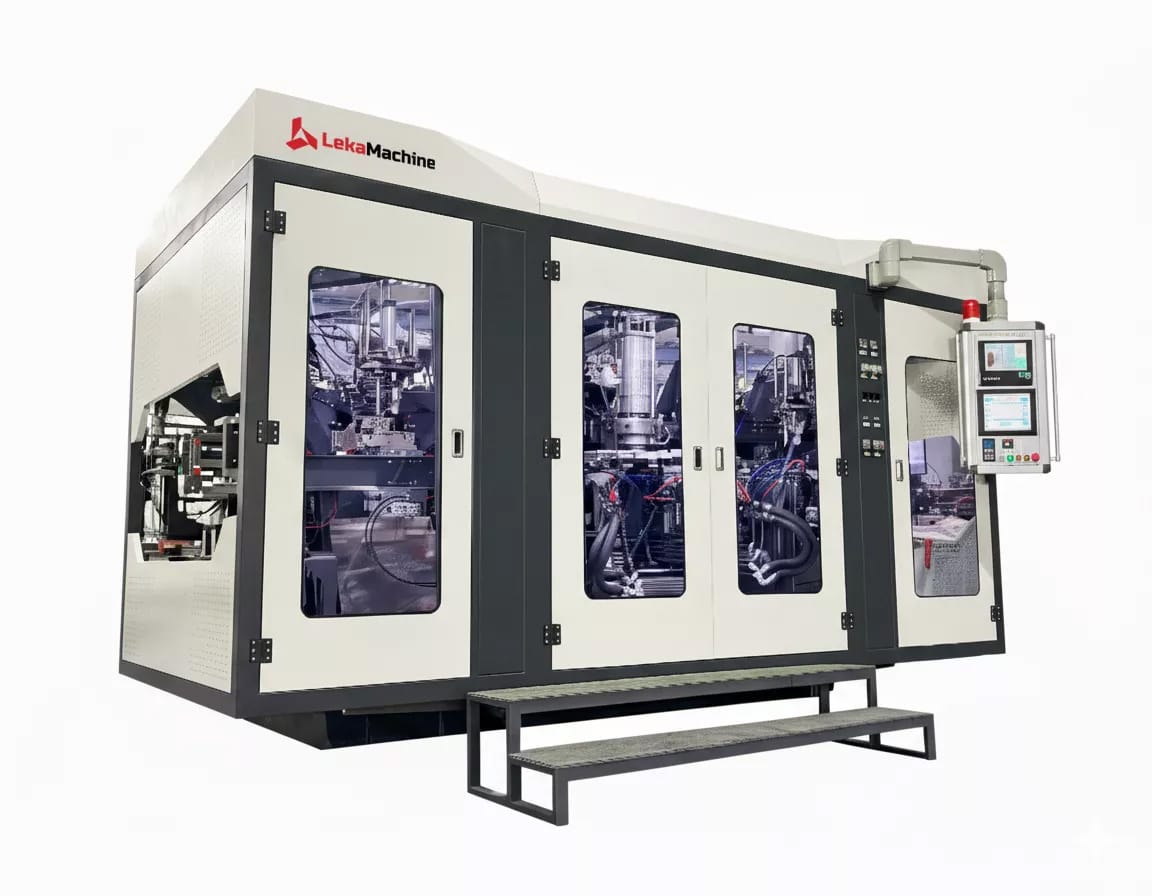
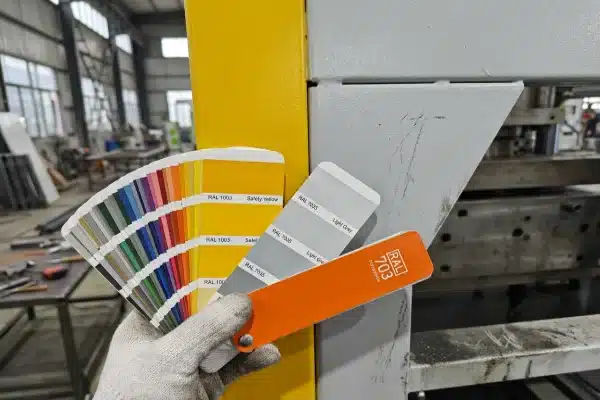
When discussing customization with suppliers, prioritize standardized RAL codes over Pantone for industrial durability. Clearly define safety zones that must remain OSHA-compliant (yellow/orange) regardless of branding. Always specify paint chemistry compatible with release agents to prevent peeling, and request high-contrast internal painting for easier maintenance.
This guide breaks down exactly how to specify appearance details effectively without delaying your project.
Can I specify RAL color codes to match my factory’s branding or safety standards?
When we calibrate our flight controllers or design frame structures, we often see clients confuse print branding with industrial coatings. This mismatch leads to frustration when the final machine doesn’t match the company logo.
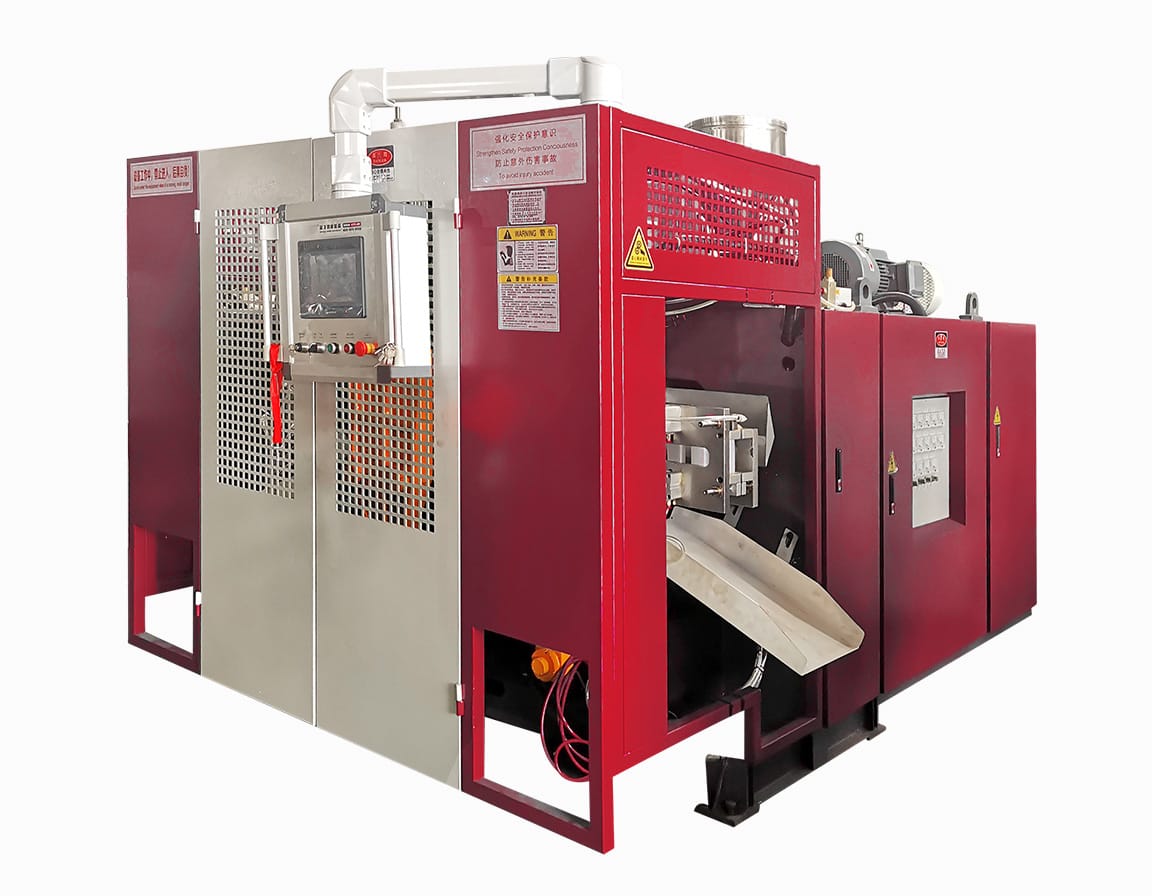
You can and should specify RAL Classic System codes for the machine frame to ensure exact matching by machine shops. However, you must respect ISO/OSHA standards by keeping moving parts and guards in Safety Yellow (RAL 1003) or Orange (RAL 2004) to pass compliance inspections.
Specifying colors for heavy machinery requires a different approach than designing product packaging. While it is tempting to demand a machine that perfectly matches your corporate identity, functional safety and industrial standardization must come first.
RAL vs. Pantone: The Industrial Standard
In our experience exporting to Europe and North America, we strongly advise against using Pantone codes for machinery. Pantone is designed for ink on paper. Metal fabrication shops universally stock and mix paint based on the RAL Classic System 2. If you provide a Pantone code, the shop has to guess the closest RAL equivalent, often resulting in a muddy or "off" color. For the main frame, we recommend standard industrial shades like RAL 7035 (Light Grey) ou RAL 9010 (Pure White), using your brand colors only for accents (like electrical cabinet doors or trim).
The "Silent Hazard" of Electric Machines
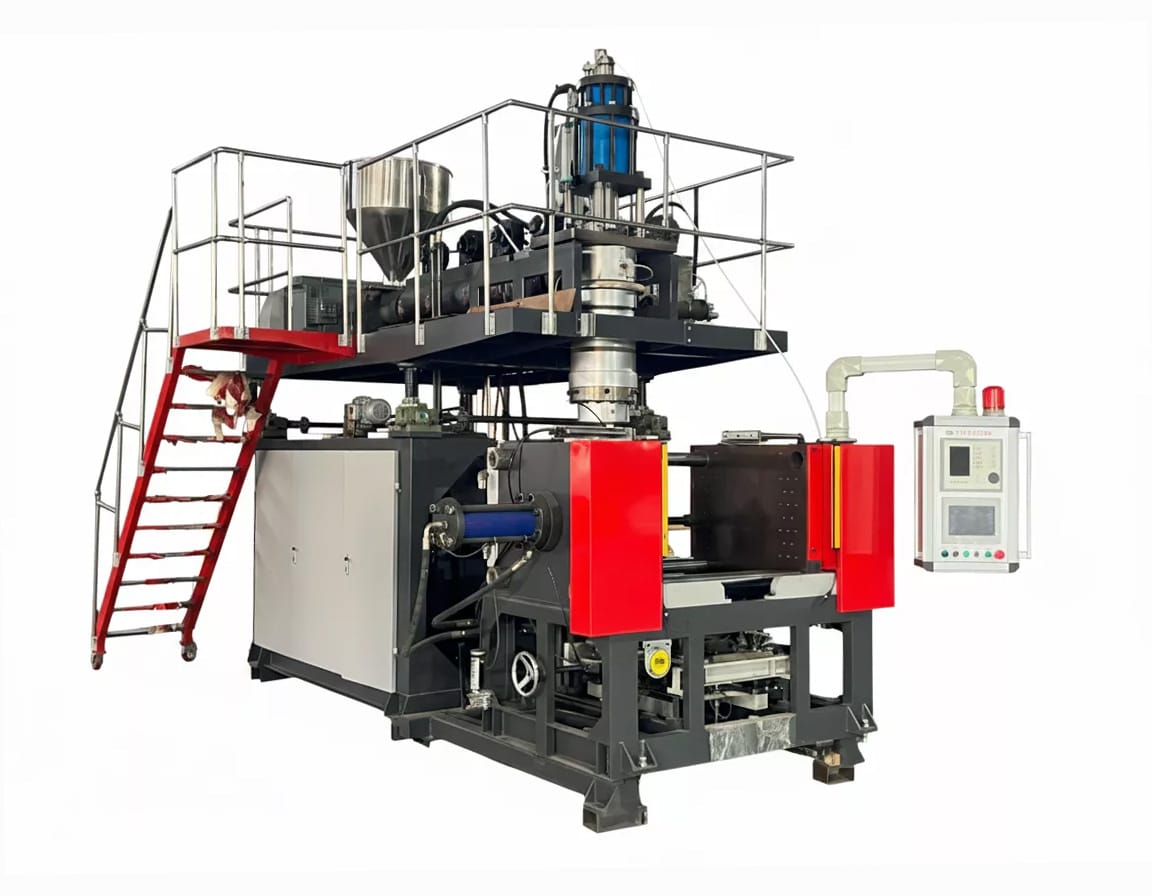
One critical factor often overlooked is the noise difference. All-electric blow molding machines are dangerously quiet compared to hydraulic ones. There is no loud pump noise to warn an operator that the clamping unit is active. Therefore, visual cues become your primary safety line. We recommend asking for "Hazard Striping" or high-contrast paint on the edges of the moving platen. If your brand color is dark blue, and the moving platen is black, an operator might not see the movement in their peripheral vision. High-contrast colors save lives.
Internal Contrast Strategy
We also suggest a strategy that seems counter-intuitive: painting the interior of the machine differently than the exterior. Specifically, the area behind the mold clamping unit should be Bright White.

- Leak Detection: Even on all-electric machines, there is grease on the toggle system 3. If the interior is dark grey, you cannot see a grease leak or debris accumulation. On white paint, dark grease stands out immediately.
- Maintenance Lighting: White surfaces reflect light, making it easier for technicians to change molds or adjust sensors without needing heavy flashlights.
Color Specification Matrix
| Component Area | Recommended Color Standard | Reason for Selection |
|---|---|---|
| Main Frame | RAL 7035 (Light Grey) | Hides dust well; industry standard for resale value. |
| Moving Parts | RAL 1003 (Signal Yellow) | ISO/OSHA Compliance 4. Alerts operators to kinetic hazards. |
| Electrical Cabinet | RAL 7035 or Brand Color | Safe area for branding application. |
| Internal Clamping Area | RAL 9010 (Pure White) | Maximizes light reflection; highlights grease leaks immediately. |
Will requesting a custom paint job affect the lead time or cost of the machine?
In our production planning, stopping the main assembly line to change paint colors is a significant logistical event. Clients often underestimate how a simple request for "Blue" can ripple through the manufacturing schedule.
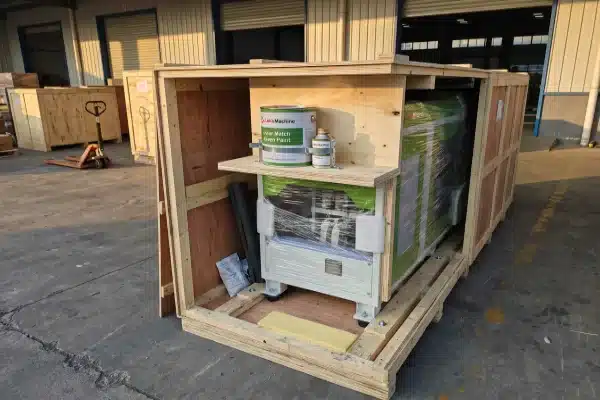
Requesting custom colors typically adds a 1–2 week buffer to the lead time because manufacturers must break production flow to clean spray guns and mix specific batches. Additionally, include a "Color Match Touch-Up Kit" in the contract to avoid expensive Hazmat shipping fees later.
Customization always comes with a trade-off in time. Understanding the manufacturer’s workflow allows you to mitigate delays while still getting the look you want.
The Production Flow Impact
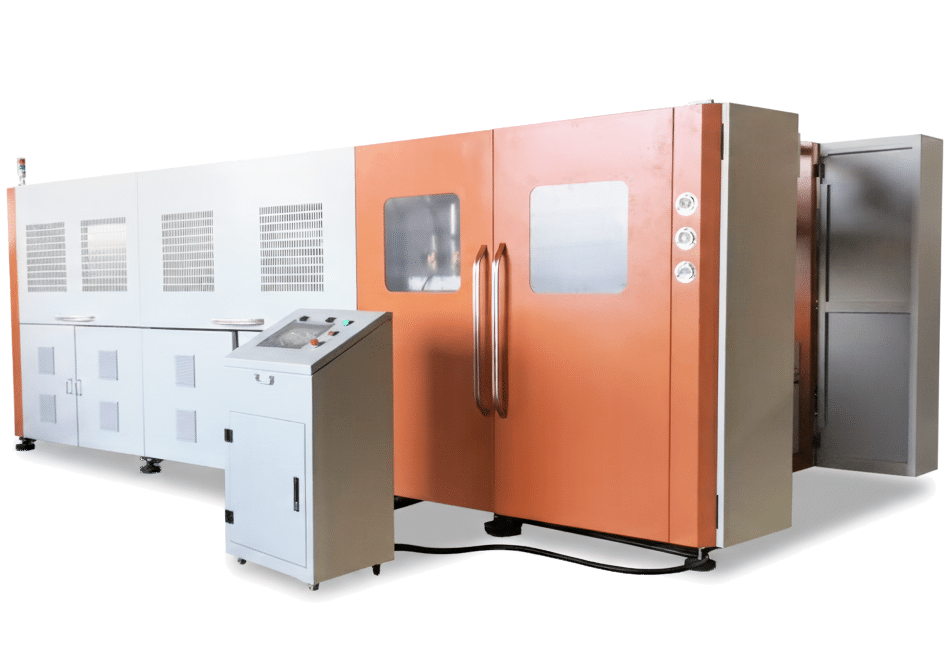
Most manufacturers paint components in batches. We might paint twenty frames in standard "Machine Grey" at once. When a client requests a specific "Sky Blue" (RAL 5015), we have to halt the painting line, flush the system, clean the guns, mix a specific batch, paint that one unit, and then clean everything again to return to standard grey. This process is why we advise clients to anticipate a 1–2 week lead time extension. If you have a strict deadline for machine startup, sticking to standard colors is the safest route to ensure on-time delivery.
The "Dangerous Goods" Shipping Trap
A detail that causes massive headaches post-sales is the touch-up paint. After a machine is installed, it will inevitably have scratches from forklifts or tools. You will want to fix this. However, shipping liquid paint internationally is a nightmare. It is classified as Dangerous Goods 5 (Hazmat) by airlines and shipping companies.
- The Cost: Shipping a $20 can of paint might cost $300 in Hazmat fees and paperwork.
- The Delay: It can take weeks to clear customs.
To avoid this, you must contractually require a "Color Match Touch-Up Kit" (usually 1 liter of paint + hardener) to be packed inside the machine crate at the factory. Since it is part of the larger sea freight cargo, it avoids the strict air freight restrictions.
Cost Implications
While some manufacturers offer custom colors for free as a value-add, others charge a setup fee. This fee covers the downtime of the paint booth and the minimum order quantity (MOQ) of the powder coat or epoxy. If you are ordering multiple machines, this cost is usually waived. If it is a single machine, ask for the "Setup Fee" upfront so it doesn’t appear as a surprise line item on the final invoice.
How do I ensure the paint quality is durable enough to withstand an industrial environment?
We test various coatings against aggressive mold cleaners and release agents to prevent peeling. We have found that standard enamel often fails quickly in the harsh environment of a blow molding floor.
To ensure durability, explicitly request Two-Component Polyurethane (2K PU) or Epoxy paint, which resists the silicone release agents used in blow molding. For clean room applications, mandate a High-Gloss Smooth Finish (RAL 9010) to prevent dust entrapment and facilitate rigorous sanitation protocols.
The chemical environment in a blow molding factory is surprisingly aggressive. Specifying the wrong paint type will lead to a machine that looks twenty years old after only two years of operation.
Chemical Resistance is Key
Blow molding relies heavily on two chemicals: Silicone Release Agents (sprayed on molds) and Mold Cleaners (solvents used to strip residue).
If the machine is painted with standard single-component enamel, these chemicals will attack the paint. Over time, the paint will soften, bubble, and peel off in sheets.
You must explicitly request Two-Component Polyurethane (2K PU) 6 ou Epoxy paint. These paints use a hardener that creates a chemical cross-link, making the surface impervious to solvents. When we build machines intended for heavy industrial use, we refuse to use anything less than 2K PU.
Clean Room vs. General Purpose
The finish texture matters just as much as the chemistry.
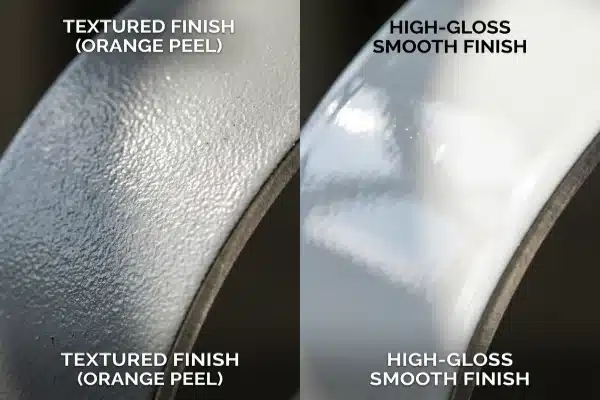
- Textured Finish (Orange Peel): This is great for general manufacturing. It hides fingerprints, oil smudges, and minor scratches. It is forgiving and looks rugged.
- High-Gloss Smooth Finish: If you are producing medical bottles or food containers in a clean room 7, you must specify this.
Why avoid texture in a clean room? A textured surface has thousands of microscopic valleys that trap dust, bacteria, and oil. You cannot wipe it perfectly clean with a cloth. A high-gloss smooth finish (usually RAL 9010 White) allows for a "wipe-down" sanitation protocol where no contaminants can hide.
Coating Durability Checklist
| Fonctionnalité | Standard Enamel | 2K Polyurethane / Epoxy | Meilleur pour |
|---|---|---|---|
| Solvent Resistance | Low (Softens easily) | High (Impervious) | Mold cleaning areas |
| Scratch Hardness | Moyen | Très élevé | Heavy tool zones |
| UV Stability | Variable | Haut | Factories with skylights |
| Résistance chimique | Faible | Haut | Areas exposed to Silicone Release Agents 8 |
Is it possible to customize the HMI interface colors to match my company’s standard operating procedures?
Our engineers customize control panels daily to help operators react faster to alarms. We have observed that visual clarity on the screen reduces mistakes significantly, especially during fatigue-prone night shifts.
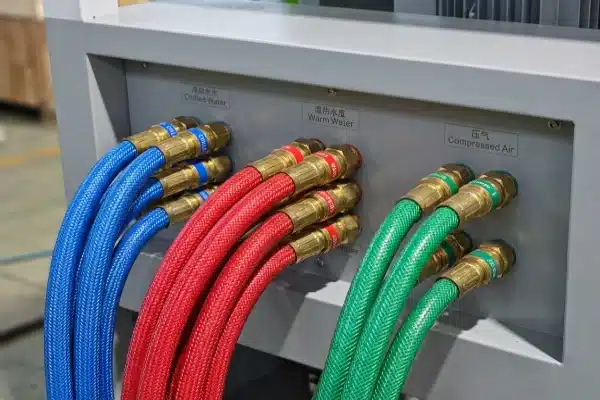
Beyond simple logo uploads, request HMI "Theme Switching" to offer dark modes that reduce eye strain in 24/7 control rooms. Furthermore, extend color coding to utility lines—matching water, air, and vacuum hose colors to your HMI schematics to drastically reduce maintenance errors.
Modern Human-Machine Interfaces (HMIs) 9 are more than just touchscreens; they are the bridge between the operator and the process. Customizing this interface goes beyond uploading your logo—it’s about usability and error proofing.
Dark Mode and Operator Fatigue
A stark white background on a large 15-inch screen acts like a flashlight shining in an operator’s face. During a 12-hour night shift, this causes significant eye strain and fatigue.
Ask your supplier if their HMI software supports "Theme Switching" or a dedicated "Dark Mode." We prefer a dark grey background with high-contrast distinct colors for data (Green for running, Red for stop, Amber for heating). This reduces glare in dimly lit control rooms and helps the operator focus on the data, not the background.
The Physical-Digital Link: Color-Coded Utilities
One of the most effective customizations we offer costs almost nothing but saves hours of troubleshooting: Color-Coding the Media Hoses.
Usually, manufacturers use generic black hoses for everything—pneumatics, water, and vacuum. This is a recipe for disaster when a maintenance technician accidentally plugs a water line into an air circuit.
We recommend standardizing your hoses to match the schematic colors on the HMI screen:
- Blue Hoses: Chilled Water IN.
- Red Hoses: Warm Water OUT.
- Green Hoses: Compressed Air (Low Pressure).
- Clear/Grey Reinforced Hoses: Vacuum.
By visually matching the physical hose to the digital representation on the screen, you create a Poka-Yoke 10 (mistake-proofing) system. An operator can look at the screen, see a blue line, look at the machine, grab the blue hose, and know they are correct.
HMI Customization Levels
| Customization Level | Description | Bénéfice |
|---|---|---|
| De base | Logo upload on startup screen. | Branding consistency. |
| Intermédiaire | Day/Night Theme Switching. | Reduces operator eye strain. |
| Avancé | Matching screen colors to physical hoses. | Drastically reduces maintenance errors. |
Conclusion
Customizing your machine’s appearance is not just about vanity; it is a strategic decision impacting safety, maintenance speed, and hygiene. By specifying RAL codes, durable 2K paints, and ergonomic HMI colors, you build a machine that performs better and lasts longer.
notes de bas de page
1. OSHA standard for safety color coding in physical hazards. ↩︎
2. Official color standard for industrial and architectural applications. ↩︎
3. Mechanical linkage providing high force amplification in machinery. ↩︎
4. International standard for safety colors and safety signs. ↩︎
5. Global regulations for shipping hazardous materials by air. ↩︎
6. Durable protective coating resistant to chemicals and abrasion. ↩︎
7. Standard for classification of air cleanliness in controlled environments. ↩︎
8. Chemical agents preventing adhesion in molding processes. ↩︎
9. User interface connecting operators to industrial machine controllers. ↩︎
10. Error-proofing technique to prevent manufacturing mistakes. ↩︎


0 commentaires