
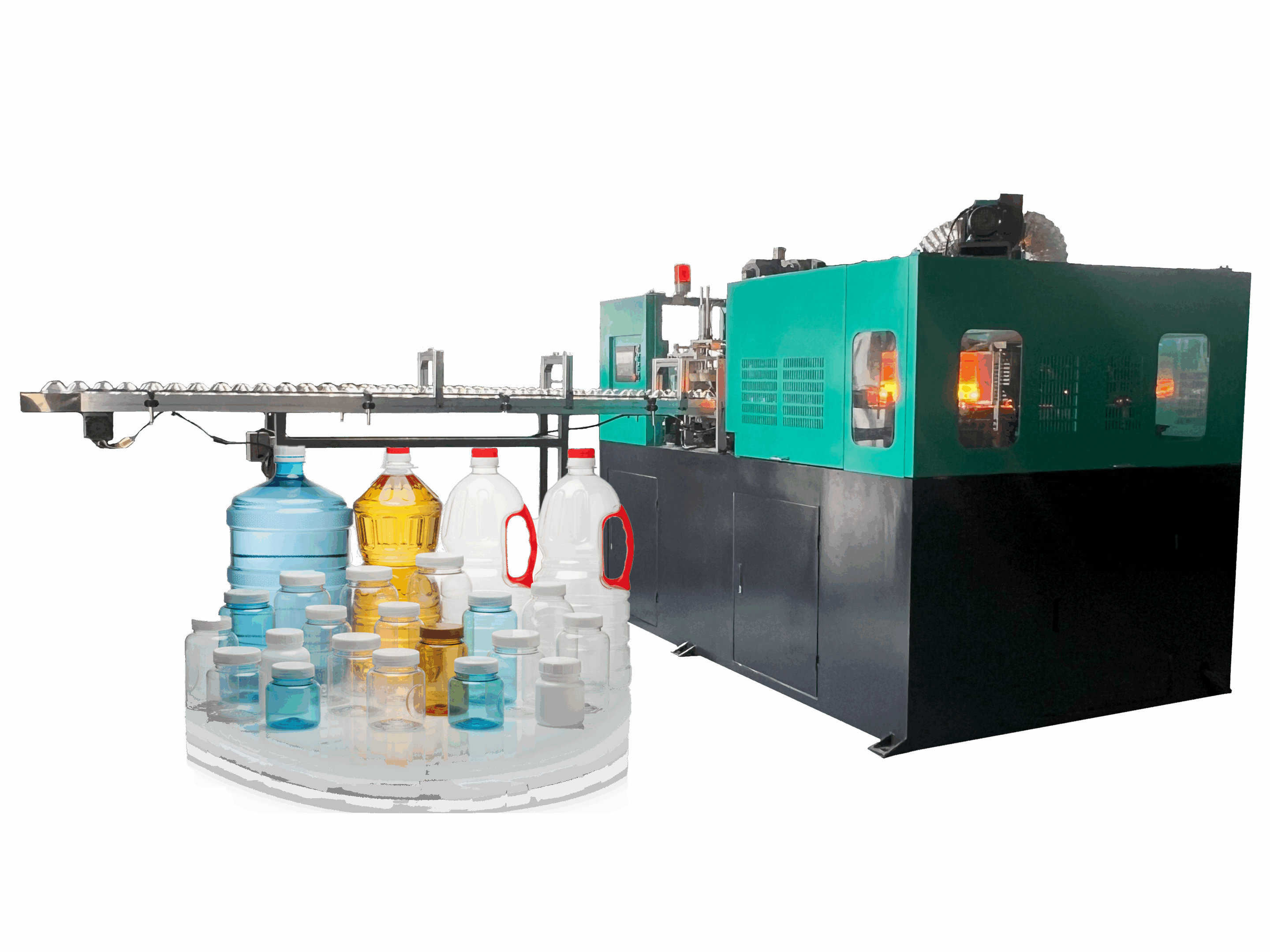
How Should I Evaluate the Maintenance Costs of an All-Electric Extrusion Blow Molding Machine Over Long-Term Operation?
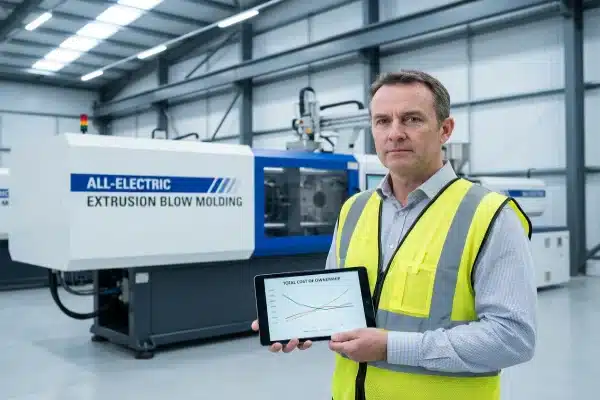
At our factory, we often see clients shocked by hidden costs after buying cheap equipment. Ignoring long-term maintenance realities turns a profitable investment into a financial burden.
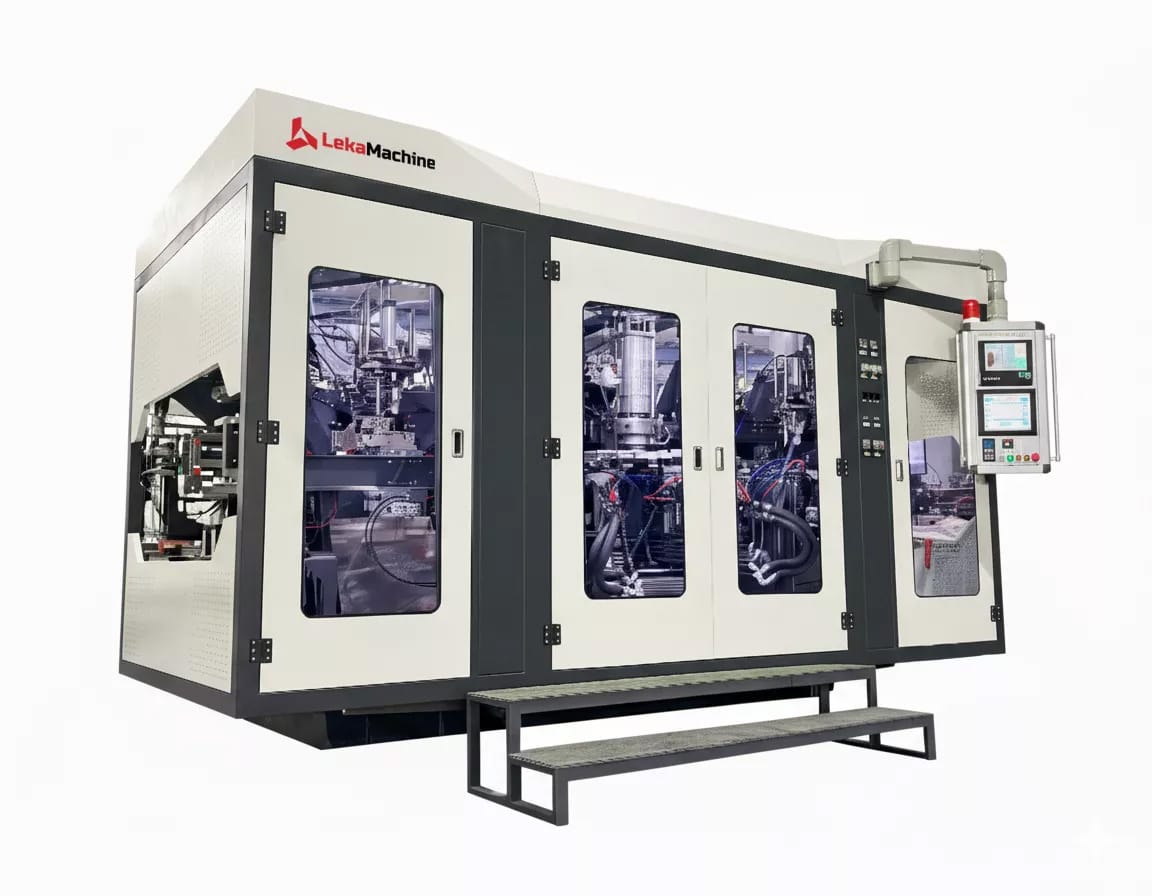
To evaluate maintenance costs for all-electric extrusion blow molding machines, calculate the Total Cost of Ownership (TCO) over 10 years. This includes comparing energy savings against hydraulic models, assessing servo drive life-cycles, verifying warranty coverage for electrical wear parts, and budgeting for specific routine tasks like greasing toggle systems.
Understanding the financial reality of running electric EBM machines requires looking beyond the initial price tag.
How much will I save on energy bills compared to hydraulic machines?
When we conduct energy audits for customers switching from hydraulic to electric, the numbers always surprise them. High energy bills destroy your margins and reduce your competitive edge.
conduct energy audits 1
You can expect to save between 40% and 60% on energy bills compared to hydraulic machines. Electric servo motors only consume power during movement, eliminating the constant energy waste of hydraulic pumps idling. This typically results in annual savings of $8,000 to $15,000 per machine.

The primary driver for switching to all-electric machinery is the massive reduction in operating costs. In our experience designing machines at LEKA, the difference comes down to how power is delivered.
The Mechanics of Savings
Hydraulic machines are like a car engine that is always running, even when stopped at a red light. The hydraulic pump must run continuously to maintain pressure, even during cooling or part removal phases when the machine isn’t actually moving. This "idling" wastes a tremendous amount of electricity.
In contrast, the all-electric machines we build use servo motors. These motors are "on-demand." If the clamp isn’t moving, the motor isn’t drawing significant current. During the cooling cycle—which can take up a large portion of the total cycle time for thick-walled bottles—the energy consumption drops to near zero.
servo motors 2
The Hidden Cooling Bonus
Many buyers forget to factor in the secondary energy costs: cooling. Hydraulic systems generate heat as oil circulates. You need a larger chiller and more electricity to keep that oil cool. All-electric machines do not heat up hydraulic oil. This reduces the load on your chiller system by approximately 30%, further lowering your electricity bill.
Calculated ROI
Below is a comparison based on a standard 5-liter bottle production line running 6,000 hours per year.
| Facteur de coût | Hydraulic Machine (Standard) | All-Electric Machine | Estimated Annual Savings |
|---|---|---|---|
| Main Motor Consumption | ~30 kW avg. | ~12 kW avg. | $12,960 (at $0.12/kWh) |
| Cooling Load | High (Oil + Mold) | Low (Mold only) | $2,500 |
| Hydraulic Oil Costs | $1,000 (replacement + disposal) | $0 | $1,000 |
| Total Annual Cost | ~$23,600 | ~$7,140 | ~$16,460 |
By analyzing these figures, you can see that the energy savings alone often pay for the price difference of the machine within the first 24 to 36 months.
What are the routine maintenance intervals for electric toggle systems?
We remind every new operator that "electric" doesn’t mean "zero maintenance." Ignoring the toggle mechanism is the fastest way to damage your clamping unit.
Routine maintenance intervals for electric toggle systems usually involve weekly greasing and monthly inspections. Unlike hydraulic systems that leak oil, electric toggles need precise lubrication to prevent friction. Neglecting this leads to premature wear on pins and bushings, causing expensive mechanical failures.

While you don’t have to worry about hydraulic valves clogging or oil seals leaking, the mechanical toggle system on an electric machine bears immense physical stress. It is the heart of the clamping unit.
Weekly Lubrication Checks
The most common failure we see in the field is a seized toggle pin caused by a lack of grease. Even with automatic lubrication systems, we insist that operators visually inspect the toggle linkage once a week. They need to ensure that fresh grease is appearing at the bushings. If a line is blocked, that joint runs dry.
Monthly Alignment and Calibration
Every month, your maintenance team should check the platen parallelism. In electric machines, the closing force is extremely precise. If the mold or platen is slightly misaligned, it puts uneven load on the ball screws and the toggle pins.
Cleanliness is Critical
Hydraulic machines are often oily, which attracts dust but lubricates surfaces. Electric machines are dry. However, static electricity can attract plastic dust and fines to the greased toggle bars. This creates a "grinding paste" that wears out metal. Regular cleaning of the tie bars and toggle linkage is not just for aesthetics; it is a vital maintenance step to extend the machine’s life.
| Maintenance Task | Fréquence | Estimated Time | Skill Level |
|---|---|---|---|
| Visual Check of Lube Lines | Daily | 5 Minutes | Operator |
| Clean Tie Bars and Linkage | Hebdomadaire | 15 Minutes | Operator |
| Check Platen Parallelism | Mensuel | 1 Hour | Technician |
| Inspect Motor Belts/Couplings | Trimestrielle | 30 Minutes | Technician |
Do I need to budget for expensive ball screw replacements?
During our pre-shipment testing, clients often ask if the ball screws are fragile. A broken ball screw shuts down production instantly and is costly to fix.
ball screws 3
You can budget for potential ball screw replacement after 20,000 to 30,000 hours of operation, although many last longer with proper care. While expensive, they replace the cost of hydraulic pump and valve maintenance. Premature failure is almost always caused by poor lubrication, not the part itself.
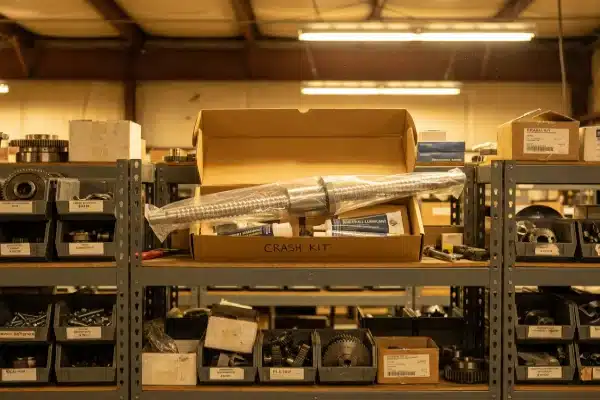
The ball screw is the component that converts the rotary motion of the servo motor into the linear motion needed to open and close the mold or move the carriage. It is a precision component, and replacing it is indeed more expensive than replacing a hydraulic seal kit. However, the context matters.
Escrow Clause 4
Life Cycle vs. Hydraulic Pumps
A high-quality hydraulic pump typically requires rebuilding or replacement every 3 to 5 years depending on oil quality. A ball screw, if kept clean and lubricated, can last 5 to 7 years (or more) in a blow molding environment. When you spread the cost of the ball screw over its lifespan, it is often comparable to the cumulative cost of hydraulic maintenance (oil changes, filter changes, valve cleaning, and pump repairs).
Understanding Cycle Ratings
Unlike motors which are rated by hours, ball screws degrade based on "travel distance" and load.
- High Load: Running the machine at maximum clamping force constantly will shorten the life.
- High Speed: Rapid cycling generates heat.
- Stroke Length: Short strokes concentrate wear in one area of the screw.
Protection Strategies
To avoid budgeting for an early replacement ($3,000 – $8,000 depending on size), you must protect the screw.
- Bellows Covers: Ensure the covers are intact. If plastic flash gets into the threads, it will destroy the ball nut.
- Auto-Lube: Never let it run dry.
- Crash Kit: We recommend keeping a spare ball screw in your inventory if you run 24/7. Lead times for these precision parts can be weeks. Having one on the shelf transforms a catastrophic month-long downtime into a one-day repair.
Is the lubrication system automatic to reduce manual labor costs?
We design our LEKA machines to minimize human error, because we know manual greasing often gets forgotten during busy shifts.
PLC source code 5
Most modern all-electric blow molding machines feature automatic lubrication systems to reduce labor costs and human error. These systems dispense precise amounts of grease at set intervals, eliminating the need for manual technicians and preventing dry-running components, which significantly lowers long-term repair expenses.
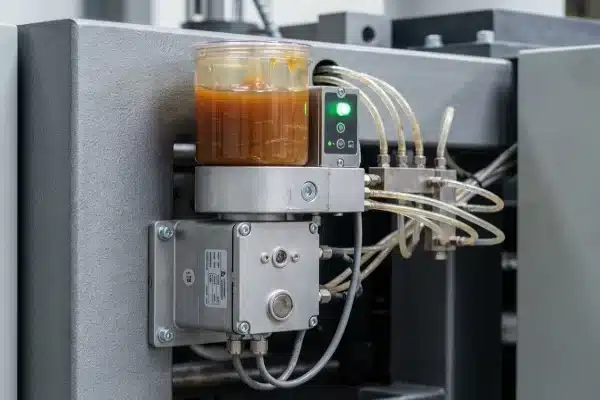
Reliance on a human operator with a grease gun is a risk strategy we do not recommend for high-performance electric machines.
Bill of Lading 7
How Auto-Lube Works
The system consists of a central reservoir, a pump, and a distribution block with metering valves.
- Timer Controlled: You set the interval (e.g., every 5,000 cycles).
- Volume Controlled: It dispenses the exact cubic centimeter of grease needed.
- Alarm Integration: If the reservoir is empty or a line is blocked, the machine alarms out and stops. This failsafe prevents the machine from destroying itself.
Labor Savings Analysis
Manual greasing takes time. A technician must stop the machine (downtime), open the gates, apply grease to 20+ points, and restart. This might take 30 minutes per week.
- Manual Cost: 0.5 hours x 52 weeks x $30/hour = $780/year in labor, plus lost production time.
- Auto Cost: 5 minutes to refill the reservoir once a month.
The "Crash Kit" Connection
While the system is automatic, the nylon tubing and fittings can break if hit by a tool or a heavy piece of plastic scrap. In our "Crash Kit," we always include spare lubrication fittings and tubing. If a line breaks, the auto-system loses pressure and won’t lube anything. Quick repair capability here is essential to keeping the "automatic" benefit alive.
| Fonctionnalité | Manual Lubrication | Automatic Lubrication |
|---|---|---|
| Labor Cost | High (Weekly application) | Low (Monthly refill) |
| Consistency | Low (Depends on operator) | High (Computer controlled) |
| Risk of Dry Run | High (If forgotten) | Low (Alarm protection) |
| Grease Usage | High (Tendency to over-grease) | Optimized |
We tell buyers to read the fine print. Standard contracts often exclude the very parts that are most likely to fail.
automatic lubrication systems 8
To avoid hidden costs, negotiate warranty terms that start upon Final Acceptance rather than shipment. Ensure servo drives are classified as standard components, not wear parts, and define "response time" as active troubleshooting. Always clarify who pays for technician travel and accommodation during warranty repairs.

When evaluating maintenance costs, the warranty is your first line of defense. A weak warranty can cost you thousands in the first year alone.
static electricity 9
The Warranty "Gap"
Many manufacturers start the warranty clock on the "Bill of Lading" date. If shipping takes 6 weeks and installation takes another 4 weeks, you have lost nearly 3 months of coverage before making a single bottle. We advise negotiating for the warranty to begin upon Final Acceptance (FAT) at your factory. This ensures you get the full 12 or 24 months of protection during actual production.
Defining "Wear Parts" vs. "Standard Components"
This is a classic trap. Heater bands are wear parts; everyone accepts that. However, some contracts try to classify servo drives ou inverters as wear parts, claiming they are subject to "electrical wear." This is incorrect. You must scrutinize the contract to ensure expensive electronics are fully covered.
Travel and "Per Diem" Costs
A "Free Parts and Labor" warranty sounds great until you get a bill for $3,000. Why? Because the contract says you must pay for the technician’s flight, hotel, and meals.
- Negotiation Tip: Cap the travel costs in the contract or demand a "local service" clause if available.
Clean Power Exclusions
All-electric machines are sensitive to "dirty power" (voltage spikes). Check for clauses that void the warranty if power quality is poor. If this clause exists, you must budget for a high-quality line reactor or transformer during installation. If you don’t, and a drive blows, the manufacturer can legally refuse the claim, leaving you with a $2,000+ repair bill.
Source Code and Software
Since electric machines are 100% software-dependent, what happens if the manufacturer disappears? We recommend asking for an Escrow Clause. This releases the PLC source code and admin passwords to you strictly if the manufacturer goes out of business. This prevents your expensive machine from becoming a useless brick due to a software glitch years later.
Conclusion
Evaluating maintenance costs requires looking at the total picture. While electric machines save heavily on energy and fluids, you must budget for ball screws and protect yourself with a strong warranty.
hydraulic pump 10
Footnotes
- Authoritative government resource on industrial energy assessments. ↩︎
- Explanation of the core technology in electric machines. ↩︎
- Detailed description of the critical transmission component. ↩︎
- Explanation of the legal software protection mechanism. ↩︎
- Definition of the industrial control hardware. ↩︎
- Explanation of the electrical protection device. ↩︎
- Definition of the shipping document affecting warranty. ↩︎
- Overview of the maintenance technology discussed. ↩︎
- Explanation of the physical phenomenon causing contamination. ↩︎
- Definition of the mechanical component being compared. ↩︎



0 commentaires