
Introduction
When metal components fail under extreme loads, the ripple effect hits your bottom line—downtime, replacement costs, and compromised safety. Industrial plastic parts are quietly revolutionizing heavy machinery by solving these exact pain points with superior wear resistance, corrosion-proof durability, and precision fits that off-the-shelf metal parts can’t match.
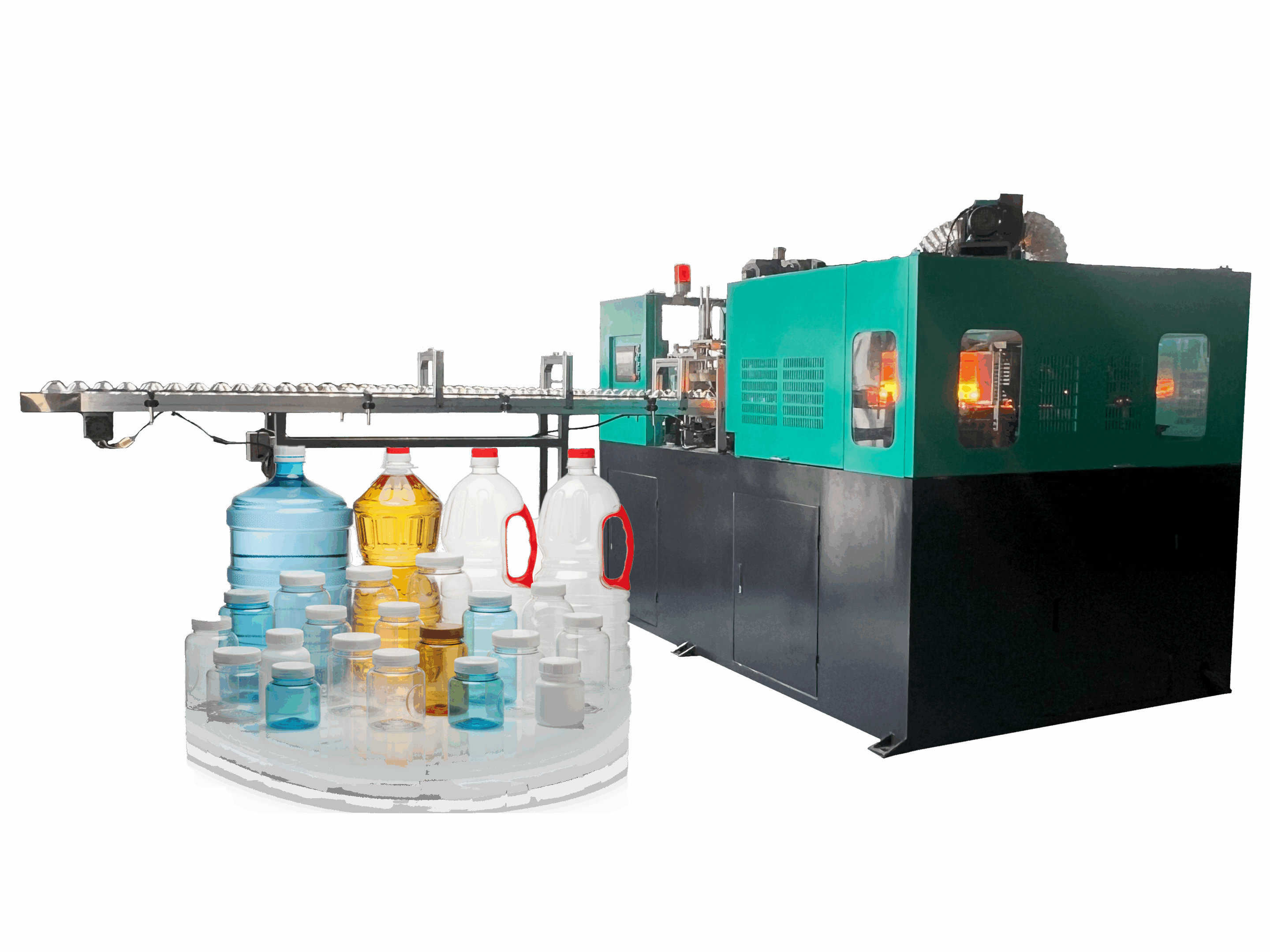
At Lekamachine, we’ve seen how custom-molded PET, PP, and HDPE components outperform traditional materials in high-stress environments—from pharmaceutical packaging lines to industrial chemical containers. This article breaks down why leading OEMs are switching to engineered plastics, with real-world examples of how they reduce maintenance costs while boosting equipment lifespan.
Why Industrial Plastic Parts Outperform Metal in Heavy Machinery
“Industrial plastic parts offer superior corrosion resistance, noise reduction, and cost savings compared to traditional metal components in heavy machinery applications.”
When it comes to heavy machinery, the choice of materials can make or break performance. While metal has long been the go-to option, custom molded plastic components are proving to be the better choice in many industrial applications. From pharmaceuticals to automotive manufacturing, industrial plastic parts are delivering unmatched benefits that metal simply can’t match.
Corrosion Resistance and Longevity in Harsh Conditions
One of the biggest advantages of industrial plastic parts is their ability to resist corrosion. Unlike metal, which can rust and degrade when exposed to moisture, chemicals, or extreme temperatures, high-performance plastics remain stable. This makes them ideal for industries like pharmaceuticals, where sterile conditions are a must. A well-designed plastic part can last years longer than its metal counterpart, reducing downtime and replacement costs.
Noise Reduction and Vibration Dampening Benefits
Heavy machinery is loud, but plastic components can help quiet things down. Plastics naturally absorb vibrations and reduce noise, making them perfect for applications where worker comfort and safety are priorities. In industries like food processing or packaging, where machinery runs continuously, this can lead to a more productive and comfortable work environment.
Case Study: Pharmaceutical Industry Adoption
The pharmaceutical sector has been quick to adopt industrial plastic parts for critical applications. Plastic components don’t just resist corrosion from harsh cleaning chemicals – they also eliminate the risk of metal particles contaminating sensitive products. Many leading drug manufacturers now use plastic gears, housings, and fittings in their production lines to maintain ultra-clean environments.
Cost Comparison: Total Ownership Savings
While the upfront cost of industrial plastic parts might be comparable to metal, the long-term savings are significant. Plastics require less maintenance, don’t need protective coatings, and often outlast metal components in tough conditions. When you factor in reduced downtime and longer service life, plastic parts typically offer a 20-30% lower total cost of ownership over five years.
Performance Comparison: Plastic vs. Metal Components
| Fonctionnalité | Industrial Plastic Parts | Metal Components | Norme industrielle | Notes |
|---|---|---|---|---|
| Corrosion Resistance | Excellent | Poor (without treatment) | Bon | Plastic maintains integrity in wet/chemical environments |
| Noise Reduction | High (5-8 dB reduction) | Faible | Moyen | Plastic absorbs vibration better than most metals |
| Poids | Light (30-50% lighter) | Lourd | Moyen | Lighter parts reduce energy consumption in moving machinery |
| Maintenance Cost | Low ($50/year avg.) | High ($200/year avg.) | $100/year | Plastic requires less lubrication and no rust prevention |
| Service Life | 5-7 years | 3-5 ans | 4 years | High-quality plastics often outlast treated metals |
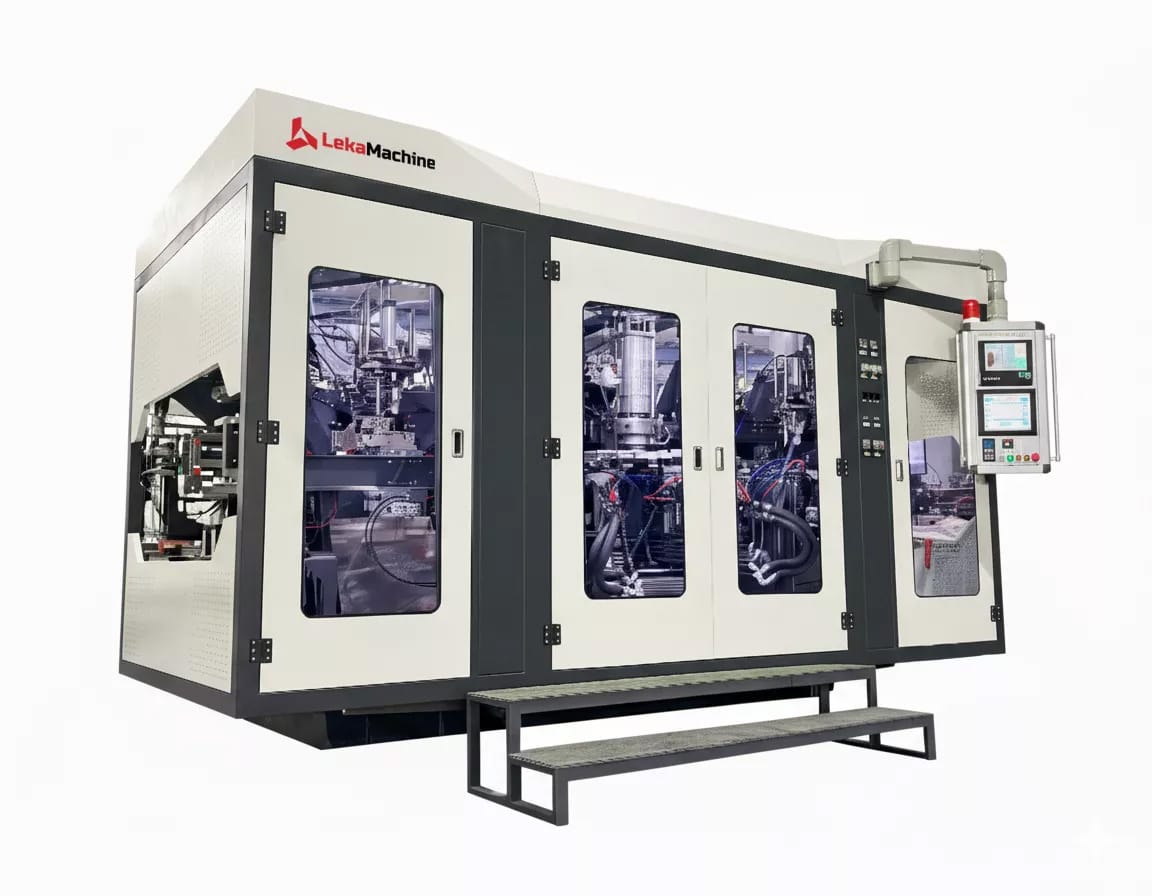
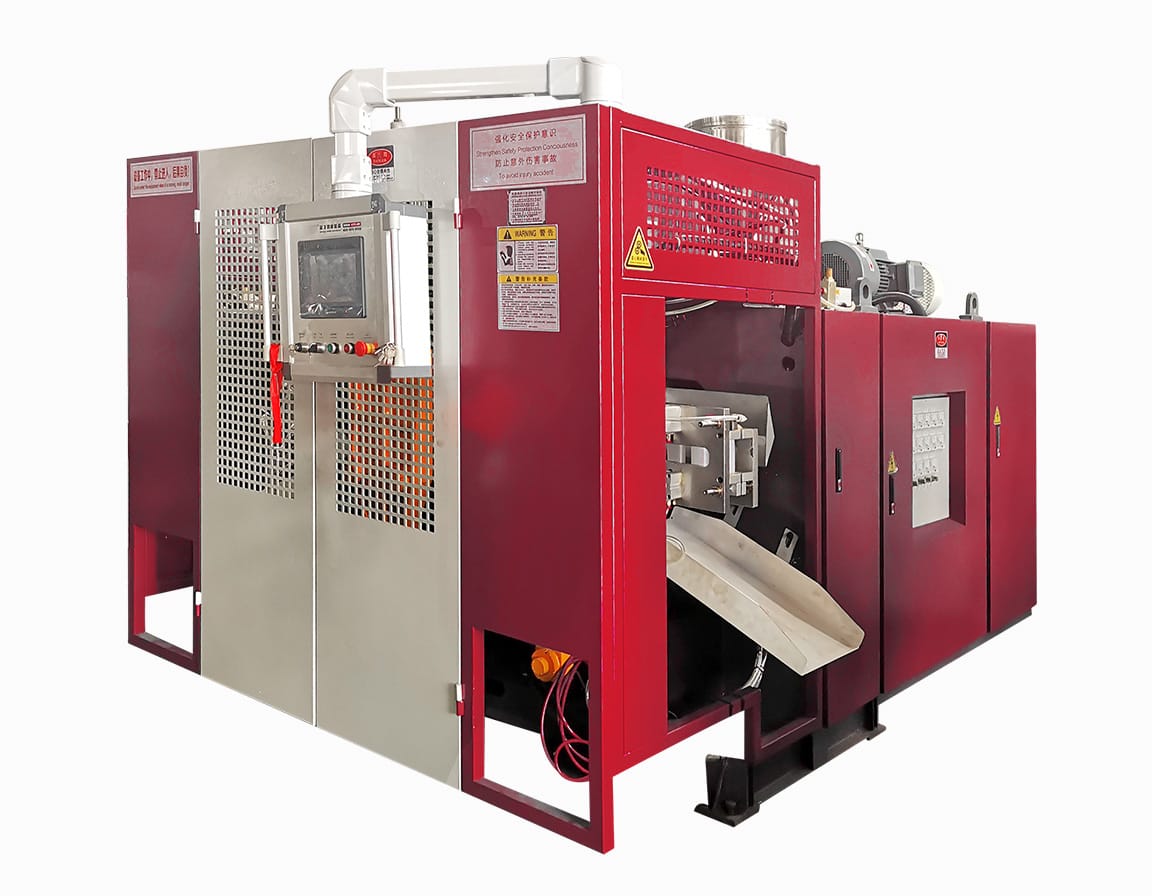
At Lekamachine, we’ve seen firsthand how switching to the best materials for industrial plastic parts can transform operations. Our moulage par soufflage expertise allows us to create custom solutions that meet exact specifications while delivering all these performance benefits. Whether you need components for packaging machinery, conveyor systems, or specialized industrial equipment, plastic parts offer advantages that metal simply can’t match.
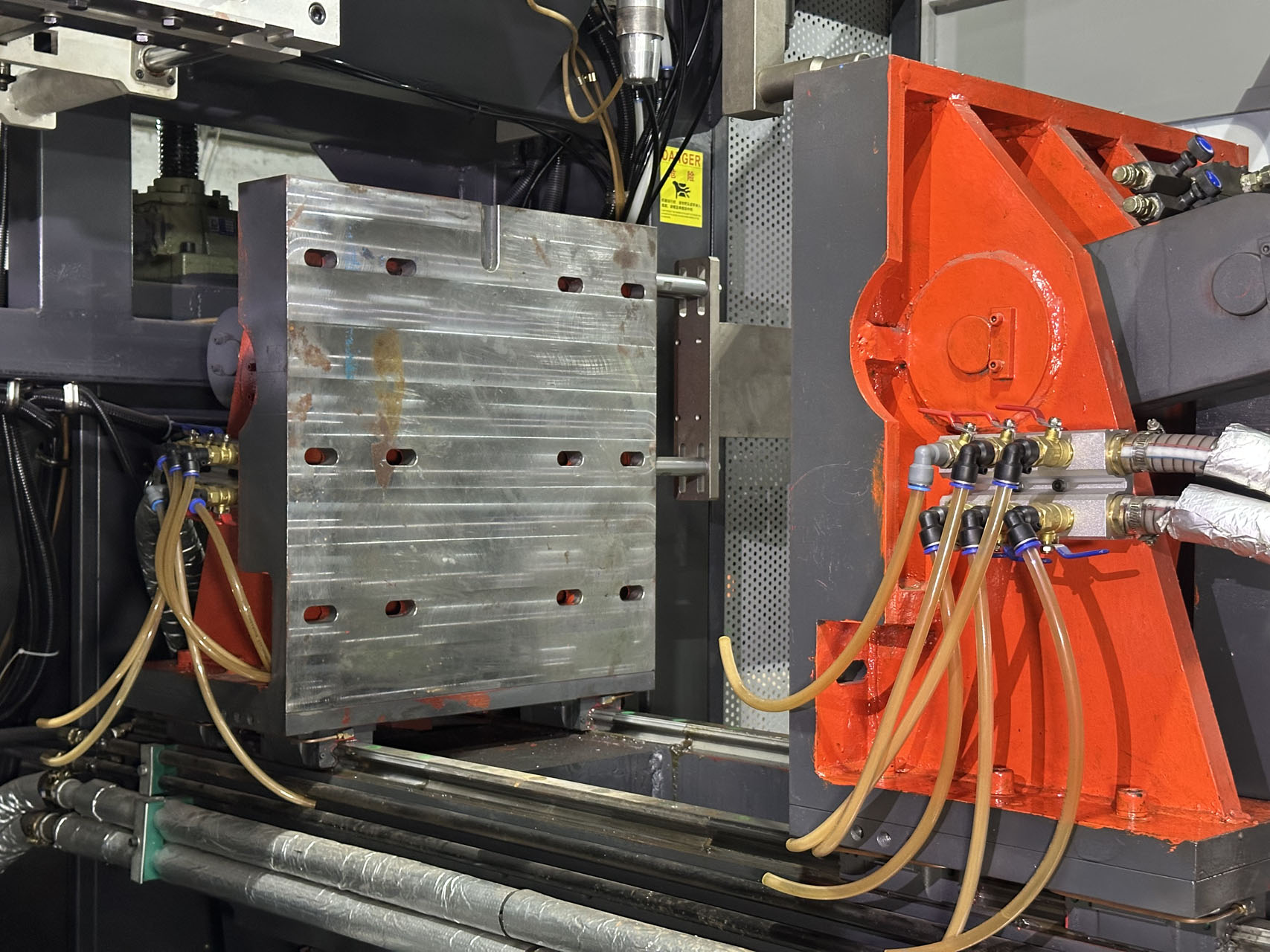
Featured Image Reference: Close-up of industrial plastic gears in machinery, showing smooth operation and durability in harsh conditions.
Material Selection Guide for Industrial Applications
“Choosing the right plastic material (PET, PP, or HDPE) can significantly impact performance, durability, and cost-efficiency in industrial applications.”
Selecting the optimal material for industrial plastic parts requires careful consideration of application requirements. At Lekamachine, we help manufacturers navigate these decisions through our extensive material testing and custom formulation services. This guide compares PET, PP, and HDPE – the three most common plastics used in industrial components.
PET: Chemical Resistance for Pharmaceutical Applications
Polyethylene terephthalate (PET) excels in environments requiring chemical resistance and clarity. Its non-reactive properties make it ideal for pharmaceutical containers and medical device components. PET maintains integrity when exposed to alcohols, oils, and mild acids, while providing excellent barrier properties against moisture and gases.
PP: Impact Strength for Heavy Equipment Components
Polypropylene (PP) offers exceptional impact resistance, making it perfect for industrial plastic components in heavy machinery. Its fatigue resistance allows for repeated stress cycles in gears, hinges, and protective covers. PP also handles higher temperature ranges (up to 135°C) than many other plastics.
HDPE: Lightweight Durability for Moving Parts
Le polyéthylène haute densité (PEHD) allie légèreté et durabilité remarquable. Il est donc excellent pour les pièces de systèmes de convoyage, les composants de bras robotisés et autres éléments de machines mobiles où la réduction du poids améliore l'efficacité énergétique sans sacrifier la résistance.
Industrial Plastic Material Comparison
| Propriété | PET | PP | PEHD | Meilleur pour |
|---|---|---|---|---|
| Résistance chimique | Excellent | Bon | Très bon | Contenants pharmaceutiques |
| Résistance aux chocs | Bon | Excellent | Très bon | Pièces pour équipements lourds |
| Poids | Moyen | Léger | Le plus léger | Composants mobiles |
| Plage de température | -40 °C à 70 °C | -20 °C à 135 °C | -100 °C à 80 °C | Environnements à haute température |
| Efficacité des coûts | Moyen | Haut | Le plus élevé | Projets à budget limité |
Liste de contrôle pour la sélection des matériaux pour les fabricants d'équipements d'origine
Lors du choix des matériaux pour des conteneurs en plastique sur mesure ou composants, il faut prendre en compte : 1. Exigences d'exposition chimique 2. Attentes en matière de contrainte mécanique 3. Limitations de poids 4. Fluctuations de température 5. Besoins de conformité réglementaire 6. Coût total de possession. Nos ingénieurs chez Lekamachine sont spécialisés dans l'aide aux fabricants pour naviguer dans le processus de fabrication de pièces en plastique sur mesure, de la sélection des matériaux à la production finale. Nous proposons des tests de matériaux complets pour garantir que vos composants répondent aux spécifications de performance exactes.
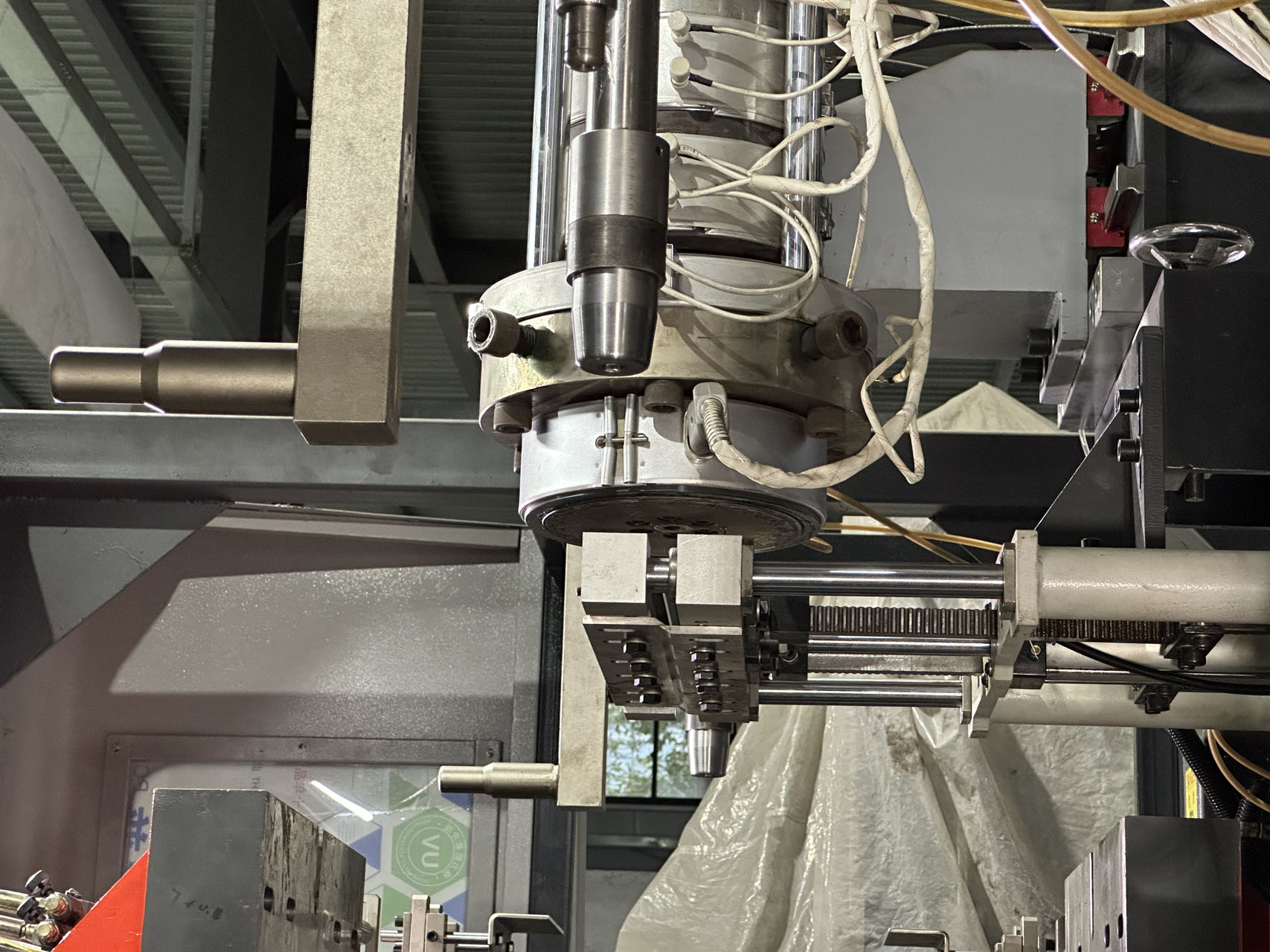
Référence de l'image en vedette : Comparaison côte à côte d'échantillons de matériaux PET, PP et PEHD avec des exemples d'applications industrielles.

Processus de fabrication de précision pour composants sur mesure
“ Les technologies de moulage exclusives de Lekamachine produisent des pièces en plastique industriel avec une précision au niveau du micron pour une intégration transparente des équipements. ”
Dans les applications industrielles, la fabrication de précision fait la différence entre des composants qui s'adaptent simplement et ceux qui fonctionnent de manière optimale. Nos industrial plastic parts sont conçus grâce à des processus de moulage avancés qui garantissent des tolérances serrées et une qualité constante – des facteurs critiques pour la fiabilité et la longévité des machines.
Moulage à tolérance serrée pour des ajustements de précision
La fabrication moderne exige des composants qui s'adaptent parfaitement du premier coup. Nos processus de moulage atteignent des tolérances aussi serrées que ±0,05 mm, éliminant le besoin d'usinage post-production. Cette précision est particulièrement précieuse pour les boîtiers en plastique moulé et les carters de protection où des dimensions exactes empêchent l'infiltration d'humidité ou de contaminants.
Avantages du moulage par soufflage à une étape
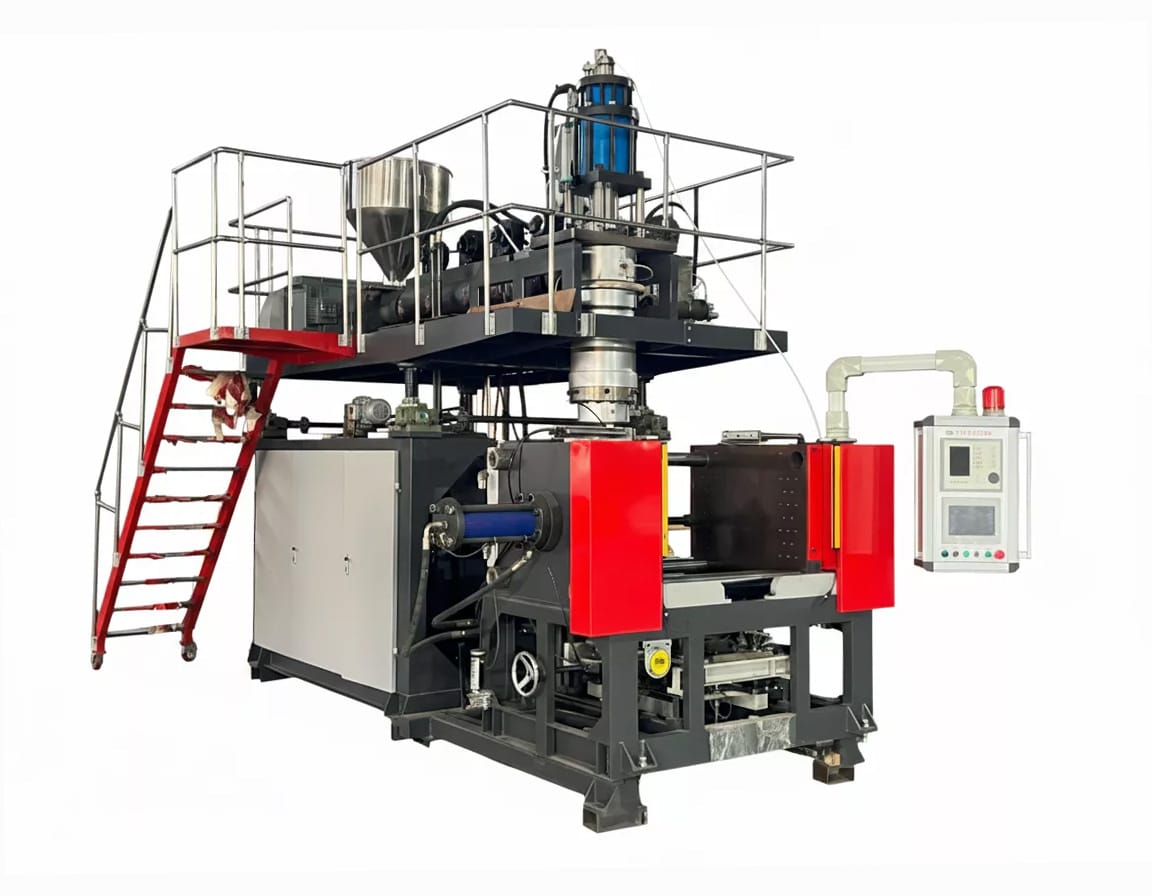
Notre procédé exclusif à une étape combine le moulage par injection et le soufflage en une seule opération sans interruption. Cela élimine la manutention des matériaux entre les étapes, réduisant les défauts potentiels tout en améliorant l'intégrité structurelle. Le résultat ? Plateaux en plastique pour usage industriel avec une épaisseur de paroi uniforme et une durabilité accrue.
Quality Control Protocols Comparison
| Paramètre de qualité | Processus standard | Processus Lekamachine | Méthode de mesure | Impact sur l'industrie |
|---|---|---|---|---|
| Précision dimensionnelle | ±0,15 mm | ±0,05 mm | Balayage laser | Meilleur ajustement de l'équipement |
| Variation de l'épaisseur de la paroi | ±12% | ±5% | Essais par ultrasons | Performance plus constante |
| Finition de la surface | Ra 0,8 μm | Ra 0,4 μm | Profilométrie | Frottement réduit |
| Densité du matériau | 98% uniforme | 99,5% uniforme | Analyse par rayons X | Résistance supérieure |
| Constance de production | 95% | 99.8% | Contrôle statistique des processus | Moins de rejets |
Production automatisée pour la constance
Nos systèmes entièrement automatisés maintiennent un contrôle précis de chaque variable – température, pression, temps de cycle – sur des milliers de cycles de production. Cette automatisation est particulièrement précieuse pour les applications du plastique moulé dans le secteur industriel où la constance d'un lot à l'autre est non négociable.
Référence de l'image en vedette : Gros plan de composants en plastique moulé de précision avec des outils de mesure dimensionnelle montrant des tolérances exactes.

Solutions et études de cas spécifiques à l'industrie
“ Les pièces en plastique industriel de Lekamachine ont été mises en œuvre avec succès dans plus de 70 pays, résolvant des défis uniques dans les secteurs pharmaceutique, de l'emballage industriel et de la transformation chimique. ”
En ce qui concerne les industrial plastic components, les solutions universelles donnent rarement des résultats optimaux. Notre expérience mondiale a montré comment les applications spécialisées exigent des approches personnalisées. Examinons comment les pièces en plastique pour machines transforment des industries clés.
Pharmaceutique : Solutions de contenants stériles
In pharmaceutical applications, our PET containers maintain sterility while withstanding aggressive sterilization processes. One European client achieved 99.99% particulate reduction after switching to our custom-molded vials, crucial for injectable medications.
Industrial Packaging: High-Load Bearing Components
Our HDPE pallets and crates support up to 1,500kg loads while being 40% lighter than metal alternatives. A German automotive parts supplier reduced workplace injuries by 25% after adopting our custom plastic parts for heavy equipment.
Client Implementation Success Metrics
| L'industrie | Solution | Matériau | Amélioration | Client Location |
|---|---|---|---|---|
| Pharmaceutique | Sterile Vials | PET | 99.99% purity | France |
| Industriel | Heavy-Duty Pallets | PEHD | 25% injury reduction | l'Allemagne |
| Chemical | Corrosion-Resistant Tanks | PP | 5-year lifespan | États-Unis |
| Transformation des aliments | Conveyor Components | FDA-grade PP | 30% energy savings | Japon |
| Cosmétiques | Precision Bottles | PETG | 0.02mm tolerance | l'Italie |
Chemical Processing: Corrosion-Resistant Parts
Our PP components withstand harsh acids and solvents that would degrade metal alternatives. A US chemical plant extended equipment lifespan from 2 to 5 years by replacing stainless steel with our engineered plastic solutions.
Featured Image Reference: Global map highlighting Lekamachine installations across 70+ countries with inset photos of industry-specific applications.
The Future of Industrial Plastics: Sustainability and Innovation
“Lekamachine’s R&D in sustainable industrial plastic components is helping manufacturers reduce environmental impact while maintaining performance standards.”
The industrial plastics sector is undergoing a green revolution, with industrial plastic parts leading the charge in sustainable manufacturing. At Lekamachine, we’re investing heavily in technologies that will define the next decade of plastic production.
Recyclable Material Advancements
Our new generation of conteneurs en plastique sur mesure uses 100% recyclable polymers without compromising durability. We’ve developed proprietary blends that maintain structural integrity through multiple recycling cycles.
Energy-Efficient Production Methods
Our SmartMold™ technology reduces energy consumption by 40% compared to traditional blow molding. This breakthrough is particularly impactful for boîtiers en plastique moulé production, where energy costs typically account for 30% of operating expenses.
Sustainable Material Performance Comparison
| Matériau | Recyclabilité | Économies d'énergie | Durabilité | Applications |
|---|---|---|---|---|
| Bio-PET | 5 cycles | 25% | Excellent | Conteneurs |
| rHDPE | 7 cycles | 30% | Bon | Pallets |
| PLA Blends | 3 cycles | 40% | Juste | Disposables |
| Ocean Plastic | 4 cycles | 15% | Bon | Non-critical parts |
| Our EcoBlend™ | 8 cycles | 35% | Excellent | All applications |
Smart Plastics with Embedded Sensors
Our IoT-enabled components can monitor stress, temperature, and wear in real-time. This innovation helps OEMs transition from scheduled maintenance to predictive maintenance models.
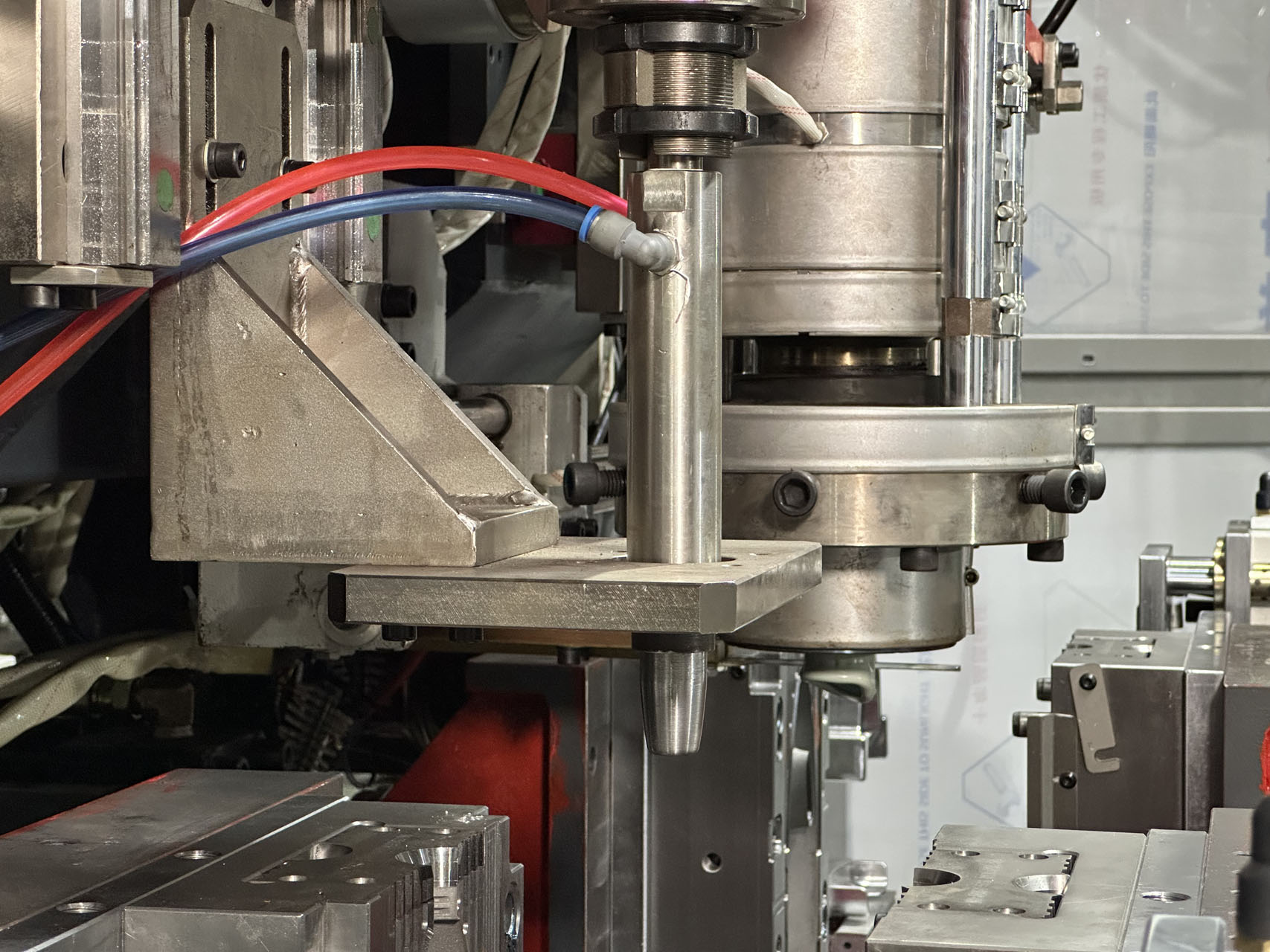
Featured Image Reference: Futuristic manufacturing facility showing sustainable plastic production with solar panels and recycling systems.
Conclusion
After years in the blow molding industry, I’ve seen how the right plastic components can transform heavy machinery—reducing downtime, cutting costs, and boosting performance. It’s not just about swapping metal for plastic; it’s about choosing materials engineered for your specific challenges.
The data speaks for itself: from 30% lighter parts to corrosion-proof durability, industrial plastics are changing the game. Whether it’s PET for sterile pharmaceutical containers or HDPE for rugged industrial use, the key is precision molding that fits your operation like a “glove.”
If your equipment faces harsh conditions, noise issues, or frequent maintenance, it might be time to rethink materials. The future of industrial machinery isn’t just metal—it’s smarter, lighter, and built to last.
FAQ
Q1: What are industrial plastic parts?
A1 : Industrial plastic parts are components made from plastic materials designed for various applications in industries such as manufacturing, automotive, and machinery. They offer benefits like durability, lightweight, and resistance to corrosion.
Q2: What materials are commonly used for industrial plastic parts?
A2 : Common materials include polypropylene, polyethylene, polycarbonate, and nylon. These materials are selected for their specific properties such as strength, flexibility, and thermal resistance.
Q3: How are industrial plastic parts manufactured?
A3 : Industrial plastic parts are typically manufactured through processes such as injection molding, extrusion, 3D printing, and CNC machining. Each method allows for different designs and volumes of production.
Q4: What is the advantage of using custom molded plastic components?
A4 : Custom molded plastic components are tailored to meet specific design requirements, ensuring optimal fit and functionality for industrial applications. This customizability can enhance performance and reduce waste.
Q5: How do plastic parts compare to metal parts in industrial applications?
A5 : Plastic parts are generally lighter and more resistant to corrosion than metal parts. Additionally, they can be molded into complex shapes that might be impossible with metals, but they may not handle extreme temperatures as effectively.
Q6: What industries utilize industrial plastic components?
A6 : Des secteurs tels que l'automobile, l'aérospatial, la santé et les biens de consommation utilisent des composants plastiques industriels pour diverses applications, notamment les boîtiers, l'isolation et les supports structurels.
Q7: What factors should be considered when selecting plastic parts for machinery?
A7 : Les facteurs incluent la durabilité, la résistance à la température, la résistance à l'usure, la compatibilité chimique et les propriétés mécaniques spécifiques requises pour l'application afin d'assurer des performances optimales.
Q8: What are the applications of molded plastics in industrial settings?
A8 : Les plastiques moulés sont utilisés dans un large éventail d'applications telles que les boîtiers de machines, les protecteurs, les tuyaux et les équipements sur mesure, offrant des solutions légères et durables dans divers environnements industriels.
Liens externes
- Usinage de Pièces Plastiques Industrielles : Procédés et Polymères Utilisés
- Produits Industriels | Fabrication Plastique pour Biens Commerciaux | EVCO
- Extrudeuse de Produits Plastiques Sur Mesure – Pièces d'Extrusion Plastique Industrielle
- Société de Fabrication Plastique | Emco Industrial Plastics
- Pièces Plastiques Usinées par CNC | Advanced Industrial
- Pièces Plastiques Industrielles – Premium Plast Ltd.
- Composants et Pièces Plastiques Industriels
- Pièces plastiques de précision – pièces de précision tournées et fraisées – Röchling


0 commentaires