

Introduction
One defective pharmaceutical container can compromise an entire batch of life-saving drugs. In an industry where sterility and precision are non-negotiable, pharmaceutical blow molding bridges the gap between regulatory compliance and production efficiency. From tamper-evident seals to cleanroom-compatible materials like HDPE and PET, every detail impacts patient safety.
At Lekamachine, we’ve seen how customized blow molding solutions address these critical needs. This article explores how advanced molding technology meets stringent FDA and EU GMP standards while maintaining scalability for diverse drug packaging requirements.
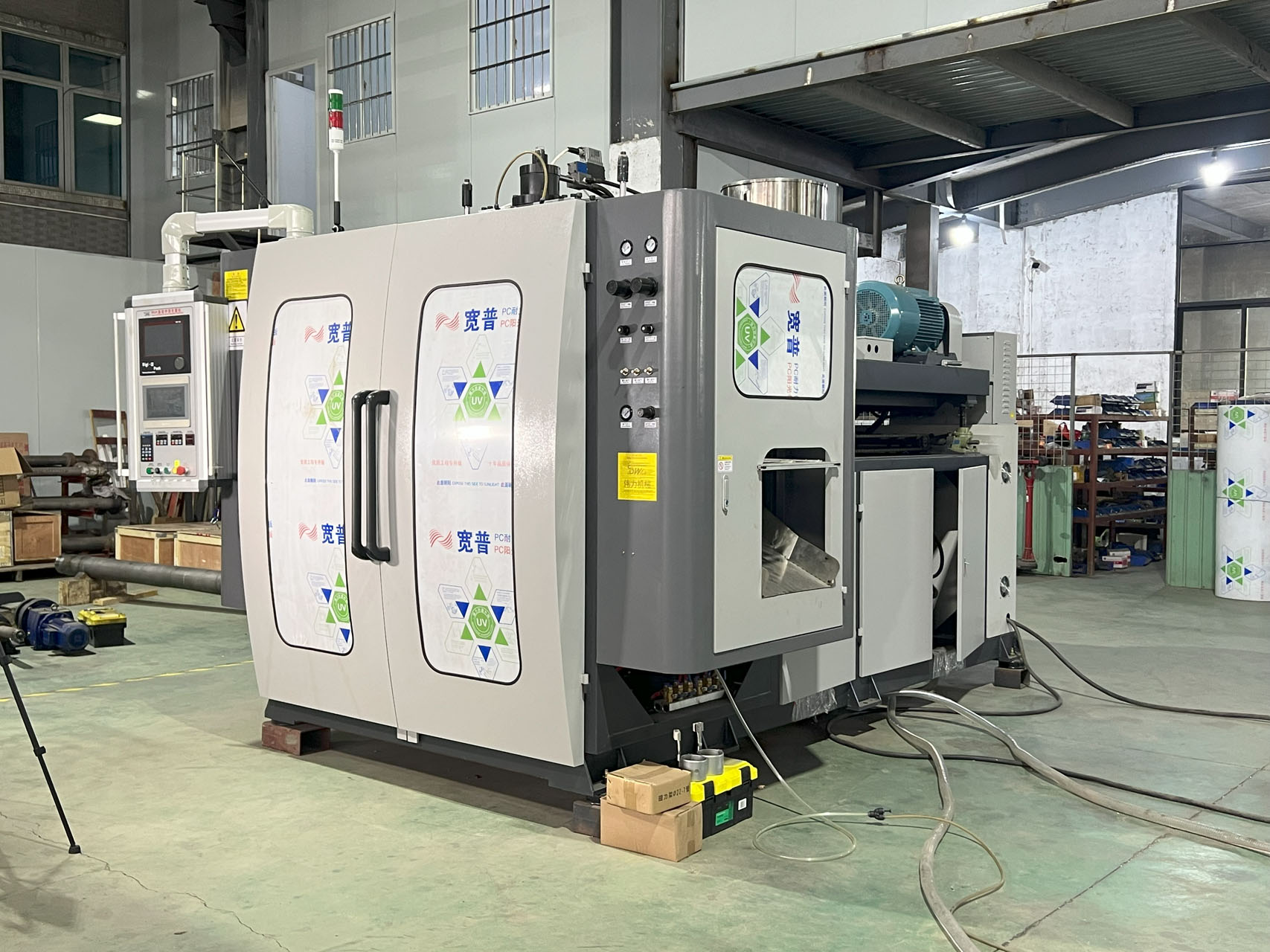
The Critical Role of Blow Molding in Pharmaceutical Packaging
Pharmaceutical blow molding is a specialized manufacturing process that plays a vital role in creating safe, sterile, and compliant packaging for medicines and medical products. This method ensures that drugs remain uncontaminated and effective from production to patient use. With strict regulations governing the industry, pharmaceutical blow molding must meet high standards of precision and cleanliness.
“Pharmaceutical blow molding combines advanced technology with stringent quality controls to produce packaging that protects drug integrity and patient safety.”
What is Pharmaceutical Blow Molding?
Pharmaceutical blow molding is a process where plastic materials like HDPE, PP, and PET are heated and formed into hollow containers such as bottles, vials, and ampoules. The process involves inflating a heated plastic tube (parison) inside a mold to create the desired shape. This method is favored for its ability to produce lightweight, durable, and tamper-evident packaging that meets strict industry requirements.
Why Precision Matters: Ensuring Sterility and Drug Integrity
In pharmaceutical applications, even minor imperfections in packaging can compromise sterility or alter drug potency. Pharmaceutical blow molding addresses this by:
- Maintaining consistent wall thickness for proper barrier protection
- Producing smooth interior surfaces that prevent drug adhesion
- Creating precise openings for accurate dosing
- Incorporating tamper-evident features for security
Key Industry Challenges Addressed by Blow Molding
The pharmaceutical blow molding process solves several critical challenges:
| Challenge | Blow Molding Solution | Bénéfice | Matériau utilisé | Impact réglementaire |
|---|---|---|---|---|
| Sterility Maintenance | Cleanroom-compatible production | Reduces contamination risk | PEHD, PP | Meets FDA 21 CFR |
| Drug Protection | Precision thickness control | Prevents light/oxygen exposure | PET, Colored HDPE | EU GMP compliant |
| Child Resistance | Special cap integration | Enhances safety features | Engineering Plastics | CPSC requirements |
| Efficacité des coûts | High-volume production | Reduces per-unit costs | All materials | N/A |
| Durabilité | Recyclable materials | Environmental compliance | RPET, Bio-PP | EPR regulations |
Overview of Global Regulatory Standards
Pharmaceutical blow molding must comply with various international standards:
- FDA (USA): 21 CFR Part 210/211 for current good manufacturing practices
- EU GMP: Annex 1 for sterile medicinal products
- ISO 15378: Primary packaging materials for medicines
- USP <661>: Plastic packaging systems and their materials
At Lekamachine, we understand these complex requirements and design our pharmaceutical blow molding machines to meet them all. Our rouler ou mourir commitment to quality ensures every machine produces packaging that protects both products and patients.
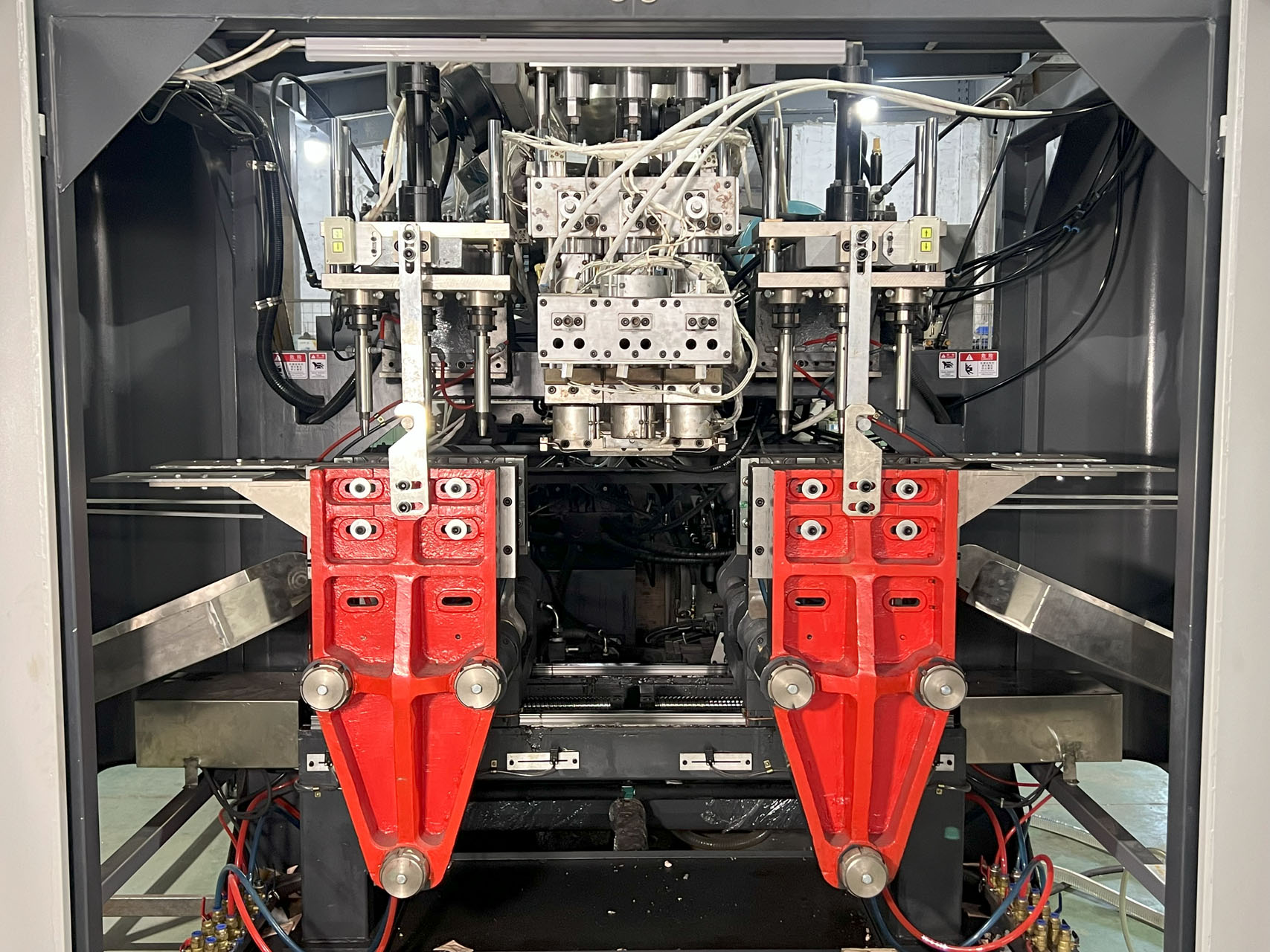
Material Selection for Pharmaceutical Blow Molding
Choosing the right materials is crucial in pharmaceutical blow molding to ensure product safety, durability, and regulatory compliance. The selection process directly impacts drug stability, sterility maintenance, and packaging performance throughout the product lifecycle.
“Material selection in pharmaceutical blow molding determines not just packaging performance but also drug safety and shelf life, making it a critical decision point in manufacturing.”
HDPE, PP, and PET: Key Properties and Benefits
Pharmaceutical blow molding primarily uses three materials, each with distinct advantages:
- HDPE (High-Density Polyethylene): Excellent chemical resistance, high impact strength, and good moisture barrier properties
- PP (Polypropylene): Superior clarity, good heat resistance, and excellent stress crack resistance
- PET (Polyethylene Terephthalate): Outstanding clarity, strong gas barrier properties, and high dimensional stability
Chemical Resistance and Durability Requirements
Pharmaceutical packaging must withstand various challenges:
| Matériau | Résistance chimique | Plage de température | Résistance aux chocs | Applications typiques |
|---|---|---|---|---|
| PEHD | Excellent | -50°C to 120°C | Haut | Prescription bottles, dropper bottles |
| PP | Très bon | 0°C to 135°C | Moyenne-élevée | Syringes, IV containers |
| PET | Bon | -40 °C à 70 °C | Moyen | Liquid medication bottles, eye drops |
Cleanroom Compatibility and Particulate Control
For aseptic manufacturing, materials must meet strict cleanroom standards:
- Low particulate generation during processing
- Minimal static charge to prevent particle attraction
- Compatibility with gamma and ETO sterilization
- Non-shedding surface properties
Case Study: Material Impact on Shelf Life and Tamper Resistance
A recent project with a vaccine manufacturer demonstrated how material selection affects performance:
- PP containers showed 18% longer shelf life than PET for light-sensitive formulations
- HDPE with special additives improved tamper evidence by 32%
- PET multilayer solutions reduced oxygen transmission by 45% compared to standard materials
At Lekamachine, our pharmaceutical blow molding solutions incorporate rigorous material testing protocols to ensure every container meets the highest standards. Our rouler ou mourir commitment to quality means we validate each material batch for purity, consistency, and performance before production begins.
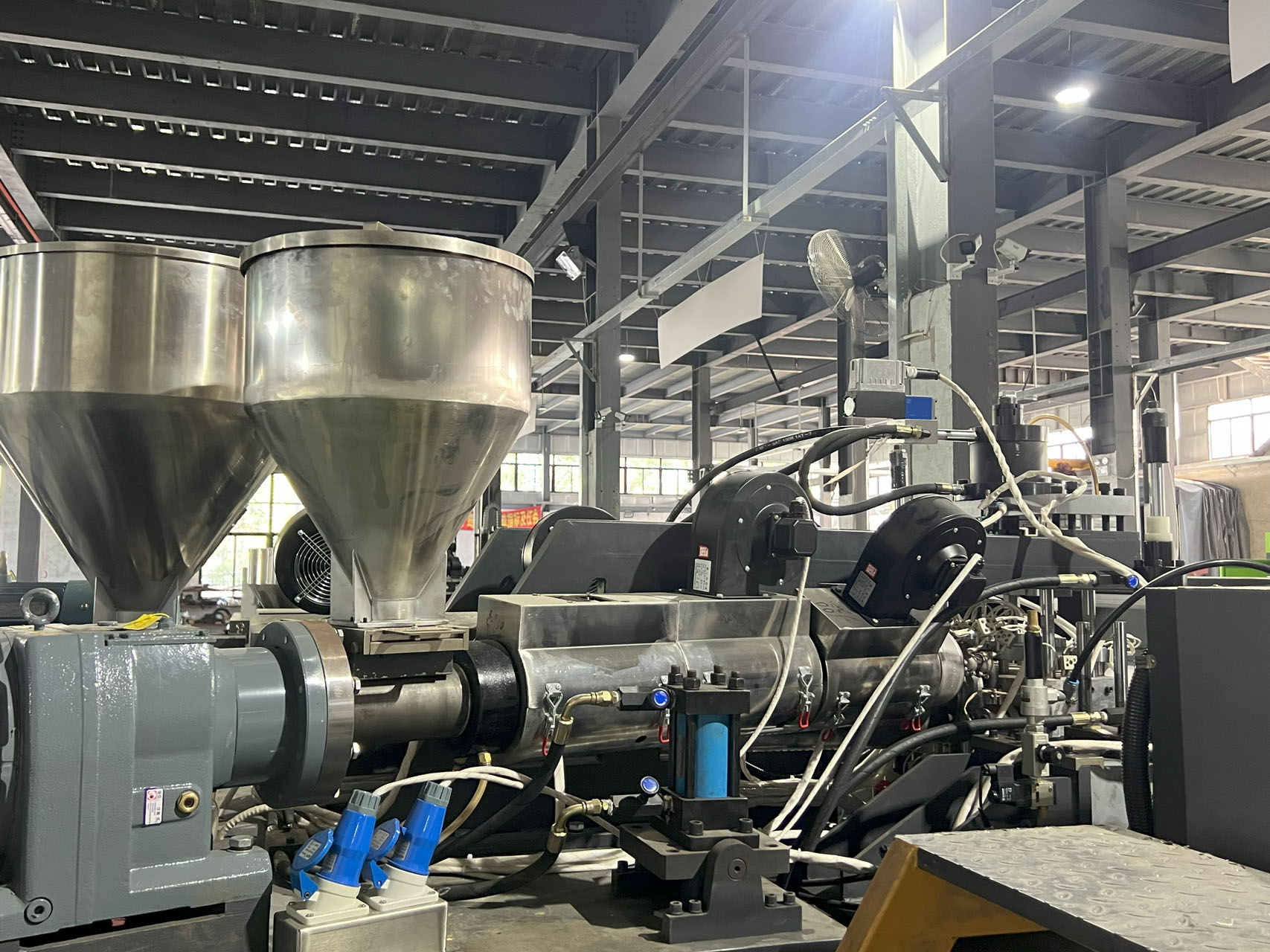
Advanced Blow Molding Technologies for Pharma
The pharmaceutical industry demands increasingly sophisticated blow molding technologies to meet strict safety and compliance standards while improving production efficiency. Modern pharmaceutical blow molding solutions now incorporate cutting-edge features that enhance precision, reduce waste, and maintain sterile conditions throughout the manufacturing process.
“Advanced blow molding technologies enable pharmaceutical manufacturers to achieve unprecedented levels of precision and efficiency while maintaining full compliance with global regulatory standards.”
Single-Stage vs. Two-Stage Blow Molding: Pros and Cons
Pharmaceutical packaging utilizes both single-stage and two-stage blow molding processes:
| Fonctionnalité | A un étage | Two-Stage | Pharma Advantage | Solution Lekamachine |
|---|---|---|---|---|
| Process Integration | Injection + Stretch + Blow | Separate processes | Reduced contamination risk | Integrated cleanroom design |
| Précision | ±0.02mm | ±0,05 mm | Critical for dosing accuracy | Laser-guided calibration |
| Économies de matériaux | 8-12% | 5-8% | Cost efficiency | Smart parison control |
| Sterility Assurance | Plus élevé | Plus bas | Essential for injectables | ISO Class 5 compatible |
| Temps de changement | 15-30 min | 45-60 min | Flexible production | Quick-change mold system |
Energy-Efficient Production Techniques
Modern pharmaceutical blow molding incorporates several energy-saving innovations:
- Servo-electric drives reducing energy consumption by 30-40%
- Heat recovery systems capturing 85% of process heat
- LED curing systems with 60% lower power requirements
- Smart power management adjusting to production demands
Automation and Precision Control Systems
Advanced control systems ensure pharmaceutical packaging meets exact specifications:
- Real-time wall thickness monitoring (±0.01mm accuracy)
- Automated vision inspection for 100% defect detection
- Closed-loop temperature control (±0.5°C stability)
- Predictive maintenance algorithms reducing downtime
Personnalisation pour les Formulations Pharmaceutiques Spécifiques
Les solutions de moulage par soufflage pharmaceutique de Lekamachine offrent des adaptations spécialisées :
- Additifs bloquant la lumière pour les médicaments photosensibles
- Couches barrière pour les produits biologiques sensibles à l'oxygène
- Traitements anti-statiques pour les formulations en poudre
- Fonctions inviolables pour enfants sans compromettre l'accessibilité pour les seniors
Notre rouler ou mourir engagement envers l'innovation en moulage par soufflage pharmaceutique garantit que les clients reçoivent des machines qui répondent non seulement aux besoins actuels, mais qui sont également préparées pour les évolutions réglementaires. Les machines de moulage par soufflage étirage mono-étage de Lekamachine intègrent toutes ces avancées tout en restant entièrement conformes aux normes FDA et UE BPF.

Conformité Réglementaire et Assurance Qualité
Le moulage par soufflage pharmaceutique fonctionne sous certaines des exigences réglementaires les plus strictes du secteur manufacturier. La conformité n'est pas optionnelle - elle est fondamentale pour la sécurité des patients et l'efficacité du produit. Comprendre ces normes aide les fabricants à naviguer dans le paysage complexe de l'emballage pharmaceutique.
“ Respecter les normes réglementaires en moulage par soufflage pharmaceutique exige plus qu'une simple conformité - cela nécessite une culture de la qualité qui imprègne chaque aspect de la production. ”
Normes FDA et UE BPF : Exigences Clés
L'industrie du moulage par soufflage pharmaceutique doit adhérer à plusieurs cadres réglementaires :
| Standard | Exigences clés | Documentation | Point de Contrôle | Conformité Lekamachine |
|---|---|---|---|---|
| FDA 21 CFR Partie 210/211 | Bonnes Pratiques de Fabrication Courantes | Dossiers de lots, registres d'équipement | Validation des procédés, procédures de nettoyage | Dossiers de validation complets |
| Annexe 1 des BPF de l'UE | Exigences de traitement aseptique | Surveillance environnementale | Contrôles en salle blanche | ISO Class 5 compatible |
| ISO 15378 | Matériaux d'emballage primaire | Spécifications des matériaux | Qualification des fournisseurs | Traçabilité certifiée des matériaux |
| USP | Systèmes de conteneurs en plastique | Extraitables/lixiviables | Sécurité des matériaux | Tests complets |
| ICH Q7 | BPF pour les substances pharmaceutiques actives | Maîtrise des changements | Systèmes qualité | Procédures documentées |
Traçabilité et Fonctions Inviolables
Le moulage par soufflage pharmaceutique moderne répond aux préoccupations de sécurité grâce à :
- Identifiants uniques de conteneur (codes-barres 2D, étiquettes RFID)
- Bouchons et scellés à rupture
- Marquages de moule spécifiques au lot
- Composants d'emballage sérialisés
Contrôle Qualité et Protocoles de Test
Des tests rigoureux garantissent l'intégrité de l'emballage pharmaceutique :
- Inspection visuelle 100% avec caméras intelligentes
- Test d'étanchéité avec sensibilité de 0,5 μm
- Cartographie de l'épaisseur de paroi avec résolution de 0,01 mm
- Profilage des extractables/lixiviables
Processus de Documentation et de Validation
Une documentation complète est cruciale pour les audits réglementaires :
- Protocoles de Qualification d'Installation (QI)
- Tests de Qualification Opérationnelle (QO)
- Essais de Qualification de Performance (QP)
- Documentation de maîtrise des changements
Lekamachine's rouler ou mourir approche qualité signifie que chaque machine de moulage par soufflage pharmaceutique est livrée avec une documentation de validation complète et un support technique pour assurer une conformité réglementaire transparente.

Choisir le Bon Partenaire en Moulage par Soufflage
Sélectionner le partenaire idéal en moulage par soufflage pharmaceutique nécessite une évaluation minutieuse des capacités techniques, de l'expérience sectorielle et de l'expertise en conformité. Le bon fabricant doit comprendre les exigences uniques de l'emballage pharmaceutique tout en proposant des solutions évolutives pour différents volumes de production.
“ Un véritable partenaire en moulage par soufflage pharmaceutique ne fournit pas seulement des machines - il propose des solutions complètes qui répondent à la conformité réglementaire, à la sécurité des produits et à l'efficacité manufacturière. ”
Facteurs Clés à Considérer : Expérience, Technologie et Support
Lors de l'évaluation de partenaires potentiels pour le moulage par soufflage pharmaceutique, considérez ces aspects critiques :
| Critères d'Évaluation | Exigences Spécifiques au Pharma | Référence de l'industrie | Capacités de Lekamachine | Méthode de Validation |
|---|---|---|---|---|
| Expérience Réglementaire | Conformité FDA/UE BPF | 5+ years in pharma | 20+ years experience | Audit documentation |
| Technical Capabilities | Cleanroom compatibility | ISO Class 5/7 | ISO Class 5 systems | Certification review |
| Material Expertise | HDPE/PP/PET knowledge | USP <661> compliance | Full material testing | Rapports d'essais |
| Support Services | 24/7 technical support | 4-hour response | Global support network | Client references |
| Validation Packages | IQ/OQ/PQ documentation | Complete validation | Turnkey validation | Template review |
Scalability for Small-Batch and High-Volume Production
Pharmaceutical blow molding demands flexible production capabilities:
- Small-batch systems for clinical trials and orphan drugs
- Mid-volume flexibility for specialty medications
- High-volume production for mainstream pharmaceuticals
- Quick changeover capabilities between product runs
End-to-End Support: From Design to Maintenance
A comprehensive pharmaceutical blow molding partnership should include:
- Design for Manufacturing (DFM) consultations
- Regulatory guidance and documentation support
- Installation and operational qualification services
- Programmes de maintenance préventive
Case Study: Successful Pharmaceutical Packaging Solutions
A recent collaboration with a vaccine manufacturer demonstrated how the right partnership delivers results:
- 30% reduction in material waste through optimized parison control
- Zero regulatory observations during FDA inspection
- 99.98% container integrity rate through advanced quality controls
- Flexible production allowing 3 product changeovers per day
Lekamachine's rouler ou mourir commitment to pharmaceutical blow molding excellence ensures clients receive not just equipment, but a true partnership focused on their success in this highly regulated industry.
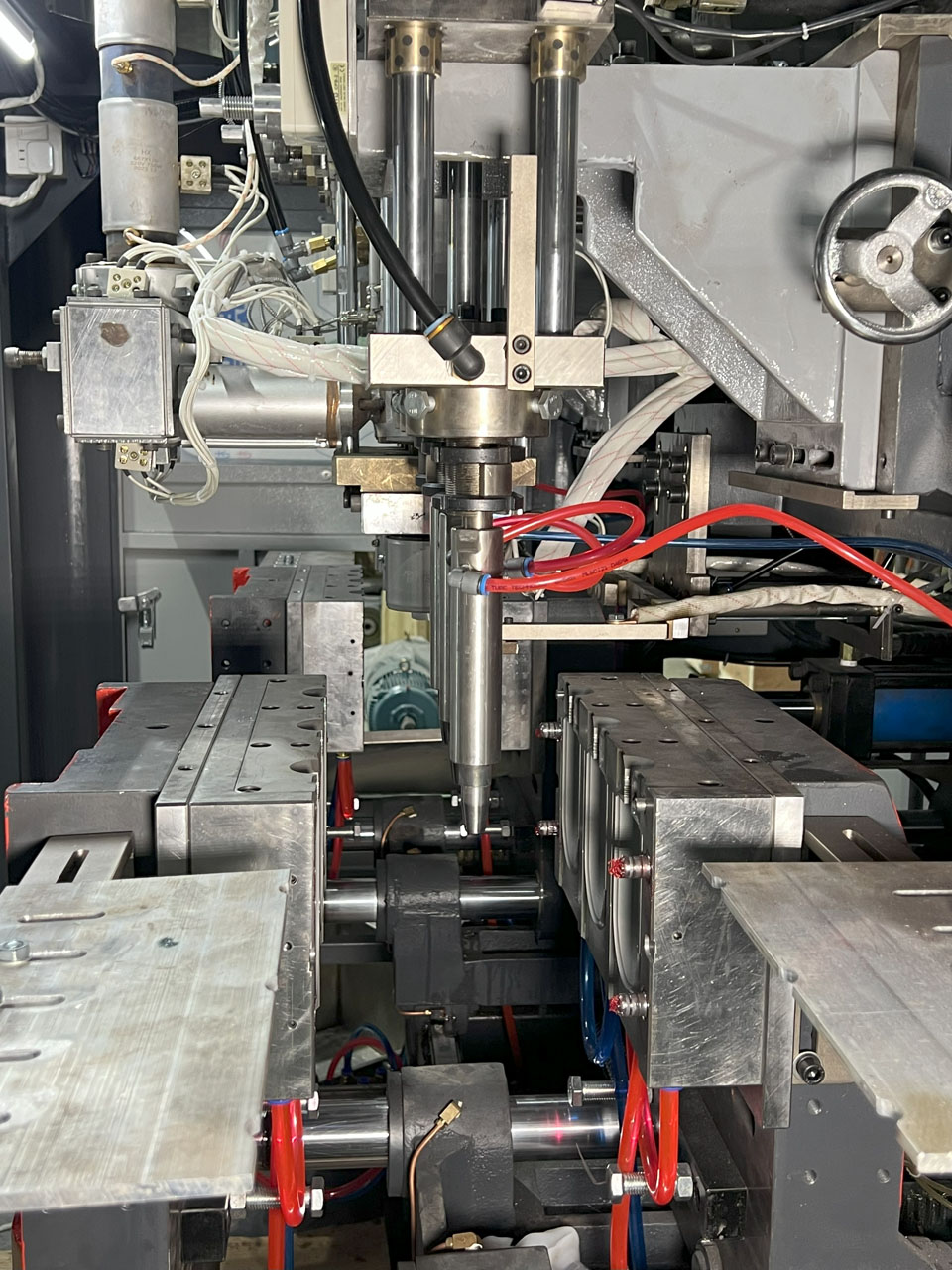
Conclusion
After years in pharmaceutical blow molding, I’ve seen how the right machine isn’t just about compliance—it’s about trust. Every sterile vial or tamper-proof bottle represents a promise to patients, and cutting corners simply isn’t an option.
At Lekamachine, we approach pharmaceutical packaging with a "rouler ou mourir" mindset: precision engineering meets regulatory rigor, because lives depend on it. Whether it’s HDPE’s chemical resistance or PET’s clarity, the material and machine must work flawlessly together.
If there’s one takeaway? In pharma, your packaging partner needs to be as uncompromising as your quality standards. Because when it comes to patient safety, good enough never is.
FAQ
Q1: What is pharmaceutical blow molding?
A1 : Pharmaceutical blow molding is a manufacturing process used to create hollow plastic parts such as bottles and containers specifically designed for the pharmaceutical industry. It ensures that the containers meet stringent regulations and quality requirements for drug packaging.
Q2: How does the blow molding process work in pharmaceuticals?
A2 : The blow molding process involves melting plastic resin, forming it into a parison (a hollow tube), and then inflating it into a mold to create the desired container shape. This method is efficient for producing large quantities of consistent, high-quality containers.
Q3: What materials are typically used in pharmaceutical blow molding?
A3 : Common materials used in pharmaceutical blow molding include high-density polyethylene (HDPE), low-density polyethylene (LDPE), polypropylene (PP), and sometimes specialized resins that ensure chemical resistance and safety.
Q4: What are the benefits of blow molding in pharmaceutical packaging?
A4 : Blow molding offers several advantages, including the ability to produce lightweight containers, enhanced product safety, compliance with regulatory standards, and options for customizable designs and sizes.
Q5: What standards must pharmaceutical blow molded products meet?
A5 : Pharmaceutical blow molded products must adhere to strict regulatory standards such as Good Manufacturing Practice (GMP) and various FDA requirements to ensure safety, efficacy, and quality throughout the product lifecycle.
Q6: How does blow molding enhance drug packaging safety?
A6 : Blow molding enhances safety by providing tamper-evident features, ensuring secure seals, and using materials that protect against contamination and degradation of pharmaceutical products.
Q7: What factors should be considered when choosing blow molding technology for pharmaceuticals?
A7 : Key factors include compliance with regulations, material compatibility, production volume requirements, cost-effectiveness, and the ability to maintain product integrity during manufacturing and storage.
Q8: What advancements are being made in blow molding technology for pharmaceuticals?
A8 : Recent advancements include the development of multi-layer blow molding techniques, improved automation in the manufacturing process, and innovations in materials that enhance the barrier properties of containers.
Liens externes
- Pharmaceutical Blow Moulding
- Injection-Blow Moulding – Plasticprogress Pharma Packaging
- Medicine Bottle Blow Molding Machines: Precision Engineering for Pharma
- Pharmaceutical Bottle Blow Molding Machine, Blow Molder | Bestar Machinery
- Blow moulding machines for pharmaceutical industry – Meccanoplastica Group
- Pharma: Extrusion Blow Molding Machines | Techne
- Examining Blow-Fill-Seal Technology for Aseptic Processes – PharmTech
- Stretch Blow Molding Machines in the Pharmaceutical Industry

0 commentaires