
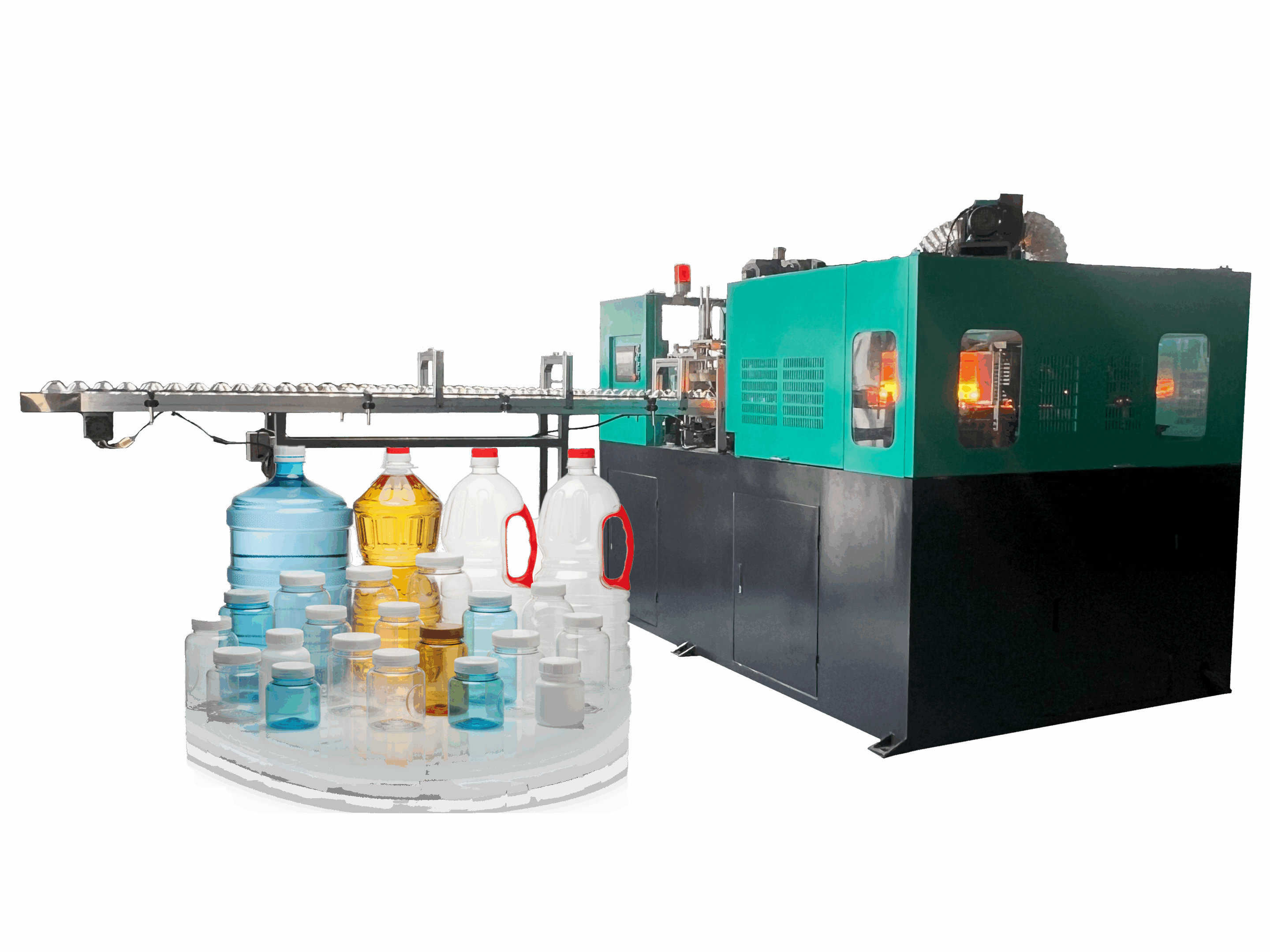
How to Choose an Extrusion Blow Molding Packaging Machine Company in China
Introduction
Choosing an extrusion blow molding packaging machine company in China will shape your factory for the next decade.
It affects how stable your bottles are, how often your lines stop, and what your real cost per bottle looks like once energy, scrap, and labor are included.
If you run an OEM bottle factory, a brand that wants to bring packaging in-house, a chemical plant, or you build turnkey lines for others, this guide is for you.
The focus is on extrusion blow molding packaging machines for HDPE and PP bottles, jerrycans, and containers, and how to choose the right extrusion blow molding machine company in China for your situation.
You can see typical machine platforms on our
extrusion blow molding machines page.
What an Extrusion Blow Molding Packaging Machine Does
Extrusion blow molding sounds complex, but the idea is simple.
From pellets to bottles in a closed loop
In a typical extrusion blow molding line:
- Plastic pellets (usually HDPE or PP) are fed into the extruder.
- The screw melts and pushes the plastic forward.
- The melt comes out as a hollow tube called a parison.
- The mold closes around the parison and air is blown inside.
- The plastic takes the shape of the cavity, cools, is trimmed and then inspected.
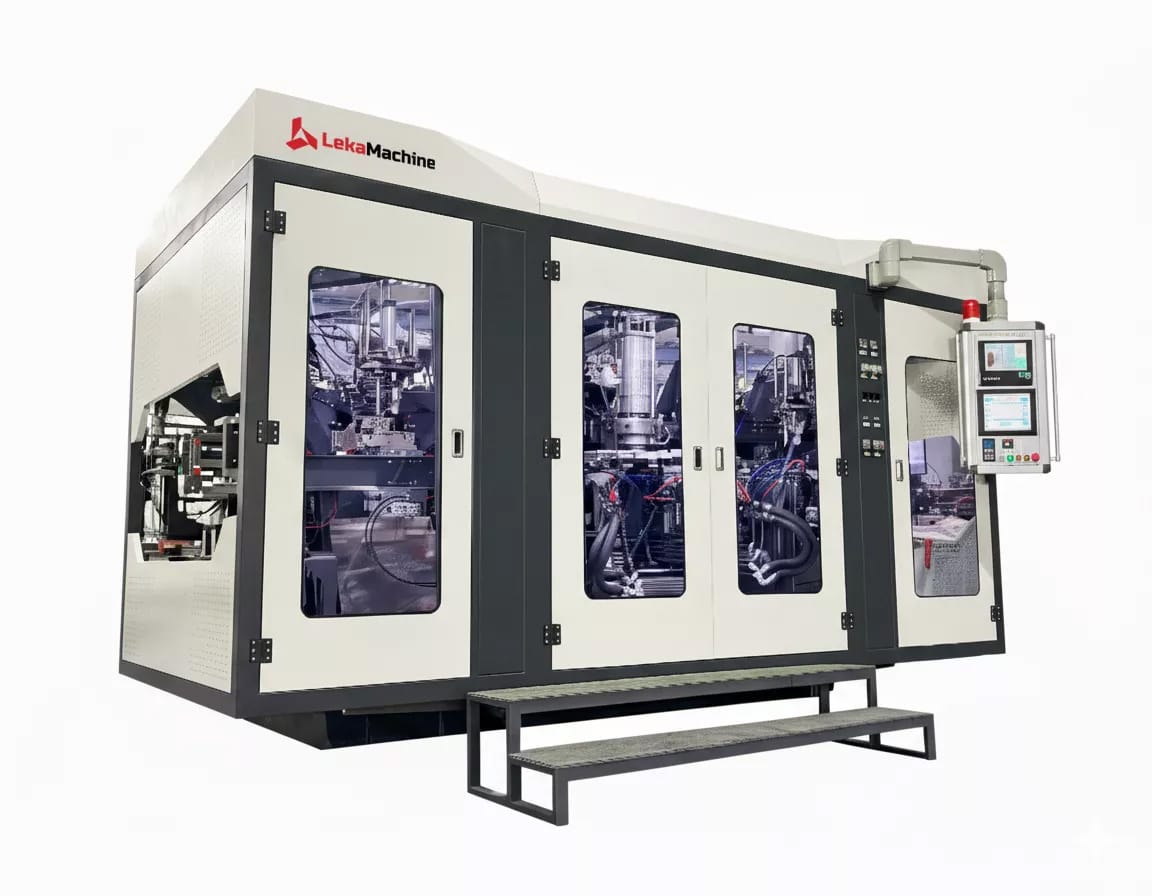
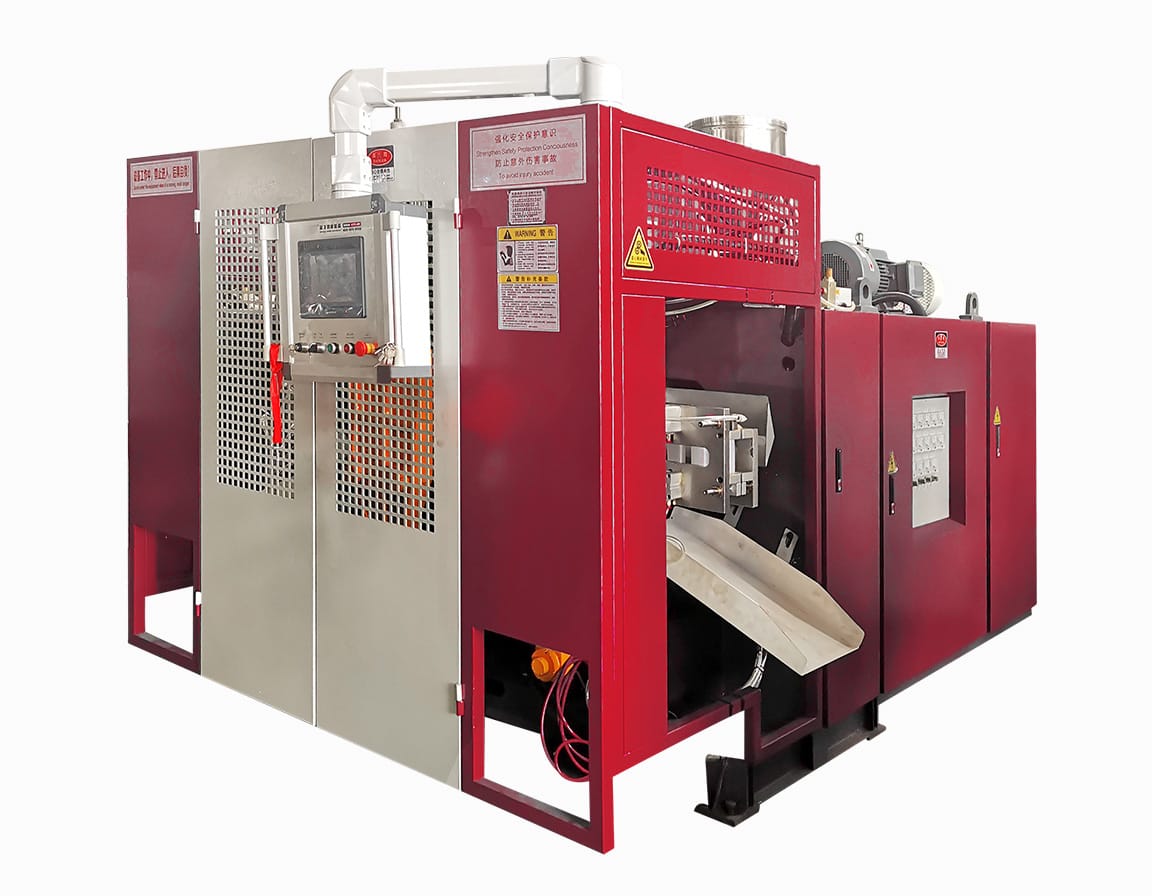
An extrusion blow molding packaging machine is the system that keeps this loop running 24/7 with stable quality. It normally includes:
- Extruder and screw
- Die head (single-layer or multi-layer)
- Clamping unit and molds
- Deflashing and trimming units
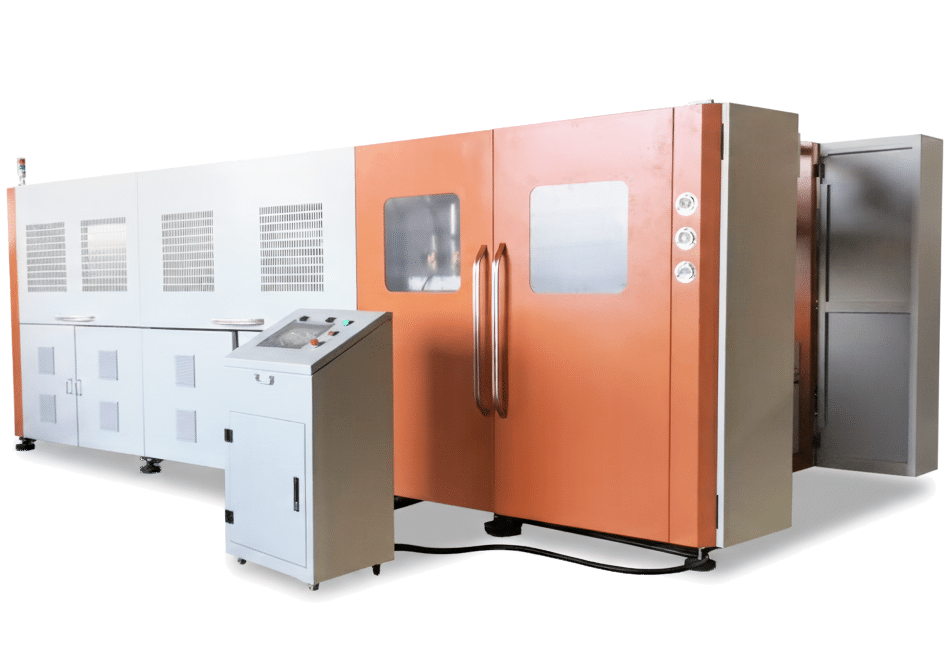
- Leak testing, vision inspection, and sometimes automatic packing
How it compares to other blow molding processes
For packaging, you often compare three processes:
- Extrusion blow molding (EBM) – best for HDPE/PP bottles and jerrycans; strong handles, view stripes, multi-layer structures.
- Stretch blow molding (SBM) – mainly for PET and some PP bottles; high clarity; common for water, CSD, and edible oil.
- Injection blow molding (IBM) – common for small, precise bottles like pharma vials.
At LEKA Machine, we focus on extrusion blow molding machines and
single-stage stretch blow molding machines. We do not supply injection blow molding machines; it is used here only as a comparison point.
Typical HDPE/PP packaging made on extrusion blow lines
- 100 ml – 5 L household and personal care bottles (shampoo, detergent, cleaners)
- 0.5 L – 5 L food bottles (sauces, edible oil, condiments)
- 1 L – 30 L jerrycans and industrial chemical containers
- Some technical parts such as ducts, tanks, and small drums
If your core SKUs are HDPE or PP bottles and jerrycans, extrusion blow molding is usually the most practical and cost-effective route.
Why Work With an Extrusion Blow Molding Machine Company in China
Cost performance instead of “cheap at any cost”
In the past, people talked about Chinese machines only as the low-price option.
Today, serious Chinese extrusion blow molding suppliers can offer:
- Servo or high-efficiency hydraulic systems
- Reliable parison control and stable wall thickness
- Reasonable energy consumption per kg of resin
- Competitive lead times and flexible layouts
You still normally pay less than for a top European brand, but the performance gap is much smaller than it used to be.
The real question is not “China or not”, but which level of Chinese supplier you choose.
A dense and fast industrial supply chain
Because component makers, mold shops, and automation builders sit close together, a Chinese extrusion blow molding machine company can often:
- Customize clamping size, head, and layout around your factory
- Turn around molds faster
- Deliver machine, molds, automation, and auxiliaries as one package
This reduces your project time and the number of vendors you need to coordinate with.
When China is a good fit
China is usually a strong choice when you:
- Plan to install two to five new lines in the next few years
- Need modern performance but still watch CapEx closely
- Want a balance between energy efficiency, flexibility, and price
Other regions may be better if policy or subsidies force local purchase, or if you need a very niche technology that only a few global brands offer.
Being honest about this is part of building long-term trust.
How to Evaluate Chinese Extrusion Blow Molding Suppliers
Instead of looking only at quoted price, look at the story behind the quotation.
Project experience that matches your case
Ask questions like:
- How many extrusion blow molding lines have you installed overseas?
- In which regions and for what types of bottles?
- Can you share a few projects that are similar to mine?
A serious supplier can point to real factories and SKUs, not just generic catalog pictures.
Engineering depth, not just assembly
Stable production needs more than a strong frame. Check whether the team can:
- Recommend screw and head designs for your resin and PCR plan
- Support bottle design for lightweighting and stacking strength
- Help you with cooling, cycle time, and leak-test strategy
If everything is outsourced and they mainly assemble, their ability to solve problems later will be limited.
Proof instead of promises
Good suppliers support their claims with:
- Reports and videos from FAT (Factory Acceptance Test) using real bottles
- Case studies that describe the starting problem, solution, and final result
- Clear documentation for output, energy use, and scrap under defined conditions
Be careful with vague phrases like “high speed” or “low energy” with no numbers or test conditions behind them.
Communication and project discipline
You can sense part of the culture from the first emails.
- Do they send a structured technical questionnaire?
- Do they answer questions clearly and in writing?
- Do they highlight risks and unclear points, or do they always say “no problem”?
Clear communication is often a better predictor of project success than the name on the nameplate.
Service model and local support
For overseas buyers, after-sales is not a small detail. Clarify:
- How they provide remote support
- Whether they have local partners in your country or region
- Standard response times for breakdowns
- Spare parts stock and shipping options
You want a partner that stays visible after the deposit is paid.
For examples of how we approach service and application support, you can refer to our
blow molding solutions for cosmetics, food, and industrial packaging.
Core Extrusion Blow Molding Configurations
Before comparing offers, compare configurations. The wrong configuration will cost more than any discount.
Continuous extrusion vs accumulator head
- Continuous extrusion – the extruder runs all the time; used for small to medium bottles with faster cycles.
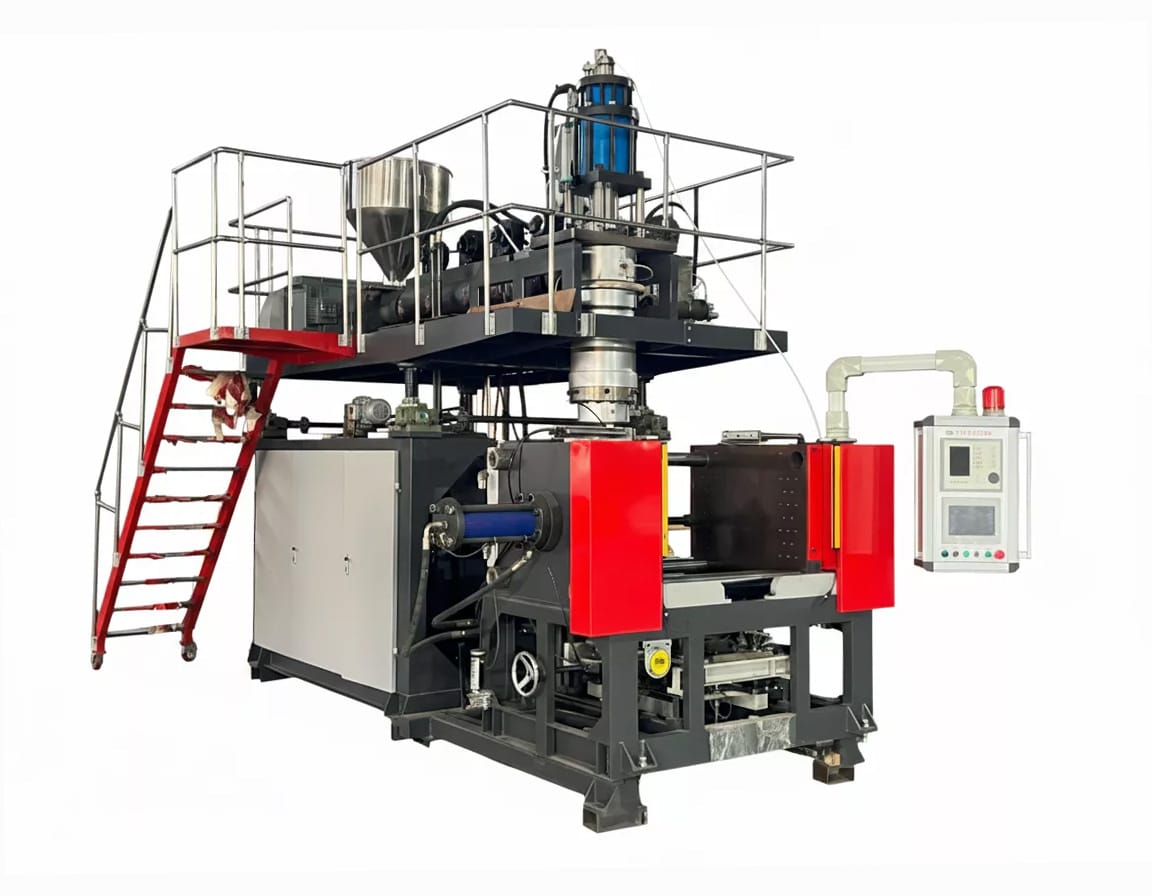
- Accumulator head – melt is stored then pushed out in one shot; used for large drums, tanks, and heavy parts.
For most HDPE and PP bottles and jerrycans up to 5–10 L, continuous extrusion is the standard option.
Single-station vs double-station machines
- Single-station – one clamping side; simpler and usually lower cost; suitable for lower output or many SKU changes.
- Double-station – two clamping sides working alternately; higher output with similar footprint.
Many OEM factories choose double-station machines for high-volume SKUs and single-station machines for development or niche items.
Cavities and center distance
More cavities mean more bottles per cycle, but also:
- Higher mold cost
- More demanding cooling
- Tighter control on parison balance
The center distance must fit bottle width, trimming tools, and leak testers. A good supplier will tell you honestly where the practical limits are for your bottle size.
Mono-layer vs multi-layer structures
- Mono-layer – standard HDPE/PP bottles and jerrycans; easier to process and recycle.
- Multi-layer – barrier structures for agrochemicals, fuel, or sensitive foods, and PCR structures with a recycled core and virgin inner/outer skins.
If PCR or barrier structures are on your roadmap, it is usually cheaper to design multi-layer capability from the start.
Automation modules around the machine
Modern extrusion blow molding packaging machines often include:
- Deflashing of neck and tail
- Leak testing
- Vision inspection for flash, short shots, or deformation
- Automatic packing into bags or boxes
Having one company responsible for machine and automation integration reduces grey zones and finger pointing.
Matching Machine Type to Your Packaging Application
Food and beverage packaging
HDPE bottles for milk, juice, sauces, and edible oil require:
- Stable necks for caps and seals
- Clean design and easy access for cleaning
- High and repeatable output
This often means continuous extrusion, multi-cavity heads, and well-designed cooling.
Household and personal care
For shampoo, cleaners, hand wash, and cosmetics, you usually care about:
- Bottle aesthetics and surface finish
- Multiple shapes and volumes on one platform
- Precise necks for pumps and sprayers
Flexible clamping and smart mold change concepts may be more important than extreme speed here.
Industrial and chemical containers
Lube oils, agrochemicals, and other industrial products need:
- Strong, stackable designs
- Reliable handles
- Multi-layer structures for barrier performance where needed
Leak testing and sometimes UN-certified designs are critical in this segment.
Large containers and drums
For large drums and tanks, you move into accumulator head machines with:
- High clamp force
- Long stroke
- Heavy-duty molds
Not every extrusion blow molding machine company in China focuses on this area, so check references carefully if this is your target.
Resin choices and screw design
Your resin plan (virgin HDPE, PP, PCR blends, or bio-based materials) directly affects:
- Screw geometry and L/D ratio
- Head design and flow channels
- Real output and cycle time
If a supplier never asks about PCR content, melt flow index, or resin source, they are not yet treating your project with enough depth.
What a Project with a Chinese Supplier Looks Like
A structured project flow is one of the best signs that a supplier knows what they are doing.
Step 1: First contact and data collection
You should expect a technical questionnaire that covers:
- Bottle drawings or samples
- Daily and yearly output targets
- Resin type and PCR plan
- Available power, air, water, and factory space
This helps avoid guesswork and design around your reality.
Step 2: Concept and quotation
Based on your data, you should receive:
- A proposed machine configuration
- Mold and automation concept
- Layout drawing for your factory
- An itemized quotation
Good partners also highlight open questions and risks at this stage instead of hiding them.
Step 3: Detailed design and mold making
After order confirmation, the work usually includes:
- Finalizing bottle and mold drawings
- Simulating cooling and wall thickness if needed
- Mold manufacturing and machine assembly
You should receive regular progress updates, especially if this is your first project in China.
Step 4: Factory Acceptance Test (FAT)
Before shipment, a proper FAT in China should test:
- Bottles per hour and cycle time on your bottle or a similar one
- Bottle weight, wall thickness distribution, and leak rate
- Energy use under defined conditions
- Function of safety guards, alarms, and interlocks
These points should be documented in a FAT report signed by both sides.
Step 5: Shipping, installation, and Site Acceptance Test (SAT)
After FAT:
- The machine is packed and shipped under agreed Incoterms
- Installation at your plant is supervised by the supplier or a local partner
- A SAT repeats key FAT checks with your resin and operators
Only after SAT should the project be considered fully accepted.
Step 6: Ramp-up and training
The first 90 days are critical.
- Operators and maintenance staff need training
- Recipes must be tuned for different SKUs
- Early issues must be handled quickly
If the supplier has a clear plan for these first months, your long-term risk drops sharply.
Quality, Compliance, and Safety
Design and component choices
Look beyond the paintwork and covers.
- Which steel grades are used on tie bars and platens?
- Which brands are used for PLC, HMI, drives, valves, and sensors?
- Are replacement parts standard and globally available?
A well-designed machine is easier to maintain for 10–15 years.
Certifications and documentation
For export projects, you should ask for:
- CE conformity documents where relevant
- ISO certificates if available
- Electrical and pneumatic diagrams
- A recommended spare-part list and lubrication schedule
Proper documentation is part of the value you pay for.
Food and pharma applications
If the line makes packaging for food or pharmaceuticals, check carefully:
- Layout with minimal dead areas that collect dust
- Separation of lubrication zones from product areas
- Use of food-grade lubricants where needed
Safety as a design principle
Walk the machine as if you were your own safety inspector:
- Are moving parts guarded?
- Are doors interlocked?
- Are emergency stops clearly placed and easy to reach?
Good safety design shows that the supplier is thinking about your daily operators, not just the sales brochure.
Energy, PCR, and Digitalization
Why energy per kg matters
Many quotations highlight only “bottles per hour”.
In real life, kWh per kg is just as important, because energy becomes a major part of your cost per bottle.
A good extrusion blow molding packaging machine company in China will:
- Share realistic energy figures under clear test conditions
- Explain which options lower energy use (servo systems, insulation, optimized screw)
- Help you estimate yearly energy savings in local currency
Processing PCR and recycled materials
More brand owners now push for PCR and rHDPE. This affects how you set up the line:
- Screw and barrel design must handle variable melt quality
- Multi-layer heads can hide color or smell of PCR in the core layer
- Parison control must be tuned carefully to keep wall thickness stable
Ask for real PCR projects and honest limits. Clear limits are more useful than perfect promises.
Data visibility and connectivity
Your next line should not be a black box. It should be able to:
- Share production data with your MES or ERP
- Record output, energy consumption, and reject rates
- Provide basic remote diagnostics to the supplier’s service team
Simple and reliable data flows help you keep lines stable and improve performance over time.
Budgeting and Total Cost of Ownership
What a full line usually includes
When you compare quotations from different extrusion blow molding machine companies in China, make sure you compare the same package:
- Machine body (extruder, head, clamp)
- Molds and neck tooling
- Automation (deflashing, leak test, vision, packing)
- Auxiliaries (chiller, air compressor, dryer, conveyors)
A cheaper machine with weak automation or missing auxiliaries is not really cheaper at line level.
Hidden costs to watch out for
Beyond the purchase price, think about:
- Energy consumption
- Average mold change time
- Number of operators per line
- Spare parts pricing and logistics
- Downtime during the first year
These factors will decide your real cost per bottle much more than a small discount on machine price.
Building a simple ROI model
A good supplier should help you build a simple payback model using:
- Energy savings vs your current line
- Scrap reduction
- Labor savings from automation
- Extra saleable production capacity
Many buyers target payback within about three years, but the exact number should be based on your own cost structure.
Common Risks and How to Manage Them
Misunderstood scope
Risk: bottle range, change-part concept, or resin spec is not fully aligned.
Fix: use signed technical datasheets, 2D/3D drawings, and written scope documents.
“Catalog numbers” versus real performance
Risk: quotation shows aggressive bottles/hour or energy numbers that are not realistic.
Fix: tie performance to FAT and SAT results, with defined bottle, resin, and test method.
Intellectual property concerns
Risk: your custom bottle design appears somewhere else.
Fix: NDAs, clear IP clauses, and working with partners that have a reputation to protect.
After-sales gaps
Risk: slow responses and delayed spare parts.
Fix: agree upfront on support channels, response times, and basic spare-part stocking.
Quick Checklist Before You Decide
Your internal preparation
- We know our bottle roadmap and main SKUs.
- We know our resin and PCR plan for the next 3–5 years.
- We have a target budget and expected payback period.
Supplier fit
- They have real references in our industry and bottle size range.
- They shared clear FAT/SAT concepts and are open to testing.
- They explained their service and spare parts model for our region.
Technical clarity
- Configuration (layers, cavities, stations) matches our roadmap.
- Energy and output numbers are realistic and written into the contract.
- Daily operation, cleaning, and mold changes are practical for our team.
If you can tick most of these boxes, you are likely working with a serious partner.
FAQ: Buying Extrusion Blow Molding Machines from China
Are Chinese extrusion blow molding machines suitable for 24/7 production?
Yes, when you choose a supplier with proven export projects and proper engineering. Many lines run three shifts per day with normal preventive maintenance.
How long from purchase order to first good bottle?
For a standard line with custom molds, a rough range is 4–6 months, depending on bottle complexity, mold count, and shipping time.
What does a complete extrusion blow molding line from China usually cost?
Cost depends heavily on bottle size, output, layer count, and automation. A simple single-station line with basic automation is much cheaper than a high-output, multi-layer, fully automated system. Always compare quotations line by line, not just the final number.
Can Chinese lines process PCR and bio-based resins?
Many modern lines can handle PCR and some bio-based materials if screw, head, and process settings are designed for them. Always ask for real PCR references and tested limits.
How does remote support work if I am overseas?
Serious suppliers provide remote diagnostics, online training, and guidance by video, and may work with local partners who can visit your factory if needed. These points should be clear in your contract.
About LEKA Machine and the Author
LEKA Machine
LEKA Machine is a China-based manufacturer focused on:
- Extrusion blow molding machines for HDPE and PP bottles, jerrycans, and containers
- Single-stage stretch blow molding machines for PET and PP bottles
Our lines serve converters and brand owners in:
- Food and beverage
- Cosmetics and personal care
- Household cleaning
- Industrial and chemical packaging
Within the extrusion portfolio, ranges such as the
FORMA series and our other platforms are designed for flexible, customizable HDPE and PP projects.
You can find an overview of industries and applications on our
solutions page.
About the author
My name is Slany Cheuang, Technical Sales Manager at LEKA Machine. I have spent around 12 years working with extrusion blow molding and stretch blow molding projects for cosmetics, food, pharma, and industrial containers.
Most of my work is done inside real factories, next to real machines, with engineers and owners who cannot afford long downtime.
If you are considering a new line or replacing older equipment, you can share your bottle drawings, expected volumes, and resin plan.
From there we can map a suitable machine configuration, a realistic energy and output target, and a step-by-step project path from first discussion to first good bottle.
The goal is simple: help you choose the right extrusion blow molding packaging machine company in China with clear information and lower risk, whether you eventually work with us or not.


0 Comments