

Introducción
Inconsistent packaging solutions cost manufacturers more than just materials—they lead to product damage, inefficient logistics, and missed sustainability goals. Whether you’re shipping delicate electronics or sterile medical devices, off-the-shelf trays often fail to meet exact size, durability, or hygiene requirements.
Custom plastic trays solve these challenges through precision-engineered designs tailored to specific industries. From food-safe PET dividers to heavy-duty HDPE industrial containers, material selection and advanced molding techniques directly impact performance. This guide explores how thermoforming and blow molding create trays that protect products, streamline operations, and align with eco-conscious initiatives.
Introduction to Custom Plastic Trays: Key Benefits and Market Overview
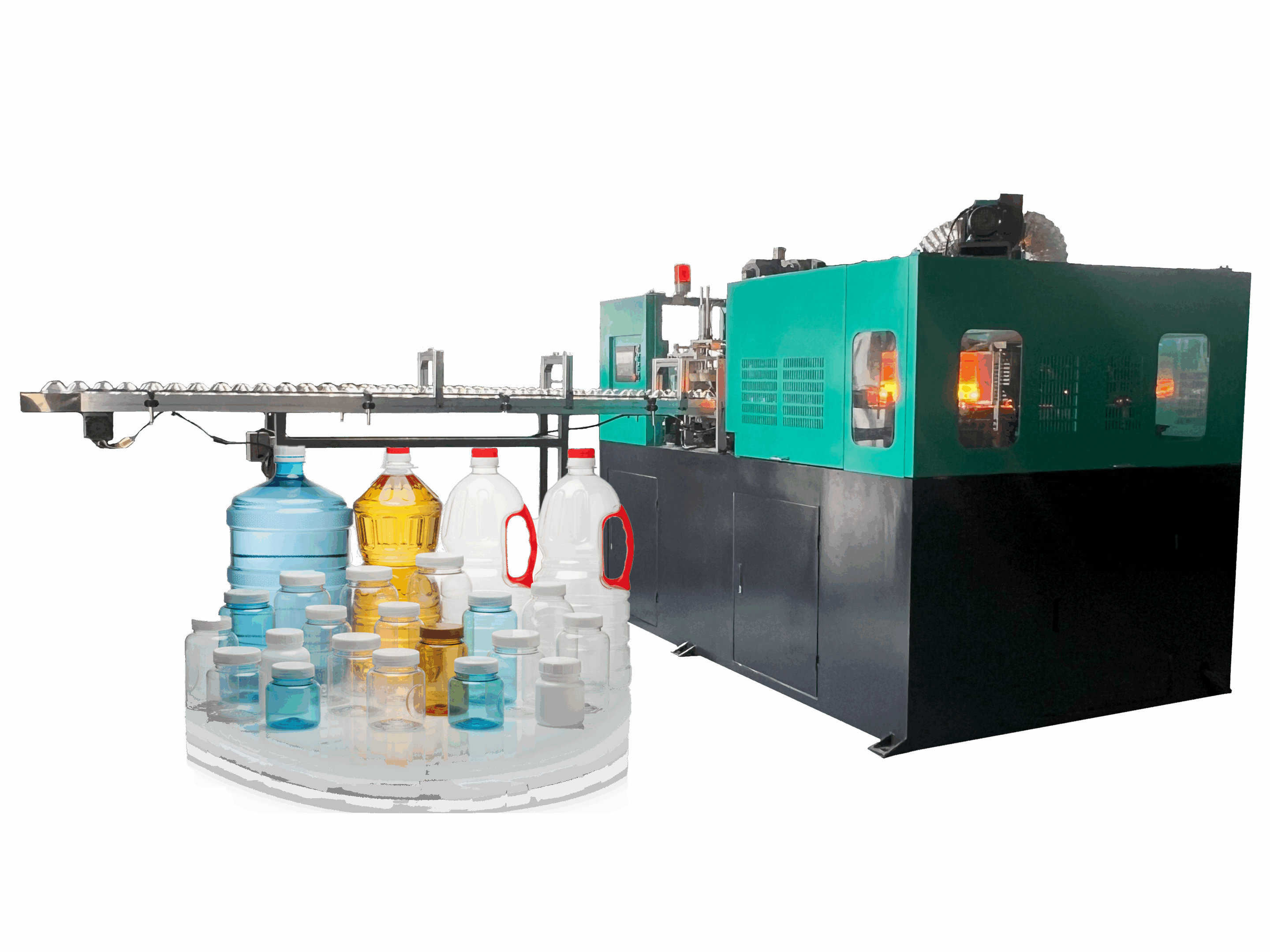
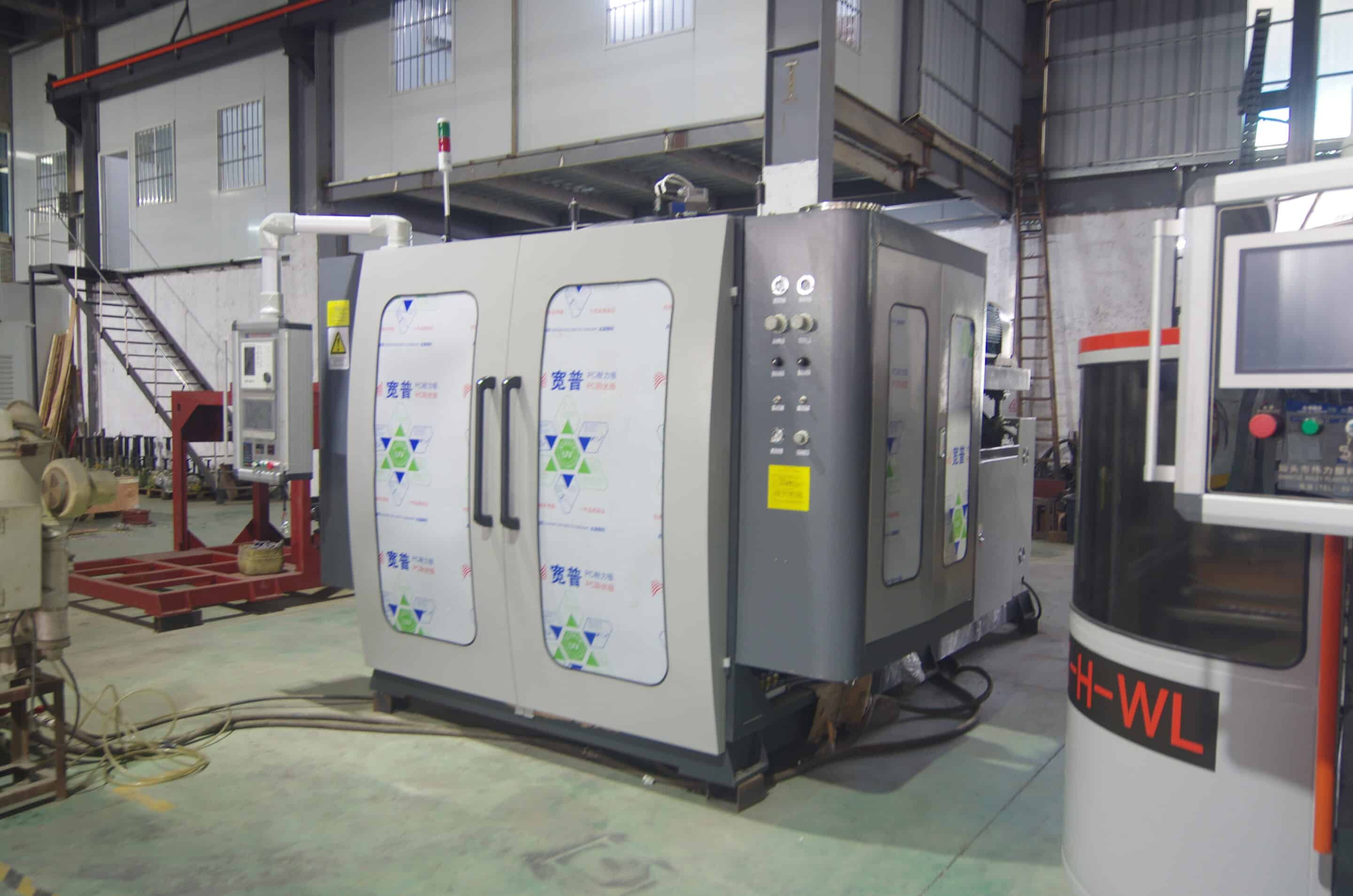
Custom plastic trays are specialized packaging solutions designed to meet specific industry needs. These trays are made using advanced blow molding techniques, ensuring durability and flexibility. They are widely used in sectors like cosmetics, pharmaceuticals, and food packaging. The ability to tailor these trays to exact requirements makes them a ride-or-die choice for many businesses.
“Custom plastic trays offer unmatched durability and design flexibility, making them ideal for industries that demand precision and reliability.”
One of the key benefits of custom plastic trays is their cost-efficiency. Unlike standard trays, they minimize material wastage and reduce production costs. Additionally, their lightweight nature lowers shipping expenses. These factors make them a smart investment for companies looking to optimize their packaging processes.
Custom Plastic Trays: Performance and Sustainability Comparison
| Característica | Standard Trays | Custom Plastic Trays | Referencia del sector | Notas |
|---|---|---|---|---|
| Durabilidad | Moderado | Alta | Alta | Custom trays are designed to withstand harsh conditions. |
| Flexibilidad de diseño | Limitado | Extensive | Moderado | Allows for unique shapes and sizes tailored to specific needs. |
| Eficiencia de Costos | Bajo | Alta | Moderado | Reduces material wastage and lowers production costs. |
| Sostenibilidad | Bajo | Alta | Moderado | Custom trays often use recyclable materials, reducing environmental impact. |
| Velocidad de producción | Rápido | Moderado | Rápido | Customization may slightly slow production but offers long-term benefits. |
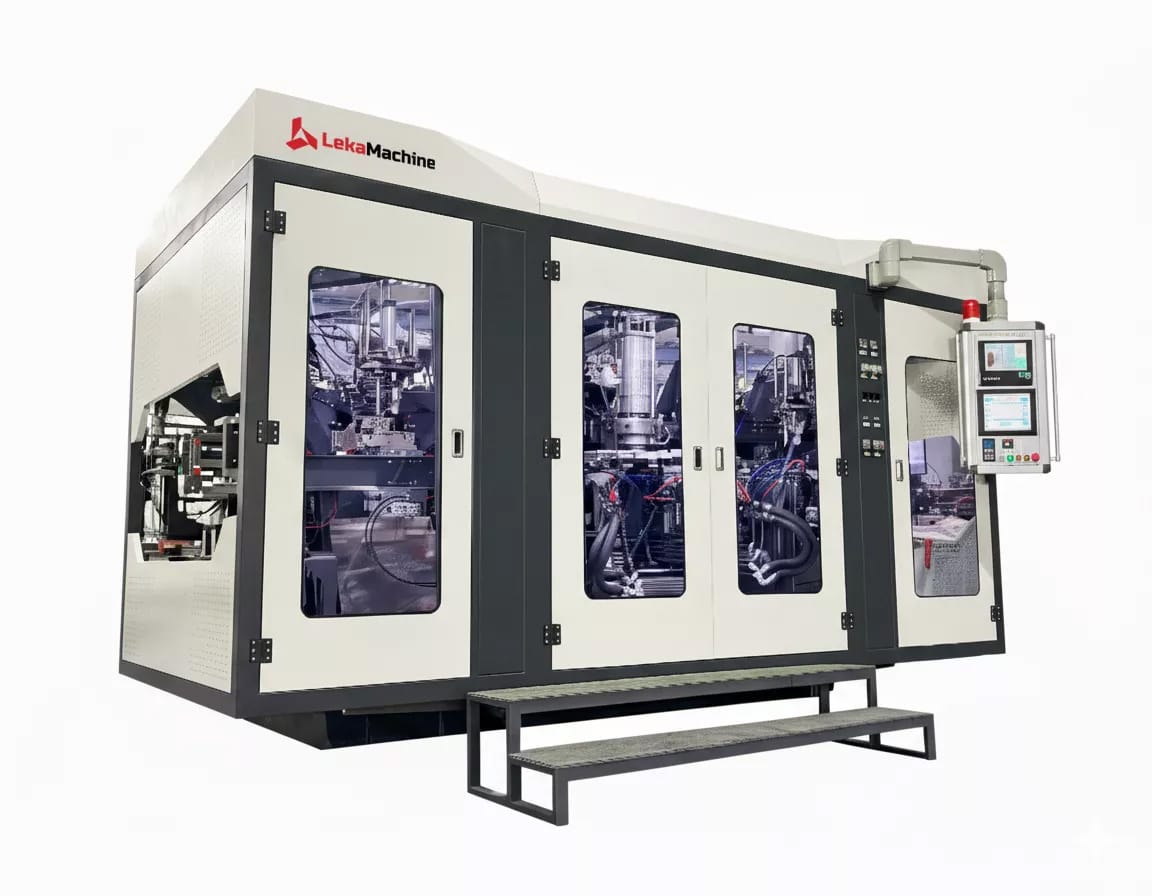
The market for custom plastic trays is growing rapidly, driven by increasing demand across various industries. Companies like Lekamachine are at the forefront, offering tailored blow molding solutions that meet these needs. Their expertise ensures that businesses get the most efficient and sustainable packaging options.
Sustainability is another critical factor in the adoption of custom plastic trays. Many manufacturers now use recyclable materials, aligning with global environmental standards. This shift not only benefits the planet but also enhances brand reputation for businesses committed to green practices.
In summary, custom plastic trays provide a versatile and cost-effective solution for modern packaging challenges. Their durability, design flexibility, and sustainability make them a preferred choice for many industries. With companies like Lekamachine leading the way, the future of custom plastic trays looks promising.
Material Selection for Custom Plastic Trays: Performance and Sustainability
Choosing the right materials for custom plastic trays is crucial for both performance and sustainability. Common options include PET, PP, and HDPE, each offering unique benefits. These materials are selected based on factors like durability, food safety, and environmental impact. Custom plastic trays made from these materials serve diverse industries, from food packaging to automotive applications.
“The right material selection can enhance both the functionality and eco-friendliness of custom plastic trays, making them suitable for various industrial needs.”
Food-safe plastics like PET are ideal for packaging edible products, while industrial-grade HDPE offers superior strength for heavy-duty use. Sustainability is also a key consideration, with many manufacturers opting for recycled or bio-based plastics. This shift not only reduces environmental impact but also aligns with global sustainability goals.
Material Properties and Applications for Custom Plastic Trays
| Material | Durabilidad | Food-Safe | Reciclabilidad | Aplicaciones comunes |
|---|---|---|---|---|
| PET | Alta | Sí | Alta | Botellas de bebidas, envases de alimentos |
| PP | Moderado | Sí | Moderado | Medical packaging, consumer goods |
| HDPE | Muy alta | No | Alta | Industrial containers, automotive parts |
| Recycled PET | Alta | Sí | Muy alta | Sustainable packaging solutions |
| Bio-based Plastics | Moderado | Sí | Alta | Eco-friendly food packaging |
Material selection significantly impacts production costs and lifecycle sustainability. For example, Lekamachine has helped clients reduce costs by recommending the most efficient materials for their specific needs. Their expertise ensures that businesses get the best balance between performance and affordability.
Case studies show how different industries benefit from tailored material choices. Food packaging often uses PET for its safety and clarity, while automotive sectors prefer HDPE for its strength. These examples highlight the importance of selecting the right material for custom plastic trays in various applications.
In conclusion, understanding material properties is essential for optimizing custom plastic trays. Whether prioritizing food safety, durability, or sustainability, the right choice can enhance both performance and environmental impact. With companies like Lekamachine leading the way, businesses can make informed decisions that meet their specific needs.
Manufacturing Processes: Thermoforming vs. Blow Molding
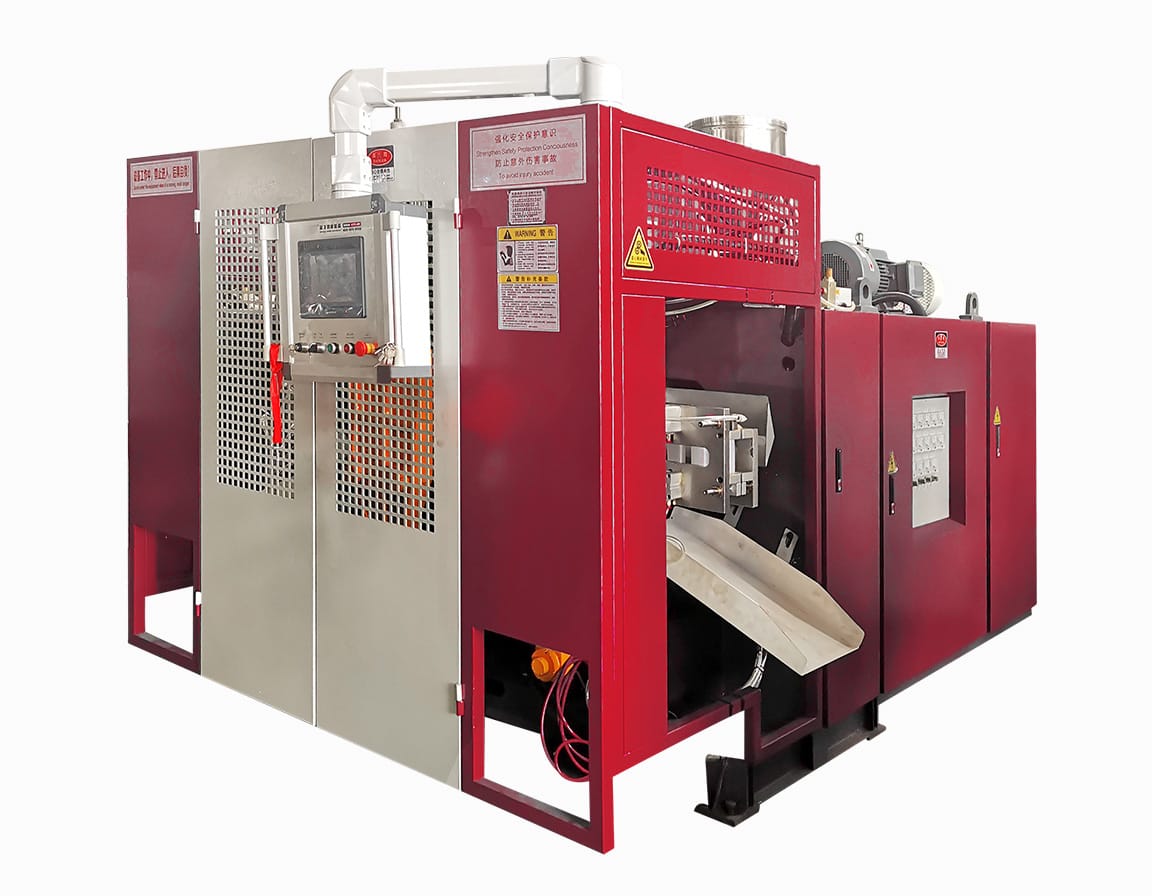
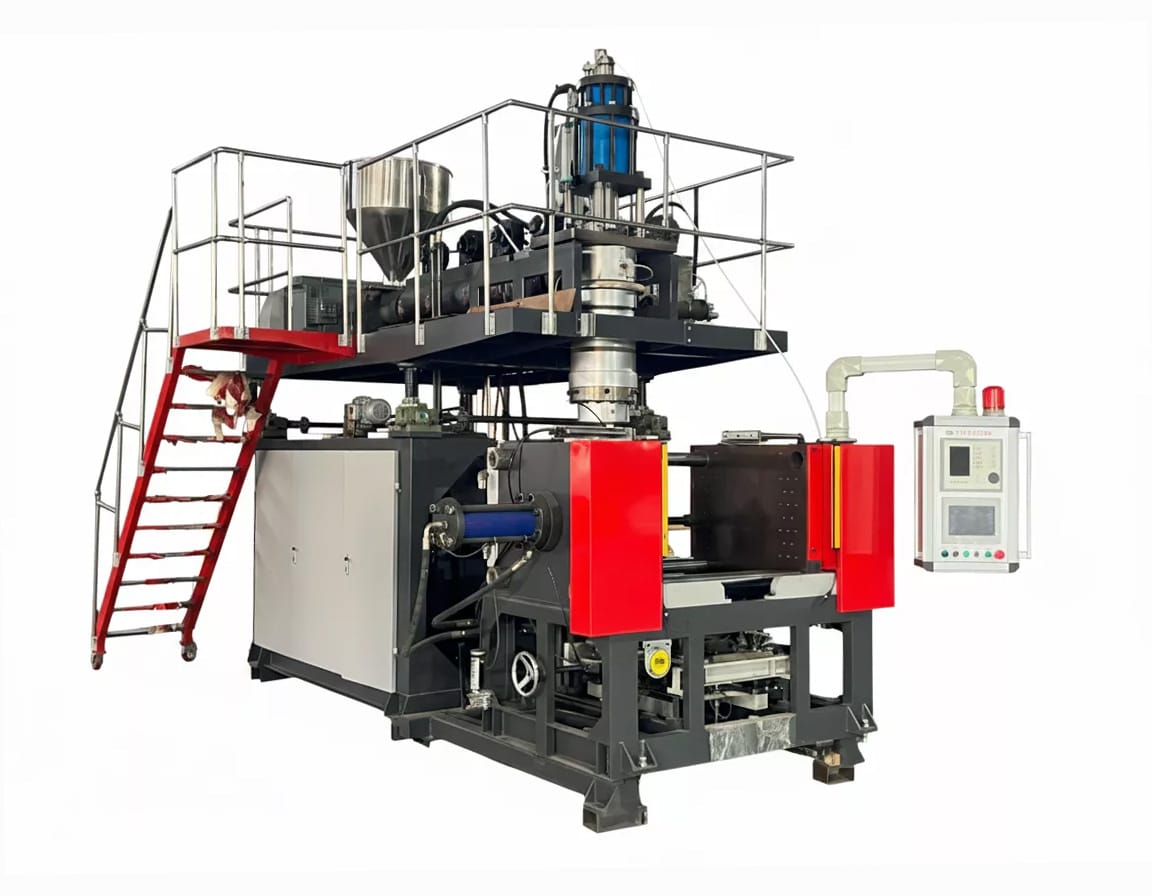
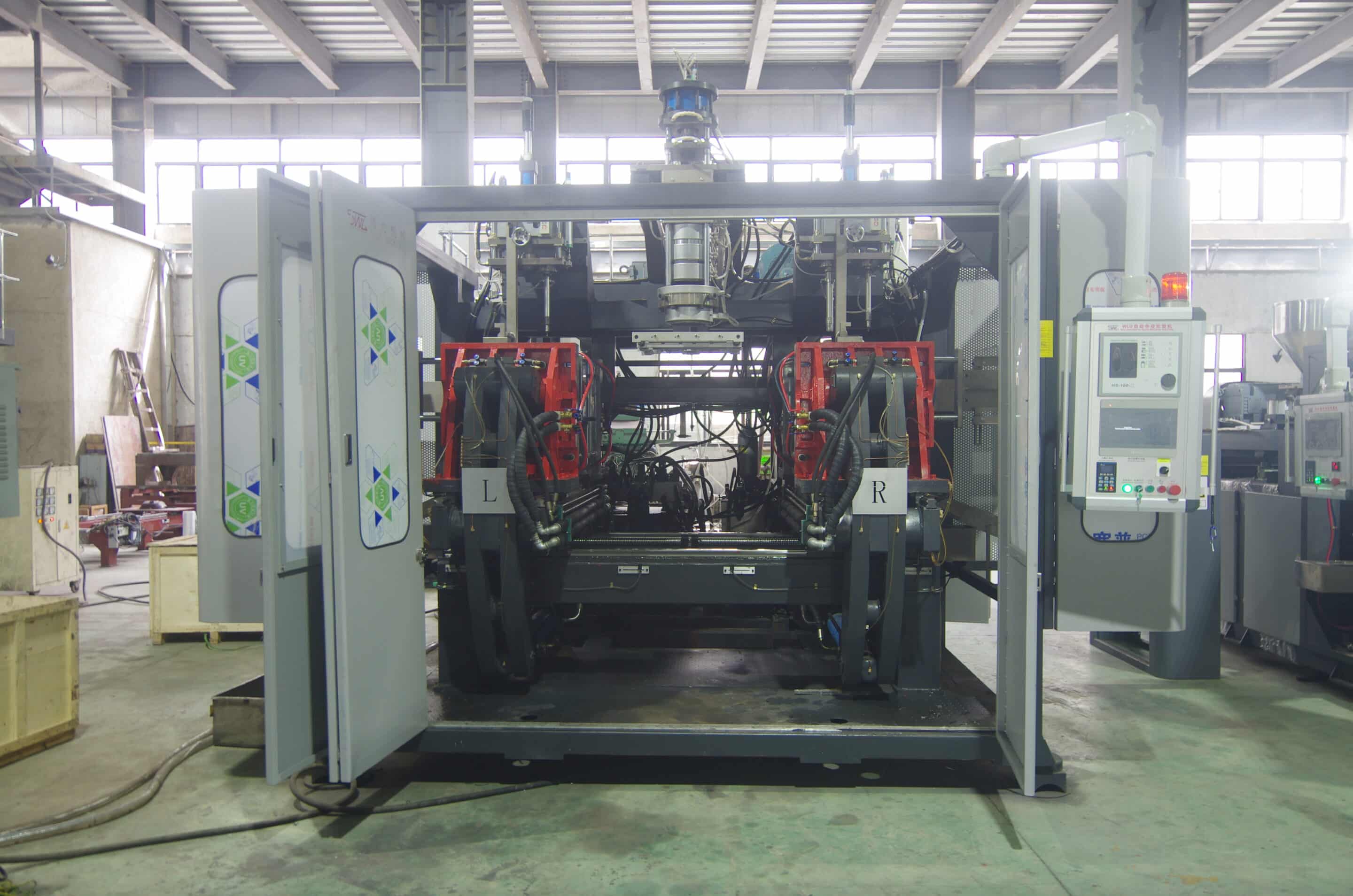
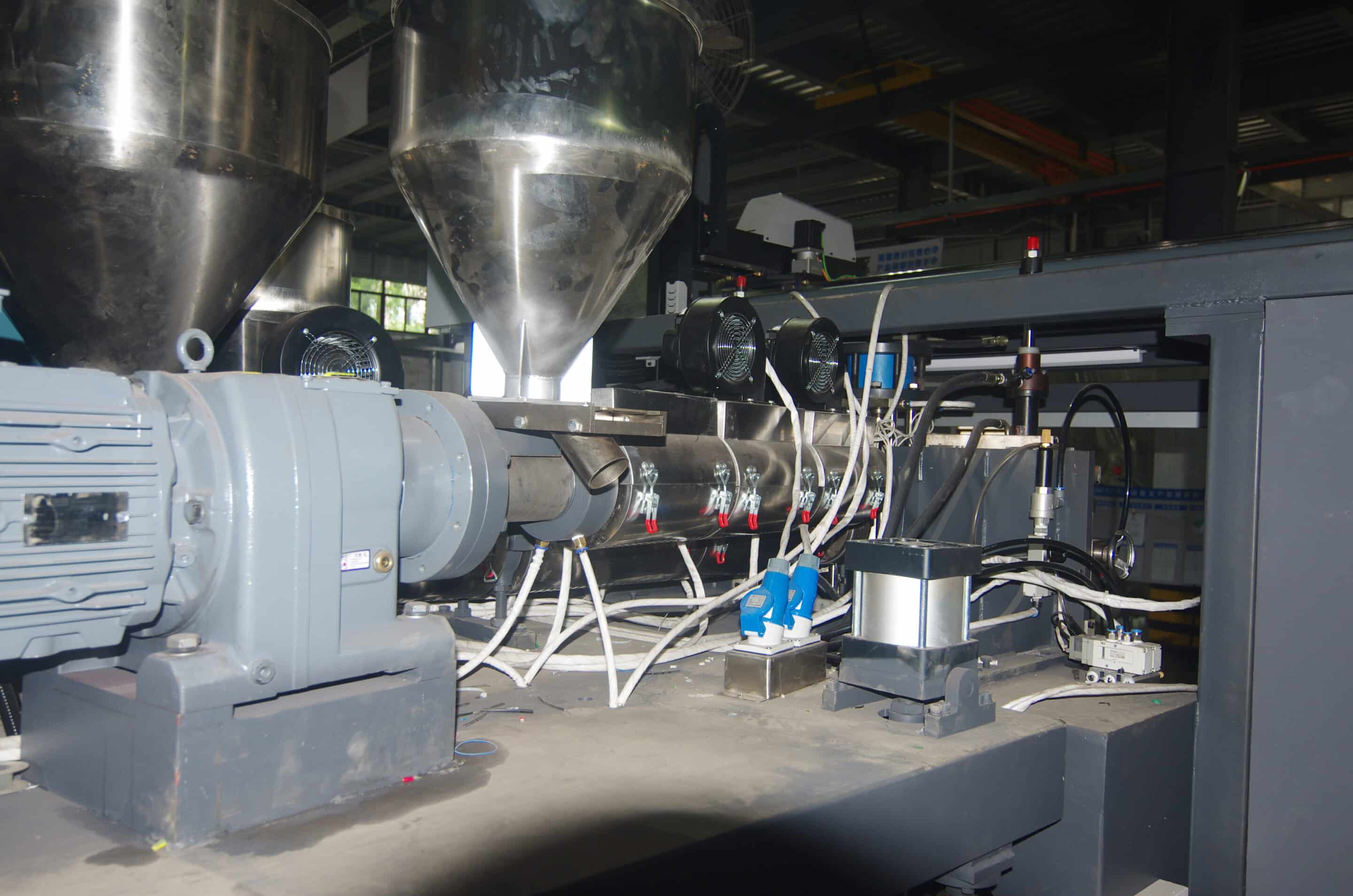
When producing custom plastic trays, manufacturers typically choose between thermoforming and blow molding processes. Thermoforming involves heating plastic sheets and forming them over molds, making it ideal for shallow trays and packaging. Blow molding, Lekamachine’s specialty, creates hollow containers by inflating heated plastic into molds, perfect for more complex shapes.
“While thermoforming excels at rapid production of simple designs, blow molding offers superior strength and dimensional stability for custom plastic trays requiring complex geometries.”
Process Comparison for Custom Plastic Tray Production
| Característica | Termoformado | Moldeo por soplado | Norma del sector | Lo mejor para |
|---|---|---|---|---|
| Velocidad de producción | Fast (100-200/hr) | Moderate (50-100/hr) | Varies by application | High-volume vs. complex designs |
| Coste de utillaje | $5,000-$20,000 | $20,000-$50,000 | Varies by complexity | Short runs vs. long production |
| Wall Consistency | Variable | Uniforme | ±10% tolerance | Structural applications |
| Eficiencia material | 85-90% | 95-98% | Industry benchmarks | Sustainable production |
| Plazos de entrega | 2-4 semanas | 4-8 semanas | Market averages | Urgent projects |
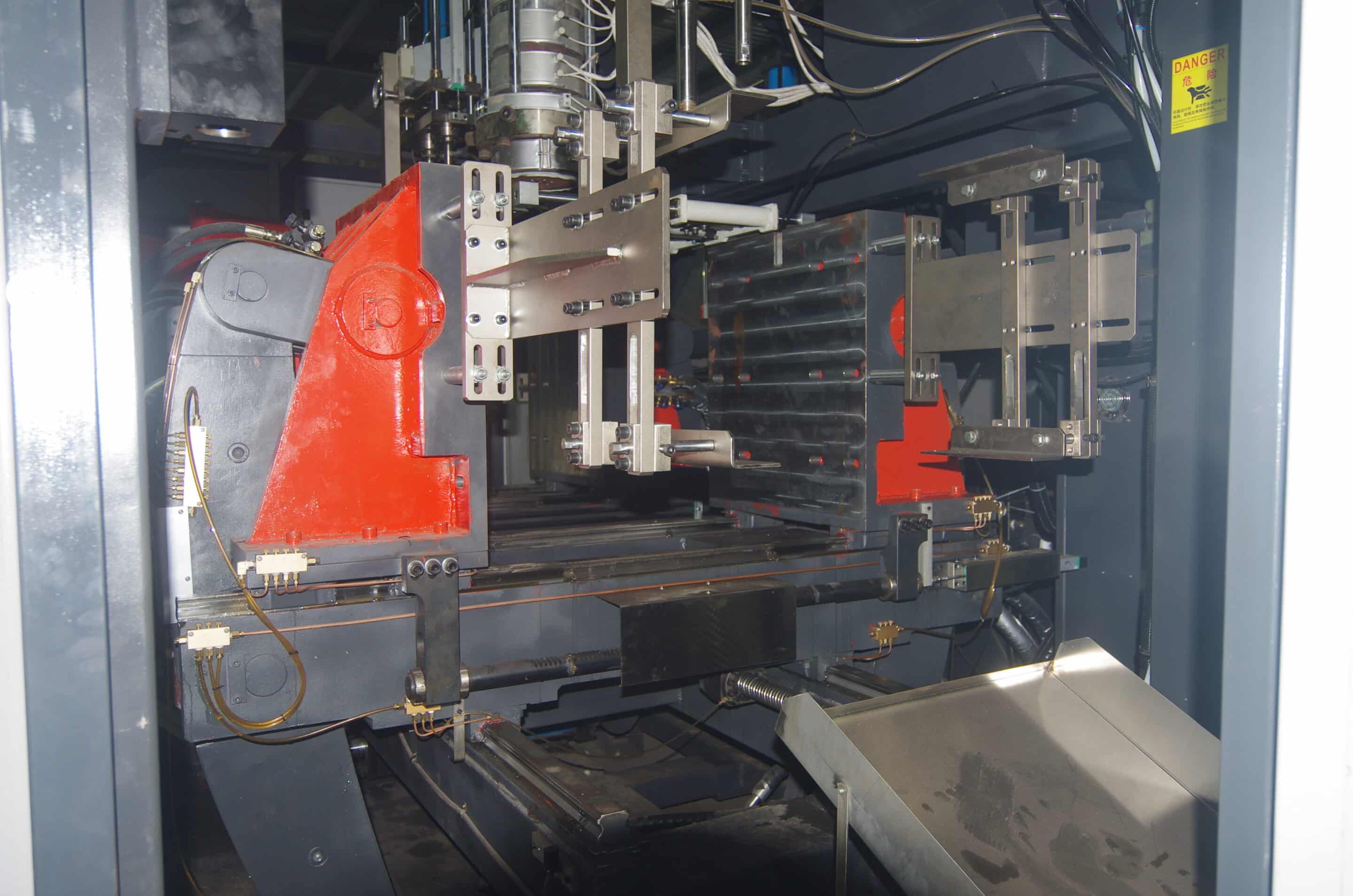
Lekamachine’s advanced blow molding machines demonstrate how modern technology bridges these gaps, offering faster cycle times and reduced waste. Their single-stage stretch blow molding process combines injection and blowing for precision pharmaceutical and cosmetic trays that meet strict industry standards.
Innovations in rapid tooling have significantly reduced traditional lead times for both processes. This evolution allows manufacturers to respond quicker to market demands while maintaining quality. Companies can now prototype custom plastic trays in days rather than weeks, accelerating product development cycles.
Ultimately, the choice between thermoforming and blow molding depends on application requirements, production volume, and budget. While thermoforming suits high-volume, simple designs, blow molding delivers superior results for complex, durable trays. With experts like Lekamachine advancing blow molding technology, manufacturers gain more options for efficient, high-quality production.
Design Flexibility and Customization Options
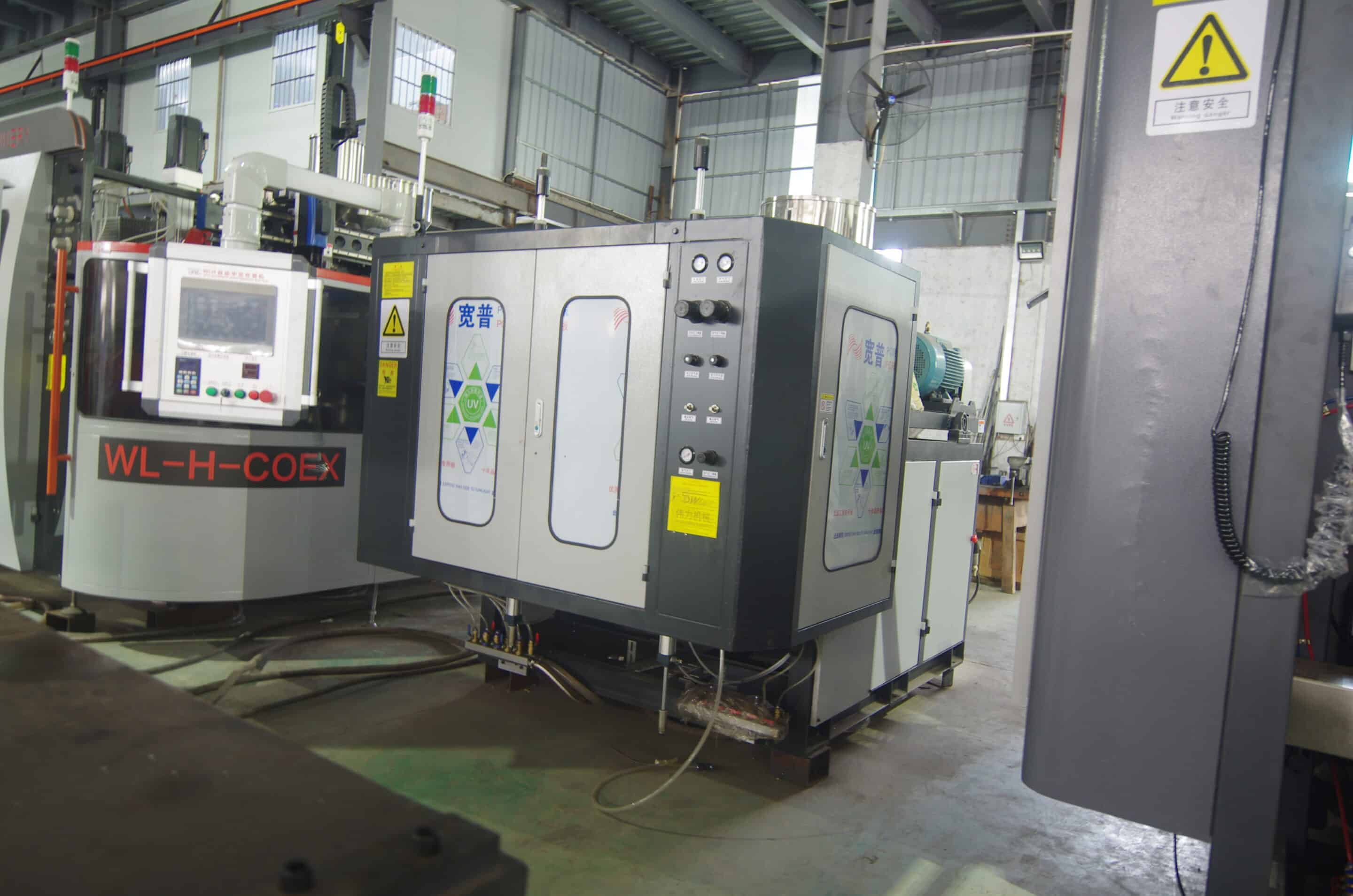
Custom plastic trays offer remarkable design flexibility to meet diverse industry needs. From integrated dividers for medical instruments to stackable designs for retail displays, these trays can be precisely tailored. Lekamachine’s blow molding expertise enables complex geometries that traditional thermoforming cannot achieve, particularly for pharmaceutical and electronics applications where precision is lo que está en juego.
“The right customization transforms standard plastic trays into specialized solutions that enhance product protection, brand presentation, and operational efficiency.”
Customization Options for Plastic Trays by Industry
| Industria | Características principales | Preferencia de materiales | Design Considerations | Solución Lekamachine |
|---|---|---|---|---|
| Médico | Sterile compartments, autoclave-safe | PP de calidad médica | FDA compliance, instrument protection | Precision blow molding |
| Electrónica | ESD protection, component slots | Conductive HDPE | Static control, precise fit | Custom mold engineering |
| Retail | Branded surfaces, display features | Clear PET | Visual appeal, shelf impact | High-gloss finishes |
| Food Service | Leak-proof seals, portion control | Food-grade PET | Safety, portion consistency | Integrated sealing surfaces |
| Industrial | Heavy-duty construction, nesting | HDPE reforzado | Durability, space efficiency | Structural rib design |
Branding opportunities extend beyond simple logos – textures, translucent effects, and even RFID embedding are possible with advanced blow molding. Lekamachine’s rapid prototyping allows clients to test multiple iterations before full production, ensuring optimal functionality for custom plastic trays.
From concept to finished product, today’s customization options address both practical needs and brand aesthetics. Whether requiring specialized compartments for delicate components or distinctive visual features for retail environments, modern manufacturing delivers solutions that standard packaging cannot match.
Aplicaciones industriales y tendencias futuras
Custom plastic trays serve critical functions across diverse industries, each with unique requirements. In food and beverage applications, these trays meet stringent hygiene standards while protecting products during transport. The medical sector relies on sterilizable custom plastic trays that maintain instrument organization in operating rooms and laboratories.
“From hospital sterilization to automotive parts organization, custom plastic trays solve industry-specific challenges while improving operational efficiency.”
Industry-Specific Tray Requirements and Solutions
| Industria | Requisitos clave | Material Solutions | Ventaja de la Lekamachine | Emerging Trends |
|---|---|---|---|---|
| Alimentos y Bebidas | FDA compliance, leak-proof | Food-grade PET/PP | Integrated sealing surfaces | Antimicrobial coatings |
| Farmacéutica | Sterilization, precision fit | Medical-grade polymers | Validation support | RFID tracking |
| Automoción | Impact resistance, nesting | HDPE reforzado | Structural rib design | Returnable systems |
| Electrónica | ESD protection, static control | Conductive compounds | Precision molding | Smart sensors |
| Retail | Brand visibility, shelf appeal | Clear/colored PET | High-gloss finishes | Interactive packaging |
Lekamachine’s blow molding technology addresses these varied needs through material expertise and precision engineering. Their machines produce food-safe plastic trays with consistent wall thickness for optimal strength-to-weight ratios, while pharmaceutical clients benefit from validated sterilization processes.
Future innovations include smart packaging with embedded sensors and sustainable material breakthroughs. As industries increasingly prioritize circular economy principles, custom plastic trays are evolving to incorporate recycled content without compromising performance. Lekamachine stays ahead by developing energy-efficient production methods that reduce environmental impact.
Conclusión
After years in the blow molding industry, I’ve seen firsthand how custom plastic trays can transform packaging from a logistical headache into a competitive advantage. Whether it’s precision-molded pharmaceutical trays or rugged industrial containers, the right design and material choice make all the difference.
From my experience, companies that invest in tailored solutions don’t just protect products—they streamline operations, cut costs, and future-proof their packaging. With advancements in sustainable materials and smart manufacturing, the possibilities are expanding faster than ever.
If you’re still using generic trays, upgrading to a custom solution isn’t just smart—it’s a "cambio de juego" for your bottom line and brand reputation. The right partnership can turn your packaging challenges into your strongest asset.
PREGUNTAS FRECUENTES
Q1: What are custom plastic trays used for?
A1: Custom plastic trays are designed for a variety of applications, including packaging, organizing products, and ensuring safe transport. They are commonly used in industries such as food service, manufacturing, and retail.
Q2: How are custom plastic trays made?
A2: Custom plastic trays are typically produced through thermoforming processes where heated plastic sheets are molded into specific shapes. This can include creating cavities for product placement or specialized designs to fit exact specifications.
Q3: What materials are used for custom plastic trays?
A3: Common materials for custom plastic trays include PET, PVC, PE, and PP. These materials are often chosen for their durability and food safety compliance, particularly for trays used in the food industry.
Q4: Are custom plastic trays reusable?
A4: Yes, many custom plastic trays are designed to be reusable, especially those made from high-quality plastics. They can withstand multiple cycles of use, making them a cost-effective option for packaging and storage.
Q5: What is the cost of custom plastic trays?
A5: El costo de las bandejas de plástico personalizadas varía según factores como el tamaño, la complejidad, la elección del material y el volumen de producción. Los costos típicos de tooling para bandejas personalizadas pueden comenzar alrededor de $1,500, dependiendo de las especificaciones.
Q6: How can I ensure my custom plastic trays are food safe?
A6: Para garantizar la seguridad alimentaria, es crucial utilizar materiales aprobados por la FDA que estén etiquetados como libres de BPA. Además, trabajar con fabricantes especializados en bandejas de plástico de grado alimenticio ayuda a garantizar el cumplimiento de las normativas sanitarias.
Q7: What industries commonly use custom plastic trays?
A7: Industrias como la alimentaria y de bebidas, minorista, farmacéutica y electrónica utilizan con frecuencia bandejas de plástico personalizadas para el envasado, la organización y la presentación de productos.
Q8: How do I choose the right design for my custom plastic trays?
A8: Elegir el diseño correcto implica considerar el producto que se va a envasar, la estética deseada y la funcionalidad. Es recomendable consultar con fabricantes que puedan proporcionar experiencia en diseño y opciones de prototipos.
Enlaces externos
- Envasado en Bandejas de Plástico Personalizadas para Chocolate, Dulces, Pasteles
- Tipos de Bandejas de Plástico Personalizadas – Indepak
- Bandejas de Plástico Personalizadas – Bandejas Termoformadas | Form Plastics
- Envasado en Bandejas de Plástico Personalizadas | Great River Plastics
- Bandejas y Tapas de Plástico Personalizadas por Rimco Plastics
- Bandejas de Plástico Termoformadas | Termoformado – Universal Plastics
- Bandejas de Plástico Personalizadas – Listas para Usar
- Guía de Diseño de Bandejas Termoformadas Personalizadas – ECP Plastic Trays


0 Comentarios