
Introducción
Designing packaging that balances durability, chemical resistance, and production efficiency is a constant challenge for engineers. When traditional materials like glass or metal fall short in flexibility, thermoplastic sheets emerge as a **no-brainer** solution—offering unmatched formability without compromising structural integrity.
From pharmaceutical vials requiring sterile precision to cosmetic containers demanding aesthetic finesse, thermoplastics enable lightweight, customizable designs that withstand harsh environments. This article breaks down the four key types—PET, PP, HDPE, and PVC—and their ideal applications, helping you select the optimal material for your packaging needs.

Introduction to Thermoplastic Sheets in Packaging
“Thermoplastic sheets are revolutionizing packaging by offering cost-effective, customizable solutions that outperform traditional materials in durability and versatility.”
Thermoplastic sheets are polymer-based materials that soften when heated and harden when cooled, making them ideal for modern packaging. Unlike thermosetting plastics, thermoplastics can be reshaped multiple times without losing their properties. This unique characteristic allows manufacturers to create ride-or-die packaging solutions that adapt to various industry needs. From food containers to pharmaceutical blister packs, thermoplastic sheets provide unmatched flexibility.
Why Thermoplastics Are Replacing Traditional Materials
Traditional packaging materials like glass and metal are heavy, fragile, and expensive to produce. Thermoplastic sheets, on the other hand, are lightweight, shatter-resistant, and cost-efficient. They also offer superior barrier properties, protecting contents from moisture, oxygen, and UV light. For industries like cosmetics and pharmaceuticals, this means longer shelf life and reduced waste. Additionally, thermoplastics are recyclable, aligning with global sustainability trends.
The Thermoforming Process for Custom Packaging
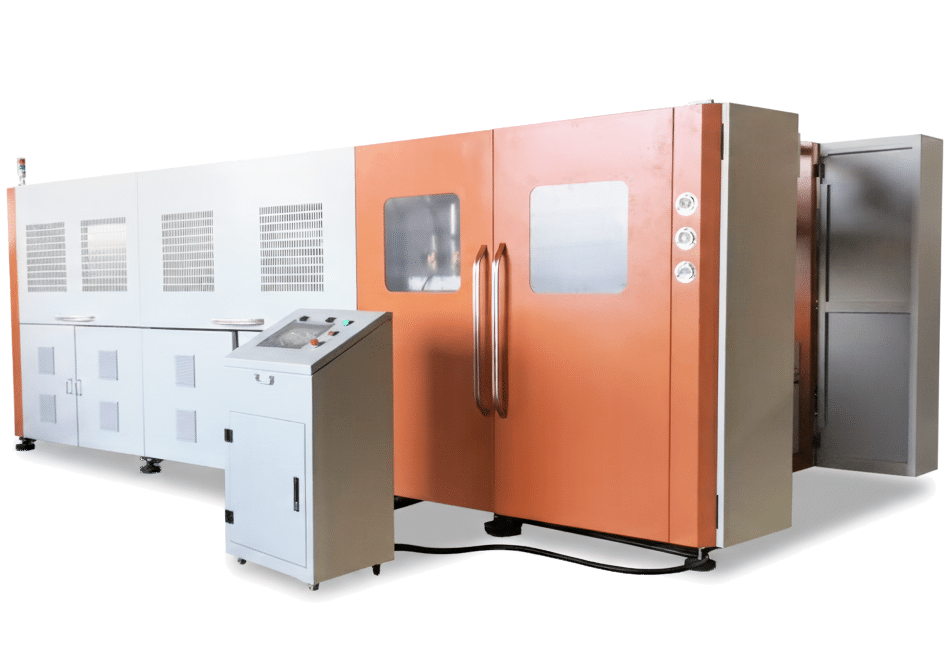
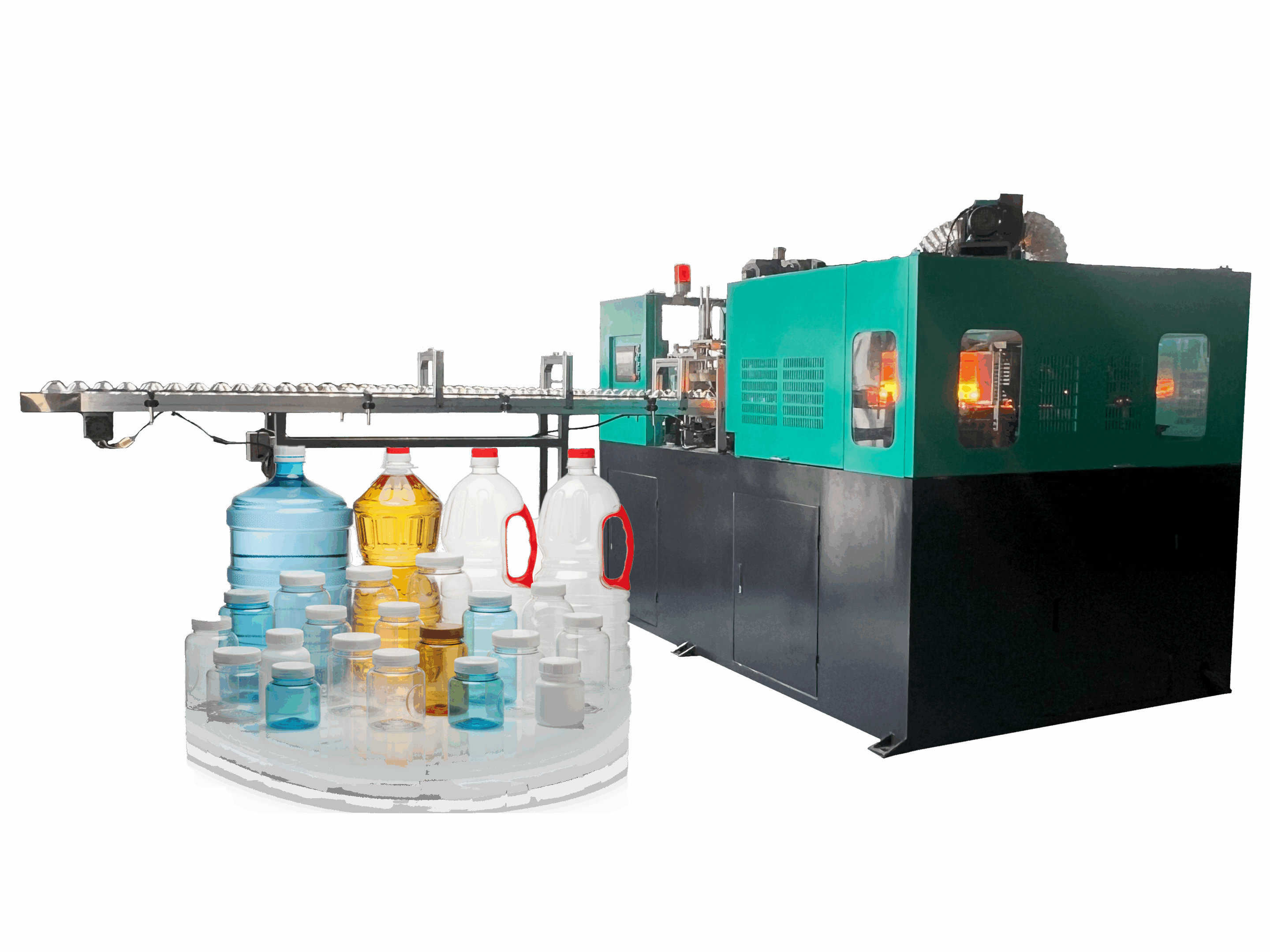
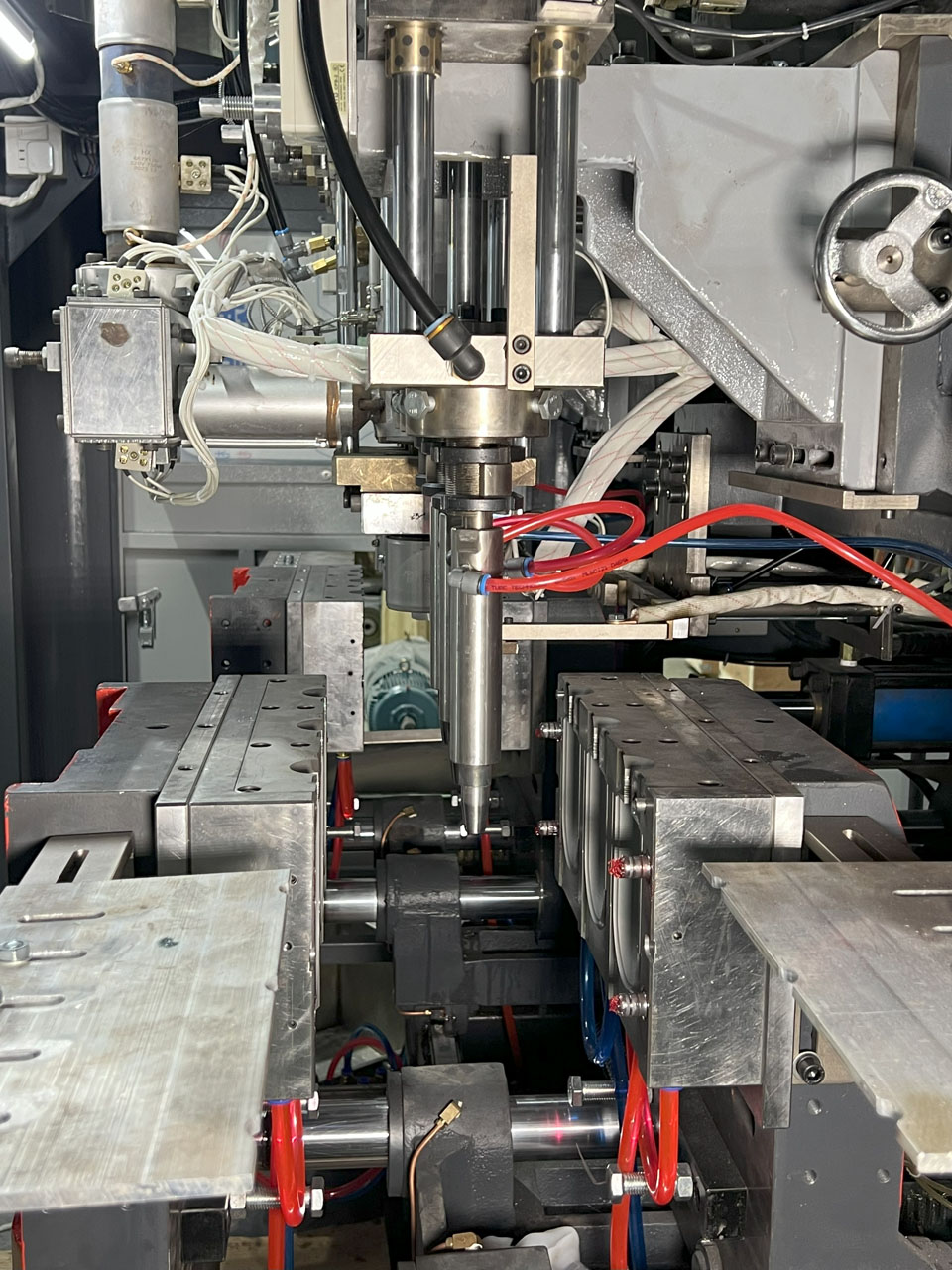
Thermoforming is the process of heating thermoplastic sheets and molding them into specific shapes using vacuum or pressure. This method is highly efficient for producing custom molded packaging at scale. For example, a single thermoforming machine can create thousands of identical cosmetic jars or medical trays per hour. The process also allows for intricate designs, such as embossed logos or ergonomic grips, enhancing brand appeal and user experience.
Key Industries Benefiting from Thermoplastic Packaging
Several industries are leveraging thermoplastic sheets for their packaging needs. The food and beverage sector uses them for tamper-evident clamshells and microwave-safe trays. In pharmaceuticals, thermoformed blister packs ensure precise dosing and child safety. Even automotive and electronics manufacturers rely on thermoplastic packaging for shock absorption and static control. The adaptability of these sheets makes them a go-to solution across diverse applications.
Thermoplastic Sheets Performance Comparison
| Propiedad | PET | PP | HDPE | PVC |
|---|---|---|---|---|
| Resistencia a la tracción (MPa) | 55-75 | 25-40 | 20-32 | 40-60 |
| Resistencia al calor (°C) | 70-85 | 100-140 | 90-120 | 60-80 |
| Reciclabilidad | Alta | Alta | Alta | Bajo |
| Barrier to Moisture | Excelente | Bien | Excelente | Feria |
| Aplicaciones típicas | Botellas de bebidas | Food containers | Chemical drums | Blister packs |
Note: Data sourced from industry benchmarks (2023). PET (Polyethylene Terephthalate), PP (Polypropylene), HDPE (High-Density Polyethylene), PVC (Polyvinyl Chloride).
Types of Thermoplastic Sheets for Packaging
“Understanding the four primary types of thermoplastic sheets helps manufacturers select the optimal material for durability, cost-efficiency, and application-specific performance.”
PET (Polyethylene Terephthalate): Clarity and Strength
PET thermoplastic sheets offer exceptional clarity, making them ideal for transparent packaging like beverage bottles and cosmetic containers. With high tensile strength (55-75 MPa), they resist cracking under pressure while remaining lightweight. PET’s excellent moisture barrier properties extend product shelf life, particularly valuable for food and pharmaceutical packaging where visibility and protection are critical.
PP (Polypropylene): Chemical Resistance Champion
PP sheets provide superior resistance to acids, bases, and solvents, outperforming other thermoplastic materials in harsh environments. Their heat tolerance (100-140°C) allows for hot-fill applications and microwave-safe packaging. These properties make PP the preferred choice for chemical containers, medical devices, and laboratory packaging where material integrity under stress is paramount.
HDPE (High-Density Polyethylene): Impact-Resistant Workhorse
Recognized for exceptional impact resistance, HDPE thermoplastic sheets withstand rough handling in industrial and automotive packaging. Their high density creates robust barriers against moisture and chemicals, while remaining recyclable. HDPE’s balance of durability and flexibility makes it perfect for shipping containers, fuel tanks, and large-volume storage solutions.
PVC (Polyvinyl Chloride): Cost-Effective Versatility
PVC sheets deliver the most economical thermoplastic packaging solution without sacrificing functionality. Their inherent flame retardancy and electrical insulation properties suit electronic component packaging. While less heat-resistant (60-80°C) than other options, PVC’s formability enables intricate designs for blister packs, clamshells, and point-of-purchase displays.
Thermoplastic Sheets: Cost vs. Performance Comparison
| Material | Índice de costes | Resistencia a la tracción | Resistencia química | Mejor aplicación |
|---|---|---|---|---|
| PET | $$$ | Alta | Moderado | Pharmaceutical blisters |
| PP | $$ | Medio | Excelente | Chemical containers |
| HDPE | $$ | Alta | Bien | Industrial drums |
| PVC | $ | Medio | Feria | Retail packaging |
Benefits of Thermoplastic Sheets in Packaging Design
“Thermoplastic sheets outperform traditional packaging materials by combining chemical resistance, design flexibility, and sustainability in one cost-effective solution.”
Superior Chemical Resistance
Thermoplastic sheets maintain structural integrity when exposed to acids, solvents, and extreme temperatures that degrade traditional materials. PP sheets, for example, withstand harsh chemical environments better than metal or glass, making them ideal for industrial and pharmaceutical packaging where material failure isn’t an option.
Unmatched Formability
The thermoforming process allows thermoplastic sheets to be molded into complex shapes impossible with rigid materials. This enables innovative packaging designs like ergonomic grips, interlocking features, and custom compartments – all while maintaining consistent wall thickness for structural integrity.
Lightweight Efficiency
Weighing up to 80% less than glass or metal alternatives, thermoplastic sheets dramatically reduce shipping costs. A case study showed switching to PET containers decreased a beverage company’s logistics expenses by 23% while improving pallet efficiency.
Thermoplastic vs Traditional Packaging: Performance Comparison
| Propiedad | Thermoplastic Sheets | Glass | Metal | Paperboard |
|---|---|---|---|---|
| Weight (g/cm³) | 0.9-1.4 | 2.4-2.8 | 7.8-8.0 | 0.6-1.2 |
| Resistencia química | Excelente | Bien | Variable | Pobre |
| Formability | Alta | Bajo | Medio | Medio |
| Reciclabilidad | Alta | Alta | Alta | Medio |
| Production Energy (MJ/kg) | 70-85 | 12-25 | 200-250 | 40-55 |
Sustainable Production
Modern thermoplastic sheet manufacturing consumes 35-50% less energy than metal forming processes. Their recyclability creates closed-loop systems – post-industrial PET scrap can be directly reused in production, reducing material costs by up to 15% while meeting sustainability targets.
Industry-Specific Applications of Thermoplastic Sheets
“Thermoplastic sheets enable industry-specific packaging solutions that meet stringent regulatory requirements while optimizing functionality and cost-efficiency.”
Farmacéutica: Soluciones de Envases Estériles
Pharmaceutical-grade thermoplastic sheets meet USP Class VI and ISO 10993 standards for medical applications. PET and PP sheets dominate sterile packaging for blister packs and IV containers, with oxygen barriers <1 cc/m²/day to preserve drug efficacy. Automated thermoforming lines achieve ISO 13485 compliance with particulate counts below 100 particles/ft³ in cleanroom environments.
Cosmetics: Aesthetic Packaging Designs
Cosmetic packaging utilizes 0.5-2.0mm thick thermoplastic sheets for premium finishes. PETG sheets enable crystal-clear jars showing product color, while matte-finish PP provides luxury appeal. Advanced thermoforming creates precise embossing for logos and textured grips, with color consistency maintained at ΔE<1.0 across production runs.
Industry-Specific Thermoplastic Specifications
| Industria | Material | Thickness (mm) | Key Standard | Special Feature |
|---|---|---|---|---|
| Farmacéutica | PET/PP | 0.3-1.5 | USP Clase VI | Sterility assurance |
| Cosméticos | PETG/ABS | 0.5-2.0 | EU 1223/2009 | High-gloss finish |
| Alimentos y Bebidas | HDPE/PET | 0.4-3.0 | FDA 21 CFR | Microwave-safe |
| Industrial | HDPE/PC | 2.0-6.0 | UN/DOT | Resistencia al impacto |
Food & Beverage: Hygienic Containers
FDA-compliant HDPE sheets produce dairy containers with <0.5% moisture absorption, while PET sheets create oxygen-barrier beverage bottles. Anti-microbial additives in thermoplastic sheets reduce bacterial growth by 99.9%, meeting NSF/ANSI 51 standards for food contact surfaces.
Industrial: Protective Packaging
6mm-thick HDPE sheets form chemical drums with 8:1 safety factor against 55-gallon loads. Rotational-molded thermoplastic sheets create pallet-sized shipping containers that withstand 1,500 lb stacking loads while being 40% lighter than steel alternatives.

Selecting and Sourcing Thermoplastic Sheets
“Choosing the right thermoplastic sheets requires evaluating material properties, supplier capabilities, and future industry trends to ensure optimal packaging performance.”
Key Specifications to Evaluate
When selecting thermoplastic sheets, critical specifications include thickness tolerance (±0.05mm for precision applications), melt flow index (MFI) between 2-50 g/10min depending on process requirements, and UV stability for outdoor applications. For food-grade materials, verify FDA 21 CFR compliance, while medical applications require USP Class VI certification.
Quality Control Factors
Reputable suppliers should provide material certificates with batch-specific data including tensile strength (typically 20-75 MPa), elongation at break (100-600%), and haze values (<5% for clear applications). Insist on third-party test reports for critical properties like oxygen transmission rate (<0.5 cc/m²/day for sensitive products).
Thermoplastic Sheet Supplier Evaluation Checklist
| Criterios de Evaluación | Requisito mínimo | Ideal Standard | Método de verificación |
|---|---|---|---|
| Material Consistency | ±5% property variation | ±2% property variation | Batch test reports |
| Production Capacity | 100 tons/month | 500+ tons/month | Facility audit |
| Certifications | ISO 9001 | ISO 13485, IATF 16949 | Certificate copies |
| Technical Support | Email response | On-site engineers | Reference checks |
| Plazos de entrega | 8 semanas | 4 semanas | Order history |
Future Material Trends
Emerging developments include bio-based thermoplastics with 30-50% renewable content, self-healing polymers for extended product life, and smart packaging with integrated sensors. High-barrier nanocomposites are achieving oxygen transmission rates below 0.1 cc/m²/day while maintaining recyclability.

Conclusión
After years in the packaging industry, I’ve seen firsthand how thermoplastic sheets are changing the game. They’re not just a material—they’re a "cambio de juego" for brands that need durability, flexibility, and sustainability without compromise.
Whether you’re designing pharmaceutical blisters or cosmetic containers, the right thermoplastic can make all the difference. It’s about finding that perfect balance of strength, clarity, and cost-efficiency—something I’ve helped countless clients achieve.
The future of packaging is here, and it’s molded to fit your exact needs. If you’re still on the fence, just remember: thermoplastics aren’t just an option—they’re the smart choice.
PREGUNTAS FRECUENTES
Q1: What are thermoplastic sheets used for?
A1: Thermoplastic sheets are utilized in various applications including packaging, automotive parts, medical devices, and construction materials due to their flexibility, durability, and ease of forming.
Q2: What are the advantages of using thermoplastic sheets in custom packaging?
A2: Thermoplastic sheets have several advantages in custom packaging such as enhanced chemical resistance, adaptability to complex shapes, lightweight properties, and superior moisture resistance compared to traditional materials.
Q3: How are thermoplastic sheets manufactured?
A3: Thermoplastic sheets are typically manufactured through extrusion or thermoforming processes, allowing them to be shaped and molded into various thicknesses, colors, and finishes.
Q4: Can thermoplastic sheets be recycled?
A4: Yes, many thermoplastic sheets are recyclable. They can be reprocessed and remolded into new products, which helps reduce waste and environmental impact.
Q5: Are thermoplastic sheets suitable for outdoor use?
A5: Yes, thermoplastic sheets can be designed to withstand outdoor conditions and are often formulated to resist UV radiation, moisture, and other environmental factors.
Q6: What is the difference between thermoplastics and thermosets?
A6: Thermoplastics can be melted and reshaped multiple times, while thermosets become permanently hard when set and cannot be remolded. This gives thermoplastics a significant advantage in many manufacturing processes.
Q7: How do I choose the right thermoplastic sheet for my application?
A7: La elección de la lámina termoplástica adecuada implica considerar factores como la resistencia química, la flexibilidad requerida, el espesor, el color y las condiciones específicas a las que estará expuesta durante su uso.
Q8: What industries use thermoplastic sheets?
A8: Las láminas termoplásticas encuentran aplicaciones en diversas industrias, incluyendo envases y embalajes, automoción, aeroespacial, atención médica y productos de consumo, gracias a sus propiedades versátiles.
Enlaces externos
- ¿Qué es un termoplástico? | Información sobre Láminas Termoplásticas | Marlite
- Aplicaciones de Láminas Termoplásticas para la Fabricación Moderna | Vantage Plastics
- Láminas Termoplásticas | DN Plastics
- Lámina Termoplástica KYDEX® – Curbell Plastics
- Soluciones en Láminas Termoplásticas, Polímeros e Iluminación | Plaskolite
- Láminas Termoplásticas – McMaster-Carr
- Comprendiendo los Termoplásticos | RTP Company
- Termoplásticos – Láminas y Bloques | Röchling


0 Comentarios