
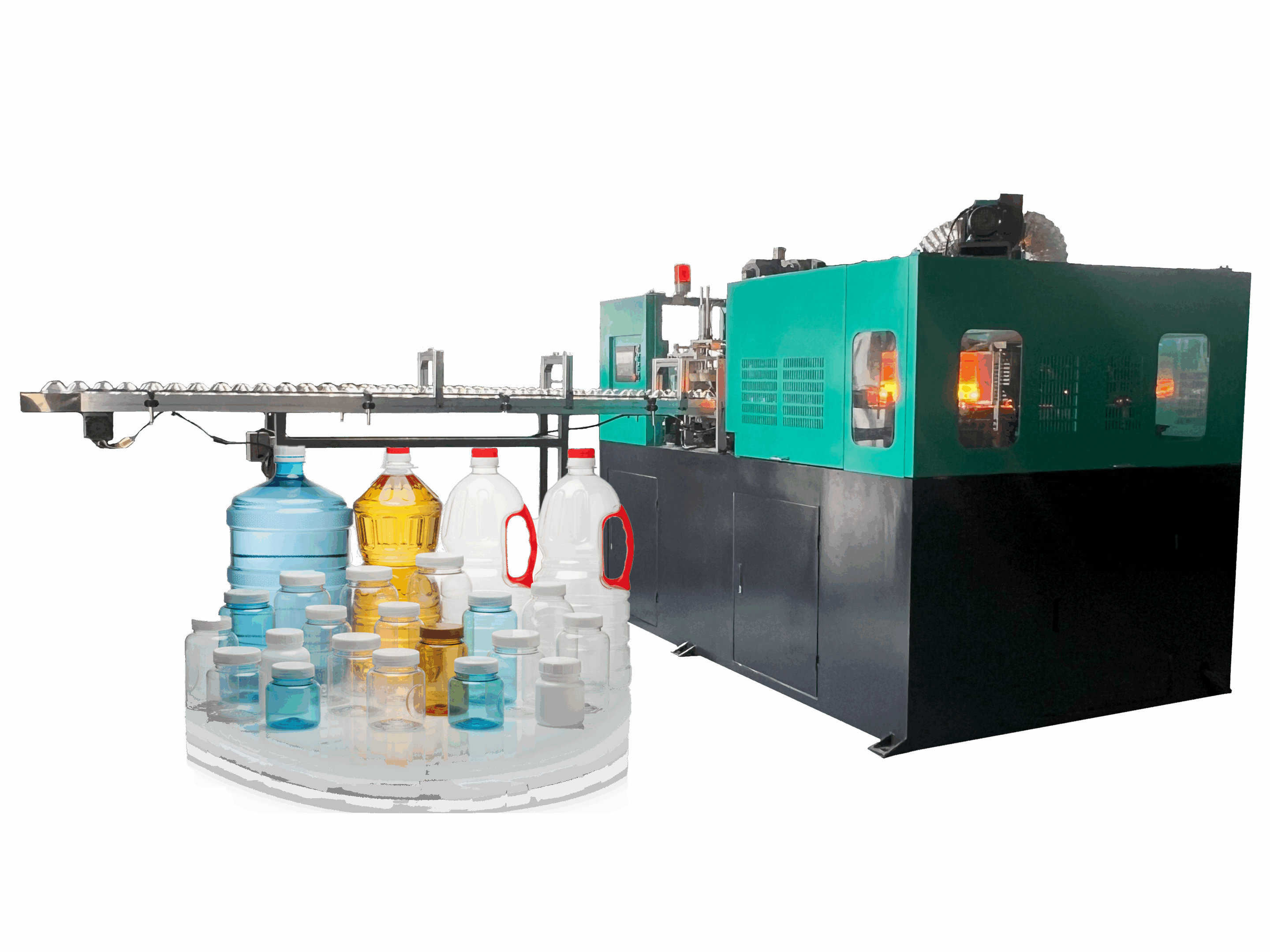
How should I assess the supplier’s ability to support software upgrades for the ALL electric extrusion blow molding machine?
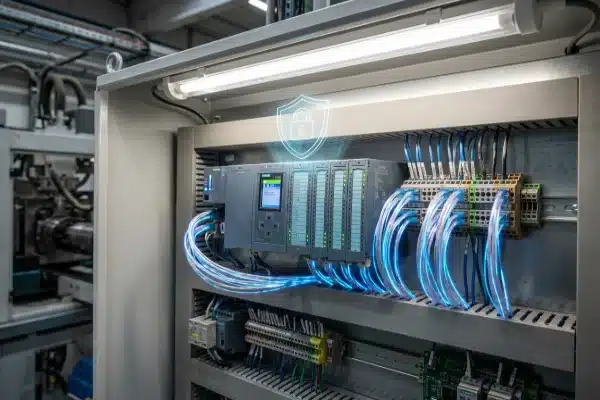
At our factory, we know that outdated control logic halts production faster than mechanical failure. Buying a complex machine without a clear upgrade path is a ticking time bomb for your long-term efficiency.
To assess support capabilities, demand a verified compatibility matrix for PLC and servo firmware and confirm the control architecture uses open industrial standards like Siemens or Beckhoff. Ensure the supplier provides administrative access for parameter tuning and guarantees a secure, client-controlled VPN for remote diagnostics to prevent long-term vendor lock-in.
Software is the nervous system of an all-electric machine. You need to ask the right questions to ensure that system remains healthy for decades.
Does the machine use open-source or proprietary control software?
When we design our electrical cabinets, we prioritize standard industrial components because "black box" controllers are a nightmare to service. You should not accept a system that you cannot access or repair locally.
Most industrial blow molding machines utilize proprietary software running on standard PLC platforms rather than fully open-source code. You must verify that the controller architecture supports universal standards like Euromap 77 and that you own the perpetual license for the machine operation software, avoiding mandatory subscription fees for basic functionality.

Understanding the Controller Architecture
The first step in assessing software longevity is determining what is physically inside the cabinet. In the world of extrusion blow molding (EBM), "proprietary" can mean two very different things.
First, there is the Application Layer. This is the code the manufacturer writes to control the parison thickness, mold closing, and carriage movement. It is almost always proprietary. However, the critical question is what hardware this code runs on.
The Trap of "Black Box" Hardware
Some suppliers use custom-printed circuit boards (PCBs) or "Black Box" controllers. If this specific board fails in five years, and the supplier is out of business or has upgraded their technology, your entire machine becomes scrap metal. You cannot buy a replacement part from an electronics distributor.
Conversely, a machine built on Standard Industrial Architectures (like B&R, Beckhoff, Siemens, or Omron) offers safety. Even if the OEM disappears, a local systems integrator can often access the standard PLC to perform emergency maintenance or migrate the program to a newer processor.
Licensing vs. Ownership Models
With the rise of Industry 4.0, some manufacturers are shifting toward "Software as a Service" (SaaS) models. You need to clarify if you are buying the software or just renting it.
Industry 4.0 1
- Perpetual License: You pay once, and the machine works forever. This is the industry standard for capital equipment.
- Subscription Models: Some advanced energy monitoring or "Digital Twin" features may require an annual fee. Be very careful that the core machine operation does not rely on an active subscription or internet connection to function.
Key Architecture Comparison
The following table outlines the risks associated with different control setups:
| Característica | Standard Industrial PLC (Recommended) | Custom "Black Box" PCB (Risky) |
|---|---|---|
| Hardware Availability | Global availability from third-party distributors. | Only available from the original machine manufacturer. |
| Repairability | Local integrators can troubleshoot and replace modules. | Requires shipping the board back to the factory. |
| Upgrade Potential | Modular; can add I/O or upgrade CPU easily. | Fixed; usually requires a full control retrofit. |
| Coste | Higher initial hardware cost. | Lower initial cost, extremely high long-term risk. |
Can the supplier perform remote diagnostics and software patching?
We utilize remote tools to troubleshoot client machines globally, but we know data security is paramount for factory owners. Unsecured connections can put your entire production network at risk of cyberattacks.
risk of cyberattacks 2
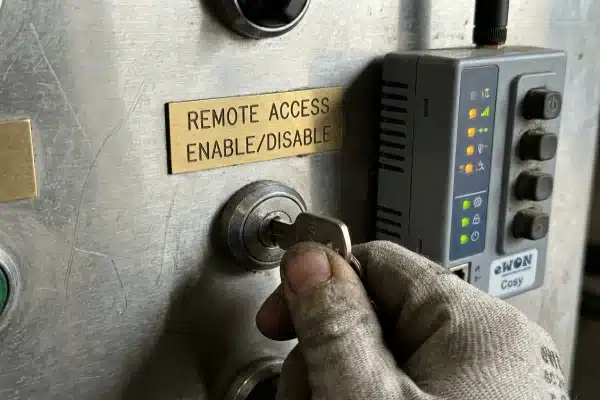
Effective remote support requires a secure, hardware-based VPN solution like Secomea or eWON rather than simple desktop sharing. The supplier should be able to patch software remotely, but you must demand a physical switch to disable access and protocols for re-validating safety signatures after any firmware changes.
Security Protocols and Access Control
Remote diagnostics are a non-negotiable requirement for modern all-electric machines. The complexity of servo drives means you cannot fix every issue with a multimeter. However, how the supplier connects matters.
Low-end suppliers might ask to connect via TeamViewer installed on a PC connected to the machine. This is a security risk. It often relies on open internet connections and depends on an operator setting up a laptop.
A professional supplier will use a dedicated Industrial VPN Router (such as eWON, Secomea, or IXON). These devices create a secure tunnel directly to the machine’s internal network. Crucially, you must ensure the machine has a physical key switch on the cabinet door. This allows you to physically cut the power to the remote access router when it is not in use, ensuring the vendor cannot access your facility without your express permission.
The "Safety Signature" Challenge
All-electric machines rely heavily on "Safe Motion" (Safe Torque Off) protocols over networks like EtherCAT FSoE. The safety configuration is protected by a "CRC Checksum" or a digital signature.
Safe Torque Off 3
When a supplier performs a remote software patch or firmware update, this safety signature often changes.
- El riesgo: If the signature changes, the machine will "lock out" because the safety validation fails.
- La solución: You must ask the supplier if they provide a tool or procedure for you to re-validate the safety signature locally. If they don’t, a simple remote bug fix could leave your machine dead in the water until a certified technician flies out to re-commission it.
Digital Twin Synchronization
If your supplier offers a "Digital Twin" for simulation, ask how they handle updates. If they patch the physical machine to Version 2.0 to fix a bug, but the simulation software stays on Version 1.0, your offline simulations are useless. Best-in-class suppliers bundle these updates together.
Remote Access Capabilities Checklist
| Característica | Low-Level Support | High-Level Support |
|---|---|---|
| Connection Type | TeamViewer / AnyDesk on a Laptop | Hardware VPN (e.g., eWON) |
| Access Control | Software password only | Physical Key Switch + 2FA |
| Safety Logic | Cannot touch safety PLC remotely | Procedure for remote update + local validation |
| Alcance | Can only see the HMI screen | Can access Servo Drive parameters and PLC code |
What is the policy for future firmware updates on servo drives and PLCs?
In our testing lab, we often see how a simple PLC update can de-synchronize older servo drives, causing massive headaches. Ignoring firmware compatibility leads to unexpected downtime and expensive component replacements that you didn’t budget for.
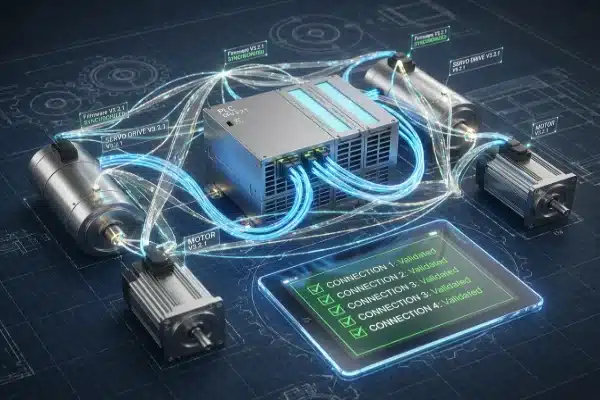
Suppliers must provide a validated compatibility matrix ensuring that main controller updates do not render existing servo drive firmware obsolete. Ask for a guaranteed support timeline of at least ten years and confirm that you have administrative access to retune motion profiles without paying for a technician to travel.
The Firmware Compatibility Matrix
An all-electric blow molding machine is a network of 20+ computers (one for the main CPU, one for the HMI, and one inside every servo drive). These components must speak the exact same language.
Suppliers frequently update the main PLC logic to add features. However, they may forget to check if the new logic supports the older firmware inside your servo drives.
- The Scenario: You update the HMI to get a new energy dashboard. Suddenly, the mold carriage drive stops working because its firmware is "too old" for the new HMI.
- La solución: You try to update the drive, but the new drive firmware isn’t compatible with your old motor encoder.
- El resultado: You are forced to buy new motors and drives just to run a software update.
You must demand a "Validated Compatibility Matrix" policy. This ensures the supplier tests all updates against older hardware configurations before releasing them to you.
Accessing the "Secret Sauce"
In blow molding, the "secret sauce" is the motion profile—how fast the mold closes and how the parison is extruded. Suppliers often lock these parameters behind "OEM" access levels to protect their intellectual property.
However, over time, mechanical components wear. A motor might need to be replaced. If you replace a motor, you often need to "tune" the servo parameters (PID loops).
If you do not have "Administrator" level access to these tuning parameters, you cannot replace a motor yourself. You are forced to pay the vendor to remote in or fly out just to type in a password. Negotiate this access upfront during the machine purchase.
Obsolescence Management
Ask specifically about the "Software End-of-Life" policy.
- Tier 1 Suppliers: Guarantee support for 10+ years after a model is discontinued.
- Tier 2 Suppliers: Often abandon software support as soon as they switch processor generations (e.g., moving from Windows CE to Linux).
If a supplier cannot define their End-of-Life policy, assume that your machine will be unsupportable the moment they release a new model.
secure, client-controlled VPN 4
How do I ensure I am not locked into a single vendor for software changes?
We believe in earning client loyalty through machine quality, not by holding source code hostage or creating artificial barriers. Relying on a single vendor for every minor adjustment creates a dangerous bottleneck for your operations.
Source Code Escrow 5
To prevent vendor lock-in, insist on machines that comply with Euromap 77 and 83 standards for seamless data exchange. Include a Source Code Escrow clause in your contract, ensuring that if the supplier ceases operations, a third party releases the uncommented source code so you can maintain the asset.

The Importance of Data Standards
Vendor lock-in often happens when you try to extract data. If the machine uses a proprietary API, you are stuck paying the vendor every time you want to connect the machine to a new MES (Manufacturing Execution System) or a central chiller.
Digital Twin features 7
You must ensure the machine supports Euromap 77 (Data Exchange for Injection/Blow Molding) and Euromap 83 (General Definitions). These are global standards. If your machine speaks "Euromap," it can talk to almost any third-party software without the machine vendor’s permission or involvement.
Source Code Escrow Agreements
What happens if your supplier goes bankrupt? It is a grim question, but necessary. If they hold the source code and they disappear, your machine becomes a "zombie." You can run it, but you can never fix a bug or add a new mold function.
standard PLC platforms 8
For high-value capital equipment, you should demand a Source Code Escrow clause.
- The supplier deposits the source code with a neutral third-party legal firm.
- If the supplier remains in business, the code stays hidden.
- If the supplier goes bankrupt or ceases operations, the code is released to you.
This legal safety net allows you to hire a third-party engineer to maintain the software if the original creator is gone.
universal standards like Euromap 77 9
Critical Anti-Lock-in Checklist
Use this table to evaluate your contract terms regarding software ownership:
| Question | The Wrong Answer | The Right Answer |
|---|---|---|
| Who owns the data? | "The data resides on our cloud server." | "You own all data locally; cloud backup is optional." |
| Can I add 3rd party sensors? | "No, only our approved sensors work." | "Yes, we provide open analog/digital inputs." |
| What if you go bankrupt? | "Don’t worry, we are stable." | "We have a Source Code Escrow agreement." |
| Can I tune the servos? | "That is locked for your safety." | "We provide Admin access for maintenance." |
Conclusión
Assessing software isn’t just about code; it’s about ownership and control. By demanding open architectures, secure remote access, and clear compatibility policies, you ensure your all-electric machine remains a profitable asset, not a technical liability.
Siemens or Beckhoff 10
Notas al pie
- Academic overview of the manufacturing trend driving the shift to SaaS models. ↩︎
- Official government resource on threats to industrial control systems. ↩︎
- International standards body explaining the functional safety protocols referenced. ↩︎
- Government guidance on securing remote access for business operations. ↩︎
- Neutral explanation of the legal mechanism suggested for software protection. ↩︎
- Official product site for one of the specific remote access solutions recommended. ↩︎
- Provides a general definition of the simulation technology for non-expert readers. ↩︎
- Illustrates the market-leading standard hardware platforms used in these machines. ↩︎
- Official specification for the data exchange standard cited in the text. ↩︎
- Major manufacturer example of the open industrial architecture described. ↩︎


0 Comentarios