
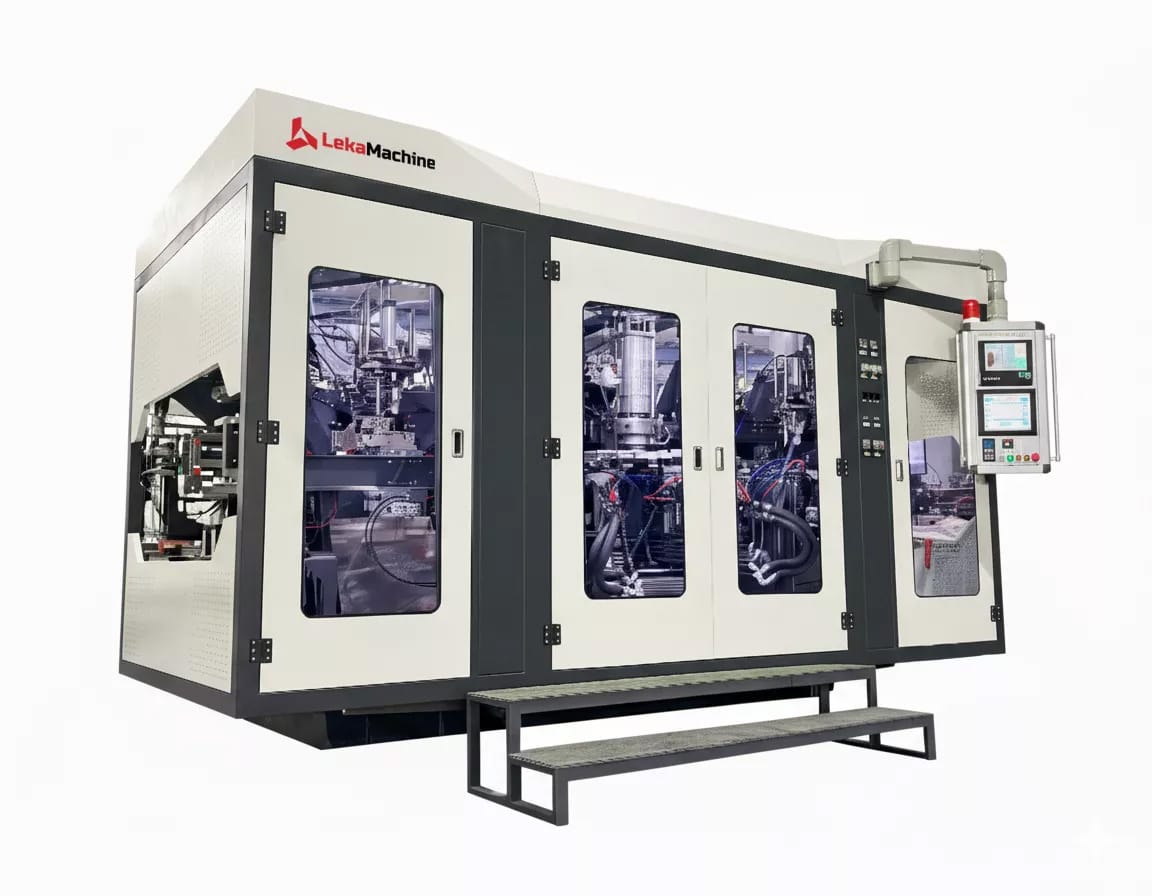
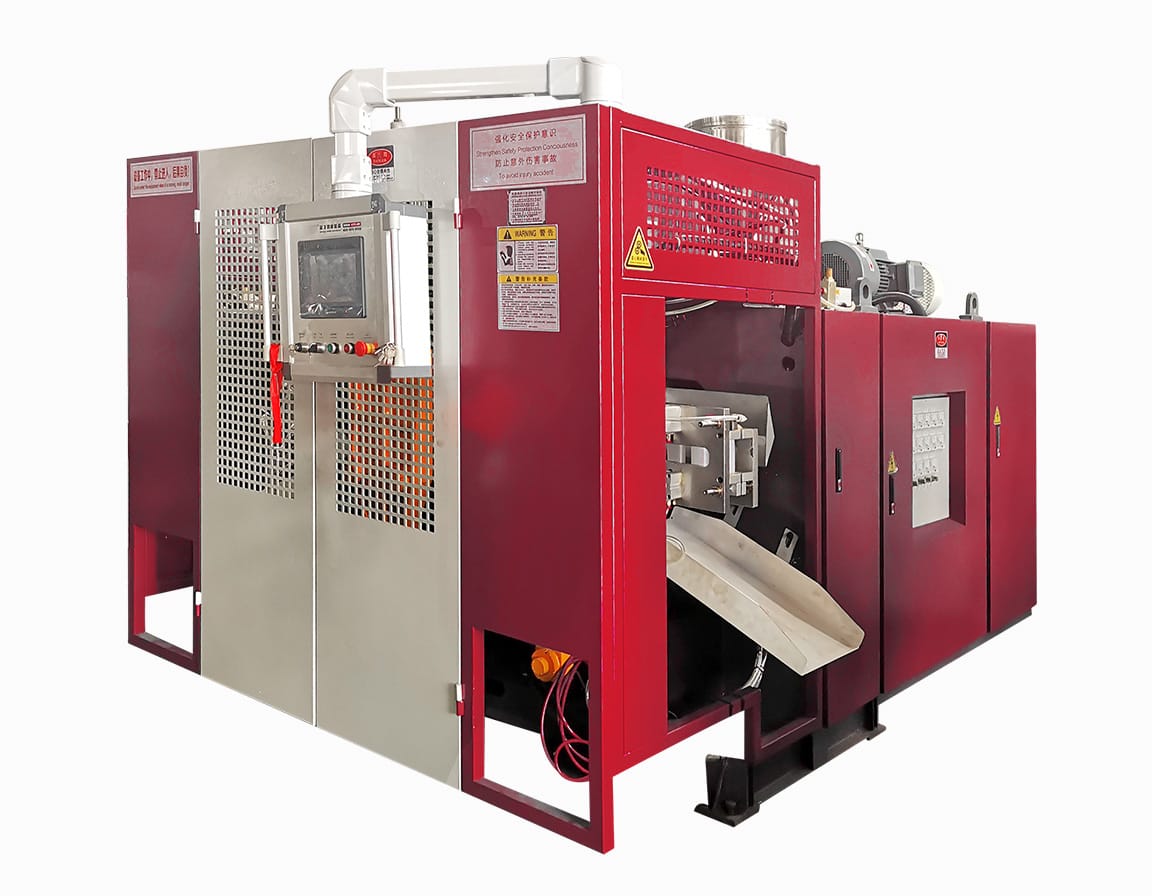
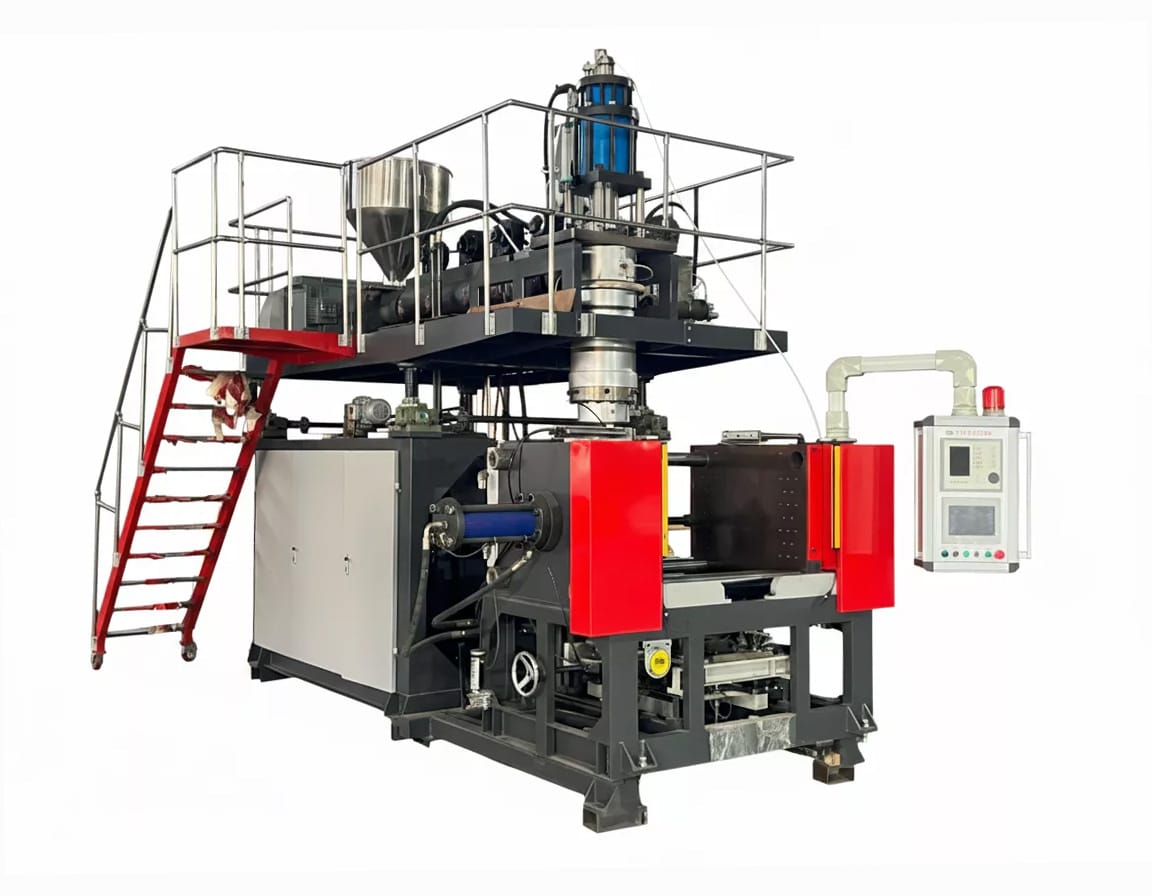
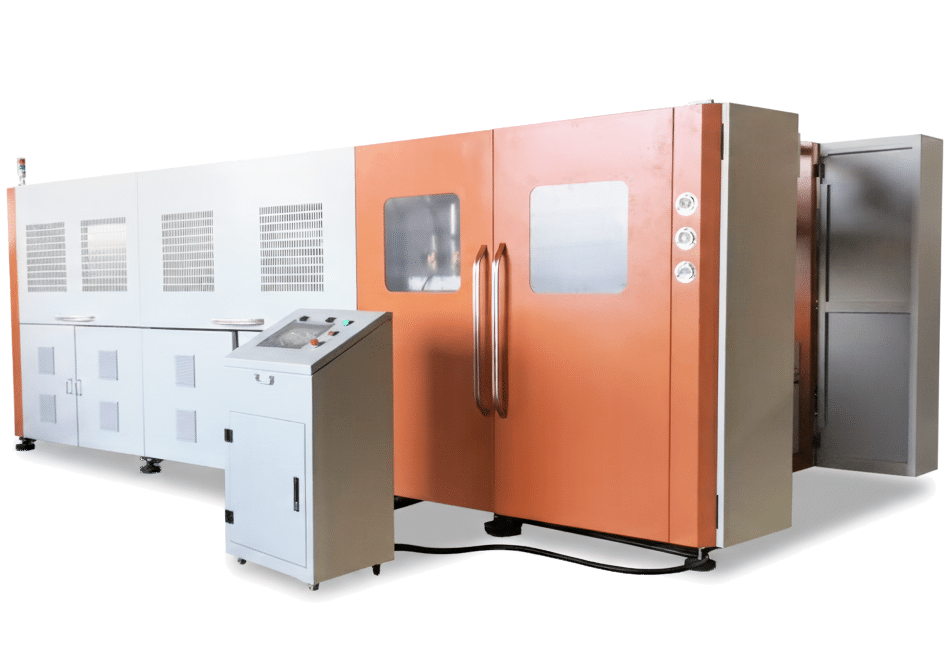
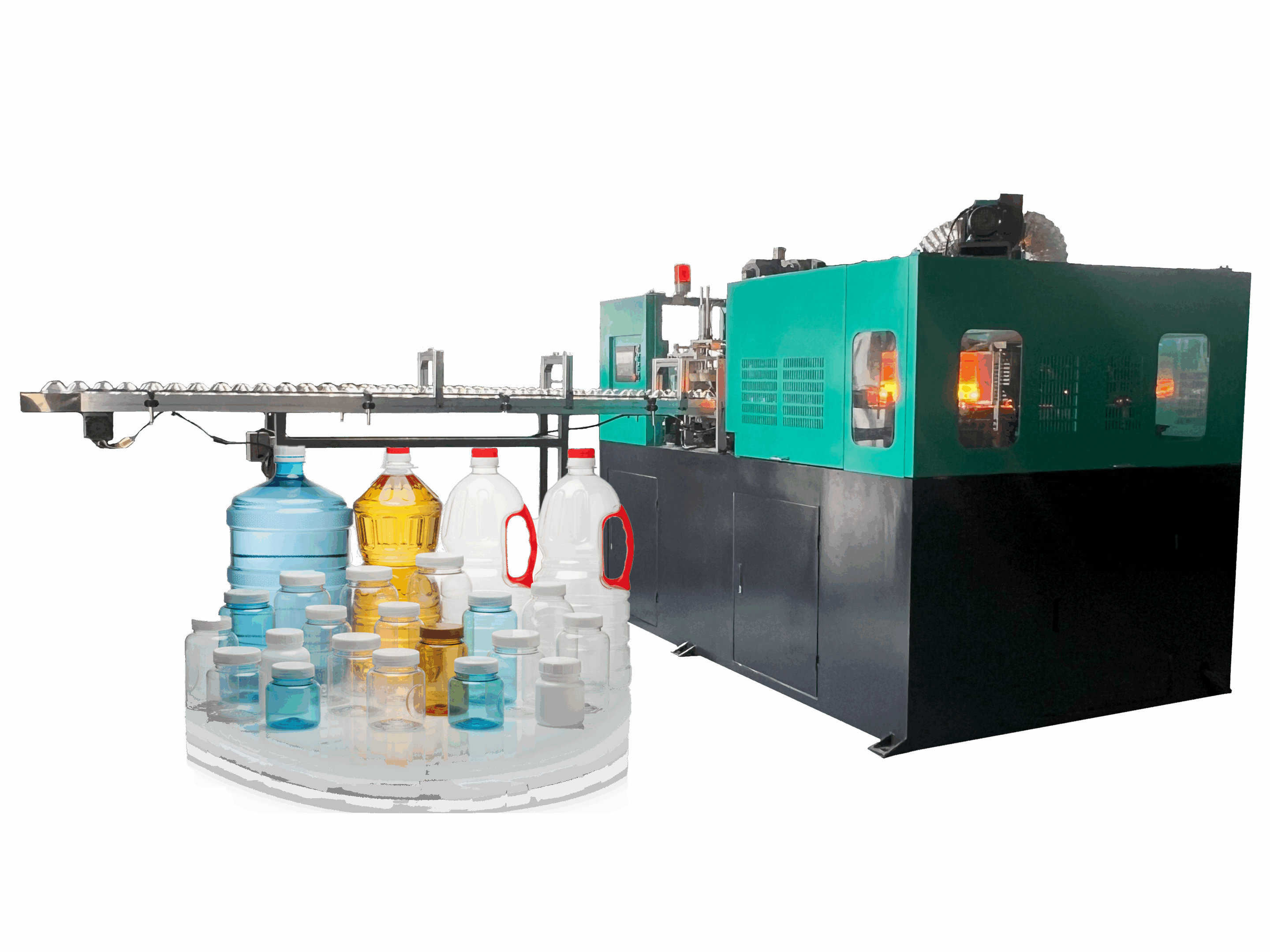
How can I verify that the noise levels of the ALL electric extrusion blow molding machine comply with European factory environmental standards?

When we design machines for our European partners, silence is golden. Noise isn’t just a nuisance; it is a legal liability that can shut down production lines. We know that verifying compliance protects you from fines and keeps your workforce safe.
To verify compliance, check the Technical File for a declared A-weighted emission sound pressure level under 80 dB(A) per ISO 11201 standards. Ensure the Declaration of Conformity references Directive 2006/42/EC. Ideally, request a spectral analysis report to confirm high-frequency tonal noise remains within safe exposure limits.
Let’s break down the specific acoustic metrics and documentation you need to check before signing that purchase order to ensure your facility meets strict EU standards.
What is the maximum decibel rating of the machine under full load?
During our factory acceptance tests, we run machines at maximum capacity to capture realistic sound data. We know that "dry cycle" ratings rarely reflect reality, so we measure noise when the machine is actually working.
An all-electric extrusion blow molding machine operating at full load typically registers between 68 and 75 dB(A). If the rating exceeds 80 dB(A), the manufacturer must declare the sound power level explicitly. Always demand "under load" data, as pneumatic exhaust during blowing adds significant decibels.

Understanding the 80 dB(A) Threshold
In the context of European machinery, the number "80" is the most critical figure you will encounter. According to the EU Machinery Directive 2006/42/EC, if a machine operates below 80 dB(A), the manufacturer only needs to state that the sound pressure level is less than 70 dB(A) or provide the actual measurement. However, once it crosses that threshold, the documentation requirements become much stricter.
At our facility, we have found that many buyers look at the "average" noise level, but this can be misleading. You must look for the A-weighted emission sound pressure level. The "A-weighting" filter adjusts the measurement to match how the human ear perceives sound, filtering out low frequencies that are less damaging.
The Hidden Spikes in "Full Load"
A common trap for buyers is accepting a noise rating based on a "dry cycle." A dry cycle means the machine is running without plastic and without high-pressure blowing air. In our experience, the actual blowing phase is where the noise spikes occur.
When the mold closes and high-pressure air (up to 8-10 bar) is exhausted, it creates a sharp noise. We call these Transient Impulse Spikes. Standard averages smooth these out, but they contribute to ear fatigue. When we calibrate our electric toggle clamping systems, we also look for the "click" sound of the mold locking.
Noise Source Breakdown
To help you understand where the noise comes from, here is a breakdown of typical sound levels we measure on different components of an electric machine:
| Componente | Noise Characteristic | Typical Decibel Range | Note |
|---|---|---|---|
| Servo Motors | High-pitched whine | 60 – 65 dB(A) | Constant but quiet |
| Mold Clamping | Mechanical "thud" or "click" | 70 – 75 dB(A) | Impulse noise |
| Pneumatic Exhaust | Sharp air release hiss | 78 – 85 dB(A) | The loudest component |
| Cooling Fans | Low hum | 55 – 60 dB(A) | Background noise |
By focusing on the pneumatic exhaust during the full load test, you get the true picture of the machine’s acoustic footprint.
Can the supplier provide a noise test report from a third-party agency?
We frequently coordinate with agencies like SGS or TUV when our clients require independent verification. Trusting a datasheet is good, but in our experience, having certified data is safer for your liability insurance.
Yes, reputable suppliers can provide third-party reports, though many rely on self-declaration protocols. A valid report must reference ISO 3744 or ISO 3746 for sound power levels. Ensure the report covers Frequency Spectrum Analysis (FFT) to detect high-frequency servo noise that standard decibel meters might miss.

The Importance of Standardized Protocols
When we prepare documentation for export to Europe, we cannot just use a handheld app on a phone. The noise report must follow specific ISO standards to be legally valid in the EU. If a supplier hands you a report that does not reference ISO 11201 (for operator positions) or ISO 3744 (for sound power), the data may not hold up during a factory audit.
Checking for Tonal Whines (FFT Analysis)
One issue specific to all-electric machines is the "quality" of the sound, not just the volume. Electric servo drives and ball screws emit a sound at a very high frequency (4 kHz–16 kHz).
While a standard decibel meter might read a low number, these high-pitched sounds can be extremely annoying to operators, causing headaches and fatigue over an 8-hour shift. This is why we recommend asking for a Frequency Spectrum Analysis (FFT). This graph breaks the sound down by frequency.
- Low Frequency: Rumbling (typical of hydraulics).
- High Frequency: Whining (typical of electrics).
If the report shows a sharp spike in the 10 kHz range, your operators might complain even if the machine is technically "quiet."
Verification Checklist
Before you accept a noise report, run it through this quick checklist to ensure it meets your needs:
| Verification Item | Why it matters |
|---|---|
| Test Standard Cited | Must list ISO 11201 or ISO 3744 to be credible. |
| Microphone Position | Should be measured at the operator’s head level (1.6m from floor). |
| Operating State | Must confirm the machine was processing material, not idling. |
| Background Noise Correction | The report should account for ambient factory noise during the test. |
| Calibration Date | The testing equipment must have a valid calibration certificate. |
Using this table to audit the supplier’s report will show them that you are serious about compliance and quality control.
How much quieter is an all-electric machine compared to a hydraulic one?
When we replaced our older hydraulic setups with electric lines in our own testing facility, the difference was immediate. Workers could finally communicate without shouting, and the overall stress level on the floor dropped visible.
All-electric machines are significantly quieter, eliminating the constant hum of hydraulic pumps and fluid turbulence. While hydraulic systems often exceed 85 dB(A), electric models operate on a "noise-on-demand" basis, dropping to near-silence during cooling phases and lowering the 8-hour Time Weighted Average exposure for operators.
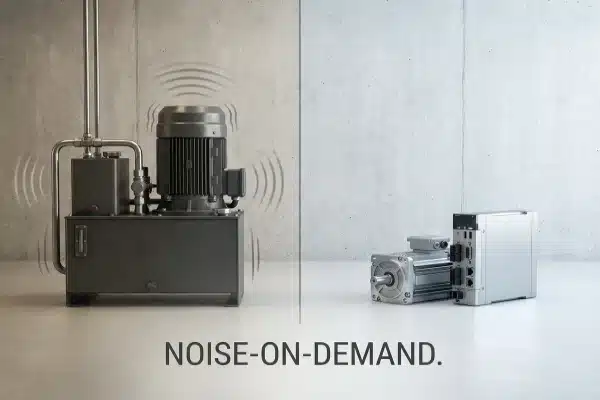
The "Noise-on-Demand" Advantage
The biggest difference we see is how the sound is delivered. A hydraulic machine has a pump that runs constantly to maintain pressure. Even when the machine is doing nothing—like waiting for the plastic to cool in the mold—the pump is humming. This creates a "floor" of noise that never goes away.
All-electric machines use Demand-Based Acoustics. The servo motors only move (and make noise) when they are actually performing a task.
- Extrusion: Quiet motor hum.
- Cooling Phase: Complete silence.
- Ejection: Brief mechanical sound.
Because the machine is silent during the cooling phase, the Time Weighted Average (TWA) over an 8-hour shift is drastically lower. This is critical for European compliance, which often calculates exposure over a full workday, not just peak moments.
Eliminating Structure-Borne Noise
Another factor we deal with is vibration. Hydraulic pumps create fluid turbulence that shakes the hoses and the frame. This vibration travels through the machine feet into your factory floor, turning the concrete foundation into a giant speaker. This is called structure-borne transmission.
structure-borne transmission 1
Electric machines remove the fluid turbulence entirely. However, they have high torque acceleration. To ensure this doesn’t create vibration, we use specialized vibration isolation mounts.
Hydraulic vs. Electric Comparison
Here is how the two technologies stack up in a direct head-to-head noise comparison:
hearing protection available 2
| Característica | Hydraulic Machine | All-Electric Machine | Advantage |
|---|---|---|---|
| Idle Noise | Constant pump hum (75+ dB) | Near Silence (< 50 dB) | Electric significantly reduces ambient noise. |
| Peak Noise | Pump strain + Clamping | Clamping click only | Electric removes the "straining" sound. |
| Tone | Low frequency rumble | High frequency whine | Low frequency travels further; high frequency is easier to block. |
| Vibración | High (Fluid turbulence) | Low (Mechanical only) | Less structure-borne noise with electric. |
Switching to electric is often the easiest way to drop your factory below the mandatory hearing protection threshold.
EU Noise at Work Directive 3
Do I need additional soundproofing enclosures to meet local labor regulations?
In our experience installing systems in Germany and France, the machine itself is rarely the problem regarding fines. It is usually the surrounding equipment that triggers violations during environmental audits.
Frequency Spectrum Analysis (FFT) 4
For the electric machine itself, soundproofing is rarely needed as it operates below the 80 dB(A) hearing protection threshold. However, auxiliary equipment like granulators and high-pressure compressors often exceed 90 dB(A). You will likely need independent enclosures for these peripherals to comply with European labor regulations.

The Auxiliary Noise Trap
We often see clients buy a quiet all-electric machine and think their noise problems are solved. Then they install a plastic granulator (crusher) right next to it. Granulators grinding up scrap bottles are incredibly loud, often exceeding 95 dB(A).
ISO 3744 6
If verified compliant, the electric blow molding machine does not need a full enclosure. This saves you money and floor space. However, to meet the EU Noise at Work Directive (2003/10/EC), you must address the "total work cell noise."
Regulatory Safety Thresholds
In Europe, the magic numbers are 80 dB(A) and 85 dB(A).
- Below 80 dB(A): You generally do not need a Hearing Conservation Program.
- Above 80 dB(A): You must make hearing protection available.
- Above 85 dB(A): Hearing protection is mandatory, and you must mark "Hearing Protection Zones."
Because the electric machine sits in the 70–75 dB(A) range, it helps you stay in the "Safe Zone." This exempts you from the costs of mandatory audiometric testing for your staff.
how the human ear perceives sound 7
Strategy for Compliance
Instead of boxing in the machine, we recommend a targeted approach to soundproofing. Focus your budget on the peripherals.
A-weighted emission sound pressure level 8
- Granulators: Use "sound-proof" hopper designs or place them in a separate room.
- Compressors: These should never be near the operator. Place them in a utility room.
- Chillers: Move them outside or to a ventilated utility area.
By isolating these loud components, the operator enjoys the quiet benefits of the all-electric machine without the deafness risk from the grinder. This strategic layout is key to passing local labor inspections without buying expensive full-machine enclosures.
Directive 2006/42/EC 9
Conclusión
Verifying noise compliance protects your workforce and your legal standing. By confirming "under load" decibel ratings, demanding spectral analysis reports, and managing auxiliary equipment noise, you ensure your all-electric machine investment creates a safe, compliant, and productive European factory environment.
ISO 11201 standards 10
Notas al pie
- Renowned academic research institute specializing in sound and vibration mechanics. ↩︎
- Major safety equipment manufacturer relevant to the compliance requirement for hearing protection. ↩︎
- Government guidance on the specific EU directive regarding workplace noise limits. ↩︎
- Leading acoustic measurement company explaining the specific analysis method recommended. ↩︎
- Major manufacturer product page illustrating the technology responsible for high-frequency sounds. ↩︎
- Official standard for determining sound power levels mentioned as a requirement. ↩︎
- Authoritative government source explaining human hearing perception and noise measurement. ↩︎
- Provides a definition for the specific acoustic metric used in the article. ↩︎
- Official legal text of the EU Machinery Directive referenced for compliance. ↩︎
- Official ISO standard page for the specific noise measurement protocol cited in the text. ↩︎


0 Comentarios