
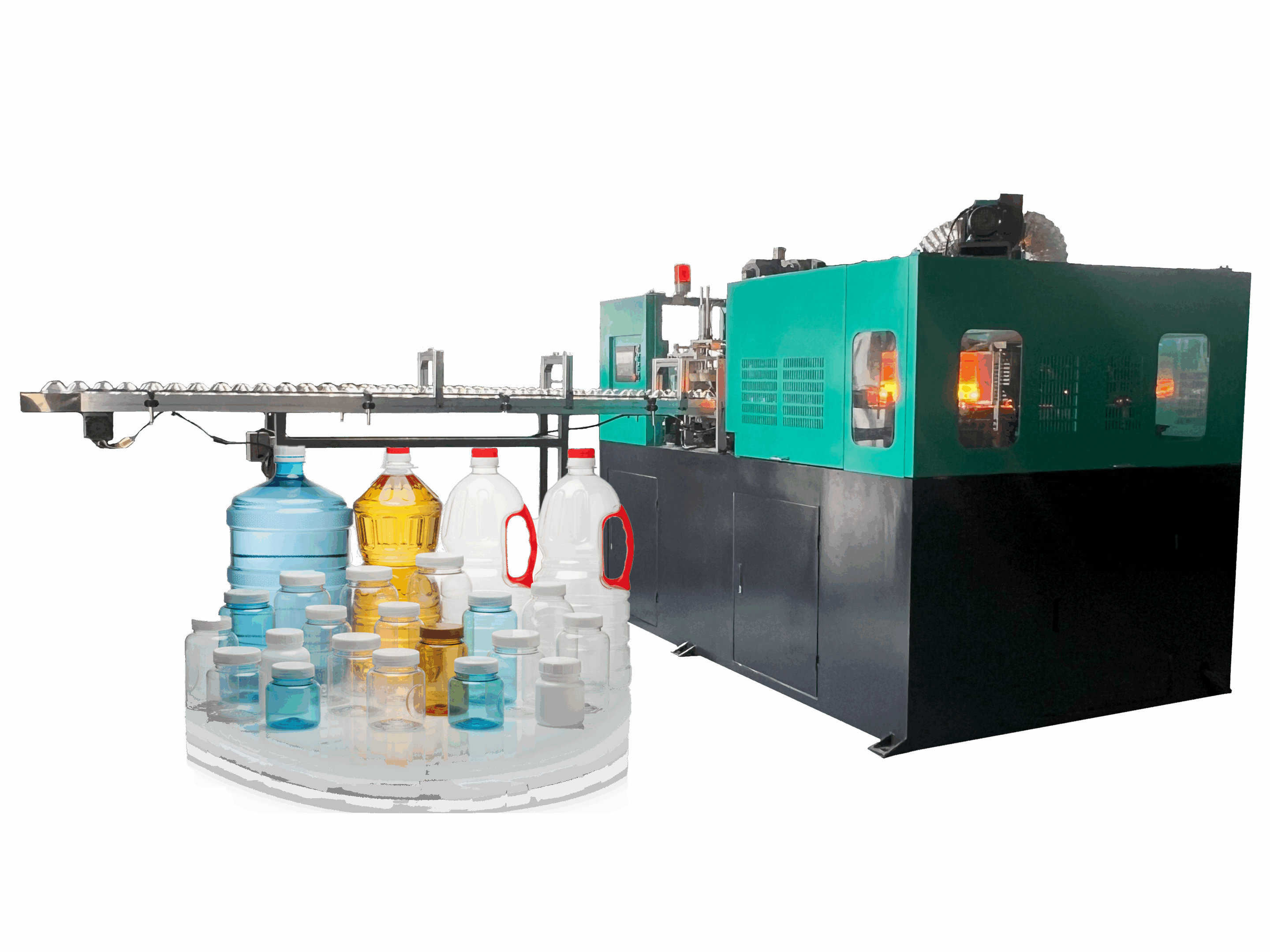
When purchasing extrusion blow molding machines from China, how should I evaluate the after-sales service capabilities of suppliers during the selection process?
Buying a Máquina de moldeo por soplado por extrusión is the easy part. Keeping it running when a heater band fails at 2 AM is the hard part. You need more than just a low price tag; you need a partner who will answer the phone.
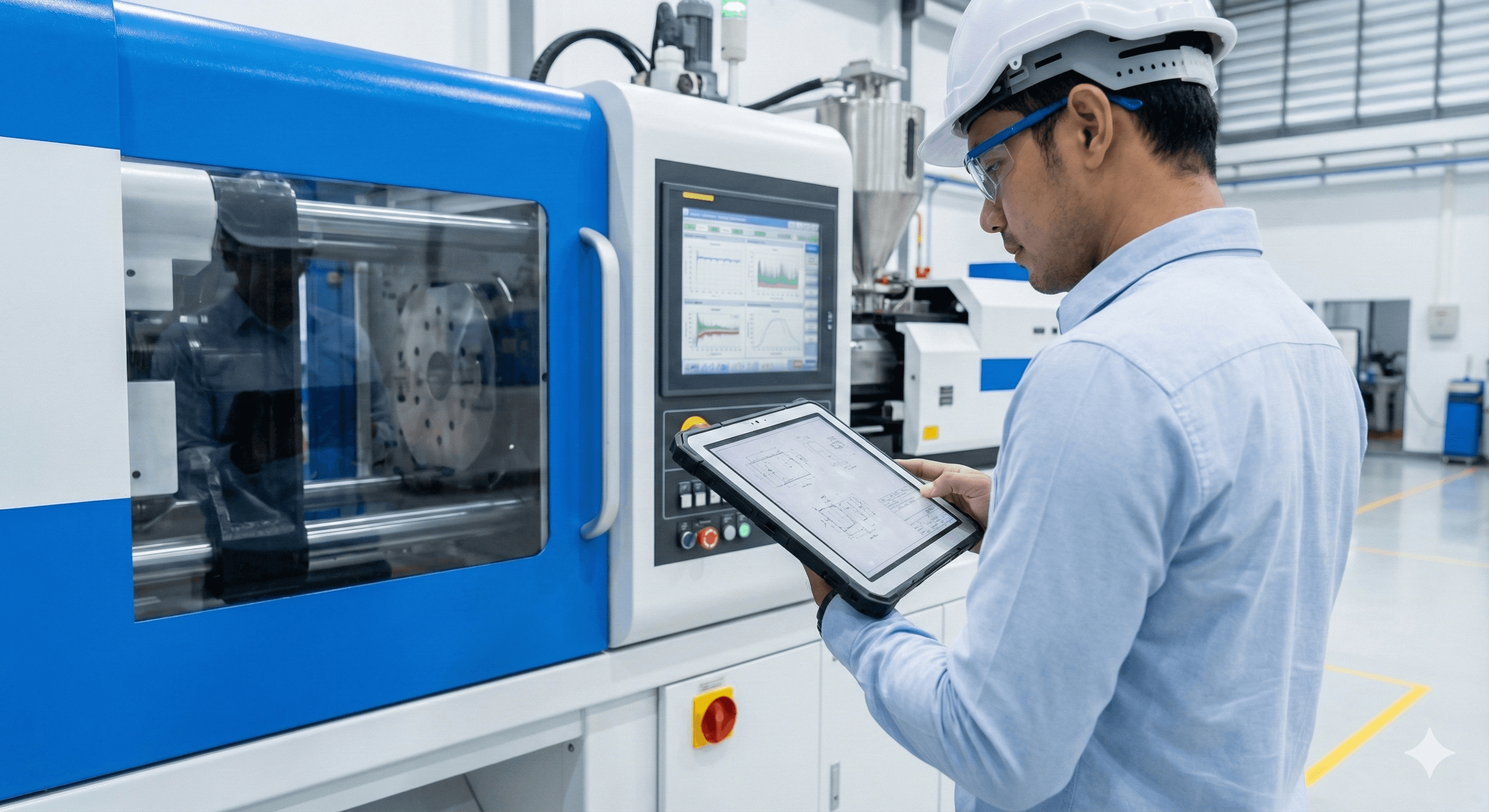
Let’s be honest with each other. The distance between my factory in China and your facility in Italy is huge. There is a time difference, a language barrier, and a cultural gap. Many buyers worry that once the máquina is shipped, they will be left alone to figure things out. This is a valid fear. I have seen many European factories struggle because they bought a machine from a trading company that disappeared when problems started. But if you know what questions to ask, you can filter out the bad options and find a supplier who will support you for the next ten years.
How do I verify if the supplier is a real manufacturer or just a trading company?
A trading company adds a layer of delay you cannot afford. When a part breaks, they have to call the factory, and you wait in the middle while your línea de montaje stands still.

The “Relay Delay” Problem
The biggest risk in the beginning is buying from a “middleman.” In China, many companies look like big factories on their website, but they are actually just three people in an office. This matters for after-sales service. If your parison controller fails, a trading company cannot fix it. They have to call the real factory. If the factory is busy, your request gets ignored. I call this the “Relay Delay.” It can turn a 2-hour fix into a 3-day outage.
The Business License Secret
You can solve this by asking for their business license. In China, this is called the “Ye Wu Zhi Zha.” Don’t just look at the English translation they send you. Look at the Chinese characters in the “Business Scope” section. A real factory will have words like “Production” (Sheng Chan) or “Manufacturing” (Zhi Zao). If you only see words like “Wholesale” or “Technology Consultancy,” be careful. They are likely traders.
Auditing Experience
You should also check their export history. Ask them to show you redacted customs documents (Bill of Lading) for shipments to Italy, Germany, or France. A fabricante who has been in business for 20 years will have a long history of these records. If they have never shipped to the EU, they won’t understand the CE safety standards or how to pack the machine to prevent rust during sea freight.
| Característica | High Risk (Trading Company) | Low Risk (Established OEM) |
|---|---|---|
| Business Scope | Sales, Import/Export, Consultancy | Manufacturing, Production, Assembly |
| Reference List | Only domestic or developing markets | Contactable references in Italy/EU |
| Piezas de repuesto | Orders from factory when needed | Maintains own warehouse inventory |
What guarantees can I get regarding response times for technical support across different time zones?
When you start your morning shift in Italy, we are already finishing our day in China. This time gap can kill your production schedule if the communication is not managed perfectly.
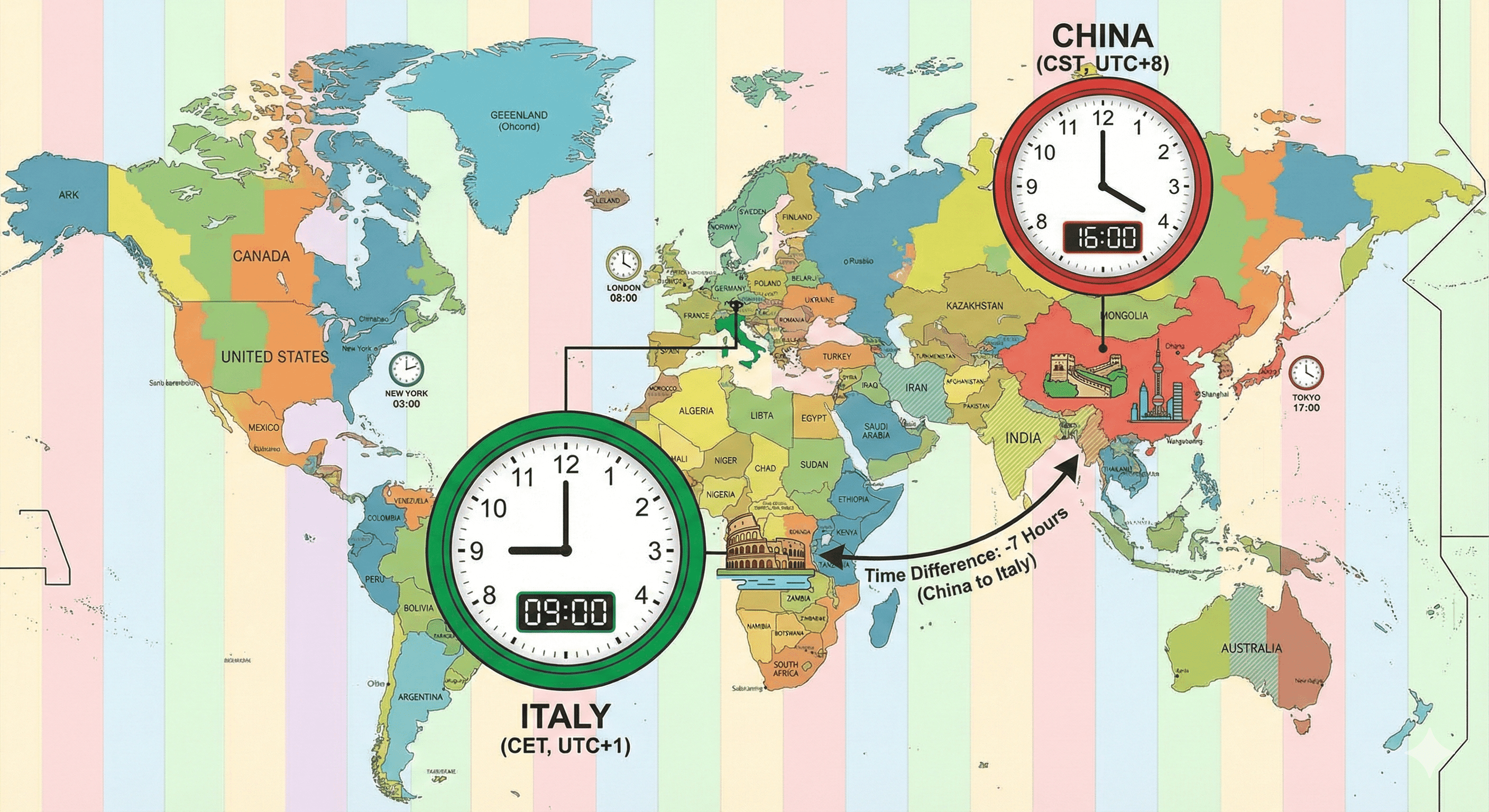
The “24/7” Myth
Many suppliers will tell you they offer “24/7 Support.” Usually, this is not true. It often means a sales person will answer your WhatsApp message at midnight. But can that sales person fix a hydraulic pressure issue? Probably not. You need to know if there is a technical engineer available during your working hours.
Structured SLAs
To protect yourself, you need a Service Level Agreement (SLA) in your contract. This document promises specific times for a response.
- Critical Severity (Machine Down): Response within 2 hours.
- Normal Severity (Settings adjust): Response within 24 hours.
If the supplier misses these times, there should be a small penalty, like a credit towards spare parts. This forces them to take your request seriously.
Language and Tools
You must also check how they talk to you. WeChat is great for chatting, but terrible for technical support. Information gets lost. Good suppliers use a CRM system or a ticketing portal. This creates a history of your machine’s health. Also, check their English skills. Ask for a video call with the technical team, not just the sales manager. If the engineer cannot understand your question about a “limit switch” without a translator, you will have hard times in the future.
How do I verify if the manufacturer maintains a sufficient inventory of critical spare parts for immediate shipment?
A machine is only as reliable as its spare parts supply. Waiting three weeks for a proprietary circuit board to arrive from China is a nightmare that costs you money every hour.

Global Brands vs. Proprietary Parts
The best strategy is to buy a machine built with “Global Brands.” Before you buy, look at the Bill of Materials (BOM).
- PLC: Siemens or B&R
- Hydraulics: Rexroth or Yuken
- Pneumatics: Festo or SMC
If a Festo valve breaks in Italy, you can call a local distributor in Milan and get a new one the next morning. You don’t need me to ship it from China. If the supplier uses a “White Label” Chinese brand to save money, you are 100% dependent on them. That is risky.
The “Crash Kit” Strategy
For parts that are unique to the machine, like the screw or the parison controller board, you need a “Crash Kit.” This is a box of critical spares that ships with the machine. Don’t wait for a breakdown to order these. Your kit should include heater bands, thermocouples, shear tips, and at least one spare CPU card.
Logistics and Customs
Even if I ship a part today via DHL, Italian customs can hold it for days if the paperwork is wrong. You need to verify that your supplier knows the correct “HS Codes” for every part. Incorrect codes lead to high taxes and long delays. A good supplier will also guarantee part availability for 10 years, so your machine doesn’t become obsolete.
Will the supplier provide on-site installation and operator training at my facility in Italy?
Remote help is great, but sometimes you need boots on the ground. However, getting visas for Chinese technicians to enter Europe is getting harder and slower.

The Visa Reality
We need to be realistic about travel. A Chinese engineer cannot just hop on a plane to Italy tomorrow. The Schengen visa process takes time, sometimes weeks. This means relying on “emergency on-site repair” is not a good plan.
To fix this, we do two things. First, we start the visa application for installation months before the machine ships. Second, we focus heavily on training your team.
Training is an Asset
When my engineers arrive for installation, don’t just let them set up the machine and leave. Use that time for intense training. We shouldn’t just teach you how to press the “Start” button. We need to teach your maintenance team how to replace the screw, how to calibrate the parison control, and how to read the PLC logic.
The “Glocal” Solution
The best option is to find a supplier who has a “Glocal” model—Global manufacturing with Local support. At LEKAmachine, for example, we work with partners in Europe. Having a local technician who speaks Italian and is in your time zone solves the travel problem completely. If a supplier refuses to send technicians or has no local contacts, that is a red flag.
Does the machine include remote diagnostic features to minimize downtime during mechanical failures?
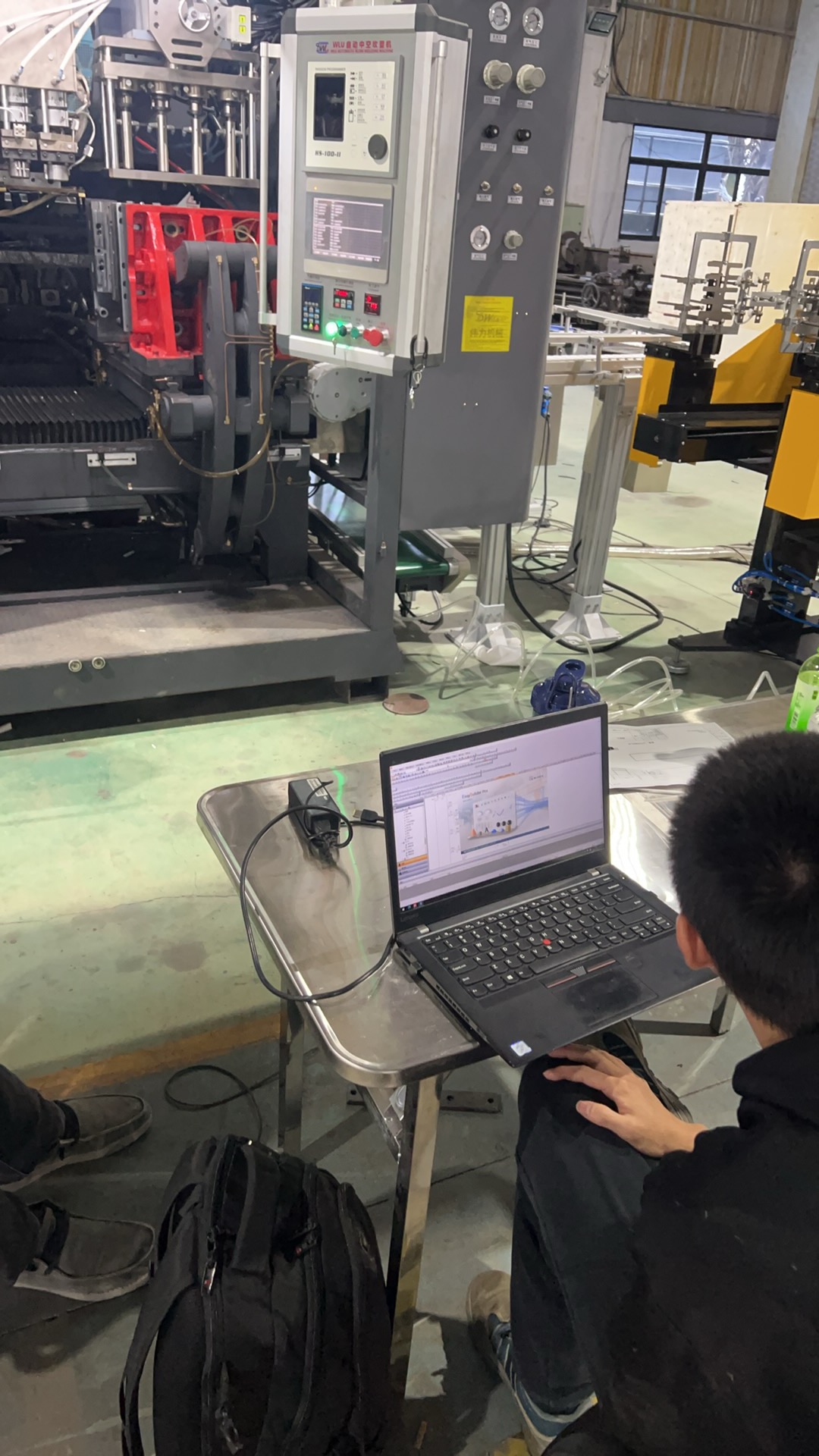
I cannot fly to your factory instantly. But with the right technology, I can “teleport” inside your machine’s brain to fix software issues and diagnose mechanical faults.
The Digital Lifeline
For a complex machine, remote diagnostics is not a luxury; it is a necessity. We use industrial gateways like Ewon. This creates a secure tunnel from my laptop in China to your machine in Italy.
With this system, I can see:
- If a heater band has burned out (by watching the amperage).
- If a sensor is stuck (by watching the PLC inputs).
- If the cycle time is drifting (by analyzing the motion profile).
This solves 80% of problems without a flight ticket.
Deep Access vs. Screen Sharing
Be careful of suppliers who only offer “TeamViewer” on a PC. That is just screen sharing. A real diagnostic system connects to the PLC (Programmable Logic Controller). It allows me to modify the code if there is a bug.
Security First
I know you worry about cybersecurity. You don’t want a Chinese machine opening a backdoor into your factory network. Good remote systems use a physical “Key Switch” on the machine cabinet. The remote connection is physically cut off until you turn the key to let us in. This keeps you in control of your data and your security at all times.
Conclusión
Evaluating after-sales service is about peeling back the marketing layers. You must verify the business license to ensure they are an OEM, demand a strict SLA for response times, check the “Crash Kit” inventory, and test the remote diagnostics. It is not just about buying a machine; it is about securing a partnership that keeps your production running for the next decade.
Mi rol
I am a ghostwriter for Slany Cheuang, the Technical Sales Manager at LEKAmachine. I use my deep knowledge of the moldeo por soplado por extrusión industry to write helpful, honest content for our clients. My goal is to explain complex technical and commercial topics in simple, human language, helping you make safer and smarter buying decisions.
Mis públicos objetivos
My writing is designed for:
- Factory Owners and CEOs: Who need to understand the ROI and risk management of buying machinery from China.
- Plant Managers: Who care about uptime, maintenance, and the daily reality of running the equipment.
- Procurement Managers: Who need specific criteria to evaluate suppliers and negotiate strong contracts.
[wpforms id=”25983115″]


0 Comentarios