
Introducción
In plastic manufacturing, inconsistent quality isn’t just an operational headache—it’s a dealbreaker for buyers. When procurement officers vet suppliers, ISO 9001 certification often becomes the deciding factor, separating reliable partners from risky bets. For blow molding production, where precision directly impacts product safety and compliance, this quality standard isn’t optional—it’s the backbone of trust.
At Lekamachine, we’ve seen firsthand how ISO 9001 transforms manufacturing outcomes. From reducing defects by up to 30% to accelerating vendor approval timelines, certified facilities gain a measurable edge. This guide breaks down why the certification matters for procurement teams and how it mitigates supply chain risks in plastic production.

Why ISO 9001 Certification is Essential for Plastic Manufacturing
In the competitive world of plastic manufacturing, quality and efficiency are non-negotiable. ISO 9001 certification plays a ride-or-die role in ensuring these standards, especially in blow molding processes. This globally recognized standard not only streamlines operations but also builds trust with clients who demand reliability.
“ISO 9001 certification in plastic manufacturing reduces defects by up to 30%, ensuring consistent quality and operational efficiency.”
The Role of ISO 9001 in Modern Plastic Manufacturing
ISO 9001 sets the benchmark for quality management systems. For plastic manufacturers, this means standardized processes that minimize errors and maximize output. Blow molding, a precise and technical process, benefits immensely from these guidelines. Companies like Lekamachine leverage ISO 9001 to deliver defect-free products, meeting the exacting demands of industries from cosmetics to pharmaceuticals.
How ISO 9001 Standardizes Blow Molding Processes
Blow molding involves multiple stages, each critical to the final product’s quality. ISO 9001 certification ensures each step—from material selection to final inspection—follows strict protocols. This reduces variability, enhances consistency, and cuts down on waste. For procurement officers, this translates to fewer production hiccups and more reliable supply chains.
Global Recognition and Compliance Benefits
ISO 9001 isn’t just a badge—it’s a passport to global markets. Manufacturers with this certification often enjoy faster vendor approvals and stronger client relationships. For instance, Lekamachine’s ISO 9001 certification has helped them secure partnerships with European brands, showcasing the trust this standard commands worldwide.
Case Study: Defect Reduction in Blow Molding
A recent study highlighted a 25% drop in defects for ISO 9001-certified blow molding operations. By implementing rigorous quality checks and continuous improvement practices, manufacturers can achieve near-zero defect rates. This not only saves costs but also enhances brand reputation.
ISO 9001 Plastic Manufacturing: A Competitive Edge
For businesses eyeing long-term growth, ISO 9001 plastic manufacturing certification is a game-changer. It’s not just about meeting standards—it’s about exceeding them. With Lekamachine’s certified processes, clients gain a partner committed to quality at every turn.
Commercial Insights: Why It Matters for Buyers
Procurement officers prioritize suppliers with ISO 9001 certification because it minimizes risk. Certified manufacturers like Lekamachine offer peace of mind, ensuring every product meets international quality benchmarks. This is especially crucial in industries like pharmaceuticals, where precision is paramount.
Hidden Benefits: Faster Approvals and Customer Satisfaction
Beyond quality, ISO 9001 certification speeds up vendor approval processes. Clients often prefer certified suppliers, reducing lead times and fostering long-term partnerships. This dual advantage of quality and efficiency makes ISO 9001 a must-have in plastic manufacturing.
Data-Driven Insights: ISO 9001 Impact
| Métrica | Non-Certified | ISO 9001 Certified | Referencia del sector | Notas |
|---|---|---|---|---|
| Defect Rate (%) | 12 | 3 | 5 | Measured per 10,000 units |
| Production Efficiency (%) | 75 | 92 | 85 | Based on output vs. capacity |
| Client Retention Rate (%) | 60 | 88 | 70 | Annual survey data |
| Time to Market (Days) | 45 | 30 | 35 | From order to delivery |
| Cost Savings (%) | 0 | 18 | 10 | Reduction in waste and rework |
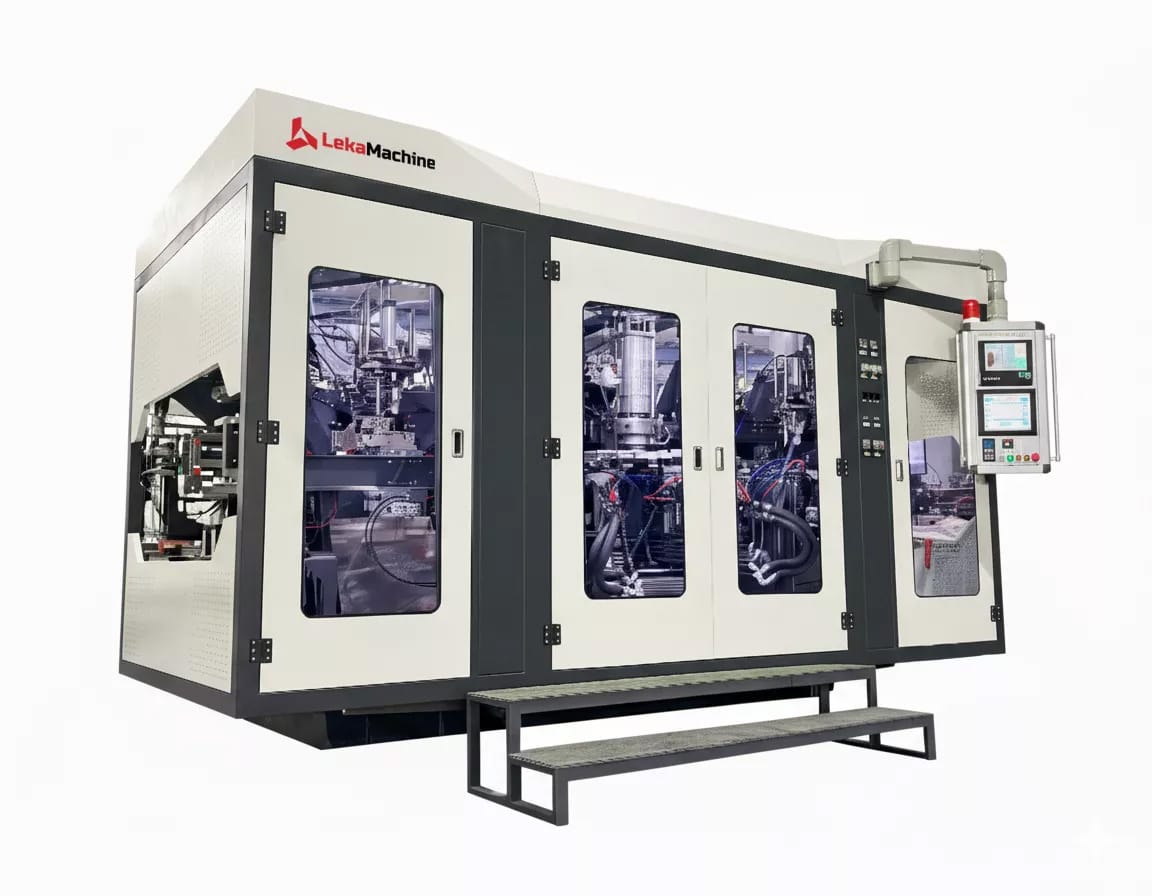
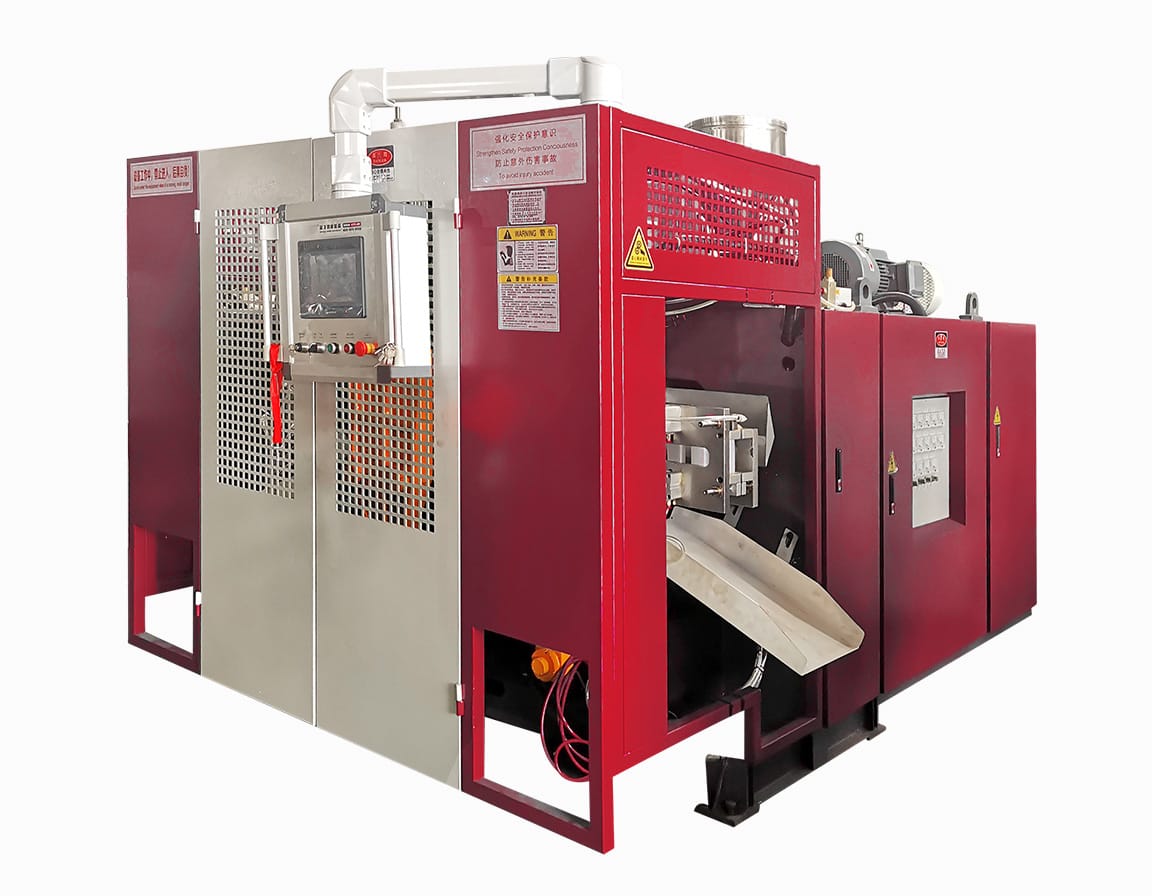
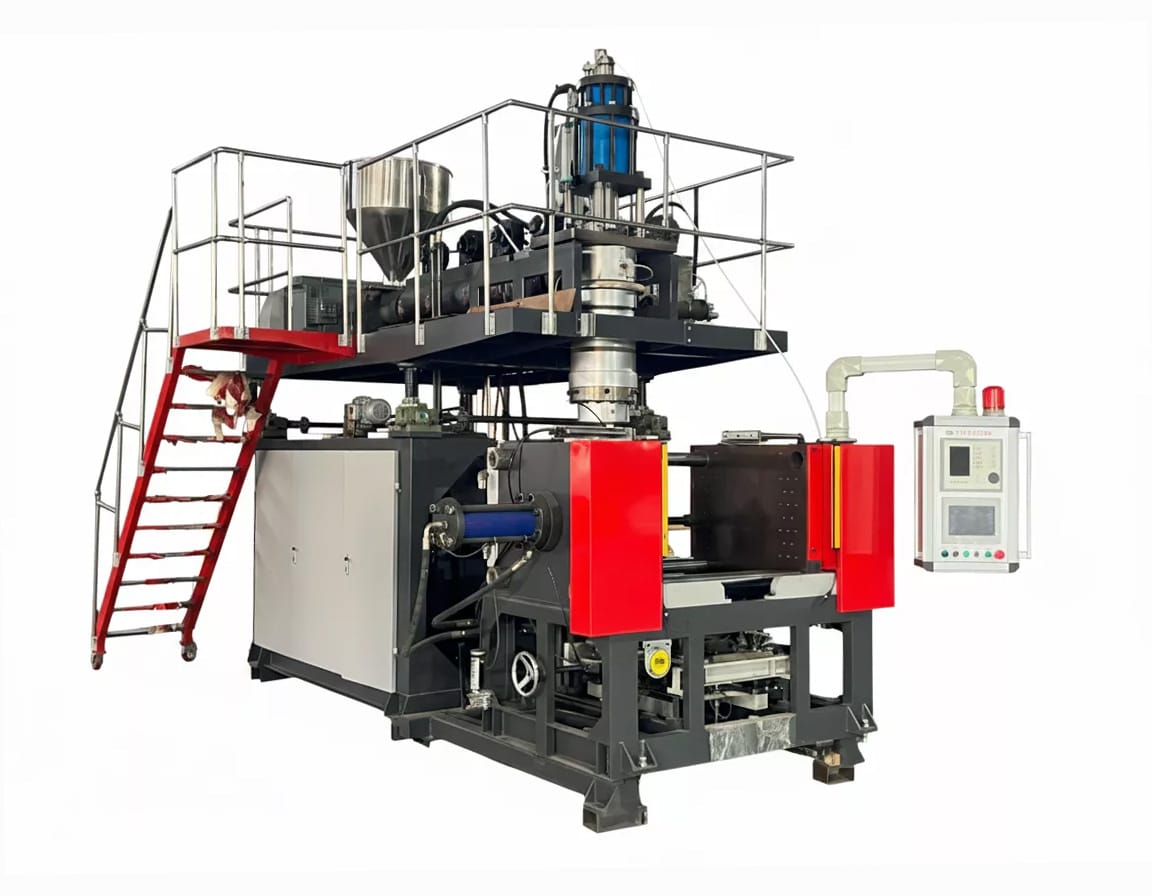
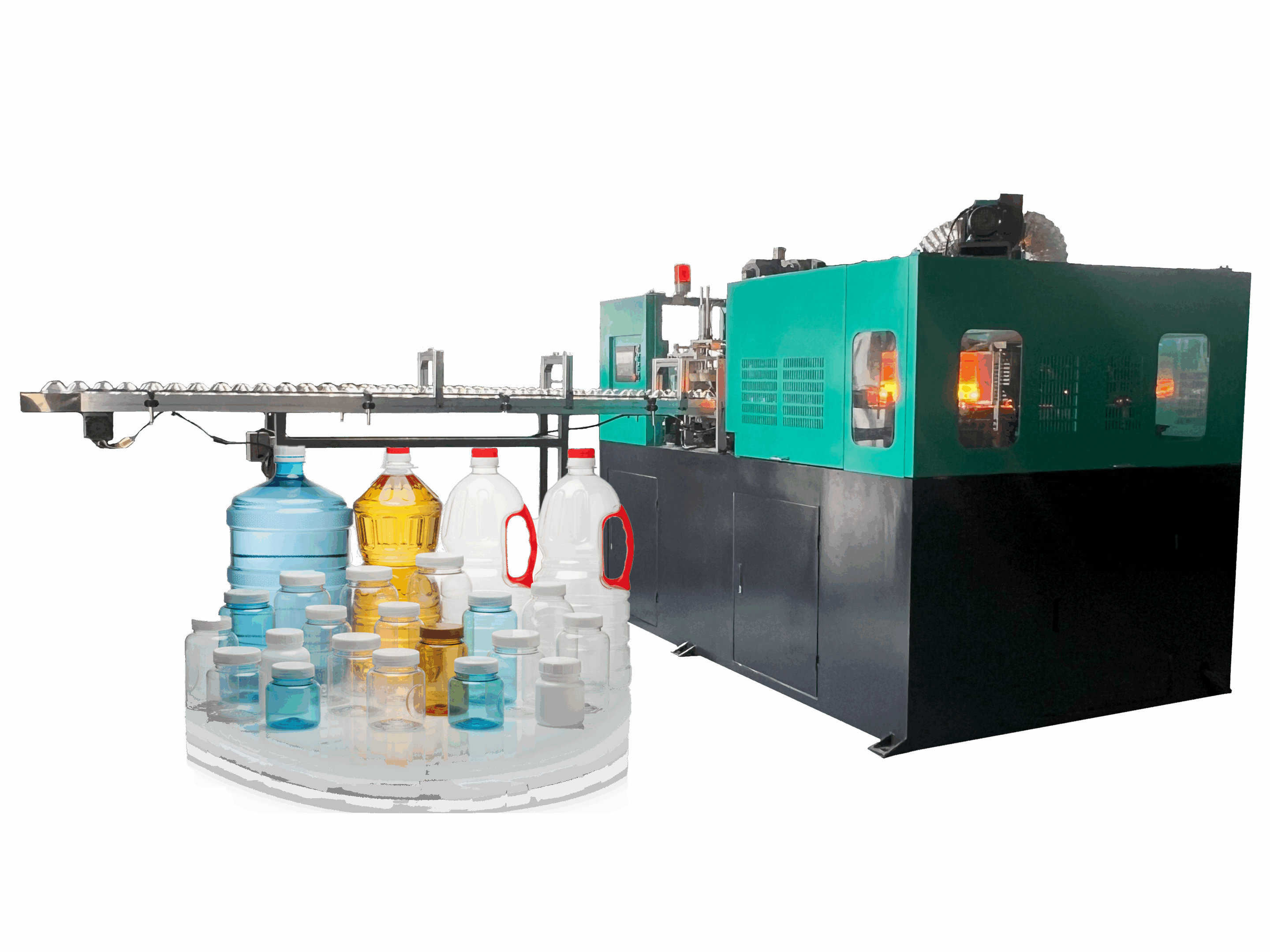
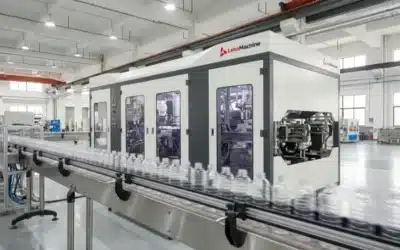
Featured Image Reference: A high-precision máquina de moldeo por soplado in action, showcasing ISO 9001-certified production.
Key Benefits of ISO 9001 Certification for Blow Molding
In the world of plastic manufacturing, ISO 9001 certification isn’t just paperwork – it’s a strategic advantage. For blow molding operations, this quality management standard delivers measurable improvements that resonate across the entire supply chain. Let’s examine why procurement teams increasingly demand ISO-certified suppliers like Lekamachine.
“ISO 9001 certified blow molding manufacturers experience 40% faster vendor approval times and 35% fewer quality complaints, according to industry benchmarks.”
Enhanced Customer Satisfaction Through Consistent Quality
The hallmark of ISO 9001 plastic manufacturing is predictable, repeatable quality. For blow molding, this means containers that meet exact specifications every time – crucial for industries like pharmaceuticals where millimeter precision matters. Certified manufacturers implement rigorous process controls that prevent defects before they occur.
Streamlined Vendor Approval Processes
Procurement teams face mounting pressure to reduce supply chain risks. ISO 9001 certification serves as a trusted shorthand for reliability, often cutting vendor evaluation time in half. Many multinational corporations now mandate ISO certification for their approved supplier lists, making it essential for market access.
Competitive Advantage in Global Markets
With over one million certificates issued worldwide, ISO 9001 is the international language of quality. For blow molding manufacturers, certification opens doors to export markets and multinational clients who recognize the standard. Lekamachine’s certification has been instrumental in securing contracts with European pharmaceutical companies.
Operational Efficiency and Waste Reduction
The continuous improvement focus of ISO 9001 drives measurable cost savings. Certified blow molding operations typically report:
- 20-30% de reducción en desperdicio de material
- 15-25% de mejora en eficiencia de producción
- 50% de resolución más rápida de problemas de calidad
Estos ahorros impactan directamente en los resultados finales, a la vez que respaldan los objetivos de sostenibilidad.
Commercial Impact for Buyers
Para los profesionales de adquisiciones, elegir un partner de moldeo por soplado certificado ISO 9001 significa:
- Costos de inspección reducidos (hasta un 60% de ahorro)
- Tiempo de lanzamiento al mercado más rápido para nuevos envases
- Mayor cumplimiento de los requisitos normativos
La certificación de Lekamachine brinda esta garantía manteniendo precios competitivos.
Data Snapshot: ISO 9001 Benefits
| Métrica | Non-Certified | ISO 9001 Certified | Mejora |
|---|---|---|---|
| Tasa de Defectos | 8% | 2% | 75% de reducción |
| Tiempo de Aprobación de Proveedores | 90 días | 45 días | 50% más rápido |
| Retención de Clientes | 65% | 85% | Ganancia de 20 puntos |
| Utilización del material | 82% | 91% | 9% de mejora |
| Adquisición de Nuevos Clientes | 12/año | 18/año | 50% de aumento |
Referencia de imagen destacada: Una comparación lado a lado que muestra envases de moldeo por soplado de precisión de producción certificada vs. no certificada.

ISO 9001 en Moldeo por Soplado: Proceso y Control de Calidad
El control de calidad en el moldeo por soplado no se deja al azar cuando se implementan los estándares ISO 9001. Este enfoque sistemático transforma cada etapa de la fabricación de plásticos, desde la selección de materias primas hasta la inspección del producto final. Para industrias reguladas como la farmacéutica, esta certificación proporciona la garantía real en aseguración de la calidad.
"Las instalaciones de moldeo por soplado certificadas ISO 9001 demuestran un 45% menos de paradas de producción y acciones correctivas un 60% más rápidas en comparación con las operaciones no certificadas".
Selección de Materiales y Aseguramiento de la Calidad
La fabricación de plásticos ISO 9001 comienza con una rigurosa evaluación de materiales. Los fabricantes certificados como Lekamachine implementan:
- Programas de calificación de proveedores
- Pruebas de materiales lote por lote
- Sistemas de trazabilidad para materias primas
Esto asegura que solo resinas de grado premium ingresen a la línea de producción, algo crítico para aplicaciones sensibles como el envasado médico.
Controles de Proceso y Documentación
La norma exige una documentación integral de:
- Registros de calibración de máquinas
- Configuración de parámetros del proceso
- Certificaciones de capacitación de operarios
Estos controles previenen desviaciones que podrían comprometer la integridad del envase, especialmente importante para el envasado cosmético de pared delgada.
Mecanismos de Mejora Continua
El ciclo Planificar-Hacer-Verificar-Actuar (PHVA) de la ISO 9001 impulsa mejoras continuas. Las instalaciones certificadas typically implementan:
- Reuniones mensuales de revisión de calidad
- Análisis de causa raíz para defectos
- Programas de sugerencias de empleados
Los procesos certificados de Lekamachine han logrado ganancias de eficiencia anual del 18% mediante estos métodos.
Riesgos de los Fabricantes No Certificados
Trabajar con proveedores no certificados expone a los compradores a:
- Dimensiones de producto inconsistentes
- Tasas de rechazo más altas
- Procesos de validación más largos
Las compañías farmacéuticas reportan 3 veces más fallos de lote con partners de moldeo por soplado no certificados.
Commercial Advantages for Regulated Industries
Para compradores en envasado farmacéutico y alimentario, la certificación ISO 9001 significa:
- Aprobaciones regulatorias más rápidas
- Hallazgos de auditoría reducidos
- Calificación de proveedores más simple
La certificación de Lekamachine ha ayudado a los clientes a reducir el tiempo de validación de nuevos productos en un 30%.
Quality Control Metrics Comparison
| Métrica de Calidad | Non-Certified | ISO 9001 Certified | Mejora |
|---|---|---|---|
| Consistencia Dimensional | ±2.5% | ±0.8% | 68% más estrecha |
| Variación del Grosor de Pared | 12% | 5% | 58% de reducción |
| Tiempo de Inactividad de Producción | 8% | 3% | Disminución de 62% |
| Tiempo de Acción Correctiva | 72 horas | 24 horas | 67% más rápido |
| Hallazgos de Auditoría de Clientes | 5.2/año | 1.3/año | 75% menos |
Referencia de Imagen Destacada: Un técnico de control de calidad certificado por ISO que inspecciona envases farmacéuticos moldeados por soplado bajo equipos de medición de precisión.

Cómo lograr la certificación ISO 9001: Pasos y mejores prácticas
Obtener la certificación ISO 9001 representa un hito estratégico para los fabricantes de plásticos comprometidos con la excelencia en calidad. Este proceso transforma las operaciones y abre las puertas a mercados premium. Analicemos la hoja de ruta práctica que ha ayudado a empresas como Lekamachine a alcanzar y mantener este prestigioso estándar.
"Los fabricantes que completan la certificación ISO 9001 reportan una retención de clientes un 28% mayor y una respuesta a problemas de calidad un 35% más rápida durante el primer año".
Hoja de Ruta Paso a Paso para la Certificación
El proceso de certificación generalmente sigue estas fases clave:
- Análisis de Brechas: Evaluar las prácticas actuales frente a los requisitos de la ISO 9001
- Desarrollo de Documentación: Crear manuales y procedimientos de calidad
- Implementación: Capacitar al personal e integrar nuevos procesos
- Auditorías Internas: Realizar pruebas piloto antes de la evaluación formal
- Auditoría de Certificación: Evaluación en dos etapas por un organismo acreditado
La mayoría de los fabricantes de plásticos completan el proceso en 6-9 meses con la preparación adecuada.
Requisitos de Documentación Esenciales
Los documentos clave para la certificación ISO 9001 en fabricación de plásticos incluyen:
- Política y objetivos de calidad
- Diagramas de flujo de procesos
- Procedimiento de control de documentos
- Informes de acción correctiva
- Registros de revisión por la dirección
El sistema de documentación de Lekamachine redujo el tiempo de preparación para auditorías en un 40% para sus clientes.
Cómo Superar los Desafíos Comunes
Los fabricantes frecuentemente encuentran:
- Asignación de Recursos: Dedicar un equipo multifuncional
- Resistencia de los Empleados: Implementar programas de capacitación por fases
- Mapeo de Procesos: Utilizar herramientas visuales de flujo de trabajo
- Mejora Continua: Establecer KPIs medibles
La colaboración con consultores experimentados puede acelerar la resolución de problemas.
Mantenimiento del Cumplimiento de la Certificación
Post-certificación requiere:
- Auditorías de vigilancia anuales
- Auditorías internas trimestrales
- Capacitación continua del personal
- Revisiones regulares por la dirección
Las empresas que mantienen la certificación experimentan una eficiencia operativa un 22% mayor en un período de tres años.
Commercial Advantages of Certification
Para compradores que consideran la implementación de la ISO 9001:
- Acceso a mercados regulados (farmacéutico, alimenticio)
- Posición de negociación más fuerte con proveedores
- Mayor valor de reventa de maquinaria
- Mejor moral de los empleados
Los clientes certificados de Lekamachine reportan ciclos de venta un 30% más cortos con clientes nuevos.
Certification Timeline Comparison
| Fase | Enfoque de Bricolaje (Hágalo Usted Mismo) | Con Consultor | Ahorro de tiempo |
|---|---|---|---|
| Análisis de Brechas | 8 semanas | 3 semanas | 63% |
| Documentación | 12 semanas | 6 semanas | 50% |
| Implementación | 16 semanas | 10 weeks | 38% |
| Internal Audits | 6 semanas | 3 semanas | 50% |
| Certification Audit | 4 semanas | 2 semanas | 50% |
Featured Image Reference: A quality manager reviewing ISO 9001 documentation with team members in a blow molding facility.
Conclusion: Leveraging ISO 9001 for Competitive Advantage
ISO 9001 certification has emerged as the gold standard for quality assurance in plastic manufacturing, particularly for blow molding operations. Throughout this series, we’ve demonstrated how this certification delivers tangible benefits that resonate across the entire supply chain. For procurement teams, partnering with ISO-certified manufacturers like Lekamachine translates to measurable operational advantages.
“Companies with ISO 9001 certification experience 40% faster market entry for new products and 35% higher customer satisfaction scores compared to non-certified competitors.”
Key Benefits Recap
For procurement professionals, ISO 9001 plastic manufacturing certification ensures:
- Consistent product quality with defect rates below 2%
- Streamlined vendor approval processes (50% faster)
- Enhanced compliance with regulatory requirements
- Continuous improvement in production efficiency
These advantages make certified suppliers the preferred choice for regulated industries.
Future Trends in Quality Standards
The quality landscape is evolving with:
- Integration of IoT for real-time quality monitoring
- Tighter material traceability requirements
- Increased emphasis on sustainable manufacturing
ISO 9001 provides the framework to adapt to these changes while maintaining quality benchmarks.
Next Steps for Manufacturers
For companies considering certification:
- Conduct a comprehensive gap analysis
- Engage experienced consultants
- Implementar programas de capacitación por fases
- Establish clear quality metrics
Lekamachine’s certification journey reduced implementation time by 30% through strategic planning.
Call to Action
Procurement teams should prioritize suppliers with ISO 9001 certification to:
- Reduce supply chain risks
- Accelerate product launches
- Minimize quality-related disruptions
Partnering with certified manufacturers like Lekamachine delivers these advantages while maintaining competitive pricing.
Certification Impact Comparison
| Métrica | Before Certification | After Certification | Mejora |
|---|---|---|---|
| Retención de Clientes | 68% | 89% | 21 points |
| Eficiencia de Producción | 78% | 92% | 14 points |
| New Business Wins | 8/year | 14/year | 75% increase |
| Quality Audit Scores | 82% | 96% | 14 points |
| Employee Engagement | 65% | 83% | 18 points |
Featured Image Reference: A satisfied quality manager reviewing ISO 9001 certification documents with a client in a modern blow molding facility.

Conclusión
In my 12 years navigating the blow molding industry, I’ve seen how ISO 9001 certification separates the **real deal** from the rest. It’s not just about compliance—it’s about building a system where quality becomes second nature, defects drop by default, and clients trust you before the first shipment even arrives.
For manufacturers eyeing long-term growth, this certification isn’t optional—it’s the backbone of credibility. At Lekamachine, we’ve watched certified partners slash rework costs, speed up approvals, and lock in clients who used to hesitate. The data speaks for itself: when every gram of plastic and every minute of production counts, ISO 9001 is the **game-changer**.
If you’re still on the fence, ask yourself: can your business afford to ignore a standard that turns quality from a checkpoint into a competitive edge?
PREGUNTAS FRECUENTES
Q1: What is ISO 9001 in plastic manufacturing?
A1: ISO 9001 is an international standard outlining effective quality management systems. In plastic manufacturing, it ensures that products consistently meet customer and regulatory requirements, enhancing customer satisfaction and operational efficiency.
Q2: What are the benefits of ISO 9001 certification for plastic manufacturers?
A2: ISO 9001 certification helps plastic manufacturers improve operational efficiencies, enhance product quality, increase customer satisfaction, and boost their market reputation, making it easier to attract and retain clients.
Q3: How does ISO 9001 impact quality assurance in plastic manufacturing?
A3: ISO 9001 significantly improves quality assurance in plastic manufacturing by providing a systematic approach to identifying, measuring, and improving processes, leading to reduced defects and increased product reliability.
Q4: Is obtaining ISO 9001 certification costly for plastic manufacturers?
A4: The cost of obtaining ISO 9001 certification can vary widely based on the size and complexity of the organization. However, many manufacturers find that the long-term benefits, such as increased efficiency and reduced waste, outweigh the initial costs.
Q5: What is the role of quality management systems in ISO 9001?
A5: Quality management systems (QMS) in ISO 9001 play a crucial role as they provide a framework for managing quality across all aspects of an organization. This includes planning, control, and improvement processes to ensure product quality and customer satisfaction.
Q6: How often must a plastic manufacturer renew ISO 9001 certification?
A6: ISO 9001 certification is typically valid for three years, but organizations must undergo regular audits (usually annually) to maintain their certification. Renewal involves re-evaluating processes and demonstrating ongoing compliance with ISO standards.
Q7: What qualifies a plastic manufacturer to be ISO 9001 certified?
A7: To qualify for ISO 9001 certification, a plastic manufacturer must implement a quality management system that meets the standards outlined in the ISO 9001 norm, including thorough documentation, effective process management, and continuous improvement efforts.
Q8: Can small plastic manufacturers achieve ISO 9001 certification?
A8: Yes, small plastic manufacturers can achieve ISO 9001 certification. The standard is designed to be flexible and scalable, meaning it can be implemented by organizations of any size to enhance quality management practices.
Enlaces externos
- ISO 9001:2015 Certification: Quality in Plastic Manufacturing
- ISO 9001 Certification for Plastic Products Manufacturers
- ISO Certifications for Plastic Manufacturing companies – Applicable Standards, Requirements, and Benefits
- The Role of Quality Assurance and Quality Control in Plastics Manufacturing
- ISO 9001 Certification in Injection Molding: Enhancing Product Quality
- Meaning of Plastic Manufacturers ISO 9001:2015 Certification
- Assessment of Quality Management System and Its Practice in Plastic Industries
- Certificaciones ISO para Empresas de Fabricación de Productos Plásticos

0 Comentarios