
Blow Molding Products: Complete Guide to HDPE & PET Bottles Made by Extrusion and Stretch Blow Machines
Introduction: What Are Blow Molding Products and Who Is This Guide For?
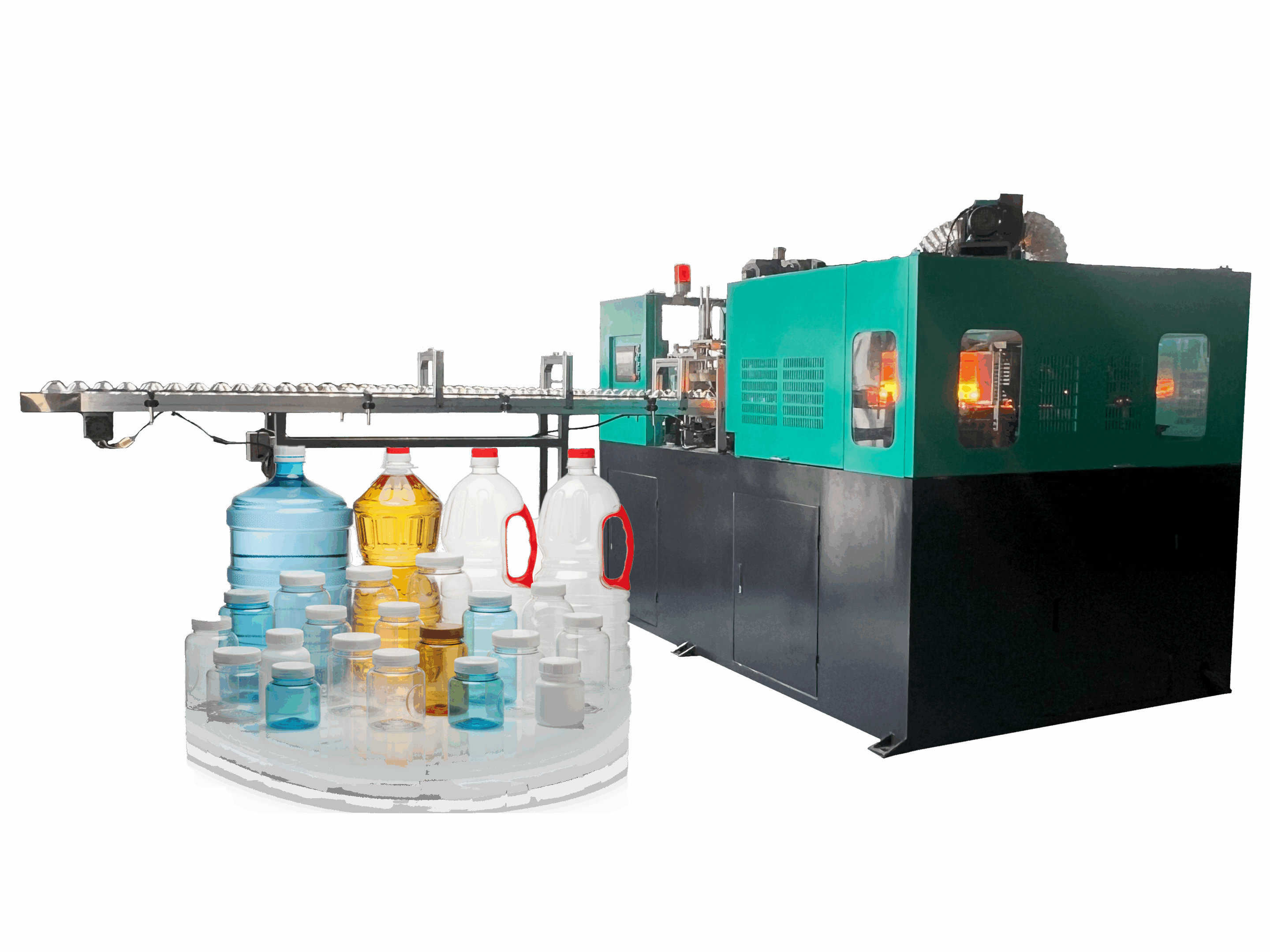
When people talk about “blow molding products”, they usually mean hollow plastic containers made on blow molding machines: bottles, jars, jerrycans, drums, and sometimes technical parts.
Most of these containers are made from HDPE or PET.
If you work in an OEM bottle factory, a food, beverage, home-care or chemical brand, or in an engineering and project team planning a new line, you are probably trying to answer a few very practical questions.
- Which products can I make with moldeo por soplado?
- Should I use HDPE or PET?
- Do I need moldeo por soplado por extrusión or stretch blow molding?
- What does this mean for calidad, cost per bottle, and energy use?
- How do I choose a máquina or partner without making an expensive mistake?
This guide walks through those questions in simple language, without oversimplifying the process.
Why You Can Trust This Guide
Máquina LEKA focuses on two technologies only:
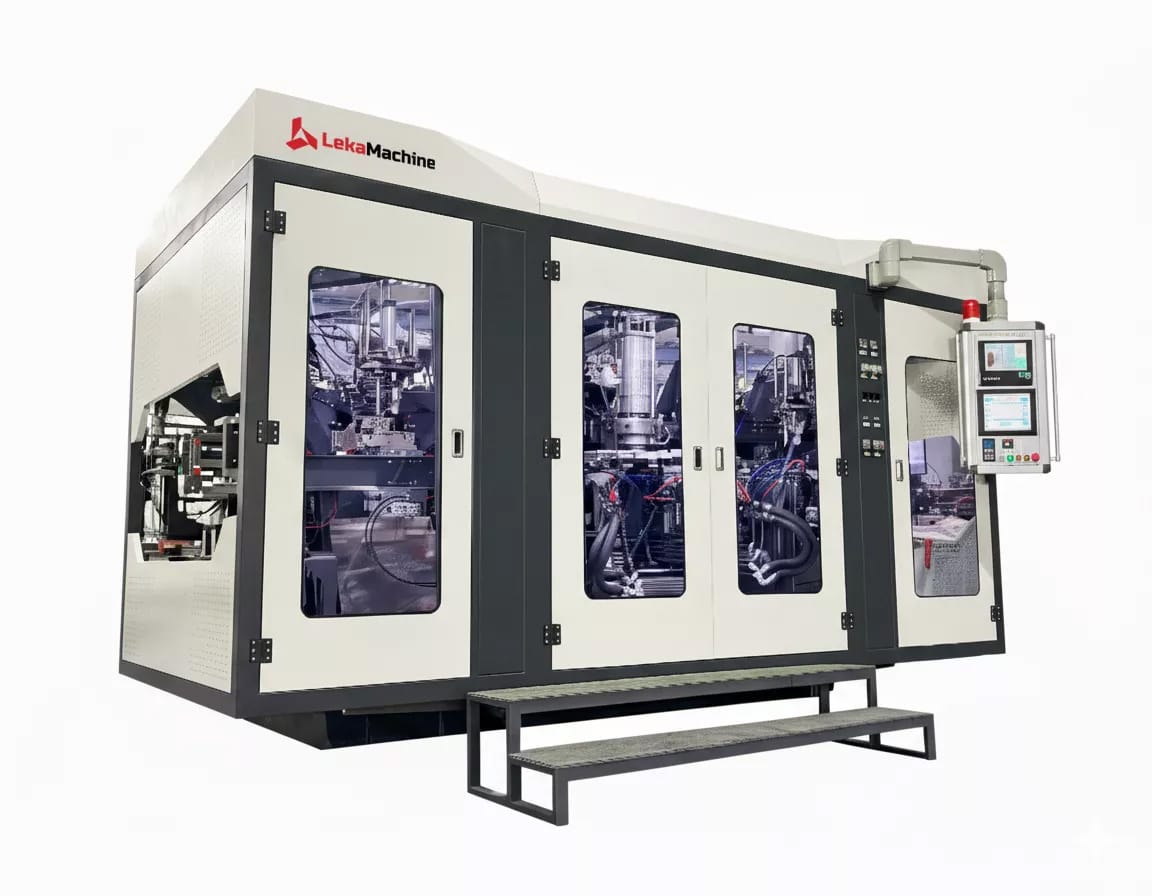
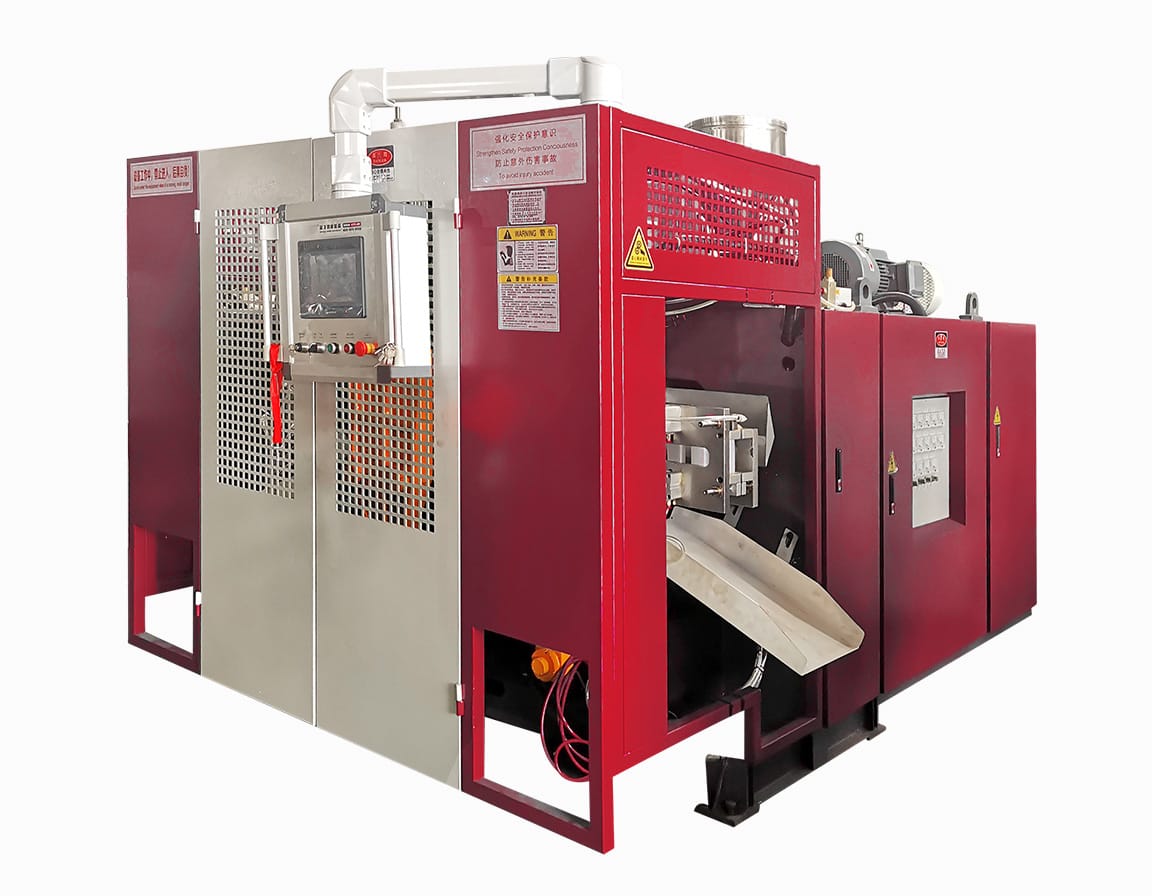
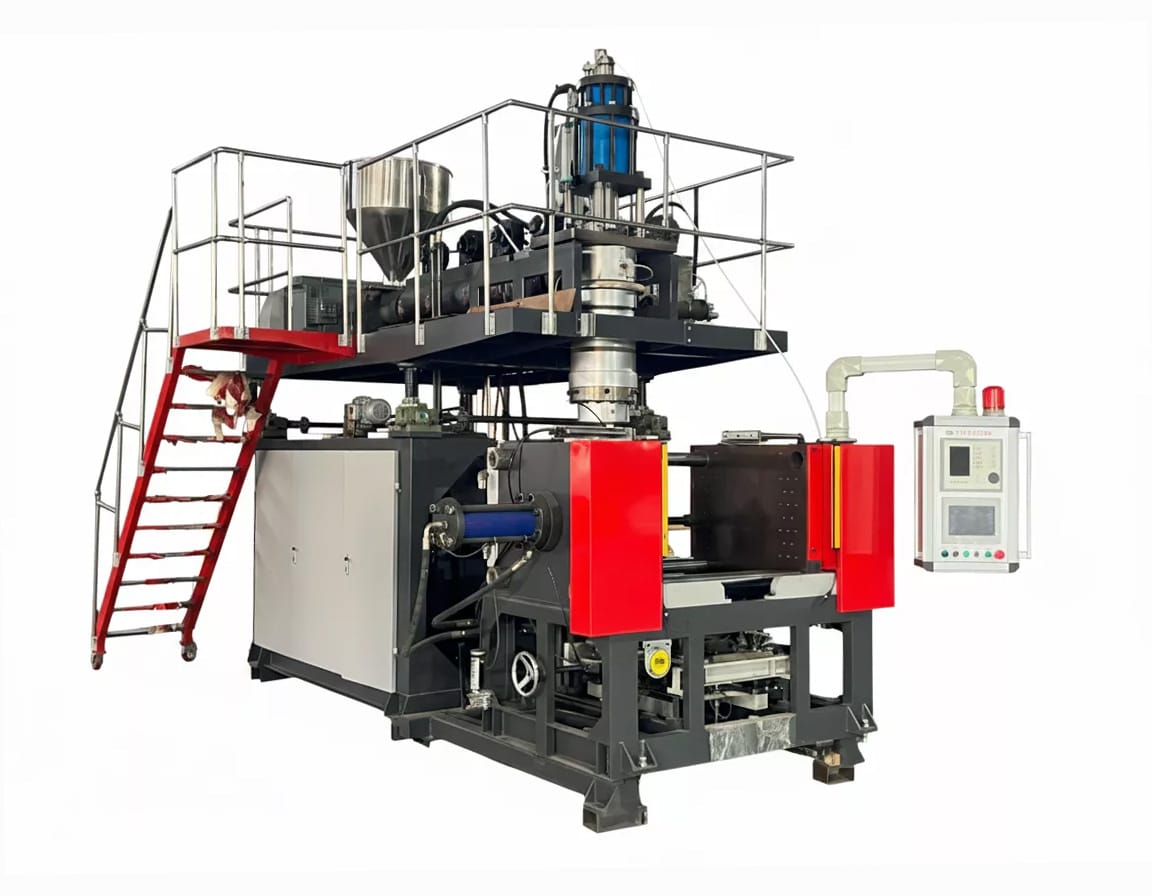
- Extrusion blow molding machines, mainly for HDPE and PP bottles and jerrycans.
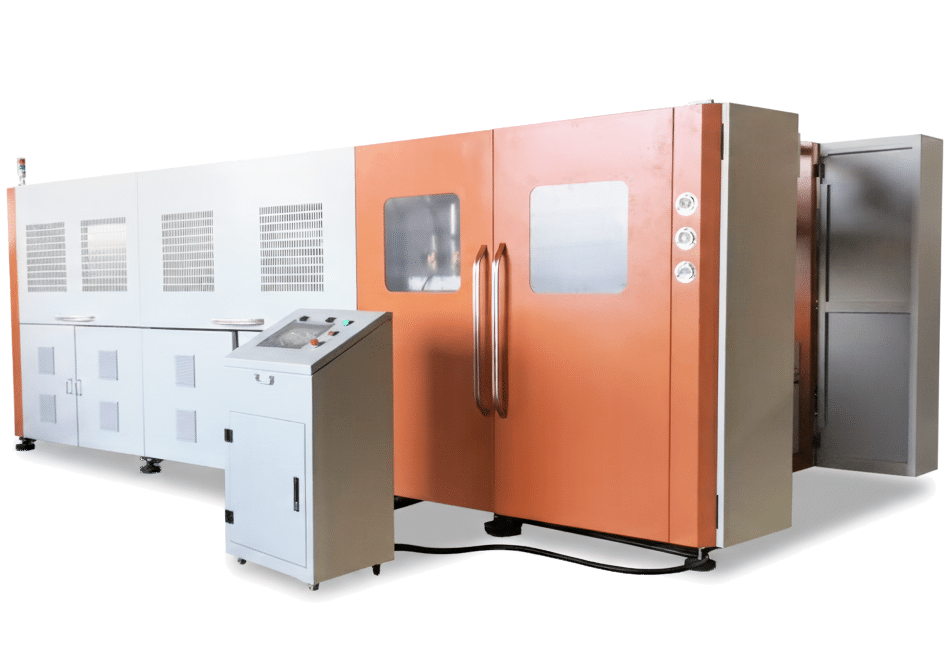
- Stretch blow molding machines, mainly for PET bottles and jars.
There is no moldeo por inyección-soplado and no unrelated side products.
Every year, projects come in from OEM bottle factories and brand owners who want to replace old, energy-hungry lines, bring bottle production in-house, or launch new HDPE or PET packaging with better weight and performance.
The patterns are surprisingly similar. This guide is built around those real project patterns, so you can avoid common traps and ask better questions when you talk to any supplier, not just LEKA.
Blow Molding Products Overview: Common HDPE & PET Containers
Blow molding is used anywhere you need a hollow plastic shape that is strong enough to hold liquid or granules, light enough to ship cheaply, and safe and stable for its content.
Typical Blow Molded Products
- HDPE products
- Milk and juice bottles
- Shampoo and shower gel bottles
- Detergent and household chemical bottles
- Jerrycans for oils, agrochemicals, and lubricants
- Drums and technical parts
- PET products
- Still water and carbonated drink bottles
- Edible oil bottles
- RTD tea, juice, and functional drink bottles
- Premium clear jars and wide-mouth containers
Core End-Use Industries
Most HDPE and PET blow molding products end up in:
- Alimentos y bebidas
- Home and personal care
- Pharmaceuticals and nutraceuticals
- Industrial chemicals, oils, and agrochemicals
Standard vs Custom Products
In real factories, most business comes from a mix of anchor SKUs and special designs.
- Anchor SKUs with stable orders – for example, a 500 ml shampoo, 1 L oil bottle, or 5 L jerrycan that runs all year and pays for the factory.
- Seasonal or niche shapes – special holiday packs, limited editions, or complex shapes that look attractive but add complexity.
Custom designs often mean longer changeovers, more scrap during setup, and tighter process windows. The more unusual the bottle, the more you should think about diseño de moldes, changeover strategy, and real cost per bottle, not just the mold price.
HDPE vs PET for Blow Molding Products: How to Choose the Right Material
HDPE in Simple Terms
HDPE, or high-density polyethylene, is usually opaque or translucent, tough, and impact-resistant. It has very good resistance to many chemicals and is forgiving in handling and transport.
It is the workhorse material for:
- Detergents and cleaners
- Motor oil and lubricants
- Agrochemicals
- Many dairy and juice bottles
- Child-resistant and industrial packaging
PET in Simple Terms
PET, or polyethylene terephthalate, is clear and glossy. It shows off the product inside and can reach high stiffness with low weight.
It is the default choice for:
- Water and carbonated soft drinks
- Edible oil
- RTD drinks and juices
- Many premium transparent jars
Matching Product Type to Material
As simple guidelines:
- Choose HDPE when:
- The product is aggressive (chemicals, cleaners, agrochemicals).
- You need very robust, impact-resistant packaging.
- Opacity is a benefit for light-sensitive products.
- You want integrated handles in one piece.
- Choose PET when:
- Shelf appeal and transparency matter.
- You need light bottles for long shipping routes.
- You need good CO₂ retention for carbonated drinks.
- You want a premium look with sharp labels and decoration.
Recycled Content and Sustainability
Both materials have recycled options:
- rHDPE for non-food and some food-contact aplicaciones, depending on regulations.
- rPET widely used for beverage bottles in many markets.
As recycled content increases, be ready for slight color shifts, more variation in wall thickness if the resin is less consistent, and possible adjustments of processing temperature and back pressure. Design and calidad teams should include recycled content in early trials, not as a last-minute decision.
Quick Decision Checklist: HDPE or PET?
When choosing material for the next bottle, ask:
- What is inside: water, oil, acid, solvent, detergent, agrochemical?
- Is transparency needed or optional?
- How will the product be stored and shipped: heat, stacking, rough handling?
- Is there pressure in the bottle (carbonation, nitrogen dosing)?
- Any light-sensitivity or barrier requirement?
- What are the sustainability targets: recycled content, monomaterial, local recycling rules?
- What are the branding priorities: look, feel, label area?
If more than half of your answers point to clarity, branding, beverages, and lower weight, PET is usually the better option. If they point to robustness, chemical resistance, handles, and impact resistance, HDPE is usually safer.
Blow Molding Processes in a Nutshell: Extrusion vs Stretch Blow
Blow molding is not a single process. For HDPE and PET bottles, three main processes exist: moldeo por soplado por extrusión (EBM), stretch blow molding (SBM), and injection blow molding (IBM).
Moldeo por Soplado por Extrusión (EBM)
Extrusion blow molding is mostly used for HDPE and other polyolefins.
The basic idea is straightforward:
- Plastic pellets are melted in an extrusor.
- A hollow tube of molten plastic, called a parison, is extruded.
- A mold closes around the parison and cuts it off.
- Air is blown in to push the parison against the mold wall.
- The bottle cools, the mold opens, and the bottle is trimmed and deflashed.
Extrusion blow molding is ideal for bottles with handles, medium to large sizes, multilayer structures, and many industrial and household products.
Moldeo por Soplado Estirado (SBM)
Moldeo por estirado-soplado is mainly used for PET.
In a typical two-stage process:
- Preforms are injection molded and stored or purchased.
- Preforms are reheated in an oven to the correct temperature profile.
- In the blow station, a stretch rod pulls the preform lengthwise while high-pressure air inflates it into the mold.
- The bottle cools in the mold and is then removed.
This biaxial stretching gives PET bottles high strength at low weight. It is ideal for high-speed beverage lines and lightweight bottles with strong top-load performance.
Where Injection Blow Molding Fits
Inyección blow molding is often used for very small, precise bottles and many pharmaceutical and cosmetic containers. It combines injection and blowing in the same machine and gives excellent neck accuracy.
It is less flexible for large containers and often more expensive per cavity. LEKA focuses on extrusion blow and stretch blow because they cover most HDPE and PET needs from small bottles to large jerrycans and beverage bottles.
Key Differences That Matter for Buyers
When choosing between EBM and SBM, important decision points include:
- Bottle shape flexibility
- EBM: very flexible, handles and complex shapes are possible.
- SBM: more constraints from the preform, but excellent for bottle-like shapes.
- Volume and output
- EBM: from very small to very large, medium to high output.
- SBM: high-speed production for PET bottles, especially for drinks.
- Wall thickness and handles
- EBM: parison control allows handles, view stripes, and heavy-duty walls.
- SBM: great for thin, uniform walls, but not for integral handles.
- Application demands
- Both processes can handle hot-fill, high-pressure, or heavy-duty use with proper design, but the path is different.
HDPE Blow Molding Products Made by Extrusion Blow Machines
Extrusión blow molding is the backbone for HDPE packaging.
How HDPE Extrusion Blow Molding Works (Step-by-Step)
The process can be described in simple steps:
- Melt – HDPE pellets enter the extruder and are melted into a homogeneous melt.
- Parison formation – The melt is pushed through a cabezal de matriz to form a hollow tube.
- Mold close – The mold closes on the parison and cuts it off.
- Blow – Air is injected to inflate the parison into the bottle shape.
- Cool – The plastic cools against the mold surface.
- Open and trim – The mold opens, the part is removed, and flash is trimmed and recycled.
Key parameters such as parison thickness profile, melt temperature, and cooling time directly influence bottle weight, wall distribution, top-load strength, and scrap rate.
Typical HDPE Blow Molded Products
Common size ranges include:
- 100 ml – 5 L
- Shampoos and lotions
- Detergents and household cleaners
- Motor oil and automotive fluids
- Dairy and juice bottles in some regions
- 5 – 30 L and above
- Jerrycans for chemicals and agrochemicals
- Industrial drums and canisters
Single-Layer vs Multi-Layer HDPE Bottles
You can build the bottle as a single layer or multiple layers:
- Single-layer bottles are simple and common for many detergents and basic products.
- Multilayer bottles can include:
- Barrier layers, such as EVOH, for sensitive contents.
- Recycled core with virgin skin for better food-contact or appearance.
- View stripes or level lines built into the wall.
This helps balance performance, sustainability, and regulatory needs.
Process Levers That Affect Cost per Bottle
Cost per bottle is strongly influenced by:
- Cycle time, or seconds per shot.
- Cavitation, or number of cavities per mold.
- Parison control accuracy and stability.
- Scrap rate and amount of regrind.
- Energy consumption in kWh per kg of plastic.
A modern extrusion blow machine with good parison control and efficient drives can reduce both resin use and energy, which directly improves total cost of ownership.
PET Blow Molding Products Made by Stretch Blow Machines
PET stretch blow molding is the standard for beverages and many clear containers.
Two-Stage PET Stretch Blow Molding in Plain Language
The typical two-stage process works as follows:
- Preform supply – You buy preforms or mold them yourself.
- Reheat – Preforms go through an infrared oven; the heat profile is tuned by zone.
- Stretch and blow – In the mold, a stretch rod pulls the preform while high-pressure air inflates it into shape.
- Cool and eject – The bottle cools in the mold, then is removed.
The stretch ratio, or how much the preform is stretched in height and width, is critical. Too little stretch gives a weak bottle; too much gives thin spots and failures.
Typical PET Blow Molding Products
Common ranges include:
- 250 – 2000 ml bottles
- Still water and carbonated soft drinks
- Iced teas, juices, and sports drinks
- Edible oil bottles
- PET jars and wide-mouth containers
- Snacks and nuts
- Confectionery and sweets
- Powdered products and supplements
Preforms vs Finished Bottles
A preform fixes neck finish, thread type, base gate position, starting weight, resin, and color. Once you choose a preform family, you lock in many constraints.
Bottle designers need to work with the preform, not against it. Good preform selection shortens development and reduces waste. Poor selection can lead to thin bases and shoulders, ovality, and labeling or capping issues.
Air and Energy in PET Bottle Production
PET stretch blow molding is heavy on high-pressure air and oven power for preform heating. Modern systems use air recovery and better insulation with zoned heating to bring energy cost per bottle down.
Designing HDPE Blow Molding Products for Stable Production
A bottle that looks good in a drawing can be difficult to run on the machine if basic rules are ignored.
Bottle Size and Shape Ranges That Run Smoothly on EBM
For stable moldeo por soplado por extrusión:
- Avoid extremely sharp corners with very thin walls.
- Use enough radius at shoulders and base.
- Keep wall transitions smooth and gradual.
Short, stocky bottles and well-proportioned jerrycans usually run well. Very tall and narrow shapes with heavy necks can be more sensitive to wall thinning and ovality.
Handles, Grips, and Neck Finishes
For handles and grips:
- Handles should allow the parison to flow evenly around them.
- Very thin handle bridges may collapse if not properly supported.
- Neck finishes must match closure standards and be easy to de-flash.
Over-complex grip patterns or deep ribs often mean more difficulty filling the mold and higher risk of flashing or short shots. Simple, functional geometry nearly always wins in real production conditions.
How to Set Realistic Weight Targets
Lightweighting is attractive, but cutting grams without analysis can cause problems.
- Some zones, such as corners, base, handle, and neck support, need minimum thickness.
- Work with clear top-load and drop requirements.
- Check section weight at key positions and move weight, rather than only cutting it.
Trials should reduce weight step by step while testing performance until the safe limit is clear.
Common Functional HDPE Design Features
Muchos Botellas de HDPE include functional features such as:
- View stripes or level lines to see fill level.
- Stacking shoulders and foot rings for pallet stability.
- Label panels for wrap-around or sleeve labels.
- Tamper-evidence areas at the neck.
Each feature interacts with parison control and mold design, so it should be discussed early with both mold and machine suppliers.
Typical Quality Checks for HDPE Bottles
A practical HDPE quality control list often includes:
- Wall thickness or section weight at multiple points.
- Leak test under defined pressure and time.
- Top-load test for axial compression strength.
- Drop test from a defined height, both full and empty.
- Visual inspection for flash, short shots, burns, and contamination.
Designing PET Blow Molding Products for Stretch Blow
Designing for PET moldeo por soplado de estirado is as much about the preform as the final bottle shape.
Preform Selection Basics
When choosing a preform, consider:
- Neck finish and closure type, including tamper evidence.
- Weight and its trade-off between strength and cost.
- Resin type, whether standard PET or specialty grades.
- Color, whether clear, tinted, or fully opaque.
A good practice is to build a small preform matrix at the start of a project with two or three candidate necks and weights, then blow sample bottles and test them.
Designing for Different Applications
Different contents need different design priorities:
- Still water – highest lightweight potential, focus on top-load, stackability, and handling.
- Carbonated soft drinks – need higher pressure resistance and a strong base design to avoid bulging and deformation.
- Hot-fill products – need panels and geometry that can move during vacuum and materials that withstand higher temperature.
- Edible oils and sauces – focus on drip control, clean pouring, and label appearance, with heavier bottles than water to avoid paneling.
Lightweighting Strategies for PET Bottles
Useful tools include:
- Optimising base design to keep strength with less material.
- Using ribs and panels strategically instead of only adding grams.
- Adjusting stretch ratio and heating profile for better orientation.
Lightweighting tests must be paired with top-load, burst, and creep tests. A bottle that passes once in the lab but fails after 24 hours in real conditions is not ready.
Design Tips for Line Stability and Labeling
Small design decisions affect line performance:
- Avoid overly sharp shoulders that scuff easily.
- Keep label panels flat and large enough, with good grip area.
- Avoid extreme waists that cause tipping on conveyors.
- Check how the bottle behaves on unscramblers, air conveyors, and packers.
Typical Quality Checks for PET Bottles
Common PET quality checks include:
- Section weight at shoulder, body, and base.
- Top-load, burst, and creep tests.
- Dimensional checks for height, diameter, neck, and threads.
- Visual inspection for haze, black specks, thin spots, and stress marks.
Quality, Compliance, and Testing for Blow Molding Products
Serious buyers do not just ask for a nice bottle. They ask for documented and repeatable quality.
Dimensional and Functional Requirements
Typical specifications cover:
- Critical dimensions, such as height, neck, thread, and body diameter.
- Wall thickness or section weight ranges.
- Top-load, drop, and pressure performance criteria.
- Cap fit and sealing performance.
These are summarised in a technical data sheet and agreed before mass production.
Food-Contact, Pharma, and Chemical Requirements
Depending on the market, you may need to address:
- Food-contact compliance for resins and additives.
- Documentation from resin suppliers, including declarations and test reports.
- Handling rules for pharmaceutical or toxic contents.
- Proper choice of lubricants and hydraulic fluids in machines.
Quality and regulatory teams should be involved early, not only at the final audit.
Documentation and Traceability
Many brand owners expect:
- Batch traceability from resin lot to finished pallet.
- Recorded process parameters such as temperatures, pressures, and cycle times.
- Certificates and statements from suppliers.
- Clear procedures for non-conforming products.
Digital tracking at machine or line level makes this much easier.
Packaging and Transport Testing
Even a perfect bottle can fail later if packaging is weak.
Typical tests include:
- Drop tests on packed units.
- Stacking or compression tests on pallets.
- Leak tests after simulated transport.
- Environmental tests if bottles face high heat or cold in transit.
Cost, Energy Use, and Sustainability: What Drives Cost per Bottle
Cost per bottle is not only about machine price or mold price. It is a mix of several drivers.
Key Cost Drivers for Blow Molded Products
The main elements are:
- Resin and additives, usually the largest cost.
- Machine amortisation and maintenance.
- Mold cost and its lifetime across projects.
- Labor per shift and operator skill level.
- Scrap, rework, and start-up losses.
- Energy usage, including electricity and compressed air.
- Packaging and logistics for finished goods.
How Machine Choice Affects kWh/kg and Compressed Air
Modern machines can differ a lot in energy efficiency. Features that help reduce kWh per kg include:
- Servo or hybrid drives instead of purely hydraulic systems.
- Efficient barrel and head heating with good insulation.
- Air recovery systems on PET stretch blow lines.
- Smart standby modes for breaks and unplanned stops.
Less energy per kilogram means lower cost and better sustainability reporting at the same time.
Simple Way to Think About Cost per Bottle
A simple way to think about cost per bottle is:
Cost per bottle ≈ (Material + Energy + Labor + Depreciation + Scrap) ÷ Bottles produced
Every improvement in resin weight, cycle time, scrap rate, or energy consumption has a direct effect on this number.
Where Sustainability Realistically Fits In
On the factory floor, sustainability means:
- Using energy-efficient machines and utilities.
- Applying recycled content where legally and technically possible.
- Designing bottles for recycling with monomaterial choices and reasonable colors.
- Minimising scrap and rework during setup and production.
Start with a few measurable KPIs, such as kWh per kg, scrap percentage, and average recycled content level, and then improve them step by step.
How to Choose a Blow Molding Partner or Machine Supplier
Choosing the right partner or machine is a long-term decision. Your packaging and costs will live with that choice for years.
For Brands and OEMs Outsourcing Bottles
When you buy bottles from an OEM factory, ask about:
- Material sources and documentation.
- Types and ages of machines in their plant.
- Quality control processes and test equipment.
- Changeover times and flexibility for your SKUs.
- Lead times, minimum order quantities, and capacity.
- Experience with your specific product type and target market.
A short factory visit will often tell you more than a long sales email.
For Factories Buying Their Own Machine
A good request for quotation should include:
- Bottle drawings or 3D files for current or target designs.
- Planned daily output and operating hours.
- Resin type and any recycled content plans.
- Quality requirements and test methods.
- Available utilities such as power, air, cooling water, and space.
- Future SKUs you may want to run on the same line.
When comparing quotations, look beyond precio de la máquina and cycle time claims. Also compare energy guarantees, spare parts availability and cost, lead time and installation scope, training and remote support options, and warranty terms.
Red Flags When Assessing Suppliers
Common warning signs include:
- Vague or changing answers on energy consumption and cycle time.
- No clear factory acceptance test plan.
- No examples of similar projects or references.
- Weak or incomplete documentation in your working language.
- Very low price with no clear explanation of what is different.
Where LEKA Machine Fits in the HDPE & PET Blow Molding World
LEKA Machine focuses on helping factories produce HDPE and PET containers using extrusion moldeo por soplado and stretch blow molding technology.
- Extrusion blow molding machines for HDPE and PP bottles and jerrycans.
- Stretch blow molding machines for PET bottles and jars.
There is no injection blow molding and no unrelated equipment, which keeps the focus clear.
Typical Projects Supported
Common project types include:
- OEM bottle factories adding new extrusion blow or stretch blow lines.
- Brands bringing bottle production in-house for the first time.
- Existing plants upgrading from older, high-energy machines.
- New lines for PET water, oil, or HDPE jerrycans with defined performance targets.
What to Prepare If You Want a Proposal
To get a realistic machine and line proposal from any serious supplier, prepare:
- Two to five key bottle drawings, current or target.
- Daily and monthly output targets for each SKU.
- Resin type and any recycled content plans.
- Your local utilities and factory layout constraints.
- Quality tests you must pass and any certification needs.
With this information, a supplier can estimate machine model and configuration, number of cavities and expected cycle time, energy demand and utility requirements, and approximate cost per bottle under realistic conditions.
A good partner should also help you adjust bottle design where needed to improve stability and cost.
FAQ: Quick Answers About Blow Molding Products (HDPE & PET)
1. What Are the Most Common HDPE and PET Blow Molding Products Today?
HDPE is most common in detergents, chemicals, agrochemicals, and many dairy or household bottles. PET dominates water, soft drinks, edible oils, and many clear jars and beverage containers.
2. How Do I Know If My Bottle Is Better in HDPE or PET?
Think about the content, need for clarity, handling, and branding. Aggressive or heavy-duty products usually go into HDPE. Drinks and products where appearance and transparency matter usually go into PET.
3. Can One Factory Run Both Extrusion Blow and Stretch Blow Lines Under One Roof?
Yes. Many plants do this. They separate areas and teams by technology but share utilities, quality assurance, and maintenance where it makes sense.
4. How Much Recycled Material Can I Realistically Use in HDPE or PET Bottles?
This depends on local regulations and your product. Non-food HDPE can often use higher rHDPE contents. Beverage PET can include rPET within defined limits. Always validate with your resin supplier, local regulators, and your own tests.
5. How Long Does a New Bottle Project Usually Take from Idea to First Shipment?
If decisions are fast and suppliers are aligned, simple projects can be completed in a few months. Complex shapes, new materials, or multiple SKUs can take longer due to design, mold build, trials, and approval cycles.
Used well, moldeo por soplado is a very stable and predictable way to make HDPE and PET packaging. The more clearly you define your product, material, and process choice at the start, the smoother your project and the lower your final cost per bottle.


0 Comentarios