

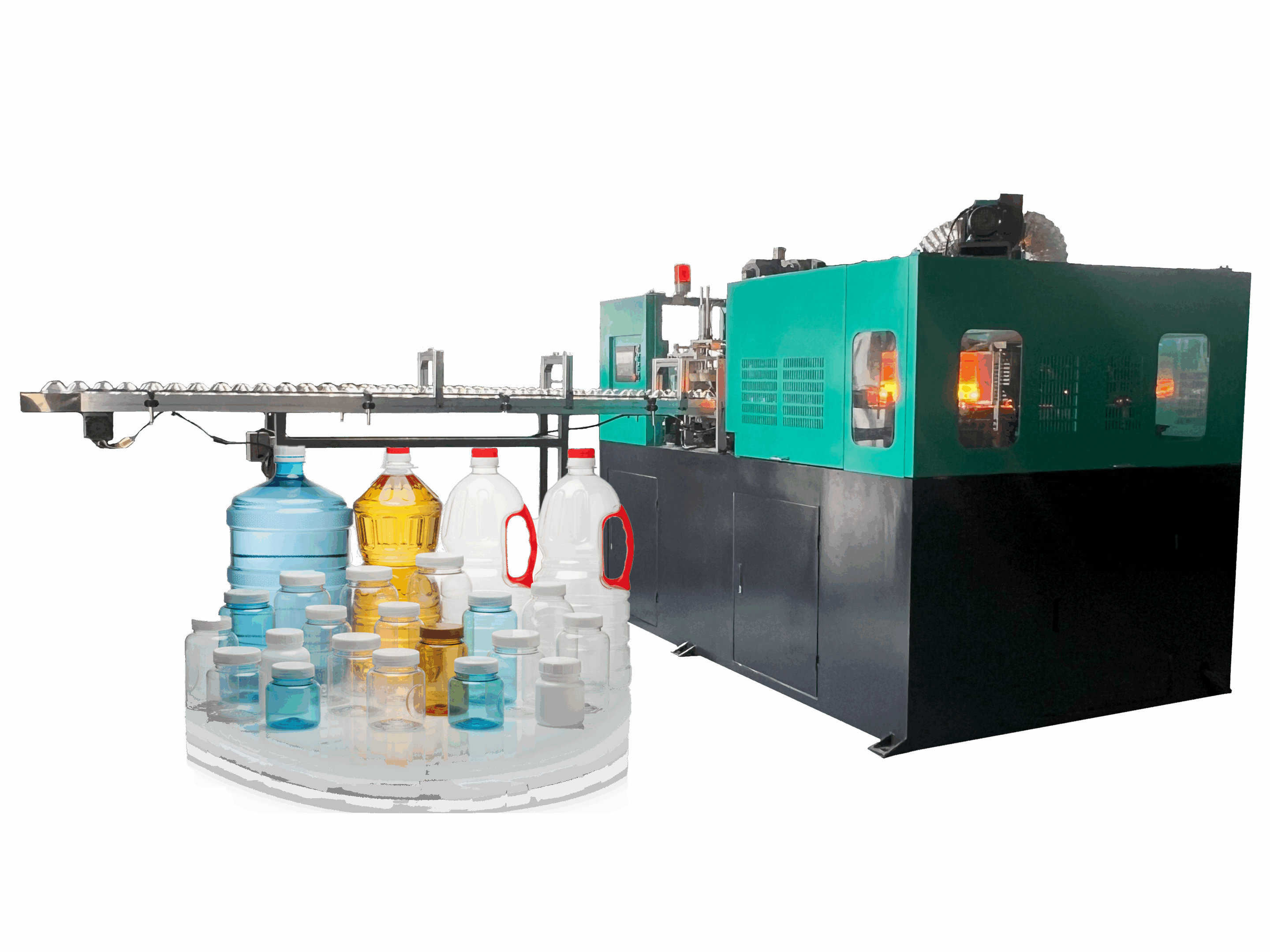
The Ultimate Guide to Ecuador Top 10 Stretch Blow Molding Machine Manufacturers
Shortlist Ecuador-ready Stretch blow molding machine suppliers fast—compare price signals, energy KPIs, support models, and install speed.
If you buy PET equipment in Ecuador this year, you need a list you can act on. I ranked brands that sell into Ecuador, flagged support models, and mapped the trade-offs that affect cost, uptime, and payback. You’ll get a clear Top 10, what to ask in RFQs, and how to de-risk installation and ramp-up.
Why This Matters in 2025 — energy efficiency, uptime, fast changeover, local service coverage in Ecuador
Energy and compressed air dominate Botella de PET costs; newer ovens, air-recovery, and servo drives cut kWh per 1,000 bottles. Faster, verified changeovers keep SKUs flowing with fewer overtime hours.
In Ecuador, decision speed and servicio coverage are critical. Choose vendors with clear dispatch targets, Spanish-language training, and parts paths that won’t stall your line when demand spikes.
Cost and Pricing Signals for 2025 — one-stage vs two-stage, cavities, automation, FAT/SAT, import duties in Ecuador
Two-stage Stretch blow molding machine lines range widely: semi-automatic 2–4 cavity platforms can land around USD 35,000–80,000; mid-speed 4–8 cavity systems run about USD 120,000–450,000; high-speed 8–20 cavity combis can reach USD 600,000–2,000,000. One-stage Injection Stretch Moldeo por soplado systems (precision, smaller runs) often price around USD 800,000–2,500,000 depending on clamp size and molds.
Price moves with cavity count, preform handling, neck finish, quick-change kits, leak testing, and vision QC. Budget for Factory Acceptance Test, Site Acceptance Test, commissioning, operator training, freight, insurance, customs, and Ecuador taxes (including VAT). Confirm HS codes and any duty exemptions with your broker before PO.
Energy, Utilities, and Sustainability — kWh per 1,000 bottles, compressed air recovery, IR oven zoning, servo drives
Modern two-stage lines typically achieve roughly 45–70 kWh per 1,000 × 500-ml bottles; legacy lines can be 80–120 kWh. All-electric ovens, multi-zone IR control, and servo actuation lower energy and stabilize calidad. High-pressure air is the big lever—recovery systems can cut air consumption by 15–30% while improving neck finish stability.
Specify energy logs in FAT/SAT, and plan for clean, dry air and stable voltage. If your plant’s utilities vary by shift, add buffers (dryers, receivers, UPS for controls) to protect uptime.
Two-stage Stretch blow molding machine platforms excel at high throughput and format stability for water, CSD, edible oil, and dairy—your typical Ecuador bottle mix (350–3,000 ml). One-stage Injection El Moldeo por Soplado Molding systems shine on premium cosmetics, pharma, or specialty shapes where small-to-medium runs and tight neck/body tolerances matter more than speed.
Mold, Tooling, and Quick-Change Strategy — preform molds, neck rings, EOAT, vision QC, changeover minutes
Lock in spare neck rings, stretch rods, and end-of-arm tooling with fast disconnects. Require video-verified changeover minutes in RFQs. A good two-stage kit should change formats in 30–90 minutes with recipe recall; one-stage changes take longer due to injection and blow sides.
Process Control and Quality — oven profile, preform temperature window, stretch ratios, blow/counter-pressure, Cp/Cpk
Quality hinges on a steady oven profile, consistent preform temperature, correct stretch ratios, and tuned blow/counter-pressure. Ask vendors to demonstrate Cp/Cpk on critical dimensions and show inter-shift stability using your preforms and resin.
Materials and Barriers — PET, rPET, PETG, multilayer (EVOH/nylon) and recycling in Ecuador
Most Ecuador beverage and personal care bottles use PET or rPET blends; PETG helps with clarity in specialty shapes. If you need oxygen or solvent barriers, consider multilayer preforms (e.g., EVOH or nylon), but plan for recycling stream implications and local packaging norms.
Top 10 Stretch blow molding machine Manufacturers in Ecuador
Sidel (regional LATAM subsidiary; Ecuador served via distributors)

Sidel supplies high-speed two-stage platforms widely used in América Latina for water, CSD, and edible oil. Strong oven control, air-recovery, and combi options support Ecuador’s beverage mix with proven references across the region.
Productos principales
Two-stage rotary blowers, combi blow-fill-cap blocks, hot-fill capable lines, air-recovery modules, and complete line engineering.
Ventajas
Top-tier speed and energy performance, deep process know-how, comprehensive line integration, and robust regional service structure.
Contras
Higher upfront cost, longer lead times on peak demand, and complex changeovers without proper quick-change kits.
Official site: https://www.sidel.com
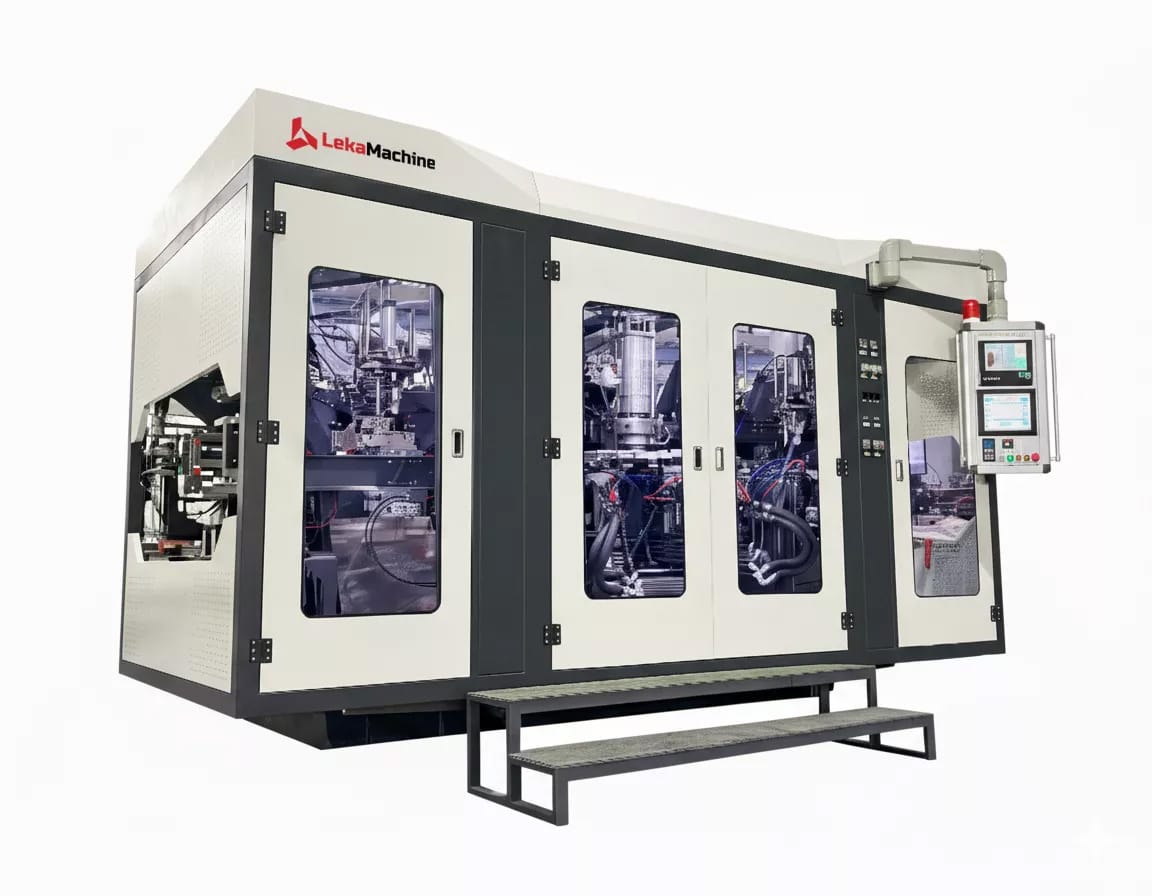
lekamachine (OEM global con cobertura en Asia)

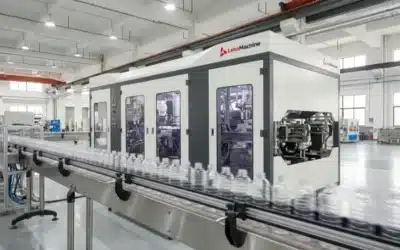
lekamachine supplies two-stage Stretch blow molding machine platforms with rapid 30–90 day delivery and strong price-performance. For Ecuador buyers, support combines regional partners, remote diagnostics, and Spanish-language training materials, with parts shipped from Asia and stocked kits for critical spares.
Productos principales
Two-stage PET blowers (2–12 cavities), hot-fill options, air-recovery, quick-change neck/tooling kits, and line integration with leak testing and vision QC.
Ventajas
30–90 day delivery, excellent price-performance, straightforward HMI and recipe libraries, and responsive remote support with clear SLA targets.
Contras
Indirect local presence—plan initial spares kit and confirm dispatch times; fewer ultra-premium high-speed SKUs than top European makes.
Sitio oficial: https://lekamachine.com
Krones (regional LATAM subsidiary; Ecuador supported via partners)

Krones’ Contiform family is common across LATAM for beverages and dairy. Strong process control, changeover aids, and integration with fillers and inspection align with Ecuador’s fast-moving beverage lines.
Productos principales
Contiform rotary blowers, ErgoBloc combis, hot-fill packages, monitoring/energy software, turnkey line soluciones.
Ventajas
Reliable throughput, integrated diagnostics, line-level optimization, and strong training programs in Spanish.
Contras
Premium pricing and potential spare-parts costs; advanced options can add complexity.
Official site: https://www.krones.com
KHS (regional LATAM subsidiary; distributor coverage in Ecuador)

KHS InnoPET platforms target water, CSD, and sensitive beverages with air-recovery and lightweighting support. Known for sturdy mechanics and solid hot-fill performance in the region.
Productos principales
InnoPET blowers, blow-fill blocks, hot-fill systems, air-recovery, and line engineering.
Ventajas
Durable builds, good energy profiles with recovery, and strong beverage aplicación support.
Contras
Lead times can stretch; software options may require extra training.
Official site: https://www.khs.com
SIPA (regional service; Ecuador via certified distributors)

SIPA offers flexible two-stage blowers and preform expertise, useful for Ecuador’s edible oil and water segments and for projects needing tight neck specs.
Productos principales
Rotary and linear blowers, hot-fill packages, preform tooling, molds, and complete lines.
Ventajas
Strong in molds and preforms, balanced energy performance, and good format flexibility.
Contras
Some linear models trade speed for flexibility; ensure spare-parts stock plans.
Official site: https://www.sipasolutions.com
Nissei ASB (regional LATAM service; Ecuador via partners)

Nissei ASB’s one-stage systems are favored for premium containers, pharma, and cosmetics—ideal when Ecuador projects need tight tolerance and smaller batches.
Productos principales
One-stage Injection Stretch Blow Molding machines, molds, and downstream accessories.
Ventajas
Excellent neck/body precision, fewer handling steps, and stable small-run quality.
Contras
Lower mass-throughput versus two-stage; higher unit energy per 1,000 bottles.
Official site: https://www.nisseiasb.co.jp
Aoki (regional LATAM coverage; Ecuador via distributor network)

The web of AOKI for blow molding machine factory/manufactures
Aoki focuses on one-stage systems for high-clarity, premium PET packaging. Good fit for niche Ecuador segments like cosmetics and specialty food jars.
Productos principales
One-stage Injection Stretch Blow Molding platforms and matched mold/tooling packages.
Ventajas
High precision, short handling path, and strong cosmetic finish on small formats.
Contras
Not optimized for very high beverage throughputs; tooling lead times can affect launch dates.
Official site: https://www.aoki-ism.com
SMI (regional LATAM subsidiary; Ecuador served via local agents)

The web of SMIGROUP asb for blow molding machine factory/manufactures
SMI offers cost-effective two-stage rotary blowers and combis used across water and edible oil lines in América Latina, balancing speed, cost, and integration.
Productos principales
Rotary blowers, ECOBLOC blow-fill-cap systems, conveyors, and packaging equipment.
Ventajas
Attractive capex, practical energy features, and straightforward operation.
Contras
Top-end speeds trail the largest premium platforms; verify changeover kits for SKU churn.
Official site: https://www.smigroup.it
Tech-Long (regional LATAM offices; Ecuador support via distributors)
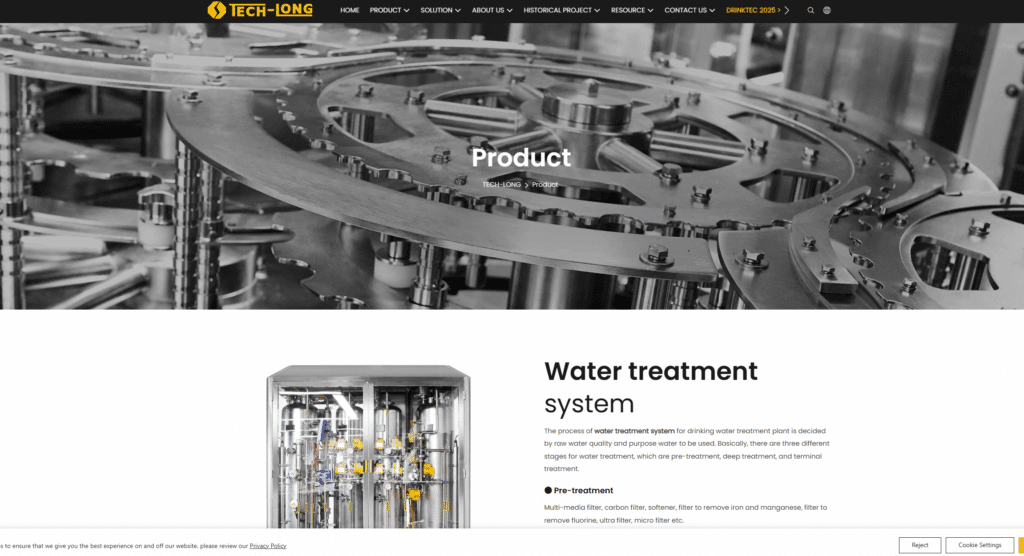
Stainless control cabinet with pneumatic valves, filters, and gauges for air and water distribution on blow molding lines
Tech-Long supplies two-stage blowers and combis with competitive pricing and growing Latin American installed base—useful for budget-sensitive Ecuador projects.
Productos principales
Rotary blowers, blow-fill-cap blocks, air-recovery systems, and turnkey lines.
Ventajas
Strong price-to-performance, modern energy options, and improving regional service.
Contras
Confirm spare-parts depots and technician dispatch times; documentation consistency varies.
Official site: https://www.tech-long.com
SIDE (regional LATAM presence; Ecuador via agents)
Spain’s SIDE focuses on two-stage solutions with solid references for water and specialty formats in LATAM, emphasizing compact footprints and practical changeovers.
Productos principales
Linear and rotary blowers, molds, and auxiliary equipment for PET production.
Ventajas
Compact layouts, competitive operating costs, and responsive engineering.
Contras
Fewer ultra-high-speed options; ensure local spare-parts stocking plans.
Official site: https://www.side.es
Factors to Consider When Choosing a Stretch blow molding machine Manufacturer for a Startup — delivery time, training, TCO in Ecuador
For first-time buyers, I bias toward fast delivery, simple HMIs, and a clear preventive-maintenance plan. In Ecuador, predictable total cost of ownership in USD matters: lock in energy, spares, and training hours up front.
Choose a vendor that will train in Spanish, leave recipe libraries tailored to your SKUs, and commit to dispatch targets and remote diagnostics in writing.
How to Find a Stretch blow molding machine Manufacturer for Your Startup — shortlist, pilot, OEE, SLA, references in Ecuador
Shortlist three to five vendors. Run trials with your preforms and resin, then measure overall equipment effectiveness, scrap, energy, and changeover minutes. Ask for a draft service level agreement and visit regional references.
Keep the RFQ tight: specify bottle sizes, neck finishes, line speed, energy logs, and acceptance criteria for FAT and SAT.
Domestic vs Overseas Stretch blow molding machine Manufacturers — responsiveness, cost, hybrid model in Ecuador
Overseas brands may offer better capex or top speed; domestic or regional partners offer faster service. A hybrid model—overseas equipment with a local agent and stocked spares—often works best in Ecuador.
Maintenance, Spare Parts, and Service Level Agreements — PM intervals, spares kit, MTTR, remote diagnostics
Include a preventive-maintenance schedule, a 12-month critical spares kit, and mean-time-to-repair commitments. Ensure remote diagnostics, hotline in Spanish, and clear escalation paths for priority stops.
Installation, Commissioning, and Ramp-Up — FAT/SAT checklists, training plans, ramp KPIs in Ecuador
Use checklists for FAT and SAT with acceptance samples and signed data logs. Build a training plan per shift and define ramp KPIs (speed, scrap, energy). Align the install calendar with local holidays and peak demand windows.
Pilot Runs and Acceptance Criteria — pilot with production molds, OEE, energy, changeover
Time-box pilots using production molds and your resins. Record OEE, energy per 1,000 bottles, and changeover minutes while testing a draft SLA. Secure local reference visits before final payment.
Total Cost of Ownership and ROI Modeling — energy rates, labor, logistics, residual value in Ecuador
Model payback with local energy rates, labor, spares logistics, and residual value. Stress-test ROI with different SKU mixes and shift patterns. In USD economies, energy and compressed air savings compound quickly.
Operator Training and Change Management — HMI, recipes, SOPs, cross-shift audits in Ecuador
Standardize HMIs and recipe naming, document SOPs, and run cross-shift audits for the first 60 days. Provide laminated quick-start guides in Spanish and build an internal trainer bench.
Digital Connectivity and Data — remote monitoring, alarms, MES/ERP links, predictive maintenance
Ask for remote monitoring, alarm histories, and cycle/scrap/energy tags you can feed into MES/ERP. Predictive maintenance on drives, ovens, and pneumatics helps stabilize uptime.
Case Studies and Benchmarks — energy reduction, changeover time, OEE gains in Ecuador sectors
Beverage: switching to air-recovery cut compressed-air use ~20% and improved OEE by 3–5 points on 500-ml water.
Personal care: quick-change neck kits reduced format changeovers from 120 minutes to 55 minutes, enabling same-shift SKU flips.
Lácteos: la optimización del llenado en caliente estabilizó las dimensiones del cuello y redujo el desperdicio entre un 1% y un 21% en botellas de 1.000 ml.
Lista de verificación de RFQ y Tarjeta de Puntuación de Proveedores: energía (kWh), minutos de cambio de formato, mapa de cobertura en Ecuador.
Solicite kWh a tres velocidades y por cada 1.000 botellas, minutos de cambio de formato verificados por video, un programa de mantenimiento preventivo con kit de repuestos para 12 meses, un mapa de cobertura de técnicos para Ecuador, objetivos de SLA de respuesta, y criterios detallados de FAT/SAT con muestras de aceptación nombradas y tolerancias. Pida referencias cercanas.
Otras Opciones Adicionales a los Fabricantes de Máquinas de Soplado de Estirado — soplado por contrato (toll), reacondicionamiento/modernizaciones, procesos alternativos
Si los plazos son ajustados, considere moldeadores por tarificación mientras se envía su línea. La renovación o modernización pueden cerrar brechas. Para cuellos estrechos y tolerancias muy ajustadas, el Moldeo por Soplado de Estirado por Inyección puede ser adecuado; para asas de HDPE o envases grandes, El moldeo por soplado de extrusión sigue siendo la mejor opción.
Preguntas frecuentes — Preguntas para la compra de máquinas de soplado de estirado-soplado
P: ¿Una o dos etapas para bebidas en Ecuador? R: Dos etapas para agua, bebidas carbonatadas y aceite a alta velocidad; una etapa para series pequeñas premium y tolerancias estrechas en cuellos.
P: ¿Cuál es un buen punto de referencia de kWh por cada 1.000 botellas? R: Los sistemas modernos de dos etapas pueden alcanzar aproximadamente 45-70 kWh/1.000 botellas de 500 ml; verifique con registros de datos de su resina y preformas.
P: ¿Requisitos de aire comprimido? R: Espere alta presión de 25-35 bar para soplado y baja presión de 6-10 bar para neumática; especifique recuperación de aire para reducir el uso entre un 15% y un 30%.
P: ¿Puedo ejecutar llenado en caliente? R: Sí, con moldes de termofijado, enfriamiento controlado y ajuste de recetas; confirme compensaciones de producción y energía.
P: ¿Qué tiempo de cambio de formato debo esperar? R: Formatos de dos etapas en 30-90 minutos con kits de cambio rápido; los cambios de una etapa tardan más debido a las herramientas de inyección.
P: ¿Cuántas piezas de repuesto debo almacenar? R: Mantenga un kit crítico para 12 meses: sellos, varillas, anillos de cuello, sensores, correas y repuestos de PLC/accionamiento.
P: ¿Los proveedores ofrecen diagnóstico remoto? R: La mayoría sí; requiera acceso VPN, registros de alarma y SLA de escalamiento en español.
P: ¿Garantía típica? R: Doce meses es común; negocie 18 meses e incluya horas de capacitación y verificación de energía.
Conclusión — Adecuación de la plataforma, servicio verificado, TCO medido, próximos pasos
Elija la plataforma que coincida con su mezcla de botellas, verifique el servicio local o regional, y mida el costo total de propiedad con datos reales. Así es como evita sorpresas y alcanza los objetivos de retorno de inversión.
Sus próximos pasos: preseleccione de tres a cinco marcas de este Top 10, solicite registros de energía y cambio de formato en sus preformas, ejecute una prueba piloto y negocie un SLA vinculado al tiempo de actividad y tiempos de respuesta.


0 Comentarios