
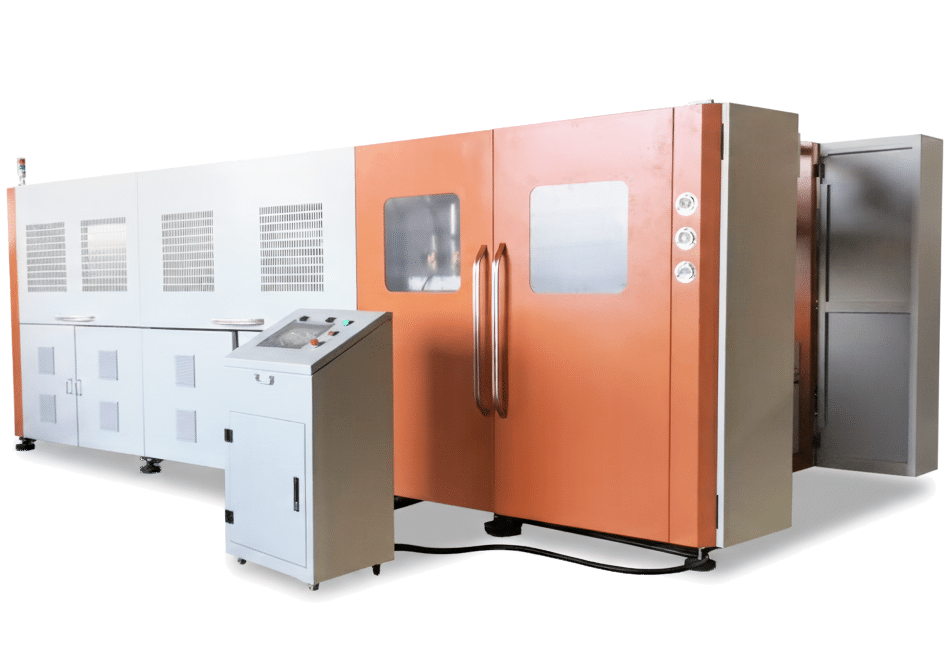
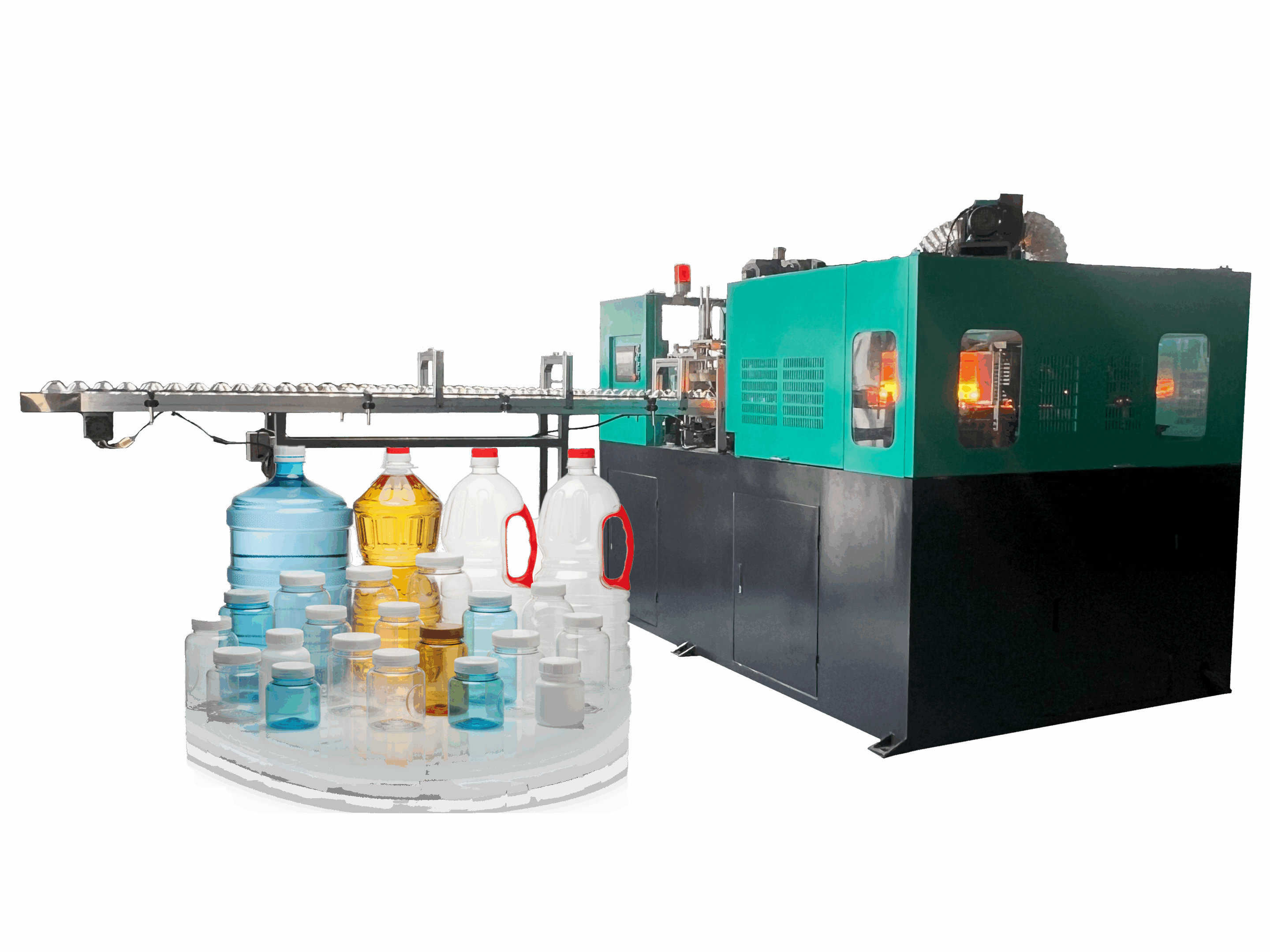
Introducción
When industrial packaging fails, the costs go far beyond replacement containers—downtime, product loss, and safety risks can cripple operations. That’s why manufacturers handling chemicals, pharmaceuticals, and heavy-duty goods increasingly rely on HDPE container production through blow molding. This method delivers unmatched durability while tackling two critical pain points: cost efficiency and sustainability compliance.
HDPE’s unique properties—chemical resistance, impact strength, and 100% recyclability—make it the ride-or-die material for harsh environments. From European pharmaceutical brands to industrial lubricant suppliers, companies choose blow-molded HDPE containers because they withstand extreme conditions without the weight or expense of metal alternatives. This article breaks down how HDPE outperforms other materials and why modern blow molding machines are key to maximizing these advantages.
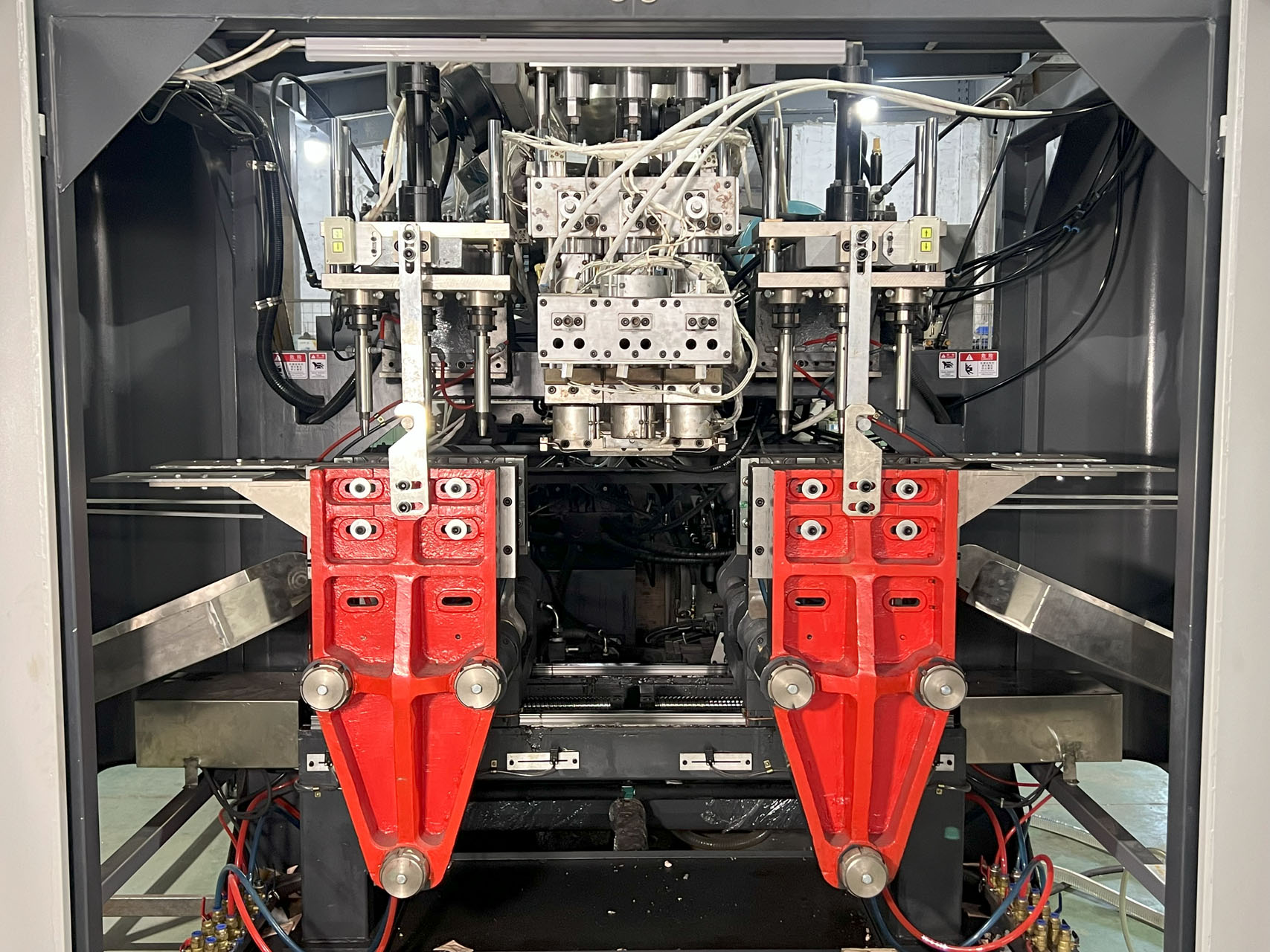
The Fundamentals of HDPE for Industrial Packaging
“HDPE (High-Density Polyethylene) is a versatile plastic widely used in industrial container production due to its durability, chemical resistance, and recyclability.”
HDPE, or High-Density Polyethylene, is a type of plastic known for its strength and flexibility. It is made from petroleum and is commonly used in industrial packaging because of its unique properties. The molecular structure of HDPE gives it high tensile strength, making it ideal for heavy-duty containers.
One of the key reasons HDPE is preferred for industrial containers is its durability. Unlike other materials, HDPE can withstand rough handling and harsh environments. It is also resistant to many chemicals, which makes it perfect for storing industrial liquids like oils, detergents, and acids. Additionally, HDPE can handle extreme temperatures, from freezing cold to boiling hot, without losing its shape or strength.
HDPE vs. Other Materials in Industrial Packaging
| Material | Durabilidad | Resistencia química | Temperature Tolerance | Reciclabilidad |
|---|---|---|---|---|
| HDPE | Alta | Excelente | -40°F to 230°F | Totalmente reciclable |
| PET | Medio | Bien | -40°F to 150°F | Reciclable |
| LDPE | Bajo | Feria | -60°F to 180°F | Reciclable |
| Glass | Brittle | Excelente | Up to 500°F | Reciclable |
| Metal | Muy alta | Varies | Extreme | Reciclable |
When compared to alternatives like PET, LDPE, glass, or metal, HDPE stands out for its balance of strength, weight, and cost-effectiveness. Glass and metal may offer higher temperature resistance, but they are heavier and more expensive. PET and LDPE are lighter but lack the toughness needed for industrial use.
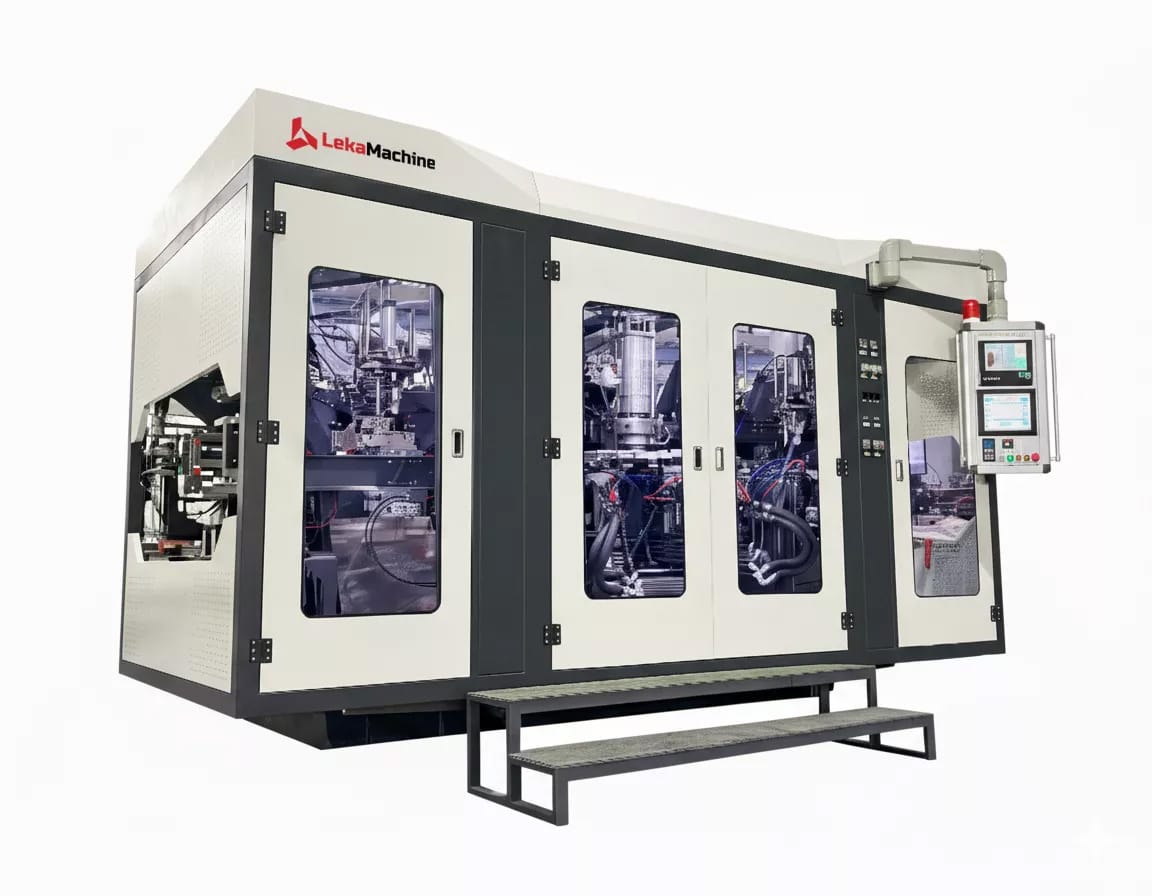
HDPE container production also meets strict industry standards, including FDA and EU certifications for food and pharmaceutical safety. This makes it a ride-or-die choice for businesses needing reliable packaging. Companies like Lekamachine specialize in HDPE-compatible blow molding machines, using advanced single-stage stretch blow molding technology to produce high-quality containers efficiently.
Another advantage of HDPE is its environmental friendliness. It produces fewer greenhouse gases during manufacturing compared to other plastics and is fully recyclable. Many industries are switching to HDPE to meet sustainability goals without sacrificing performance.
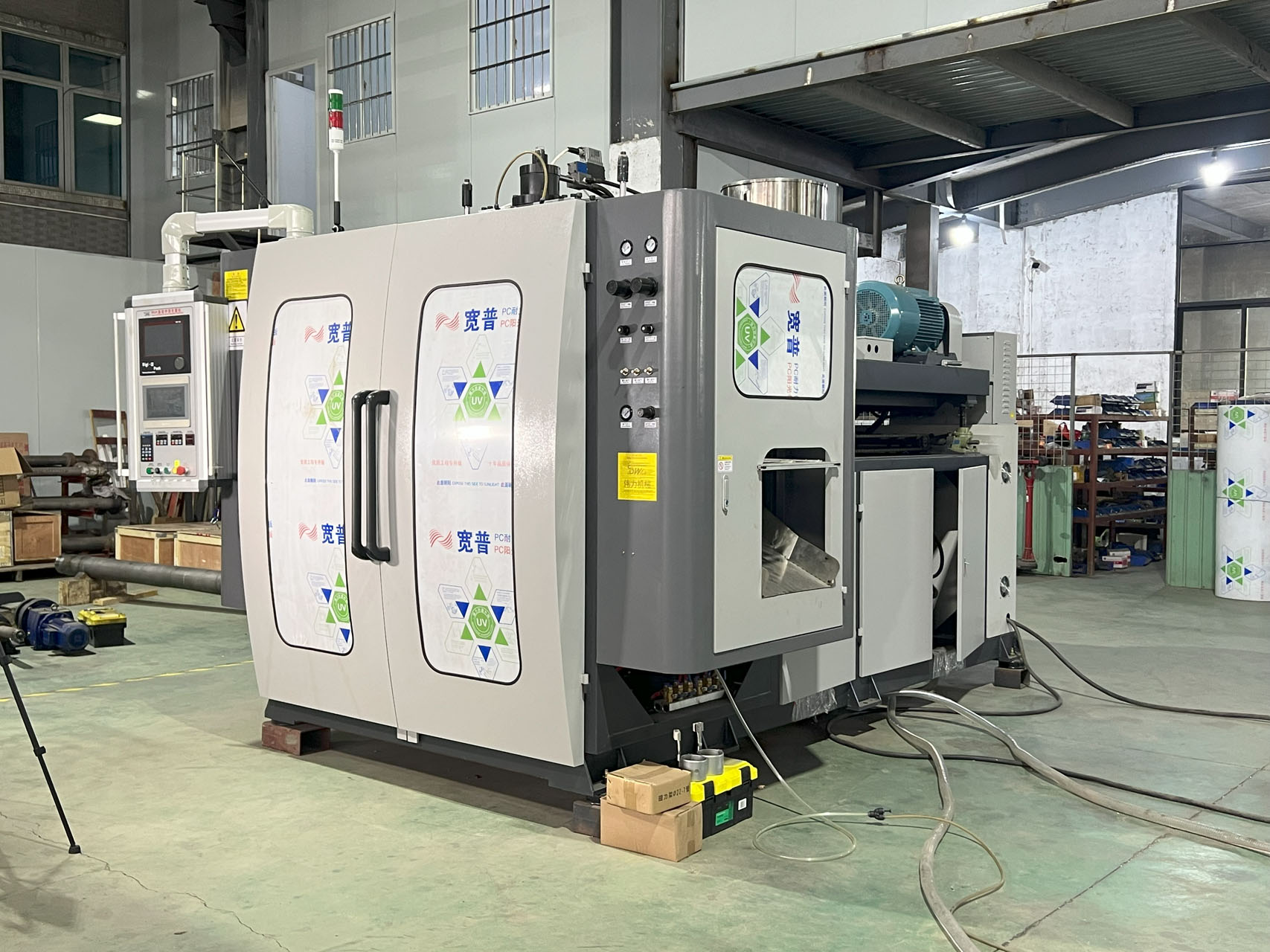
Blow Molding Process for HDPE Container Production
“Blow molding transforms HDPE resin into durable containers through a precise, energy-efficient process that minimizes waste while maximizing output quality.”
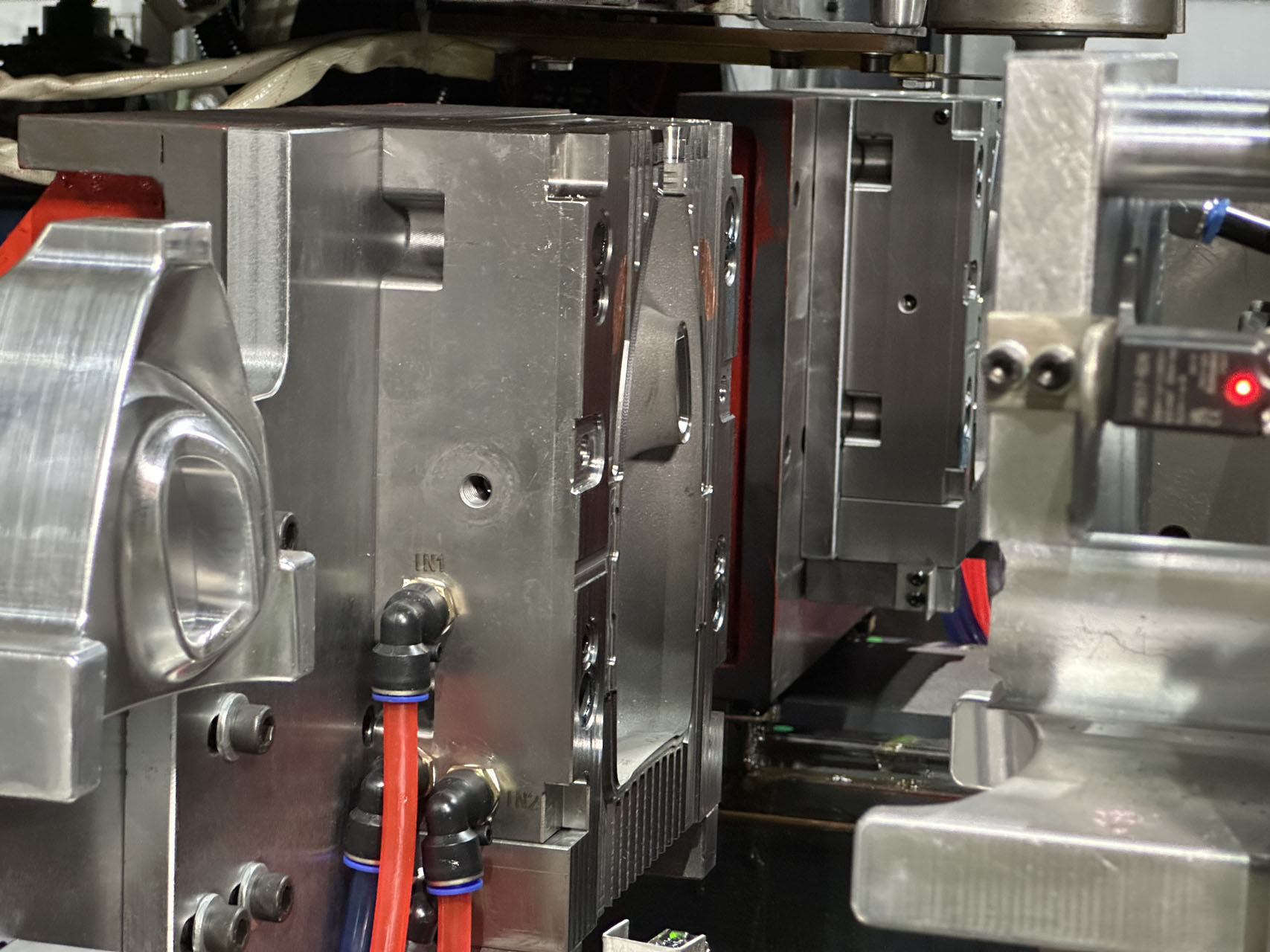
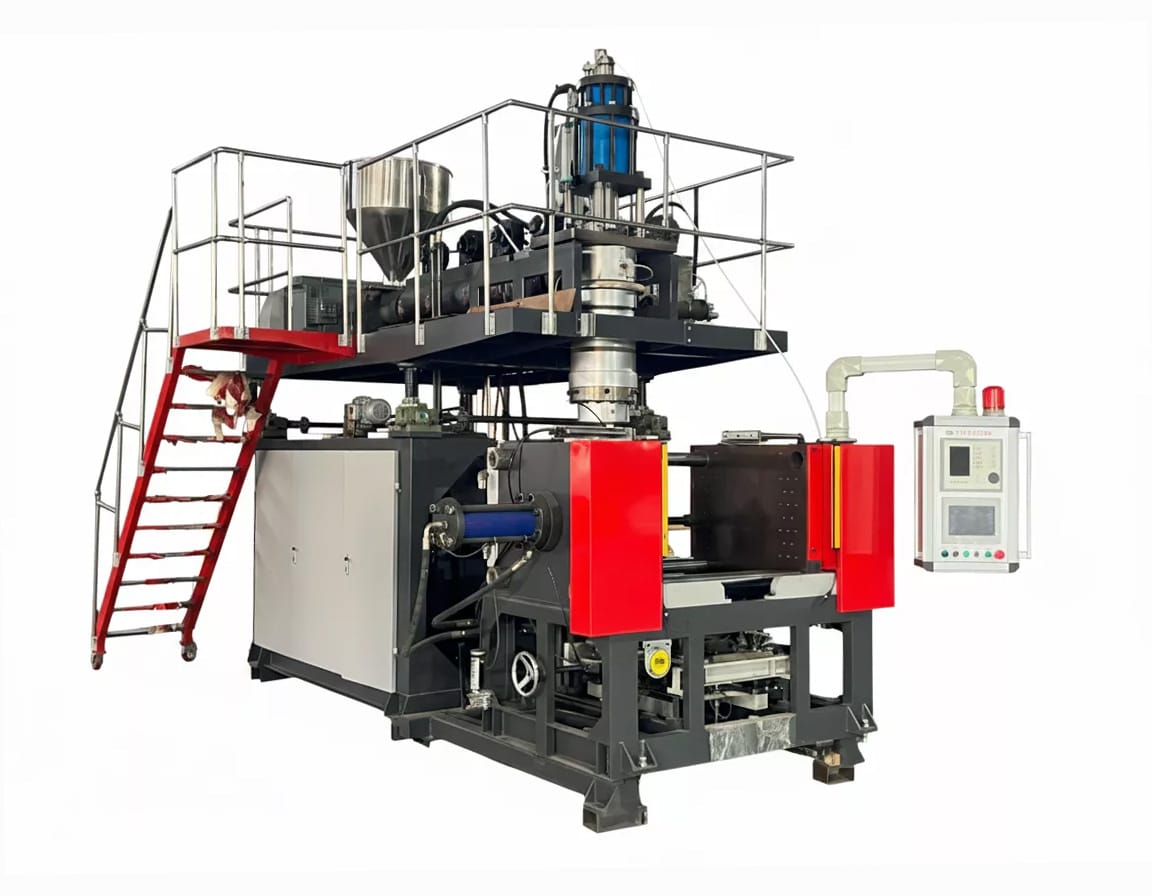
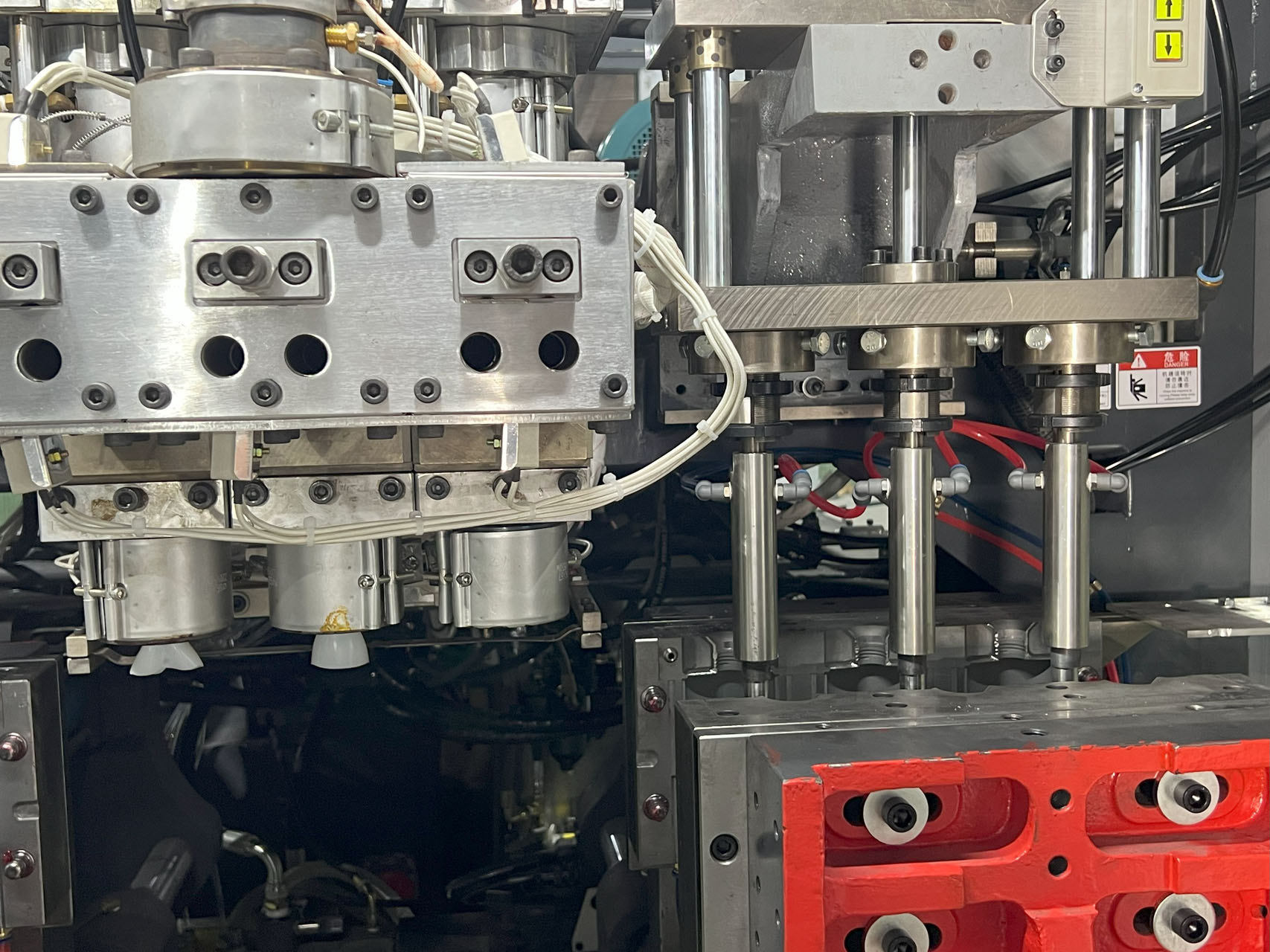
The blow molding process is the backbone of HDPE container production, turning raw plastic resin into sturdy industrial packaging. This manufacturing method begins with HDPE pellets being melted and formed into a parison (a hollow tube of molten plastic). The parison is then clamped into a mold where compressed air inflates it to take the shape of the container.
HDPE Blow Molding Production Steps
| Step | Proceso | Temperatura | Time Duration | Puntos de control de calidad |
|---|---|---|---|---|
| 1. Resin Preparation | HDPE pellets dried and fed into extruder | 180-230°C | 30-60 minutos | Moisture content < 0.02% |
| 2. Parison Formation | Molten plastic extruded into hollow tube | 190-220°C | 2-5 minutes | Wall thickness consistency |
| 3. Mold Clamping | Parison positioned between mold halves | 20-50°C | 10-30 seconds | Proper alignment |
| 4. Blowing | Compressed air inflates parison | 190-210°C | 5-15 seconds | Air pressure (50-150 psi) |
| 5. Cooling & Ejection | Container cools and is removed | 20-40°C | 20-60 seconds | Dimensional accuracy |
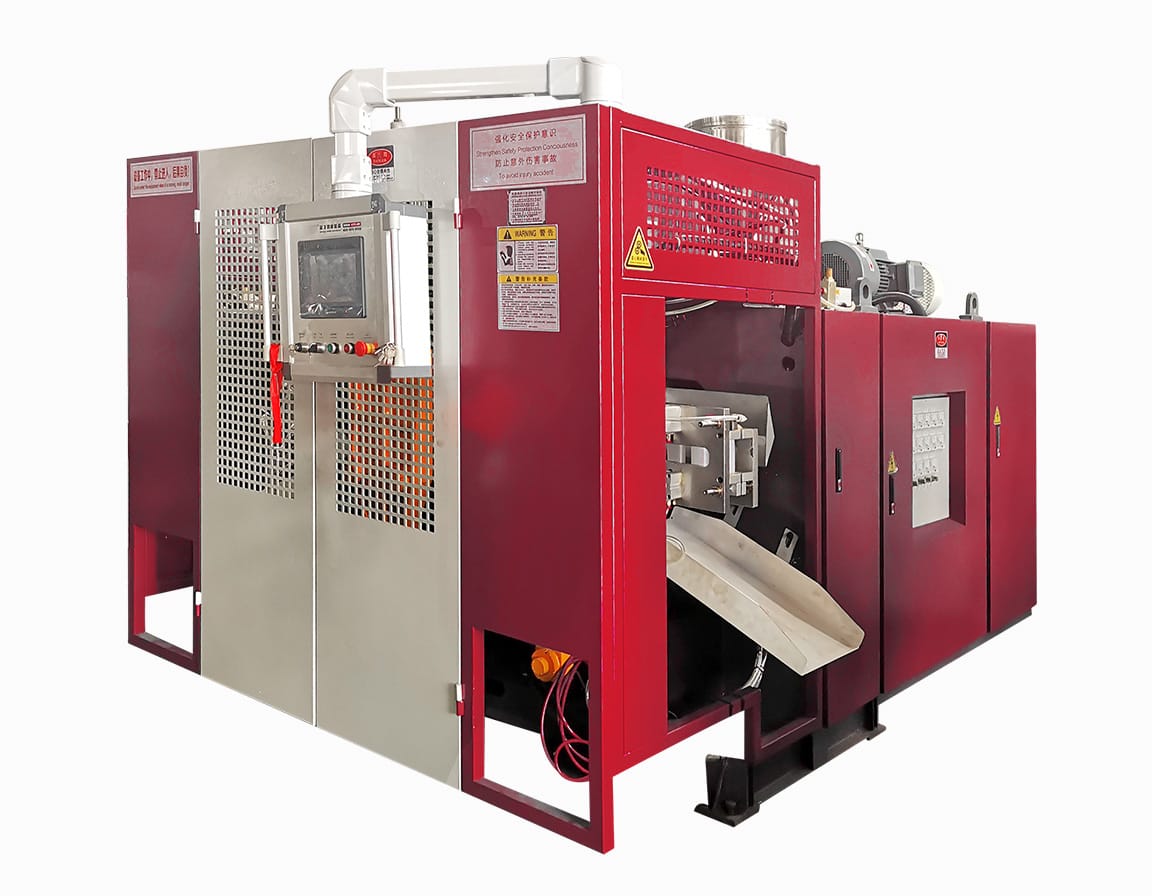
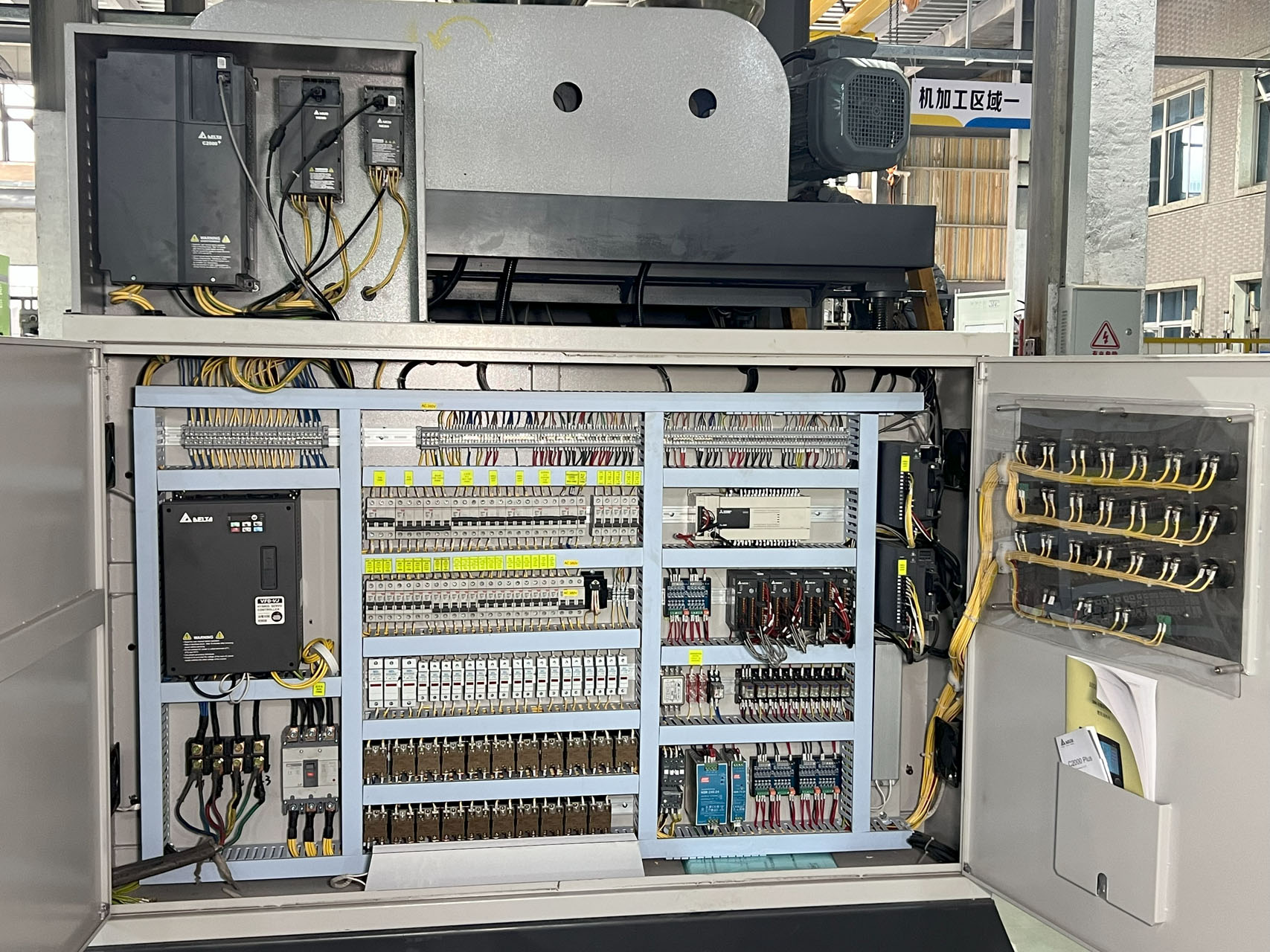
Modern blow molding machines, like those from Lekamachine, incorporate energy-saving features such as servo-electric drives and heat recovery systems. These innovations can reduce energy consumption by up to 40% compared to conventional machines, making HDPE container production more sustainable and cost-effective.
Quality control is integral throughout the process. Automated systems monitor wall thickness, while vision inspection systems check for defects. HDPE’s natural chemical resistance means containers require no additional coatings, reducing production steps and potential failure points.
The environmental advantages of blow molded HDPE containers include material efficiency (near-zero flash waste) and recyclability. Lekamachine’s single-stage stretch blow molding technology further enhances these benefits by combining injection and blowing into one seamless operation.
Industrial Applications of Blow Molded HDPE Containers
“HDPE containers serve diverse industries with their unique combination of durability, chemical resistance, and customization capabilities.”
Blow molded HDPE containers have become indispensable across multiple industries due to their exceptional performance characteristics. In the chemical sector, these containers safely store corrosive substances without degradation, offering superior resistance to acids, alkalis, and solvents. Pharmaceutical companies rely on HDPE for sterile, FDA-compliant packaging that maintains product integrity while meeting stringent regulatory requirements.
Industry-Specific HDPE Container Applications
| Industria | Tipo de Envase | Requisitos clave | Características Especiales | Capacity Range |
|---|---|---|---|---|
| Química | Jerry cans, drums | Chemical resistance, impact strength | UV stabilization, vented caps | 1L-60L |
| Farmacéutica | Frascos para medicamentos | Sterility, tamper evidence | Child-resistant closures | 50ml-1L |
| Alimentos y Bebidas | Juice bottles, dairy containers | Food-grade certification | Barrier layers, wide mouths | 250ml-10L |
| Industrial Lubricants | Oil bottles, grease containers | Puncture resistance | Drip-free spouts | 500ml-20L |
| Agriculture | Pesticide containers | Chemical compatibility | Triple-rinse design | 5L-30L |
Lekamachine’s blow molding technology enables precise HDPE container production for these demanding applications. Their machines can incorporate specialized features like UV inhibitors for outdoor storage, tamper-evident seals for security, and custom closures for specific dispensing needs. A recent implementation for a European lubricant manufacturer demonstrated 30% material savings through optimized wall thickness while maintaining required strength.
The food industry benefits from HDPE’s lightweight properties and food-safe certification. Milk jugs and juice bottles made from HDPE weigh significantly less than glass alternatives, reducing transportation costs. The material’s natural opacity also protects light-sensitive contents without requiring additives.

Sustainability and Cost Benefits of HDPE Containers
“HDPE containers offer both environmental sustainability and economic advantages, making them a smart choice for modern packaging needs.”
HDPE container production delivers significant environmental benefits that align with today’s sustainability goals. As one of the most recyclable plastics, HDPE can be reprocessed multiple times without substantial quality loss, supporting circular economy initiatives. Compared to alternative materials, HDPE production generates 30-40% fewer greenhouse gas emissions than PET and requires less energy than glass or metal alternatives.
Comparative Analysis of Packaging Materials
| Material | Reciclabilidad | Carbon Footprint (kg CO2/kg) | Production Energy (MJ/kg) | Transport Cost Factor |
|---|---|---|---|---|
| HDPE | High (1-7 cycles) | 1.6 | 76 | 1.0 |
| PET | Medium (2-3 cycles) | 2.2 | 84 | 1.1 |
| Glass | Infinito | 1.4 | 14 | 2.5 |
| Aluminio | Infinito | 8.6 | 211 | 1.8 |
| PP | Medium (3-5 cycles) | 1.9 | 80 | 1.0 |
Lekamachine’s energy-efficient blow molding machines further enhance these sustainability benefits by reducing production energy consumption by up to 35% compared to conventional models. Their single-stage stretch blow molding technology minimizes material waste during HDPE container production, achieving near-zero flash waste rates while maintaining product quality.
From a cost perspective, HDPE containers offer substantial savings throughout their lifecycle. The lightweight nature of HDPE reduces shipping costs by 20-30% compared to glass alternatives. Production efficiency gains from modern blow molding equipment like Lekamachine’s can yield 15-25% lower per-unit costs. These economic advantages, combined with HDPE’s durability and reusability, make it an increasingly popular choice for companies balancing sustainability with profitability.
Selecting the Right HDPE Container Production Solution
“Choosing the optimal HDPE container production system requires careful evaluation of technical specifications, supplier capabilities, and future business needs.”
Selecting the ideal HDPE container production solution begins with understanding your specific industrial requirements. Key specifications to consider include production volume (ranging from small batches to high-output continuous runs), container size and wall thickness requirements, and any special features like UV protection or tamper evidence. Industrial HDPE containers often demand higher durability standards than consumer packaging, particularly for chemical or pharmaceutical applications.
Blow Molding Machine Selection Criteria
| Factor | Consideración | Nivel Básico | Gama Media | Industrial-Grade |
|---|---|---|---|---|
| Production Capacity | Unidades/hora | 500-1,000 | 1,000-3,000 | 3,000-8,000+ |
| Nivel de Automatización | Labor requirements | Semi-automatic | Mostly automatic | Fully automatic |
| Eficiencia energética | kW/hour | 15-25 | 10-20 | 8-15 |
| Tiempo de cambio | Minutes | 60+ | 30-60 | 15-30 |
| Supplier Support | Tiempo de respuesta | 48-72 horas | 24-48 horas | El mismo día |
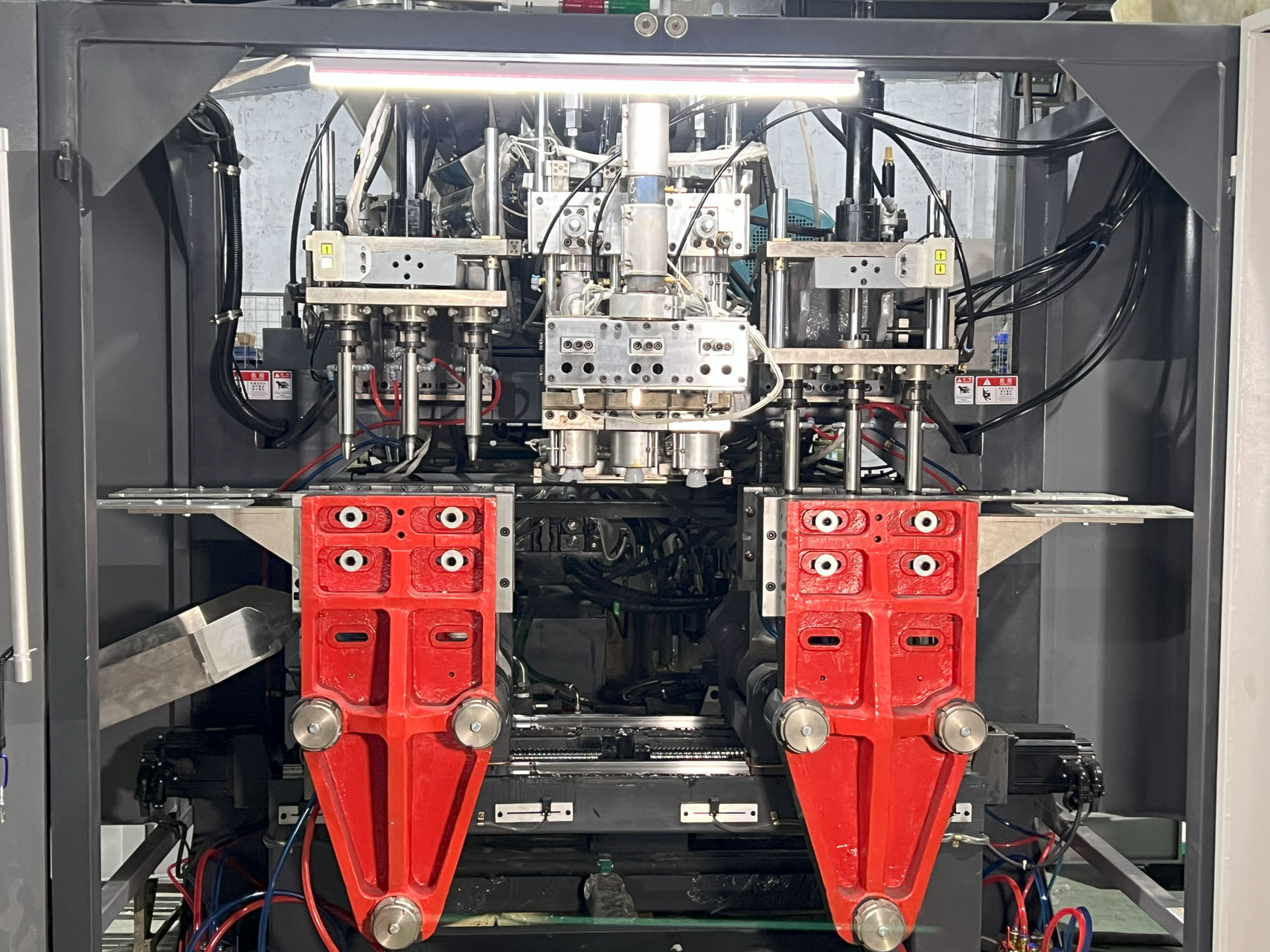
Al evaluar proveedores para la producción de envases de HDPE, priorice a los fabricantes con experiencia comprobada en la industria, como Lekamachine, que ofrece 12 años de experiencia especializada en tecnología de moldeo por soplado. Sus soluciones totalmente automatizadas demuestran cómo la maquinaria avanzada puede preparar las operaciones para el futuro mediante características como sistemas de cambio rápido de moldes y monitoreo de rendimiento habilitado para IoT. Una implementación reciente para una empresa farmacéutica europea mostró ciclos de producción un 40% más rápidos, manteniendo estrictos estándares de calidad.
Más allá de las especificaciones técnicas, considere el costo total de propiedad, incluidos los requisitos de mantenimiento, el consumo de energía y el potencial para actualizaciones futuras. Los diseños energéticamente eficientes de Lekamachine pueden reducir los costos operativos hasta en un 30% en comparación con los sistemas convencionales. Su paquete de soporte integral – desde la instalación hasta la capacitación de operadores – garantiza una implementación sin problemas y minimiza el tiempo de inactividad durante las transiciones de producción.
Conclusión
Después de años en la industria del moldeo por soplado, he visto cómo los envases de HDPE **"mejoran significativamente"** el envasado para entornos hostiles. No solo son resistentes, sino también rentables, sostenibles y diseñados para soportar de todo, desde productos químicos hasta farmacéuticos, sin inmutarse.
Lo que destaca es cómo la tecnología moderna de moldeo por soplado maximiza estas ventajas. La máquina adecuada no solo da forma al plástico, sino que garantiza la consistencia, reduce drásticamente los desechos y prepara sus operaciones para el futuro. Si está sopesando opciones de envasado, la combinación de durabilidad y reciclabilidad del HDPE lo convierte en una opción destacada.
Al final del día, su envasado debería trabajar tan duro como su producto. Con HDPE, está cubierto, sin compromisos.
PREGUNTAS FRECUENTES
Q1: What is HDPE container production?
A1: La producción de envases de HDPE implica la fabricación de envases a partir de polietileno de alta densidad, un termoplástico conocido por su resistencia y durabilidad, adecuado para diversas aplicaciones, incluido el almacenamiento de alimentos y productos químicos.
Q2: How are HDPE containers made?
A2: Los envases de HDPE se fabrican mediante un proceso de extrusión o moldeo por soplado, donde la resina de HDPE se calienta y se moldea en la forma de envase deseada, garantizando durabilidad y resistencia a los productos químicos.
Q3: What are the advantages of HDPE containers?
A3: Los envases de HDPE ofrecen numerosas ventajas, incluida su alta resistencia, resistencia al impacto y a los productos químicos, su naturaleza liviana y la capacidad de ser reciclados, lo que los convierte en una opción de envasado respetuosa con el medio ambiente.
Q4: Is HDPE safe for food storage?
A4: Sí, el HDPE se considera seguro para el almacenamiento de alimentos y está aprobado por la FDA para su uso en artículos en contacto con alimentos, siempre que cumpla con las pautas específicas de la FDA.
Q5: What are the environmental impacts of HDPE production?
A5: La producción de HDPE genera menores emisiones de gases de efecto invernadero en comparación con otros plásticos debido a procesos de polimerización eficaces, y el HDPE puede reciclarse, reduciendo el impacto ambiental.
Q6: What industries use HDPE containers?
A6: Los envases de HDPE se utilizan ampliamente en diversas industrias, incluidas las de alimentos y bebidas, farmacéutica, almacenamiento de productos químicos y productos domésticos, debido a su durabilidad y resistencia química.
Q7: Can HDPE containers be reused?
A7: Sí, los envases de HDPE pueden reutilizarse varias veces, lo que los convierte en una opción rentable y sostenible para el envasado y almacenamiento.
Q8: How are HDPE containers recycled?
A8: Los envases de HDPE pueden reciclarse recolectándolos y procesándolos en gránulos, que luego se utilizan para fabricar nuevos productos, reduciendo así los desechos y conservando recursos.
Enlaces externos
- Fabricación de Botellas Químicas de HDPE - Detrás de Escena – Regent Plast
- HDPE: Una Guía sobre el Polietileno de Alta Densidad y Sus Usos
- Proceso de Fabricación del Polietileno de Alta Densidad – Sciencing
- ¿Cómo se fabrican los envases de HDPE? – Maxipet
- Comprender Cómo se Fabrica el HDPE – Estudio de Caso de Tangent
- Polietileno de alta densidad – Wikipedia
- ¿Cómo se Fabrica el HDPE? – Scranton Products
- Tamaño del Mercado de HDPE en India, Participación, Crecimiento e Informe de la Industria, 2030 – ChemAnalyst


0 Comentarios